




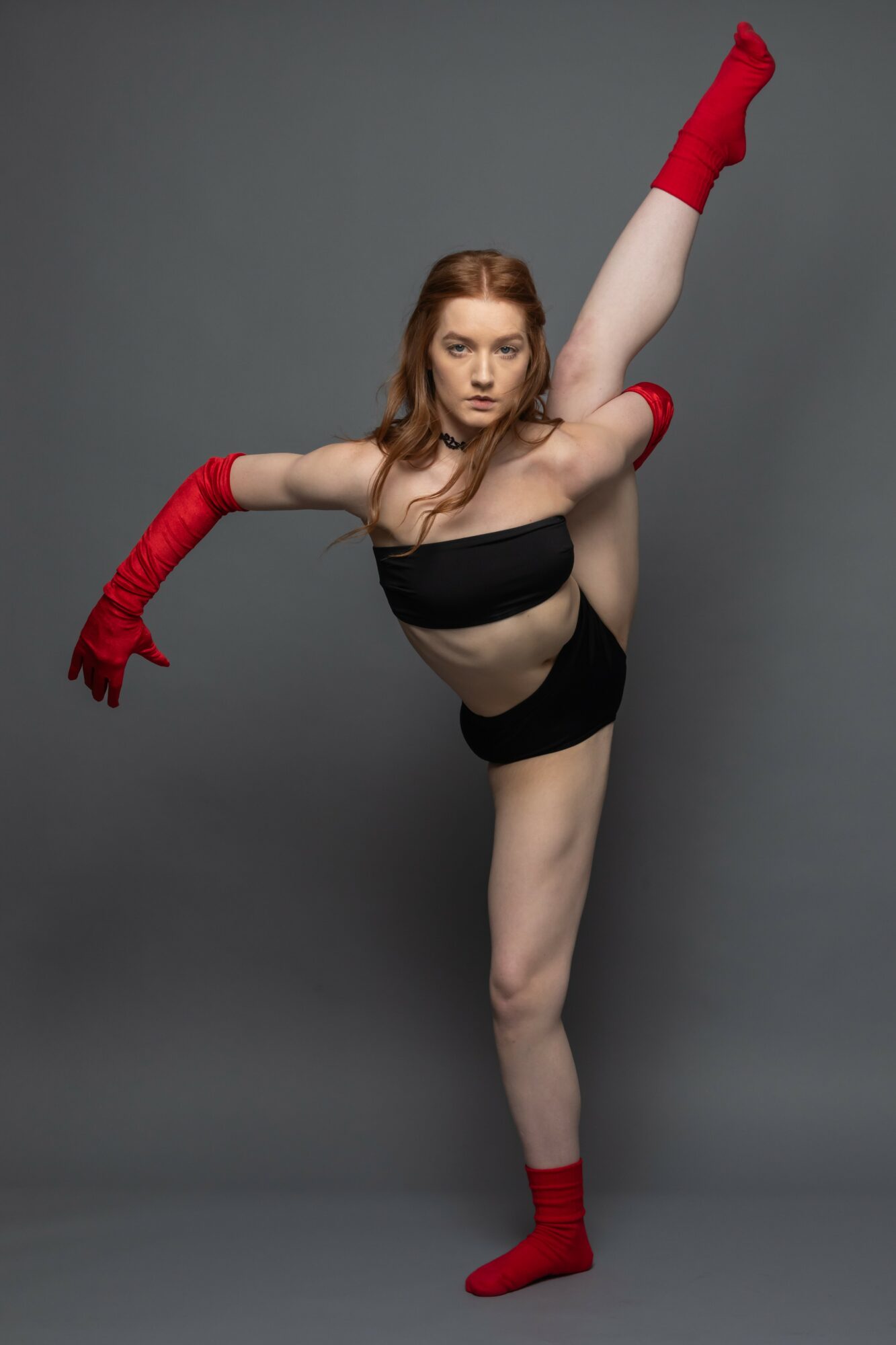
Today we’d like to introduce you to Bridget Derville-teer
Alright, so thank you so much for sharing your story and insight with our readers. To kick things off, can you tell us a bit about how you got started?
My name is Bridget Derville-Teer and I am a dancer, actor, and choreographer. I was featured on Season 15 and also appeared on Season 16 of So You Think You Can Dance, as well as several music videos and live shows in Portland, Oregon and Los Angeles. I am a company member for MarInspired; The Storytellers under the direction of Marinda Davis. I currently teach and choreograph for a competitive studio in LA, and I set pieces for five studios in Portland, Oregon. When I am not dancing, creating, or running rehearsals, I am at Playhouse West expanding my horizons into acting.
My journey as a choreographer started when I was sixteen. I started competing self choreographed solos and choreographing competitive pieces for younger dancers. After graduating, I moved to New York City to further my dance education at Broadway Dance Center and Peridance Capezio Center. However, my heart always found its way back to choreography.
Would you say it’s been a smooth road, and if not what are some of the biggest challenges you’ve faced along the way?
Although I had been dancing since I was three, I didn’t truly fall in love with it until I was thirteen. Famous kid dancers started to grow in popularity and I was starstruck by their talent. I began working incredibly hard to dance at that level, but I also became so overly involved with replicating these dancer’s styles and personas that I had no idea who I was as an artist.
When I was a sophomore in high school, I developed a horrific eating disorder that took me out of the entire dance season. I was not even allowed to stretch. I had to sit with myself for a year thinking about who I actually wanted to be. I was always working so hard to become someone else. I had two years left before I graduated and I was sick of pretending to be something I wasn’t.
To support my team, I still attended competitions. Since I couldn’t dance, I sat in the audience and watched for hours. This was the most difficult time in my life, but while I was watching, I learned what mattered to me in a piece of choreography. I sat there finally starting to answer those questions about who I was, what I cared about, and what I wanted to say as an artist.
My favorite thing about choreographing is taking a set of parameters I am given, and pushing every limit I can while technically in the guidelines I have. I realized as I was watching that these competitors are paying to be on stage. They can say anything they want, upload any audio file, and have complete freedom to share anything they want in under three minutes. I found boundless ideas once I realized this.
What if we combine sound bytes and music, and silence and make our own songs? What if we stay completely still for as long as we feel like? What if we can tell complex stories between characters on stage that goes beyond a “theme?” What if we scrap everything we think we know about dance and abandon a formula? One thing I will never do is concern myself with judges or an audience. I pride myself on creating exactly what I feel like creating regardless of who is going to watch. I tell my dancers all the time that the audience is just lucky to be there witnessing your story. You owe them nothing.
Growing up in dance comes with challenges. From a young age we are looking at ourselves in a mirror fixing corrections and training ourselves to be disciplined while still learning who we are and what we want. After first hand experience with taking these ideas of perfectionism too far, I have made it my mission to create a positive, healthy, lighthearted rehearsal space for everyone I work with. I try to make all my students laugh and feel safe and comfortable to try their hardest while understanding that their physical, mental, emotional, and artistic well being comes first. I take my creative work very seriously, but I have learned that this sincerity and integrity can exist at the same time as laughter, fun, and emotional safety. I have had a lot of struggles in my journey. I second guess myself and have insecurities like anyone else, but choreography is the one area of my life where I feel 100% capable and confident. I feel lucky everyday that I was able to turn that feeling into my career.
Appreciate you sharing that. What else should we know about what you do?
My work is often referred to as “weird, bizarre, strange, unique, dark” etc. (which I love.) Most of my work can be classified stylistically as contemporary fusion. I add the word fusion because I love to fuse lots of styles to have absolute freedom with my movement. I believe the reason I ended up being featured on So You Think You Can Dance when I was, was because of how different my piece was. I dove into the darkest parts of my brain and created without letting any limiting or conforming thoughts into my work. My lack of caring about what other people think has knocked down any boundaries in my way from creating art that is completely outside of the box. You don’t need to try to be edgy or try to be different. If you create authentic work without worry about how it is perceived, your work will be different because nobody is you. Your voice is unique because nobody has your life experience and perspective. The second you try to come across a certain way you lose that authenticity. I am proud of my work because it is always me. Don’t get me wrong; I carefully curate my movement and visuals to execute exactly what I want a piece to look like visually. I craft things with lots of intention, but that intention is to stay true to my voice.
Have you learned any interesting or important lessons due to the Covid-19 Crisis?
I was in the middle of the Professional Semester Program at Broadway Dance Center in New York when Covid hit. It broke my heart for such an incredible experience to have been abruptly cut short. I keep running into the same lesson in life about not taking things for granted. Over Covid, I moved back to Portland for a year. That year in Portland was greatly transformational for me. I was able to refine my teaching and choreographic ideologies and develop my creative voice. I taught at five studios and did my best to help teenagers navigate dance through a pandemic and give them a space to artistically express such unique hardships for that generation. Setting layered pieces over zoom was a particularly challenging experience but I am thankful to have learned all it taught me about preparation and adaptability. By the summer of 2021 I was able to save enough money to move to Los Angeles and become completely financially independent for the first time. Since then, I have been able to support myself solely through dance and choreography. I am grateful for that every single day.
Contact Info:
- Instagram: https://www.instagram.com/bridgetdervilleteer/
- Youtube: https://www.youtube.com/@bridgetderville-teer1549
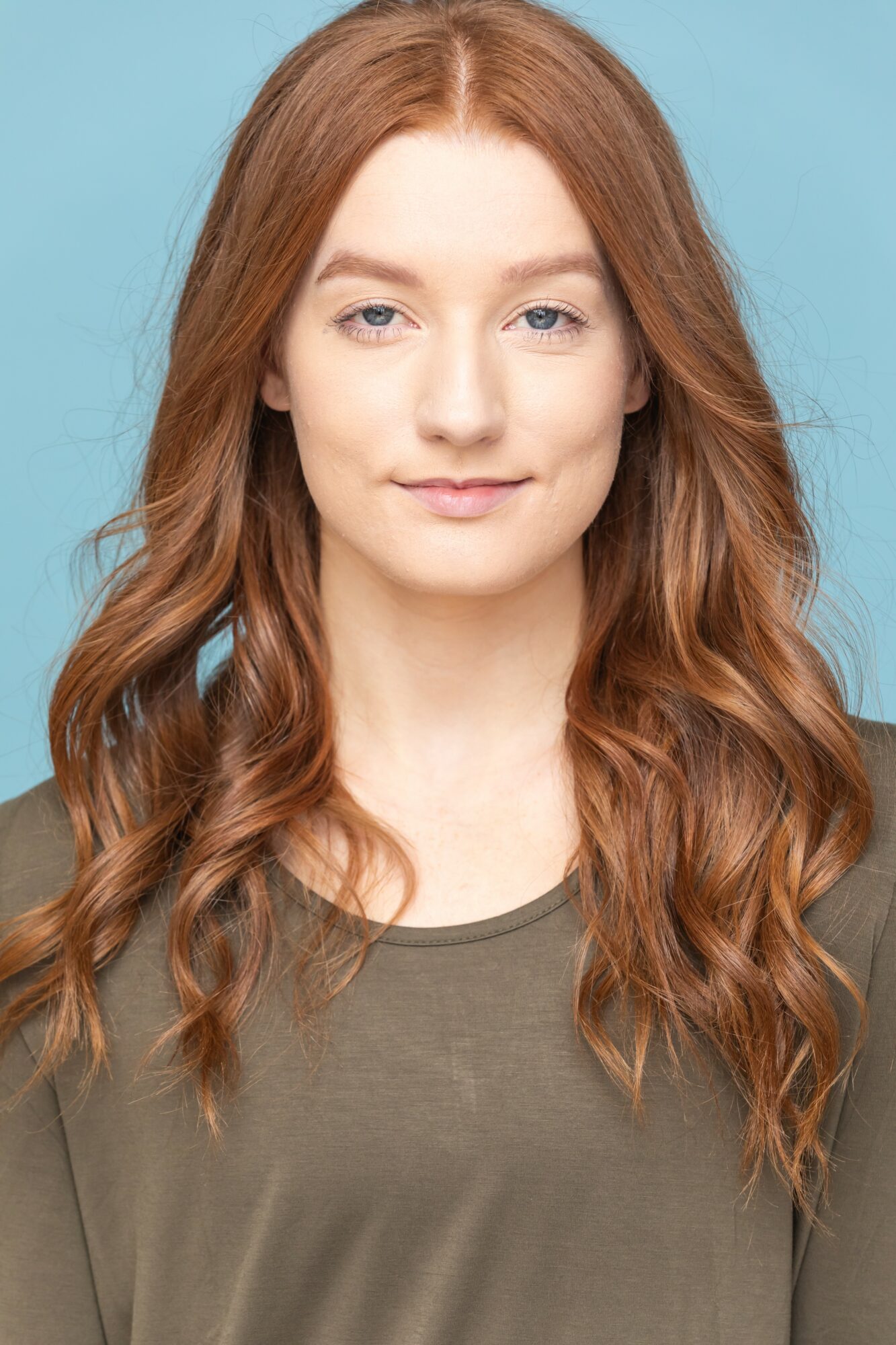
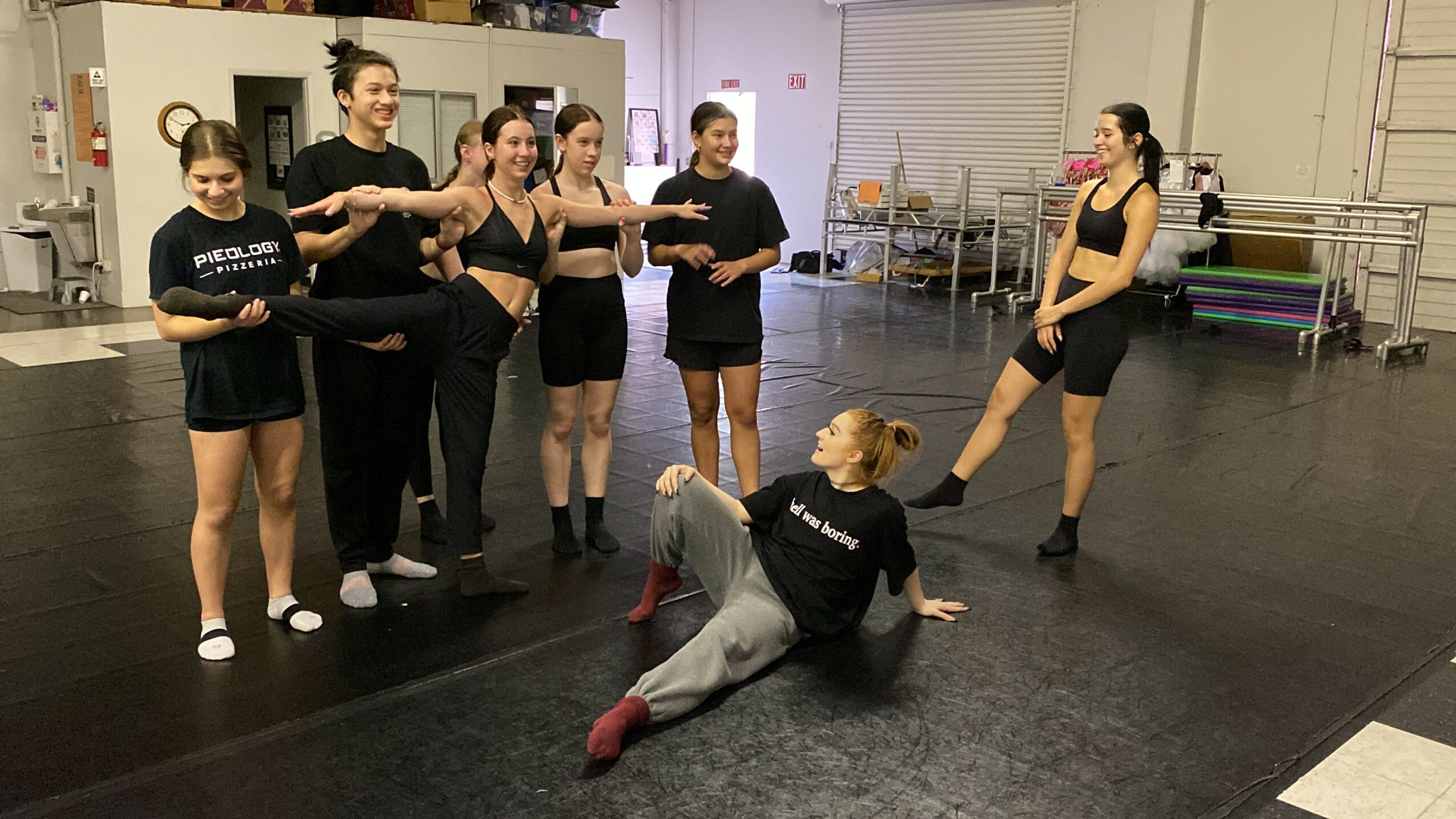
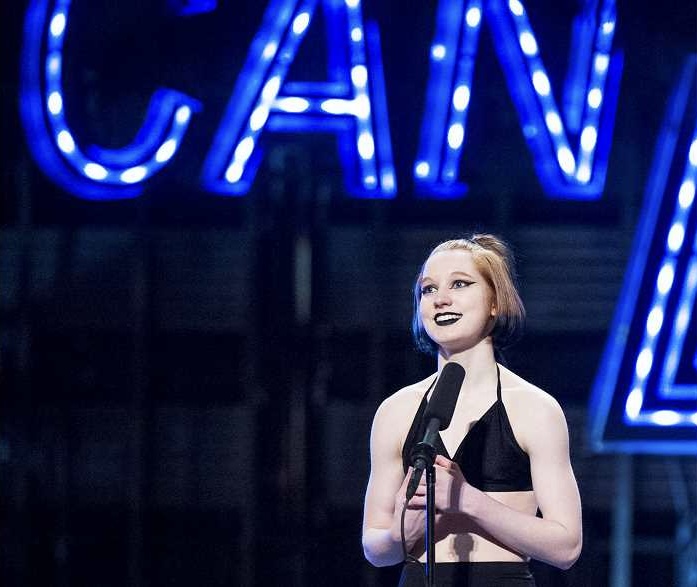
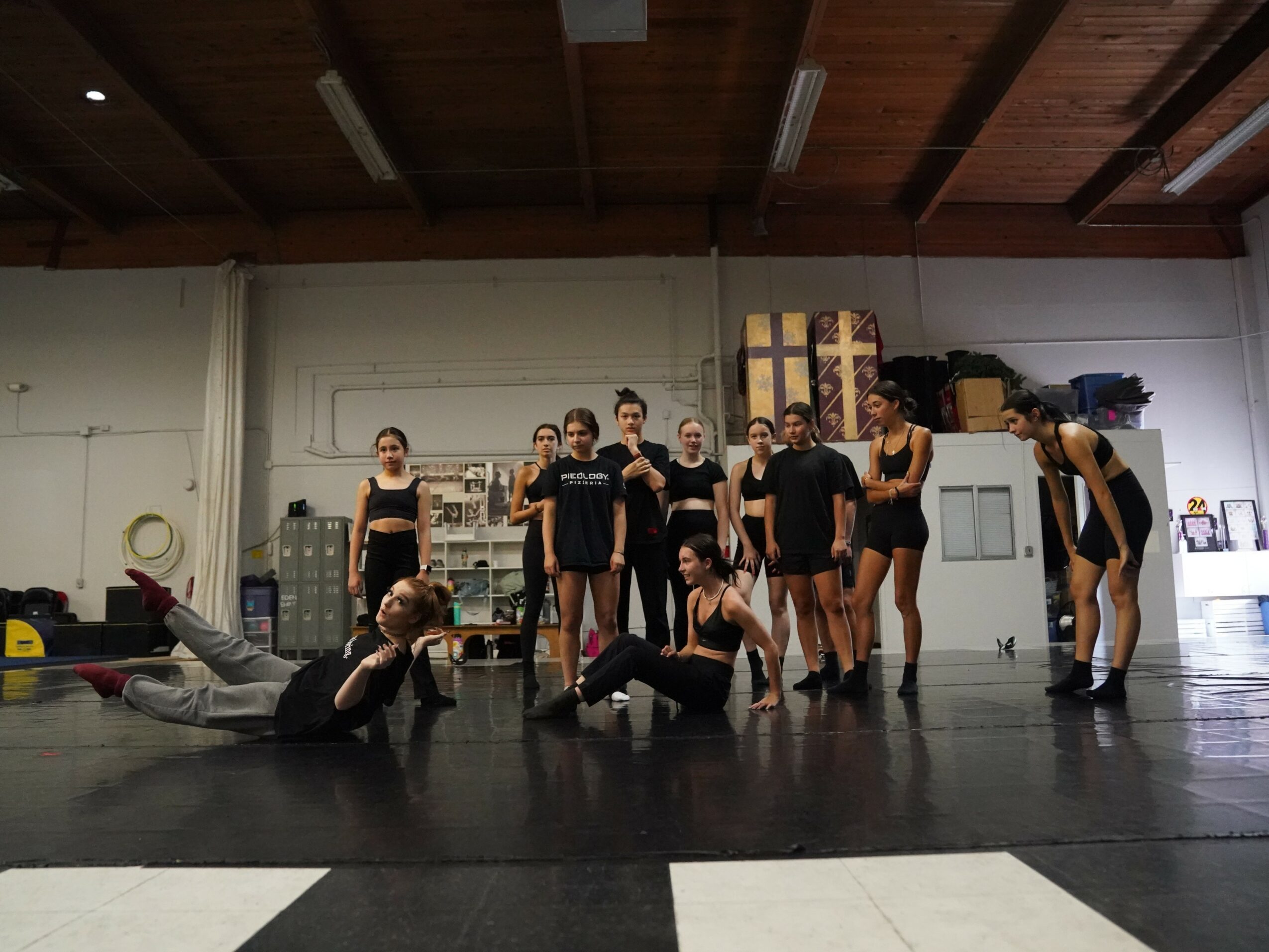

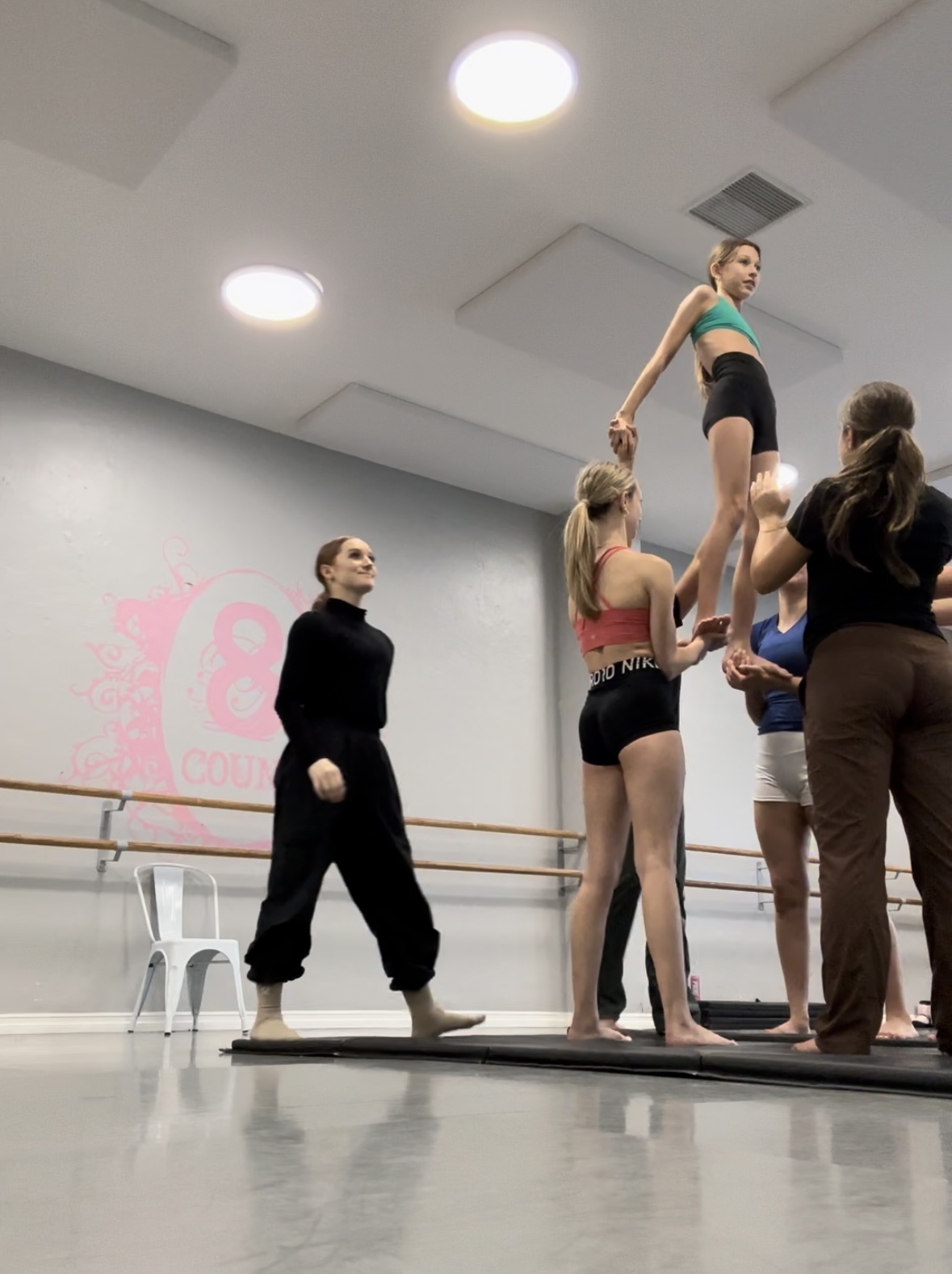
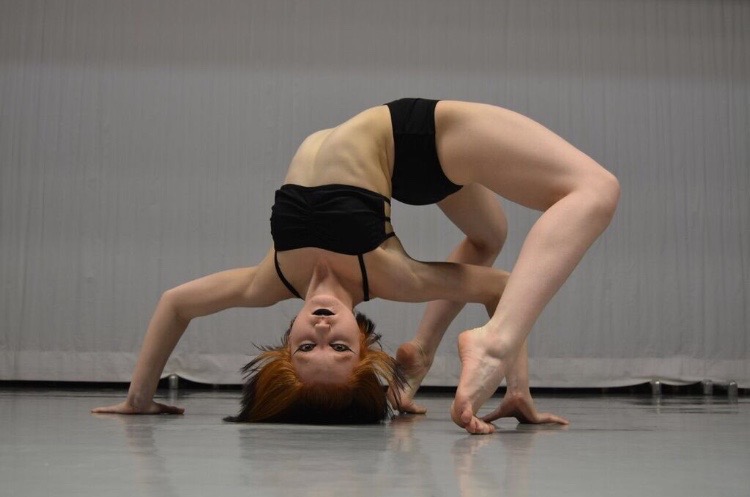
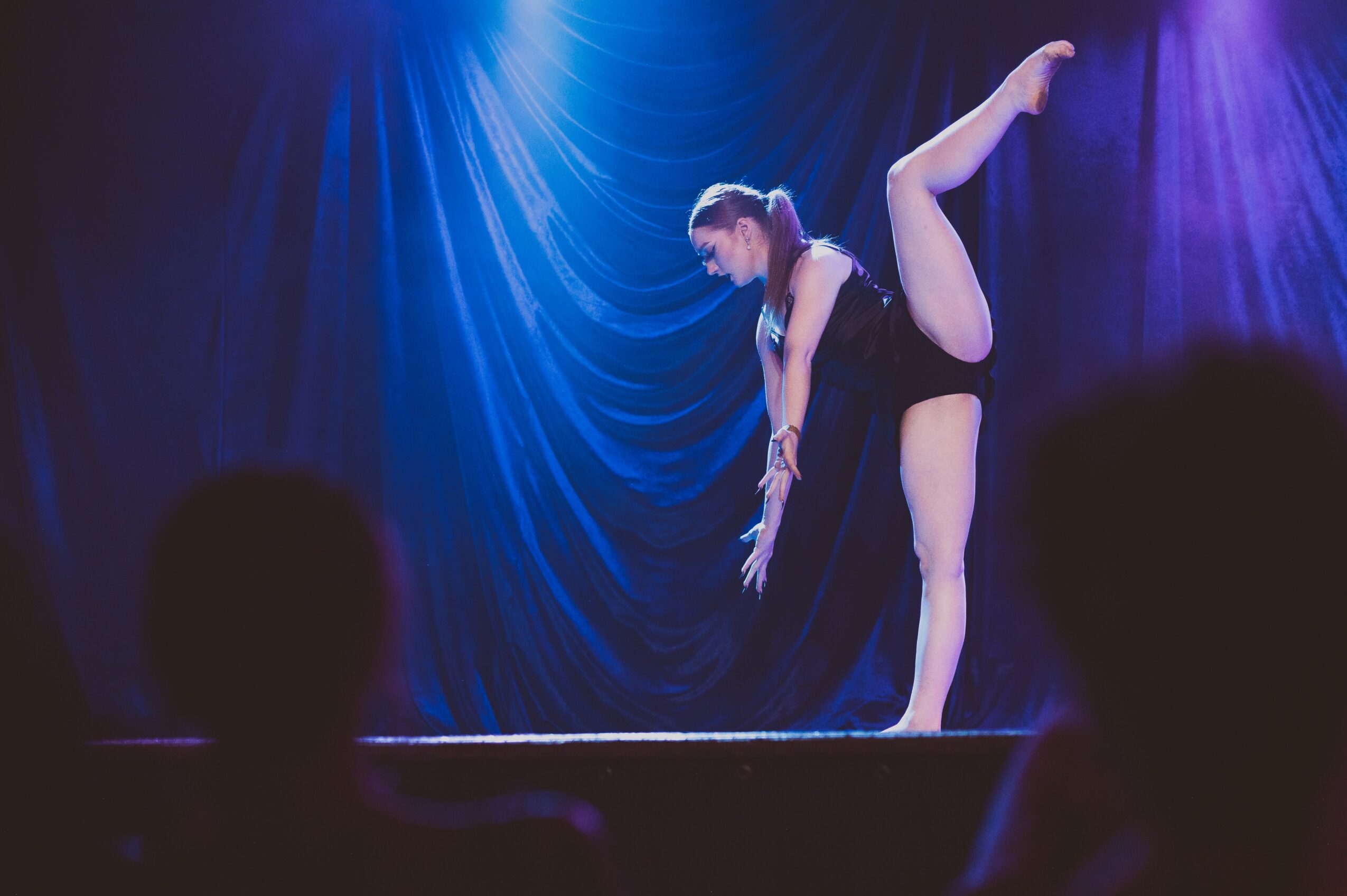
Image Credits
Lindsay Rosenberg, Ingrid Moriarty, Sydney Moriarty, Isiah Munoz
Popular
-

Christina Wren Steps Into the Director’s Chair to Tell Stories That Feel Like Home
-

Portraits of the Valley
-

LA’s Most Inspiring Stories
-

JordanL on ‘Breathe,’ Belief, and Building a Movement Beyond the Music
-

Megan Birney Rudert on How Access to Light Is Powering a More Sustainable and Equitable Future
-

Linda Kneidinger on Building Lasting Change Through Small Steps and Self-Compassion


