




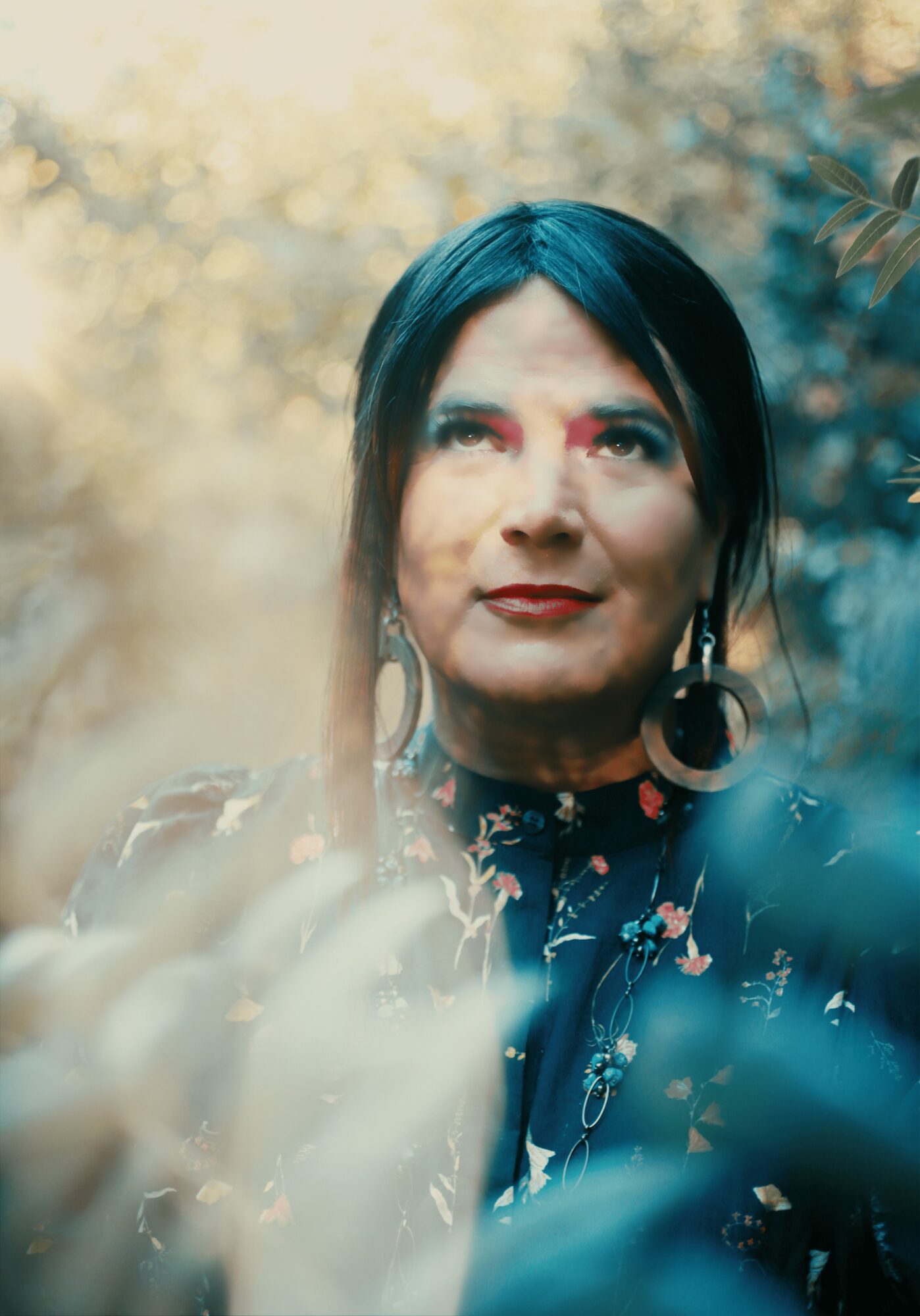
Today we’d like to introduce you to Ava Q. Rodriguez-Smith.
Ava Q., we appreciate you taking the time to share your story with us today. Where does your story begin?
Being a Southern California native, I discovered skateboarding at a very early age. I’ve also identified as being trans as early as I can remember, and not understanding something like gender at a time when it was never discussed, I always felt like an outsider in everything. In particular I always felt uncomfortable in the dynamics of team sports (football, baseball, etc…) and skateboarding was where I first found community. As skateboarders we were all outsiders, didn’t matter where we came from, we all bonded over what it feels like carving up and down cement banks with a skateboard under our feet. I could spend hours on my own, or go skate with someone I never met, and become best friends with that person after skating together for a few hours. It never mattered how I identified myself internally, I always felt accepted as a skateboarder regardless.
Throughout my childhood, teenage years, adulthood, I was always a skateboarder, and upon graduating art school at SDSU, I was lucky enough that my first job coming out of college was with one of the biggest skateboard companies at that time, World Industries. I was initially brought on as a team manager for a new footwear brand they were launching with pro skateboarder Kareem Campbell, called Axion Footwear. It was also a time of tremendous growth in skateboarding with the beginning of X-Games, Tony Hawk Pro Skater video game, Vans Warped tour, etc… And with that growth I too was able to grow, quickly taking on more responsibilities, to work directly with Kareem to launch one of the first BIPOC street/urban skate clothing and footwear brands of its time.
It was an early lesson in my career that I was surrounded by creatives doing what they love, being extremely successful doing it, and that I too had the potential to do the same through perseverance and hard work. Working together with other skateboarders, artists, designers, photographers, graphic artists, musicians, clothing designers, all creating new skateboard/snowboard brands and magazines, it also became ground zero for me to learn what it takes to create a brand from its inception. Build an identity, create the product, advertise and market the product in a unique way while staying true to skateboarding culture, and give it a global footprint recognized amongst skateboarders around the world before social media even existed; essentially it was a crash course in marketing 101. It was also here that I taught myself motion graphics using the very earliest version of a program called After Effects, with my first project being the skate video “Street Cinema” for City Stars skateboards. I instantly fell in love with the process, combining video footage, 2d animation, typography; it felt very familiar to what I was exploring in art school combining painting with photography and printmaking experimenting in creating multi-media works.
I was able to successfully leverage my experience with branding/marketing together with my new skill set in creating motion graphics, to crossover into entertainment marketing. While still staying rooted in skateboarding, very quickly I worked on some graphics show packages for the first seasons of some MTV shows (Viva La Bam, Punk’d, and Wildboyz) which opened the door for me to work on even bigger projects as I set forth on my career as a motion graphics designer in what was then a new burgeoning industry.
Alright, so let’s dig a little deeper into the story – has it been an easy path overall and if not, what were the challenges you’ve had to overcome?
Having spent most of my life as a closeted trans woman and transitioning later in life took a lot of self-love, acceptance, healing, and forgiveness for me to step forward in my own authenticity. Throughout most of my career it took a lot of energy to hide myself on a daily basis, and I preferred to freelance as it allowed me to keep my colleagues and peers at a safe distance from ever really getting to know me. I could just dive deep into a creative project, focus solely on work, get things delivered on time for the client, and move on to the next agency without ever really laying down roots or getting to know my coworkers on a more personal level.
When I finally came to my moment of coming out to friends and family, it was a relatively easy first step to take. However, I truly thought I would lose my career having worked alongside people openly dropping transphobic comments and jokes. I just never believed I would be accepted professionally, and spent my first year of my transition not knowing how to present myself in my work life. I drifted from interview to interview, was afraid to reconnect with agencies I had worked with, and for a year couldn’t get work as I didn’t know how to show myself as my body began to change with my HRT. With the support of friends who also happened to work in my field, they helped give me the confidence that I needed to be who I am, and if someone has an issue with my transness, then I don’t want to work for them anyways.
I tore off my self-imposed band aid on my identity, and instantly found work immediately. The biggest lesson I learned in all of this was that hiding my true self took an immense amount of energy. Most of my career I realized I was functioning at about 50 percent in my creativity, and the rest went to keeping myself hidden. No longer carrying that burden, I didn’t realize the burst of creativity I would feel now that I’m functioning 100 percent of who I am, and I’ve never been happier in both my work and personal life. I also recognize that I’m an asset now, as these entertainment brands strive to reach the widest possible audience, its more important then ever that the people who work behind the scenes should be just as diverse as the marketing campaigns they’re creating, and there is room for everyone.
Thanks for sharing that. So, maybe next you can tell us a bit more about your work?
I’m a motion graphics designer/art director, specializing in design, 2D animation, 3D animation, and compositing for 360 campaigns for creative marketing teams in the entertainment industry. With my background in fine arts as a painting and photography major, I’ve worked for studios, networks, streamers, and agencies successfully executing multiple award-winning campaigns covering a broad spectrum of genres, movie franchises, commercials, trailers, titles, OOH, DOH, and On-Air promos driving interest and viewership for movies and television.
For me, I’m most proud of where I’m at now, working with the creative team for the Lifetime network. Having been denied my womanhood for most of my life, I find it extremely fulfilling to be working with such an iconic brand so closely connected to creating content that is for women, created by women. I’m thankful for the people I work with and being seen and respected as a trans woman, and thankful to be given a creative voice in the room.
One thing that has always set me apart from others (from my roots in skateboarding) is a willingness to take chances and think outside the box when concepting and creating the visual look of what a marketing direction will be. Just given a written brief outlining the goals and directives of how shows and movies are advertised, I love to explore the visual iconography that becomes the basis of what will be seen by millions. While its important to cover all bases in a campaign, I love to take creative risks, and always strive to make something original in this visually cluttered world where attention span is fought over, and it surrounds us every day.
Do you have any advice for those looking to network or find a mentor?
I’ve learned that community is everything, and mentorship and networking are both pivotal in growing one’s career. I’ve found that authenticity goes a long way towards meeting new people, and being a generally open person you’ll find that people genuinely like to help others and open doors if they can, don’t be afraid to ask. I’ve been fortunate enough to have joined the leadership of an organization called Vibrant (http://wearevibrant.org). We’re a dedicated group supporting LGBTQ+ entertainment marketing professionals, providing a safe, inclusive space to promote and mentor individuals working across the spectrum of creative marketing to connect, collaborate, and grow in our fields.
Visibility is important to me, as a trans woman navigating these very corporate spaces, more often than not, I feel like I’m the only trans person in the building. I think it’s vital that others can see trans folk as just everyday people going on about their work and lives just like everyone else. Under the constant barrage of political attacks, threats of violence, mockery, and ridicule trans people face, it’s important that people just starting out in their careers can see that one can be their authentic self and be able to thrive in their profession. Find your community, keep them close, pay it forward, and I think if we can connect on a micro level, that will allow all of us to have the same opportunities to rise together on a macro level.
Contact Info:
- Website: http://avadigitaldesign.com
- Instagram: https://www.instagram.com/ava_satinluxe/
- LinkedIn: https://www.linkedin.com/in/ava-rodriguez-smith-30494a47/
- Soundcloud: https://soundcloud.com/ava-402346268
- Other: https://shoutoutla.com/meet-ava-q-rodriguez-smith-motion-designer-artist-multi-instrumentalist/
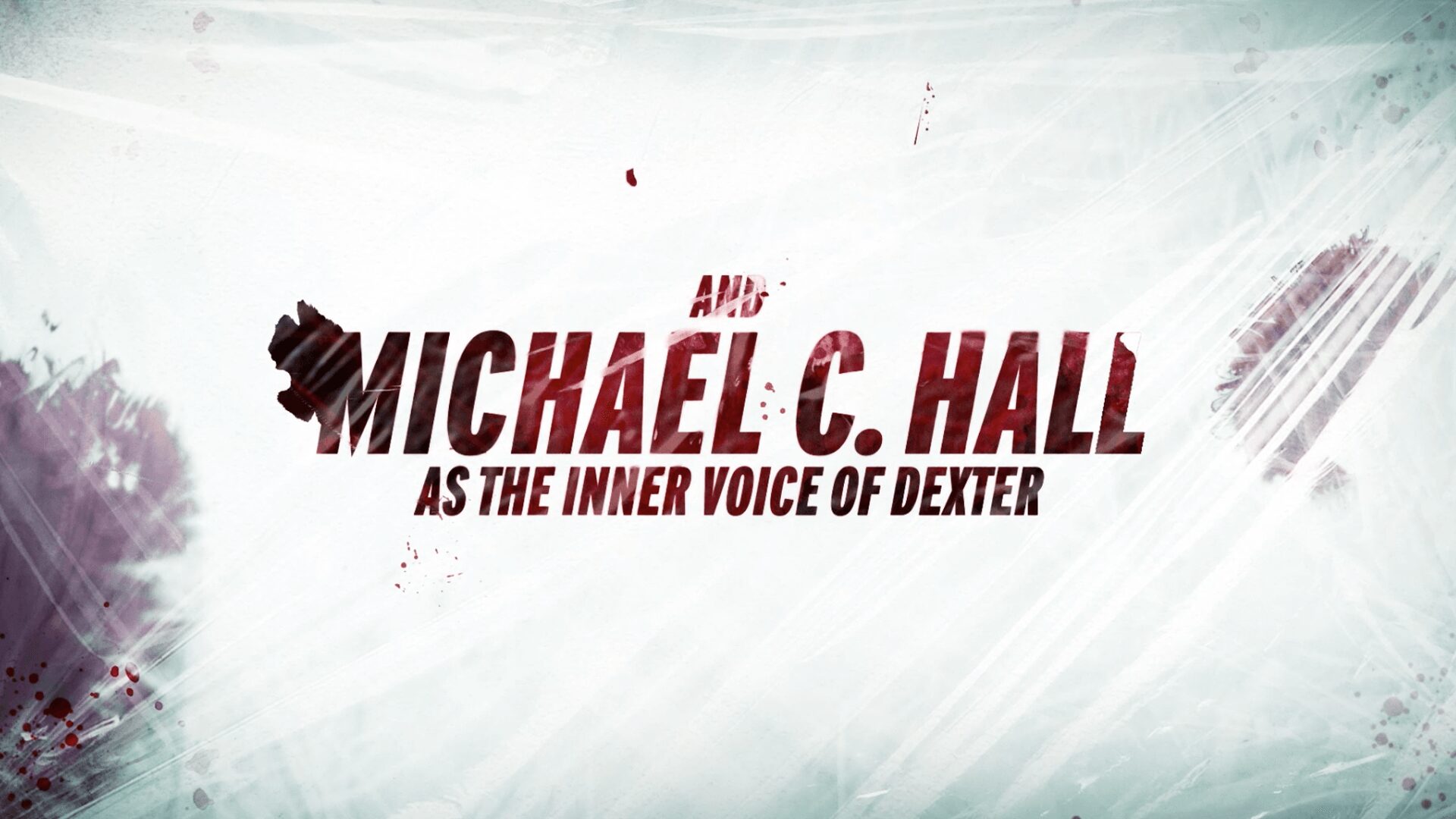
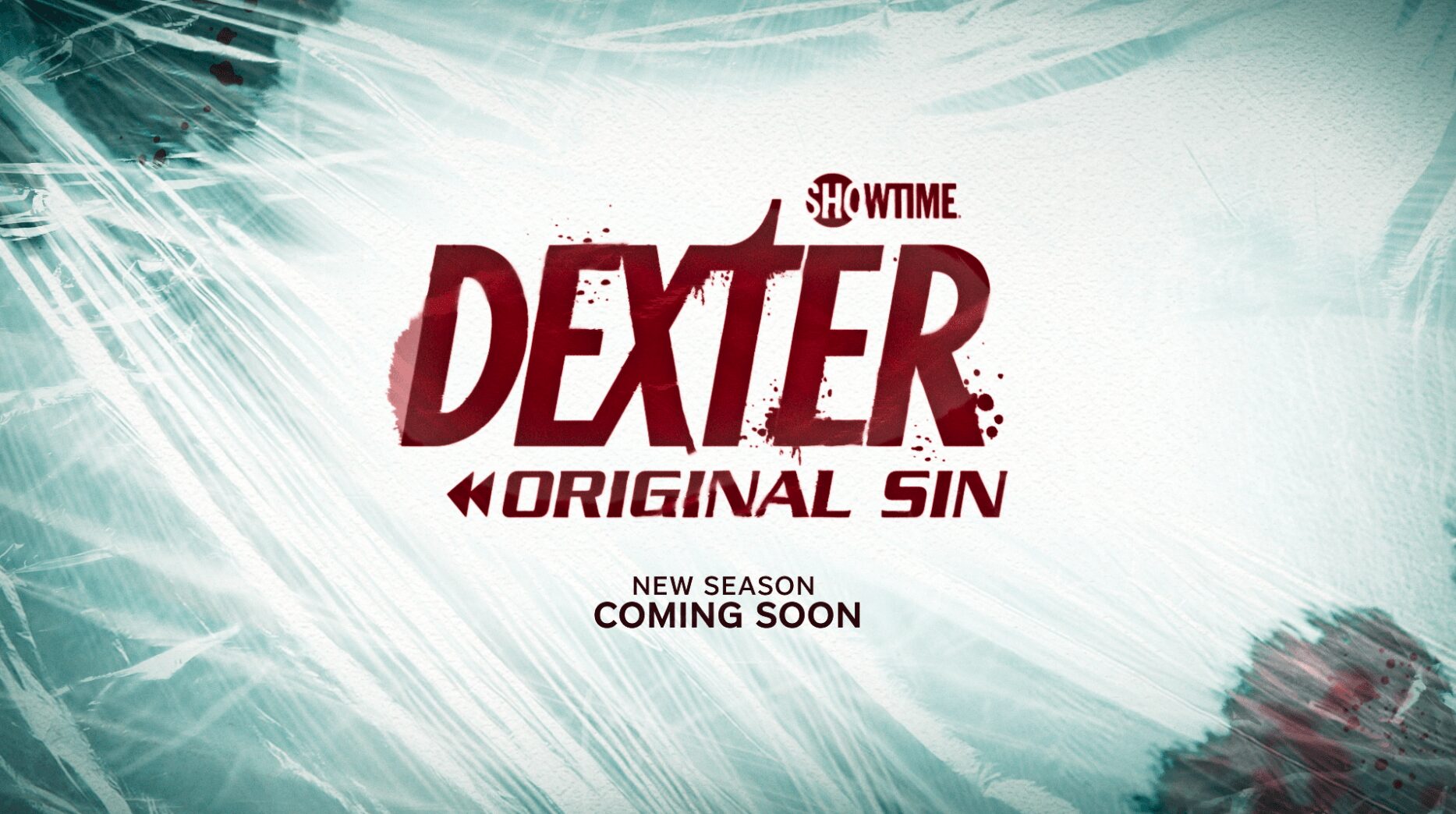
Image Credits
Personal Photo – Christine Mai Nguyen
Popular
-

Christina Wren Steps Into the Director’s Chair to Tell Stories That Feel Like Home
-

Portraits of the Valley
-

LA’s Most Inspiring Stories
-
JordanL on ‘Breathe,’ Belief, and Building a Movement Beyond the Music
-

Megan Birney Rudert on How Access to Light Is Powering a More Sustainable and Equitable Future
-
Linda Kneidinger on Building Lasting Change Through Small Steps and Self-Compassion


