




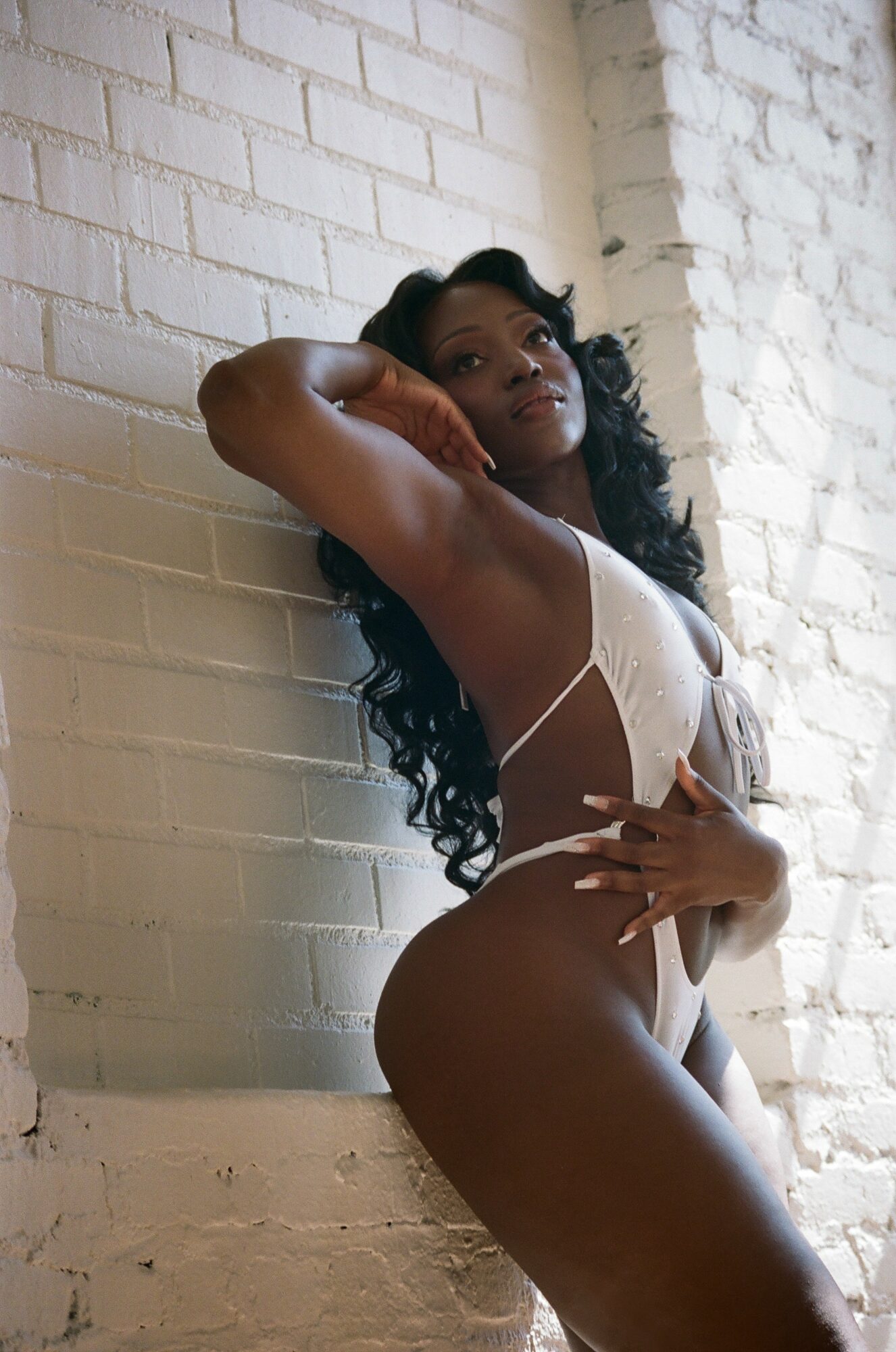
Today we’d like to introduce you to Ashley Kay.
Ashley, we appreciate you taking the time to share your story with us today. Where does your story begin?
I started dancing at twelve years old, even though my family could not afford it. My parents are immigrants from the Democratic Republic of Congo, and my mother raised five children on her own. Dance wasn’t necessarily a viable career, but it became a place where I felt expressive and seen. I was a painfully shy kid and found that dance was how I felt I could be fully myself. I eventually went on to study dance formally, training as a modern dancer in college.
Over time, I fell out of love with the academic dance world. My self-criticism intensified, my insecurities grew, and the environment began to feel rigid and disconnected from my body. I dreaded going to class and eventually started having panick attacks. After taking a hiatus from my studies, I deeply missed movement but didn’t yet know how to return to it in a way that felt affirming.
In 2019 I started pole dancing. I remember first hearing about “pole fitness” on the radio and dismissing it entirely, assuming it was something that had been taken over by privileged non-black women who also weren’t strippers. That changed when I saw a black woman (hi Alberta!) I had gone to school with dancing at a black-owned pole studio (Secret Pole Dance Studio). Her movement was so so fluid, sensual, and powerful. It was exactly what I was missing. I took my first class and kind of hated it. I was shocked that I wasn’t that good at it immediately. It was so humbling, and I felt out of place at the studio I was at. Months later, I tried again. This time, at a black-owned studio, and something clicked. I became deeply committed to the practice.
As I trained, I was encouraged by another woman I was sharing a pole with, who happened to be a stripper, to audition at a club. I didn’t see myself as “good enough,” but eventually I auditioned and was hired at a club at the end of 2019. Entering the strip club changed my life. I was naïve and inexperienced (I had never been to a strip club before, didn’t even know what a strip club even looked like, what went on, how to sell dances etc.), but I was surrounded by dancers whose confidence (in how they spoke to patrons, how they moved), and command of their bodies reshaped how I understood everything. Pole dancing and stripping gave me back a relationship to my body that more traditional dance forms had restricted. I felt like every part of me could coexist.
I continued training and began teaching pole in 2021, while also working professionally in commercial performance spaces including music videos (I’ve been lucky enough to be in videos for artists like Kehlani, Ty Dolla $ign, PARTYNEXTDOOR), live performances (Usher’s 2024 Superbowl Halftime Show), and festivals. Between 2021 and 2025, I taught at nearly every pole dance studio in Los Angeles. During this time, I was working constantly. I was teaching multiple classes a week, navigating inconsistent club work, and pushing my body through exhaustion and injury. I was frequently the only or one of very few black instructors in studio spaces, often underpaid, and sometimes even feeling othered for being a stripper.
Eventually, I reached a breaking point. I grew tired of systems that profited from pole while distancing themselves from the labor and lineage of strippers. When I received a financial settlement unrelated to dance, I made the intentional decision to invest it into opening my own studio.
I founded Studio Eden as a fully stripper-run pole dance studio, making it the first of its kind in Los Angeles. Every instructor is a current or former stripper, and I have made it a priority to be one of the highest-paying studios in the city. Eden exists to keep pole’s lineage intact, to position sex workers as experts rather than aesthetics, and to build a sustainable creative home that’s rooted in equity, integrity, and honesty. I feel that Eden is both a studio and a statement: that black queer sex workers have always shaped culture, and that we deserve ownership and visibility, and longevity in the worlds we create. We have shaped culture for decades but our labor and innovation are often separated from us once its become mainstream, and we’re tired of it.
I’m sure it wasn’t obstacle-free, but would you say the journey has been fairly smooth so far?
It definitely hasn’t been a smooth road. Many of the biggest hurdles along my journey have more so been systemic rather than personal. As a stripper, I’ve navigated financial instability and inconsistent and often exploitative labor practices. After California passed AB5, a law that reclassified dancers as employees, many clubs responded by raising house fees (now reframed as “sales quotas”) and taking a larger share of dancers’ earnings. House fees used to be pretty low, but now they’ve increased dramatically, which effectively transfers operational costs back onto dancers while also reducing our take-home pay. And we still have to tip out at the end of the night. This has made sustainable income for us even more difficult.
As a black woman, racism and colorism have been persistent barriers. In clubs, I was often turned away or made to feel interchangeable, particularly as a darker-skinned dancer. In studio spaces, I was frequently the only, or one of very few black instructors, expected to overperform while being underpaid and at times discouraged from teaching at multiple studios. This created an environment where visibility did not translate into stability or fairness.
The physical toll of this work has also been significant of course. In the general dance industry, injury and burnout are so so common. I spent years pushing my body past its limits to maintain income, which has shaped how I now think about sustainability, not just financially but also physically and emotionally.
More recently as a business owner, one of the challenges I’m facing is the feeling of not being taken seriously, despite doing everything “right.” There’s a particular kind of resistance that comes with running a pole studio that is openly sex-worker-led. I feel like I’ve been navigating a persistent stigma around who is seen as professional and worthy of longterm space. Despite strong community support, I continue to face resistance and the ongoing threat of displacement which reflects a larger hierarchy of what kinds of art and labor are taken seriously. This instability has been one of the most difficult challenges to move through as I try to build something sustainable.
As you know, we’re big fans of you and your work. For our readers who might not be as familiar what can you tell them about what you do?
Since I’ve mostly touched on this, I’ll keep this answer brief. I am a dancer, instructor, sometimes choreographer, sometimes costume designer, former stripper (though I am coming out of retirement), and owner of Studio Eden, L.A.’s first pole dance studio that has a full stripper staff. It is also what I am most proud of and what sets me apart from other studios.
Any advice for finding a mentor or networking in general?
I do not have a mentor when it comes to the pole industry. Though I went to school for dance, once I realized pole is what I wanted to focus on, I just fully committed to it without knowing where it would take me. I got my first teaching job by posting a video of myself on instagram. I took class consistently and made friends. Friends recommended me to other studios or forwarded gigs to me. I made friends online during the pandemic and met up with them to dance together. I danced in pole shows. All of the instructors at my studio are friends that I’ve made along the way. I don’t think I had the intention of networking. I was just doing what I loved and it felt like my path naturally unfolded right in front of me.
Contact Info:
- Website: https://www.studioedenla.com/
- Instagram: https://www.instagram.com/studioedenla/
- Other: Tiktok: https://www.tiktok.com/@studioedenla
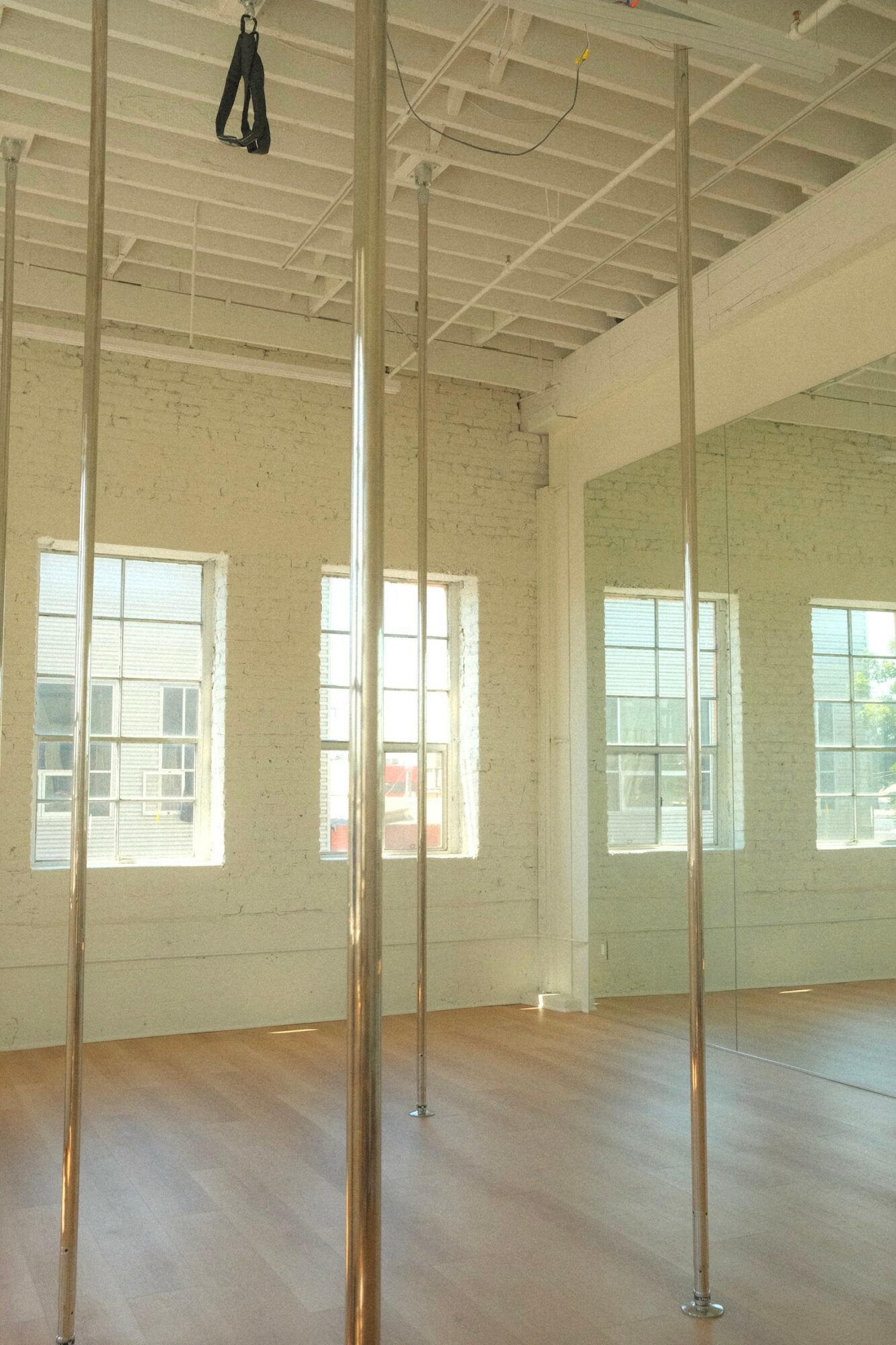
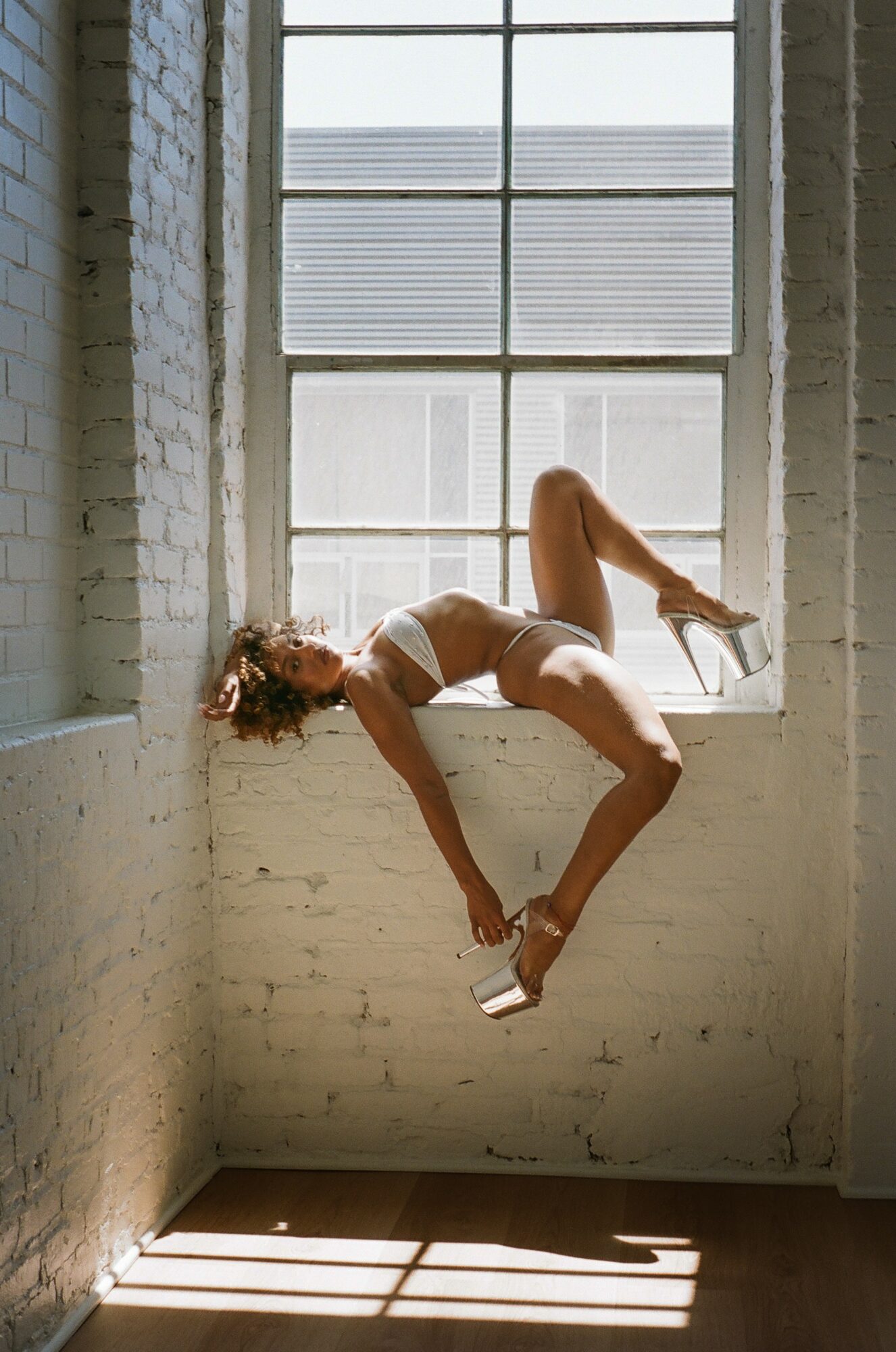
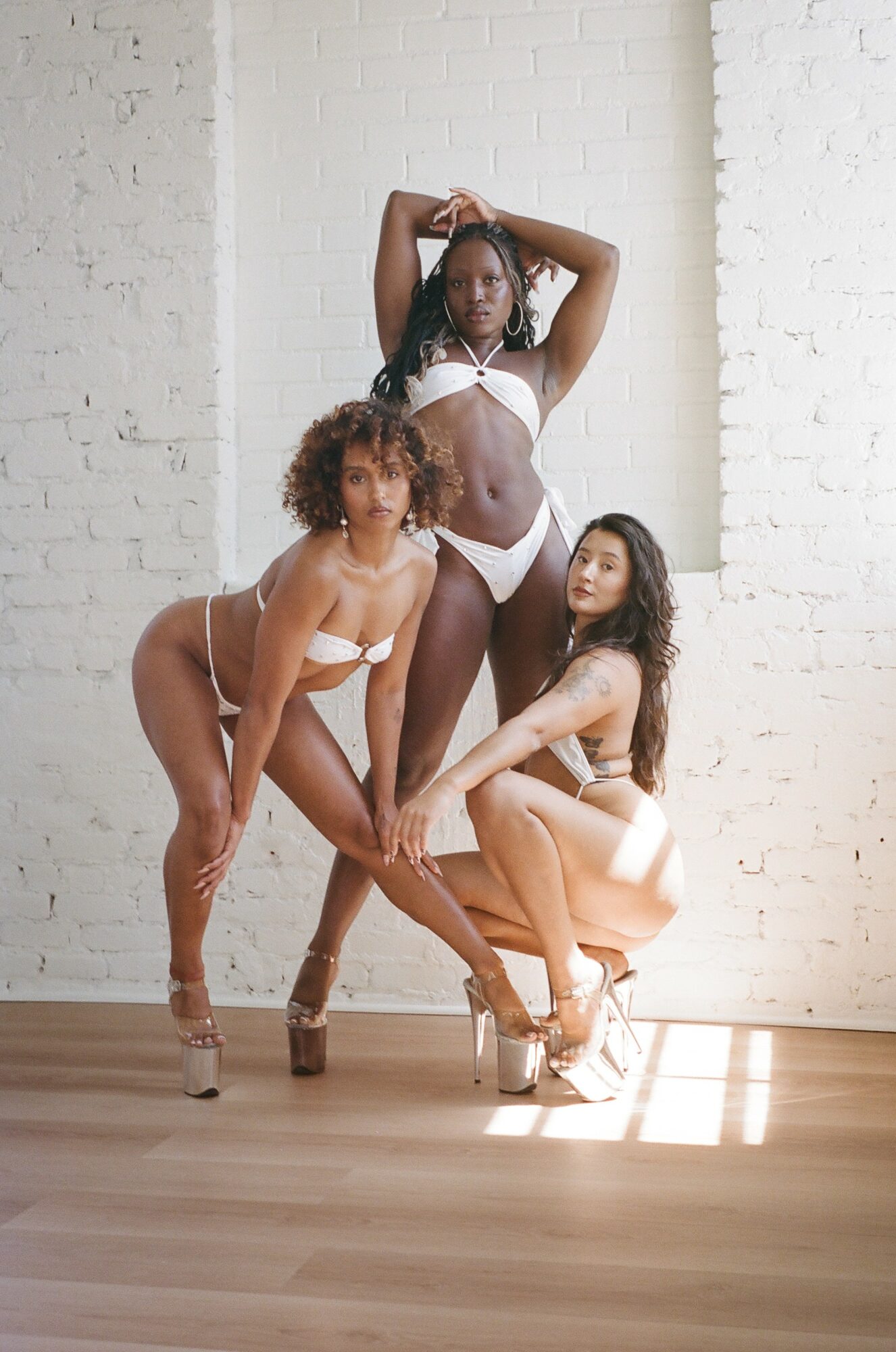
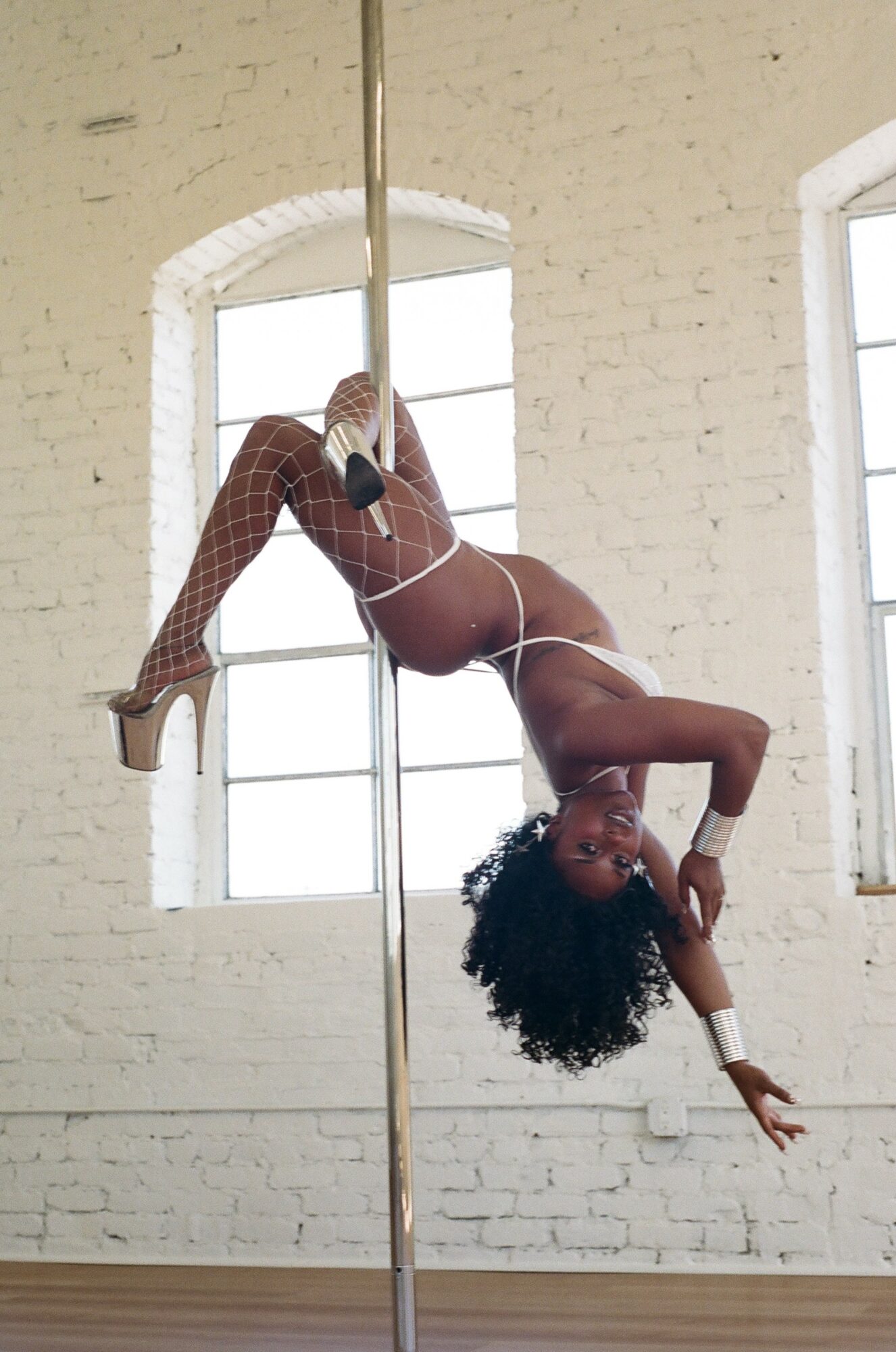
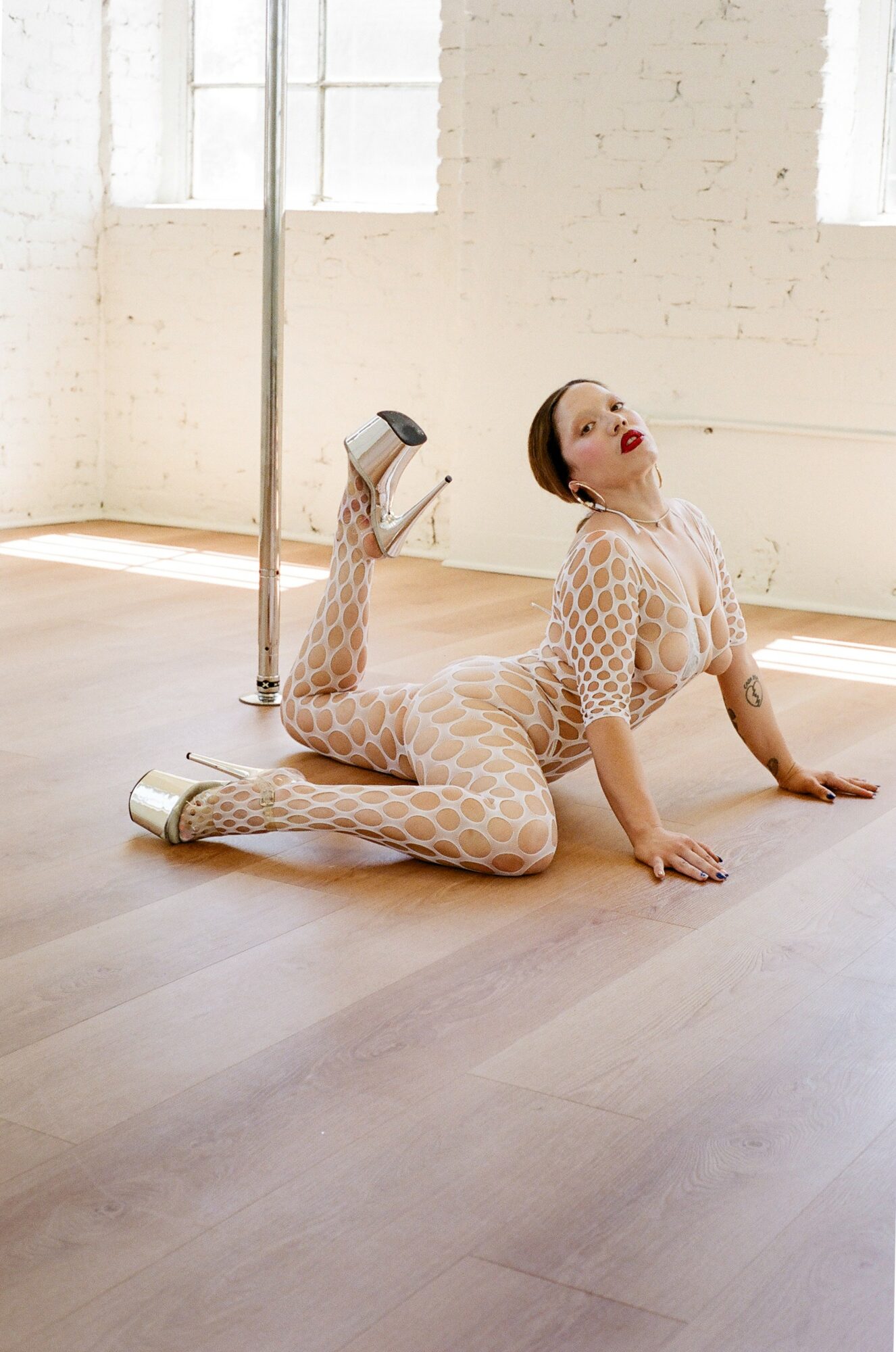
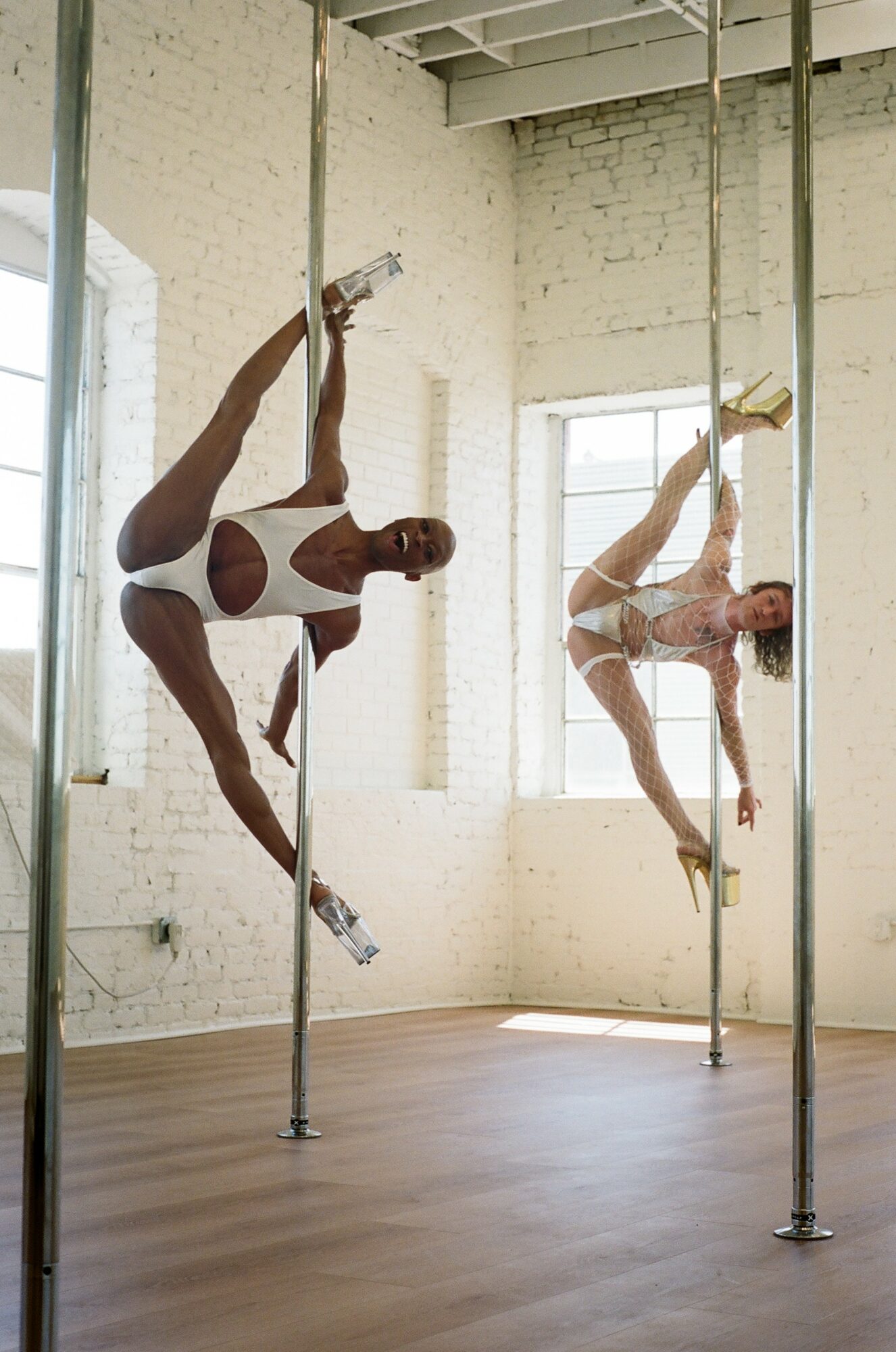
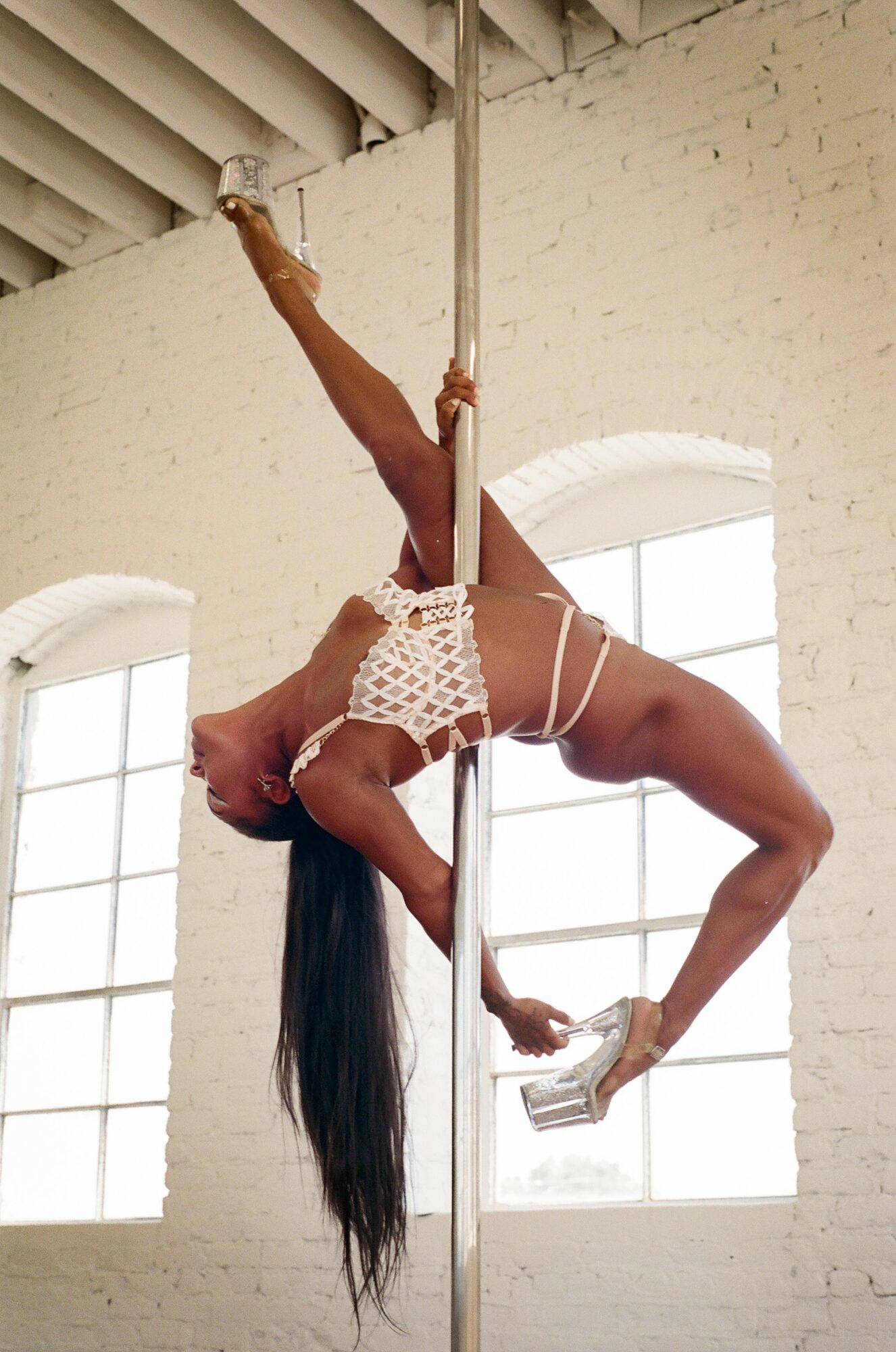
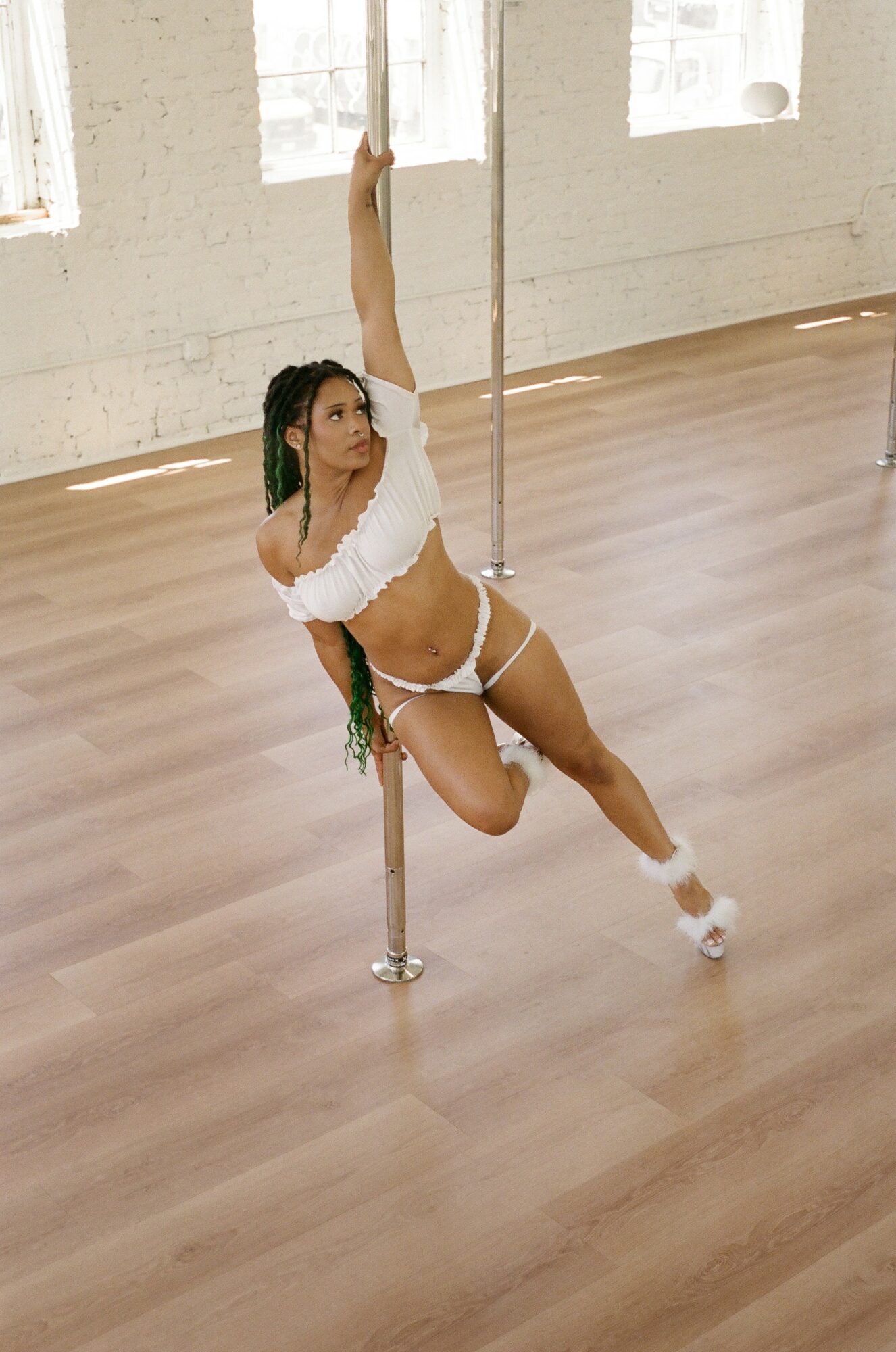
Image Credits
All photos taken by Monique Gardner @weirdandskinny on Instagram. Instructors in photos are Kennady @kennschneider, Jade @jademondragonn, Ashley @ashleympk, Cough Drop @coughdrop_dances, Becky @theyarebecky, Logan @the_logan_d, Baelien @itsbaelienbish, Kira @kiranena.pole, and Aqvadiva @aqvadiva
Popular
-

Que Johnson on Building Brands That Last: From Visibility to True Market Authority
-

Christina Wren Steps Into the Director’s Chair to Tell Stories That Feel Like Home
-

Portraits of the Valley
-

LA’s Most Inspiring Stories
-

JordanL on ‘Breathe,’ Belief, and Building a Movement Beyond the Music
-

Megan Birney Rudert on How Access to Light Is Powering a More Sustainable and Equitable Future


