




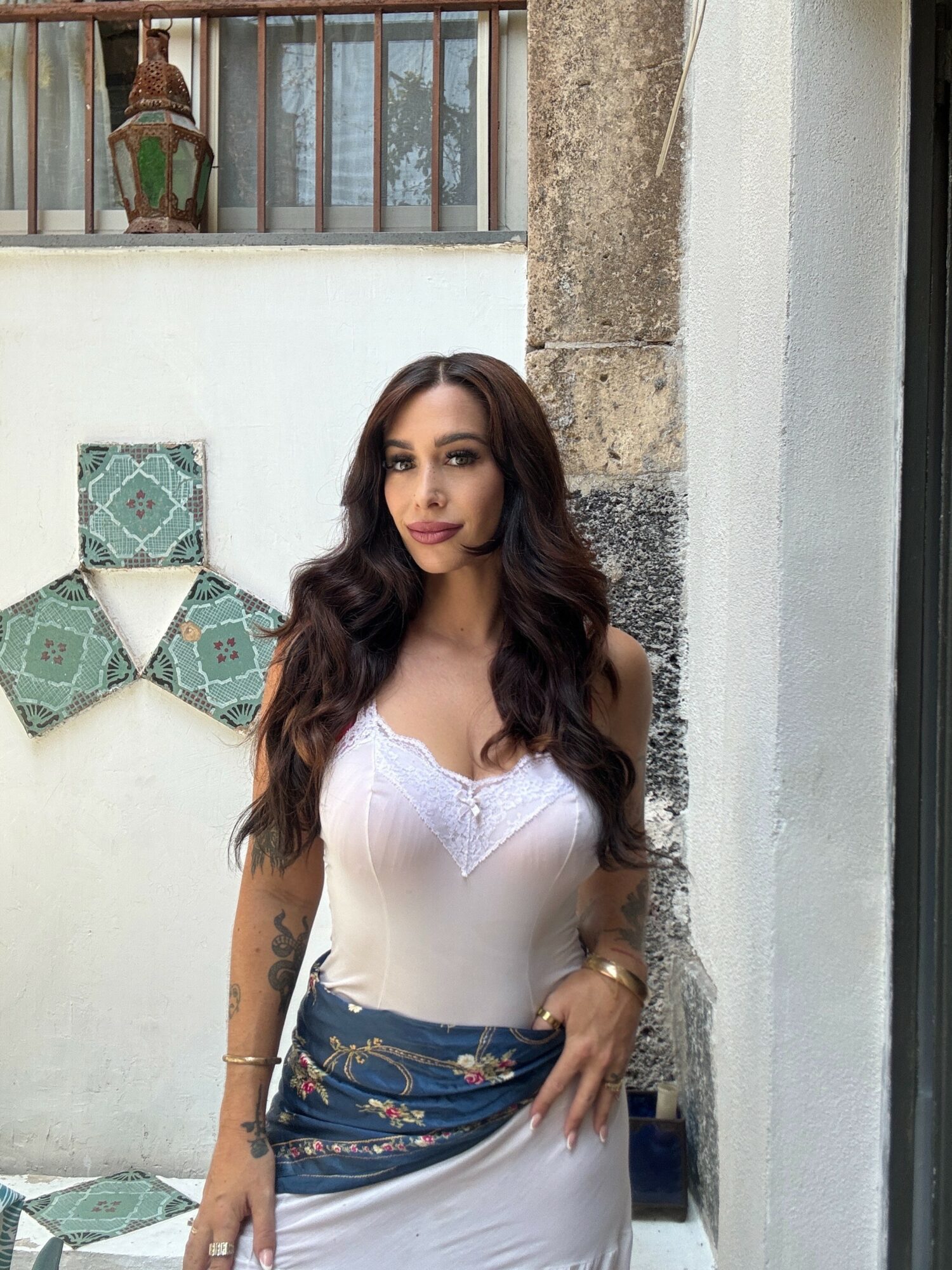
Today we’d like to introduce you to Annie Firmi.
Annie, we appreciate you taking the time to share your story with us today. Where does your story begin?
I’ve wanted to be a designer for as long as I can remember. I actually declared at 12 years old that I was going to become a fashion designer, and I never really wavered from that path. I grew up in Encinitas, a small coastal town in Southern California, and my earliest relationship with fashion came through vintage and secondhand clothing. I would take pieces apart and reconstruct them just to understand how they were made. Eventually, I started taking sewing lessons from an elderly tailor who taught me the fundamentals of garment construction and really encouraged that curiosity.
After earning my BA in Fashion Design from UC Davis, I moved to Los Angeles and began working in the fashion industry. I started out with smaller brands and wholesale companies before spending several years designing across larger corporate companies, working on everything from apparel and footwear to lingerie and loungewear. Along the way, I developed a strong technical background in fit and garment construction, but I also learned the business side of fashion—e-commerce, digital marketing, production, and what it actually takes to build a commercially viable brand.
I always knew, though, that I wanted to create something of my own. When the pandemic began, I saw an opportunity to finally take that leap, and Serpenti was born. I built the brand from the ground up, combining everything I had learned in my corporate career with the more personal, creative side of design that had always been there. Within the first year, Serpenti began working with retailers like Dolls Kill and Urban Outfitters, and collaborations with creators and celebrities helped introduce the brand to a much larger audience.
Today, Serpenti has evolved into a reflection of my own design language—rooted in vintage fashion, femininity, craftsmanship, and a strong sense of nostalgia. My journey has taken me from deconstructing thrifted clothes as a kid in California to building an independent fashion brand, and it’s really been a process of continually learning, adapting, and finding my own voice as a designer.
I’m sure it wasn’t obstacle-free, but would you say the journey has been fairly smooth so far?
No, it’s been far from easy. My first decade working as a corporate designer was extremely challenging. I experienced environments that were often toxic and difficult to navigate, and being treated poorly over time had a real impact on my mental health. It was a difficult period, but it also taught me a lot about the kind of creative life and working environment I ultimately wanted to build for myself.
Taking the leap to start Serpenti during the pandemic came with an entirely different set of challenges. I had a strong background in design, but I didn’t have a formal education in accounting or business, so I was essentially learning the business side of fashion as I went. As the company grew, I had to become every role within it—from designer and product developer to marketer, e-commerce manager, and financial decision-maker. I made plenty of mistakes along the way, particularly with finances and investments, and there were a lot of expensive lessons.
It certainly hasn’t been a smooth road, but I think those challenges have ultimately made me a much more capable and resourceful founder. I’ve had to learn by doing, make mistakes, adapt, and keep moving forward, and that process has shaped both me and the way I approach Serpenti today.
Thanks – so what else should our readers know about your work and what you’re currently focused on?
Serpenti is an independent fashion brand that at its core, it’s really an extension of my own relationship with fashion, femininity, nostalgia, and Italian culture. We create clothing, footwear, and accessories that feel romantic and deeply feminine, but with a more unexpected, maximalist point of view. I’ve always been drawn to pieces that feel like they have a history—to vintage clothing, heirlooms, antique details, old photographs, and the kind of fashion that feels collected rather than simply purchased. That sensibility is at the heart of Serpenti.
Since moving to Sicily, that idea has become even more deeply rooted in the brand. Italy, and particularly Sicily, has become a huge source of inspiration for the world we create. I’m fascinated by the contrast you find here—the grandeur of Baroque churches and aristocratic palazzi alongside faded facades, antique markets, religious relics, ornate interiors, Mediterranean landscapes, and this beautiful sense of decay and history. There is an inherent theatricality to Italian culture that I love, and I try to translate that into the clothing without making it feel like a costume. Serpenti is very much about taking those historical and romantic references and making them feel relevant to a modern woman.
Aesthetically, the brand lives somewhere between vintage femininity and something much more playful and subversive. There are elements of coquette, dollette, romanticism, nostalgia, and old-world glamour, but I don’t want Serpenti to feel confined to a single trend or aesthetic category. I’m much more interested in creating a recognizable universe where a woman can dress almost like a character—mixing delicate silhouettes with exaggerated accessories, unexpected styling, beautiful hosiery, heels, jewelry, and details that make the look feel highly personal. There’s a sense of fantasy and escapism to it, but there’s also a lot of intention behind the design.
What I specialize in is really the combination of design and storytelling. My background in technical design means I care deeply about fit, construction, and the way a garment actually functions on the body, while my more instinctive side is constantly thinking about the emotion a piece creates. I want something to be beautiful on its own, but I also want it to make you feel something—to make you want to photograph it, remember it, keep it, or eventually pass it down.
I think one of the things that sets Serpenti apart is that I’m not interested in chasing whatever is currently considered “fashionable.” I’m much more interested in building a lasting visual language. A lot of our pieces are inspired by things that could have existed decades ago, but they’re reinterpreted in a way that feels distinctly ours. I want the clothes to have the feeling of something discovered in an antique shop or inherited from someone fascinating, rather than something designed purely around a trend cycle.
I’m also very proud of the fact that Serpenti has been built so independently. I came from a corporate fashion background, but I wanted to create something where I could have a much more intimate relationship with the entire process—from the initial concept and sketching through development, fit, styling, photography, marketing, and the way the brand ultimately communicates with its audience. Because I’ve had to wear so many different hats as a founder, Serpenti has become a very personal expression of my creative vision.
More than anything, I’m proud that I’ve been able to create a world that people recognize as Serpenti. For me, the brand isn’t just about individual dresses, shoes, or accessories. It’s about creating a feeling—a romantic, slightly surreal Italian world that celebrates femininity, individuality, beauty, and the pleasure of dressing up. I want Serpenti to remind women that getting dressed can be an act of imagination. It can be theatrical, sentimental, excessive, beautiful, and completely your own.
What matters most to you?
What matters most to me is making women feel inexplicably beautiful and special through what I create. I want a Serpenti piece to have the ability to change the feeling of someone’s day—to make her feel more confident, more feminine, more seen, or simply a little more alive.
I think there is something incredibly powerful about clothing and the way it can transport you. Getting dressed can completely change how you carry yourself and how you experience the world around you. That feeling is something I’ve always chased as a designer, and it’s one of the reasons I’m so passionate about creating pieces that feel romantic, nostalgic, and a little bit otherworldly.
In many ways, Serpenti is a world I’ve spent my life dreaming about and building. What matters to me is being able to invite women into that world through the clothes—to give them a small piece of the fantasy I’ve created and let them make it their own. I want someone to put on a Serpenti dress or pair of heels and feel as though, even for a moment, she has stepped into a more beautiful version of her own life.
That is ultimately what makes all of the difficult parts of building a brand worthwhile for me. If something I created can elevate an ordinary day, become part of a woman’s happiest memories, or simply make her look in the mirror and feel extraordinarily beautiful, then I’ve accomplished what I set out to do.
Contact Info:
- Website: https://www.serpentiapparel.com
- Instagram: https://www.instagram.com/serpenti___/
- Facebook: https://www.facebook.com/serpentiapparel/
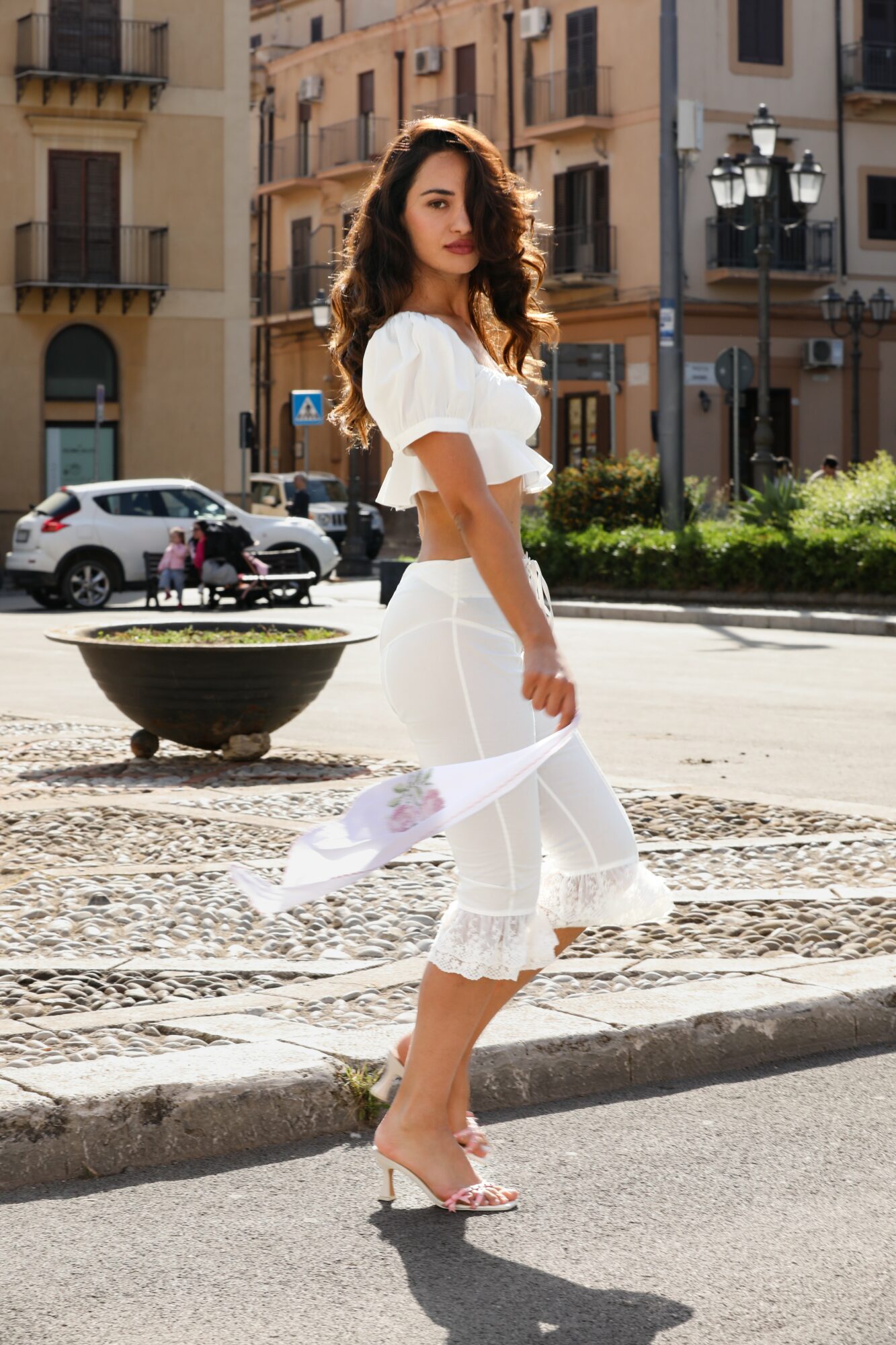
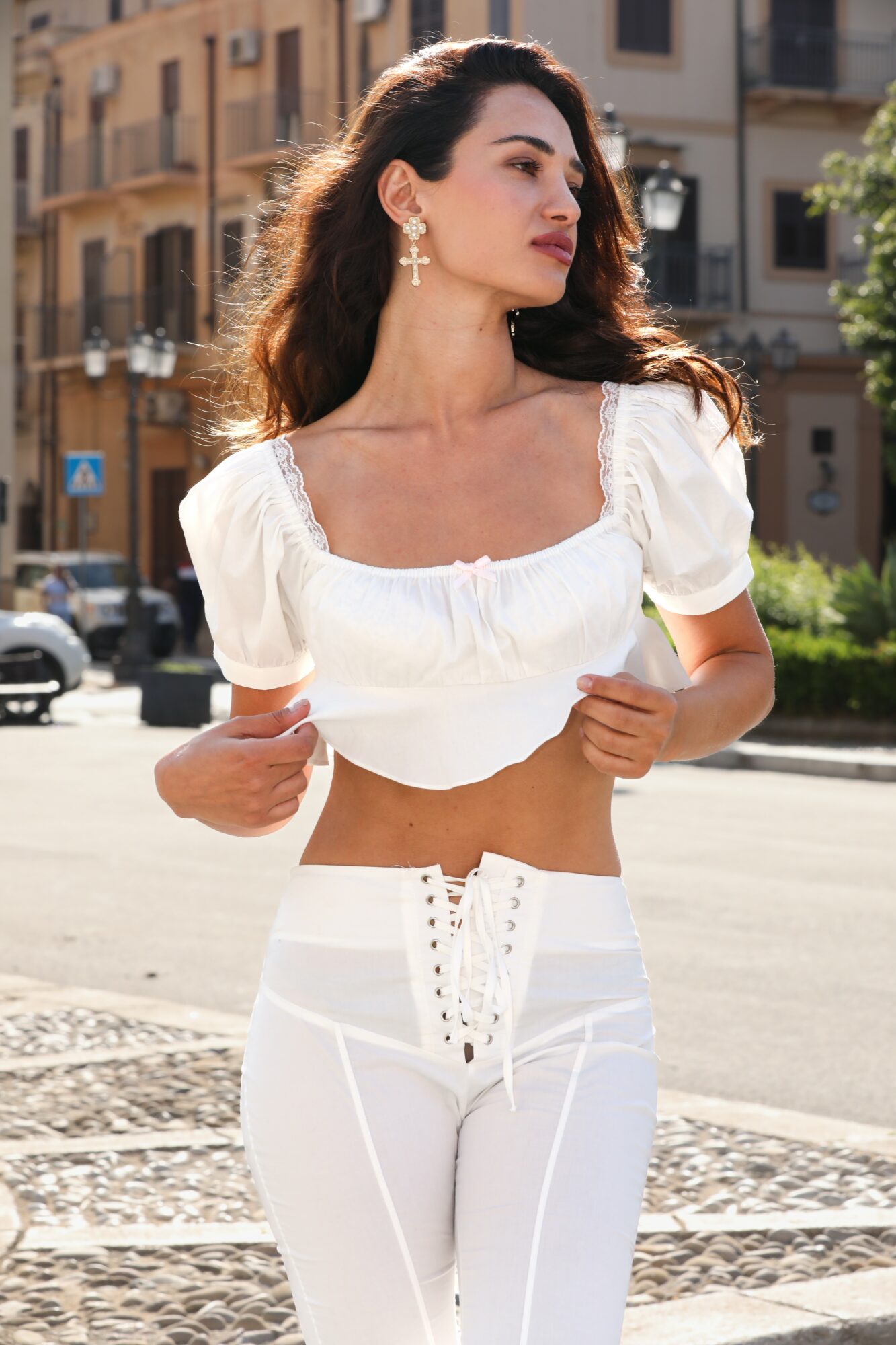

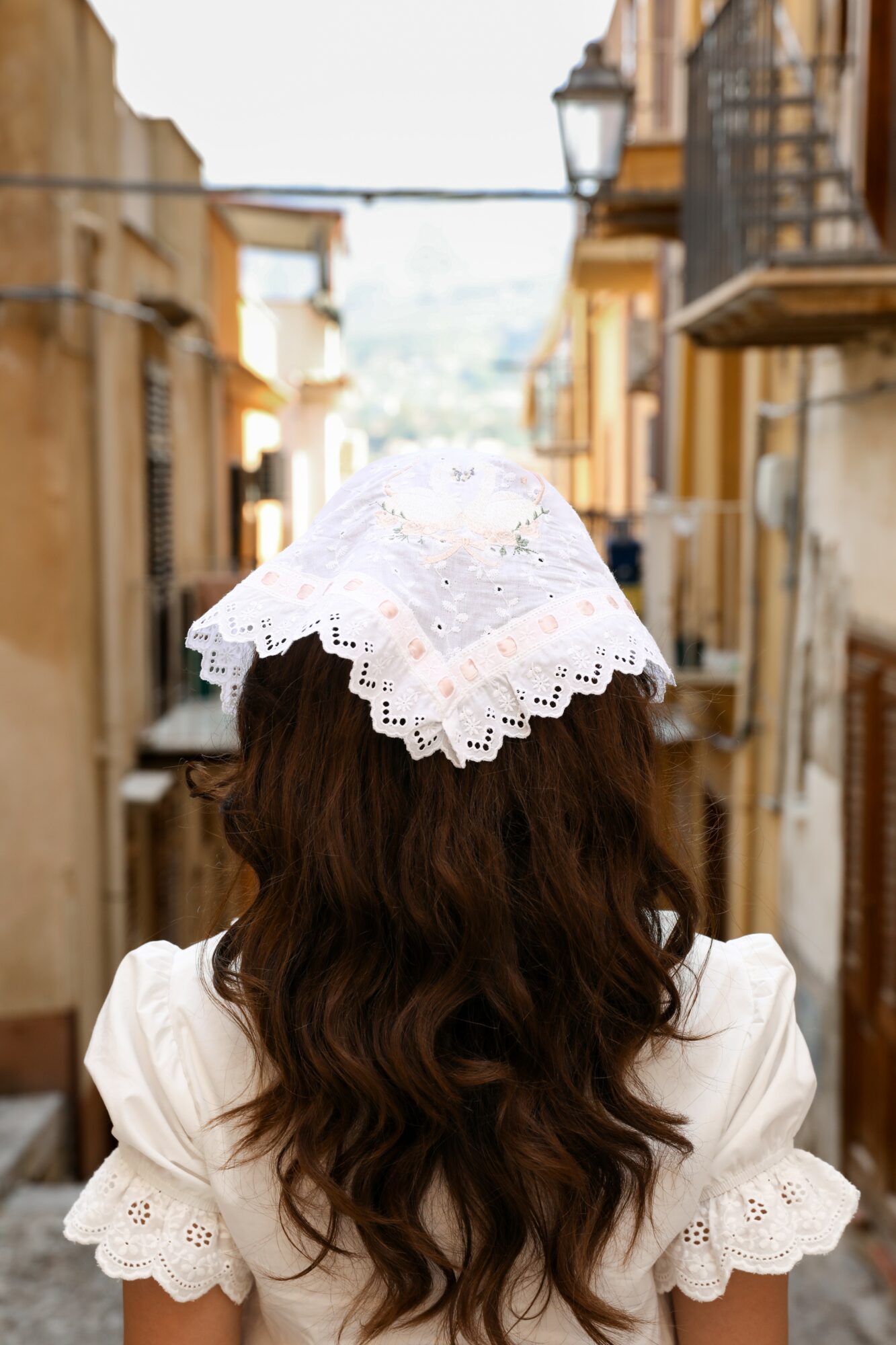
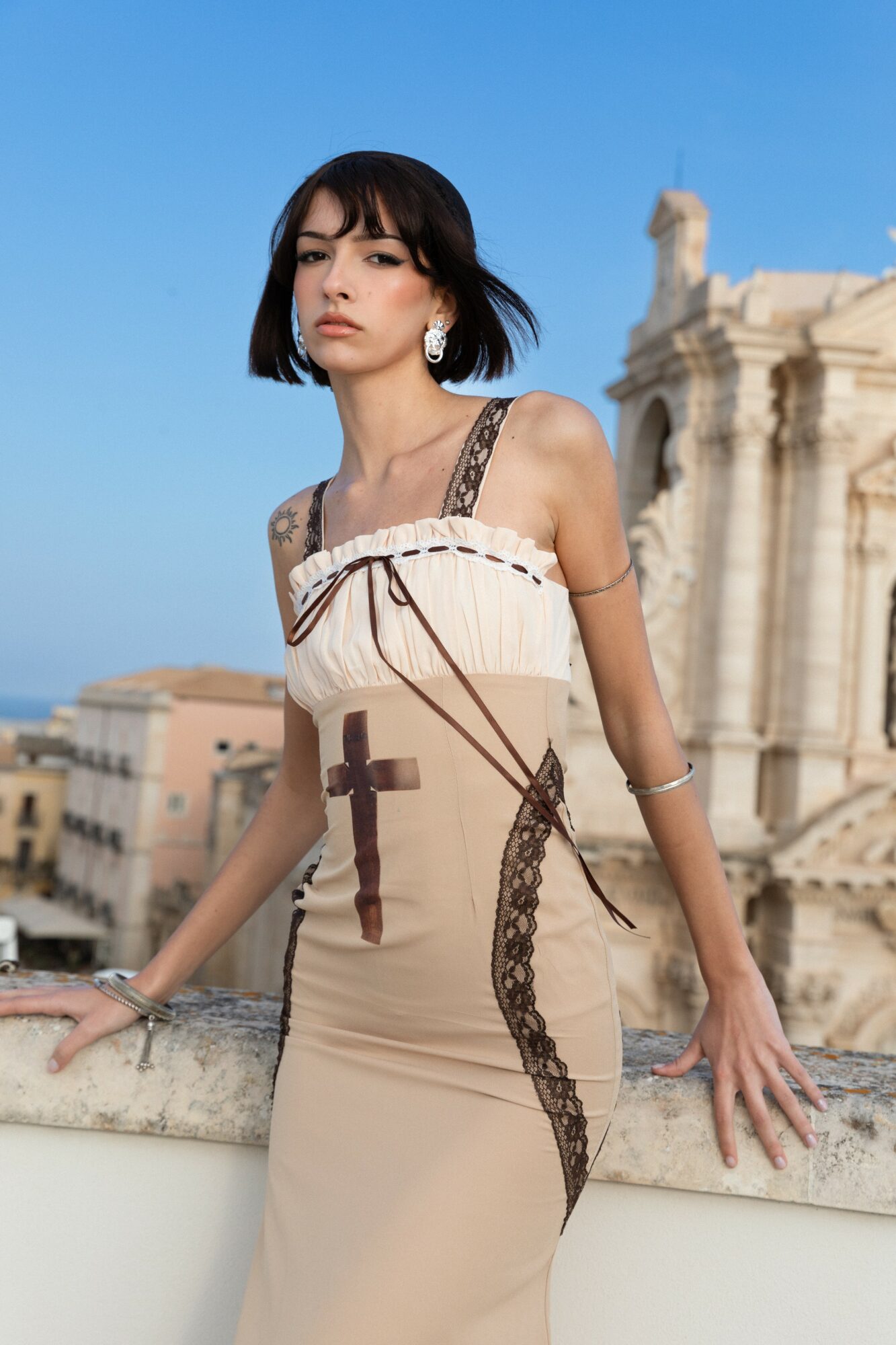
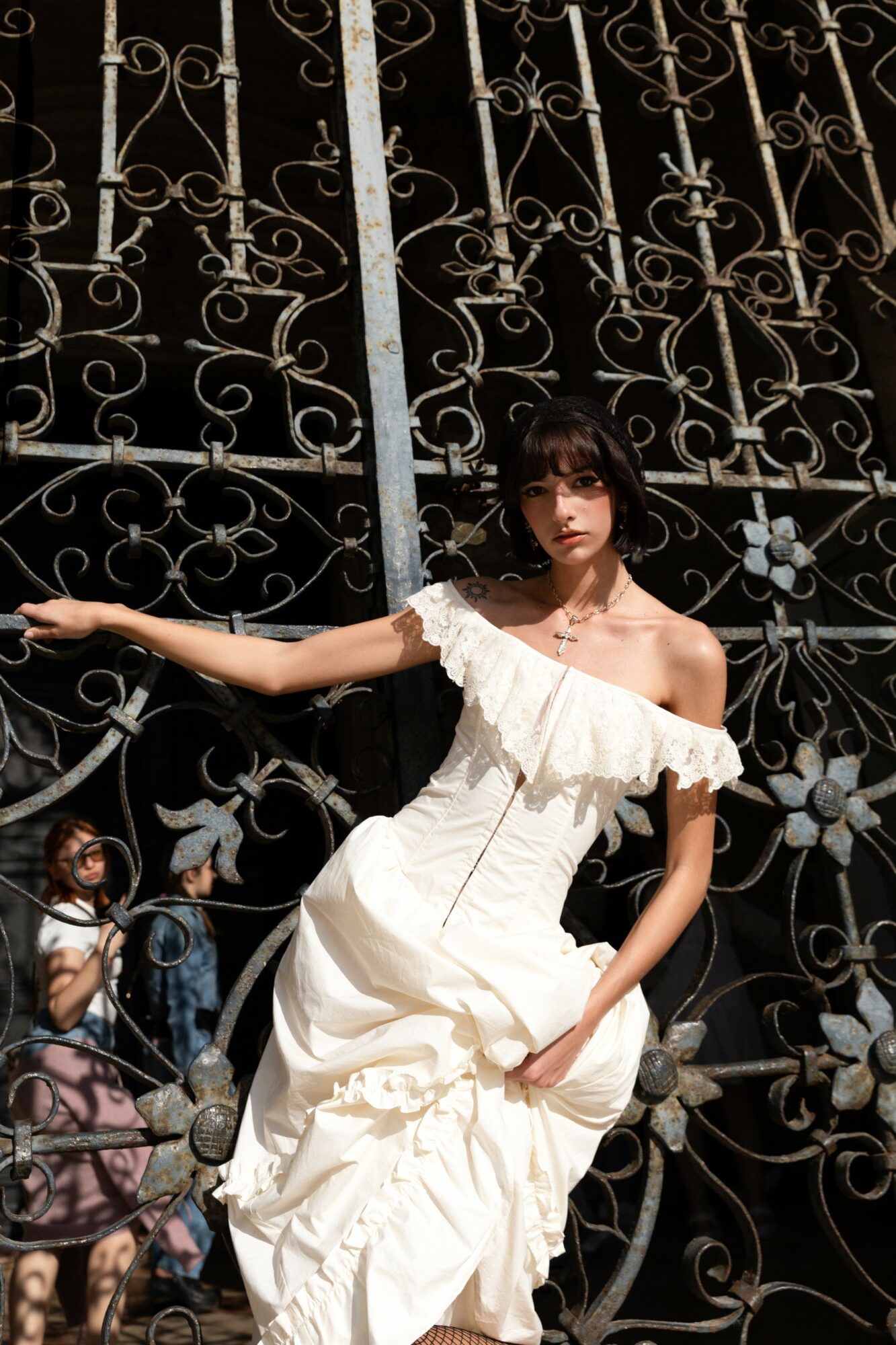
Image Credits
Photography by Dylan Austin (ig @dylan_austin_e)
Photography by Prishtina Gjonaj (ig @ptina)
Popular
-

Portraits of the Valley
-

LA’s Most Inspiring Stories
-

Rick Norris Learned That Building a Successful Business Means Building a Life You Actually Want to Live
-

How Olivia Rush Turned Survival Into a Mission to Help Others Keep Going
-

How Bibi Goldstein Is Helping Entrepreneurs Reclaim Their Time by Embracing the Power of Delegation
-

Victoria Hasson is Redefining Voice Coaching Through Community and Collaboration


