



Today we’d like to introduce you to Alice Marie Perreault
Hi Alice Marie, we’d love for you to start by introducing yourself.
I was born and raised in Rochester, New York, one of five siblings, two older than me and two younger. I was dreadfully shy. But, had much confidence in drawing and won several awards.
When I was in elementary school, I began drawing everything I saw, especially while riding in the car and on the school bus, watching out the windows as we moved passed the shapes of things. My “pencil” was my tongue and my “paper” was the roof of my mouth. I traced the landscape habitually. My school teachers were subjects too. I watched how the edges of their bodies pushed into the air around them. Inside my mouth, I traced the school desks, the foliage outside the classroom windows, the shadows that stretched across the floor. I also drew in the common way, on paper with pencils and crayons but, blank paper wasn’t always available. My favourite was the card-stock that came inside the packaging of my mother’s pantyhose because it had two blank sides. Today, the use of line in my art, is my strongest of all my skillsets.
After high school, I did blue collar, factory work for Eastman Kodak and General Motors while taking classes in the evening at Rochester Institute of Technology. One of my teachers recommended I go to California College of Arts (and Crafts). After 3 years and some savings in the bank, my transfer credits equalled one year at CCAC. On Campus, I felt a belonging unlike any before. I admired the uniqueness I saw in the way students dressed and adorned themselves, the live music outside the cafeteria at lunch time and the ever-changing visual art that surrounded me, of which I was fast a part of.
I still love learning, the continued exploration and discovery never stops pushing me. Although, I have degrees, I still wouldn’t mind continuing. When I began teaching, I quickly found the exchange with my students kept me in a similar state of learning. Today, I have opportunities to speak about my work and my favourite part is the interaction that happens during the Q & A.
I’ve traveled abroad, but have always lived in the states. Besides, Rochester, NY, I’ve lived in San Fransisco, San Diego, Chicago, Salt Lake City and now, the L.A. area. There is a learning curve with relocation. Each of the cities I’ve lived in, has had it’s own behavioral patterns. It takes time to understand them and recognise how they impact my behavior, how I make art and even why I make things. For instance, in Salt Lake City, I reacted to gender roles, sexuality and imbedded cultural and religious forces. As an outsider, the way I responded to these systems was through intimate, raw drawings and paintings, from a psychological place with the body/figure as my keystone.
In Utah, my sister, Renee, was living with my husband and I when I gave birth to our son, Julius. Renee had Down Syndrome and Julius was soon diagnosed with cerebral palsy after his traumatic birth caused hypoxic ischemia, a brain injury due to prolonged suffocation. Renee had given me my first lessons in civic advocacy, and my son gave me a vast new education in medical science, that continues. Needless to say, my previous knowledge of the body was dismantled after Julius’ birth and had to be rebuilt within a terrain entirely unfamiliar and intimidating to me. The first set of drawings I made then, were created along side my lessons about the neurology and physiology of my newborn. Those works on paper replaced my initial proposal for an exhibit that I was committed to. They helped me grasp the mechanisms of brain to body connections and my naivety with medical practices.
Complications related to Julius’ birth that damaged my body, lead to the death of my second baby, who was born prematurely. My marriage, that was already brittle, ended and I returned to California. I still wanted another child and, although it was not the reason for my relocation, it was beneficial that California did not have the restrictions Utah enforced on fertility treatments for non-married women. After IVF efforts, to become pregnant, failed for me and I pulled through the excruciating loss of my sister, whose health had been declining, I returned to grad school, to start again. By then, at Claremont Graduate University, I had collections of medical materials saved from caring for Julius. My attraction to these items was undeniably strong and equalled, to me, in importance and necessity, to that of my art supplies. It was inevitable that they found their way into my work.
At CGU, I became intrigued by how the body/figure could be implied in its absence and aggravated through its universal, inevitable end and my attention turned towards mixed media installation work. My son became an integral part of my interactions on campus and our path influenced the work I was making; His feeding button became subject for a mural size drawing, his former crib became central for an installation and we collaborated with another artist to do a performance that broke the barrier between his physicality and people’s misunderstanding of it.
Still, I couldn’t shake the gnawing I felt about wanting another child and I had enough savings to attempt IVF one last time. When that effort failed, I assured Julius, we would adopt a child through Foster Care after I finished grad school. Then, to my surprise, my fertility doctor offered another try, waiving his fees. And when my successful pregnancy could no longer be hidden, I revealed my protruding belly in an installation I made with large photographs I had taken from my final fertility treatment. In that same week, just prior to my reveal, Elton John and his life partner, David Furnish, banned Dolce and Gabbana for their “Vive la Mamma!”, a fashion show with only traditional-motherhood represented. The designer team made remarks against reproductive technology, calling babies born from this science, synthetic. When I revealed my belly, the words Synthetic Offspring” were painted in white across it.
After another fear of losing my baby and a required emergent surgery to save her life, my healthy daughter was born. It was during summer break and I returned to grad school for my last semester with my books in one arm and my baby draped over the other, a comfortable position for both of us. In the galleries, I set her on the floor on a sweater or jacket while I worked. During one of my installations, I referenced a fictitious bar that served shots of my breast milk. My professor invited me to serve the shots in the main galleries during a reception. I was fascinated to see who would and who would not take the gift of my breastmilk from the polished tray I carried.
My work continues evolving as one thing leads to another and my story continues. I’m building sculptures that combine utilitarian objects with medical supplies and mixing drawing and painting with ordinary and unconventional objects. Always, I am interested in design and what is signified through relational objects and materials that can comment on domestic and civic concerns. Invitations and proposals for shows are catalysts that keep me challenging myself.
A couple of years ago, I started doing self-directed residencies to meditate, read, sketch and refuel. As an artist, woman, mother, and an advocate for inclusion, accessibility, improved healthcare and reproductive freedom, my plate is full. I love my multiple roles and the way in which they overlap, bounce off each other, and shape then reshape my work and personhood. I would not have it any other way.
Can you talk to us a bit about the challenges and lessons you’ve learned along the way. Looking back would you say it’s been easy or smooth in retrospect?
I was my own greatest obstacle, trying to prove myself to others as opposed to myself. I was surprised when a fellow classmate at Claremont Graduate University asked me what grades I received. “Huh?” I questioned, “There are grades?!” I’ve become my hardest critic and thought, I’m the one who has to be satisfied with what I do, more than anyone else. I felt the grading system, at that time in my life, was an interference. I didn’t want to fall back into a pattern of trying to please others.
Another mistake I made, that created obstacles, was not referring to my artwork in the same way that men referred to their jobs. By shifting my language from a passive voice to an active voice, I raised the perceived level of importance for me to practice art. This shifted reactions from others, from art-making being a “nice, cool” thing to do as a hobby or simple craft, to a professional platform. This, seemingly, small change doesn’t tolerate minimising my work and has made a significant and positive impact.
Thanks for sharing that. So, maybe next you can tell us a bit more about your work?
Common, utilitarian objects and those that point to medical care are significant to me beyond their practicality. These have become personal, thereby inter-connecting with my traditional art tools and methodologies to draw, paint, build, shape, knot and project. I depend on a homeostasis relationship between the organic and the synthetic for physiological and mental health. This is where comfort and pain find balance. And I strive for that equilibrium in the art I make.
While disabilities cross all cultures and identities via genetic disorders, injuries, and aging, people living with disabilities are, too often, dismissed and, at worse, subject to neglect and abuses. I make my artwork in contrast to this, giving voice to families like mine who know, first hand, how much effort it takes to find or establish equal ground from the basics of home design to community accessibility and medical care.
My art aesthetics include conscientiousness and grace. There is a genuine, esoteric value within those among us who are most vulnerable. I have felt the deepest love and have learned the most profound lessons that have raised my consciousness remarkably within this realm that I live. This connects directly to my art practice.
I believe the value of those who must trust in others for their basic care and dignity is further reaching when this attention infiltrates art with a sensual positivity. I am happy and proud when my life convictions and optimism transfer into my art, when there is balance between the manner in which I make something with its underlying narrative.
Let’s talk about our city – what do you love? What do you not love?
I love the variety of art and culture that thrives in L.A. and its surrounding area. I dislike the fast pace in which things move. I’m very contemplative, but my responsibilities happen at a quick-changing pace so, I seek out opportunities to just breathe. I was, recently, able to pull out my plein air sketchbook again in Mount Baldy on the Los Angeles County side. It was wonderfully centering. I was sketching the burn marks on the edge of the Bowl from the previous fire. Now, with the current Bridge Fire burning, I feel it more deeply. Art does that. It takes us inward and also expands our sensibilities outward. I’m growing much here in L.A.
Contact Info:
- Website: https//www.AliceMariePerreault.com
- Instagram: https://www.instagram.com/aligator_purrrs/channel/
- Facebook: https://www.facebook.com/alice.m.perreault
- Youtube: https://www.youtube.com/watch?v=JFTjt9rHPJw
- Other: https://www.facebook.com/Artcribbed/
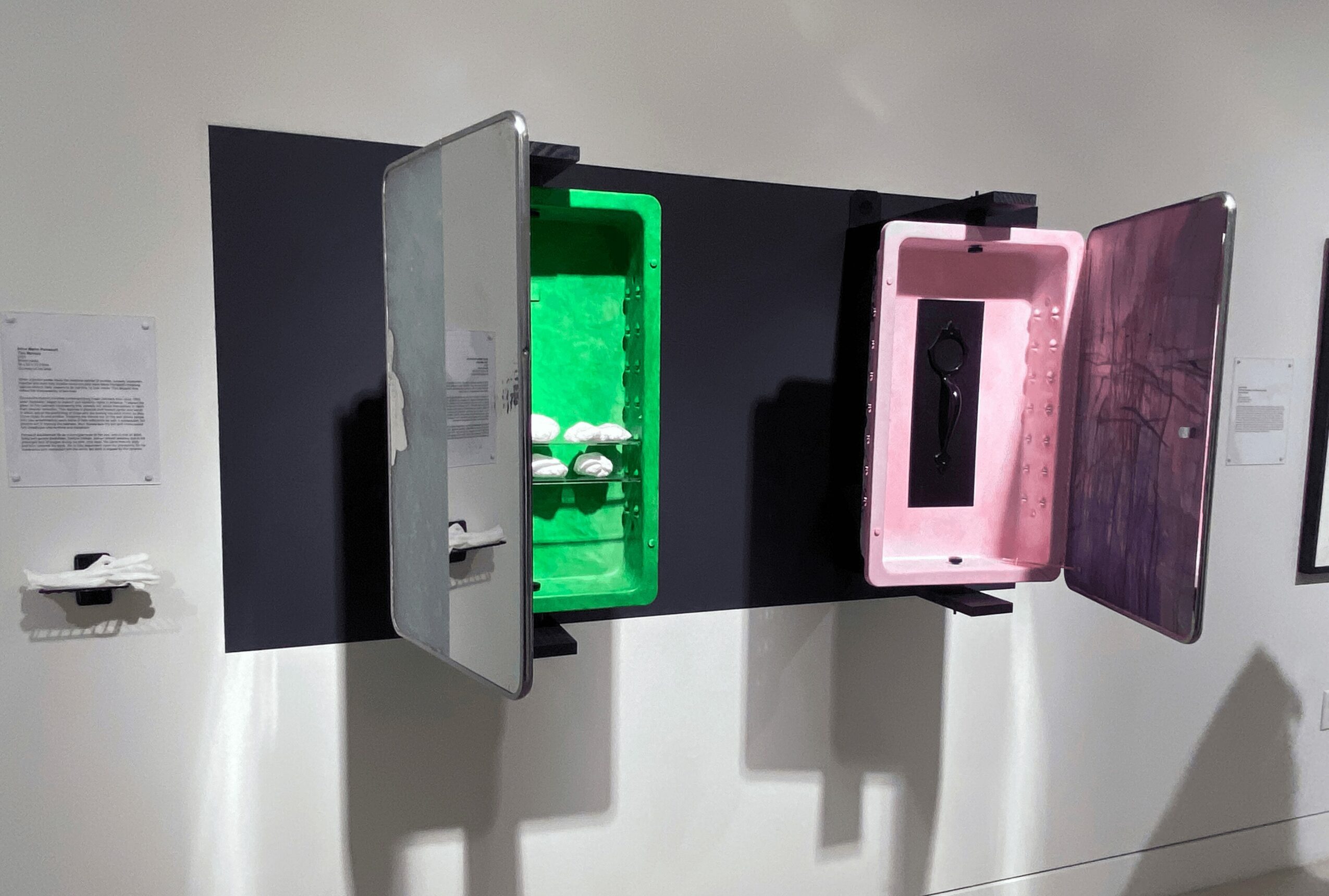
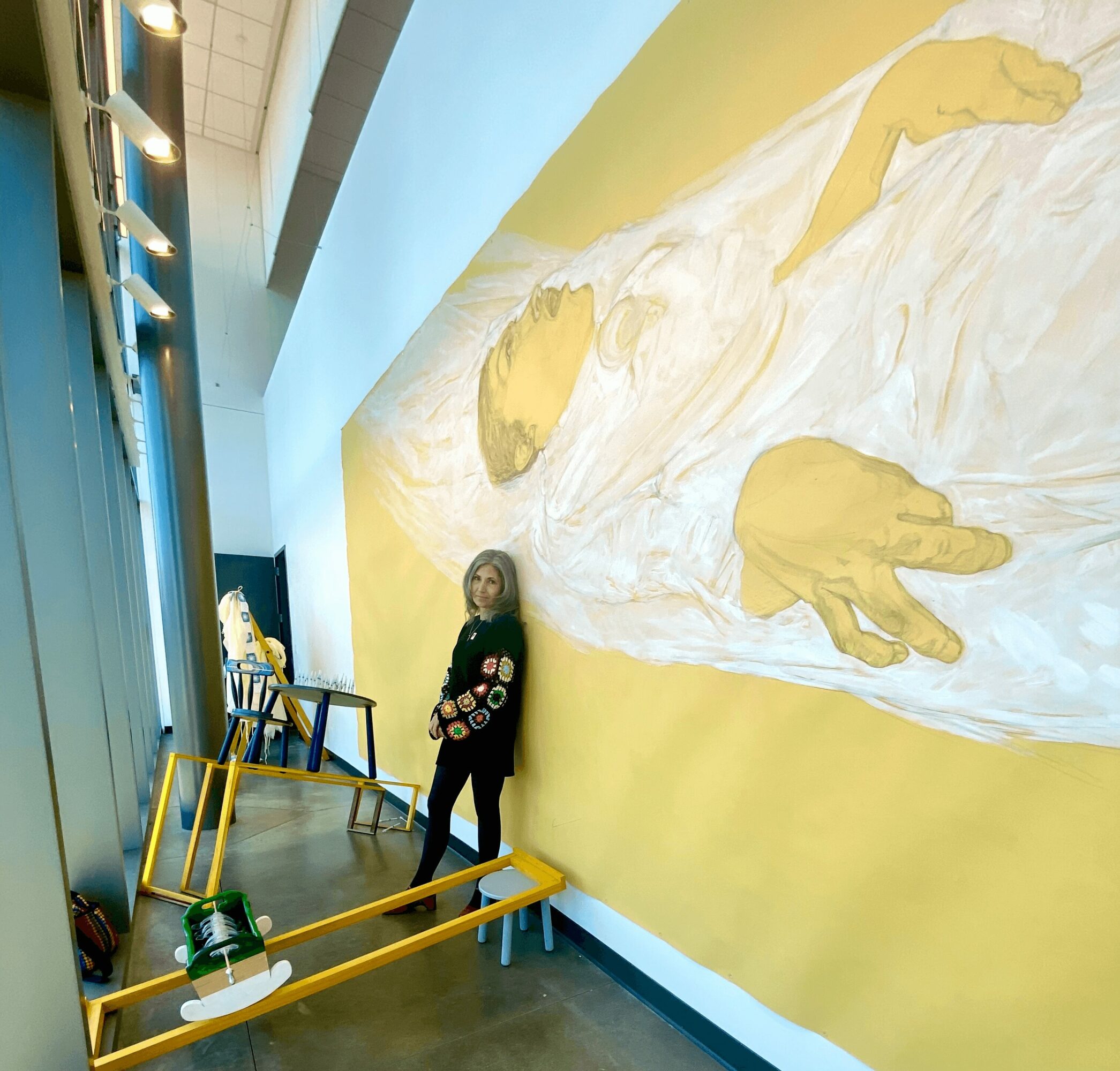
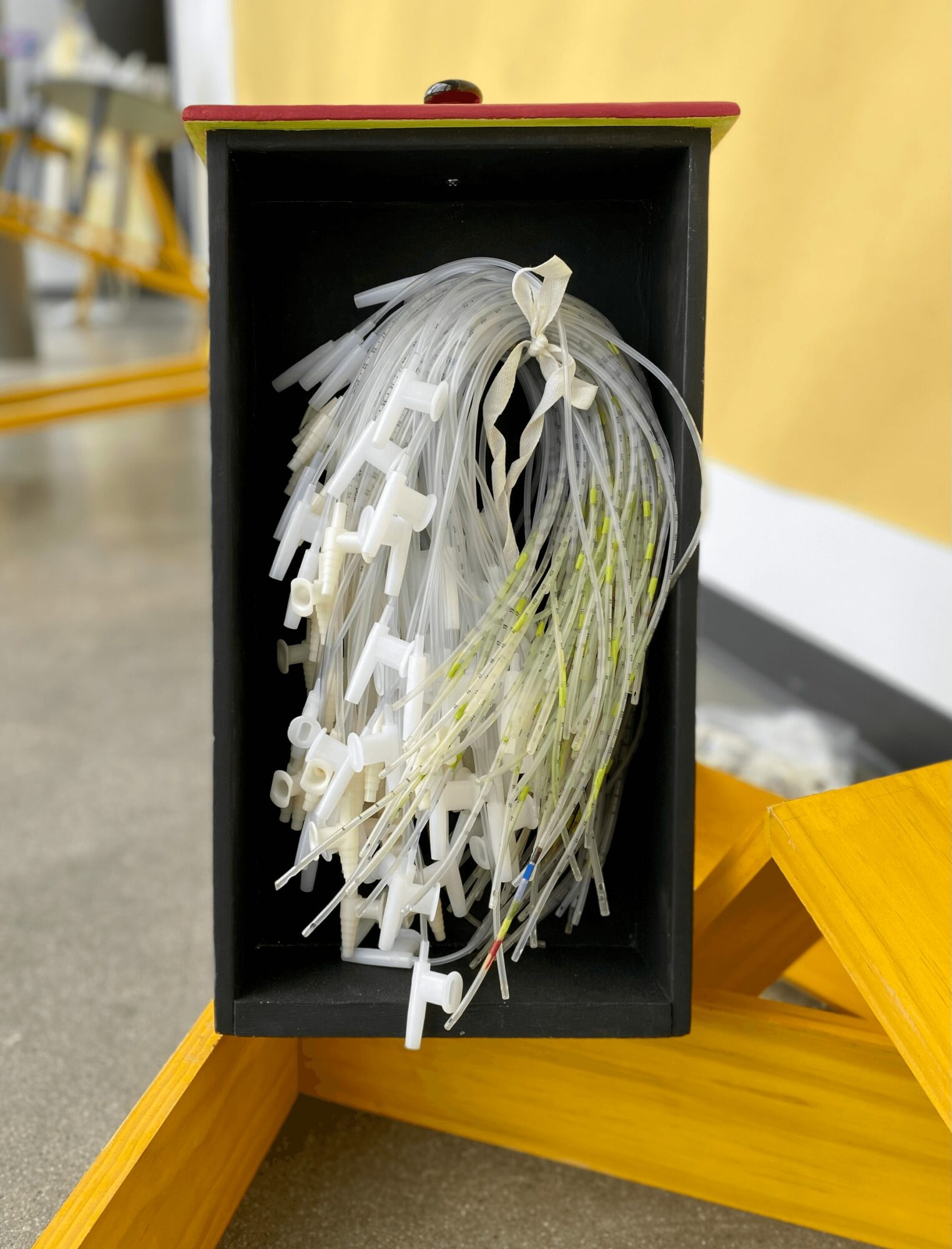
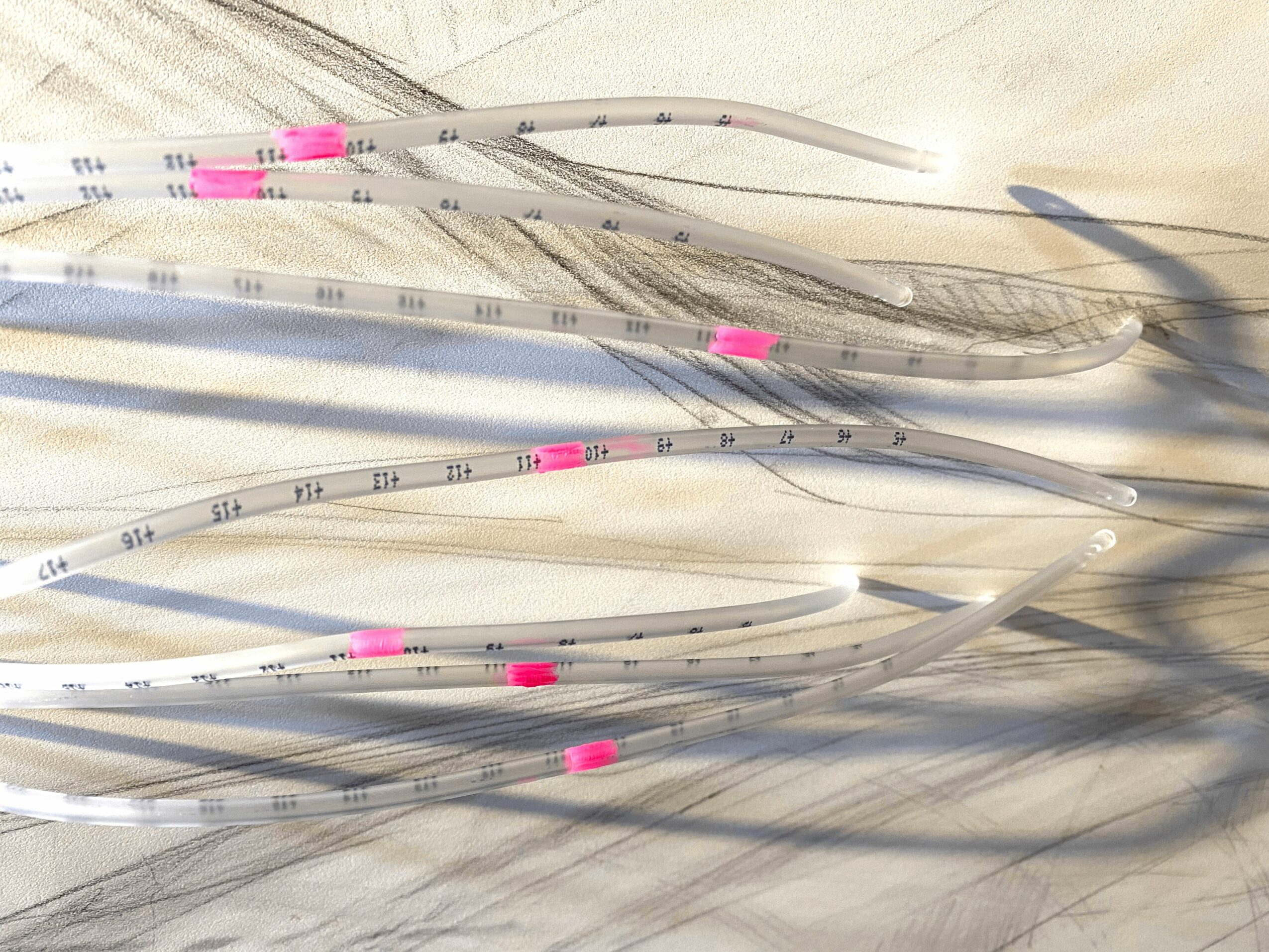
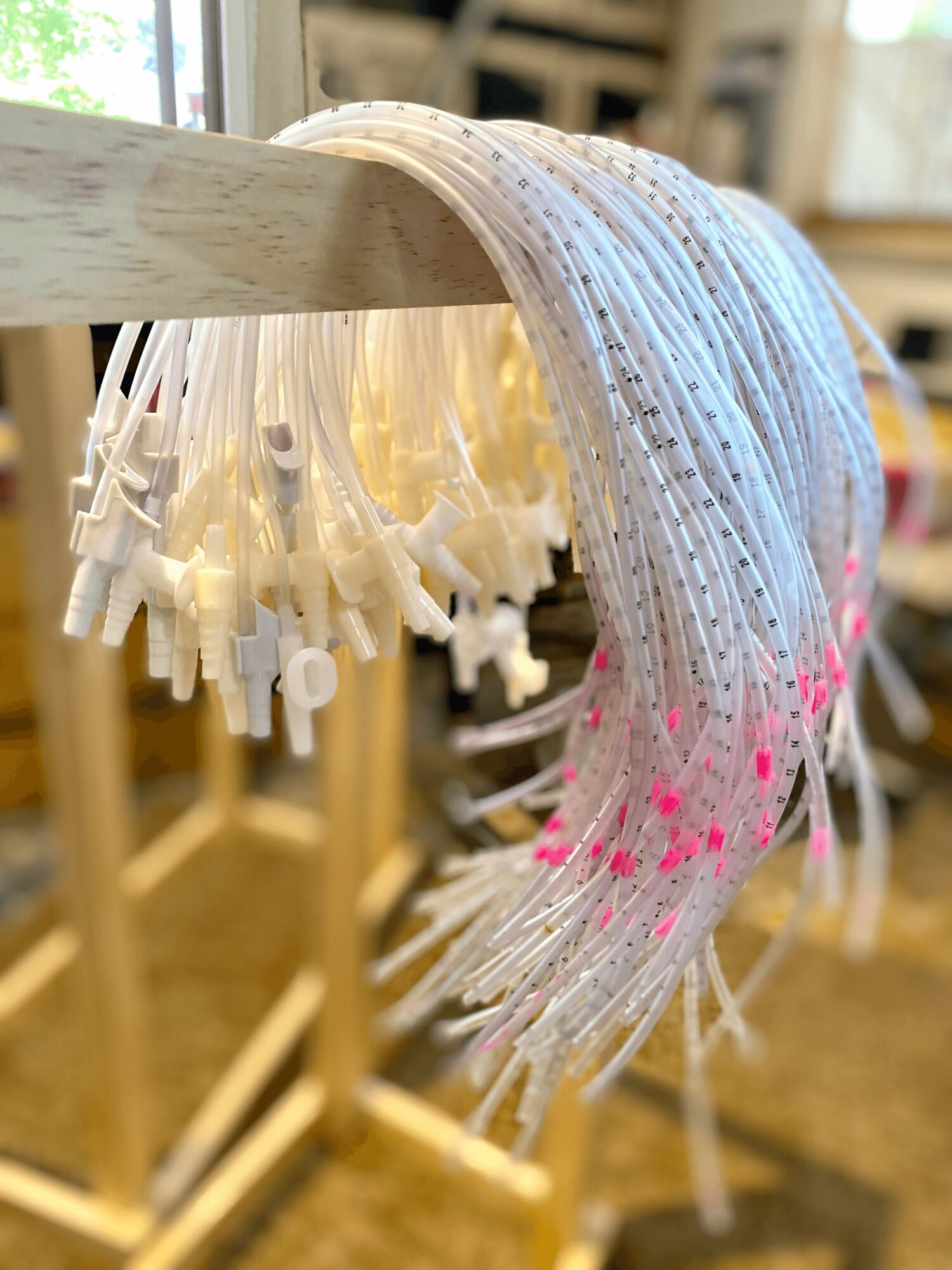
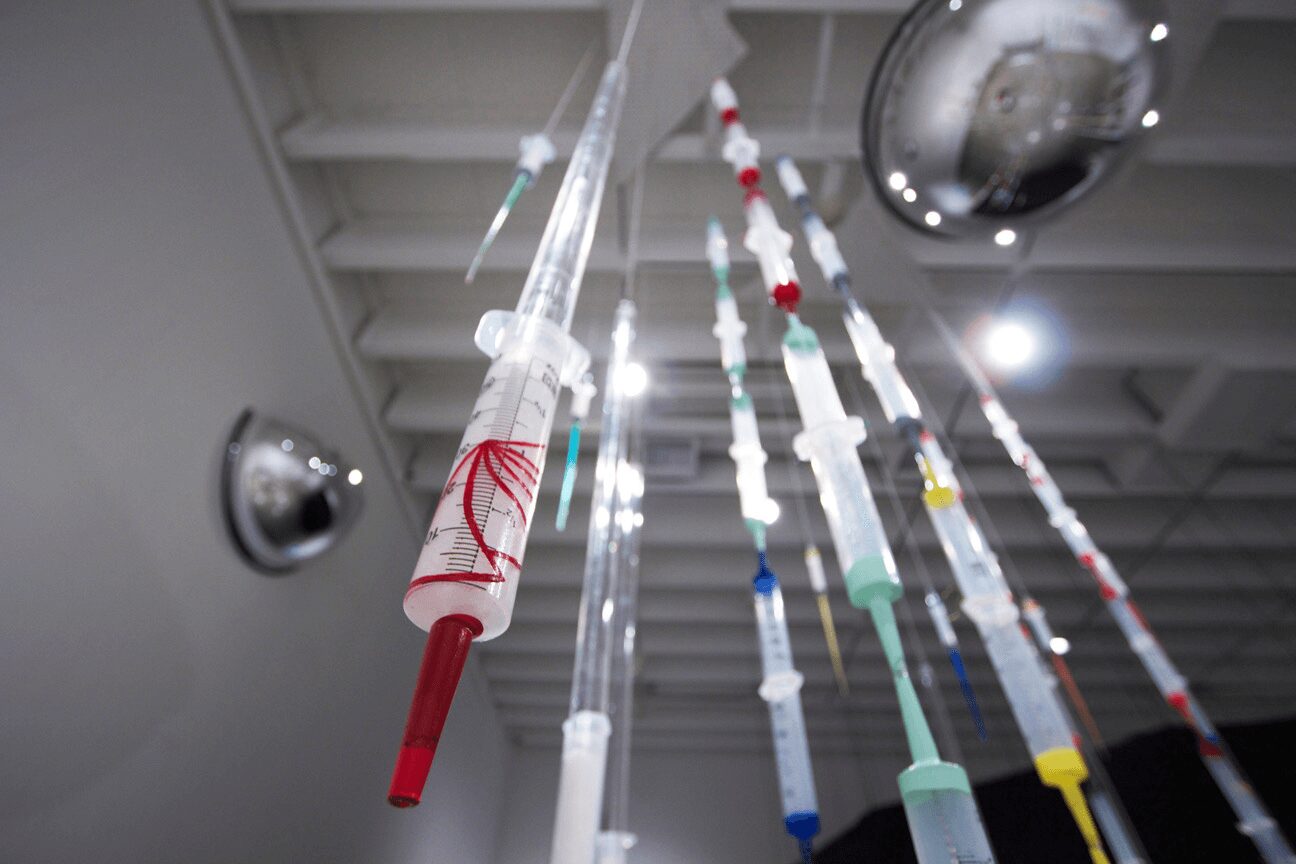
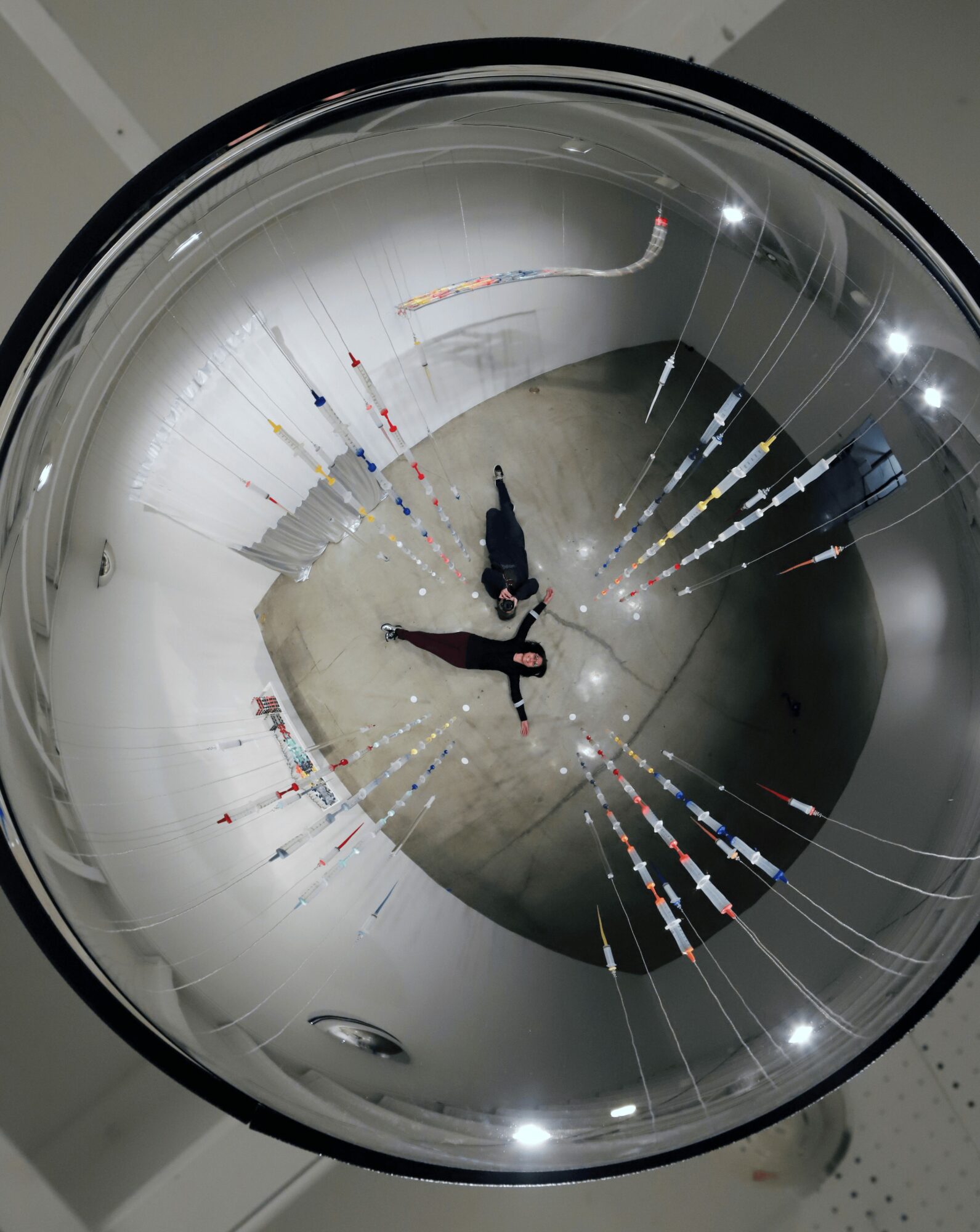
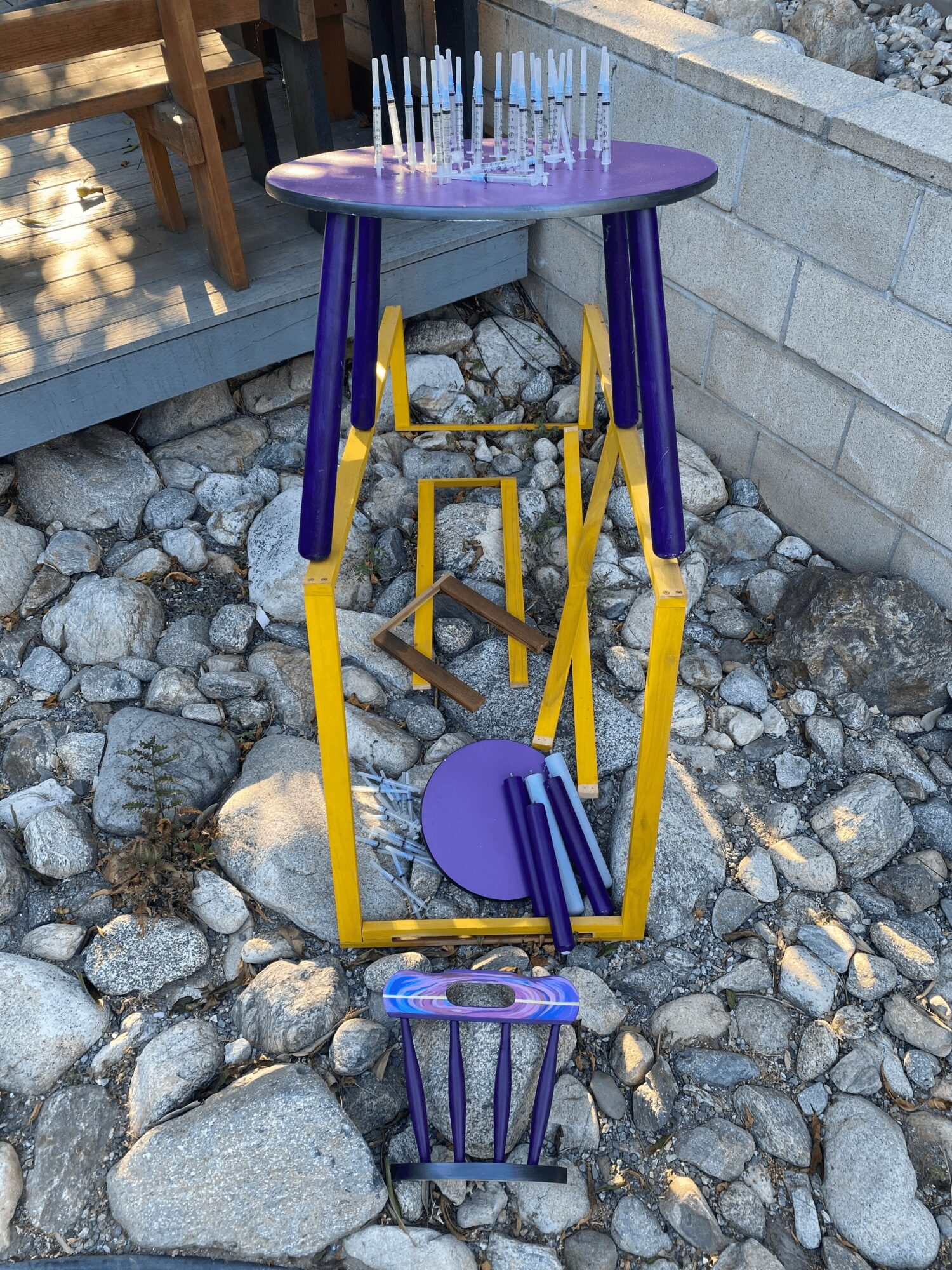
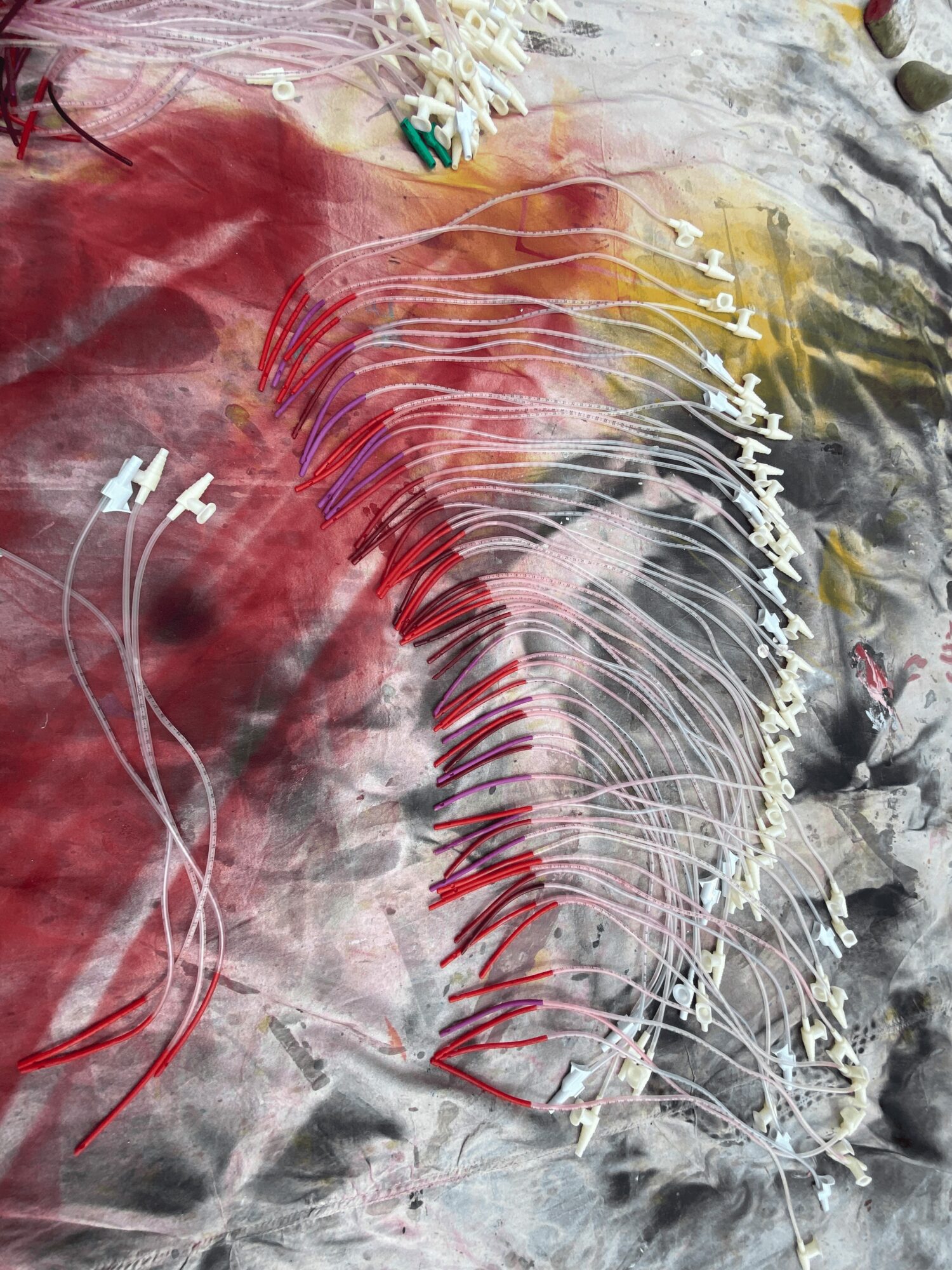
Image Credits
Images by artists and family
Popular
-

Portraits of the Valley
-

LA’s Most Inspiring Stories
-

Rick Norris Learned That Building a Successful Business Means Building a Life You Actually Want to Live
-
How Olivia Rush Turned Survival Into a Mission to Help Others Keep Going
-

How Bibi Goldstein Is Helping Entrepreneurs Reclaim Their Time by Embracing the Power of Delegation
-
Victoria Hasson is Redefining Voice Coaching Through Community and Collaboration


