




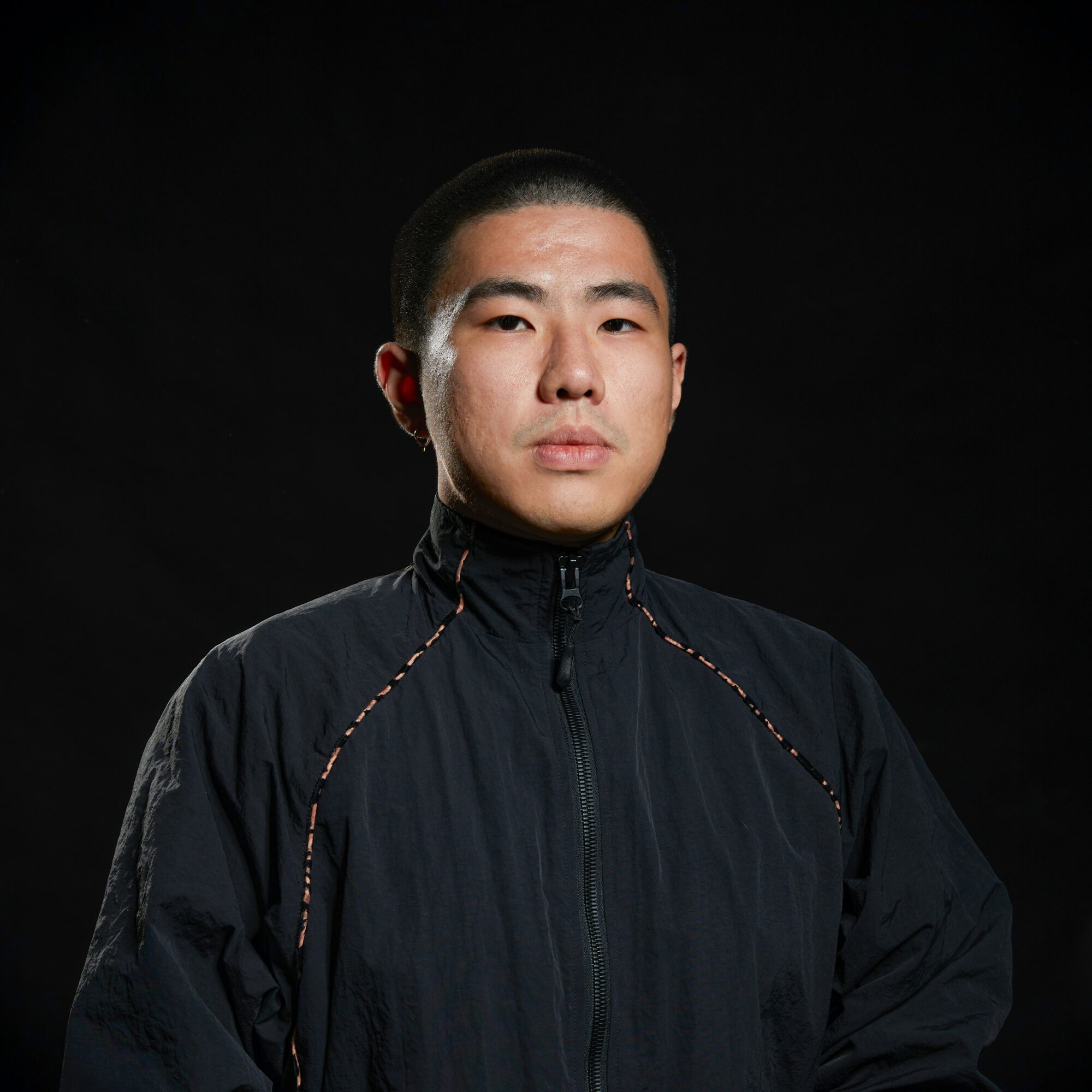
Today we’d like to introduce you to Zhiyuan Yang
Hi Zhiyuan, can you start by introducing yourself? We’d love to learn more about how you got to where you are today?
Throughout my entire academic journey, I have been deeply engaged with the arts—whether it be literature, music, or visual arts. I confidently consider myself one of the most outstanding individuals among my peers in these fields. My father was among the first generation of university students in China to study art-related disciplines, which is why he has been highly supportive of my decision to pursue an art-related career. In China, even today, art is still a subject that is often misunderstood and plagued by stereotypes.
Although I am from China, unlike many Chinese artists who travel across the ocean to the United States to create, I do not wish to focus on topics such as politics, oppression, human awakening, or the liberation of thought. On the contrary, I believe that these topics have been somewhat over-discussed—in the deeply polarized environment of today, such discussions seem to serve mainly as political propaganda. Other than aiding artists in applying for political asylum, I believe they do not fundamentally contribute positively to solving the core issues. Instead, I think we should adopt a more global perspective, especially at this moment in time. Bridging the divides of race, class, and ideology is far more practical and important than merely complaining about political environments.
We all face challenges, but looking back would you describe it as a relatively smooth road?
Of course, pursuing a career in art is certainly not without its challenges. I often face misunderstanding from those around me, as well as questions about my future career path—art, in the public’s view, is still seen as a playground for a small group of people. The same struggle also comes from within myself—I am a creator who follows bursts of high energy, but when my inspiration runs dry and I don’t have time to recharge, I often feel extremely lost.
Can you tell our readers more about what you do and what you think sets you apart from others?
I am currently working in two fields simultaneously: exploring AI and creating large-scale installation art. In the AI field, I investigate the definition of AI, how we use it, and experiment with new AI tools for content creation to discuss popular social topics and trends. In installation art, I have created a large-scale sculpture that will be suspended in a dark, expansive indoor space, from floor to ceiling. On this sculpture, I will use a spotlight to illuminate a small reflective dot, representing our insignificance. The audience can approach, feel, and touch the sculpture, while also experiencing all the details in this dark environment, including possible fog, incense, and faint background sounds. This piece aims to encourage viewers to think about humanity’s fate from a macro perspective—as a collective rather than focusing on the individual—and to feel the insignificance of humanity in the grand scale of the universe through the sheer size of the sculpture.
I believe that every sense is crucial to the viewer’s experience, not just vision and the typical auditory components. Smell and touch are equally integral to the overall sensory composition. I hope to inspire a longing for the future and a focus on the development of humanity as a whole, rather than merely limiting our attention to the things around us. In the face of humanity’s progress, anything can be considered trivial.
The topics I hope to address are vast and macro in scale. Today, it seems that only a small fraction of people are truly dedicated to advancing humanity as a whole. My work aims to help the audience realize the tangible presence of the concept of the future and the urgency for us to start taking action. Humanity should not develop solely based on instinct like animals; instead, it requires all of us to think and construct a proper blueprint for our future.
We should ask ourselves: How much longer can the Earth sustain us? Are our resources sufficient? What will our next primary source of energy be? What should we do after returning to the moon? How will we reach Mars? And so on. These questions can go on indefinitely. I do not believe that the responsibility of answering these questions should fall entirely on scientists. As part of the human collective, we also have the responsibility and obligation to contribute to answering these questions.
At present, we don’t seem to care much, and I think this is understandable: we will all eventually turn to dust, so why bother about what will happen a hundred or even hundreds of years from now? But that is precisely the motivation behind my work. I want people to focus on the future, to view our situation not as the entirety of the self but as a small part of humanity. Yes, what is happening now is important, but what will happen in the future is equally significant. We may not live to see the world a century from now, but as members of the human race, we still bear the responsibility to envision, build, and protect the future we aspire to.
The crisis has affected us all in different ways. How has it affected you and any important lessons or epiphanies you can share with us?
Covid-19 physically isolated my senses, cutting me off from social interaction and emotional perception. I realized that I had become less sensitive and started approaching issues more logically. Through this process, I came to understand an important truth: in art creation, logic and emotion must often exist in a delicate balance. Excessive reliance on either side can have a devastating impact on the outcome of the work.
Contact Info:
- Website: https://juliusartspace.com
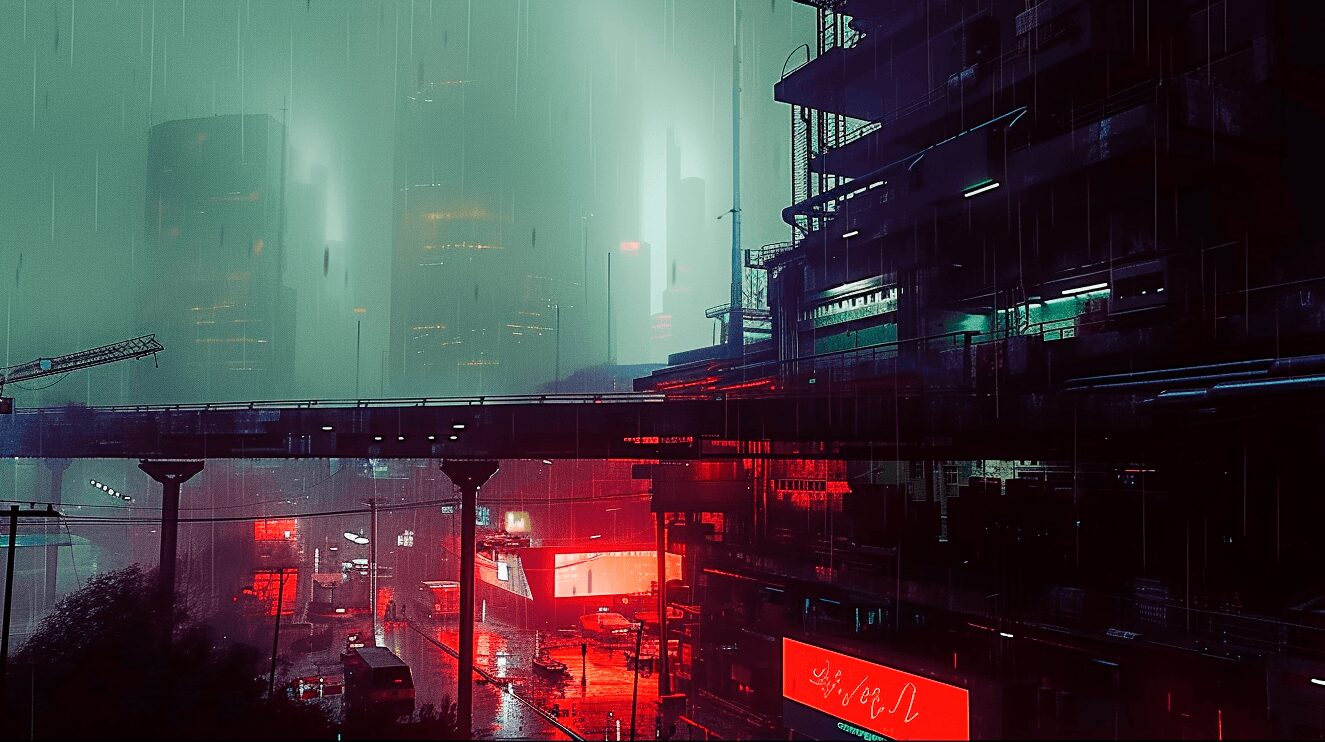
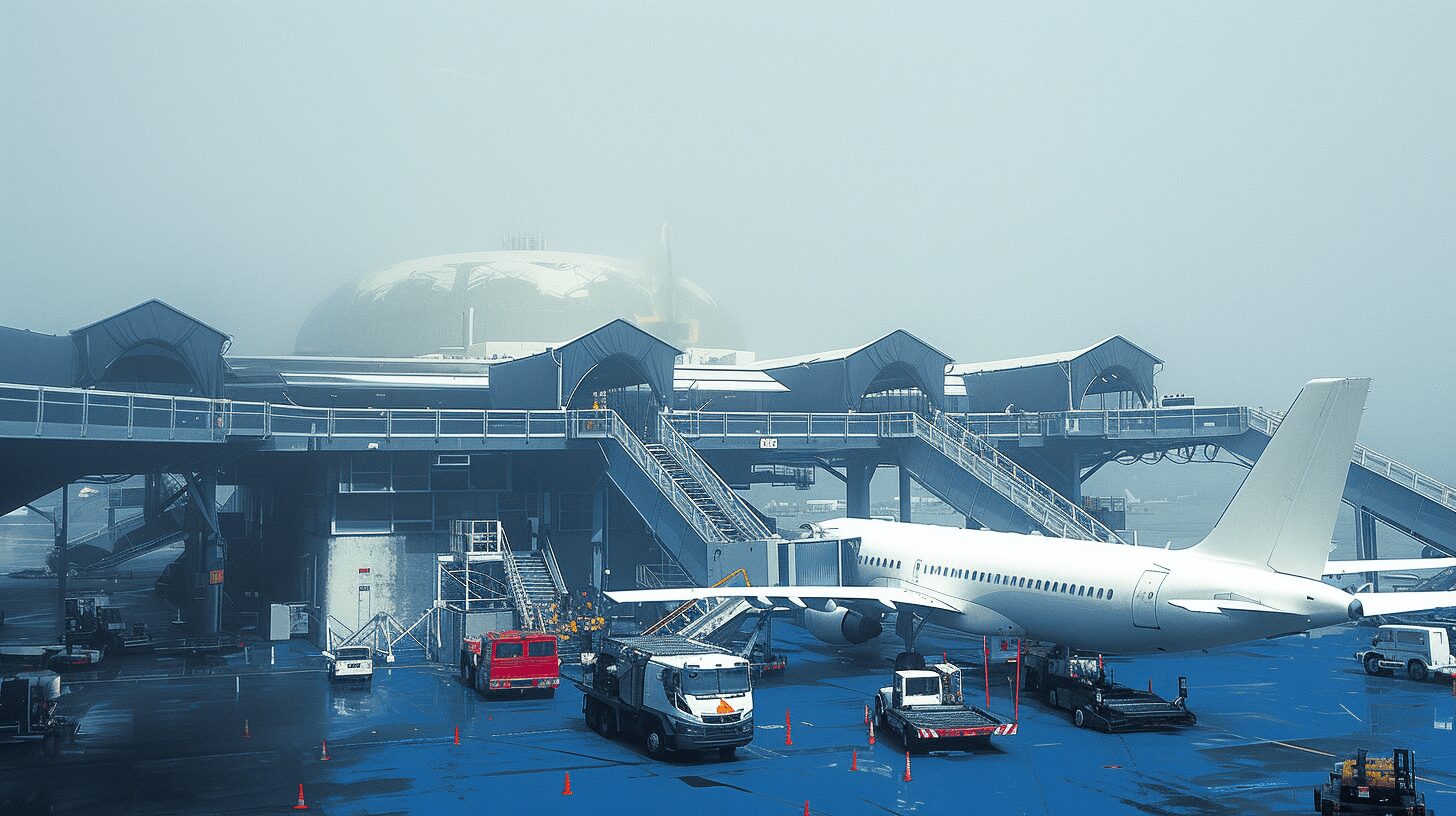
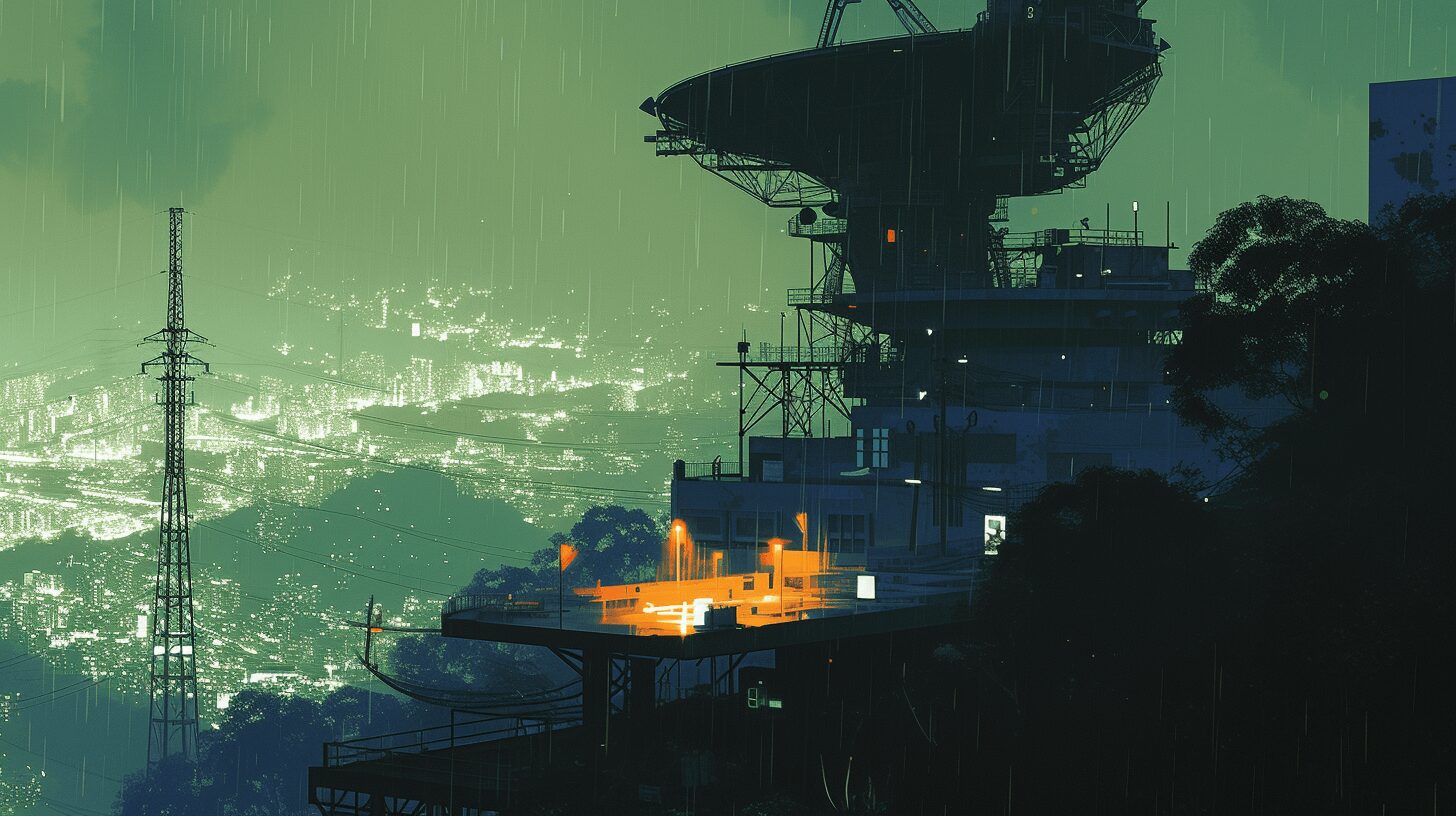
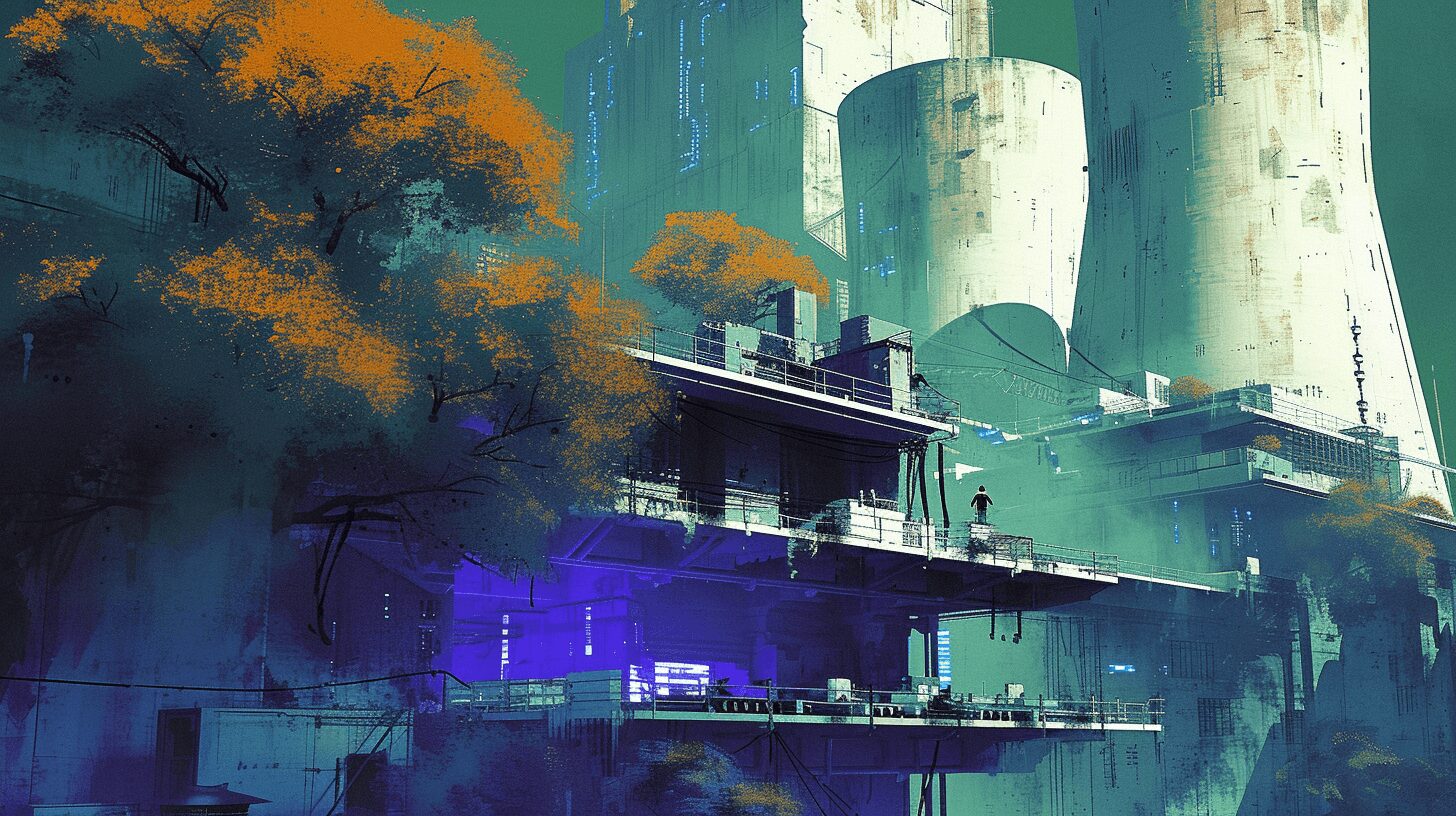
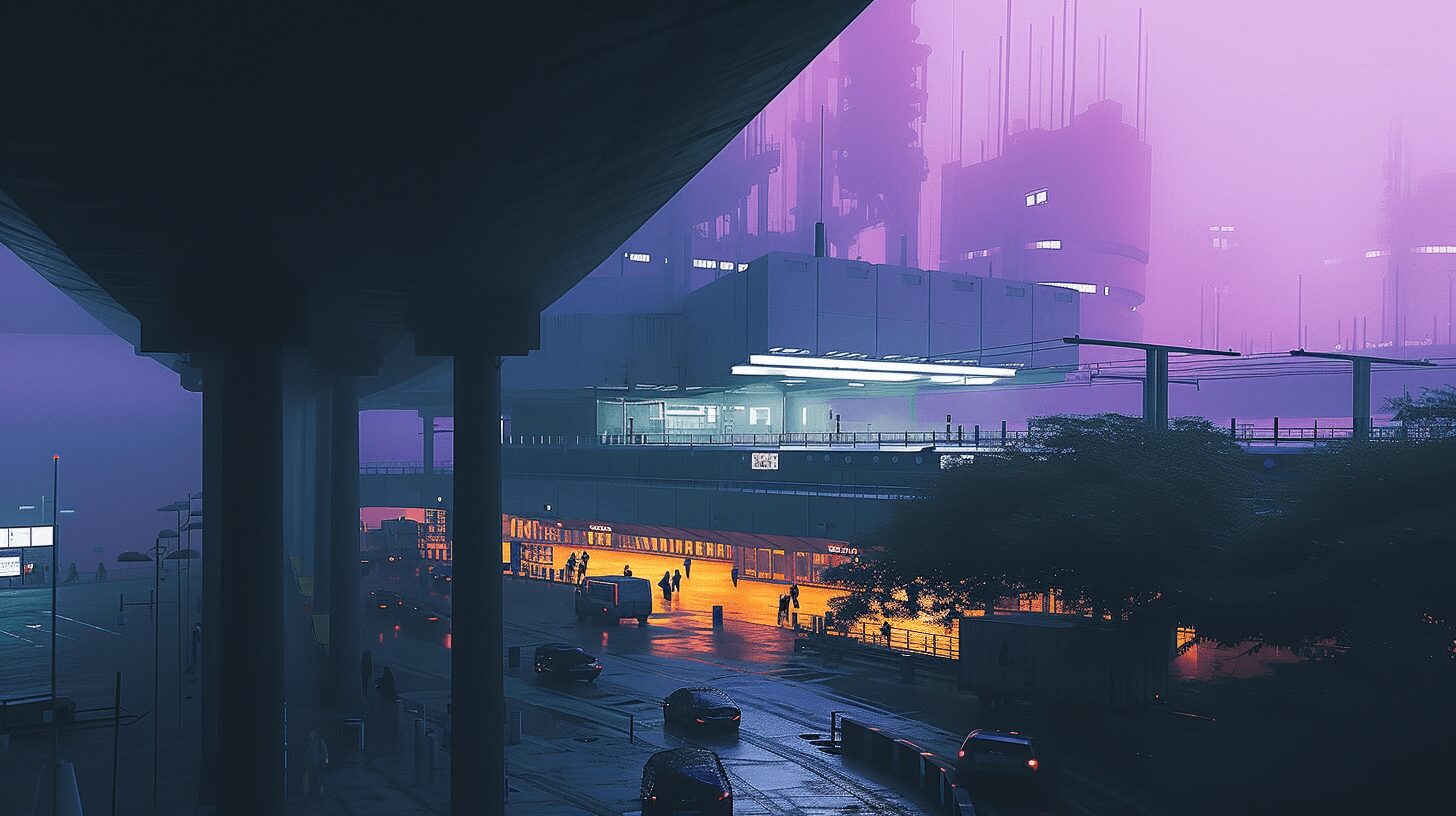
Image Credits
Zhiyuan Yang
Popular
-
JordanL on ‘Breathe,’ Belief, and Building a Movement Beyond the Music
-
Megan Birney Rudert on How Access to Light Is Powering a More Sustainable and Equitable Future
-

Linda Kneidinger on Building Lasting Change Through Small Steps and Self-Compassion
-

Jolana Nika on Redefining Modern Connection Through Intentional, Real-Life Experiences
-
What did suffering teach you that success never could?
-

Who saw you clearly before you could see yourself?


