



Today we’d like to introduce you to Yixuan *Bella* Zhu.
Hi Yixuan *Bella*, so excited to have you with us today. What can you tell us about your story?
I studied Media, Culture, and Communication at NYU, but my relationship with images started long before that. Growing up in Shanghai, I spent my high school years walking through the city with my DSLR, photographing every street I set foot. I loved telling stories — first through writing, then through images — and I quietly dreamed about being on a film set one day, somewhere near the camera.
But when it came time to choose a major, I chose the safer path. Film felt uncertain, and I wasn’t sure I was brave enough to commit to it.
After graduating during COVID and facing a period of stillness and uncertainty, I realized I couldn’t ignore that pull anymore. I applied to film school, not with a perfectly mapped-out plan, but to give myself an honest chance.
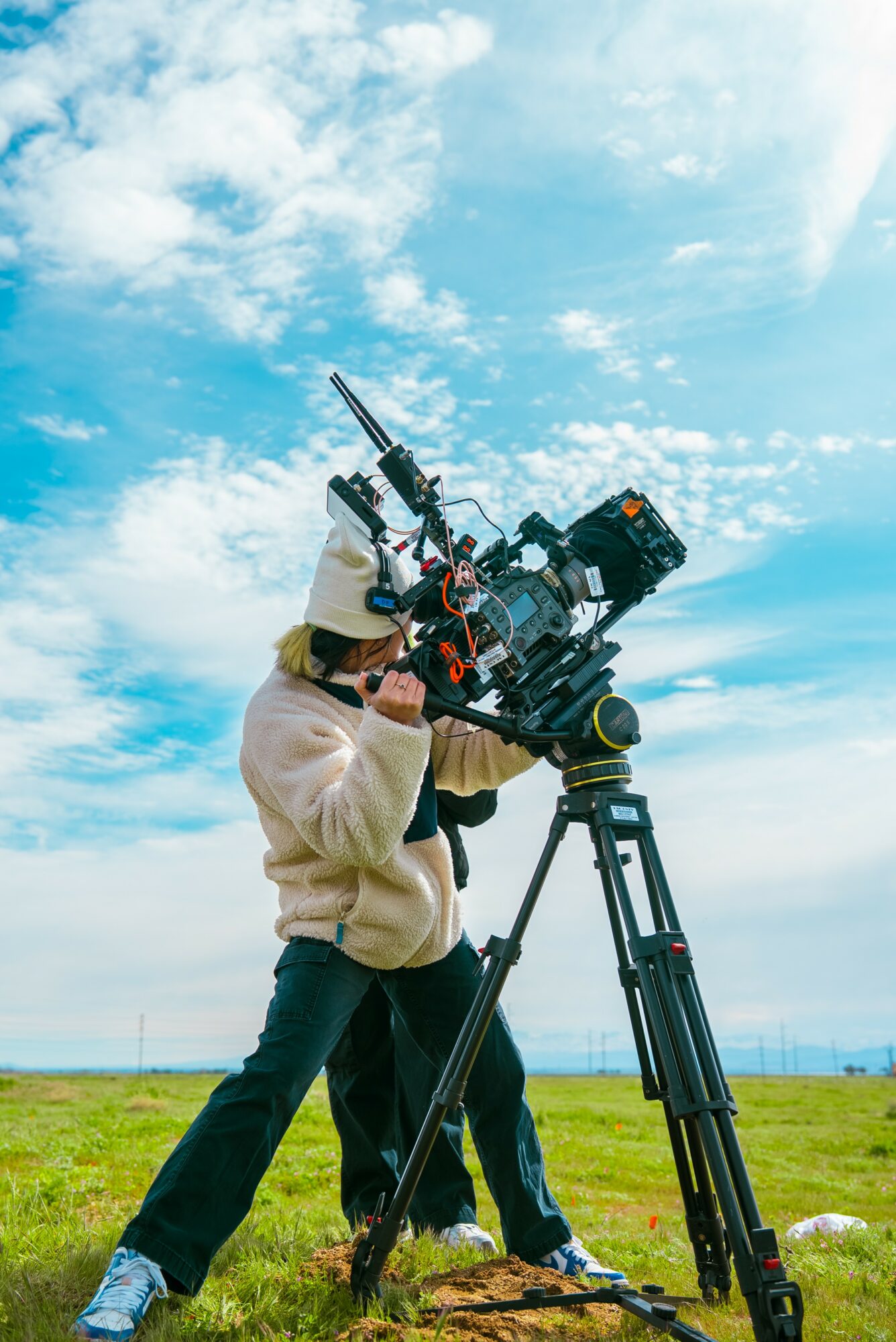
Once I started, I immersed myself in production. I worked across departments. Over time, I found myself consistently drawn back to the camera department. Cinematography felt instinctive — a balance between technical precision and emotional storytelling. Since then, I’ve shot multiple thesis films as a cinematographer, and several of them are now on their festival run. Looking back, what began as curiosity has slowly become commitment. I’m still evolving, but I finally feel aligned with the path I once hesitated to take.
I’m sure it wasn’t obstacle-free, but would you say the journey has been fairly smooth so far?
It definitely hasn’t been a smooth road.
One of the biggest challenges has been learning to exist in rooms where everyone seems extraordinarily talented. At film school, you are constantly surrounded by people with strong visual instincts, technical knowledge, and bold ideas. It’s inspiring, but it can also be intimidating. There were moments when I doubted whether I truly belonged there, especially when I compared myself to others.
That self-doubt became even more layered in the camera department. Cinematography has historically been a male-dominated field, and while that is slowly changing, the legacy of that imbalance still lingers. Being a woman in a traditionally male-dominated department has made me more aware of the need to continually prove my talent, passion, and knowledge of cinematography.
There was a period when I pitched myself to different directors to shoot a student thesis; I was rejected ten times in a row. That was a difficult moment. As a cinematographer, you’re asking people to trust your vision. And trust isn’t given easily. When you’re not the obvious choice, you have to learn how to advocate for yourself — calmly, clearly, and consistently. Those rejections forced me to grow. Over time, I realized that comparison is endless, and doubt is universal. The only way forward was to focus on refining my own voice. More importantly, I learned to separate rejection from self-worth. Eventually, the opportunities came. Last summer, I shot my first thesis as a DP — and then more followed. Looking back, the struggles weren’t obstacles; they were training and they taught me resilience.
As you know, we’re big fans of you and your work. For our readers who might not be as familiar what can you tell them about what you do?
I specialize in cinematography, primarily in narrative films, and recently I’ve also returned to writing — which has deeply influenced the way I approach images.
I’m drawn to more artistic projects where there is strong visual intention and control. What sets me apart, I think, is this story-driven mindset. When I shot my first thesis film, I was more focused on creating striking images. Now, I’m less interested in images that are simply beautiful, and more interested in images that are meaningful — images that carry subtext, tension, and intention. I think about production design choices, props, color palettes, contrast levels, camera movement, and even unexpected visual elements that can subtly reinforce the theme of the film.
For me, cinematography isn’t just about aesthetics; it’s about interpretation. Every lighting choice, every shift in color temperature, every movement of the camera should serve the emotional arc of the narrative. Since I also write, I naturally approach a project from a story perspective first.
I’m incredibly proud of all the films I’ve worked on. Seeing an idea evolve from script to a fully realized image — and knowing I helped shape that process through organization, collaboration, and visual leadership — is deeply rewarding.
To me, the strongest cinematography is the kind you feel before you consciously notice.
If we knew you growing up, how would we have described you?
Growing up, I was endlessly curious. I was always trying something new — playing violin, guitar, and harmonica, practicing Chinese calligraphy, learning Korean, experimenting with making music, even trying different methods of brewing coffee. I liked keeping myself active and constantly refreshed. The world felt big, and I wanted to experience as much of it as I could.
I wouldn’t say I mastered everything I tried — in fact, I often moved from one interest to another. But looking back, I realize it wasn’t about perfection. It was about exploration. I was searching for different ways to express myself and to understand the world around me.
Personality-wise, I’ve always existed somewhere between extroverted and introverted. I can be social and expressive, but I also deeply value solitude. I’m quite an emotional person, which probably explains why I’m often drawn to melancholic or intimate dramas when I write. I’ve always been sensitive to mood and atmosphere.
Trying new things was also my way of processing emotions. Whenever I felt overwhelmed or unhappy, I would throw myself into learning something new — creating, practicing, experimenting. It was my way of transforming restlessness into energy.
In many ways, that curiosity and emotional sensitivity shaped the artist I am today. Cinematography, to me, is another way of exploring — light, texture, space, feeling — and turning emotion into something visible.
Contact Info:
- Instagram: https://www.instagram.com/bella_nationalzoo/
- Youtube: https://www.youtube.com/watch?v=aVJzFwMSZ90
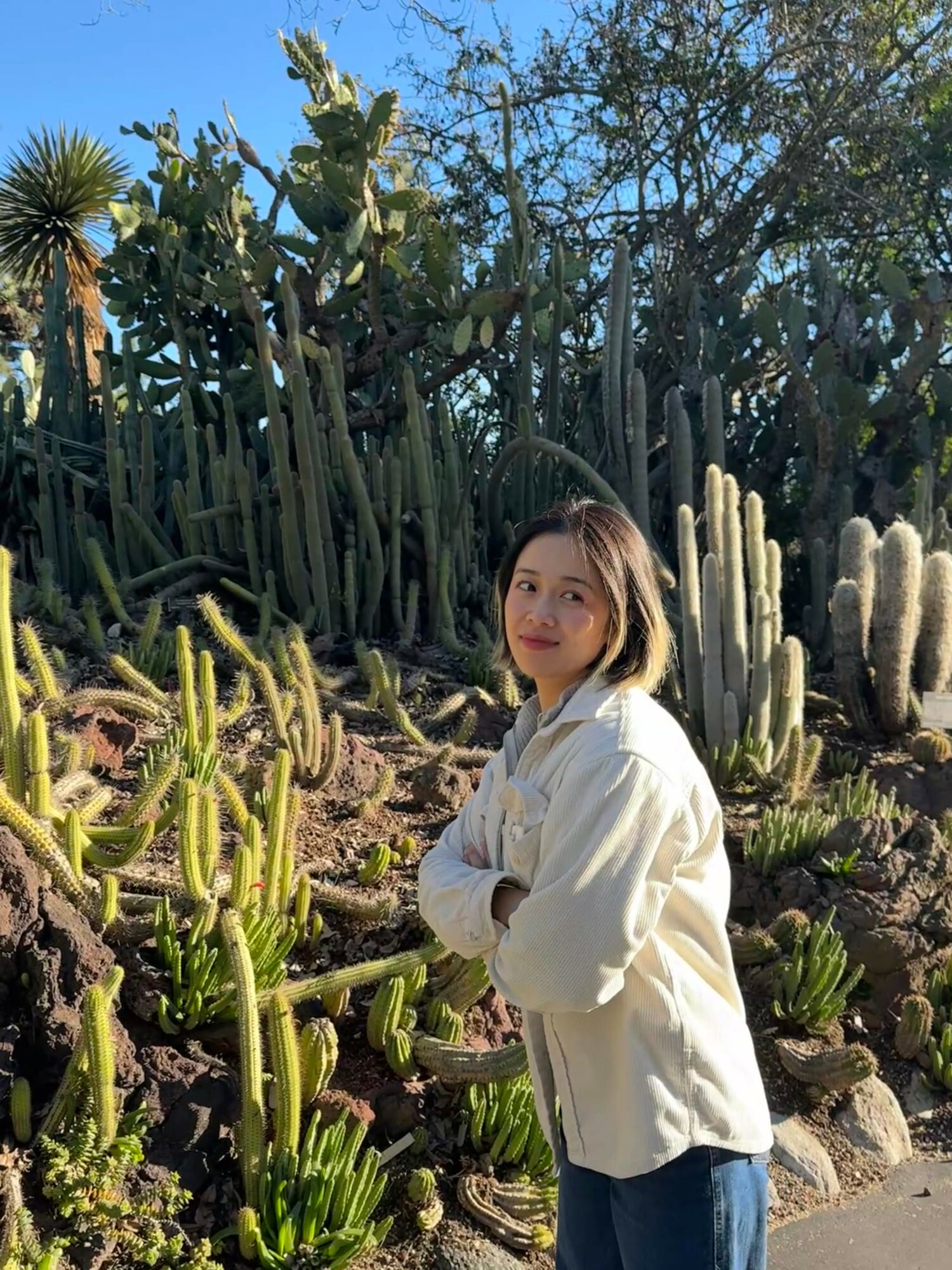
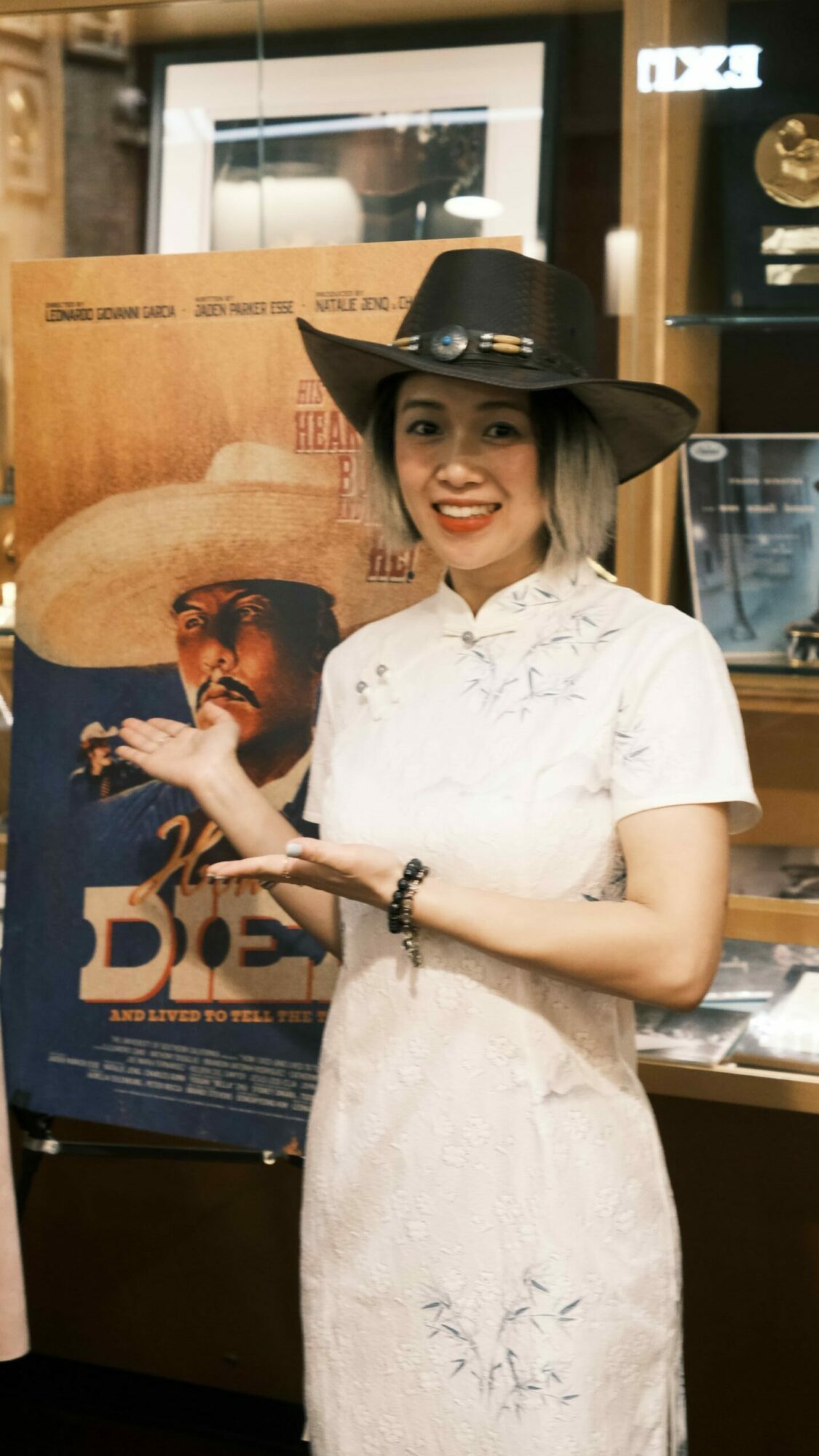
Image Credits
Fernando Servin
Popular
-

Que Johnson on Building Brands That Last: From Visibility to True Market Authority
-

Christina Wren Steps Into the Director’s Chair to Tell Stories That Feel Like Home
-

Portraits of the Valley
-

LA’s Most Inspiring Stories
-
JordanL on ‘Breathe,’ Belief, and Building a Movement Beyond the Music
-

Megan Birney Rudert on How Access to Light Is Powering a More Sustainable and Equitable Future


