



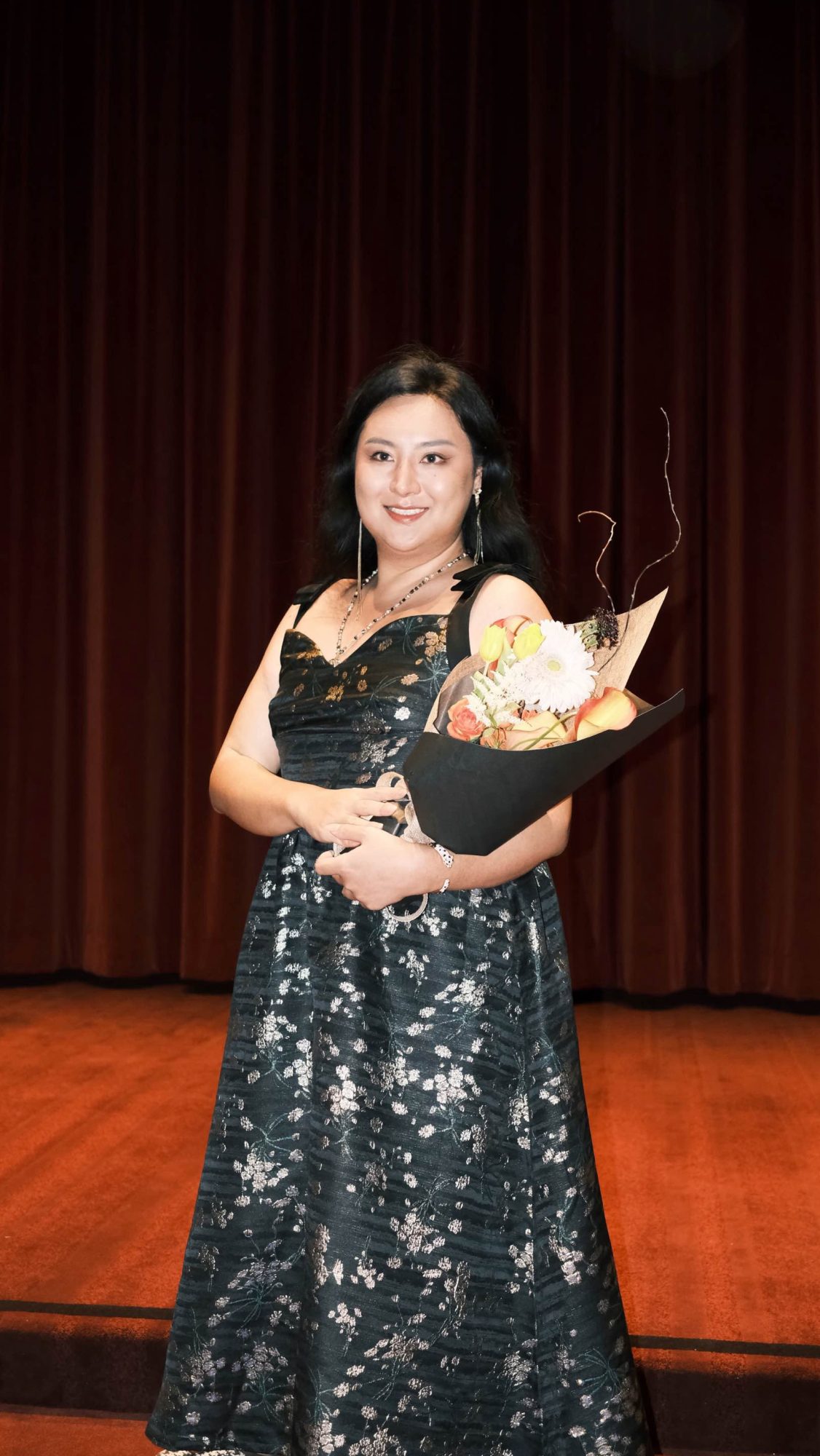
Today we’d like to introduce you to Yennefer(Tianyi) Fang.
Hi Yennefer(Tianyi), so excited to have you on the platform. So before we get into questions about your work-life, maybe you can bring our readers up to speed on your story and how you got to where you are today?
I’m Yennefer Fang, an award-winning filmmaker and producer based in Los Angeles. My work spans documentaries, independent films, commercial productions, and vertical dramas, with projects recognized by film festivals and reaching millions of viewers. My documentary A Day of Trans received a PR Asia Gold Award and reached more than two million viewers online. I’ve also produced festival-recognized short films including John, Little Fierce Loong, and Heading to the East, and more recently expanded into the rapidly growing vertical drama industry, producing projects such as ACE! The Golf King’s Reconquest.
But my story began thousands of miles away from Hollywood, in a small city in Northeast China.
Growing up, I was fascinated by storytelling, mythology, and the possibility of a life beyond the expectations of my surroundings. As a queer in a relatively traditional environment, discovering who I was meant questioning deeply rooted ideas about identity, belonging, and what kind of future was possible for me. Film became a way to explore those questions and eventually a way to give visibility to experiences that are often overlooked.
That curiosity first brought me to the United States to study filmmaking at Purdue University. It was my first real opportunity to explore storytelling as both an art form and a profession, and it opened my eyes to the possibilities of cinema beyond the world I had grown up in.
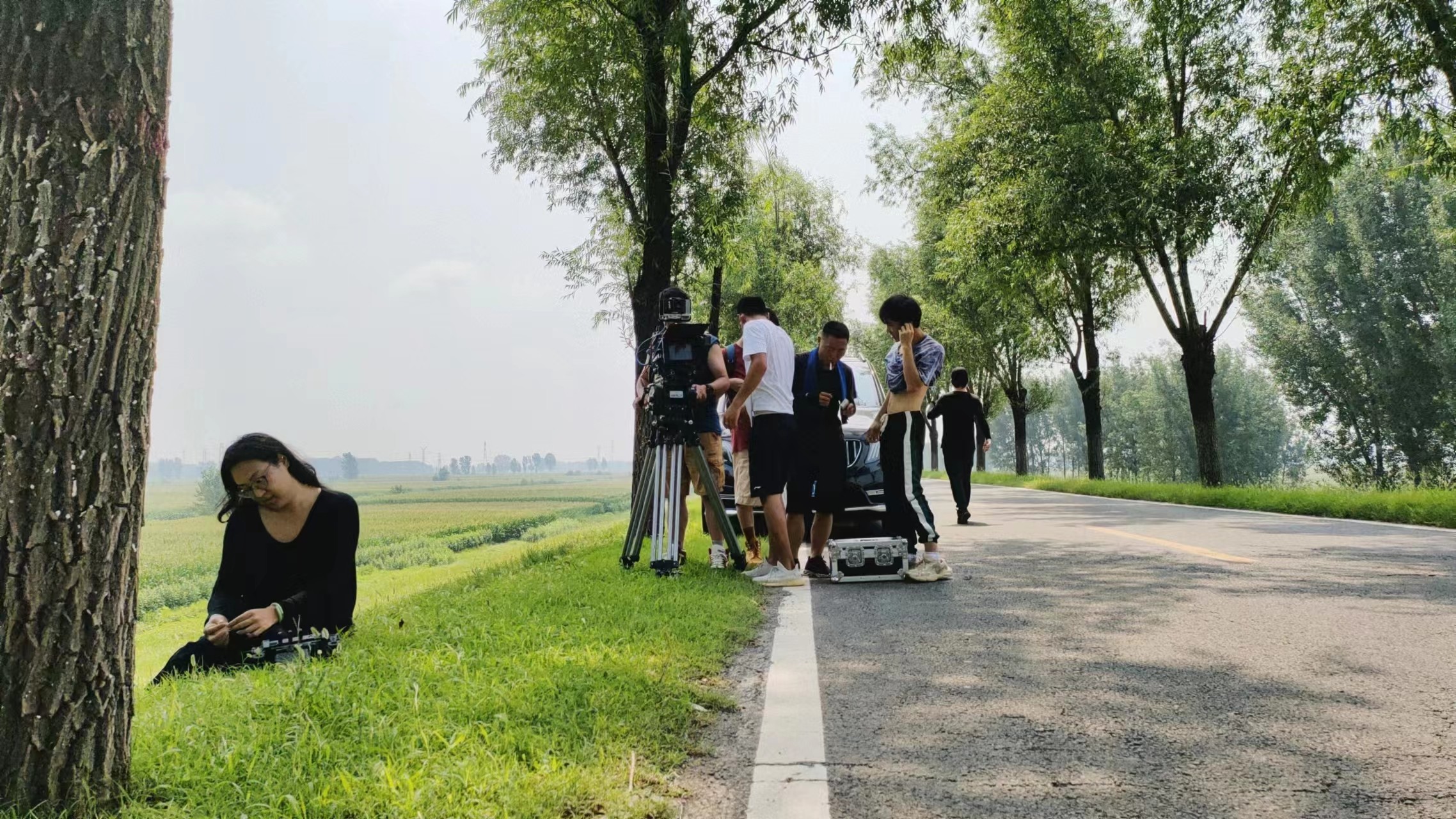
During the COVID-19 pandemic, I returned to China and directed A Day of Trans, a documentary exploring the lives of transgender people across three generations. Working with a 20-person crew across multiple provinces, I wanted to tell a story that was both deeply personal and socially meaningful. The film’s recognition and audience reach reinforced my belief that authentic, culturally specific stories can resonate far beyond their immediate communities.
My creative interests have also been influenced by the spiritual traditions and folklore of Northeast China. Growing up around a culture with deep shamanic roots sparked my fascination with consciousness, transformation, and the unknown. Over time, I began exploring these ideas through psychology, philosophy, and science. For me, spirituality and filmmaking share something essential: both encourage us to question inherited assumptions and imagine possibilities beyond what we already know.
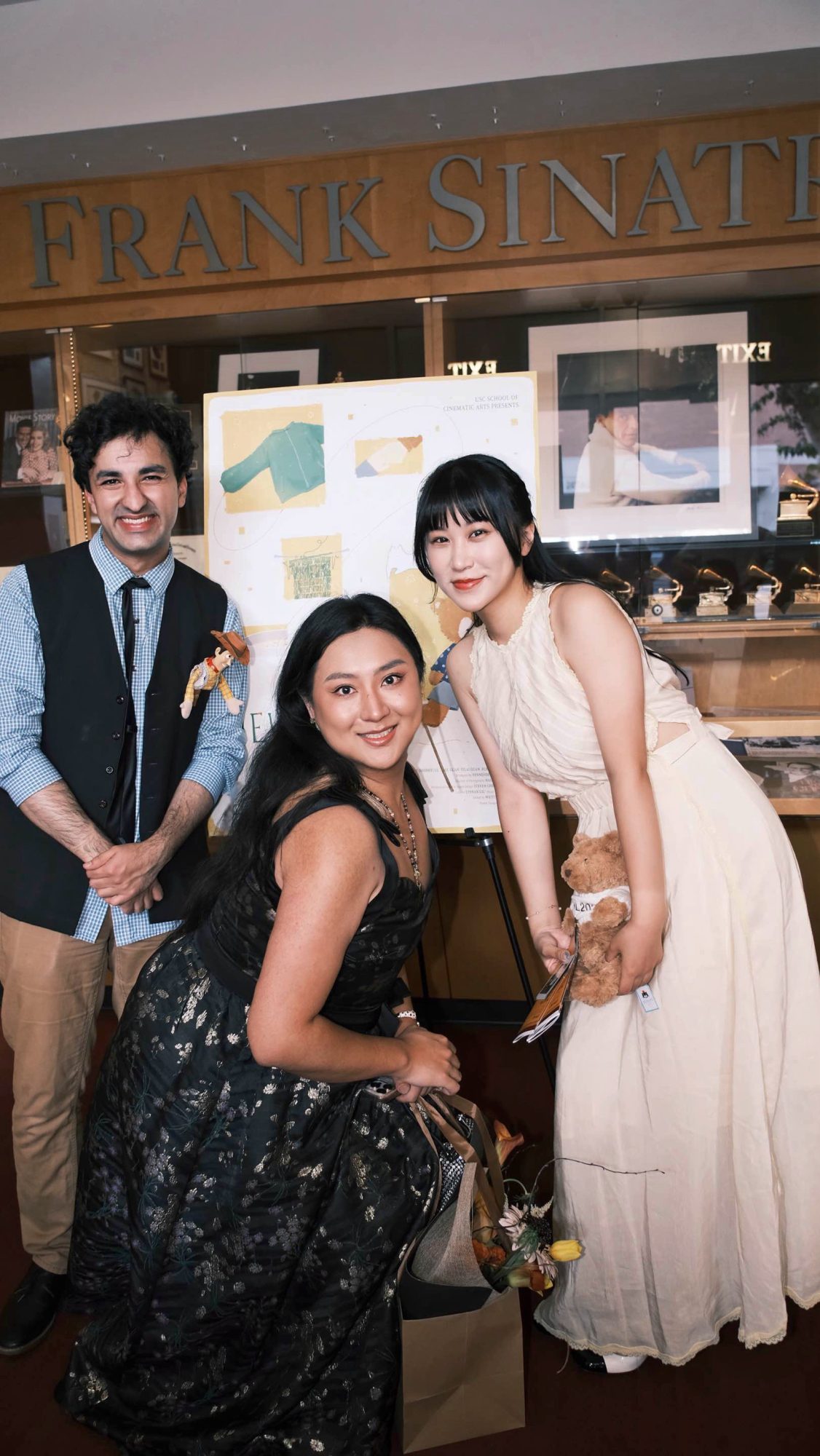
After that experience, I moved to Los Angeles to pursue my MFA in Film and Television Production at the USC School of Cinematic Arts, where I focused on developing my skills as a producer and expanding my creative perspective.
During my time at USC, I produced several independent short films, including John, an official selection of the American Black Film Festival and a DGA Student Film Awards nominee, and Little Fierce Loong and Heading to the East, both selected by the LA Shorts International Film Festival. Working on these productions taught me how to translate creative ambitions into practical execution, from budgeting and scheduling to managing complex production teams.
USC also changed the way I understood Hollywood. Beyond the classroom, I built relationships with filmmakers, mentors, and collaborators from different backgrounds. I learned that networking isn’t simply about meeting influential people. It’s about building trust, showing up for one another, and creating meaningful work together. Many of the connections I made on student film sets became the foundation of my professional community in Los Angeles.
Then came graduation and the reality of entering Hollywood during a period of profound uncertainty.
The industry I had spent years preparing to join was undergoing significant changes. Traditional opportunities were becoming harder to secure, productions were increasingly unpredictable, and even experienced filmmakers were struggling to find consistent work. Despite my education and growing portfolio, finding stable employment was far from guaranteed.
As an international filmmaker, those challenges carried additional weight. Immigration status, work authorization, and long-term financial stability were inseparable from my career decisions. It wasn’t simply about finding the right job; it was about finding a way to continue building a life and career in the United States.
Rather than waiting for the traditional industry to recover, I began exploring opportunities in vertical drama, a rapidly evolving format of mobile-first storytelling.
These experiences expanded my understanding of producing. From socially engaged documentaries and festival shorts to commercial productions and serialized entertainment, I’ve learned that filmmaking requires not only creativity, but also leadership, adaptability, and the ability to bring people together under pressure.
Today, the industry is undergoing another transformation as AI reshapes production workflows, business models, and the future of creative labor. I came to Hollywood to pursue the industry I had dreamed of, only to discover that the industry itself was being reinvented. In a way, I’ve been learning to reinvent myself alongside it.
But perhaps reinvention has always been the defining theme of my life.
I’ve crossed continents, challenged expectations about gender and identity, and built a creative career across different cultures and forms of storytelling. I don’t think resilience means having all the answers. Sometimes it means continuing to create, collaborate, and take risks even when the future remains uncertain.
Looking ahead, I want to develop stories that connect cultures, bring greater depth to underrepresented experiences, and explore the intersections of identity, spirituality, science, and technology. I’m also interested in how emerging formats and technologies can expand the possibilities of storytelling without sacrificing its emotional or artistic substance.
When I think about the little girl growing up in Northeast China, I imagine she’d be amazed that we made it all the way to Los Angeles. But I think she’d be even more proud that we found the courage to become ourselves.
I used to think chasing a dream meant reaching a destination. Now I believe it’s about having the courage to keep creating your own future, even when the world around you refuses to stand still.
We all face challenges, but looking back would you describe it as a relatively smooth road?
One of my biggest challenges has been learning how to tell stories that transcend cultural boundaries without losing their authenticity.
Working between Chinese and American cultures, I’ve realized that even universal emotions, love, ambition, sacrifice, belonging can be expressed and interpreted very differently. What feels deeply meaningful in one culture may not immediately resonate in another. As a filmmaker, I’ve had to learn how to translate those differences into a shared cinematic language through visual storytelling, performance, sound, and emotion. I believe the goal isn’t to make stories less culturally specific, but to find the universal humanity within them.
Another challenge has been entering an industry where the rules of storytelling are being rewritten almost as quickly as we learn them.
I spent years studying traditional filmmaking, only to enter a Hollywood increasingly shaped by social media, short-form entertainment, and changing audience expectations. Viewers today often seek immediate engagement, faster pacing, and stronger emotional payoffs. Producing vertical dramas challenged me to rethink conventional narrative structures and find ways to combine cinematic craftsmanship with the immediacy of mobile-first storytelling.
AI is accelerating that transformation even further. New tools are reshaping creative workflows, production economics, and the role of filmmakers themselves. Keeping up requires constant experimentation, adaptability, and a willingness to question established methods.
Perhaps the hardest part is navigating all of this while building a sustainable career in an unpredictable industry. But I’ve come to see these challenges as opportunities to evolve rather than reasons to compromise my artistic identity.
I came to Hollywood to learn the language of cinema. Now, I’m learning how to help shape what that language becomes next.
Thanks for sharing that. So, maybe next you can tell us a bit more about your work?
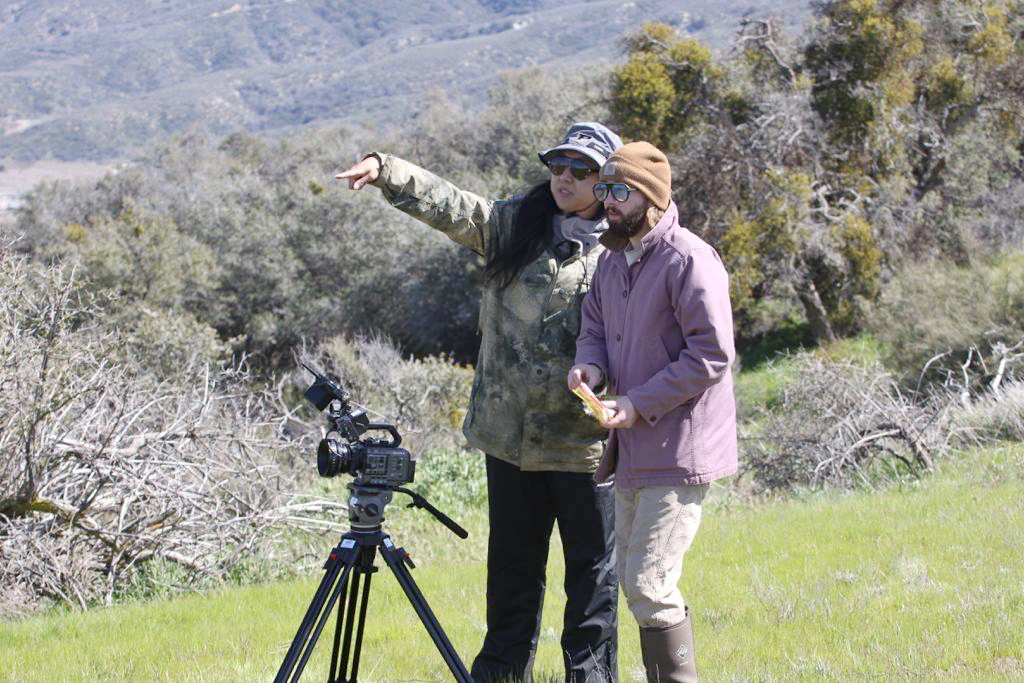
I’m a producer, with experience in independent films, commercial productions, and vertical series. My work covers the entire production process, from script development, budgeting, and assembling creative teams to managing shoots and overseeing post-production.
I’m a known for turning seemingly impossible ideas into reality. One example is A Day of Trans, a documentary I directed and produced during the COVID-19 pandemic. Despite the challenges of filming a sensitive subject across multiple provinces in China with a 20-person crew, we completed the project.
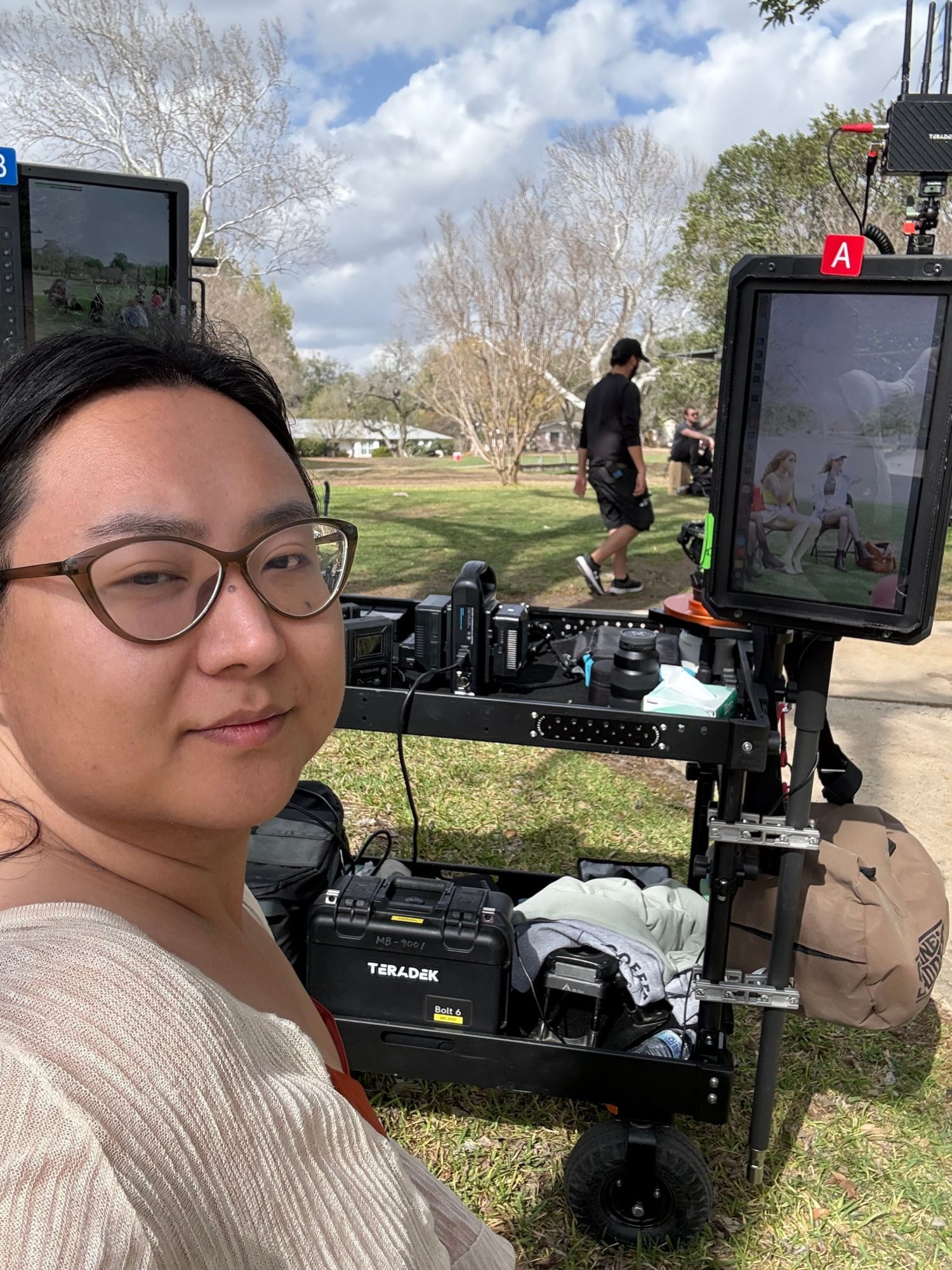
What I’m most proud of is my adaptability whether navigating pandemic restrictions in China or managing a demanding ten-day commercial shoot in Texas, I’ve learned to thrive in unfamiliar, high-pressure environments and find solutions when things don’t go as planned.
What sets me apart is probably how I approach creativity. I’m deeply interested in spirituality, and I actively incorporate different spiritual practices into my creative process. Meditation and sound baths help me quiet the distractions of everyday life and enter a more reflective, imaginative state. I also explore tarot, symbolism, and ritual practices as ways to generate unexpected associations, develop characters, and approach familiar stories from different perspectives.
Sometimes inspiration comes from a screenplay or a conversation; other times, it comes from an image during meditation, a particular sound, or a symbol that sparks an entirely new narrative direction. I enjoy experimenting with these methods and translating those experiences into visual storytelling.
For me, spirituality isn’t just a subject I want to portray on screen. It’s also a creative resource—another way to explore ideas, connect with emotions, and discover stories I might not have found through conventional brainstorming.
In terms of your work and the industry, what are some of the changes you are expecting to see over the next five to ten years?
I believe the entertainment industry is approaching one of the most significant transformations in its history. Two major forces are driving this change: the rise of social media, and the rapid advancement of AI.
Social media has fundamentally changed how audiences consume stories. Viewers are increasingly drawn to faster pacing, immediate emotional engagement, and content that fits into their everyday lives. Meanwhile, AI is beginning to transform nearly every stage of filmmaking, from writing and previsualization to production and post-production. As these technologies become more accessible, the cost and barriers to creating professional-quality content will continue to fall.
I believe we’re moving toward an era where filmmaking is no longer limited to people with access to studios, expensive equipment, or traditional industry connections. A single creator may eventually be able to produce work that once required an entire production company. This could democratize storytelling on an unprecedented scale, allowing more voices, cultures, and perspectives to reach global audiences.
Of course, this transformation will also disrupt established business models and creative careers. But I see tremendous potential in it. When technology makes production increasingly accessible, the real differentiators will be originality, creative vision, and the ability to connect emotionally with audiences.
Contact Info:
Popular
-

Portraits of the Valley
-

LA’s Most Inspiring Stories
-

Greg Hex Is Turning the Everyday Kitchen Knife Into a Modern Design Object
-

Rick Norris Learned That Building a Successful Business Means Building a Life You Actually Want to Live
-

How Olivia Rush Turned Survival Into a Mission to Help Others Keep Going
-

How Bibi Goldstein Is Helping Entrepreneurs Reclaim Their Time by Embracing the Power of Delegation


