




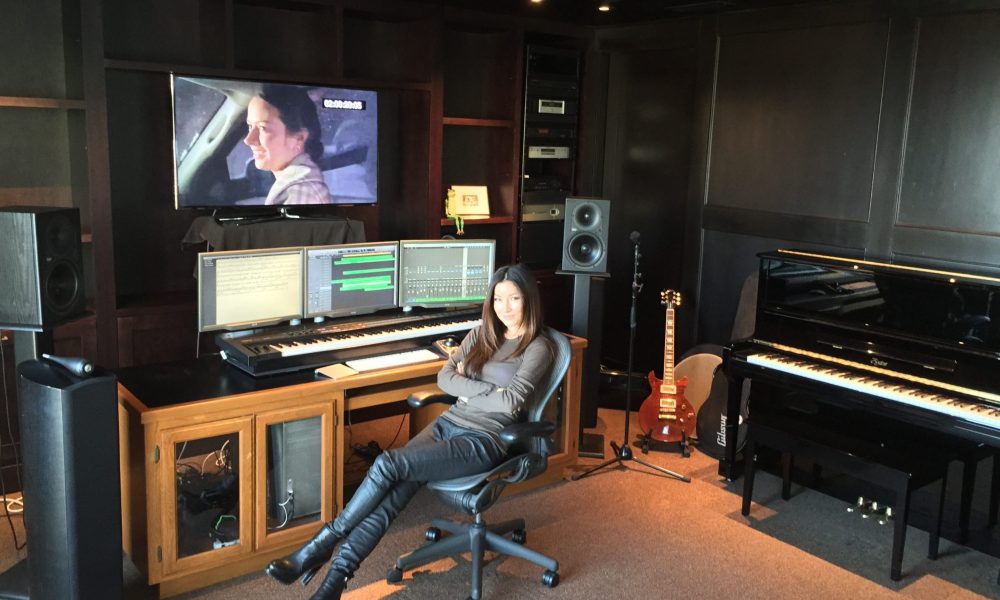
Today we’d like to introduce you to Sujin Nam.
Hi Sujin, we’re thrilled to have a chance to learn your story today. So, before we get into specifics, maybe you can briefly walk us through how you got to where you are today.
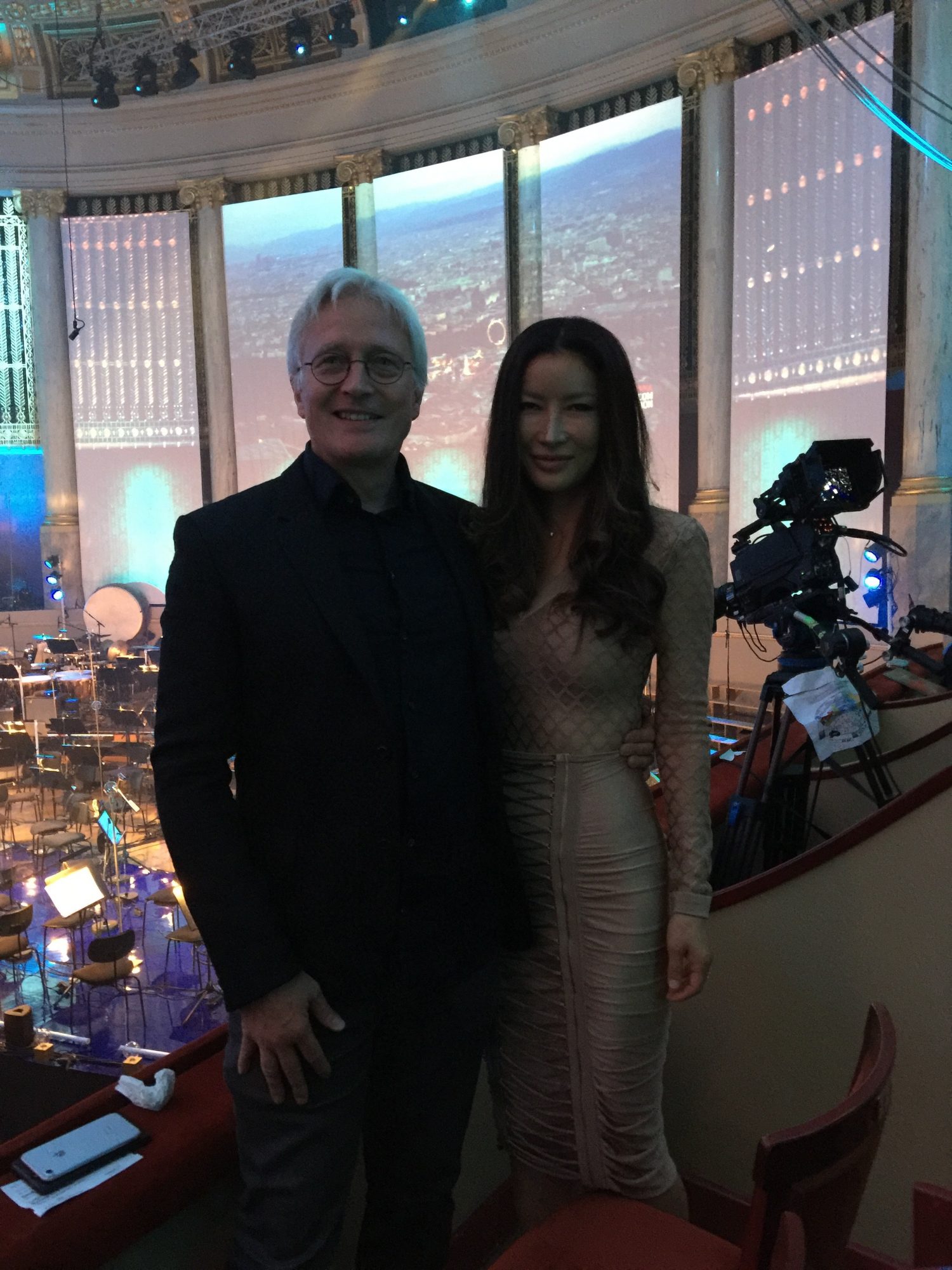
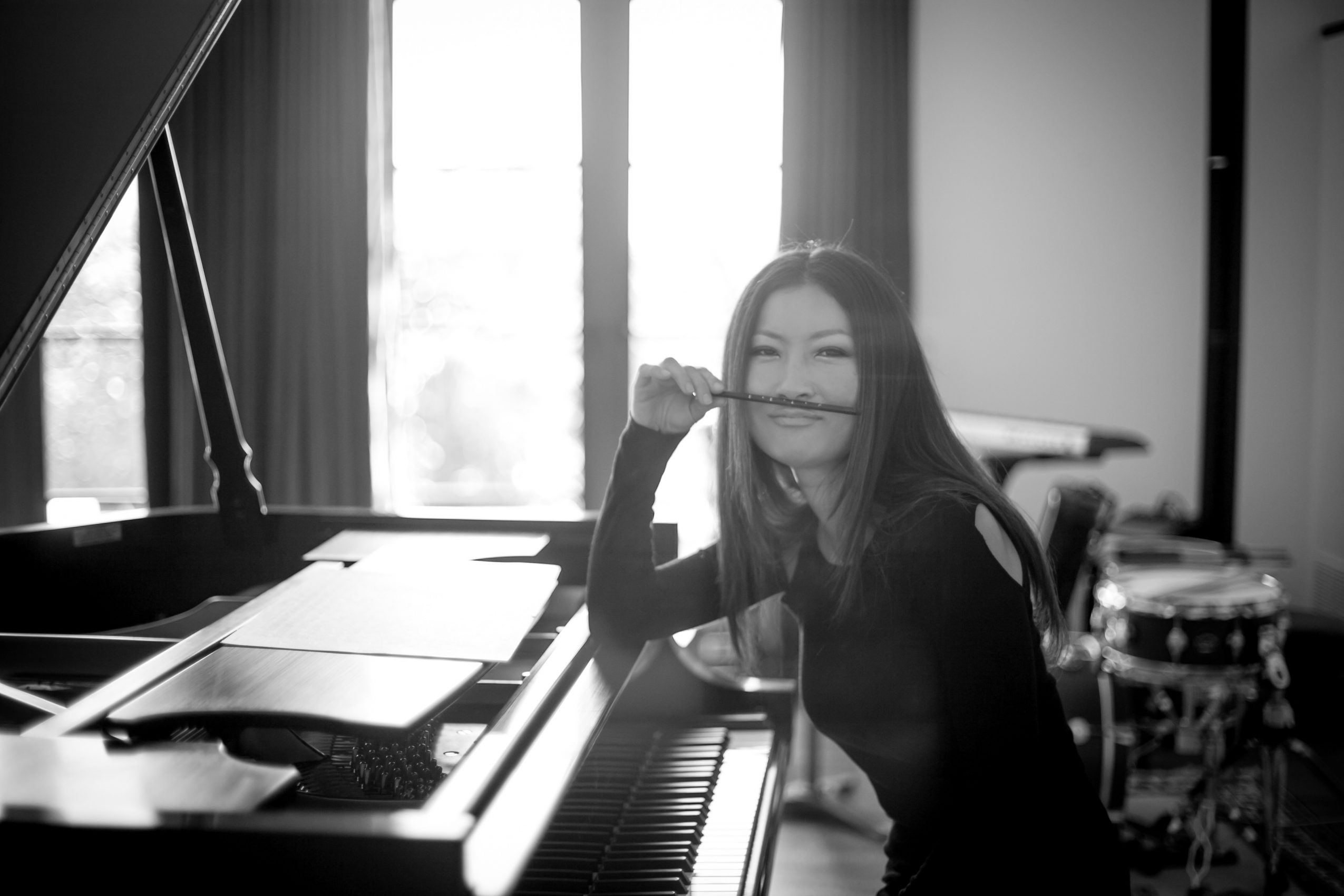
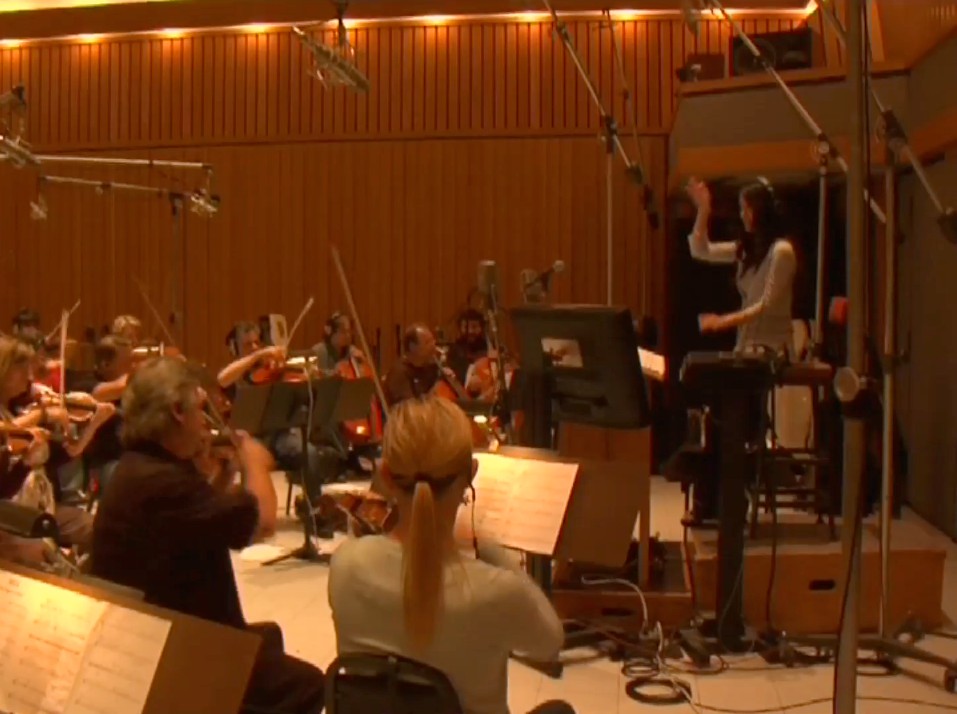
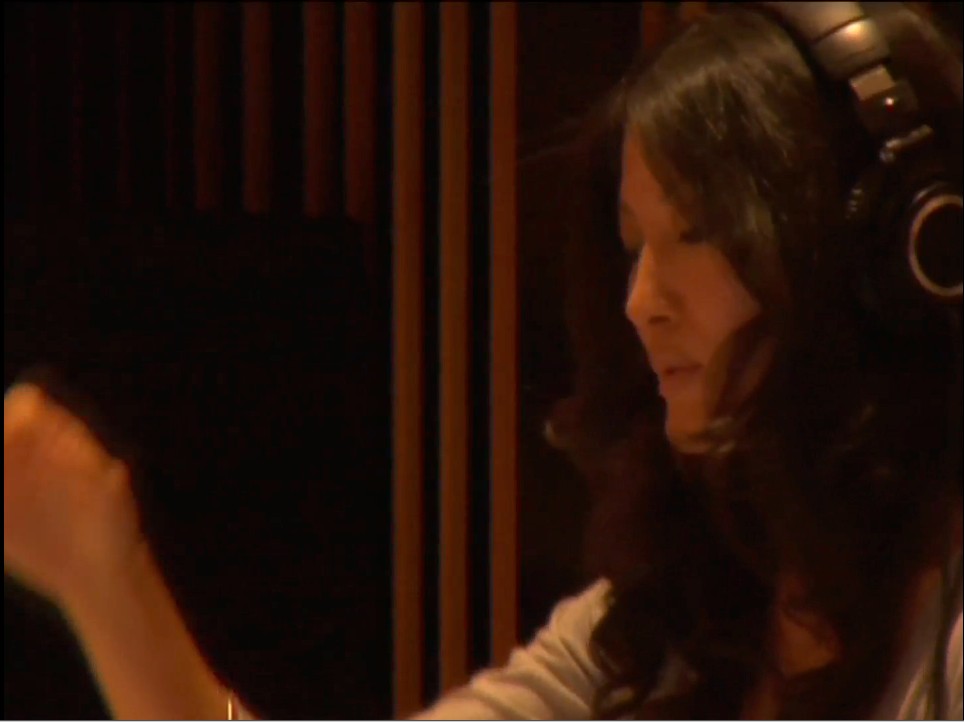
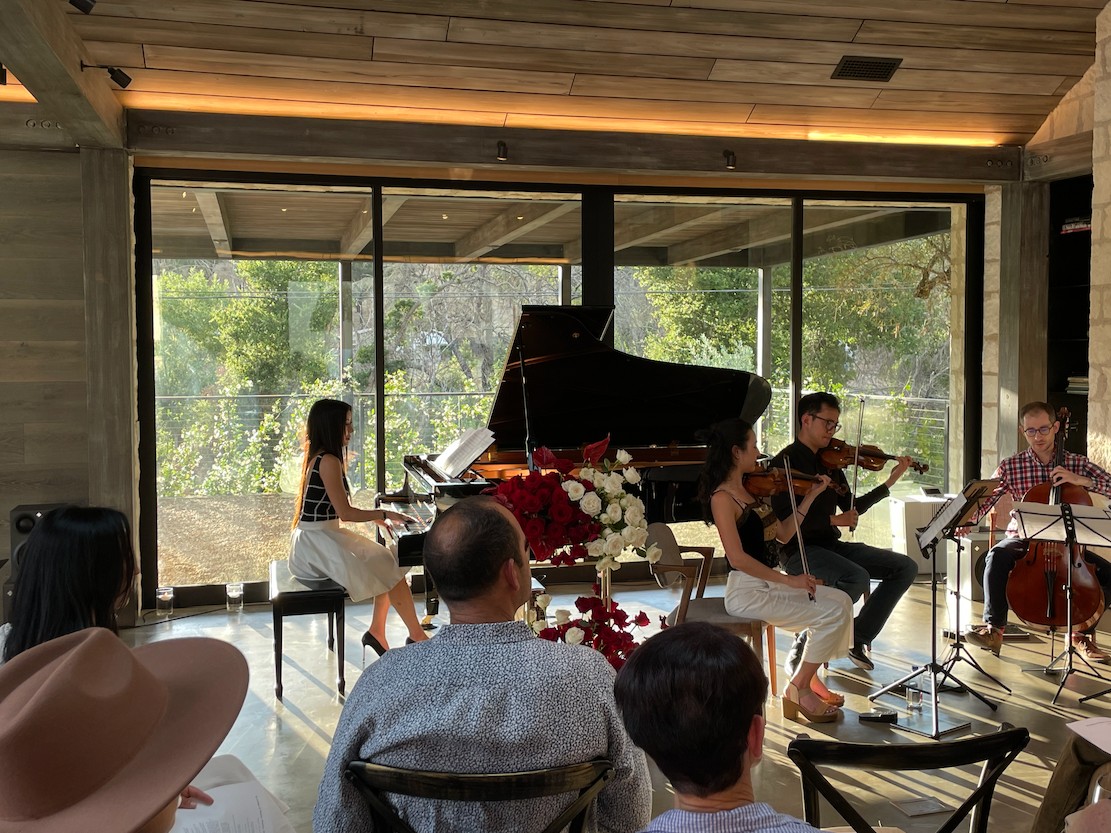
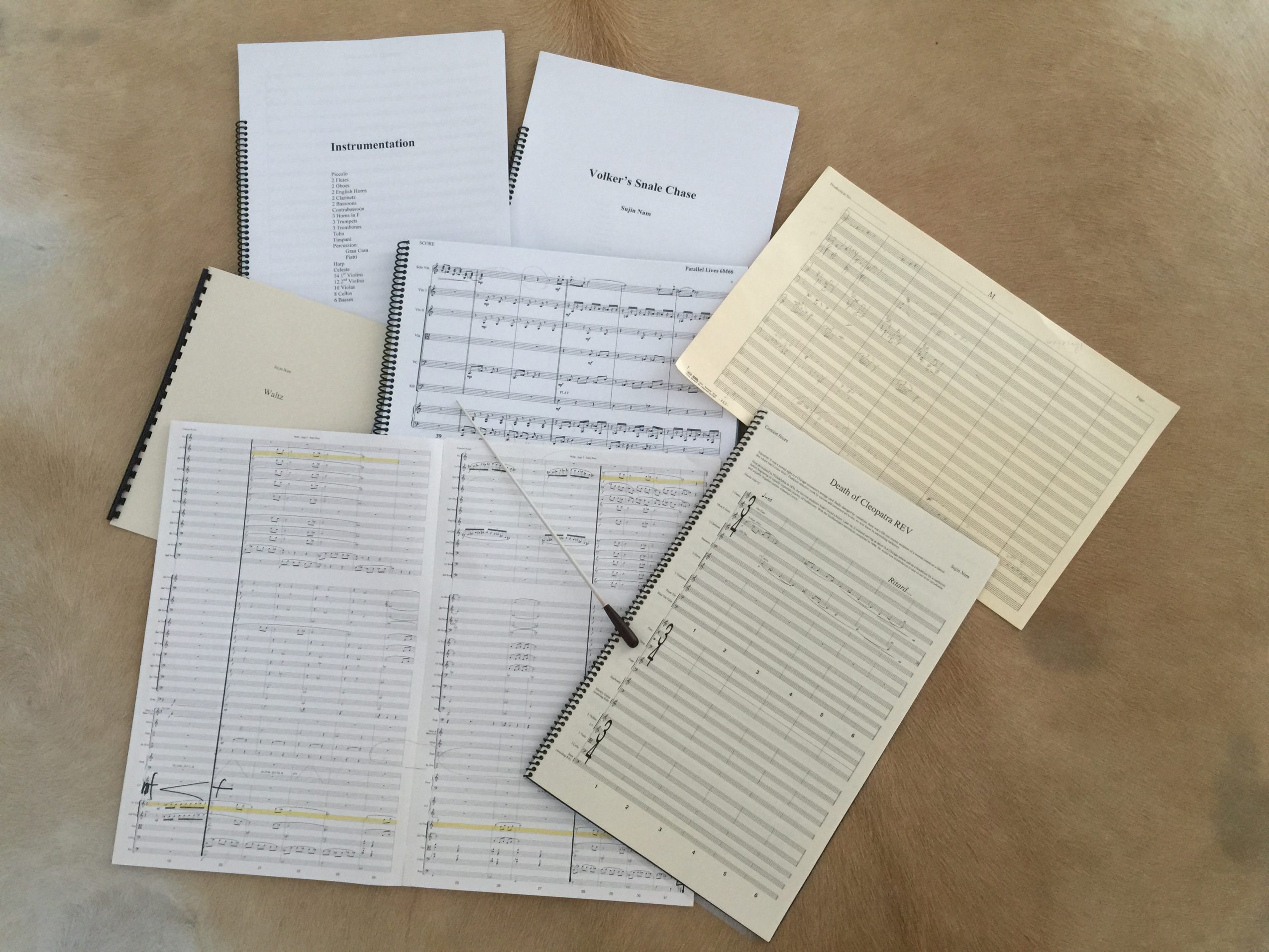
I grew up in a musical Christian family. My maternal grandfather, Yoon Kosung, owned a significant amount of land in North Korea before the Korean War in 1950. When the communists came to seize his land, he had no choice but to escape to the South with his wife and young children. Once he settled in Daegu, the first thing he did was build a Christian church, acquire a piano, and provide piano lessons to all the war orphans he gathered from the streets, along with his own children. My mother became my first piano teacher when I was three and a half years old, and I played the piano for the church choir as I grew up. Later, I moved to New York to pursue my musical studies. My interest in all genres of music led me to study not only classical music but also jazz and commercial music. I engaged in intensive music theory and orchestration studies at The Mannes College of Music in NY, experimented with symphony orchestras and jazz big bands at the University of North Texas, and was mentored by the late Elmer Bernstein, Leonard Rosenman, and David Raksin at USC to become a professional composer. Since graduating from USC, I have been working as a composer, conductor, orchestrator, and pianist.
Can you talk to us a bit about the challenges and lessons you’ve learned along the way? Looking back, would you say it’s been easy or smooth in retrospect?
In many ways, Hollywood’s film-music industry is remarkably inclusive toward non-Americans. It serves as a melting pot of cultures and races, where creative ideas are embraced and rewarded. However, my experiences extend beyond Hollywood, including instances during private lessons at universities where male directors, producers, music supervisors, studio executives, and college professors have approached me inappropriately. This issue persists across various industries, highlighting the need for wisdom and resilience when navigating professional environments.
If you had to, what characteristic of yours would you give the most credit to?
Success is not my goal. But the improvement is. Success is defined by society, and if I follow that goal, I, as an artist, will feel that I am lying to the public. And that will anchor me down from growing. The improvement comes from different areas. Often times, I feel the easiest part is making an improvement in the artistic and technical
Contact Info:
- SoundCloud: https://soundcloud.com/sujin-nam


Popular
-

Portraits of the Valley
-

LA’s Most Inspiring Stories
-

JordanL on ‘Breathe,’ Belief, and Building a Movement Beyond the Music
-

Megan Birney Rudert on How Access to Light Is Powering a More Sustainable and Equitable Future
-

Linda Kneidinger on Building Lasting Change Through Small Steps and Self-Compassion
-

Jolana Nika on Redefining Modern Connection Through Intentional, Real-Life Experiences


