




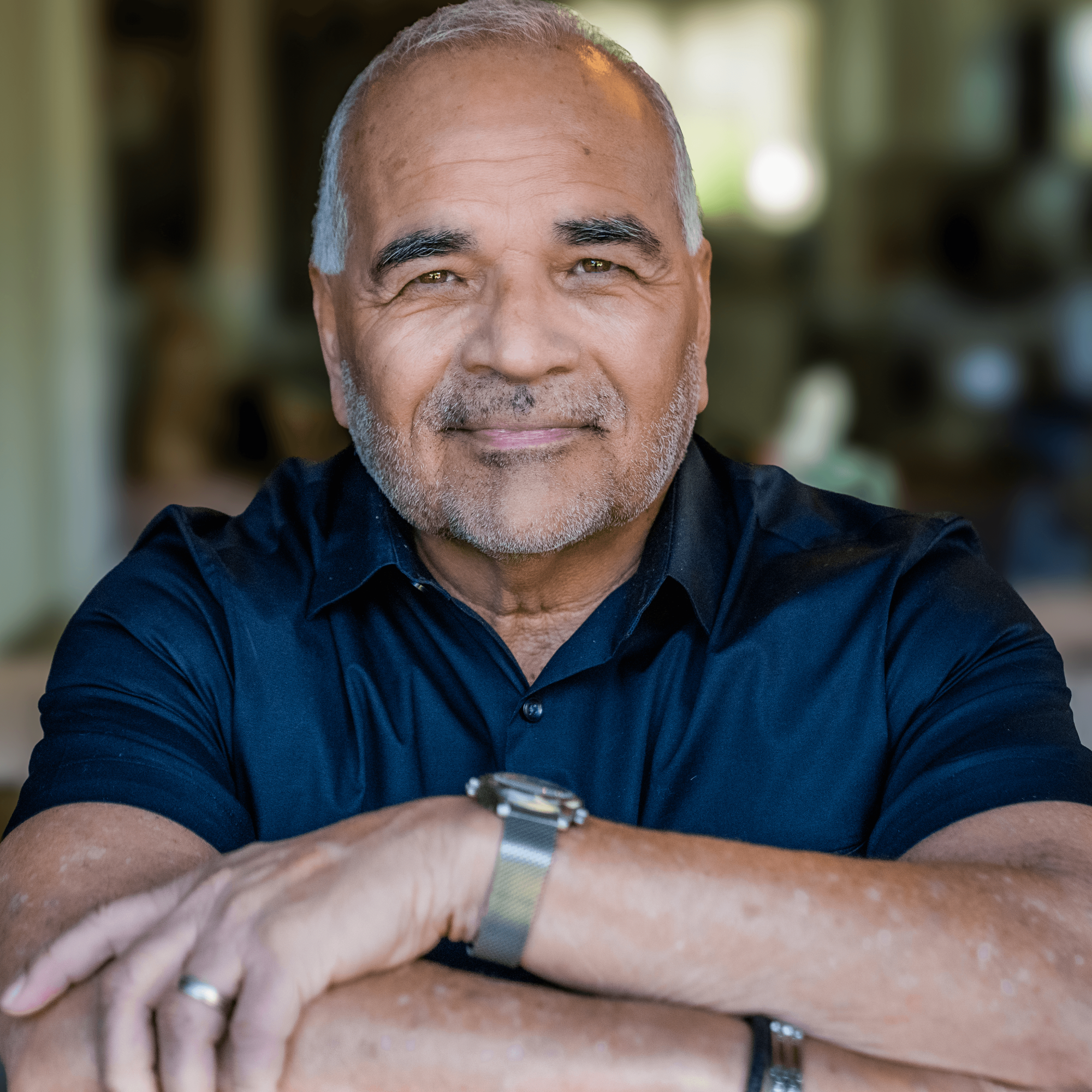
Today we’d like to introduce you to Richard Ramos.
Alright, so thank you so much for sharing your story and insight with our readers. To kick things off, can you tell us a bit about how you got started?
I grew up in Northeast Los Angeles, the youngest of five children, in a community where gangs, drugs, and youth violence were part of the landscape. Long before I had a framework for leadership, I was seeing how deeply families, neighborhoods, and the people around us shape who we become.
My journey has taken me through some very different classrooms. I’ve served as a correctional officer in two prisons, a juvenile hall teacher, and an at-risk youth counselor. Each role brought me close to people navigating difficult circumstances—and to the potential that often goes unrecognized beneath those circumstances. My faith has been central to that perspective. I believe every person is created in the image of God, with dignity, purpose, and something meaningful to contribute.
A defining chapter came in 1990, when I worked with fifty of the hardest-to-reach students at a Santa Barbara junior high school. Working with young people and their families sharpened a question that has guided me ever since: How do we develop the leadership around a child so that healthy influences become stronger than destructive ones?
That question helped shape Parents on a Mission. I wanted parents to recognize the importance of their influence and approach parenting as a profession worthy of preparation, growth, and intentional leadership. Parents are competing for the heart, mind, and loyalty of their children. Helping them strengthen those relationships became a major focus of my work, eventually expanding into mentor training, books, and work with families across the United States and internationally.
In 2003, I founded the Latino Coalition for Community Leadership. Over the next twenty years, we managed approximately $105 million in grants supporting more than 220 community organizations. That experience expanded my understanding of what makes meaningful change last. Funding and programs matter, but so do the character, judgment, and culture of the leaders responsible for them.
One of the most meaningful parts of that chapter was developing Richard P. Morales, who worked alongside me for approximately twenty years before succeeding me as executive director in 2023. Seeing him lead successfully and grow the organization has been deeply rewarding. It’s one thing to build an organization. It’s another to help develop someone who can carry its mission forward and make it stronger.
Today, my work brings those experiences together as a leadership strategist, author, speaker, and executive developer. Through my Leadership Framework, I help community leaders connect who they are becoming with the cultures they are creating, and intentionally develop other leaders—who can develop other leaders in families, organizations, and communities.
The settings have changed over the years, but the thread has remained consistent: helping people recognize their potential, take responsibility for their influence, and develop others.
The question I keep coming back to is simple: “Are people becoming better because you are here?” That’s the kind of leadership I want to practice—and help others reproduce.
We all face challenges, but looking back would you describe it as a relatively smooth road?
No, it hasn’t been a smooth road. Working with families, young people, and community organizations means working with situations that don’t come with easy answers. You can care deeply, prepare carefully, and give your best—and still encounter setbacks. One of the hardest lessons has been learning that you can help create the conditions for change, but you cannot make someone choose it.
A recurring challenge has been helping people see leadership as something that begins with themselves. A parent may come looking for a way to change their child’s behavior. An executive may want to address a difficult employee or an unhealthy team. Those concerns are real, but sooner or later we have to ask, “How is my own leadership contributing to what I’m experiencing?” That’s a difficult question for any of us, myself included. It’s also where meaningful growth often begins.
Leading a nonprofit brought another set of challenges: balancing the urgency of community needs with funding requirements, organizational responsibilities, and the development of our people. The work is important, and there is always more to do. The challenge is keeping that urgency from consuming the time and attention needed to build a healthy organization.
I’ve also had to practice what I teach about developing others. When you care deeply about a mission, it’s easy to keep carrying responsibility yourself. Preparing someone else to lead requires patience, trust, and room for them to exercise their own judgment. Seeing my successor carry the work forward has reinforced how worthwhile that investment is.
More recently, I’ve been bringing decades of experience into a broader leadership framework. The challenge has been communicating the connection between work that can appear very different—parenting, youth development, community safety, and executive leadership. To me, the connection is clear: the people we become shape the relationships and cultures we create.
Through all of it, my faith has helped me stay grounded. The road has required persistence, reflection, and a willingness to keep growing. I’m still asking the same question I ask other leaders: Are people becoming better because I am here? That question keeps me accountable—and keeps me moving forward.
Appreciate you sharing that. What should we know about Parents on a Mission?
My work centers on helping leaders create healthy cultures in families, organizations, and communities. I serve as a leadership strategist, author, speaker, and executive developer, bringing more than thirty years of experience working with parents, young people, and community leaders.
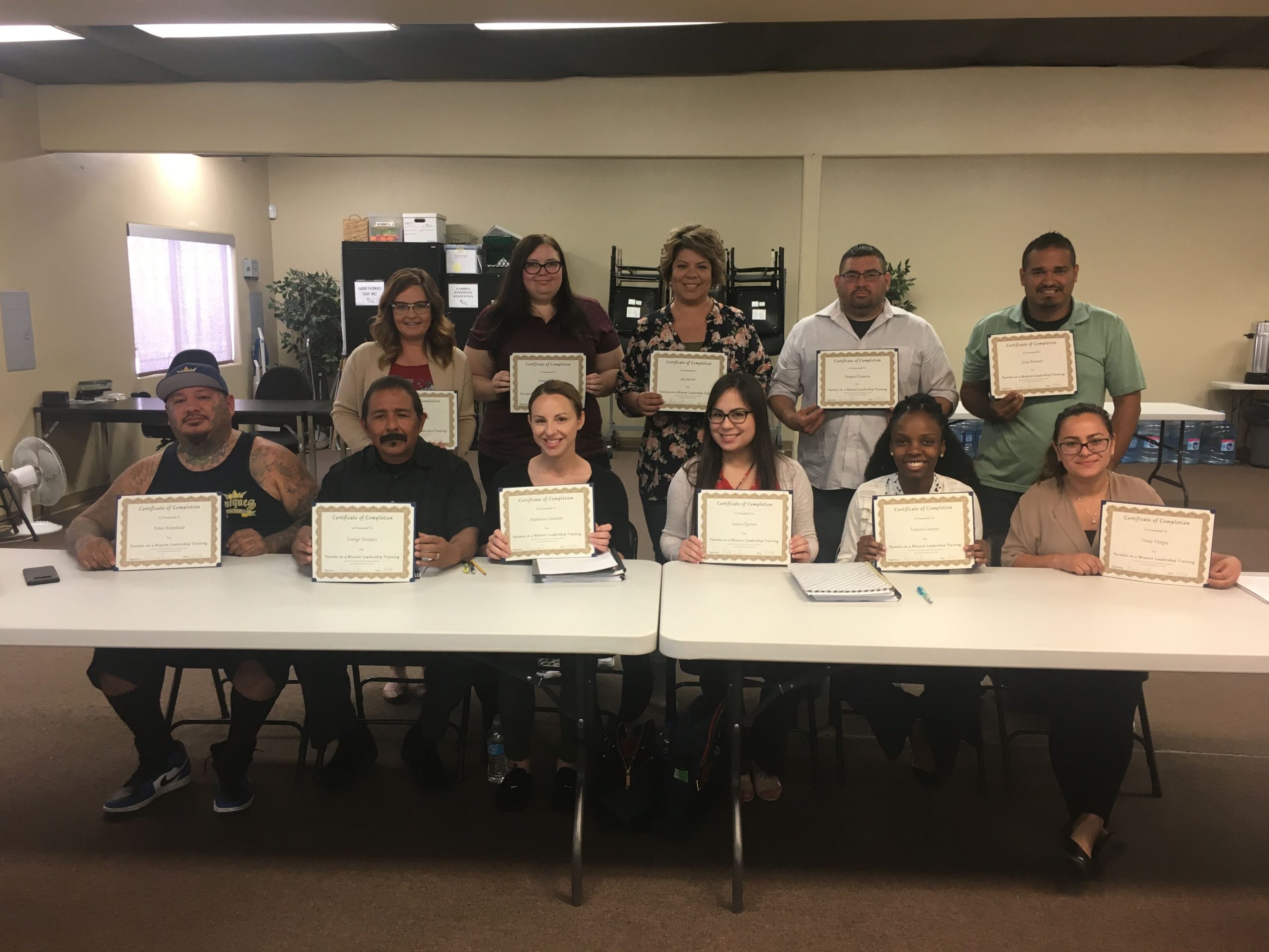
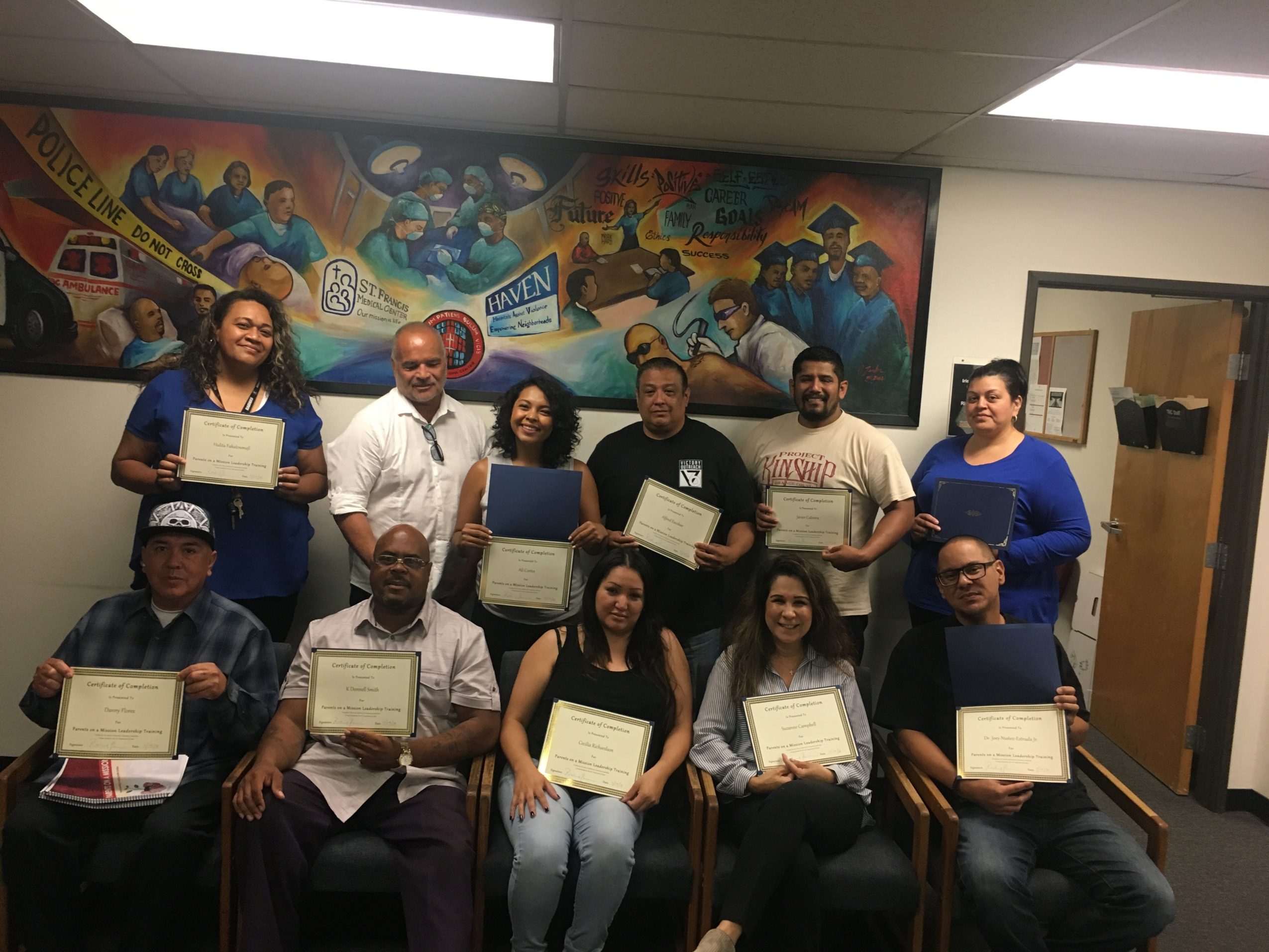
Many people know me through Parents on a Mission, which helps parents develop the leadership necessary to win the competition for the heart, mind, and loyalty of their children. We equip parents and train Parent Mentors through schools, nonprofits, faith communities, and correctional settings. We’ve trained more than 2,400 Parent Mentors, extending that work far beyond the families I could reach personally.
I also developed Youth on a Mission to help young people recognize their influence and use it responsibly. My book, *The Art of Stepparenting*, addresses the particular leadership challenges of building a blended family. Across these offerings, the goal is to help people build trust, take responsibility for their influence, and strengthen their relationships.
Today, I’m bringing those decades of experience together through my Human Flourishing Leadership Framework. It connects our deepest convictions with our character, our leadership practices, and the cultures we create. I often explain it through a tree: the roots represent our first principles, the trunk our character, the branches the institutions we shape, and the fruit the outcomes people experience. If we want healthier fruit, we have to pay attention to what is producing it.
For executives, that work includes my 90-Day Executive Leadership Development Intensive. It combines personal reflection, focused conversations, and leadership practices applied to real organizational challenges. Through speaking, workshops, and executive development, I help leaders examine how their own growth can strengthen the people and organizations entrusted to them.
What sets my approach apart is the range of settings in which I’ve had to practice it—from prisons and classrooms to family relationships and the executive director’s office. I founded and led a nonprofit for twenty years, so I understand the responsibility of carrying a mission, managing resources, developing staff, and preparing the next generation to lead. Those experiences continually inform what I teach.
What I’m most proud of is seeing people carry the work forward. That includes Parent Mentors developing other mentors and my successor at the Latino Coalition for Community Leadership strengthening the organization after my retirement. Those are meaningful expressions of the kind of leadership I believe in: developing people who can develop others.
What I want readers to know is that leadership belongs to them, too. Whether you are raising a child, supervising a team, or leading an organization, your influence is shaping someone’s experience and possibilities.
The promise I want my brand to represent is simple: helping you become the kind of leader whose presence makes people better—and whose investment helps them do the same for others.
If we knew you growing up, how would we have described you?
I was the youngest of five children, growing up in Northeast Los Angeles. Being the youngest meant there were plenty of people ahead of me in line with an opinion! Looking back, family and the neighborhood around me were my earliest classrooms for understanding people and influence.
Sports became a major part of my life. I played college football and baseball, went on to play semi-pro baseball, and later coached high school football. I loved competition and being part of a team. Those experiences gave me lessons I still draw on today: preparation matters, your choices affect other people, and talent needs discipline if you want to do something meaningful with it.
Growing up around gangs, drugs, and youth violence also shaped my perspective. Those issues involved real people and families in my community. Later, when I worked with young people facing similar pressures, that background gave me a personal connection to the work.
I wouldn’t pretend that, as a kid, I had my future mapped out. But looking back, I can see the threads: family, sports, competition, belonging, and the powerful influence people have on one another. Over time, those interests developed into a calling to help people recognize their potential and take responsibility for how they influence others.
Pricing:
- Parents on a Mission (POM) Three-Day Train-the-Trainer: $699 per participant.
- Keynote speaking: Typically $5,000–$10,000 per engagement.
- 90-Day Executive Director Leadership Development Intensive: $7,500.
Contact Info:
- Website: https://www.richardrramos.com
- Instagram: @pomleadership
- Facebook: https://www.facebook.com/richardrr
- LinkedIn: https://www.linkedin.com/in/richard-ramos-067ba018
- Youtube: https://www.youtube.com/@RichardRRamos
Popular
-

Portraits of the Valley
-

LA’s Most Inspiring Stories
-

Greg Hex Is Turning the Everyday Kitchen Knife Into a Modern Design Object
-

Rick Norris Learned That Building a Successful Business Means Building a Life You Actually Want to Live
-

How Olivia Rush Turned Survival Into a Mission to Help Others Keep Going
-

How Bibi Goldstein Is Helping Entrepreneurs Reclaim Their Time by Embracing the Power of Delegation


