




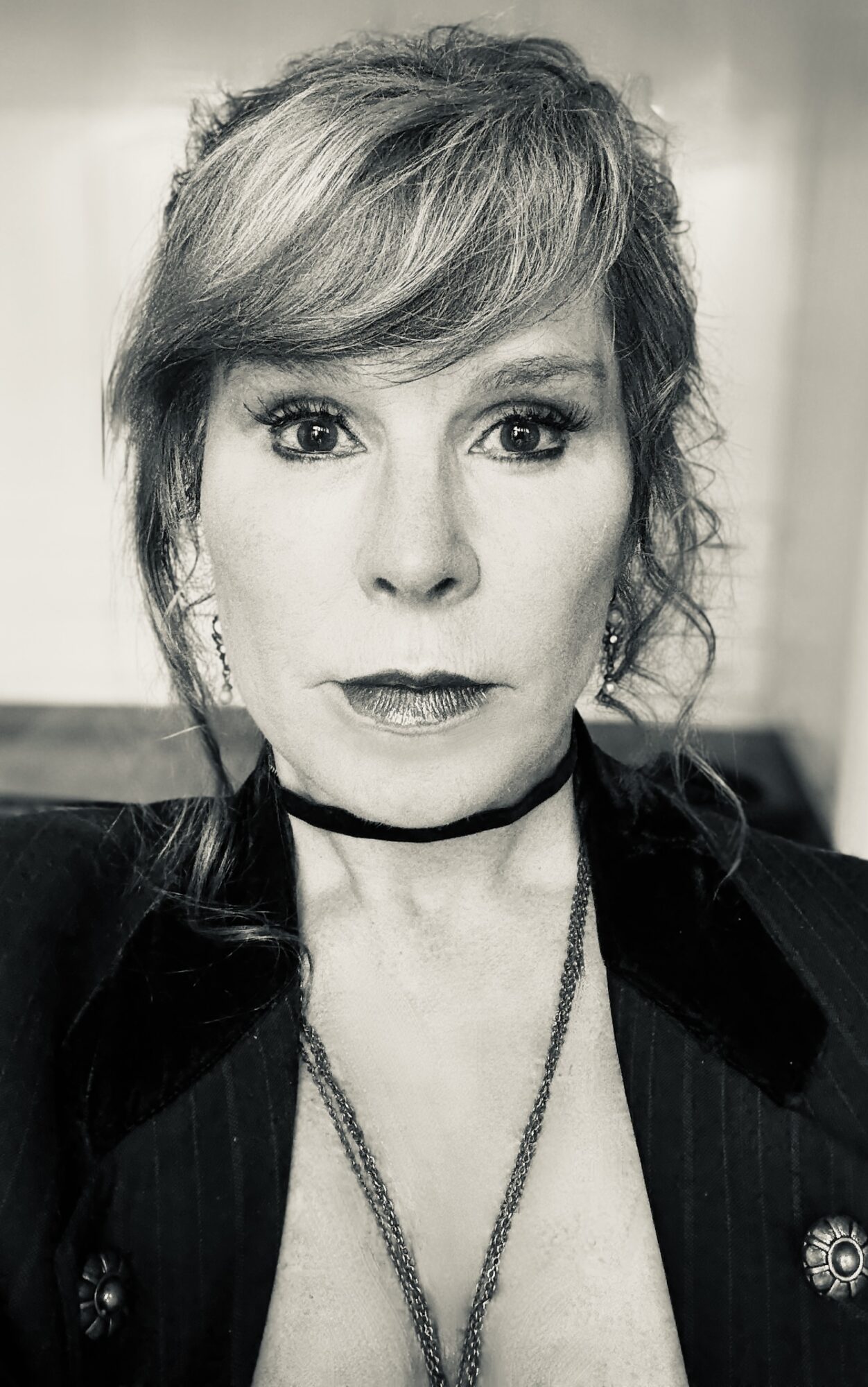
Today we’d like to introduce you to Nicole Romine.
My path has never been a straight line; it has always been more like a slightly wobbly spiral. I began in the language of the body — dance — long before I understood what story really meant. I went into the world of professional dance and traveled extensively, which was profoundly important to me — learning new cultures, new languages, and discovering how wide the world really was.
In my early years I worked in Los Angeles as a professional dancer, first at Paramount Studios as a Solid Gold dancer, and later at MGM on the final season of the television series Fame. While still dancing professionally, I moved into choreography and production work.
After many years onstage, I learned that it was the art of dance I loved — the work, the impossible chase for perfection — far more than the performance itself.
Today, I have the gift of time — and it is truly a gift, a privilege. I feel untethered! It feels less like a destination and more like a threshold: no longer defined by institutions or titles, but by devotion to a single world, a single story, and the lifelong question of how we transform through love, loss, and dreaming. I am still, always, becoming.
Can you talk to us a bit about the challenges and lessons you’ve learned along the way? Looking back, would you say it’s been easy or smooth?
No — it definitely has not been smooth! I sometimes think of a marvelous older dancer who once said, “It was foolish to become a dancer, but I did it anyway.” That feels fairly accurate. The struggles along the way have been full of quiet sorrow, and it has been a long road. I have certainly been my own worst enemy, as they say. Like many independent artists, I have lived with uncertainty and scathing self-criticism as constant companions: financial instability, doubt, and that destructive question of “Why bother?” — which can be lethal. There were long stretches where it would have been far easier — and far more sensible — to stop.
Looking back, I see that the challenges shaped not only the work, but the way I work: slowly, carefully, with reverence for the unseen and the unfinished. I would not wish the hardships on anyone — and yet I would not trade the depth they gave me either. They taught me how to listen, how to wait, and how to remain.
As you know, we’re big fans of you and your work. For our readers who might not be as familiar, what can you tell them about what you do?
At the simplest level, I am a storyteller who works across forms. My foundation is in dance — ballet — and I will always be a dancer. But over time my work has grown to include other ways of bringing my vision to life. I don’t specialize in one medium so much as in a way of working — slow, intuitive, interdisciplinary — where story leads and form follows.
At this moment, my primary focus is Moon — a world that has moved through many incarnations. It is not something I “produce” so much as something I tend. The work lives at the intersection of myth, memory, dream, and transformation, and it asks quiet but persistent questions about how we become who we are, and how we learn to let go of who we thought we were.
My intention has always been to inspire. As a director, as a creator, my greatest joy is when I see an artist unfold into their own truth and then summon the courage to share that beauty with the world. What an extraordinary moment that is.
What I am most proud of is not any single piece of work or any award, but those moments when my words or my work have touched another life. I have a magical box full of letters that I cherish far more than any award — a letter from a cameraman who worked on my first film Ing; a young girl in juvenile detention who boldly proclaimed that she was going to be a choreographer; a young dancer who finally saw how beautiful she was; music composed for Moon that was later used to accompany a film about the devastation of the war in Ukraine. These moments make every tear and every heartache worthwhile.
I am also proud that Moon was made without permission, without a market in mind, without guarantees — simply out of devotion. And love. Every day that I get to work on it, I love the characters, the world, the tender truth of it all. I continue to learn from the work itself — not least through this very adventurous plunge into AI.
What sets my work apart, I think, is its refusal to rush. I am not interested in producing content; I am interested in cultivating meaning. I work in layers, in silence, in listening. I trust what unfolds slowly. And in a culture that celebrates speed and spectacle, choosing slowness, tenderness, and depth has become — quietly — a form of resistance.
Networking and finding a mentor can have such a positive impact on one’s life and career. Any advice?
I’ve never found mentorship or connection through conventional networking. It has always arrived through relationship, through recognition, through listening. I have been profoundly shaped by a few key mentors — some I sought out deliberately, and some who appeared quietly at the edges of my life and stayed.
One was a painter, more than thirty years my senior, who carried wisdom with him like a sky full of stars. His soul was far larger than his body, and his way of being in the world taught me that art is not a career so much as a way of being. I was also guided by two brilliant and beautiful women — Ana Maria Sancho Sama and Debbie Edwards — who never told me what to do. Instead, they showed me pathways, modeled integrity and strength in their own lives, and sat with me even when I could not speak.
These three people helped give me the courage to make that plunge into the deep world within. Once, when I complained bitterly about having to do all this “work,” the painter responded with a very dry and very funny, “What else have you got to do?”
Equally important — though less often named as mentorship — were some of my students. They came to dance with wistful dreams, their tender hearts trembling with hope, their untamed beauty. They showed up to sweat, to fail, to try again, to fall, and to rise — all before the world had time to smooth their wildness and dim their passions. Those rare spirits taught me as much as I ever taught them. In many ways, the girl at the center of Moon is made of them — and I hold them still, close to my heart.
So my advice, if I have any, is this: don’t “network.” Instead, pay attention. Follow what moves you. Let yourself be a student to what you love. Seek out those whose way of being expands you — and when you find them, hang on to their coat-tails, even if those coats are made of stardust. Especially if they are made of stardust. Some of that will rub off on you.
And perhaps, in all of this wild, sometimes excruciatingly beautiful madness we call life, I have truly only done three things right:
I show up — often very much in spite of myself.
I am willing to learn.
I am willing to change.
Contact Info:
- Website: https://www.nicoleromine.com/
- Facebook: https://www.facebook.com/naromine
- LinkedIn: https://www.linkedin.com/in/nicole-romine-b625a912/
- Youtube: https://www.youtube.com/@beaur%C3%AAve-z
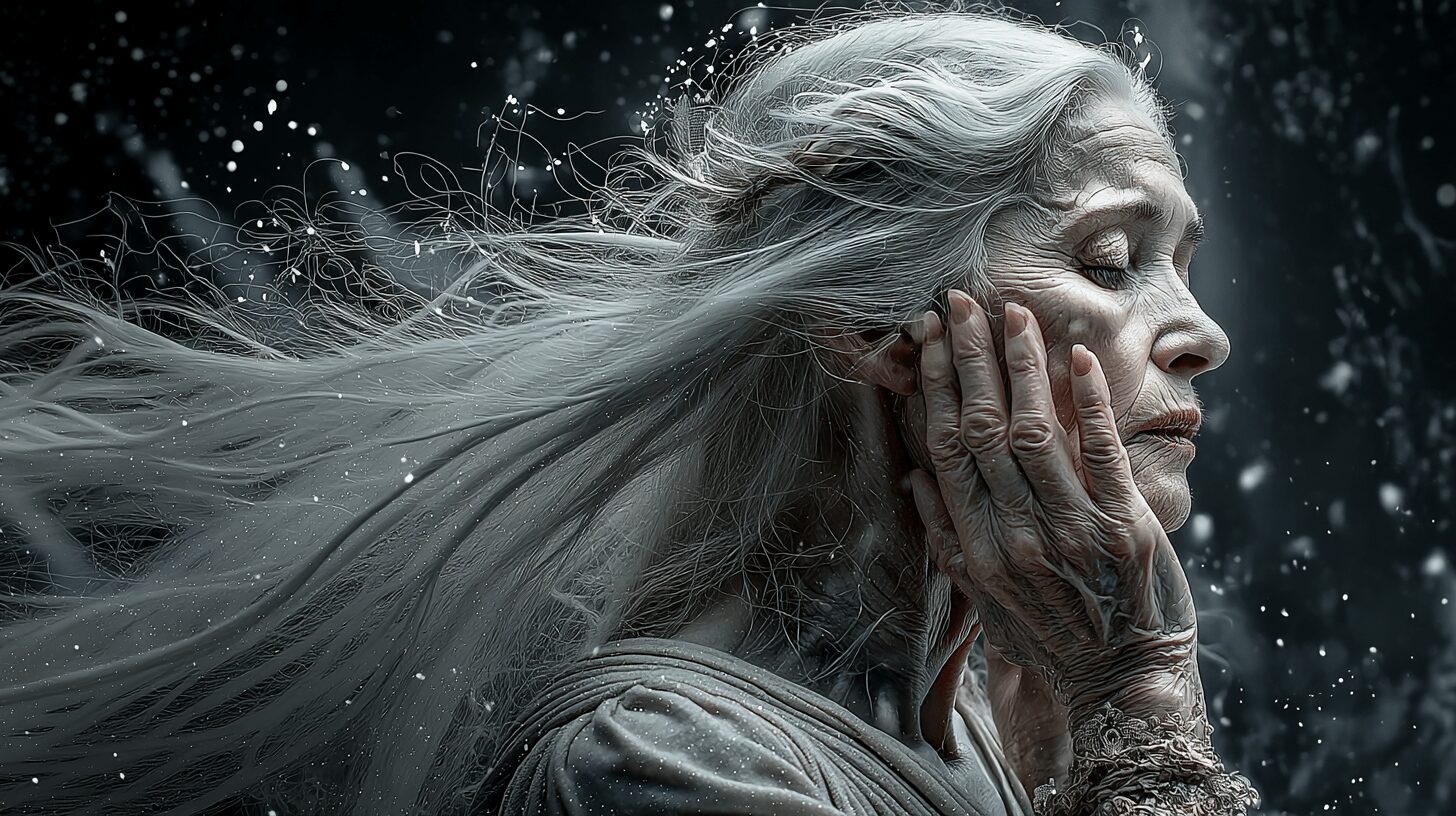
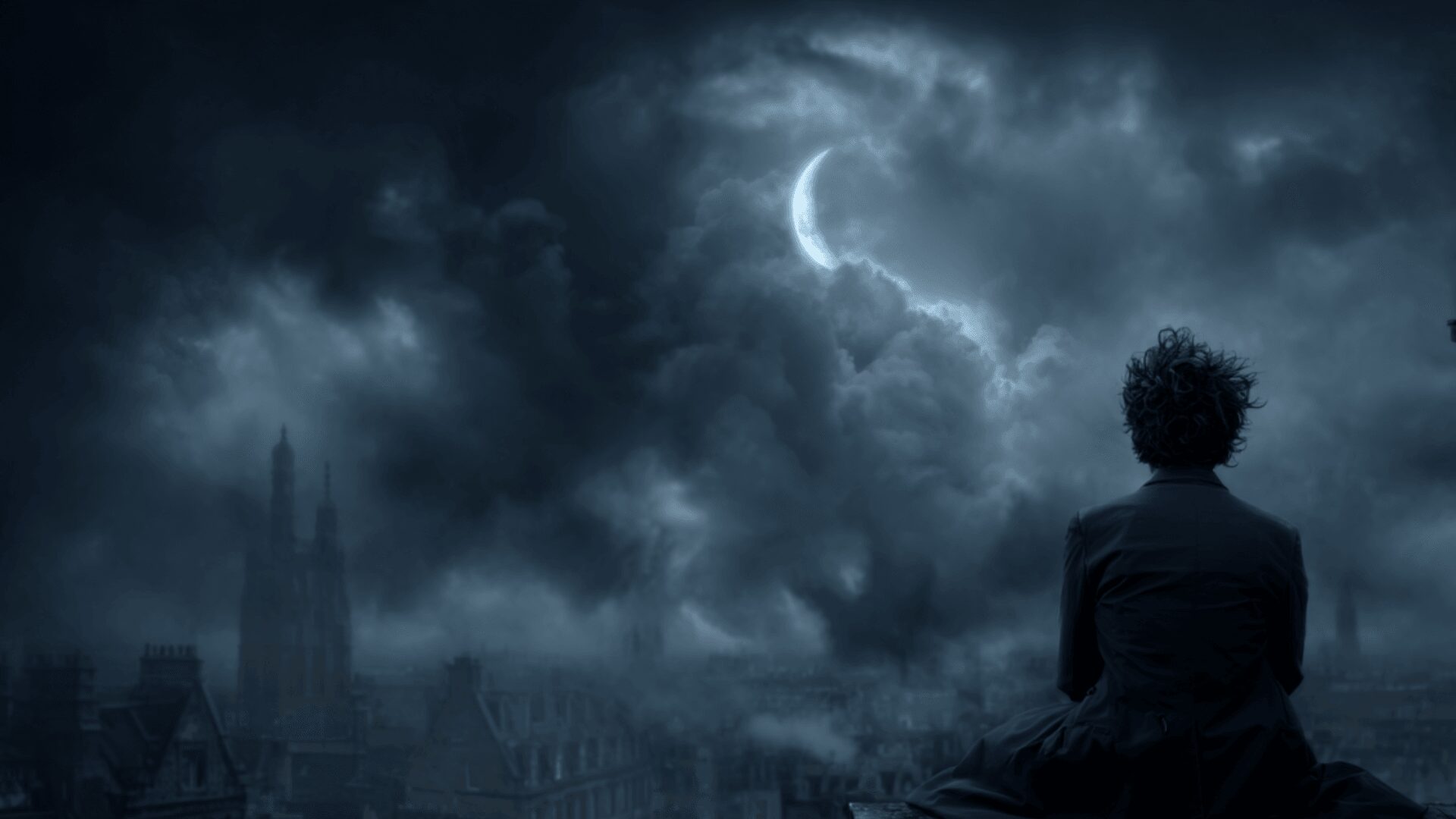
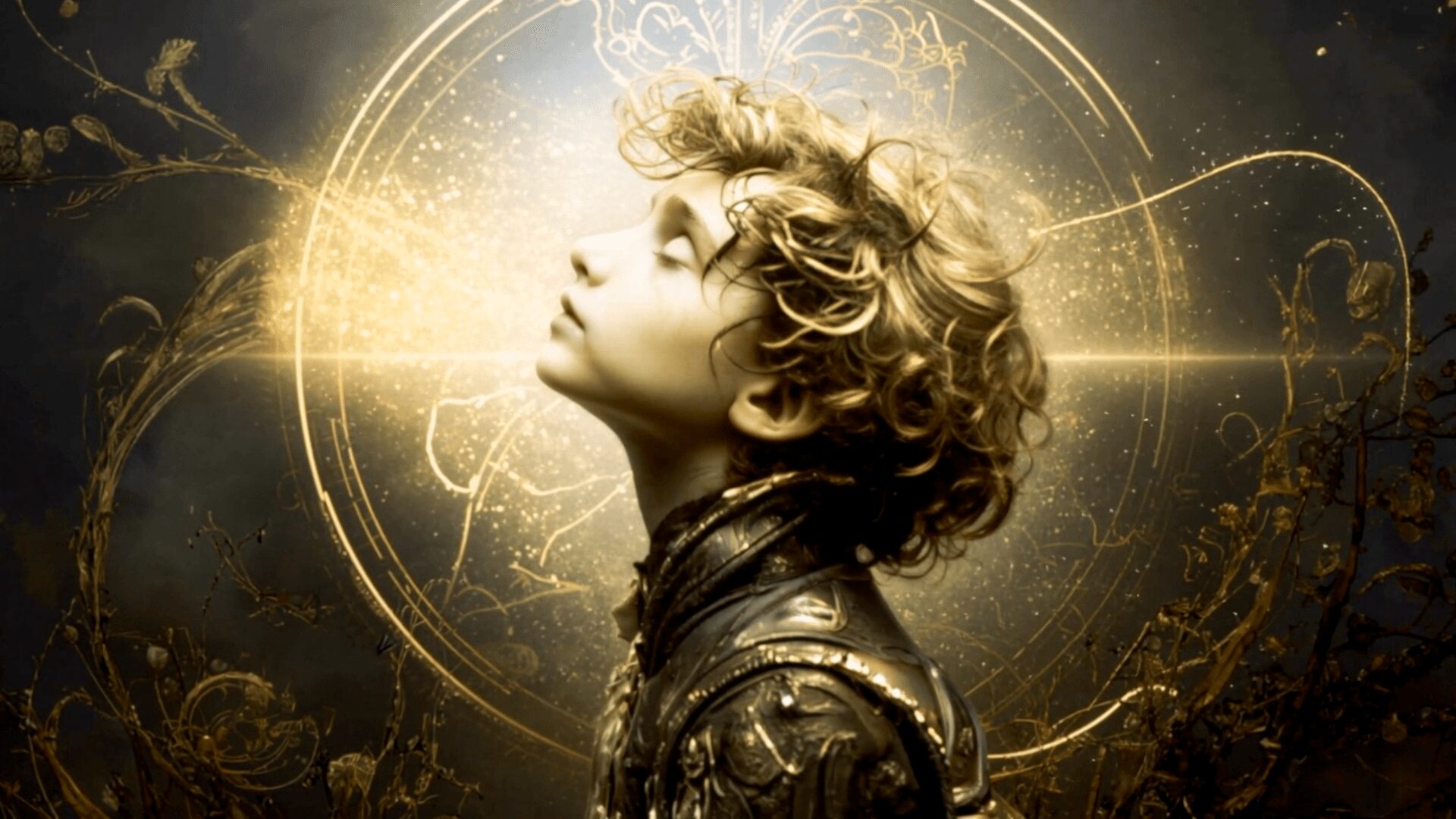
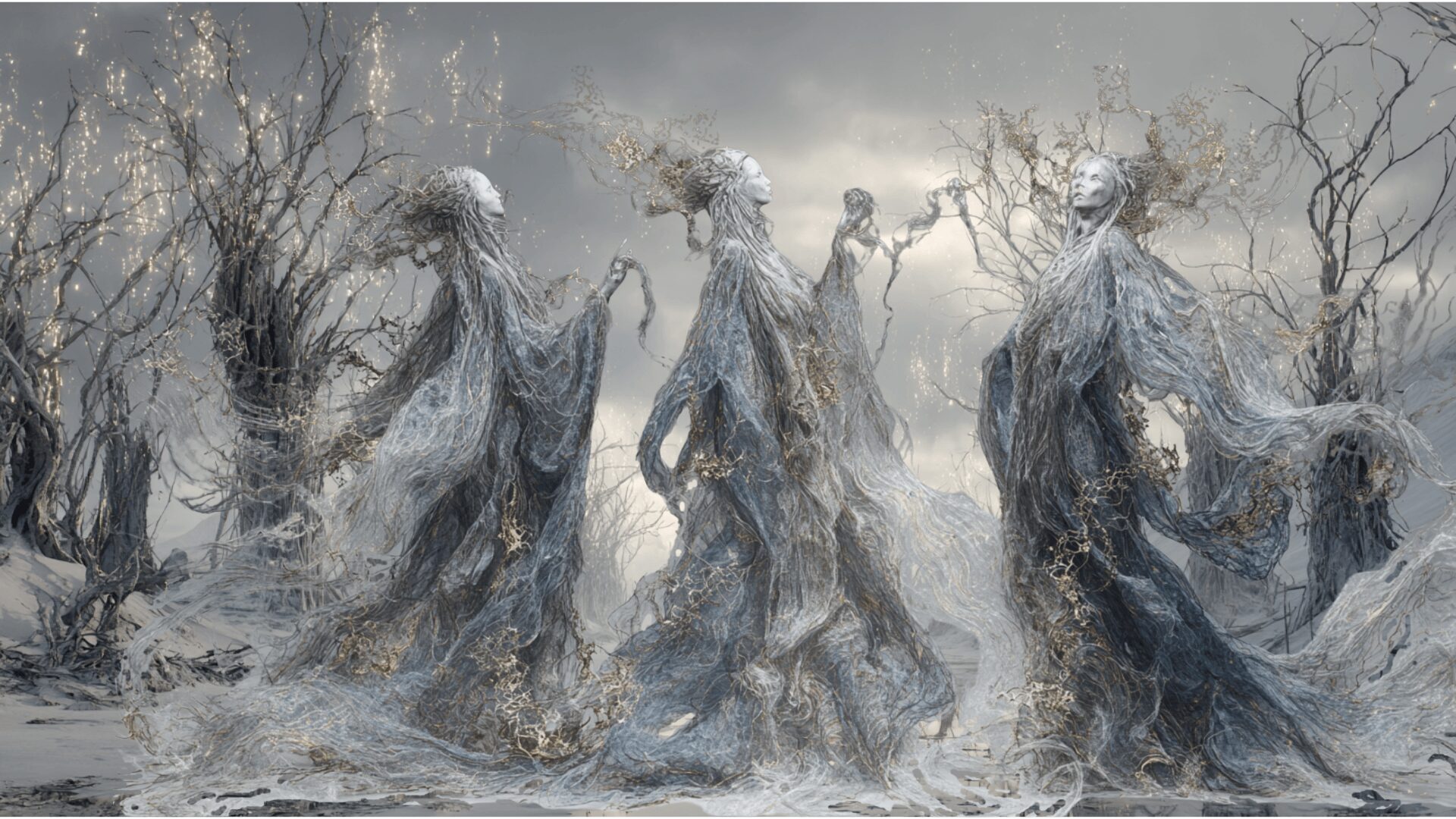
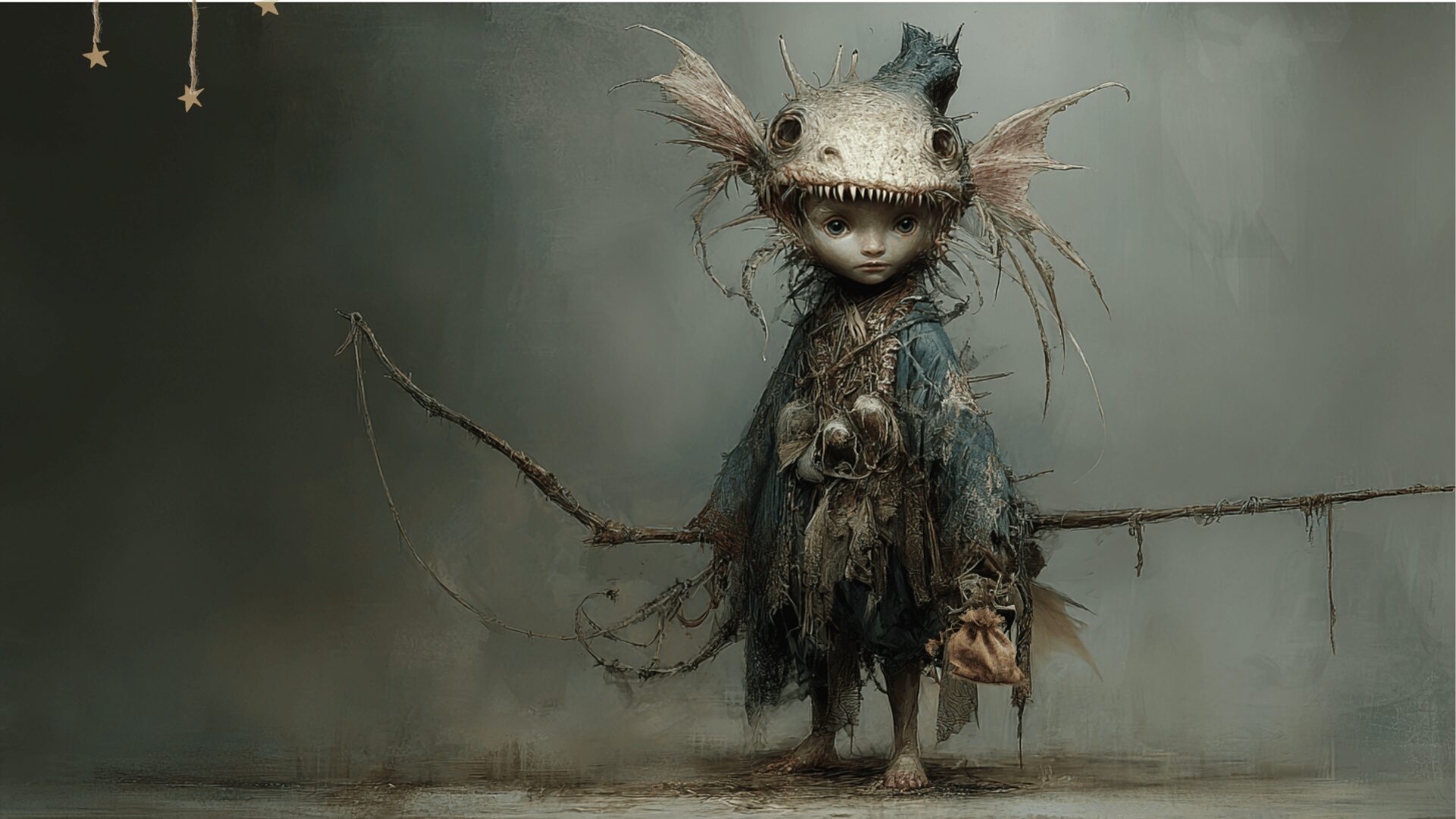
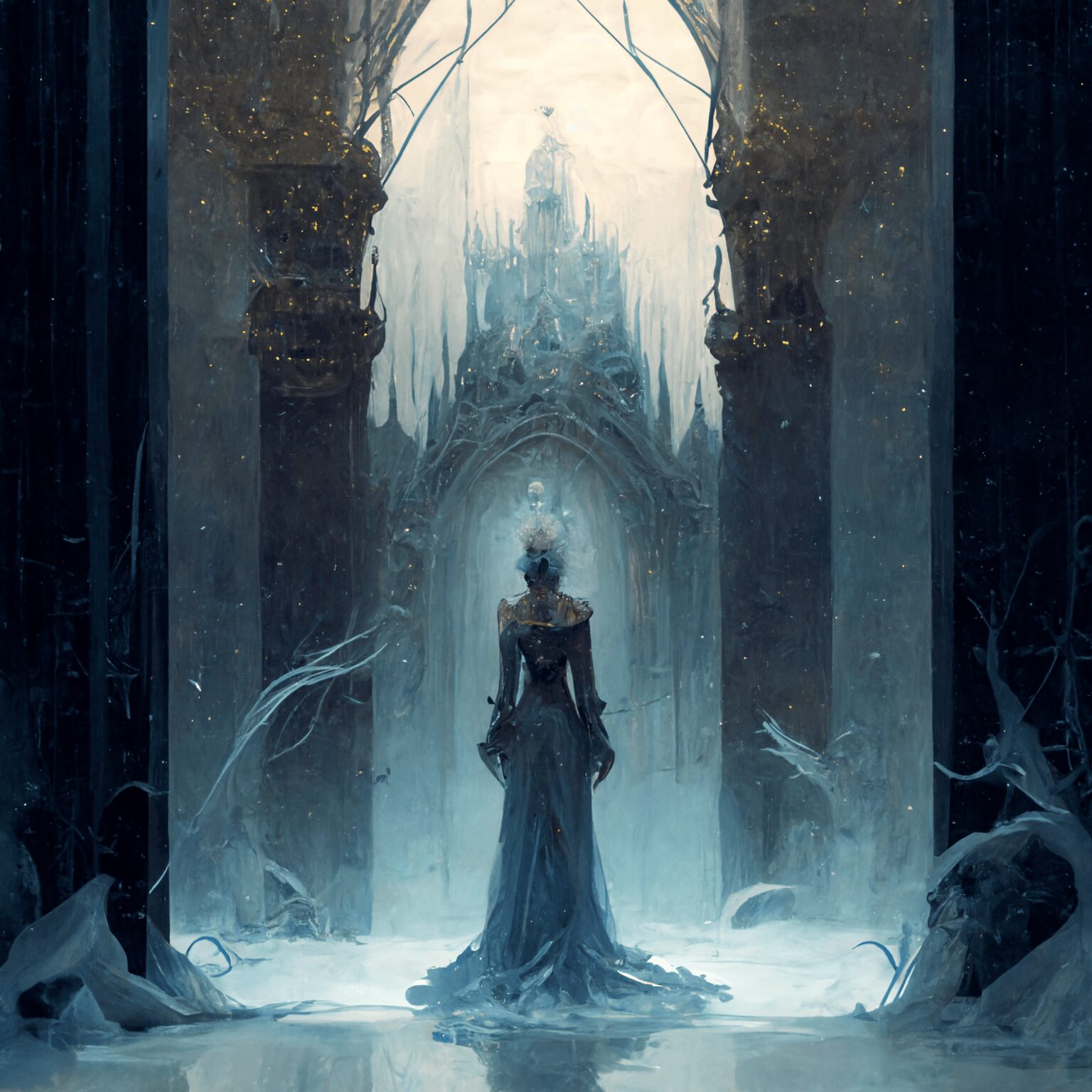
Image Credits
Midjourney
Popular
-

Que Johnson on Building Brands That Last: From Visibility to True Market Authority
-

Christina Wren Steps Into the Director’s Chair to Tell Stories That Feel Like Home
-

Portraits of the Valley
-

LA’s Most Inspiring Stories
-

JordanL on ‘Breathe,’ Belief, and Building a Movement Beyond the Music
-

Megan Birney Rudert on How Access to Light Is Powering a More Sustainable and Equitable Future


