




Today we’d like to introduce you to Mike Blum.
Hi Mike, so excited to have you with us today. What can you tell us about your story?
I have a pretty odd background given what I do today. But one of the things that’s great about the entertainment industry is that in a lot (not all!) ways, it doesn’t matter what your background is so long as you have proven yourself to be exceptional in your creative endeavors.
I have a hypertechnical background – a B.S. degree in Electrical and Computer Engineering from the University of Massachusetts and a Masters in Computer Science with my field of research in computer animation from the University of Utah. I’m a public school kid through and through. But public doesn’t mean less than. The University of Utah is the home of computer graphics and a top 5 grad school in my field. Truth be told, this public/private divide is on my mind right now because my son’s in the middle of applying for college. We’ve stressed for years that it’s less about where you go to college and more about what you do when you get there. I like to think I got the most out of my college experiences.
To be clear, I had no illusions growing up that I was some kind of artist. My drawing skills are poor and I never thought of myself as anything but a competent writer through my thirties. What I did have was a logical mind, an ability to bring together and motivate groups of people, and a sticktoitiveness that has proven invaluable.
After grad school, I got lured back to my hometown of Philadelphia (go Birds!) by a project management software company where I had worked for a couple of summers. I had other programming offers more in line with my entertainment interests but was enticed by what at the time seemed like a big paycheck and their pitch to start and lead a brand new project incorporating computer animation into their buttoned-down product. Unfortunately, they never actually hired anyone else and cut my project less than a year later. Initially shocked, I quickly regrouped and went down to SIGGRAPH to look for a new job in the entertainment industry.
Within a week of the conference, I got flown out to LA and had job offers from Disney Feature Animation, Digital Domain and Warner Brothers Animation. I ended up choosing Disney and spent the next eleven and a half years working there.
I was hired into the technology team as a programmer to build tools for artists. It seemed like a dream job – using my programming skills to help make movies. But I quickly realized that programming for a huge corporation is different from working in a small team or in graduate school. The creative work was a small part of the job compared to meetings, reviews, and bug-fixing code you often didn’t originally write. The work was fine. I liked almost all of my co-workers and the many world-class animation artists at the company. I carved out a niche and rose quickly through the ranks. But I was never quite satisfied. Programming for a living just wasn’t as much fun as I thought it would be and yet I knew deep in my heart that I didn’t want to be a manager. I wanted to continue to be creative because, despite many non-technical people’s perceptions, programming is deeply creative and highly satisfying. I found coding the applications that created or helped to create images doubly gratifying!
Fortunately, early on at Disney, I started making a series of after-hours, CG animated shorts that proved to be even more fun to create than any software program. And while it took me 10 years to hone my skills, the shorts eventually became so successful that I landed an agent and got an offer to direct a small series for Comedy Central called “The Adventures of Baxter & McGuire.” So I made a leap of faith, left my cushy corporate gig, and went on to direct that series. It was surprisingly successful – playing in many film festivals including Sundance and Annecy and got me nominated for an Emmy.
After that, I took the next few years to really learn to write while I produced a live-action feature film for my wife and helped raise our infant son. However, I eventually realized that because I would never fit the mold of a typical director in animation (99% of animation directors have an artistic background), I could not expect the industry to look past my unorthodox background and hire me for normal TV and film projects. What I needed to do was develop my own material that I would be attached to. It seems obvious in hindsight, but it wasn’t when I was younger.
In any case, I refocused and within 6 months I had sold my first series. Rather than outsource the project, I bought some machines and software and set up a small shop to produce the series in LA. The success of that led to more series that we sold and made with those same machines. And eventually, people started coming to us and asking for help. In this way, we just continued to slowly grow, eventually producing hundreds of episodes of animation, commercials, branded content, visual effects, and special projects. And despite never planning it, I found myself running my very own boutique animation studio, Pipsqueak Animation. A studio that I continue to run today.
We all face challenges, but looking back would you describe it as a relatively smooth road?
In no way has it ever been a smooth road! It took me literally 10 years, multiple short films, hundreds of film festival acceptances, and many awards to gain enough traction to get an offer to direct professionally. Then, despite having a series of agents, managers, and lawyers who I liked personally but never brought me work, I realized I had to go back to hustling myself. It’s my hustle that always sets me apart and it’s what I realized I would always have to count on. And let’s be honest, no one, no matter how much they like me or my work, will ever be as invested in my career as I am. It’s a lesson I tell a lot of aspiring young creatives. Be your own best advocate.
But beyond all that, every single time we sell something or book client work it’s a small miracle. There are thousands of studios around the world and even more creatives. And in some sense, we are competing with a large fraction of them. For companies to choose us is an act of faith and on literally a weekly basis for the last 12+ years I’ve wondered if the phone will ever ring again. Fortunately, it still rings but every year is a roller coaster!
Our way to deal with the uncertainty of the business is to stay hyper-lean and only ramp up as we have work in-house. And while we have thousands of artists in our database, we try to hire the same people job after job. By both leaning on our regular artists but also being able to call up artists with different skill sets on short notice, we’ve been able to take on all kinds of work: different animation styles, mediums (2D, 3D, VFX), budgets, and schedules. And my technical background and decades of experience mean that I rarely find projects daunting. I’m always confident we can figure out a way to do anything.
Can you tell our readers more about what you do and what you think sets you apart from others?
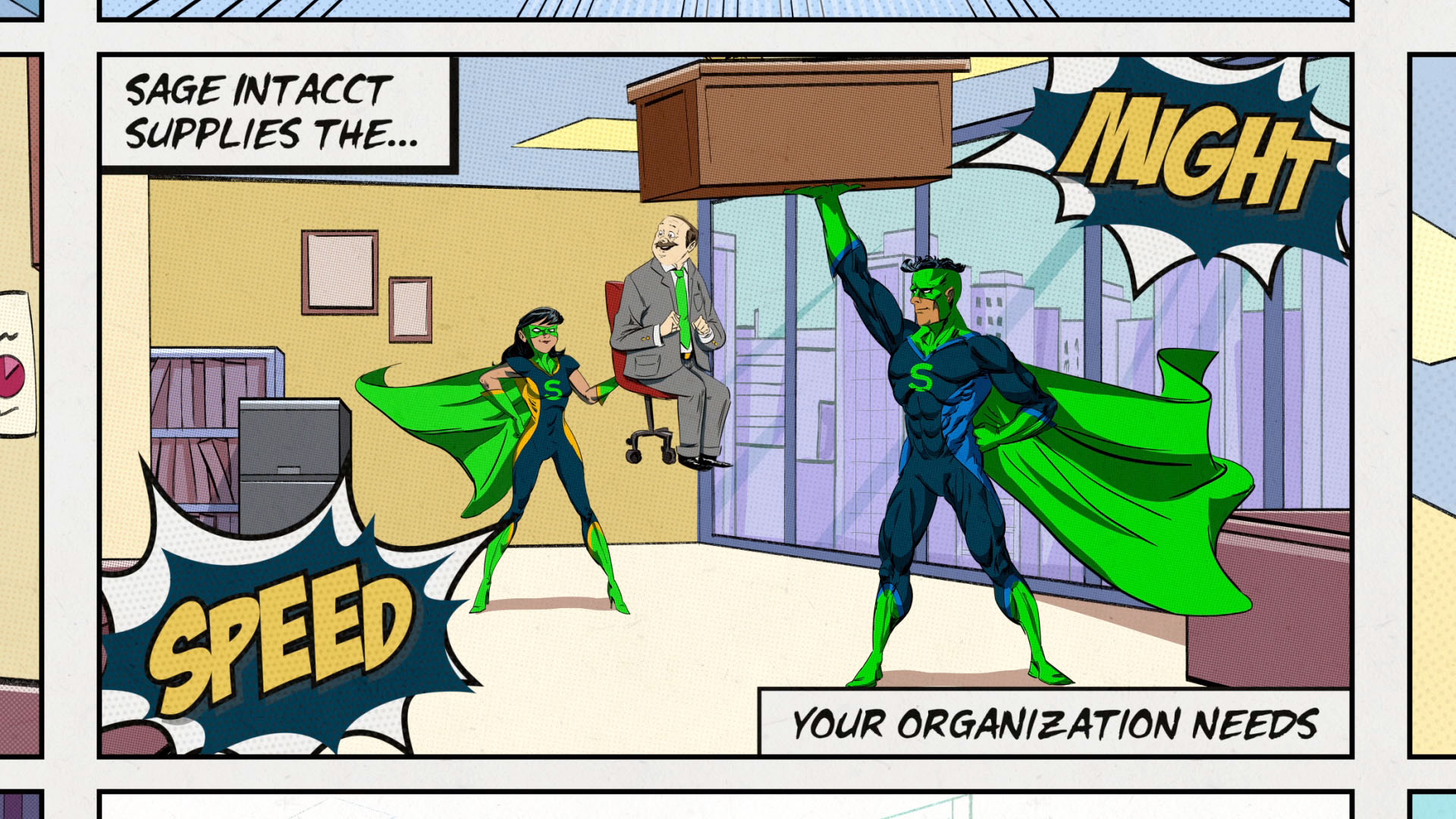
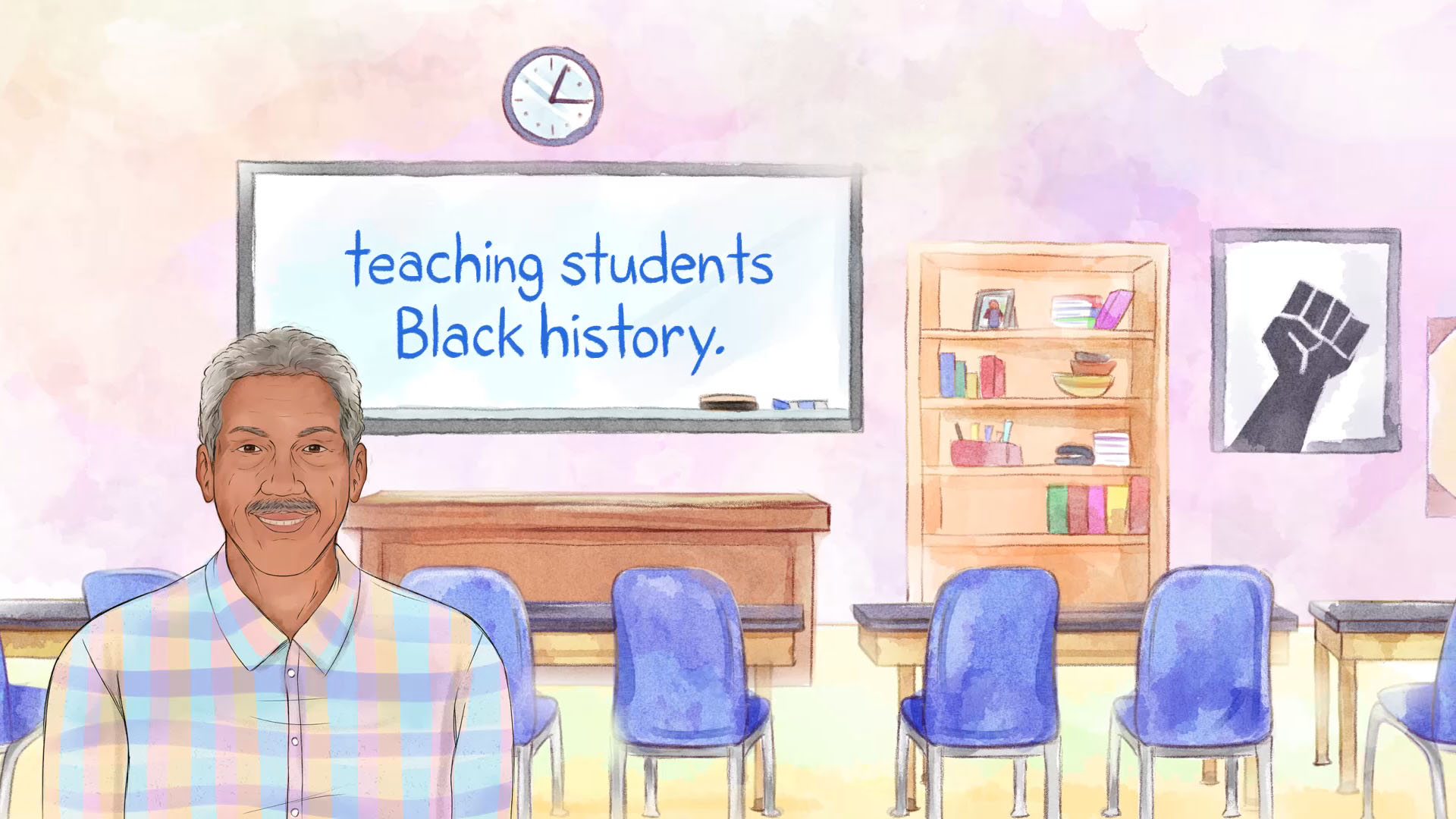
Pipsqueak Animation, my company, is a full-service animation studio capable of delivering 2D (either cut-out or hand-drawn, frame-to-frame animation), CG or VFX. On the work-for-hire side of the business, we have worked on big TV series like “Bojack Horseman”, “Cyanide & Happiness”, and “Secret Chef” but we specialize in short-form content like commercials, branded content, and special projects. For instance, we do 30-60 spots per year for StoryCorps out of NYC. And we’ve done spots for American Airlines, The Lincoln Project, Wise Potato Chips, and many others.
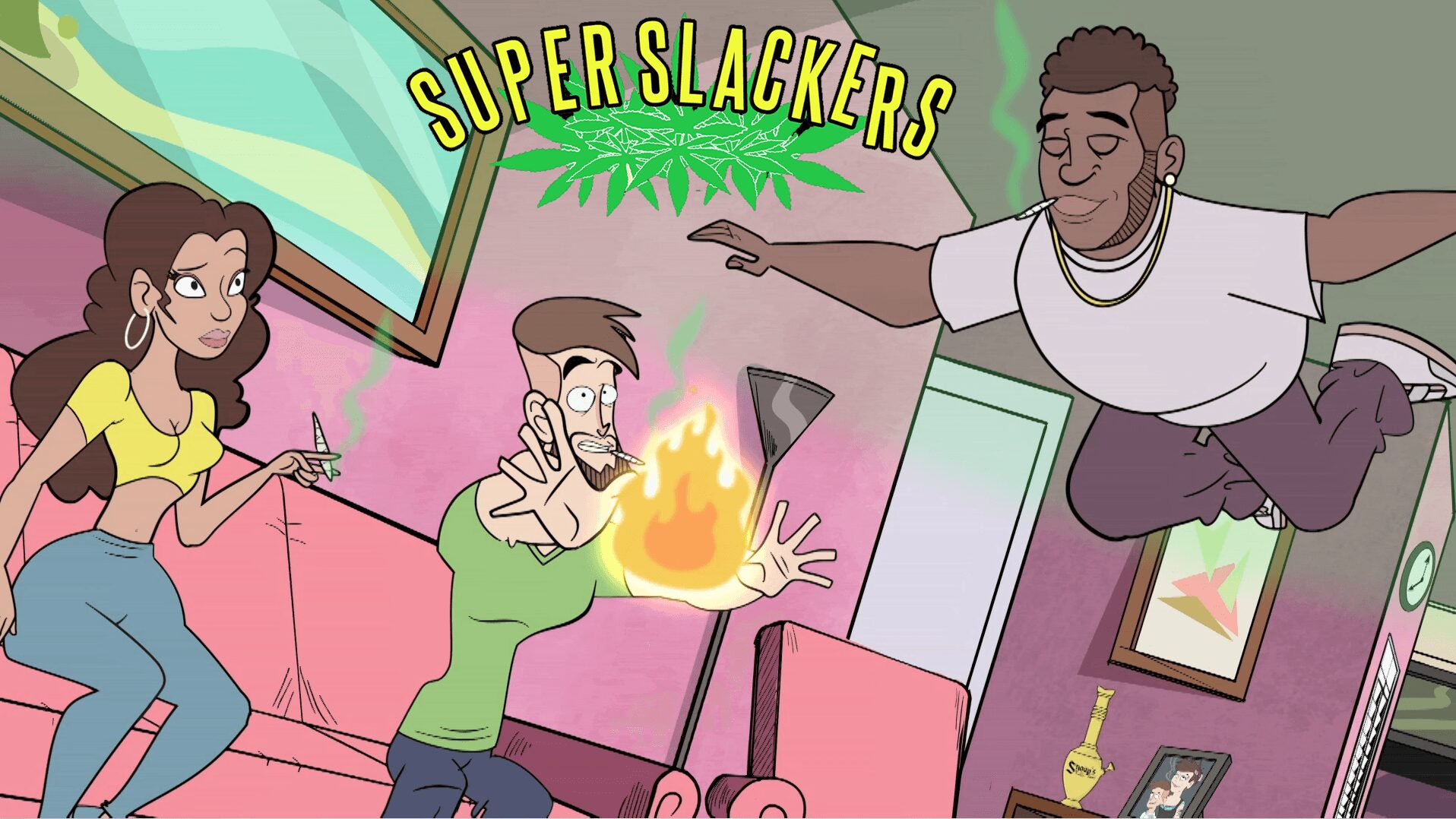
We are known for working with a lot of organizations and creatives who are unfamiliar with animation and trust us to hold their hands through the whole process. Because of our success developing, selling, and animating original series and projects, many of those clients come to us looking to bring us on as creative partners. Sometimes that means literally co-developing a show like “Super Slackers” (with David Silverman of The Simpsons) and producing it entirely in-house, sometimes it means leaning on us to act as a creative commercial agency and sometimes it means filmmakers come to us with a limited pot of money and ask us to help them develop the coolest looking visuals that can be made with that money.
For instance, I am super proud of the work we did animating segments for the documentary “Rodents of Unusual Size” (about the Nutria invasion in Louisiana). And we just delivered a project for the same clients about Jimi Hendrix that turned out really nicely.
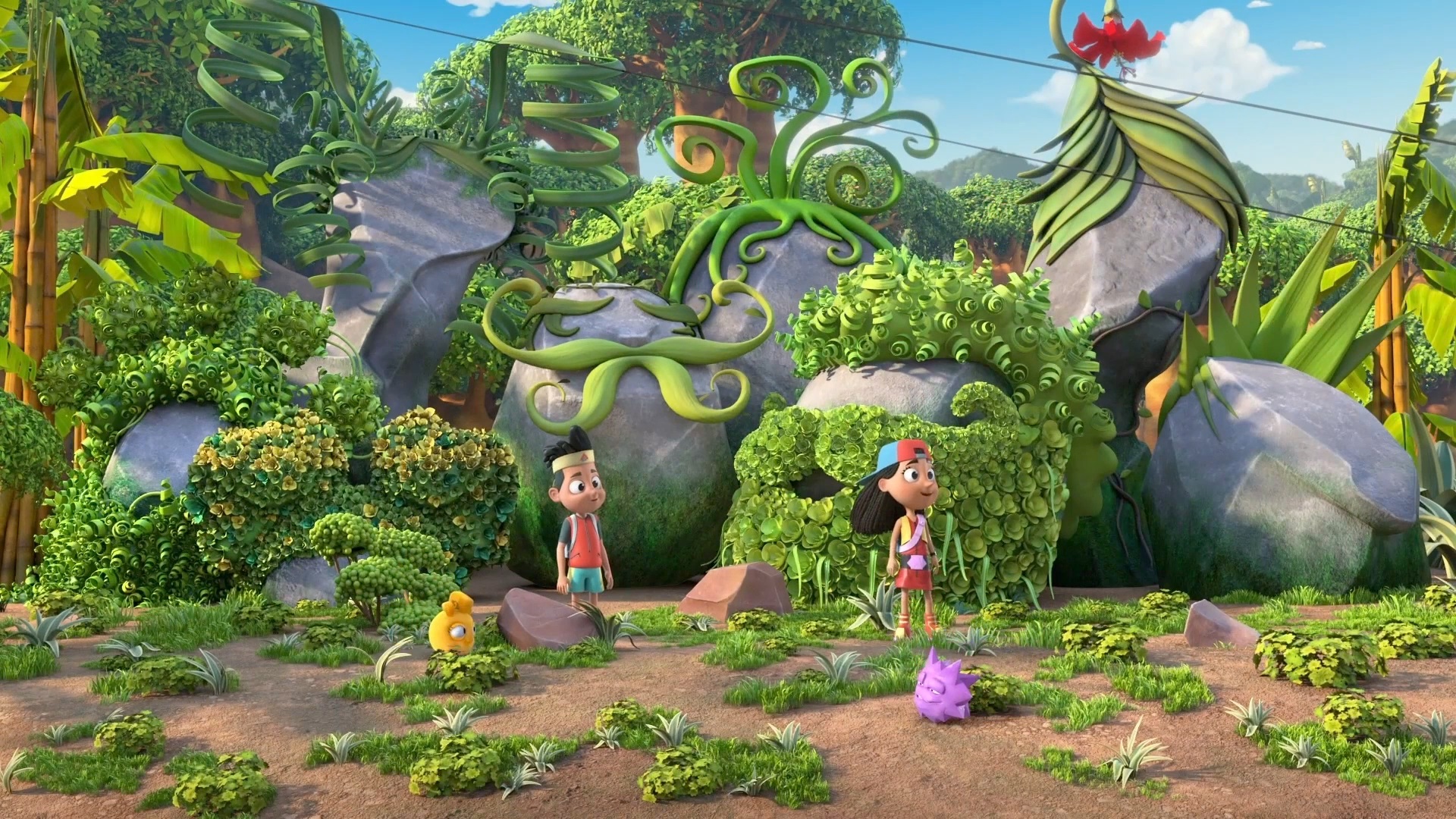
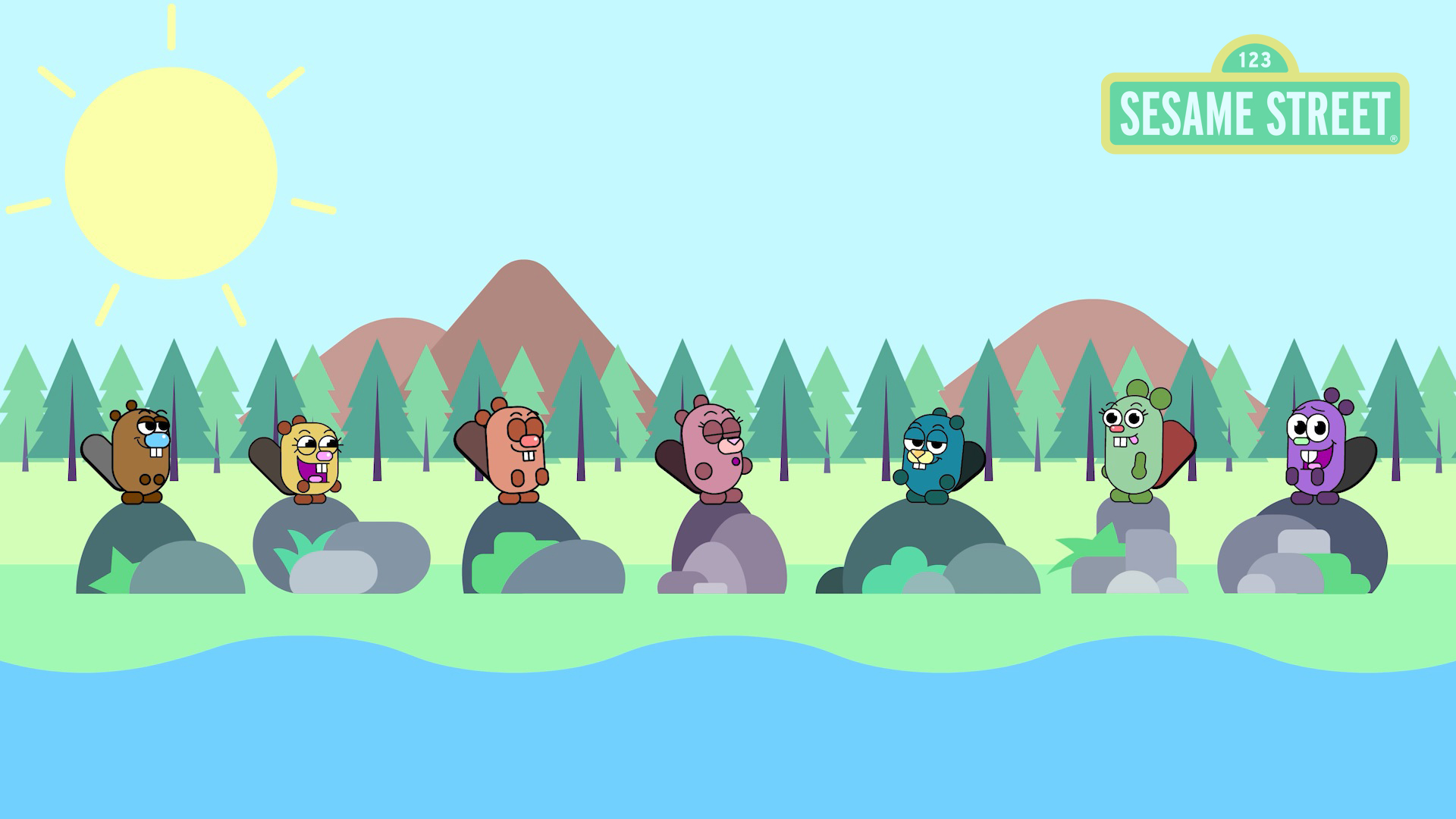
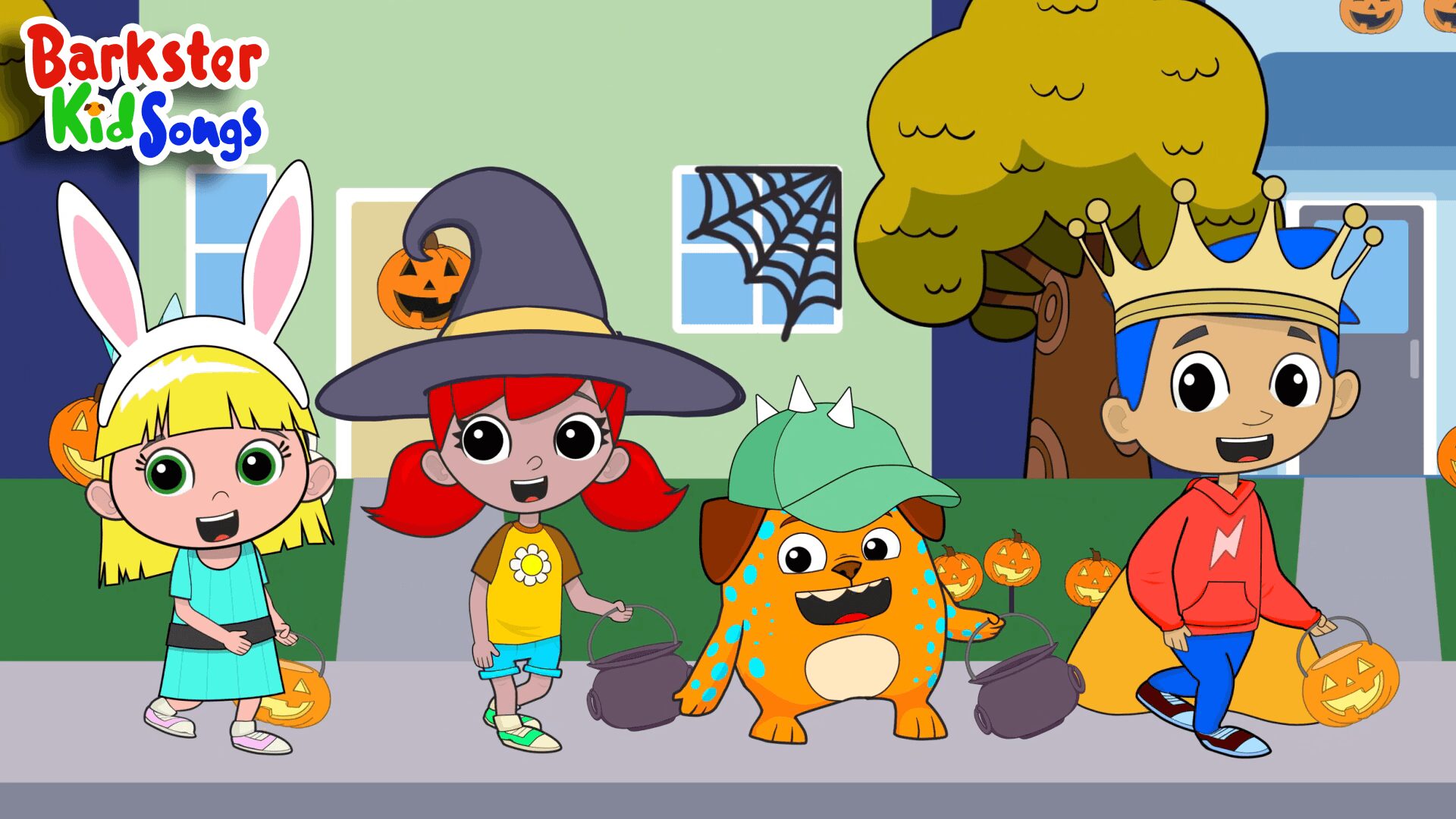
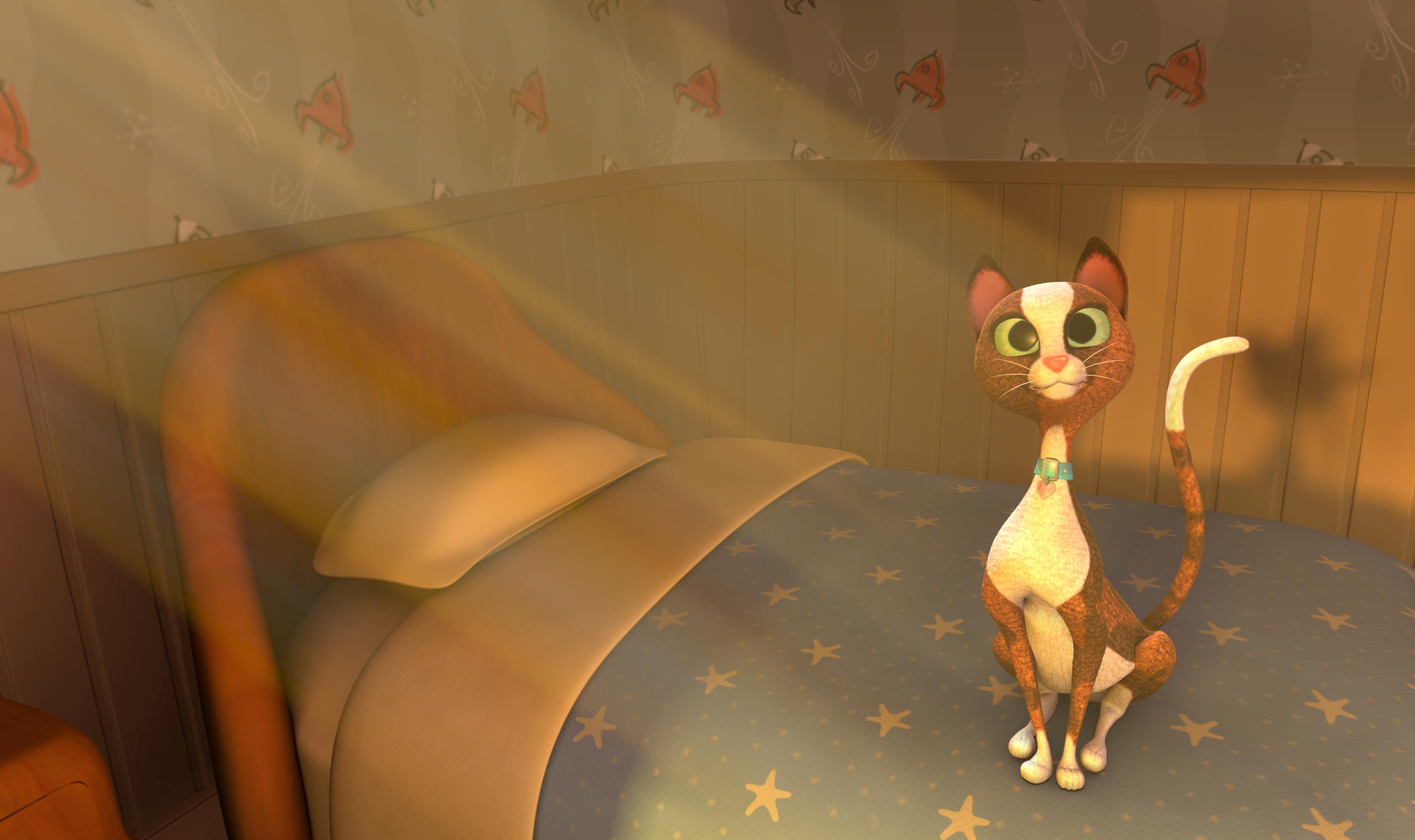
But as much as I love the client work, I always remember that I left Disney to develop and make original material. The client work keeps the lights on so that we can devote the time and resources these original projects demand. Over the years, we’ve sold and made two series for DreamworksTV/Peacock Kids (“Fifi Cat Therapist” and “Get My Goat”), a series called “Samurai! Daycare” for Defy Media, several original shorts for Sesame Street and PBS, and most recently, we’ve created our first original YouTube series called “Barkster Kid Songs”. It’s a song-based, social/emotional learning, animated preschool show. In less than a year we’ve created more than an hour’s worth of original content, have gained over 3000 subscribers, and over one million views, and are well on our way to creating a brand from the ground up. It’s been a fun experience with a great team! Check it out here if you have little kids:
https://www.youtube.com/@BarksterKidSongs
While not everything else has gotten made, we’ve also had development deals at Cartoon Network, Lion Forge Animation, and Disney plus we have distribution deals on a couple of other series. We are ALWAYS creating.
And while it’s hard to pick your favorite baby, I’m probably most proud of creating and making “Fifi Cat Therapist” – I think we nailed an original tone, executed it effectively, worked with top-tier voice talent, and had complete support from DreamWorksTV.
In terms of your work and the industry, what are some of the changes you are expecting to see over the next five to ten years?
While I don’t think the TV and film industry (including animation) is likely to recover completely from the huge dip we’re in right now, I do think we will gradually see production ramp back up. But because of the plethora of channels and ways to stream media, we are also likely to be in a prolonged era of shows based on existing IP. The reason is that it’s just really hard to get an audience for something brand new without investing extra cash in marketing. And the executives who hold the purse strings are risk-averse, have less cash to spend and frankly are lazier than you think they would be. Yes, there will always be original content, but just less than most of us would like.
Our strategy is to lean into public domain properties, and when we are developing something truly original, develop it from the ground up to have well-established play patterns built-in (i.e. collecting, building, racing, etc.) so that there is a chance to sell products based on the IP.
Folks should also not dismiss building brands/IP directly to the consumer on YouTube. That platform is way bigger than any streamer or TV network, and we’re seeing more and more success stories of filmmakers earning a living as YouTube creators and leveraging the biggest YouTube successes into linear TV deals.
Pricing:
- Web-based Animation (starts at): $3000 per minute
- TV Quality 2D Puppet Animation (starts at): $6000 per minute
- TV Quality Hand Drawn Animation (starts at): $14,000 per minute
- TV Quality CG Animation (starts at): $12,000 per minute
- Motion Graphics (starts at): $2500 per minute
Contact Info:
- Website: https://www.pipsqueakanimation.com/
- Instagram: https://www.instagram.com/pipsqueakanim/
- Facebook: https://www.facebook.com/PipsqueakAnimation/
- Linkedin: https://www.linkedin.com/company/pipsqueakanim/?viewAsMember=true
- Twitter: https://x.com/pipsqueakanim
- Youtube: https://www.youtube.com/@pipsqueakanimation
- Other: https://www.youtube.com/@BarksterKidSongs

Suggest a Story: VoyageLA is built on recommendations from the community; it’s how we uncover hidden gems, so if you or someone you know deserves recognition please let us know here.
Popular
-

Christina Wren Steps Into the Director’s Chair to Tell Stories That Feel Like Home
-

Portraits of the Valley
-

LA’s Most Inspiring Stories
-

JordanL on ‘Breathe,’ Belief, and Building a Movement Beyond the Music
-

Megan Birney Rudert on How Access to Light Is Powering a More Sustainable and Equitable Future
-

Linda Kneidinger on Building Lasting Change Through Small Steps and Self-Compassion


