




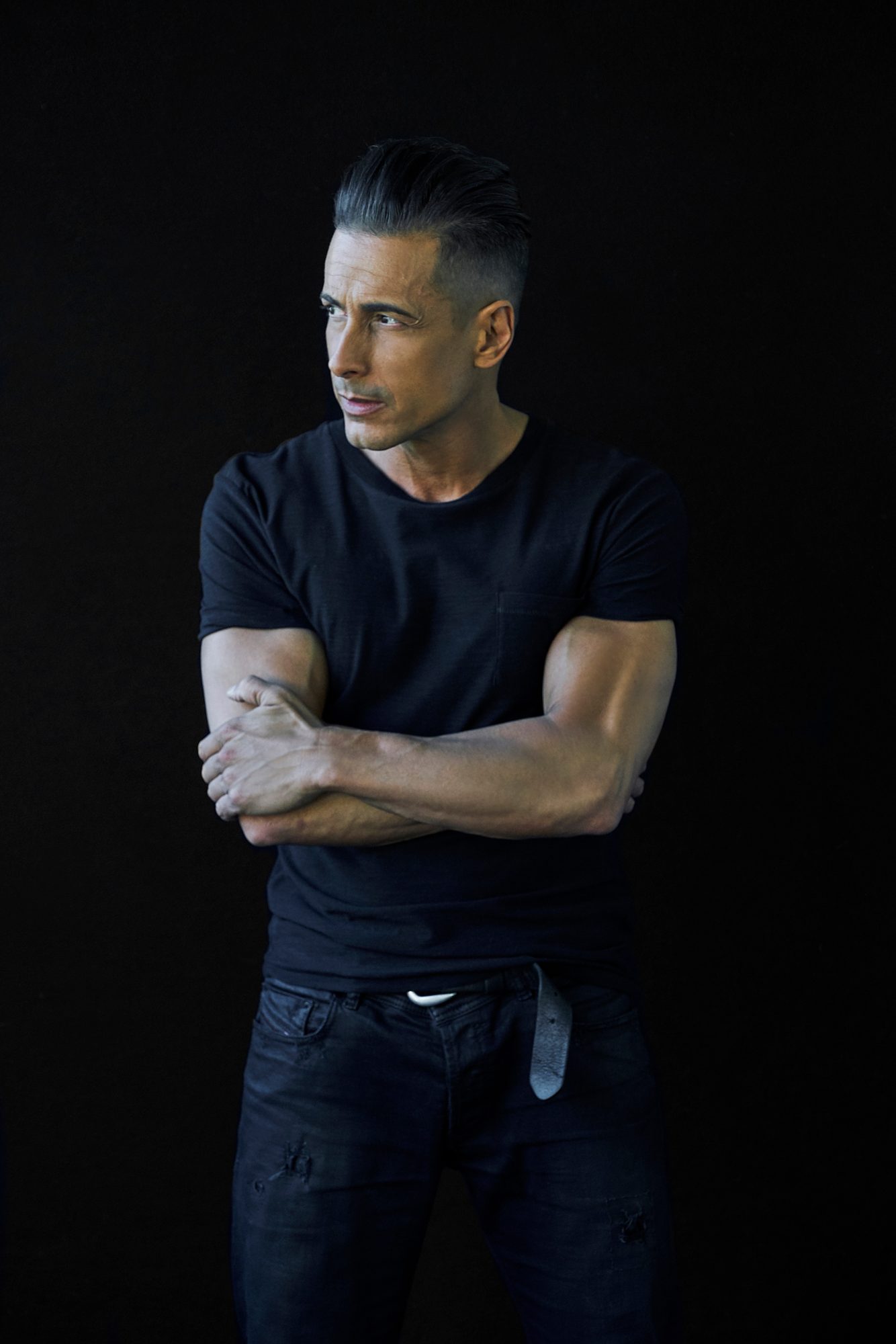
Today we’d like to introduce you to Michael Mercurio.
Hi Michael, it’s an honor to have you on the platform. Thanks for taking the time to share your story with us – to start maybe you can share some of your backstory with our readers?
I moved from Chicago to Los Angeles in 2004 to pursue film—which I realize is hardly an unusual opening to an L.A. story. The unusual part is that I hadn’t wanted to move here. A bartender I knew in Chicago dared me to give it a shot, and apparently I took that more seriously than either of us expected. Six months later, I arrived with a bag on my back, no real plan, and a willingness to start over.
I’m still a working actor today, and while I find tremendous joy in both film and theater, over time I became frustrated with how much of my creative fulfillment depended on being hired. I could study, prepare, and put everything into my craft, yet whether I got to practice it professionally was often someone else’s decision.
There was also the desire to tell stories that originated with me. As an actor, I bring my imagination and interpretation to a role while helping realize a story shaped by a writer, director, and other collaborators—a process that can be deeply rewarding, but that also left me wanting space to follow my own questions and develop an idea from its first impulse into a finished work. That freedom began to take shape through two experiences that would eventually come together: learning to work with wood and discovering my own practice as a fine artist.
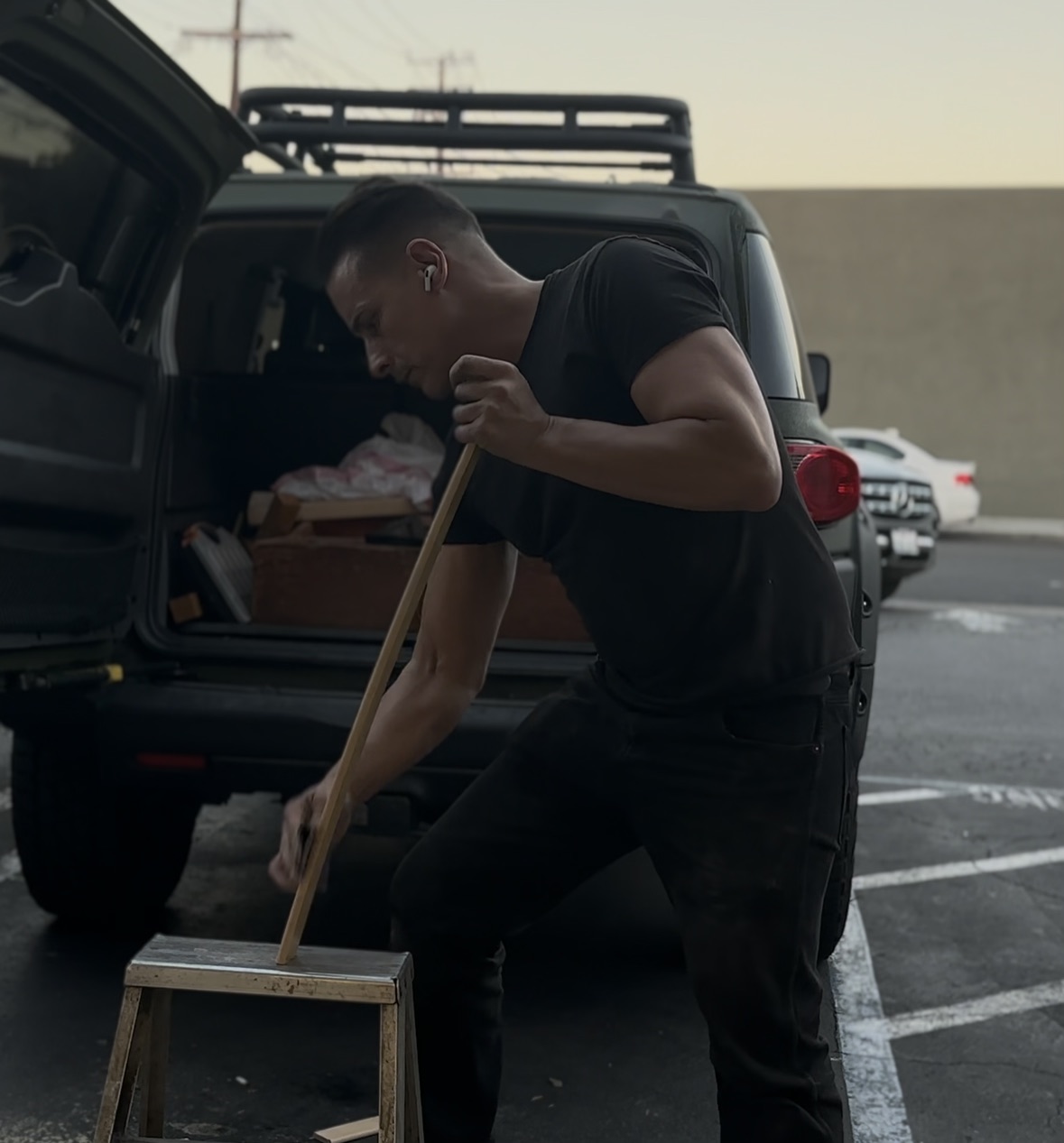
Shortly after arriving in Los Angeles, I began taking wilderness survival classes with Christopher Nyerges, carving everything from wooden fire drills to a bow made from bay-tree wood, which I spent two weeks shaping by hand with a knife on a film set between takes. I loved the concentration and resourcefulness of working with what was in front of me, and when I began exploring sculpture, relief work, and mixed media in 2011, that same curiosity carried into my art through clay, tree bark, wood, and salvaged objects.
Those interests came together in a piece I made for a co-op exhibition on Melrose Avenue: an old medicine cabinet transformed into a miniature forest behind an oval wooden door, with a working antique mortise lock, light, and sound. It was one of my first substantial experiences using woodworking to realize an artistic vision, and an early glimpse of what still draws me to the work—the possibility of taking existing materials and creating something that changes how another person experiences their surroundings.
My relationship with woodworking deepened during my father’s illness and after his death from lung cancer, when I started putting more energy into transforming my home in West Hollywood. Working with wood, natural colors, and earth tones, I wanted to create a small oasis—a place where I could feel at home in every sense of the word.
Working with my hands gave me somewhere to direct my grief, drawing me into a state of flow that offered some relief from anxiety and rumination. As the work progressed, I could see the results around me and experience them every day; the process brought me comfort, and so did the home I was creating. Carpentry became an extension of my art that could change both how a space functioned and how it felt to live there.
For years, I built primarily for myself, until a partner noticed how much joy woodworking brought me and encouraged me to consider making it part of my livelihood. I hesitated at first because it had become such a personal, therapeutic practice, and turning it into a business felt like a significant change. But the possibility of creating that same sense of enjoyment for someone else helped me warm to the idea.
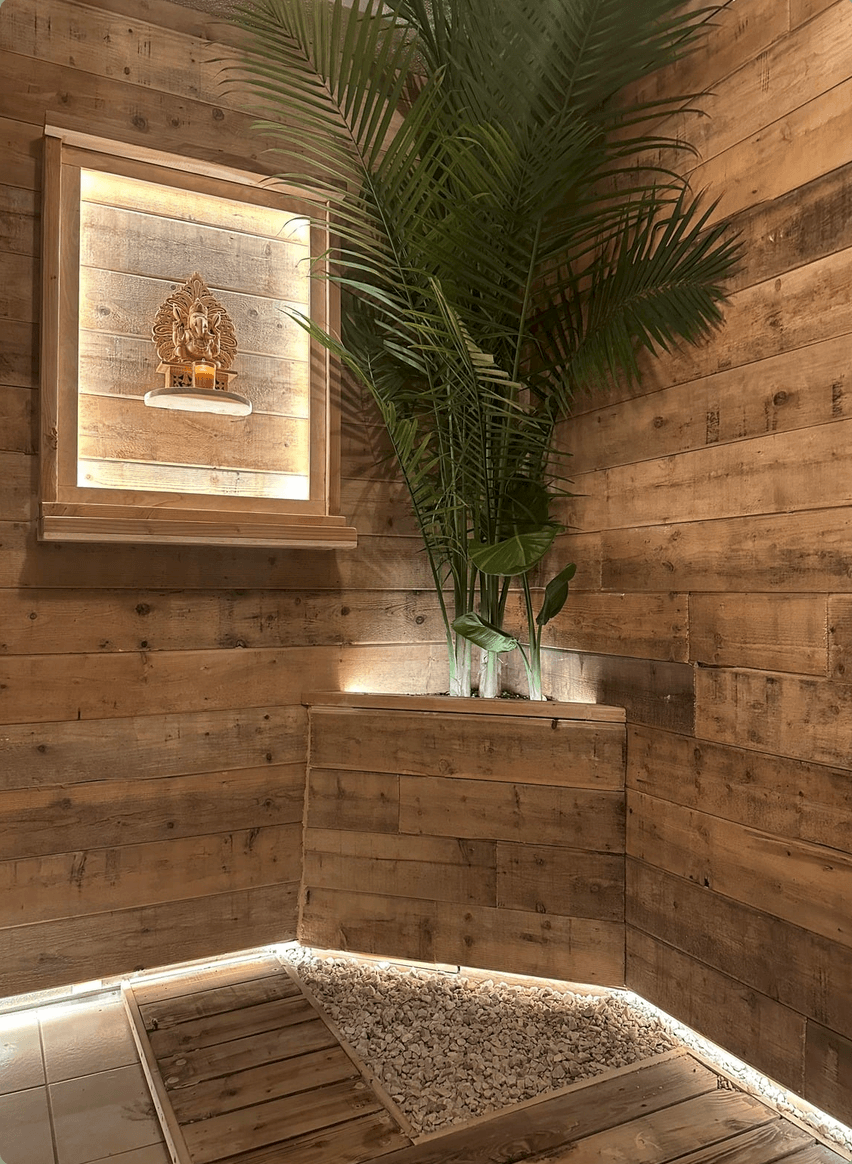
The turning point was transforming a bare, dated condominium balcony into a green oasis—a sanctuary for sitting, meditating, and spending time outdoors. Over three to four weeks, I brought together repurposed wood, lush plants, warm LED lighting, and a custom-made Ganesha altar, taking care with every detail because the project came from a place of love, and I wanted that feeling to carry through the space. It remains one of the projects I’m proudest of and became the starting point for my portfolio.
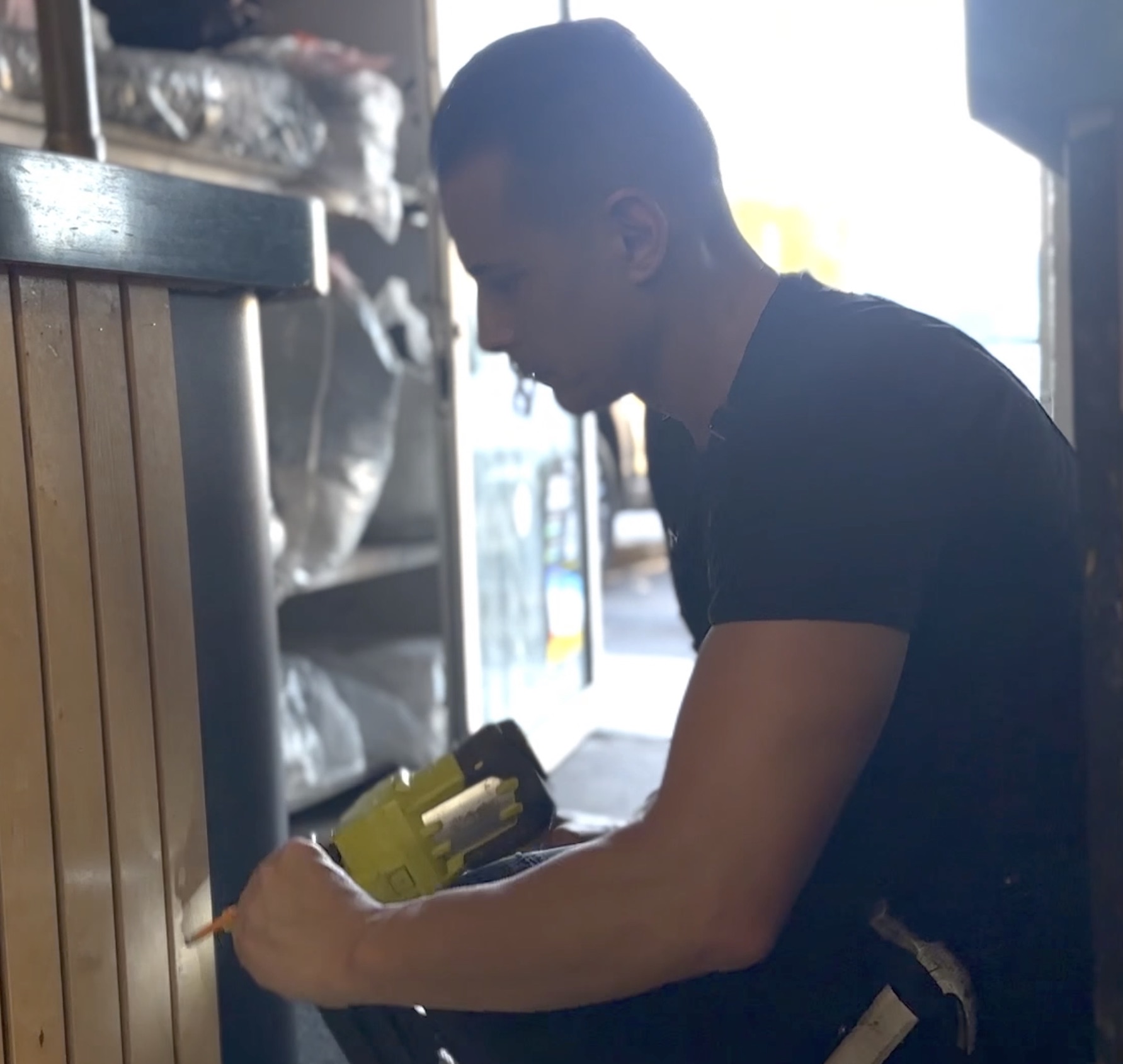
Around 2025, that momentum developed into MercurioBuilds, and I began taking on projects for others with the same curiosity and care I had brought to my own home. Giving overlooked materials a new purpose, solving a practical problem, and seeing someone enjoy the result became increasingly meaningful parts of the work.
Looking back, the desire to take more initiative in my creative life connects these experiences and also informs my coaching with artists and creative entrepreneurs, particularly those navigating a midlife change in direction. When one avenue isn’t offering the opportunity or fulfillment we hoped for, there may be another worth exploring, and sometimes that exploration reveals a part of ourselves we hadn’t given much room to grow.
Today, my creative life includes acting, fine art, woodworking, and coaching, each offering a different way to explore ideas and contribute something. With MercurioBuilds, that contribution takes a tangible form: finding potential in the materials around me and creating something another person can live with and enjoy.
What began as a way to find some peace in my own life has grown into work I can share, and seeing someone respond to a finished piece or feel happier in a space I helped transform is the most rewarding part.
We all face challenges, but looking back would you describe it as a relatively smooth road?
One of the biggest challenges has been learning to approach my creative work with the same ambition on the business side that I bring to making it. For years, woodworking was personal—a source of enjoyment, concentration, and comfort. Taking it into a professional setting meant recognizing its commercial potential and becoming comfortable pursuing that potential fully.
I was comfortable giving a project my time, energy, and care, but less comfortable putting a price on those things. I had to ask myself why. Why could I take the work seriously as an artist, yet hesitate when it came to its financial value? Somewhere along the way, I had absorbed the idea that loving what you do should somehow make you willing to earn less from it.
Questioning that belief was a significant turning point. People pay good money for exceptional products and services, and creative work belongs in that conversation. The imagination behind a design, the judgment developed through experience, and the skill required to bring it into the world all have value. Enjoying the process doesn’t diminish that value.
For me, the realization went beyond becoming comfortable asking for fair compensation. It meant allowing myself to think more ambitiously about what I could build as an entrepreneur: a profitable business, greater financial independence, and the freedom to choose where I direct my creative energy. Those are goals I’m actively working toward, and I see them as entirely compatible with making work that has meaning.
Putting that understanding into practice has required learning to account for everything a project involves. Someone sees the finished piece, but behind it are the planning, sourcing, decisions, and hours spent working through a problem until the result feels right. Recognizing those contributions has helped me approach pricing with greater confidence and make more deliberate decisions about the projects I take on.
There has also been the work of developing the business itself: communicating with clients, preparing proposals, estimating time, documenting projects, and finding the next opportunity while completing the one in front of me. Coming to this through a love of making things meant developing those skills along the way. I enjoy being absorbed in a build, but I also recognize that giving the business my attention is part of taking ownership of its future.
Finding focus across my different pursuits has been another challenge. Acting, fine art, coaching, and woodworking all matter to me, and I enjoy having a life that includes them. The responsibility is deciding where my attention will have the greatest impact, which opportunities to pursue, and how to give each commitment the care it deserves.
For MercurioBuilds, that includes developing original products alongside custom commissions. I’m currently working on handcrafted pet feeding stations, with the goal of refining designs that can be produced repeatedly while retaining the care and character of handmade work. That offers a different opportunity for growth from taking on an entirely new custom project each time, and I’m interested in building a business that makes room for both.
I’ve also come to appreciate that a project can be meaningful without fulfilling every artistic ambition I have. It can serve someone well, bring me the satisfaction of making it, generate a strong return, and create opportunities for what comes next. I want to enjoy the work in front of me while thinking seriously about where it can lead.
These experiences also inform my coaching with artists and creative entrepreneurs. For someone who struggles with the business side of their work, examining what they believe they’re entitled to earn—and why—can be as important as deciding what they want to create.
The biggest shift for me has been giving myself permission to pursue commercial success as wholeheartedly as creative fulfillment. I care deeply about what I make and the effect it has on people, and I want to build a successful business from that contribution. There is no reason to place a ceiling on that ambition simply because I love the work.
Great, so let’s talk business. Can you tell our readers more about what you do and what you think sets you apart from others?
MercurioBuilds is where my work as an artist meets the practical possibilities of woodworking and design. Based in West Hollywood, I create custom pieces and transform spaces for homes and small businesses, bringing an interest in natural materials, texture, and atmosphere to projects that need to function as well as they look.
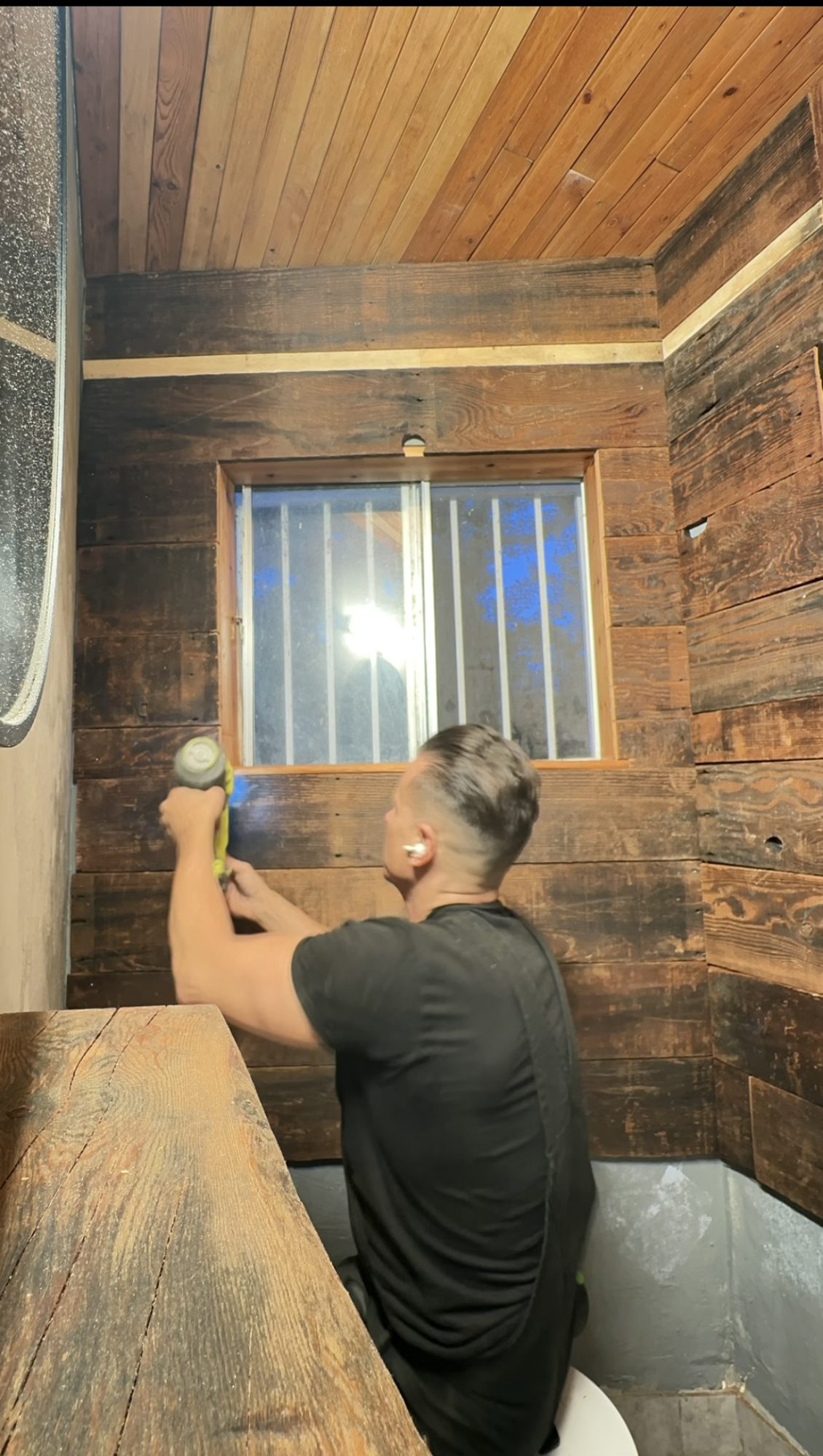
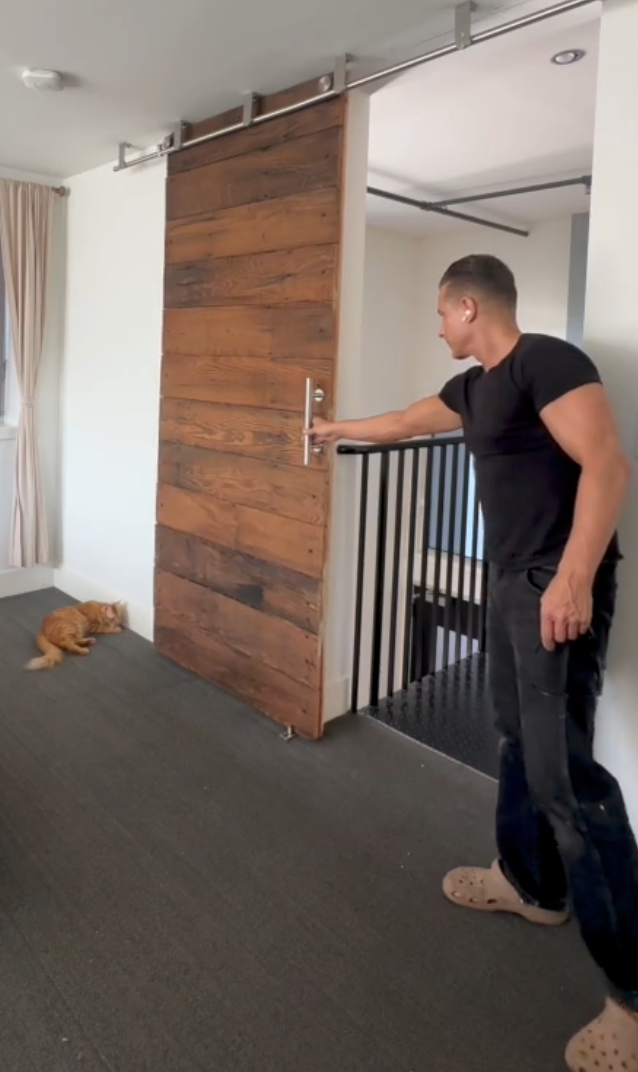
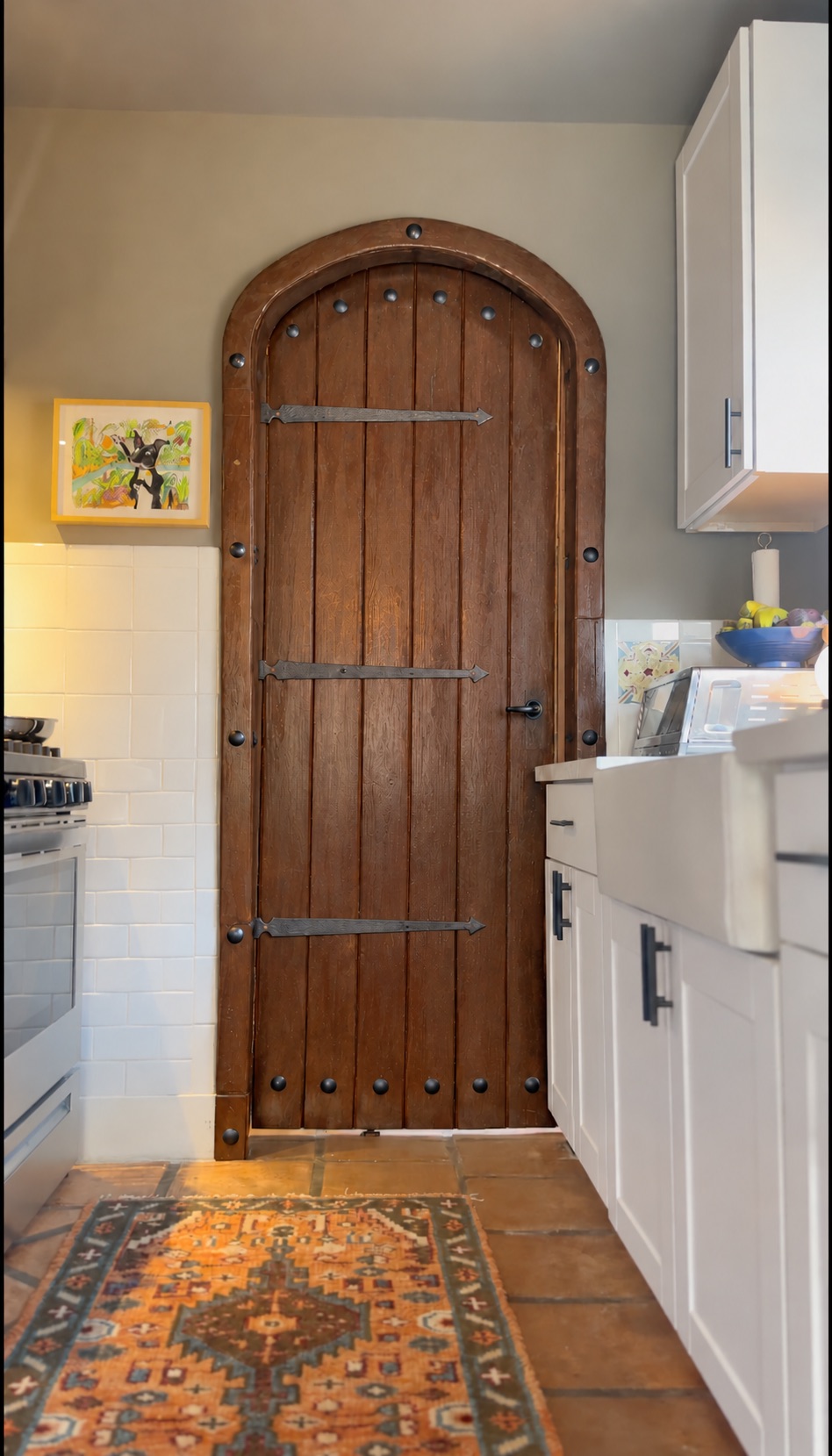
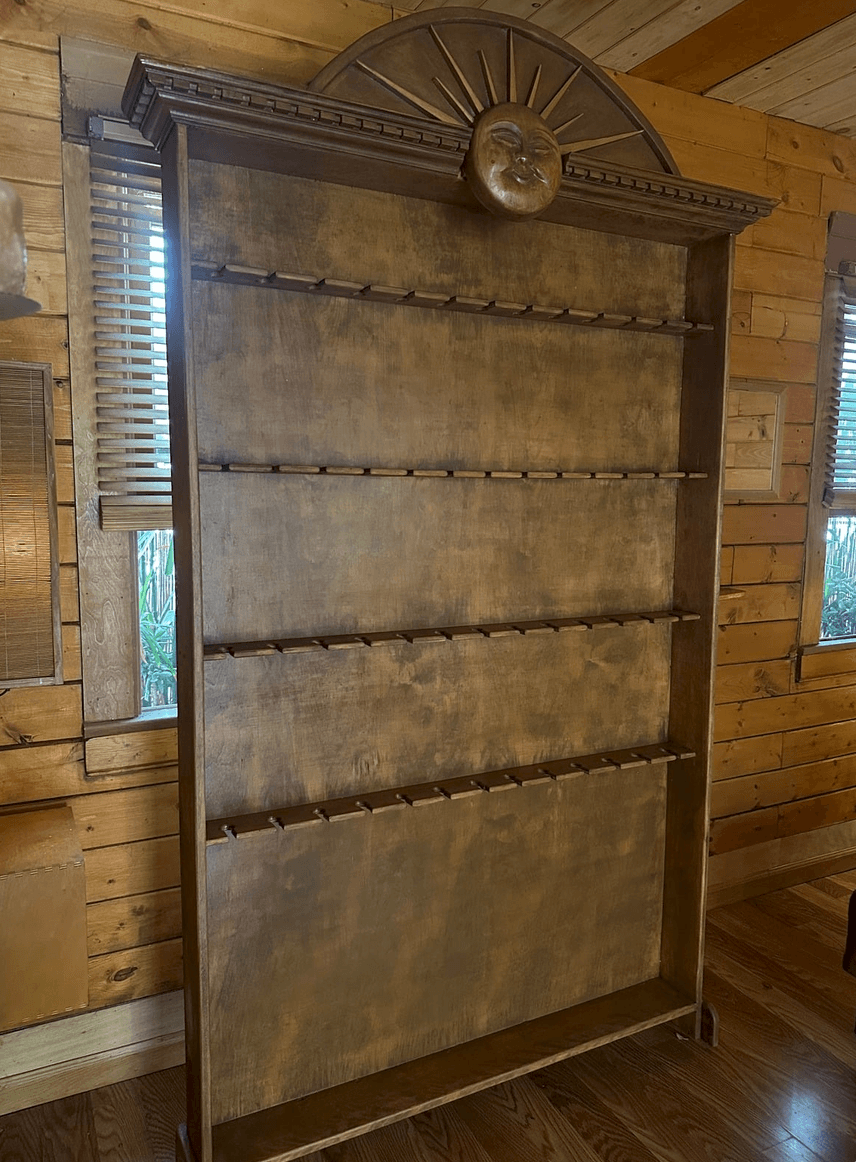
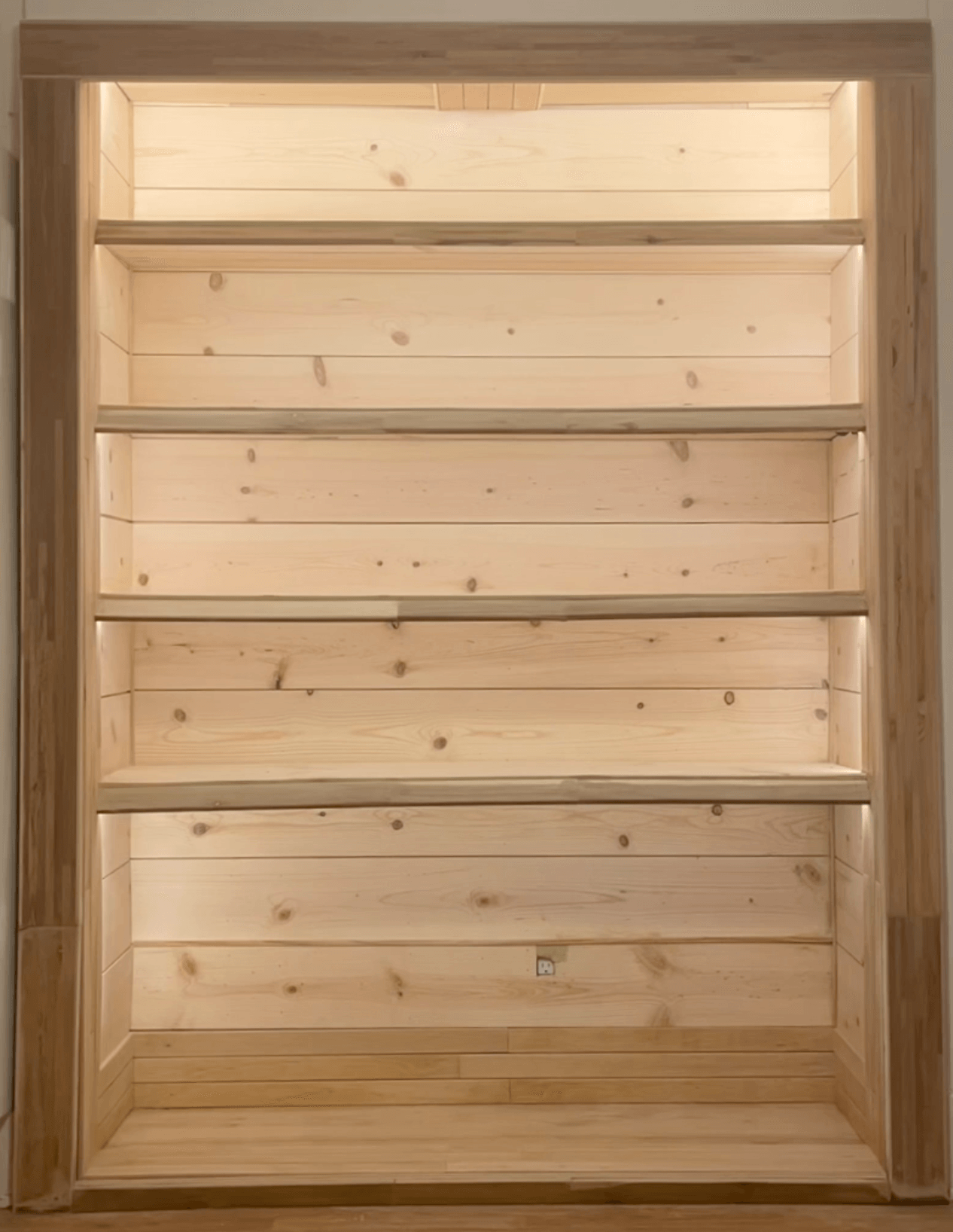
The work ranges from a reclaimed-wood sliding barn door and a jewelry designer’s supply closet to a condominium balcony transformed into a planted sanctuary. I enjoy that variety because each project gives me a different question to answer: What does this person need? What could this space become? And how can I create something that feels personal to them?
My background in sculpture and mixed media influences how I approach those questions. I think about proportion, surfaces, light, and the relationship between the materials, but also how someone will interact with the finished work every day. A closet can make a demanding workspace easier to use while becoming a feature someone enjoys looking at; a balcony can become somewhere they choose to spend an hour rather than somewhere they simply step outside.
A great deal of my inspiration comes from materials that have already had a life. For the jewelry designer’s supply closet, I used wood reclaimed from Fire Station 41, and for a sliding barn door, I worked with wood salvaged from a 1920s bungalow being demolished. There’s something compelling about taking material that might otherwise be discarded and finding a purpose that makes someone want to keep it.
That process begins with looking closely. Sometimes the texture of a board or the shape of an existing object suggests a direction I wouldn’t have considered with new materials. I enjoy working with that character and discovering how it can contribute to the finished design. Reuse becomes part of the creative process, with the material itself helping shape the outcome.
The idea of regeneration is central to what I do. When someone no longer sees a use for something, I often find myself imagining what it could become—how an alteration, a different setting, or an entirely new function could bring it back into someone’s life. That curiosity connects my fine art to my woodworking, and it’s a quality I want MercurioBuilds to be known for.
The balcony I created as a gift for my partner remains especially meaningful to me. It brought together repurposed wood, plants, warm lighting, and a Ganesha altar in a space that had previously felt bare and uninviting. Beyond being the starting point for my portfolio, it showed me how much I enjoyed creating an environment around another person’s experience. I wanted it to be somewhere they could find a little peace, and that intention guided the decisions throughout the build.
I’m now developing more original, functional pieces, including one-of-a-kind furniture and handcrafted feeding stations for dogs and cats. With the pet feeders, I’m interested in creating something that people with a strong sense of design would enjoy having in their homes, with careful attention to materials, finish, and proportions for different sizes of pets. Those designs are currently in development, with the goal of eventually offering them through local markets, pet retailers, and custom orders.
Alongside the business, I’ve begun developing Mercurio Foundation, a community service initiative through which I can contribute my skills directly. Its first project, currently nearing completion, is a reception-area makeover for a local family-run cleaners. It grew from a simple question: if I want to help, what can I offer through the work I already know and love? I’m beginning with what I can do personally, with the hope of involving other artists, makers, and community supporters in future projects.
What I’m proudest of is seeing these parts of my life become connected through the work. My experience as an artist gives me a way to imagine a possibility, woodworking gives me the means to realize it, and working with another person gives that effort a purpose beyond my own enjoyment.
For anyone considering a project, I welcome conversations about custom woodworking, furniture, reclaimed materials, and artistic transformations for homes and small businesses. You don’t need to arrive with a fully resolved design; a practical need, an overlooked space, or an idea you haven’t quite figured out can be a good place to begin.
Where do you see things going in the next 5-10 years?
As AI and automation reshape the way we work, some familiar opportunities may become harder to find. I don’t take that uncertainty lightly, but I believe it could also spark a creative renaissance, encouraging people to rediscover the ingenuity, craftsmanship, and self-reliance that have sustained communities for generations. When a path we’ve depended on changes, we sometimes discover abilities we hadn’t given ourselves the opportunity to explore.
What excites me is the possibility of more people building livelihoods around those abilities—creating, repairing, designing, and working within their communities. With access to practical education, shared resources, and people willing to support local talent, I believe we can develop new opportunities for creative entrepreneurship. There’s something empowering about realizing you can take an idea, work with the materials in front of you, and make something another person values.
The environment is an essential part of that vision. We have so much material already in circulation, yet replacement often feels like the default. I’d like to see us become more imaginative about what we keep: restoring furniture, reclaiming wood, and finding new purposes for objects that still have something to offer. Thoughtful reuse can reduce waste and the demand for new materials while preserving the history and character that make a piece distinctive.
For me, those possibilities belong together. Supporting a local maker who transforms existing materials is an investment in someone’s skill, in the community around them, and in a more considered use of our resources. It gives craftsmanship a future and gives overlooked materials another chance to become something worth keeping.
That’s the future I want MercurioBuilds to help create. My own experience has taught me that an uncertain period can lead to meaningful work I never anticipated, and I’m hopeful that others will discover that freedom too. After losing my father, I found some peace in working with my hands, and I hope the work that grew from that experience can offer others a sense of possibility when the way forward is difficult to see.
Pricing:
- Custom projects are quoted individually based on design, materials, scope, and installation requirements.
- Contact MercurioBuilds to discuss your ideas and request a personalized estimate.
Contact Info:
- Website: https://www.mercuriobuilds.com
- Instagram: https://www.instagram.com/mercuriobuilds
- Facebook: https://www.facebook.com/mercuriobuilds
- Youtube: https://www.youtube.com/@mercuriobuilds
- Other: https://www.instagram.com/mercurioartist

Popular
-

Portraits of the Valley
-

LA’s Most Inspiring Stories
-

Greg Hex Is Turning the Everyday Kitchen Knife Into a Modern Design Object
-

Rick Norris Learned That Building a Successful Business Means Building a Life You Actually Want to Live
-
How Olivia Rush Turned Survival Into a Mission to Help Others Keep Going
-

How Bibi Goldstein Is Helping Entrepreneurs Reclaim Their Time by Embracing the Power of Delegation


