




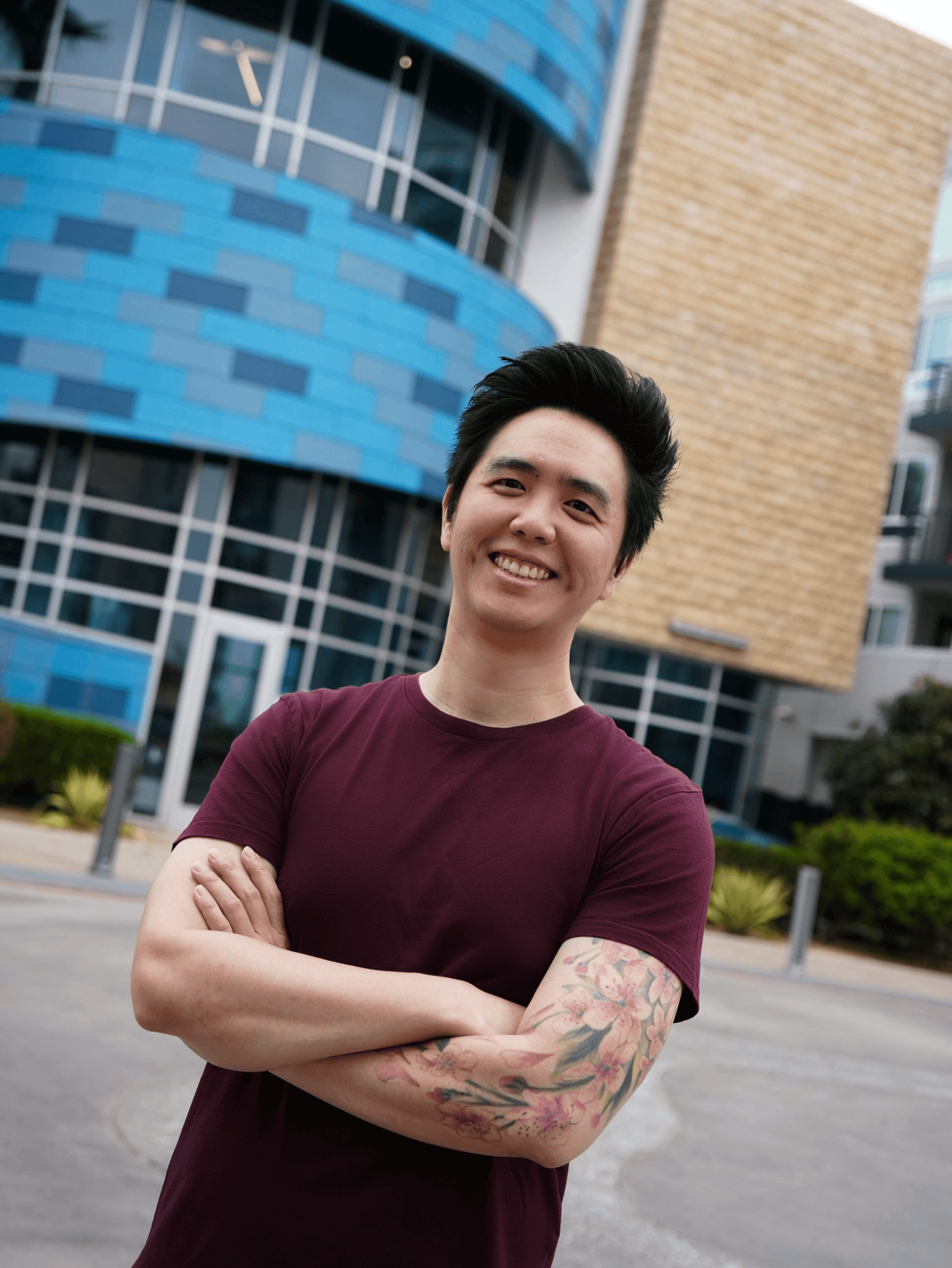
Today we’d like to introduce you to Marvin Lee.
Alright, so thank you so much for sharing your story and insight with our readers. To kick things off, can you tell us a bit about how you got started?
I grew up in Colorado with a passion for the arts that began at the early age of 7. My investment in this passion escalated with the introduction of Pokémon in the States, and was influenced further by more Asian cartoons under the term anime, shown on public television, such as Dragon Ball Z and other shows on Toonami. Around my sophomore year of high school, 3D animated movies really started to take off, and I saw the unlimited potential of where I could evolve my art. I wanted to create fantastical worlds and characters that could be shown in different styles, from cartoony to realistic. Being in Colorado, there isn’t much of an animation industry for education or career, and everyone knows California is the main hub. Luckily, the state college in Denver (the University of Colorado Denver) had a relatively new 3D department called the DAC (Digital Animation Center), and I was so excited to enroll and finally push my dreams further.
I graduated in mid-2016 and decided to move to California at the beginning of 2017 with a few close friends who were also part of the DAC, so that we could fully immerse ourselves in the animation industry. Within 2 months of being in California, I became an animator for a small YouTube channel called ABC KidTV, under the company Treasure Studios. This was a very small office space with a total of 6 people working in production on the channel. Working here really pushed my skills to the test and helped me grow and define my own unique style of animation. Being an animator at this company meant we had to do everything ourselves on an individual episode. In the 3D pipeline, this meant storyboarding, layout, sometimes modeling (we had a dedicated modeler, but the turnaround time was extremely fast, so sometimes we had to build to keep things on track), animation, lighting, rendering, editing (including subtitles), and exporting the final product. We had to accomplish all of this within 2 weeks to keep up with upload schedules.
For the first 6 months or so, we really struggled to find our footing, as other children’s channels had higher-quality animation and visual fidelity. After a number of visual changes and different approaches to storytelling, animation, and cinematography, aimed at raising our bar, we began to gain traction and found exponential growth in 2018. When I arrived at this company, the channel had 100K subscribers; by 2018, we had hit 500K, then 1 million within several months. Our popularity began to explode: our videos would gain billions of views, and we would gain millions of subscribers every week. We rebranded our channel to what it is most known for today, CoComelon. This was all accomplished by a very small team of 13 individuals, all just creating stories and animating them in a way that was personal to us, telling them the way we wanted to tell them to our young audiences while making them entertaining and fun, so that they could be appreciated by both the child and the parents/guardians who watched. Within 3 years, we had managed to grow the channel from 100K subscribers to 200 million because the artists on the team had the creative liberty to do what they thought would be best. We still had to produce these episodes within the parameters of content for young children, so certain themes and animation styles had to remain easy for them to interpret. CoComelon was purchased by Moonbug Entertainment in mid-2020, and many more people became involved. Our core development team grew large, and our operation expanded to many spinoffs and merchandise partnerships. I was an animator for 3 more years after the acquisition, doing the same work as in the previous 3 years, and then I was promoted to animation director, where I continued overseeing the production of our episodes until I left the company in early 2025.
From there, I explored a lot of different freelance work, expanding beyond what I had known for 8 years in the kids’ space. During this time, as I went from project to project, I found excitement again, as my skill set was once again tested in new environments and I had to learn and adapt to new styles and workflows to accomplish my tasks. I worked on super cool VR/AR projects with DreaMR Labs, informational medical 3D animation videos with Patient Advocacy Strategies, and the animated Pokémon trailer for Pokémon Legends: Z-A, “FULL MATCH: Hawlucha vs. Machamp!”, with Titmouse (a childhood dream fulfilled).
Much of my career could be labeled as tumultuous, given both the things I have accomplished and what I had to go through to get to where I am now. I definitely look forward to the new challenges ahead that will help me continue to grow as an artist. I am currently working on a number of projects that are starting up with massive potential to be impactful, and I am excited for the world to see them when they are ready.
Alright, so let’s dig a little deeper into the story – has it been an easy path overall and if not, what were the challenges you’ve had to overcome?
Definitely not. The first few years of my career in the animation industry were very unconventional, and even to this day, what I had to go through and accomplish still surprises the industry veterans I speak to. My trial was quite literally by fire, but because of these constant challenges, I grew so fast as an artist. It changed my perspective and how I efficiently approach upcoming challenges and problems, in ways I don’t think I would have if I had a smooth road. The largest struggle as a young kid out of college was creating a whole 3D short film in 2 weeks, every week, for 2 years. Then we got a bit more time: 3 weeks for the next 3 years. The industry norm at the time was one person specializing in one task and then handing it down the pipeline to the next person, and animated shorts would usually take several months to complete. Condensing that down to one person with all responsibilities and 2 weeks to complete it really changes an artist, for better or worse.
Alright, so let’s switch gears a bit and talk business. What should we know about your work?
I am an animation director who loves animating characters and creating cinematic cameras. I am well experienced in all aspects of the 3D pipeline, from end to end, but my true passion is animation and camera work.
I am known for being one of the original creators of the globally recognized kids’ show CoComelon. I am most proud of what a very small team and I accomplished, crafting its identity and taking it to global stardom. At the time, I didn’t really comprehend the impact we had on the world, because I was so busy thinking about how to finish the project I was currently working on. Looking back, though, and hearing the responses, both positive and negative, from those who know our work, I am very proud of the influence we had on shaping children’s animated content, from then to this very day.
My particular style and approach to animation is what I think sets me apart. When I craft my work, I consider the camera, the animation, and the music. To me, they are the trifecta that creates the best cinematic experience. I love pairing the timing of all three elements to capture impactful moments, all working in tandem to deliver an intrinsic experience that can be felt at the core. My style is heavily influenced by the Eastern anime approach to character movement and cinematography, and I love how certain scenes create hair-raising experiences. I do my utmost to apply that to the projects I work on when it is appropriate.
Where do you see things going in the next 5-10 years?
The current landscape of the 3D industry is in turmoil. Many dreams have been halted by technical confusion over where AI will find its place in our industry. Companies are diverting funding into a technology that may produce a broken promise, instead of investing in artists who know exactly how to accomplish a creative vision. We saw a lot of investment and little return when big money was spent a couple of years ago, causing a scare in which money is no longer invested in new creative adventures.
I hope, and believe, that it will improve. Those large corporations that spent large sums of money recklessly on AI will realize that the return on those investments is not worth the experienced artists they left behind. AI cannot dream of original stories, worlds, characters, and human tendencies. It can only take what has already been made to create its generative art, but it cannot see what will be and deliver something extraordinary. AI will certainly remain, but I see its use as a tool artists can rely on to solve tedious problems and enhance what they are building. The industry will hopefully realize that the accomplishments that got us here were handcrafted by dreamers, and if it wants to continue to thrive, new emerging technologies need to cooperate with the strong base instead of replacing it.
Contact Info:
- Website: https://Marvin-Lee.com
- Instagram: https://www.instagram.com/_marveller/
- LinkedIn: https://www.linkedin.com/in/marvin-lee-8503559a/
- Other: https://vimeo.com/marvinhlee
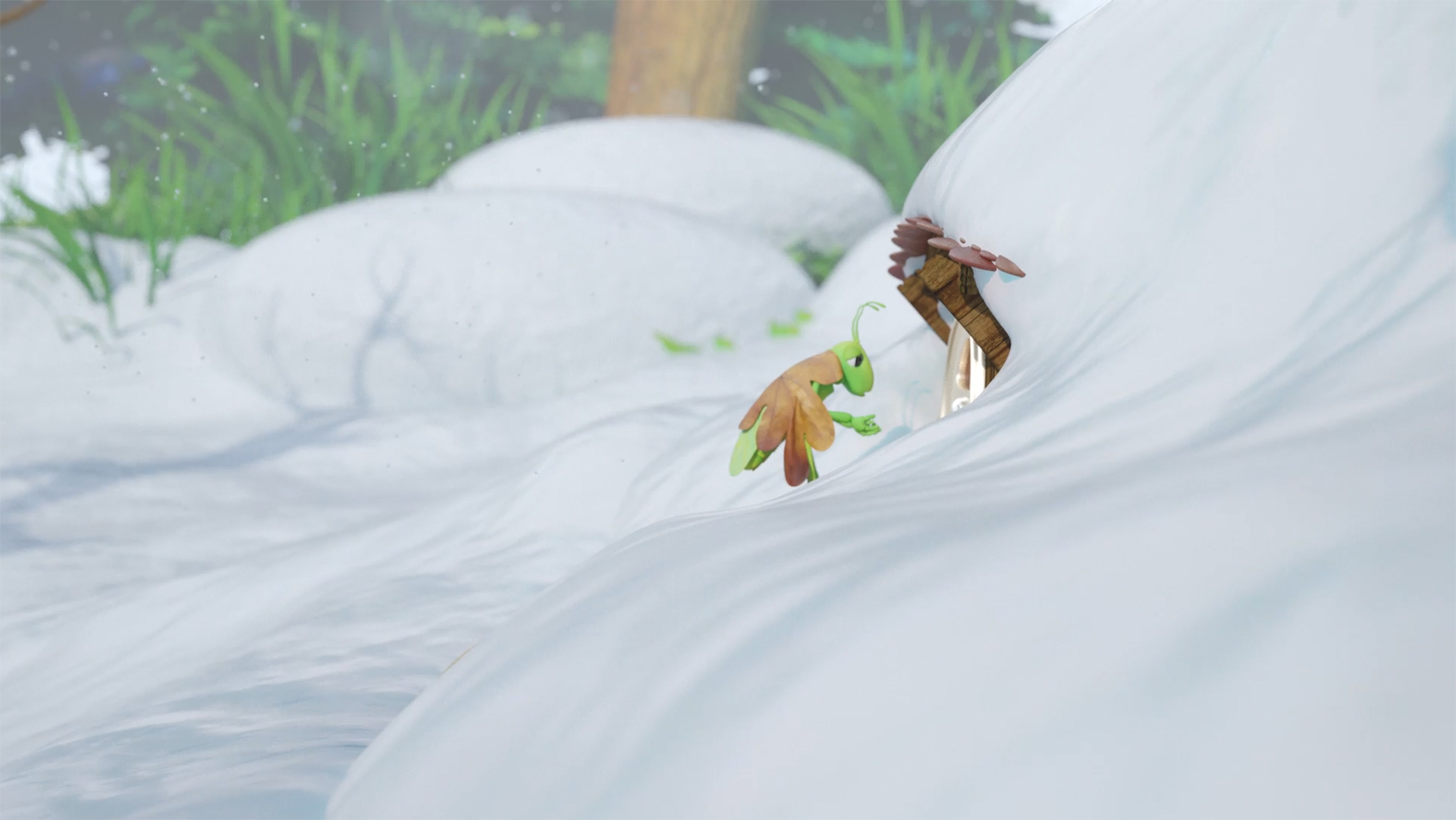
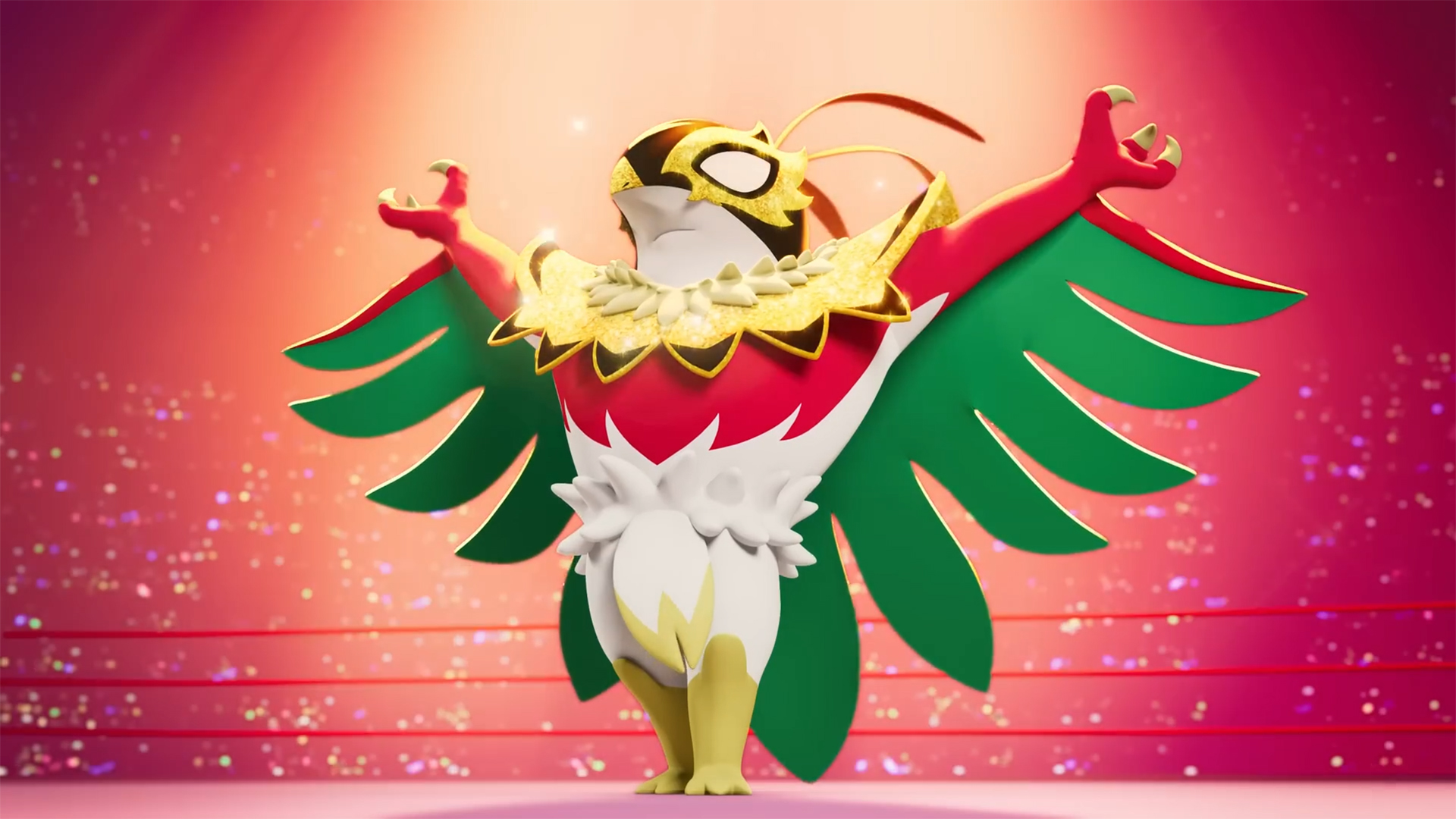
Image Credits
Moonbug Entertainment
Titmouse, Inc.
Robin Red Breast, Inc.
© 2025 Pokémon. © 1995–2025 Nintendo/Creatures Inc./GAME FREAK inc.
Popular
-

Portraits of the Valley
-

LA’s Most Inspiring Stories
-

Greg Hex Is Turning the Everyday Kitchen Knife Into a Modern Design Object
-

Rick Norris Learned That Building a Successful Business Means Building a Life You Actually Want to Live
-

How Olivia Rush Turned Survival Into a Mission to Help Others Keep Going
-

How Bibi Goldstein Is Helping Entrepreneurs Reclaim Their Time by Embracing the Power of Delegation


