




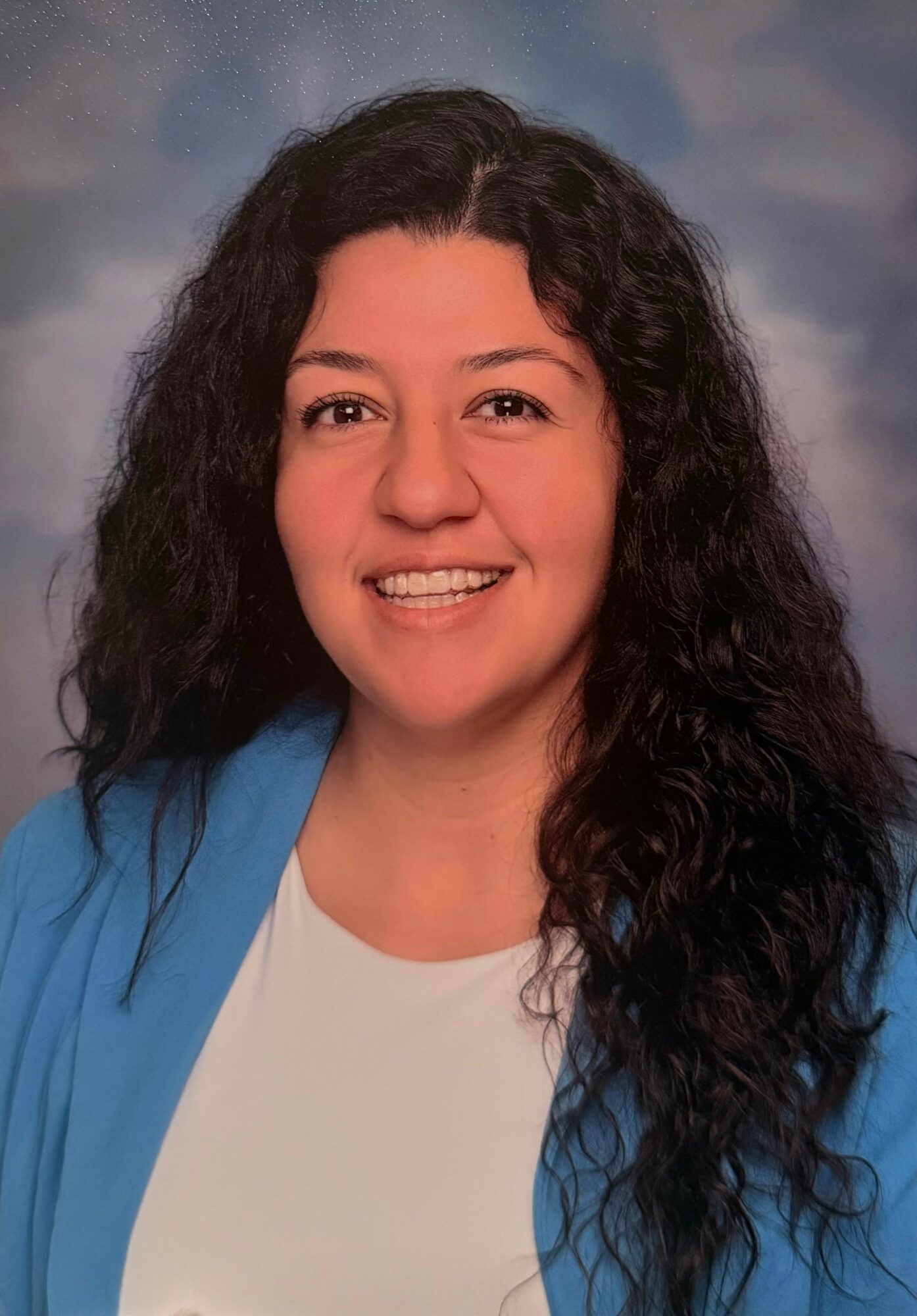
Today we’d like to introduce you to Maria Ramos.
Hi Maria, so excited to have you on the platform. So before we get into questions about your work-life, maybe you can bring our readers up to speed on your story and how you got to where you are today?
I’ve always been persistent and eager for more, and that attitude stems from how I was raised. Hard work has always been a core value in my family. I started working at Taco Bell in high school, and from an early age, I learned the importance of responsibility, consistency, and pushing myself even when things got tough.
Part of my journey that truly shaped who I am today is that I didn’t learn English until I was eight years old. Navigating school while learning a new language wasn’t easy, but it taught me resilience, adaptability, and the importance of not giving up on myself. That experience gave me a deeper understanding of what it feels like to struggle within a system that isn’t always built with you in mind, and it’s a big part of why I do the work I do today.
Growing up, I knew I wanted a meaningful career—something that would truly enable me to make a difference. That choice led me to the field of school psychology. Today, I work as a School Psychologist, supporting students in various settings and addressing their academic, mental, and social-emotional needs. At the same time, I am continuing my education and working toward my doctorate degree in Educational Psychology.
What drives me most is my passion for advocacy. I care deeply about standing up for those who might not have the ability or platform to advocate for themselves. I have a special place in my heart for children with disabilities, and I’m dedicated to helping create systems where they feel supported, understood, and given every chance to succeed.
Reflecting on my journey from learning English as a child, working in fast food as a teenager, to becoming a School Psychologist and pursuing a doctorate, has been shaped by persistence, growth, and a strong sense of purpose. And I truly believe this is just the beginning.
Would you say it’s been a smooth road, and if not what are some of the biggest challenges you’ve faced along the way?
It definitely hasn’t been an easy journey, and much of my growth has come from overcoming obstacles. One of the biggest challenges I faced was being in a relationship during the early years of my career, where I lacked support for my goals and ambitions. While working to establish myself professionally, that lack of backing made things even harder and, at times, discouraging.
It took a lot of self-reflection and strength to realize I deserved more. I ultimately chose myself, left that relationship, and committed fully to my personal and professional growth. That experience was tough, but it marked a turning point in my life. It taught me the importance of self-worth, setting boundaries, and surrounding myself with people who truly support and uplift me.
As a first-generation student, I didn’t always have clear guidance for navigating the professional world. There were many times when I had to figure things out on my own, which could feel overwhelming. Still, I’ve been lucky to meet incredible mentors, colleagues, and supporters who have helped guide me, encouraged me, and reminded me of my potential. Those relationships have played an important role in my journey and continue to inspire me.
Appreciate you sharing that. What else should we know about what you do?
I am a School Psychologist committed to supporting students with diverse needs, including academic, social, emotional, and behavioral challenges. I conduct thorough psycho-educational assessments, collaborate closely with teachers and families, and develop supports and interventions to help students succeed in school. I also dedicate much of my time consulting with teams and advocating for students to ensure they receive the services and opportunities they require.
I focus on working with students with disabilities, especially those who may struggle to have their needs fully understood or supported adequately. A key part of my work is making sure these students are not overlooked and that both their strengths and challenges are acknowledged.
What I’m most proud of is breaking generational barriers and becoming the kind of person who is truly independent. Pursuing higher education, building a career as a school psychologist, and continuing to earn my doctorate represent something bigger than just personal success. They reflect growth, sacrifice, and the ability to create new opportunities not only for myself but also for those who come after me. I’ve also learned the importance of self-love, choosing a path that genuinely fulfills me and aligns with what will keep me happy in the future. That journey is something I carry with great pride.
What differentiates me is my approach. I don’t just concentrate on data or the evaluation process; I focus on the entire child. I bring empathy, cultural awareness, and perseverance into my work. Thanks to my own experiences, I am especially sensitive to students who may feel invisible or misunderstood, and I prioritize advocating for them in a way that is both compassionate and effective.
I’m also growing in my field by pursuing my doctorate in Educational Psychology, which allows me to deepen my knowledge and broaden my impact both within schools and beyond.
At the heart of everything I do is a dedication to advocacy, equity, and ensuring every student has the chance to succeed.
What sort of changes are you expecting over the next 5-10 years?
I believe that over the next 5–10 years, there will be a significant shift in education focus toward prioritizing mental health and students’ overall well-being. The need is already clear as more students face anxiety, trauma, and emotional struggles, and schools are being asked to respond in unprecedented ways. Because of this, I think the role of School Psychologists will become even more vital.
Another major change will be the focus on early intervention and preventative support. Instead of waiting until students face significant difficulties, schools are beginning to prioritize identifying needs sooner and implementing systems to support students proactively. This includes increased social-emotional learning, universal screenings, and a stronger emphasis on developing students’ resilience and emotional intelligence.
I plan to continue progressing in this field and eventually become a professor, where I can assist in training and mentoring future School Psychologists. As a current intern supervisor, I already see how essential that role is. I strive to mentor my interns in a way that not only improves their skills but also deepens their ability to genuinely support students, especially as the demand for mental health services continues to grow.
Overall, I see the field becoming more proactive, collaborative, and focused on mental health and equity. It’s becoming a space where school psychologists not only assess students but also actively shape systems, mentor future professionals, and advocate for meaningful change in schools.


Popular
-

JordanL on ‘Breathe,’ Belief, and Building a Movement Beyond the Music
-

Megan Birney Rudert on How Access to Light Is Powering a More Sustainable and Equitable Future
-

Linda Kneidinger on Building Lasting Change Through Small Steps and Self-Compassion
-

Jolana Nika on Redefining Modern Connection Through Intentional, Real-Life Experiences
-

What did suffering teach you that success never could?
-

Who saw you clearly before you could see yourself?


