




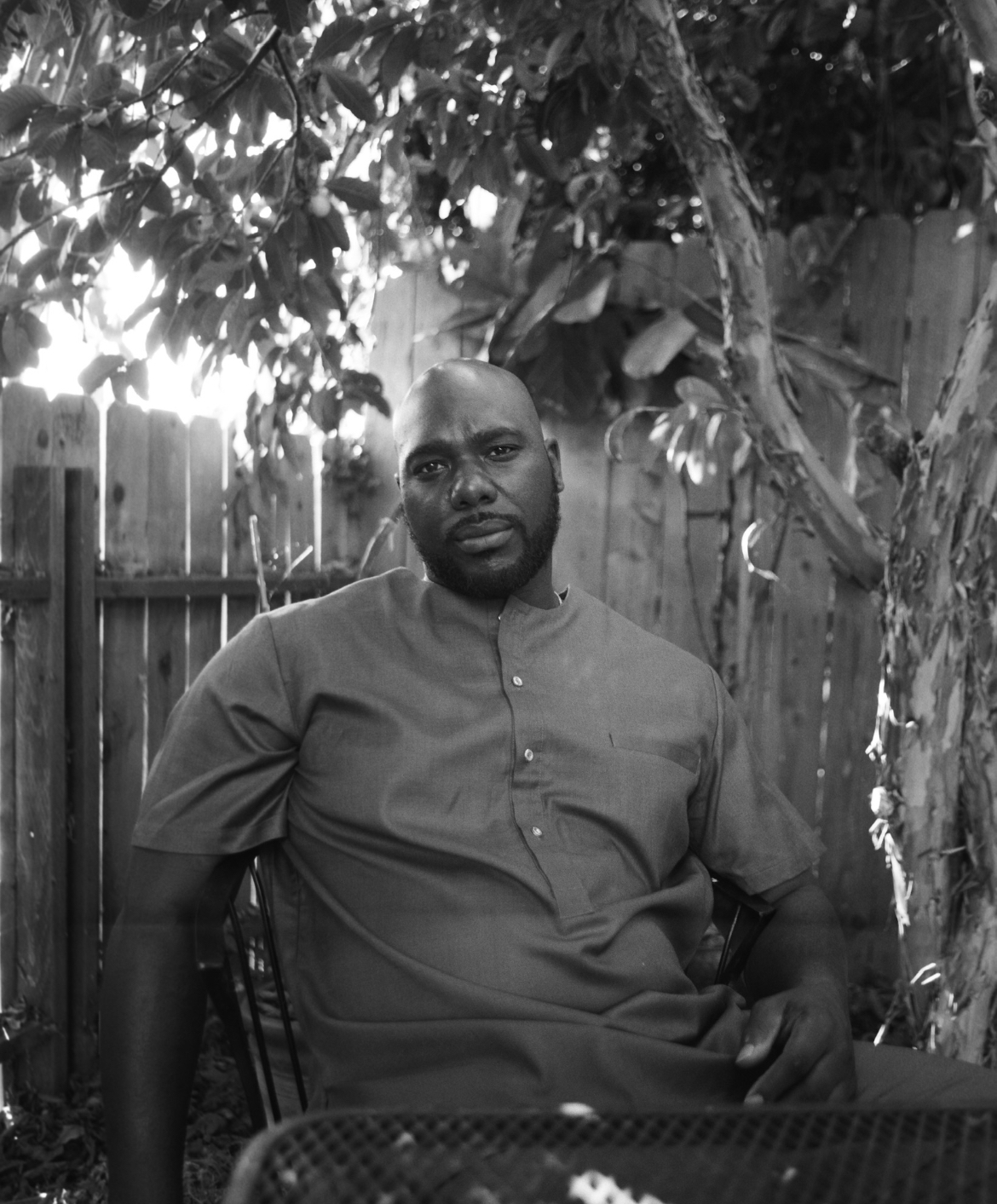
Today we’d like to introduce you to Kenneth Webb.
kenneth, we appreciate you taking the time to share your story with us today. Where does your story begin?
I’m Kenneth W. Webb, a multidisciplinary artist, educator, and community-engineer whose practice grew out of sixteen years spent behind bars. Born into the crack-era chaos of Los Angeles—where my family grappled with mass incarceration, substance abuse, gang life, and poverty—I found myself sentenced at seventeen to over fifty years. Rather than let confinement define me, I turned it into a crucible of creative discovery: I taught myself poetry as a way to speak, painting and sculpture to see, and dance and performance to move through my experience.
After my release, I brought that practice into the world. In my solo exhibition Hymns from the Cave, audiences literally shred and reconstruct my court transcripts, embodying the journey from confinement to creativity. I lead participatory murals and workshops inside correctional facilities, guiding incarcerated and formerly incarcerated artists to share their stories and spark healing. Across painting, sculpture, performance, public art, and film, I interrogate how systems of power repress, inspire revolution, and forge resilience.
Featured in The New York Times, LA Times, Frieze, and The Wende Museum, my work—driven by hip-hop’s rhythms of resistance—demands empathy, provokes dialogue, and models restorative justice. For me, art is never just reflection; it’s a blueprint for transformation.
Alright, so let’s dig a little deeper into the story – has it been an easy path overall and if not, what were the challenges you’ve had to overcome?
Not at all—it’s been a series of steep climbs and unexpected hurdles. In prison, every creative breakthrough came alongside intense self-doubt and scarcity. Teaching myself poetry, painting, and performance meant wrestling with limited materials, the constant risk that my work could be taken away, and the ever-present reminder of my conviction. Finding my voice was as much about perseverance as it was about inspiration.
Reentry was another mountain. Walking out of those gates, my body felt free but my spirit tethered to the past. Every glance—whether pity or suspicion—pressed on my chest, and simple tasks like paperwork, housing applications, or job searches became battles against the “ex-con” label. I realized the world outside had its own walls.
Even today, the struggles never fully vanish. I face moments of doubt when funding dries up, when an exhibition space feels governed by the cold impartiality of “high art,” or when carrying the weight of representing so many unheard voices threatens to overwhelm me. But each scar is a reminder of how far I’ve come—and each poem, painting, or performance is an act of resilience: standing up, brush or microphone in hand, to insist that our stories matter.
Appreciate you sharing that. What else should we know about what you do?
I’m a multidisciplinary artist, educator, and community-engineer whose practice spans painting, sculpture, performance, public art, and film. I specialize in translating lived experience—particularly around incarceration, systemic oppression, and resilience—into immersive, participatory works that bridge personal and collective narratives. You’ll often find me:
Creating immersive exhibitions (like Hymns from the Cave, where audiences literally shred and re-assemble my court transcripts) to invite dialogue around confinement and liberation
Leading socially engaged public art projects and workshops inside correctional facilities, empowering incarcerated and formerly incarcerated artists to share their stories
Building community-driven platforms through Webb of Relations, the CYBER initiative, and B.A.M.N. Networks—models that integrate art, education, entrepreneurship, and restorative justice
I’m known for fusing hip-hop’s rhythms of resistance with visual and performance-based storytelling, and for turning stark realities into textured, hopeful spaces for conversation and healing.
What I’m most proud of:
Transforming sixteen years behind bars into a launchpad for a thriving artistic career and community ecosystem
Mentoring and collaborating with over a hundred incarcerated artists to help them reclaim their voices
Seeing a participatory mural spark a policy discussion on restorative justice at the county level
What sets me apart:
My art is born from direct experience—every medium I use was self-taught under some of the harshest conditions, giving my work an authenticity that resonates with audiences and institutions alike
I couple creative practice with systems-thinking: my hub-and-spoke model (Small Circuit Economics) unites art, vocational training, and entrepreneurship to create sustainable, localized economies of care
I refuse the boundary between “art” and “advocacy”—for me, a painting, performance, or film is always a strategic intervention in the conversation around justice and healing.
How do you define success?
I define success not by awards or accolades, but by how deeply I’m connected—to the people around me, to the communities I serve, and to the environments that shape us all. Success for me means tuning in: listening to the stories, struggles, and dreams that live in every corner of my world—whether that’s inside a prison workshop, on a city block, or within myself—and then lifting those voices through my art and actions. When something I create catalyzes a conversation, fosters empathy, or helps someone feel seen and heard, I know I’ve succeeded. Ultimately, success is the web of relationships and shared understanding I build—and nurture—where every strand carries a message of resilience, hope, and collective transformation.
Contact Info:
- Website: https://www.humagallery.com/kenneth-webb-exhibition-page
- Instagram: @in_the_Webb
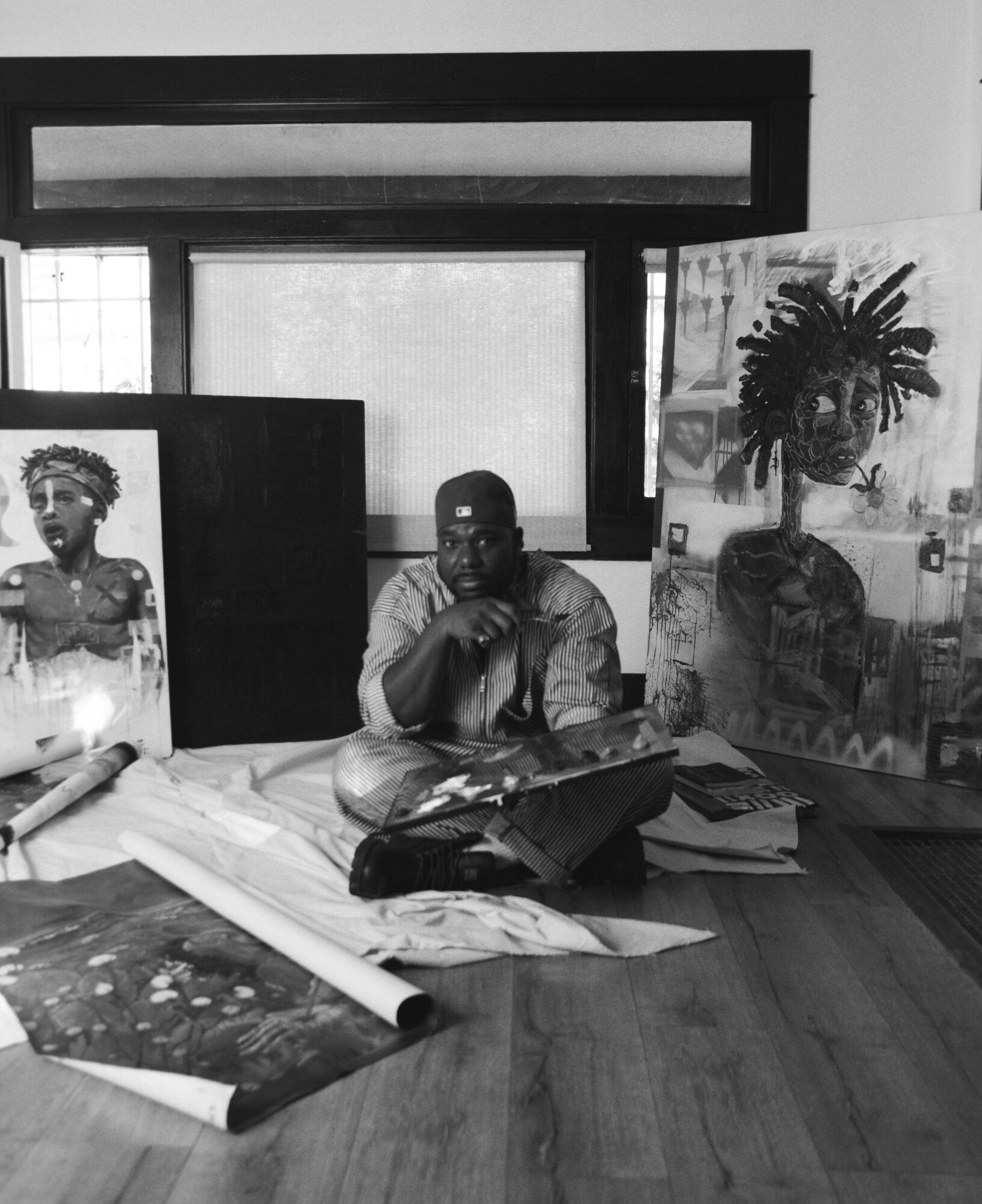
Image Credits
Hanna Thacher
Popular
-
JordanL on ‘Breathe,’ Belief, and Building a Movement Beyond the Music
-
Megan Birney Rudert on How Access to Light Is Powering a More Sustainable and Equitable Future
-

Linda Kneidinger on Building Lasting Change Through Small Steps and Self-Compassion
-

Jolana Nika on Redefining Modern Connection Through Intentional, Real-Life Experiences
-
What did suffering teach you that success never could?
-
Who saw you clearly before you could see yourself?


