





Today we’d like to introduce you to Justin Paperny.
Hi Justin, it’s an honor to have you on the platform. Thanks for taking the time to share your story with us – to start maybe you can share some of your backstory with our readers?
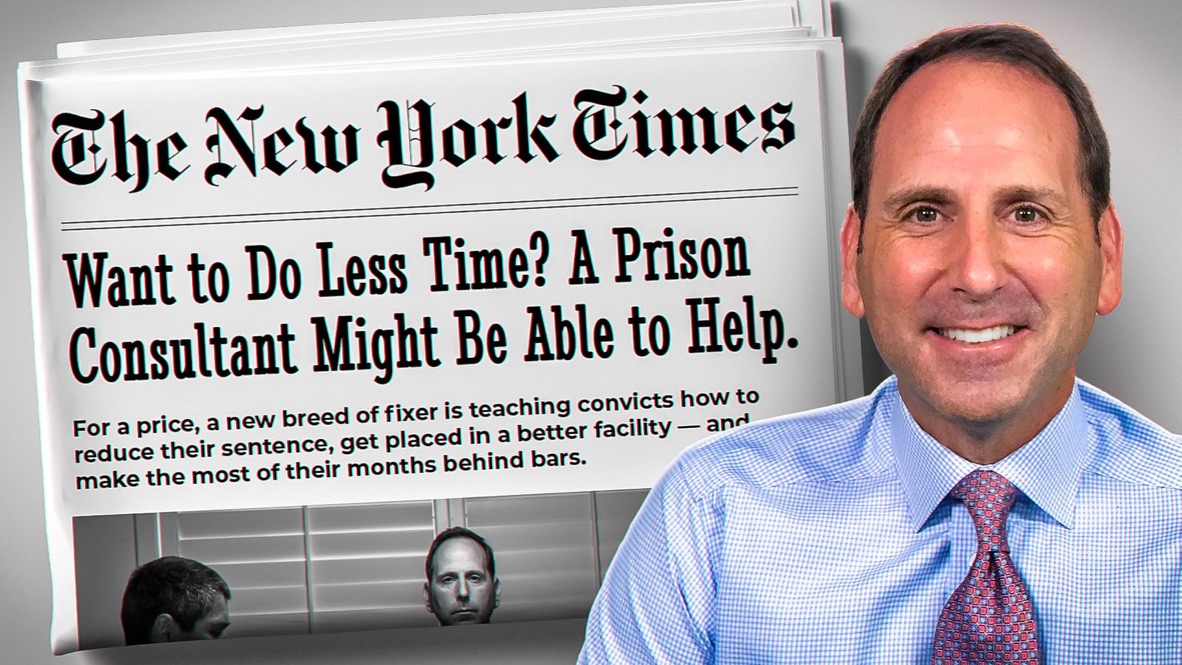
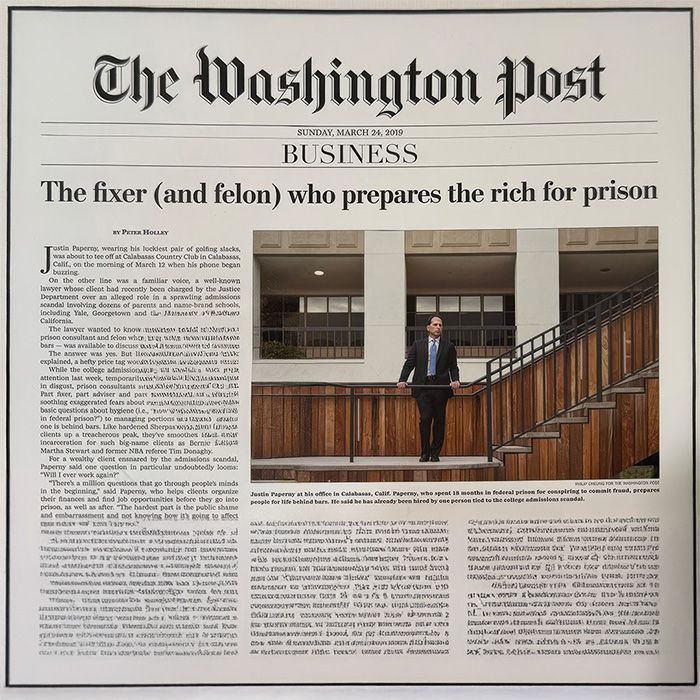
When I saw United States of America v. Justin Matthew Paperny, I needed the service I now lead. I graduated from USC in 1997, then built a career as a stockbroker. Bad decisions several years into my career led to a government investigation. Poor planning during my three years as a defendant led to a longer sentence. In 2008, I reported to Taft Federal Prison Camp for 18 months.
While incarcerated, I wrote my first book, Lessons From Prison. After my release in 2009, I walked into law offices carrying copies, asking for an opportunity to help people facing what I had just been through.
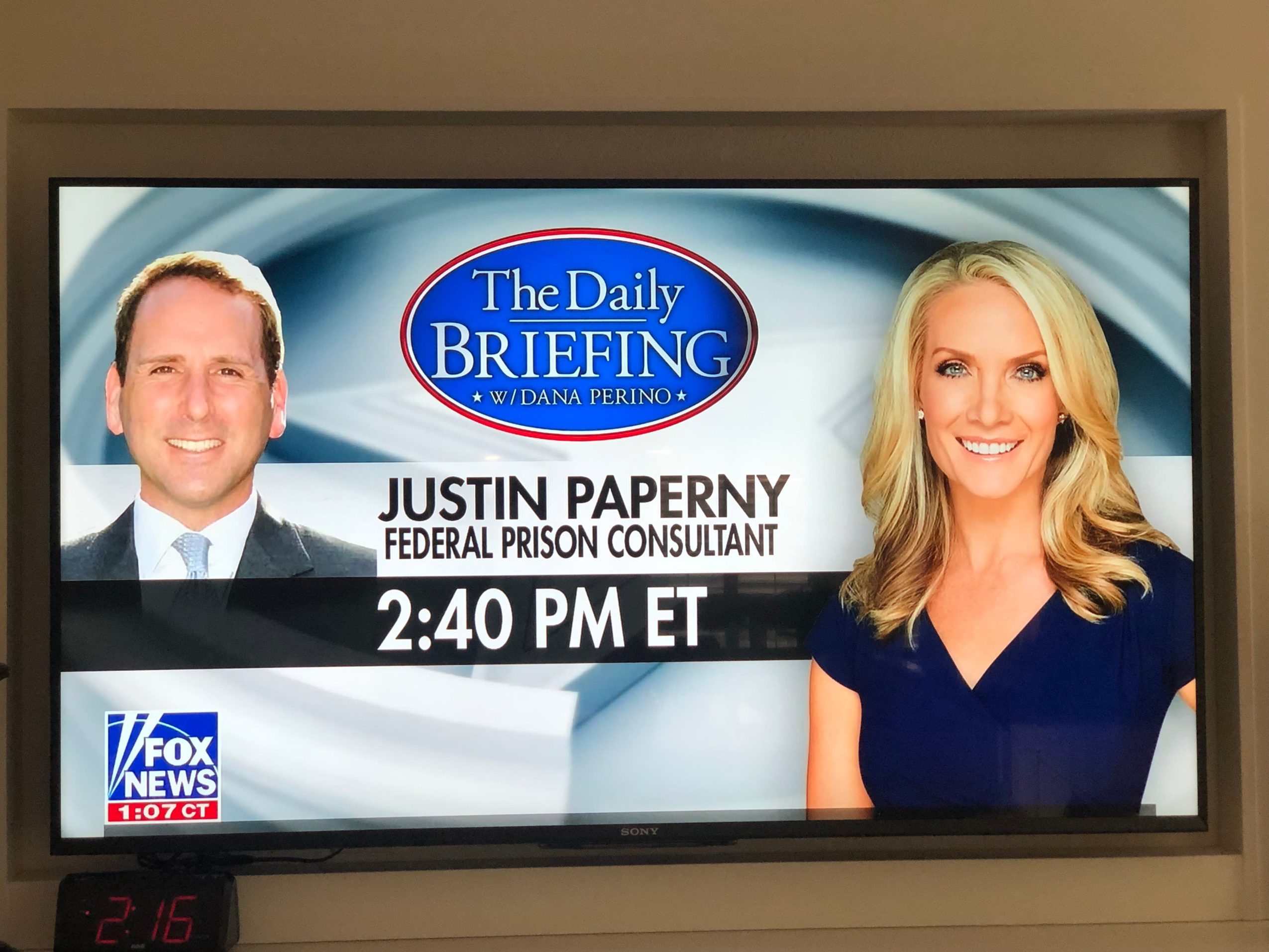
Since then, I’ve led White Collar Advice. Our team helps people facing criminal and civil investigations, including those who maintain their innocence. We work alongside their lawyers at every stage, from the first contact with the government through trial or resolution, sentencing, prison, and life afterward.
We can’t change the past or predict the future. We help people build a documented record that goes beyond the promises judges and prosecutors hear every day. The earlier that work begins, the more time we have.
Seventeen years of working with thousands of defendants has kept me focused on something I didn’t consider enough during my own case: how to keep a government investigation from defining the rest of your life.
Alright, so let’s dig a little deeper into the story – has it been an easy path overall and if not, what were the challenges you’ve had to overcome?
Like many people who come to White Collar Advice in crisis, my first challenge was trying to get a shorter sentence. Then it was getting through prison and trying to get home. I gave far less thought to the financial, reputational, and career consequences that would follow me after release.
Hardly a day passes without someone reaching out about those consequences, the emotional turmoil, and the stress on their family. They’re facing questions I had to answer: How do I earn a living when I can’t return to my career? How do I explain my conviction? Why would someone trust me or hire me?
Clichés don’t overcome these challenges. I had to face the obstacles and create a plan. That meant finding another use for my education and experience, learning to tell my story, and fully accepting responsibility for breaking the law.
It also meant acknowledging that people have their own interests. Someone considering working with me needed to understand how my experience could benefit them. I had to show how going through the system—and the work I did afterward—made me a better candidate for the opportunity I was asking for.
That’s a challenge many people in our community face. They want a shorter sentence or an earlier release, as I did. They also need to learn how to tell their story so someone can see their experience as an asset. My sentence ended in 2009. I’m still using what I learned to overcome the consequences of my conviction.
Personally, there are also the consequences my family continues to endure because of my criminal conduct. Hardly a day passes without me recognizing that. I’m always working to prove worthy of their love and support.
We spend so much time talking about what happens to the defendant. In my experience, this is harder on the people who love and support you. They didn’t make the decisions, but they live with the consequences, too.
Appreciate you sharing that. What should we know about White Collar Advice?
White Collar Advice is a boutique crisis management firm. We work with executives and professionals facing the government for the first time. Most have never been in a courtroom or spoken with a federal agent. They don’t know what to say, what to do, or whom to trust.
People hire our team because they want to invest in themselves. They want to understand how the system works and learn how to engineer a better outcome, drawing on seventeen years of experience guiding thousands of people through this process. Together, we build what doesn’t yet exist: a personal narrative, a book, a blog, a course, a release plan. Each asset becomes part of a record they keep developing as the case moves forward and after it ends. We will never ask someone to do what we haven’t done and documented ourselves.
White Collar Advice funds Prison Professors Charitable Corporation, a nonprofit whose work reaches every Bureau of Prisons facility. You don’t have to hire our team to learn from us. Both organizations offer free resources, including books, courses, and lesson plans. Anyone can also join the White Collar Advice community for interviews with federal judges, wardens, probation officers, and other experts.
Can you talk to us a bit about the role of luck?
I do not believe in luck.
Contact Info:
- Website: https://www.whitecollaradvice.com/
- Instagram: https://www.instagram.com/whitecollaradviceteam/
- LinkedIn: https://www.linkedin.com/in/justinpaperny
- Twitter: https://x.com/WCAJustinP
- Youtube: https://www.youtube.com/@WhiteCollarAdviceOfficial/featured
Popular
-

Portraits of the Valley
-

LA’s Most Inspiring Stories
-

Greg Hex Is Turning the Everyday Kitchen Knife Into a Modern Design Object
-

Rick Norris Learned That Building a Successful Business Means Building a Life You Actually Want to Live
-

How Olivia Rush Turned Survival Into a Mission to Help Others Keep Going
-

How Bibi Goldstein Is Helping Entrepreneurs Reclaim Their Time by Embracing the Power of Delegation


