




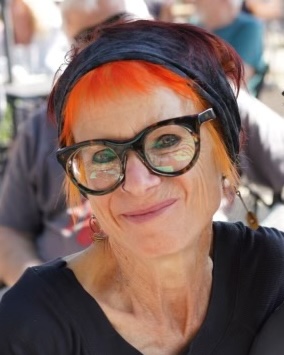
Today we’d like to introduce you to Julie Thompson-dobkin
Hi Julie, it’s an honor to have you on the platform. Thanks for taking the time to share your story with us – to start maybe you can share some of your backstory with our readers?
My story began over twenty years ago. At that time, I was a practicing neurologist with two young sons. One fateful night, during family mealtime, my son began wandering aimlessly. Instantly, I switched into neurologist mode, attempting to speak to him while conducting a cursory exam. My mind was algorithmically formulating a differential diagnosis. At the top of the list: focal impaired awareness seizure. What was hidden inside, inciting this was unknown and consumed me with fear.
As time passed, and the seizures came under control, the broader realities of epilepsy became readily apparent. Treating the seizures was just one aspect of the condition. Far more challenging were the psychosocial issues that went largely unaddressed—the fear, stigma, sense of isolation, loss of independence, the impact on family dynamics and personal relationships.
A novice artist with a deep interest in the concept of creativity, I was drawn to the work of Dr. Schachter at Harvard, who studied art created by individuals with epilepsy. After hearing him speak, my journey began to unfold. I realized I could use art as a creative narrative to share the realities of epilepsy—to story tell, to help build back agency for people with epilepsy and their families, to educate the public, and to combat labeling and stigma. My mission was clear: to demystify epilepsy and make it speakable. Above all it was to empower the individual impacted to have a voice and reclaim their identity.
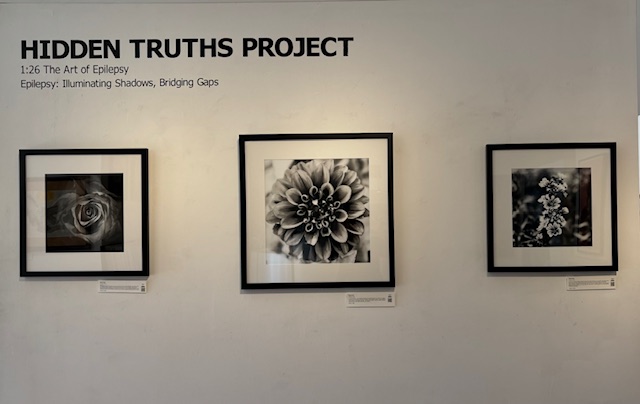
And so, the Hidden Truths Project was born. Art used to engage and empower people with epilepsy and educate the public.
I’m sure it wasn’t obstacle-free, but would you say the journey has been fairly smooth so far?
The road of being a working mother with a child living with a hidden disability fraught with endless unknowns is never easy. Add to that the challenge of starting a nonprofit from the ground up, with no prior experience, and it becomes even more daunting. This is especially true when the disability is something as misunderstood as epilepsy, an often invisible condition that most people know little about and that remains shrouded in mystery.
The general public’s knowledge of epilepsy is typically shaped by sensationalized portrayals in films, social media, and literature. People tend to view epilepsy through a narrow lens, where it is associated only with dramatic, visible seizures, and not with the wide variety of syndromes and manifestations the condition encompasses. Most people fear what they don’t understand, and that is why epilepsy has long been called a “hidden disability.” Despite the fact that most individuals with epilepsy can lead normal lives, the moment it is shared, it often elicits fear and misunderstanding.
Running a nonprofit is, at its core, much like running any business it’s governed by rules, regulations, and the constant pressure to stay sustainable. As a small, volunteer-driven organization, we constantly face the challenge of securing funding to continue our work. Competing against larger, for profit and nonprofit organizations for the same limited resources is an ongoing struggle.
Perhaps the greatest challenge we face is advocating for the arts as a vital tool for engagement, empowerment, and education. Often viewed as secondary to more “pragmatic” approaches, the arts have a unique power to transform lives through creativity and storytelling. While qualitative data is crucial to demonstrate the impact of our work on individuals with epilepsy, it remains a constant struggle. Our commitment goes beyond serving those living with epilepsy, we aim to shift public perception and create spaces for meaningful dialogue, understanding, and connection.
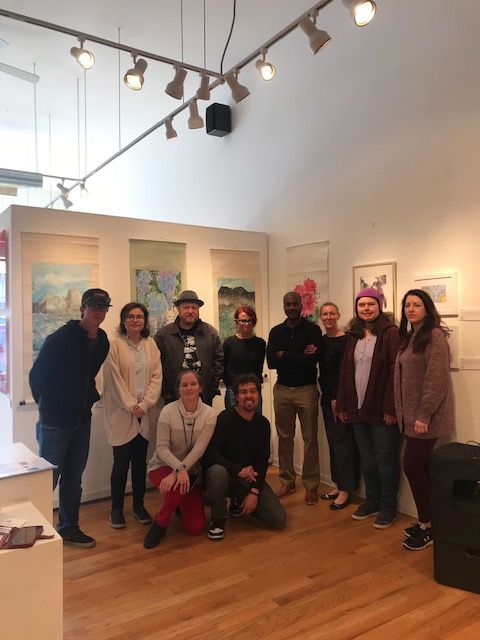
In our efforts to broaden the scope and inclusivity of our work, we’ve developed new programming, including film series, well-being forums, an empowerment scholarship program, and our signature national art exhibits. However, these initiatives are still constrained by limited resources and funding.
Thanks for sharing that. So, maybe next you can tell us a bit more about your work?
A board-certified neurologist based in San Francisco. My academic career included serving as an Assistant Professor in the Department of Neurology at the University of Pittsburgh and as clinical teaching staff at Washington University in St. Louis. After leaving academia, much of my work was dedicated her work to providing neurological care for the indigent and uninsured populations of Orange County, California, serving as a consultant at Share Our Selves Medical Clinic.
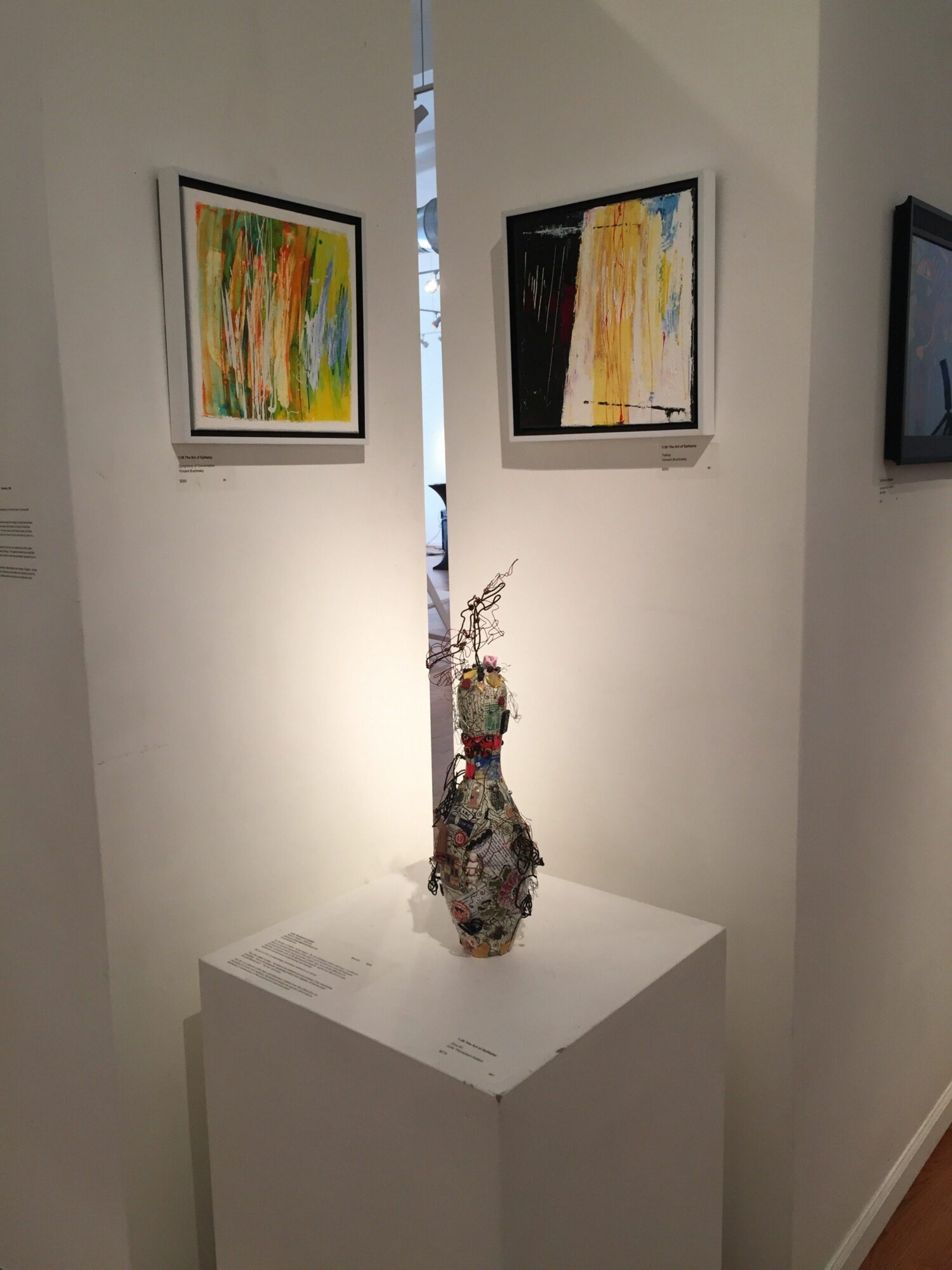
Beyond clinical practice, I have been deeply committed to addressing the quality of life issues facing individuals with chronic illness, poverty, and housing insecurity. This passion led me to found the Hidden Truths Project (HTP) in 2012, an initiative that utilizes the arts to empower individuals impacted by both visible and invisible disabilities.
My interests in the intersection of health and the arts led me to join the National Organization for Arts in Health, an organization focused on advancing the understanding and application of the arts as a vital component of holistic healthcare practices. I am a strong advocate for a future where the arts are recognized as an essential element in promoting overall health and well-being.
With a passion for social justice, I was actively involved in the Inclusion Council at Newport Harbor High School, addressing issues related to racial, gender identity, and socio-economic injustice. Prior to moving to San Francisco, I served as a Board member for the Someone Cares Soup Kitchen and Tutoring Program. Currently, I volunteer at St. Anthony’s Foundation in San Francisco’s Tenderloin District, where I support the homeless and elderly facing food insecurity.
Based on my work in the arts and epilepsy, I was invited to serve as the Cover Editor for Epilepsy & Behavior in 2020 and to participate in the Elsevier Reviews Platform.
We’d be interested to hear your thoughts on luck and what role, if any, you feel it’s played for you?
The role of luck in my work and in the nonprofit world is something I often question. I don’t see it as luck so much as the result of hard work and the willingness to put myself in uncomfortable situations. In many ways, I could be defined by the concept of the “introvert-extrovert,” which has made it challenging at times to balance my internal doubts with the external demands of visibility and advocacy. To succeed, I was often forced to make my presence known, whether to justify this work or to ask for funding both of which fueled moments of self-questioning. However, along this journey, I’ve been incredibly fortunate to meet extraordinary people, generous mentors who guided me early on, and later, passionate individuals whose commitment matched my own. These connections have made the journey truly worthwhile.
Contact Info:
- Website: https://hiddentruthsproject.com/
- Instagram: @hiddentruthsproject
- Facebook: https://www.facebook.com/people/Hidden-Truths-Project/
- Twitter: HiddenTruthsProject@EpilepsyArt
- Youtube: https://www.youtube.com/@hiddentruthsproject
Popular
-

Christina Wren Steps Into the Director’s Chair to Tell Stories That Feel Like Home
-

Portraits of the Valley
-

LA’s Most Inspiring Stories
-

JordanL on ‘Breathe,’ Belief, and Building a Movement Beyond the Music
-
Megan Birney Rudert on How Access to Light Is Powering a More Sustainable and Equitable Future
-

Linda Kneidinger on Building Lasting Change Through Small Steps and Self-Compassion


