




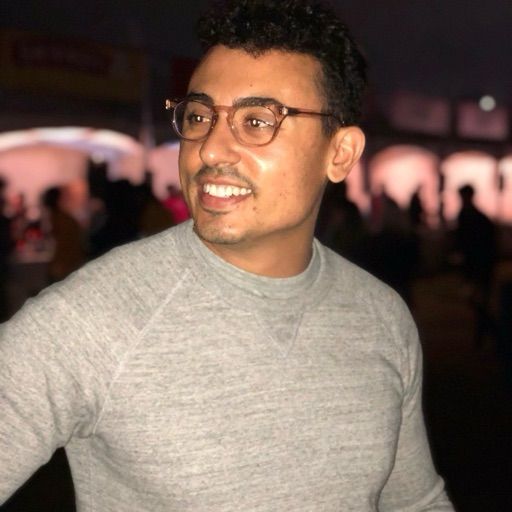
Today we’d like to introduce you to Josh Zingerman.
Alright, so thank you so much for sharing your story and insight with our readers. To kick things off, can you tell us a bit about how you got started?
I’ve been telling stories for as long as I can remember. As a kid, I was always drawing—coming up with characters and worlds from my imagination. A lot of that came from the movies my mom showed me early on like silent movies and classic epics. My version of Sesame Street was Charlie Chaplin and The Ten Commandments.
I’m a mixed race kid—my mom is Black and Dutch, and my dad was Russian Jewish. I was born in LA, but I grew up between Holland and Russia because of my dad’s work. It was a pretty unusual childhood—going back and forth between quiet countryside in the Netherlands and colder, more intense environments in Russia. I spent time in forests, around animals, windmills, trains… it all stuck with me in a weird, visual way. At the same time, because of my dad’s work, there were moments that felt a lot more guarded and surreal. I think that contrast shaped how I see the world and the kinds of stories I’m drawn to.
When I was 12, my dad passed away suddenly. That was a huge turning point for me. I didn’t really know how to process it, so I buried myself in drawing and storytelling. It became the one place I could put everything. As I got older, I became obsessed with comics and movies and anime—reading edgy superhero comics like Spawn and Ghost Rider, as well as the classics like Spider-Man, Superman, Batman, and then movies like Blade, The Matrix, Blade Runner, Lord of the Rings, and anime like Vampire Hunter D, Ghost in the Shell, Trigun, Cowboy Bebop, Ninja Scroll… the list goes on. I knew I wanted to direct, but I never stopped drawing. I went to USC for film and started storyboarding for friends’ projects, but after graduating I felt stuck and unsure of my path for a while.
I ended up traveling to Peru, where I had my first experience with ayahuasca, which ended up being a huge mental and spiritual reset for me. It forced me to get honest with myself about what I actually wanted to do. I realized I had this ability with drawing that I hadn’t fully committed to, so I applied to the Kubert School to study comics. That ended up being one of the best decisions I’ve made.
After that, I came back to LA and started working as a freelance artist—storyboarding on the Star Wars Battlefront games, for commercial brands like Mattel and Lego, and other smaller indie projects. But easily my biggest break was getting to work personally with Kobe Bryant on a multimedia IP he was developing after Dear Basketball, which was pretty surreal (but sadly never came to fruition due to his passing). From there I eventually moved to Atlanta where I dove headlong into animation, worked on shows like Archer and Hit-Monkey (where I led the storyboarding team), and eventually came back to LA, where I’ve continued working for majors studios like Sony, Nickelodeon, Netflix, Titmouse, Powerhouse, and Warner Bros.
At the end of the day though, I don’t really see myself as just a storyboard artist. That’s the craft I’ve built my career on, but the throughline for me has always been visualstorytelling. Right now I’m developing my own original projects, with the goal of eventually directing and creating my own films.
I’m sure it wasn’t obstacle-free, but would you say the journey has been fairly smooth so far?
It definitely hasn’t been a smooth road.
Losing my dad when I was 12 was the first major disruption in my life. It forced me to grow up quickly, but it also left me without a clear sense of direction for a long time. Art and storytelling became a way to process things, but it still took years before I treated it like something I could actually pursue seriously.
After USC, I hit a stretch where I was stuck. I knew I wanted to direct, but I wasn’t moving with any real intention. I was close enough to see the path, but not committed enough to take it, which was frustrating and honestly pretty paralyzing.
More recently, the challenge has shifted. The industry itself has become a lot more unstable. Jobs are harder to come by, timelines are tighter, and there’s a growing pressure from AI and cost-cutting that’s changing how studios operate. Even people who are established are feeling that. There’s less margin for error, and fewer clear paths in.
What that’s forced me to do is stay sharp and stay intentional. You can’t coast in this industry. You have to keep improving, keep building relationships, and keep developing your own voice at the same time. It’s a constant balance between doing the work that’s in front of you and making sure you’re not losing sight of where you actually want to go.
I think that’s the real challenge—this isn’t a stable career path, it’s something you have to keep choosing over and over again. And if you’re going to stay in it, you have to be willing to fight for it and keep pushing toward the next thing.
As you know, we’re big fans of you and your work. For our readers who might not be as familiar what can you tell them about what you do?
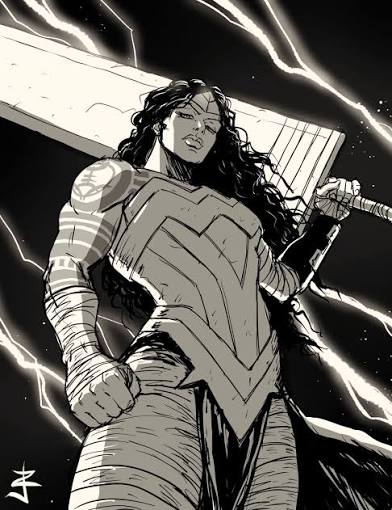
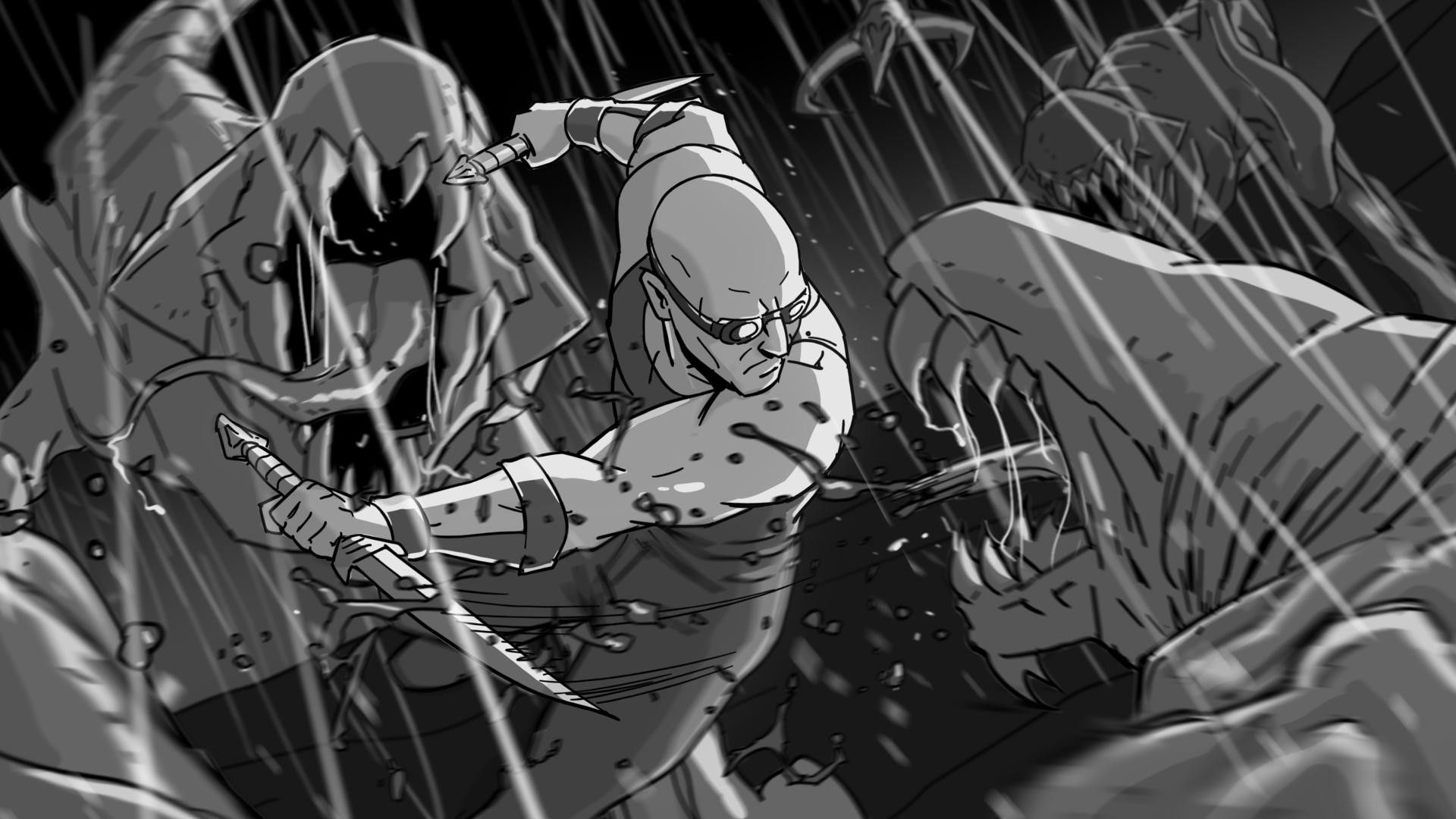
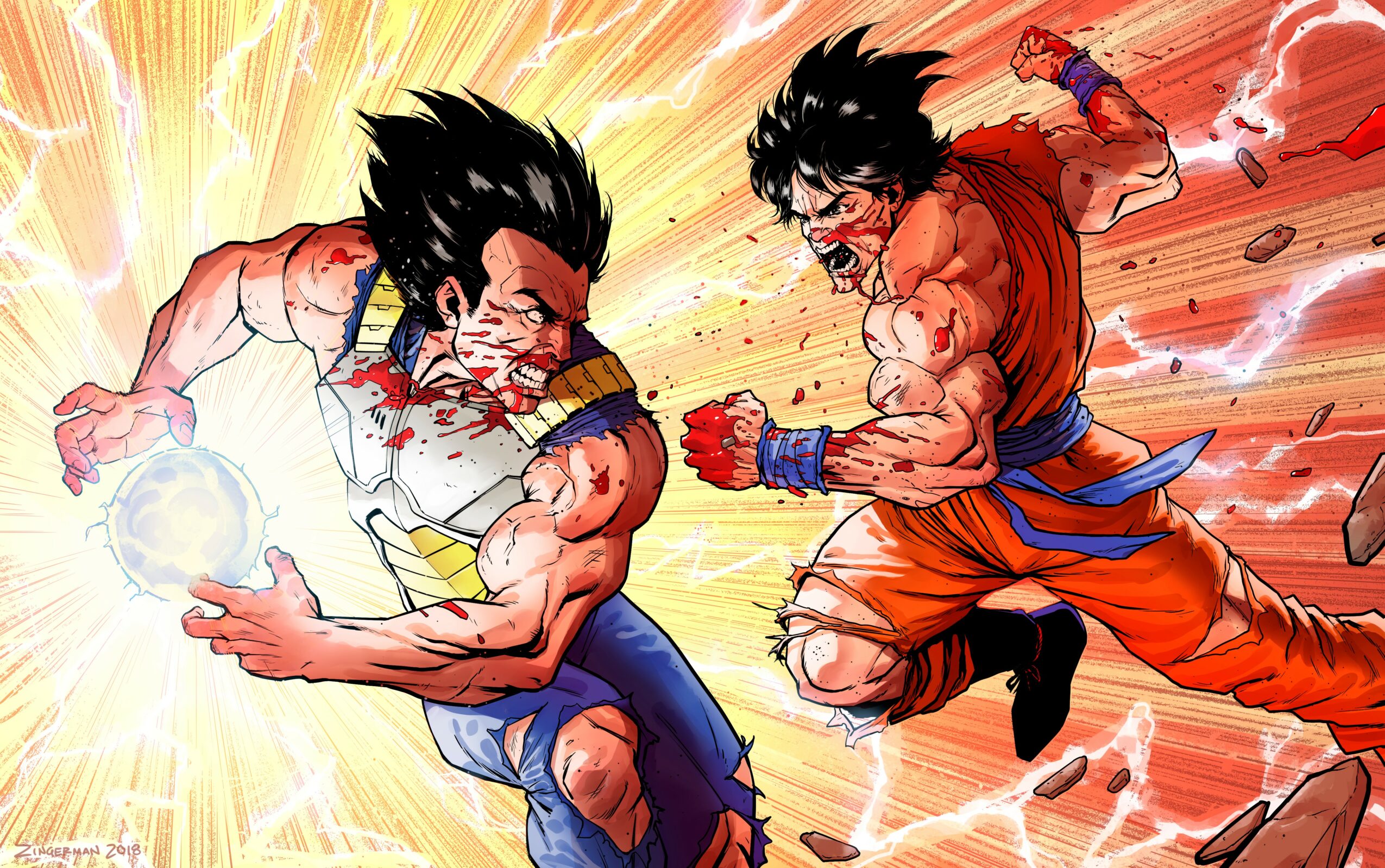
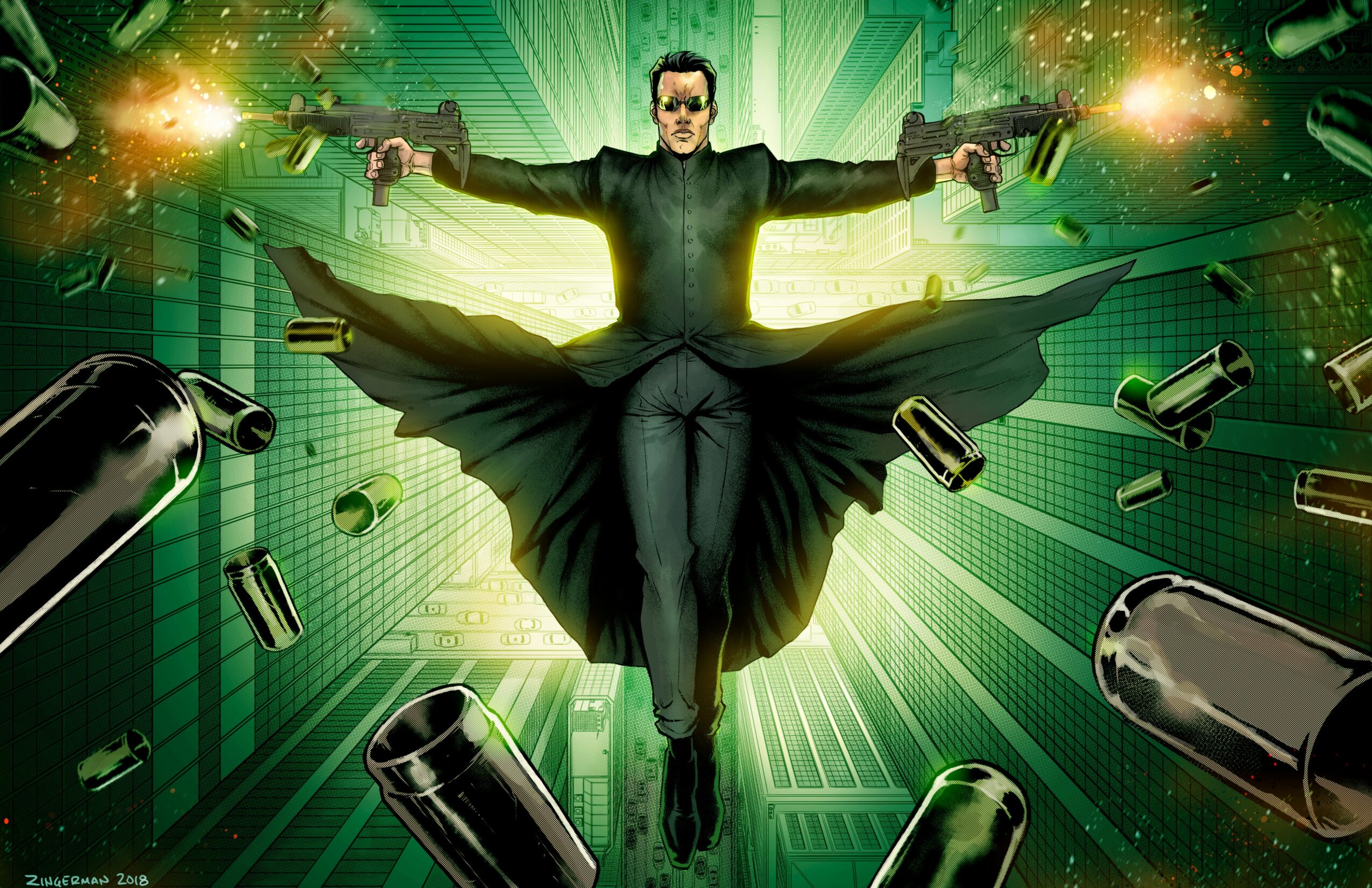
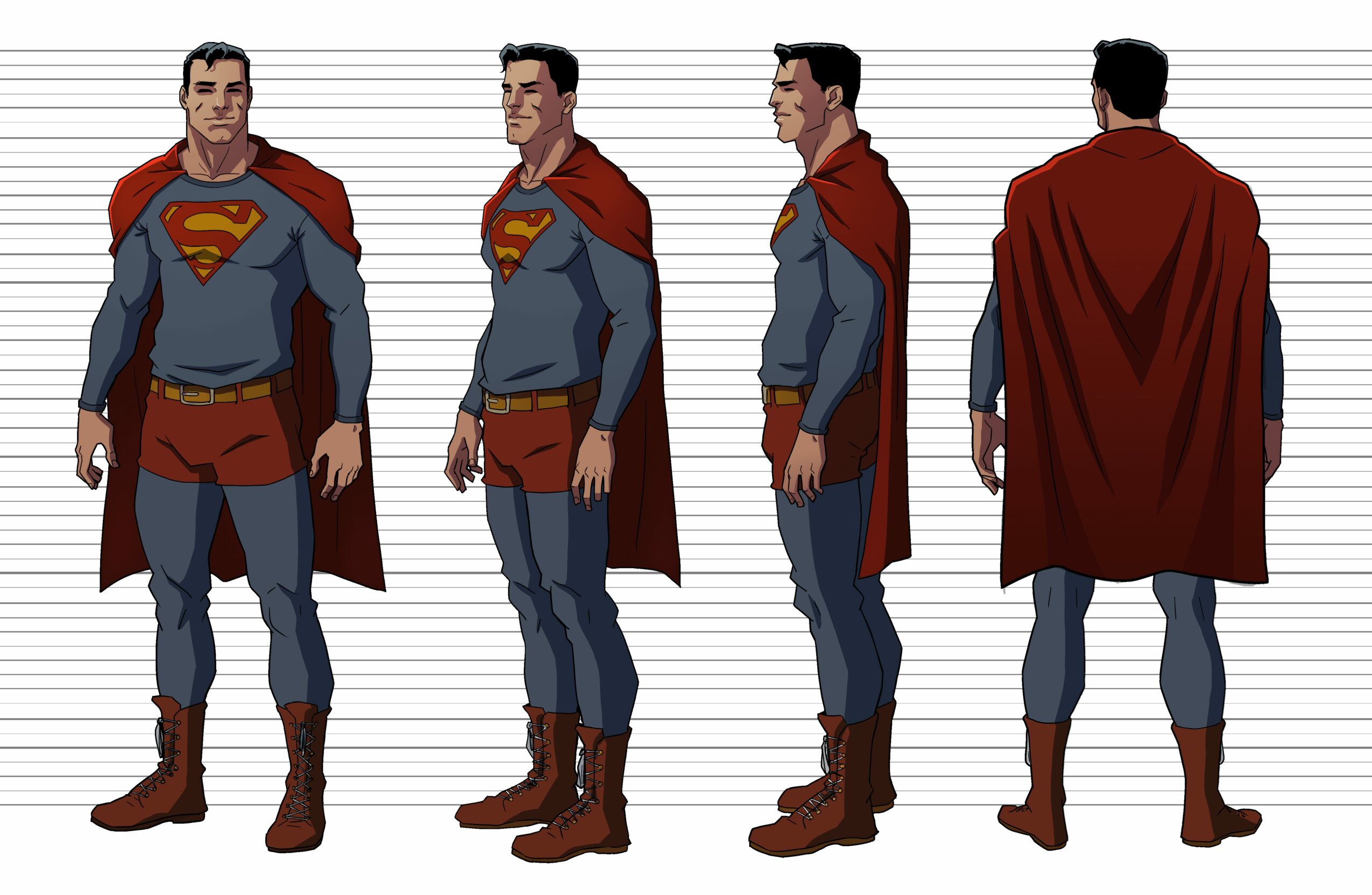
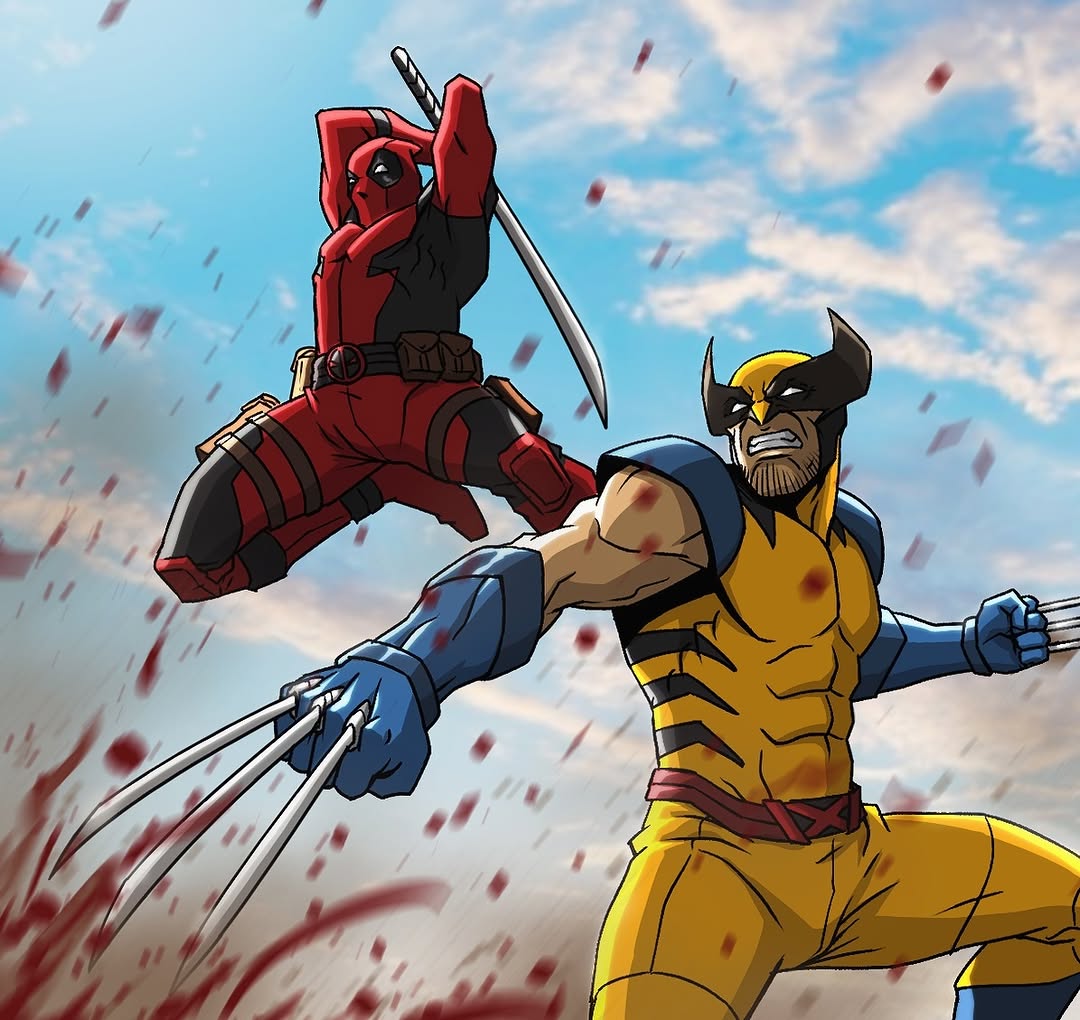
I’m a storyboard artist who has worked across animation, live action, and video games. I tend to gravitate toward cinematic, action-heavy, and character-driven stories, and my favorite genres are sci-fi, fantasy, and superheroes. I’m known most for my work on Harley Quinn, Mighty Nein, Hit-Monkey, and am currently boarding on the upcoming 2nd season of Creature Commandoes. What I’m most proud of is the range I’ve been able to build—moving between different styles and mediums while still keeping a strong cinematic sensibility. Whether it’s grounded or more stylized, I try to make sure all my work feels intentional, clear, and driven by story and character. What sets me apart is that I approach storyboarding like a director. I’m not just thinking about coverage or composition—I’m thinking about what the scene is really about and how to make the audience feel it. That perspective has allowed me to contribute beyond just the drawings and collaborate more closely on shaping the story itself.
In terms of your work and the industry, what are some of the changes you are expecting to see over the next five to ten years?
I think the industry is in a pretty big and honestly scary transition right now. There’s a lot of uncertainty—AI is advancing quickly, studios are consolidating, entry-level jobs are shrinking, and parts of the pipeline are already being replaced. That’s a real shift, and it’s affecting not just how we work, but how creativity itself is valued.
At the same time, I don’t think human creativity is something you can eliminate. Studios may chase efficiency and short-term profit, but storytelling is ultimately about human perspective, and that doesn’t come from a machine. What we’re seeing feels less like the end and more like the breakdown of an old model.
Because of that, I think the next 5–10 years are going to bring a rise in independent animation—smaller teams, creator-driven projects, and new platforms. The barrier to entry is lowering in some ways, even as the industry gets more competitive. We’re already seeing it in other spaces, and I think animation is heading in that direction.
For artists, it means you can’t rely on one lane anymore. You have to be adaptable, understand story, and bring a clear voice. AI can be a tool, but it shouldn’t replace the core of what makes this medium meaningful.
So while there’s a lot of disruption right now, I’m still optimistic. I think we’re heading toward a landscape where the studio system evolves, and at the same time a new wave of independent creators emerges. The real question isn’t whether the industry changes—it’s whether we continue to value human storytelling. I think we will.
Contact Info:
- Website: https://www.joshzingerman.com
- Instagram: https://www.instagram.com/joshzingerman/
- LinkedIn: https://www.linkedin.com/in/josh-zingerman-73a76595
Popular
-

Portraits of the Valley
-

LA’s Most Inspiring Stories
-
JordanL on ‘Breathe,’ Belief, and Building a Movement Beyond the Music
-
Megan Birney Rudert on How Access to Light Is Powering a More Sustainable and Equitable Future
-
Linda Kneidinger on Building Lasting Change Through Small Steps and Self-Compassion
-

Jolana Nika on Redefining Modern Connection Through Intentional, Real-Life Experiences


