




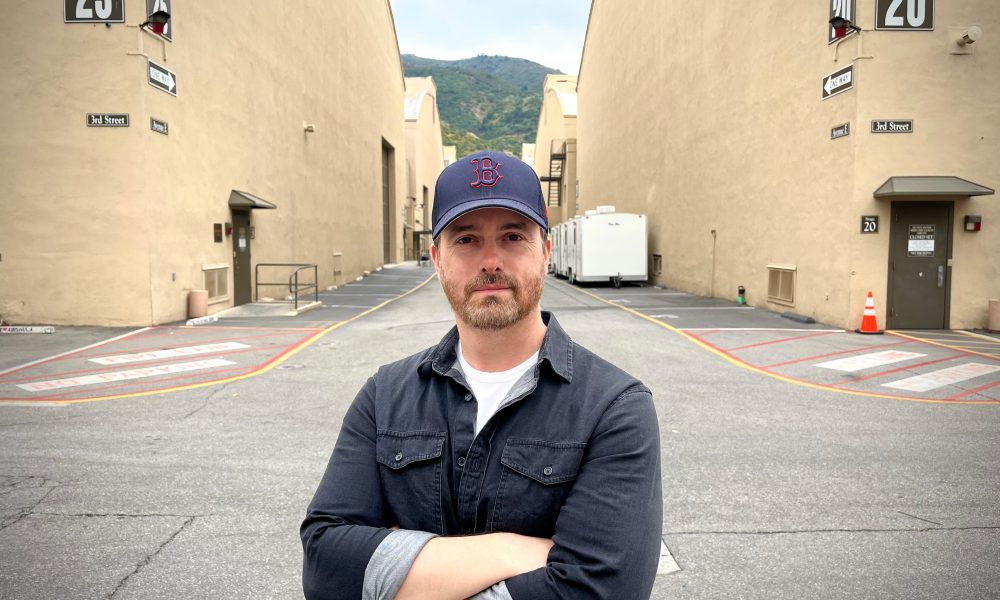
Today we’d like to introduce you to Jonathan Salemi.
Hi Jonathan, we’re thrilled to have a chance to learn your story today. So, before we get into specifics, maybe you can briefly walk us through how you got to where you are today?
My journey started in Boston, Massachusetts, six months after I graduated from college when I drove my car across the country to move to Los Angeles. I got an internship at Sony Picture Studios for Academy Award-winning producer Douglas Wick. The internship was a great crash course into the industry, from story editing, script coverage, casting, and releasing a movie. Meanwhile, I’d be driving a golf cart around the lot, dropping off packages to studio heads, and interacting with various actors, directors, and producers. Being 25 years old, working on the studio lot was so surreal and inspiring that in 2009, I directed my first feature that screened for a week at the Laemmle Theater on Sunset Blvd. I funded the film through unconventional means by sleeping on friends’ couches and selling my car that drove me across the country.
From there, I directed three well-recognized short films, produced a few documentaries, and was an associate producer and associate story producer on network television. I was racking up experience and credits, but unfortunately, I wasn’t getting any opportunities to direct another feature. It felt like an Everest. I decided to bet on myself in 2019 by collecting $50,000 in possible loans so I could direct a completely non-permitted, guerrilla film in the summer of 2020 using all the resources I had around me, including my ties to the stunt community from my good friend and veteran stunt coordinator Carl Ciarfalio. The movie was titled “The Last Deal” and was going to be a high-energy crime thriller about a cannabis dealer who makes one final score before getting squeezed out of the business when marijuana becomes legal in California. It was a story inspired by true events from one of my friends that lived some of the tale. I had no idea that in that summer, Covid would hit the streets of Los Angeles would be completely empty, and no one in the film industry, including myself, would be working.
I wrote the feature script in a month over the 2019 Christmas break and was rewriting and revising every day, I started pre-production in April 2020 and began production during the lock downs in August 2020. The film had over 60 locations, no permits, and a skeleton crew alongside a passionate and dedicated cast that would move 2-4 locations a day. My goal was to make it look like an epic low-budget film. I pulled out every favor I could, including shooting in an airplane at 3,000 feet, on the tarmac, in marijuana fields and grow warehouses, and stealing shots all over downtown Los Angeles. I ended up raising my budget 5X before we started shooting. In 2023, the film received theatrical distribution in 22 theaters and has been playing on Starz and Encore for the last ten months.
I feel very blessed that I was able to find a group of dedicated and like-minded talented people that made it all happen. We made a very unfortunate time in our lives into something we can look back on and be proud of.
Alright, so let’s dig a little deeper into the story – has it been an easy path overall and if not, what were the challenges you’ve had to overcome?
It has not been a smooth road at all. I’m not even sure if I could see the road many times, but I kept going.
I’ve slept on couches to fund my first film, been broke several times because I spent all my money on production costs, and I’ve battled every obstacle possible to make my movies or get hired onto a film. My story isn’t unique in that sense because many filmmakers live the grind daily. I think my discipline, passion, glass-half-full attitude, and ability to adapt have always been my compass to allow me to overcome. I always looked at my obstacles as challenges, and that mindset always inspired me to prove something to myself. Like when you’re in the middle of the desert with no cell phone service, and your crew van gets two flat tires, you’re running six hours late, and you have to get a new rental van delivered on a flatbed within four hours, or everyone is stranded, type of obstacle. I somehow got off on the adrenaline of making that happen, and that’s a true story that did happen.
Over the years, you understand that obstacles are just part of the course and if you have great people around you and outside-the-box thinking you can either overcome them or fall behind. But try to avoid the stranded in the desert obstacle at all costs.
Thanks for sharing that. So, maybe next you can tell us a bit more about your work?
I’m very proud of the relationships and friendships I’ve made over the years working in Los Angeles. You’re only as strong as the people around you, and the more you can give back, develop, and build your network, the faster you can move ahead. It’s important to remember it’s a journey and to enjoy it with the people you’re with along the way.
From a personal growth perspective, I’m proud of the filmmaker I’ve become: the writer, director, and producer. Maturing and living in all three of those departments has helped me develop my voice and vision to be the best storyteller I can be. Everyone has their own unique voice, and it’s up to you to find it and communicate it to the best of your ability. It’s so difficult to make a movie, and I can’t even imagine if I was solely a director, writer, or producer how much more challenging it would be. The business has really consolidated, and I believe you can’t focus on just one aspect of storytelling unless you’re a writer and purely pursuing the craft of screenwriting. For myself though, having all three skills has helped me immensely over the years. It’s a necessity for myself as a director and writer to understand producing and budgets; for example, to know what specific elements of your production will cost if you write in a certain set-piece or do another take or need another day on set, how to achieve your five-year revenue projections so you can pay your investors back in a timely fashion, and how understanding how the business of distribution works and releasing a movie from theatrically to the small screen and the even smaller handheld pocket screen. You don’t need to know it all, but you should have a basic understanding so you’re not only concentrating on creative but also budgeting money and time to tell and release the best story possible.
I honestly believe finding your voice is one of the hardest but most rewarding parts of the journey because once you have that, you have a direction that you can lean on and keep building off of. Combine a well-developed set of filmmaking skills with a network of trusted and creative individuals, and you can move mountains.
Do you have any memories from childhood that you can share with us?
My favorite childhood memory was probably going to Red Sox games with my father and grandfather and playing in the snow with my family and friends. Being from New England is such a great playground for a young kid. I grew up near the beach and the woods, and we had four seasons with drastic changes. Yes, the snow and cold may get old come January, but as a kid, it was amazing. When we had snow days with no school and the other kids were outside playing, I’d shovel driveways for $20 so I could go to the movies all weekend.
My other fond memory was using my father’s VHS camcorder to make movies with my sisters and neighborhood kids.
Contact Info:
- Website: www.JonathanSalemi.com
- Instagram: @Jonathan.Salemi
- Twitter: @JonathanSalemi
- Other: www.TheLastDealMovie.com
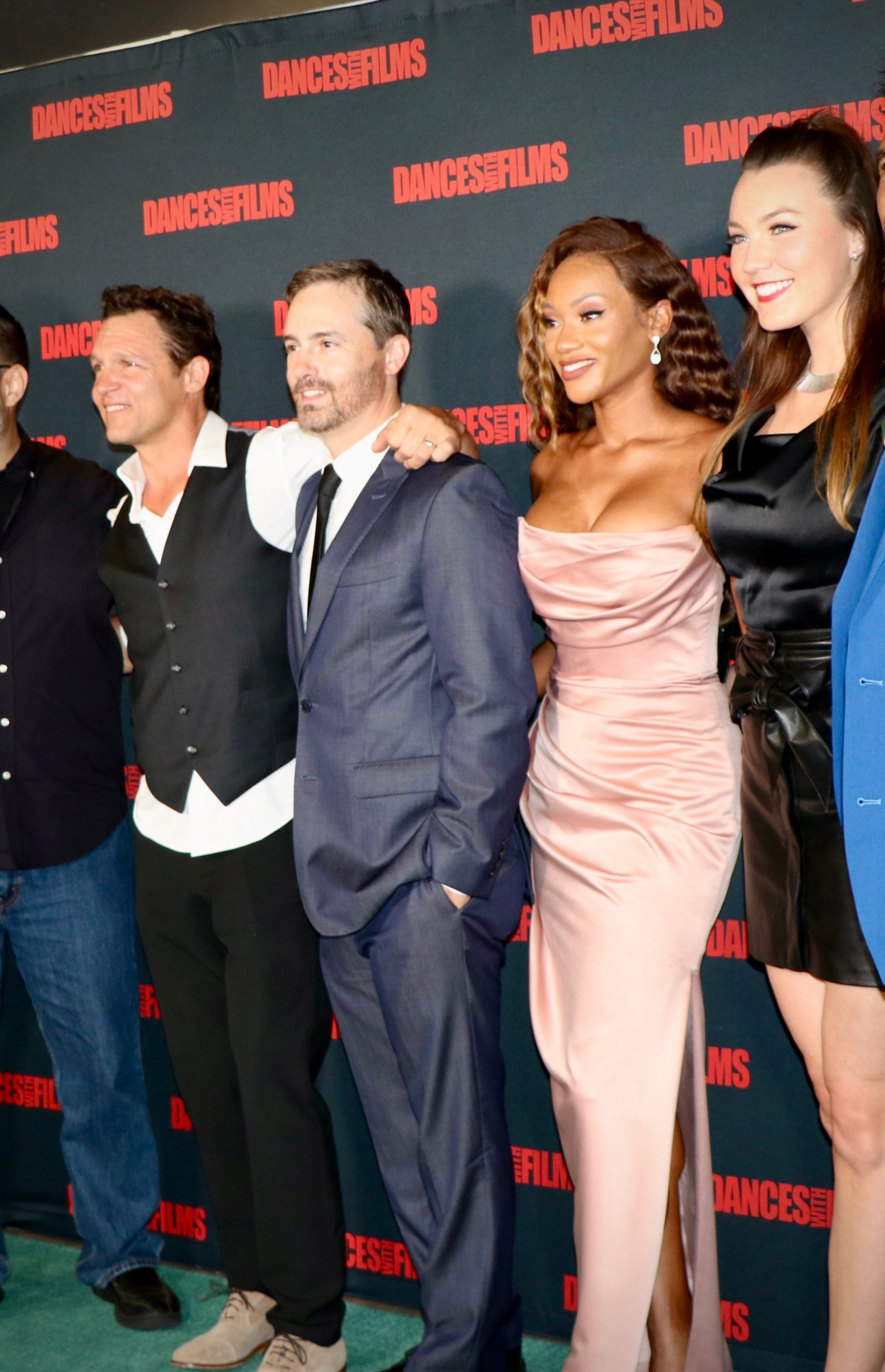
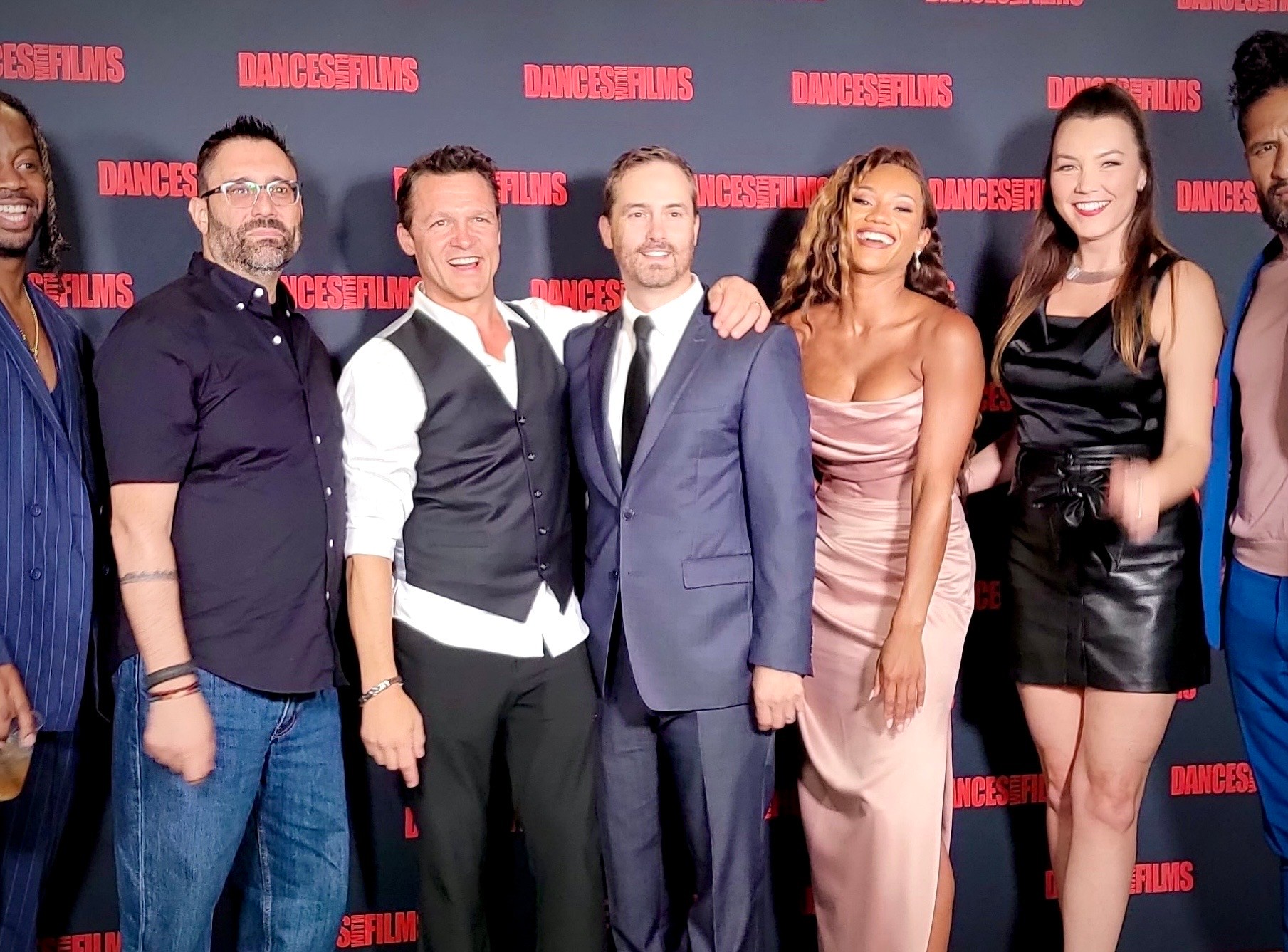
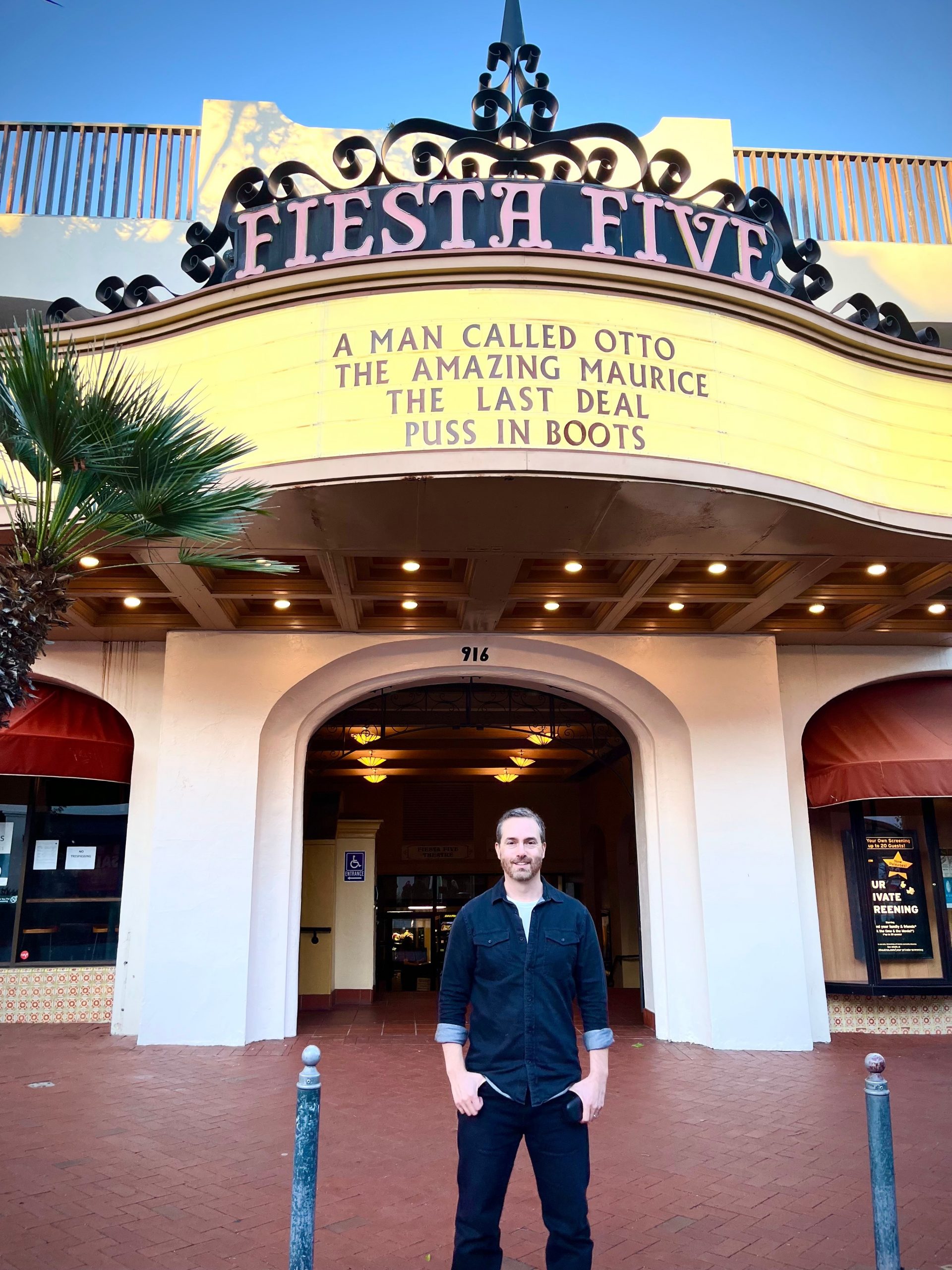
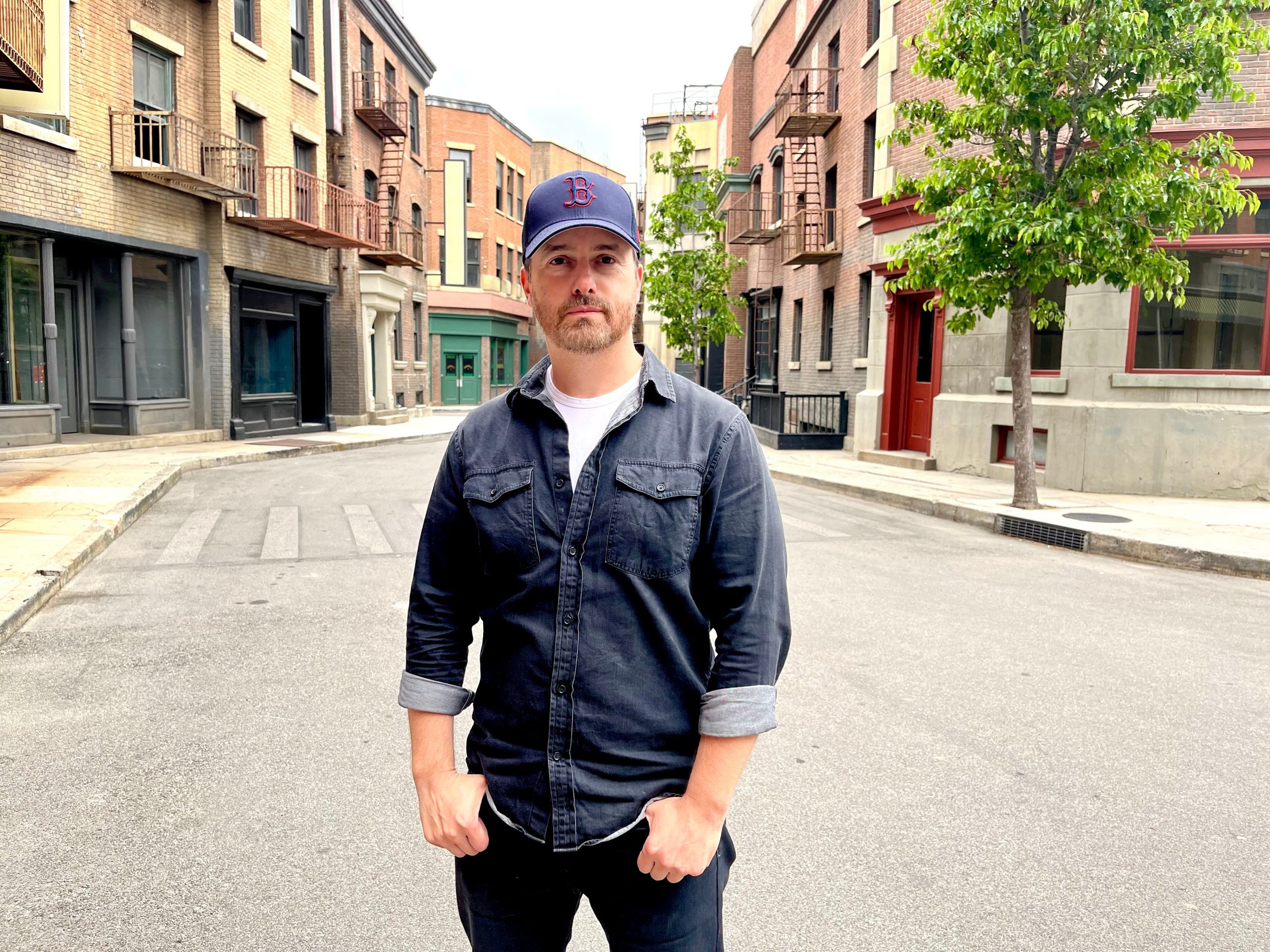
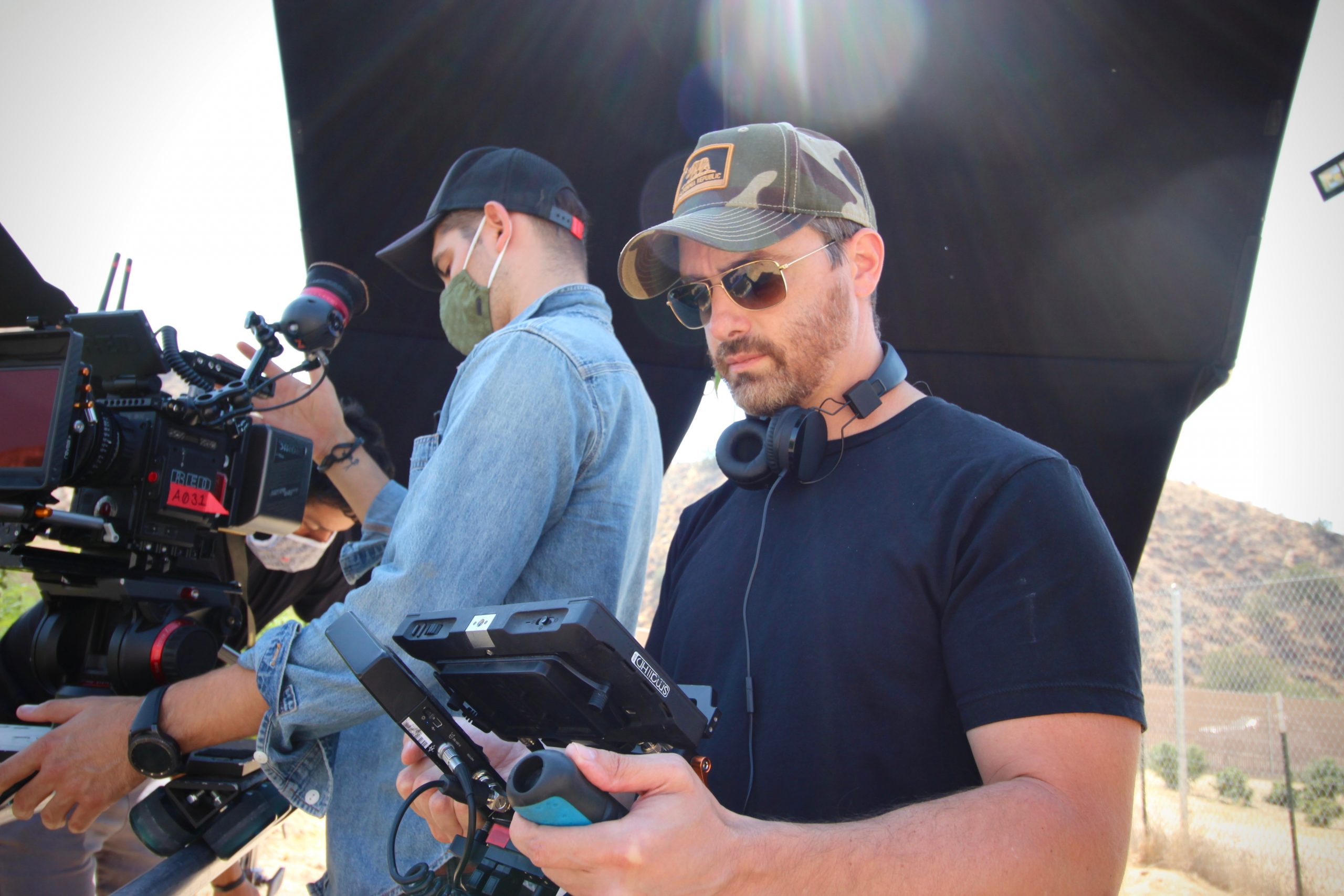
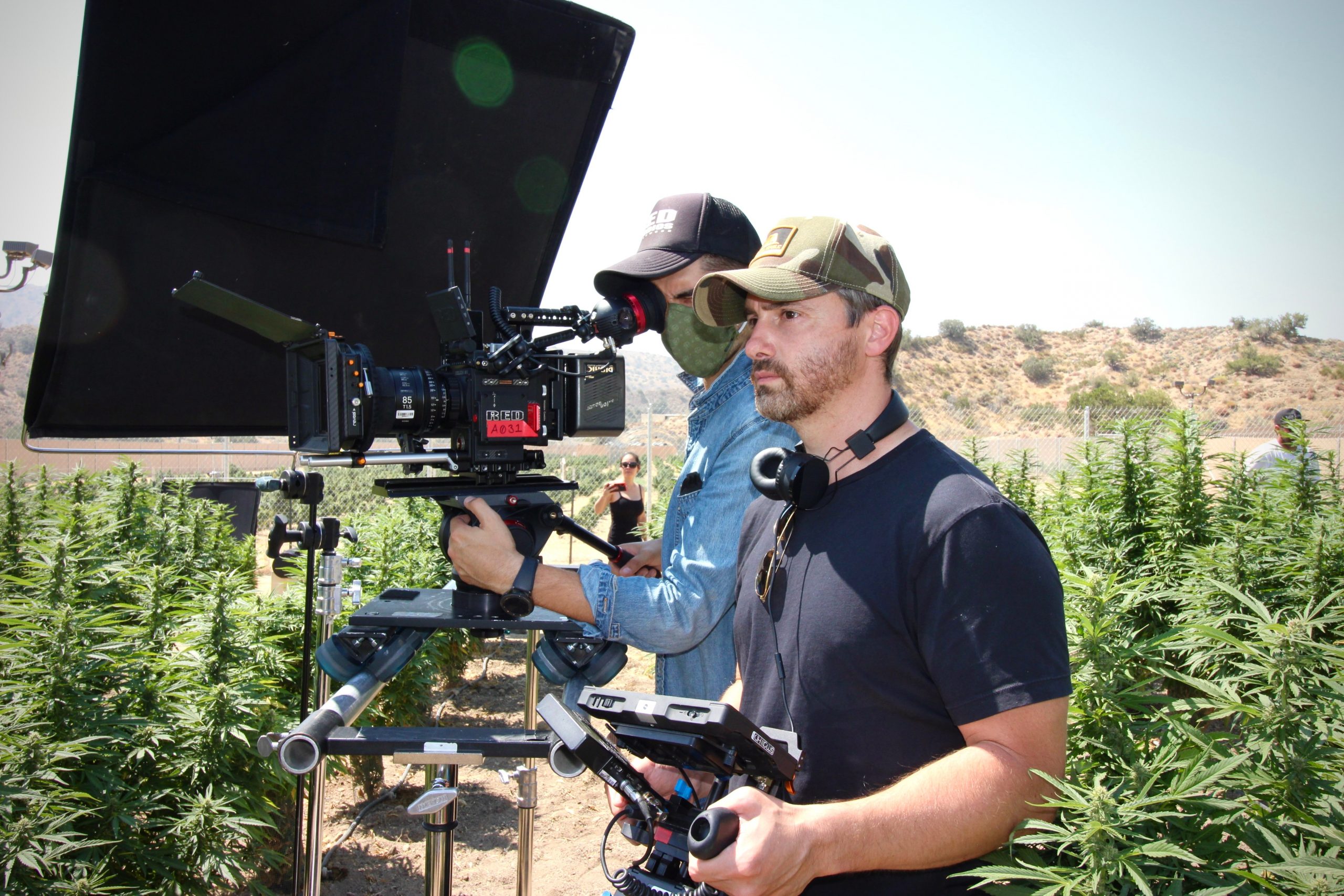
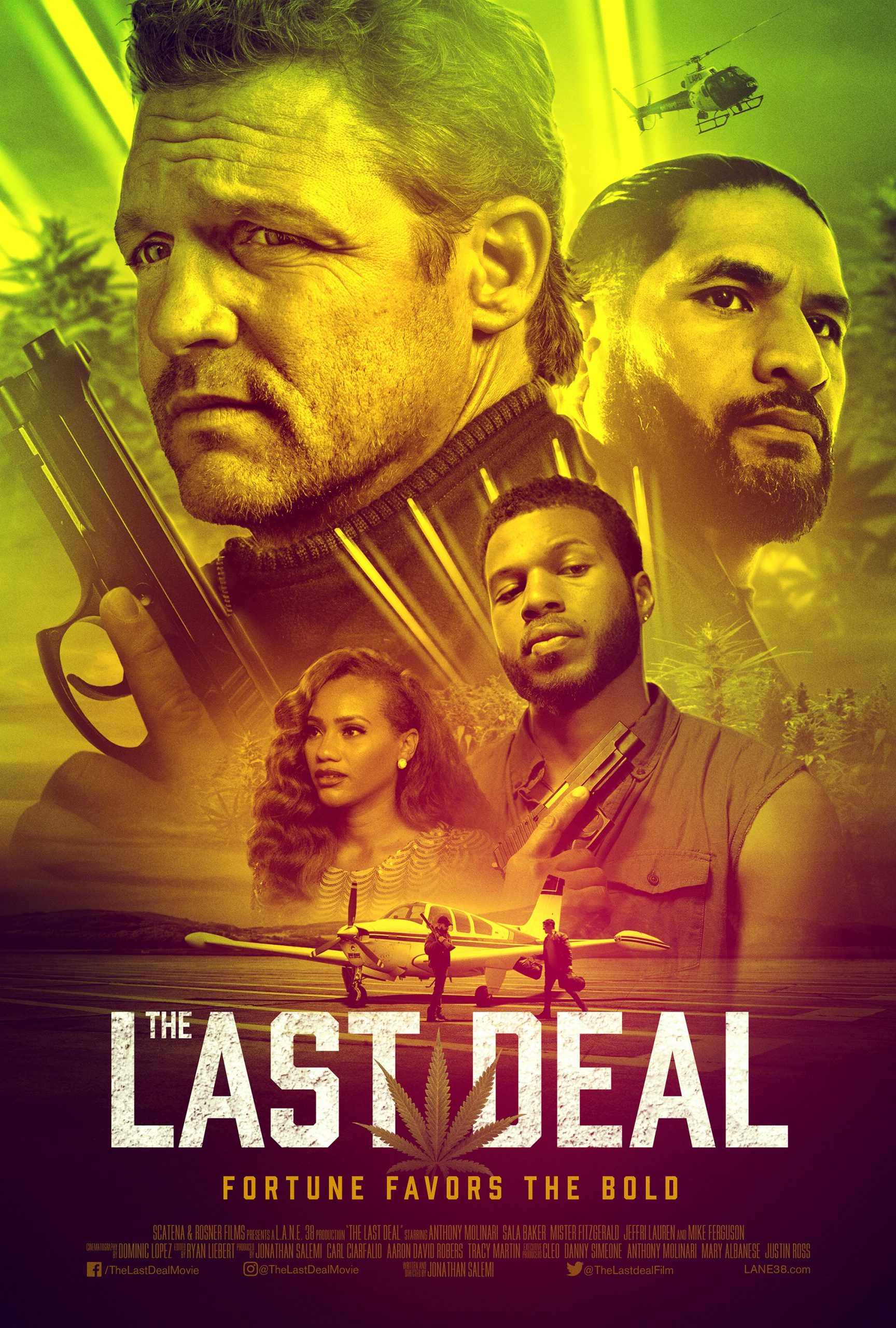
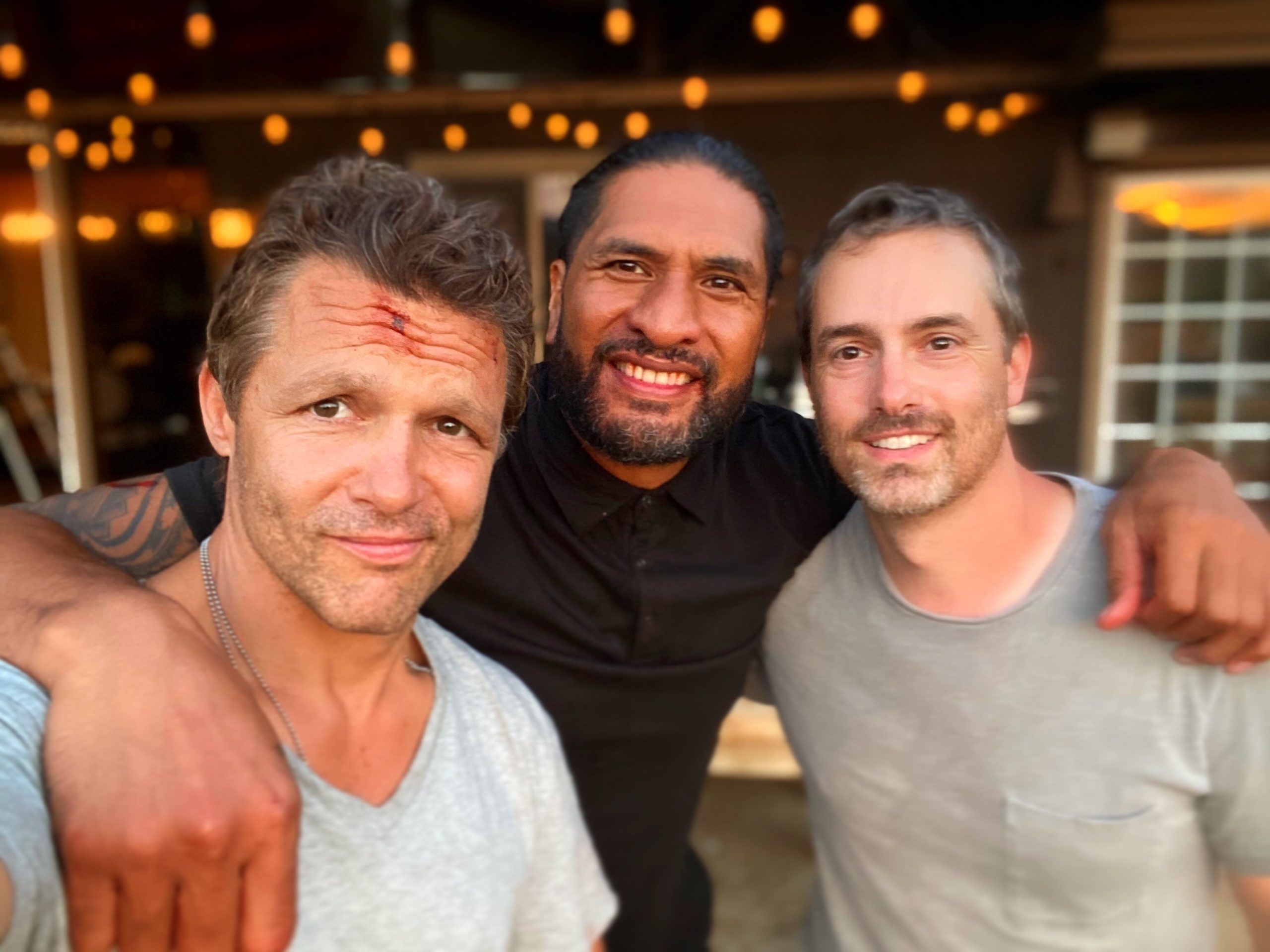
Image Credits
L.A.N.E. 38
Popular
-

Que Johnson on Building Brands That Last: From Visibility to True Market Authority
-

Christina Wren Steps Into the Director’s Chair to Tell Stories That Feel Like Home
-

Portraits of the Valley
-

LA’s Most Inspiring Stories
-
JordanL on ‘Breathe,’ Belief, and Building a Movement Beyond the Music
-

Megan Birney Rudert on How Access to Light Is Powering a More Sustainable and Equitable Future


