



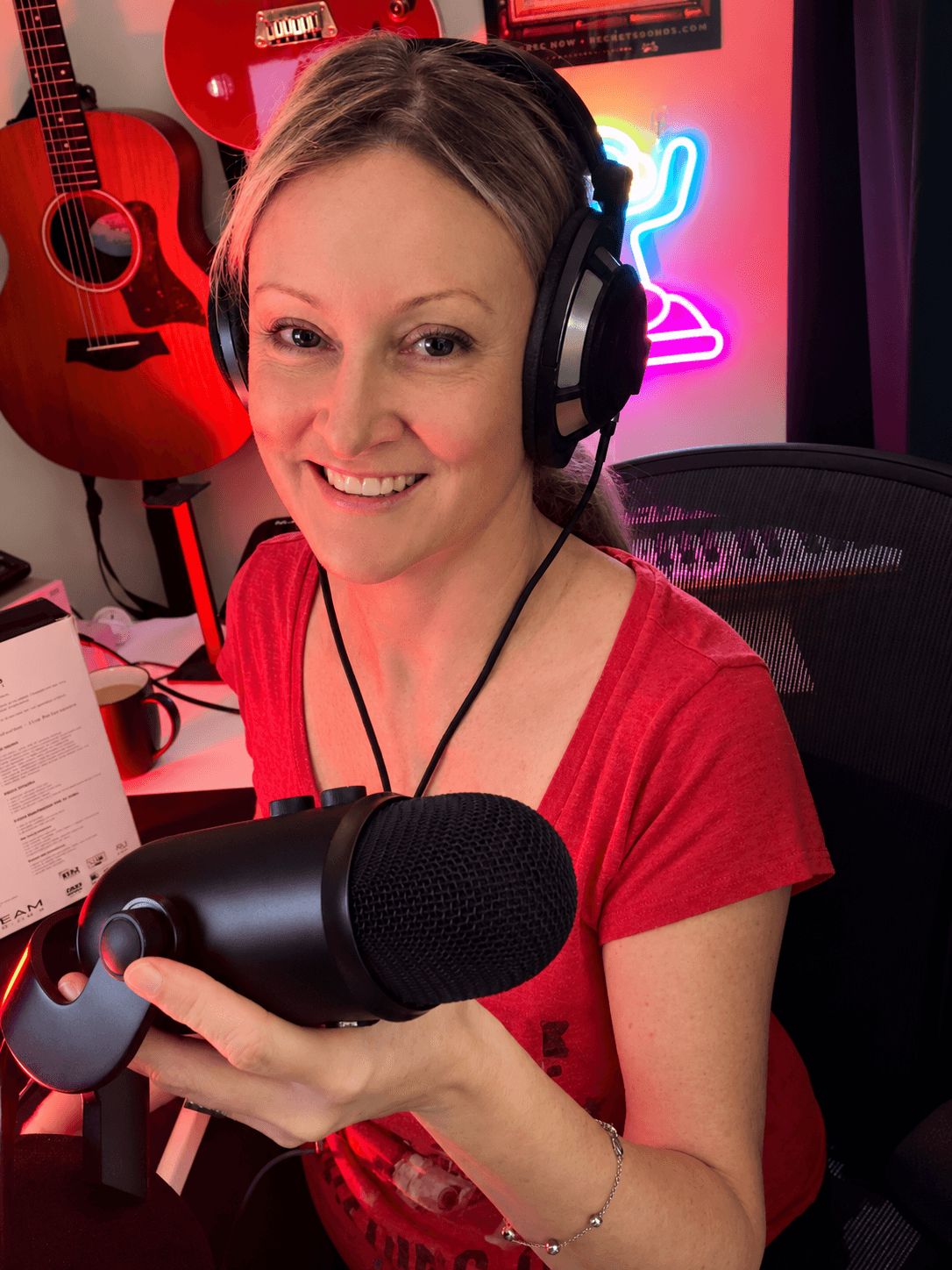
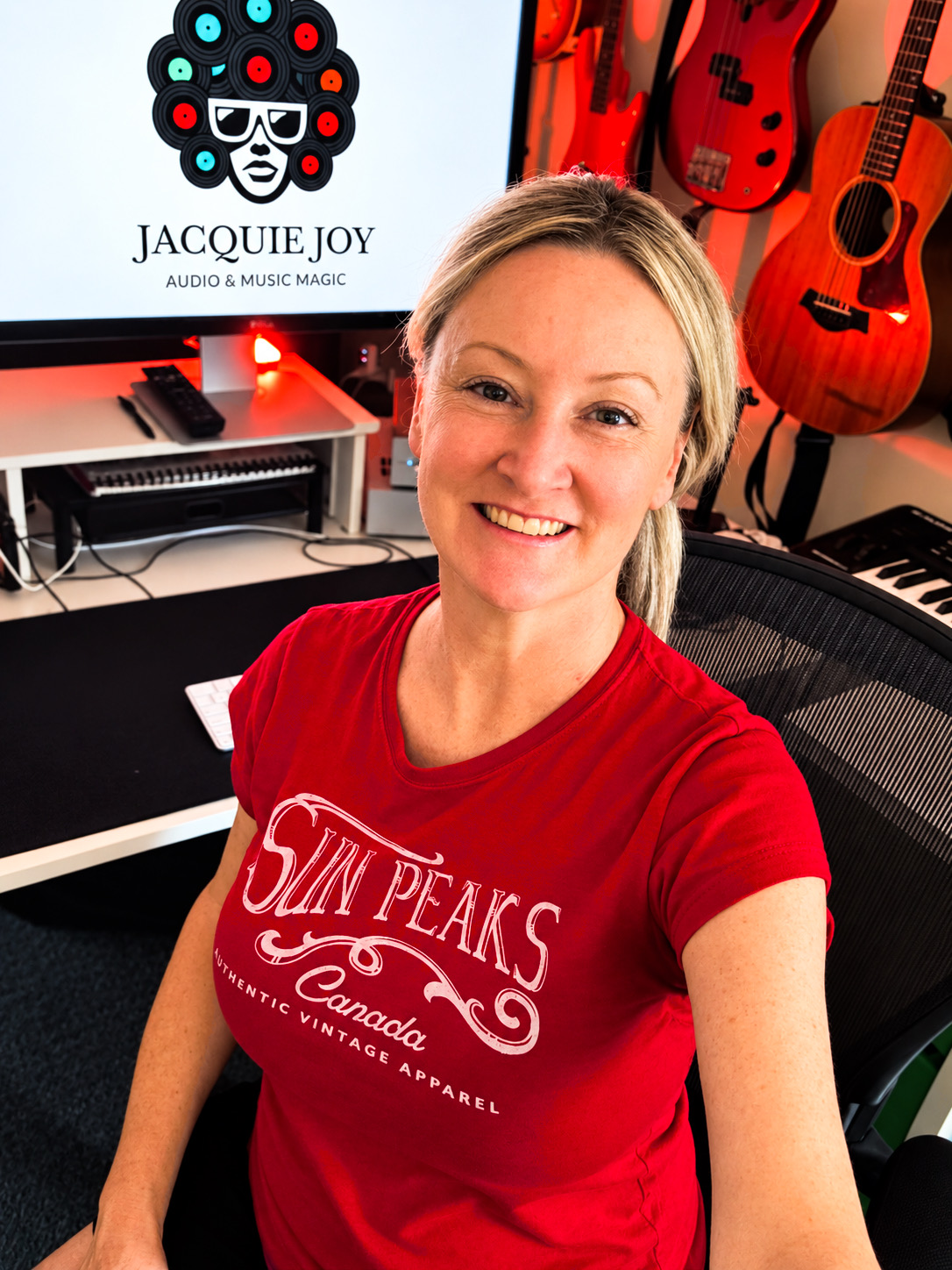
Today we’d like to introduce you to Jacquie Joy.
Hi Jacquie, can you start by introducing yourself? We’d love to learn more about how you got to where you are today?
My story really started as a live performer. I was singing and playing guitar, learning on the job through regular gigs and gradually finding my way into music production and recording.
One of the important early chapters for me was working on travel films and destination guides, including projects for Expedia. That introduced me to the world of creating music and sound specifically for picture and taught me a lot about how audio can shape the way we experience a visual story.
Film scoring gradually became another major part of my career. At the beginning of 2019, I became part of the Illuminating Music Group, an all-female collective of seven composers brought together by Hollywood composer and arranger Julia Zuzanna Sokolowska. It was such a supportive and inspiring environment, and we collaborated across film, television and other media projects, often working to tight deadlines and learning from one another along the way.
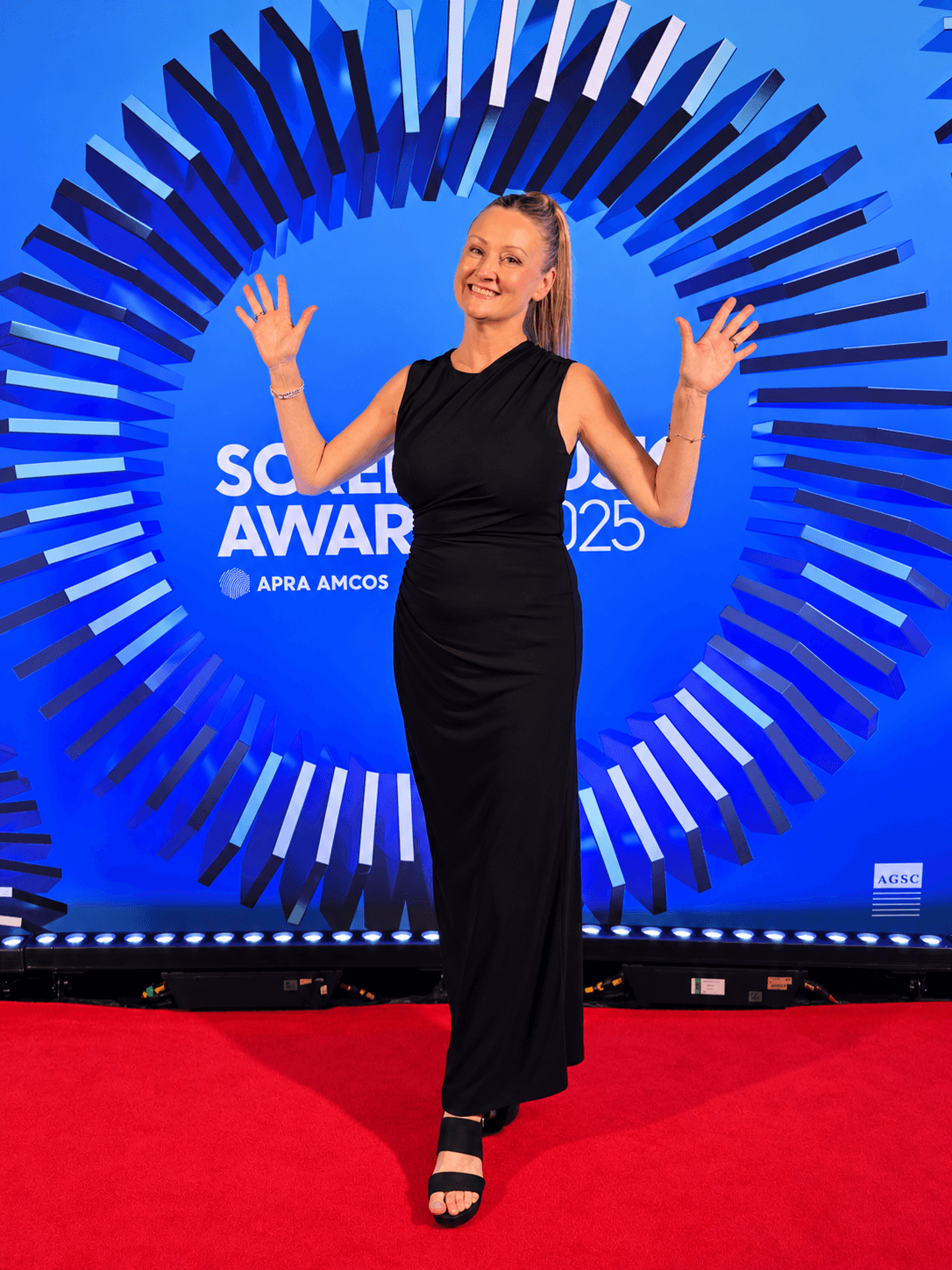
From there, my screen work continued to grow, one project at a time. I’ve now scored and contributed music to dozens of films, television projects and other screen productions across composition, additional music and sound work. Along the way, I’ve also been fortunate to receive five Hollywood Music in Media Award nominations and two Hollywood Independent Music Award nominations, which have been really lovely milestones and reminders of how far the journey has come.
My IMDb page reflects the breadth of that work:
www.imdb.me/jacquiejoy
A couple of projects that felt like important steps forward were the feature films Peace Pilot and Double or Nothing. Both gave me the opportunity to work on longer-form storytelling, and seeing work that began quietly in my studio eventually reach audiences on major streaming platforms was a pretty special feeling.
More recently, one of the most meaningful projects for me has been creating a new score and sound design for the 1906 Australian film The Story of the Kelly Gang. The project was commissioned by the Melbourne Documentary Film Festival, and having my soundtrack accepted into the collection of the National Film and Sound Archive of Australia was a wonderful full-circle moment. It connected music, film history and storytelling in a way that felt very special to me.
That project also led me somewhere I hadn’t really expected — into teaching and sharing more about my creative process. I created my first masterclass around how I approached rescoring the film, from research and thematic development through to instrumentation, sound design and the final mix. I discovered that I really enjoyed explaining not just what I created, but why I made certain choices.
At the moment, I feel like I’m entering another new chapter. I’m developing more masterclass ideas, continuing my music and sound work for screen, and spending more time on songwriting, artist collaboration and releasing music of my own.
My career definitely hasn’t followed one straight path, and I’m actually really grateful for that. Each part of it — performing, composing, sound design, mixing, sync, teaching and songwriting — has fed into the next and helped shape the way I work today.
Can you talk to us a bit about the challenges and lessons you’ve learned along the way. Looking back would you say it’s been easy or smooth in retrospect?
It definitely hasn’t always been a smooth road, and I think one of the biggest challenges has been finding the right balance between creative fulfillment, earning a living and having a life outside the studio.
The indie film world can be incredibly rewarding creatively, but the reality is that post-production sound and music budgets are often very small. There can be a huge amount of work involved in composing, sound design, mixing and revisions, and the financial return doesn’t always reflect the time, skill and energy that goes into it.
One thing I’ve learned over the years is that there are actually a lot of different ways to build a career in music and sound, and I’ve become much more comfortable embracing that. For me, that has meant diversifying into sync and television music, where royalties can create another income stream, as well as doing regular music, sound design and mixing work for corporate and travel films.
That more consistent work gives me the freedom to keep saying yes to the creative projects I really care about, even when they may not be the most lucrative. I’ve come to see that as a healthy balance rather than feeling like every project has to serve the same purpose.
Work/life balance has been another ongoing challenge. Creative deadlines can take over very quickly, especially when several projects arrive at once, and before you know it, work has expanded into evenings, weekends and everything in between.
Lately, I’ve been making a real effort to put better processes in place — streamlining my workflow, organising projects more efficiently and being more intentional about making space for family, friends and life outside music. I’m still refining it, but I think learning how to build a creative career that is sustainable over the long term is just as important as learning how to make better music.
Thanks – so what else should our readers know about your work and what you’re currently focused on?
My business these days really focuses on all aspects of audio — what I like to think of as “music, sound and the mix.” I love creating something from nothing and building the sonic world of a project from the ground up, whether that’s a song, a film score or the complete audio for a corporate or travel film.
Strangely enough, I find silence really inspiring. Give me a blank canvas with no sound at all and I immediately start imagining what could live there — the music, the atmosphere, the tiny details and textures that can completely change how something feels.
I don’t really see music, sound design and mixing as separate worlds. To me, they’re all part of the same storytelling process. Sometimes the most important element might be a melody, sometimes it might be one tiny background sound, and sometimes the most powerful choice is simply to leave space and let a moment breathe. I love being able to move between all of those areas and think about the whole sonic picture.
I’m especially proud of projects where music and sound can help tell a story that really matters. One of those is Scars Unseen, a feature documentary directed by my LA-based friend and absolute force of nature, Meredith Yinger. The film follows three domestic violence survivors and explores not only what they’ve lived through, but also healing, resilience and what it means to move forward.
Being part of that film has been incredibly meaningful to me. Meredith has handled such a difficult subject with so much tenderness, humanity and hope, and I’m proud to have played a part in helping tell these women’s stories. I had the opportunity to co-compose the score with the wonderful HMMA-winning composer Sandrine Rudaz, with additional music by Emmy-nominated composer Luna Pan.
One of the things that meant the most to me was reading a review that described the soundtrack as “beautifully understated” and talked about how the music supports the emotion without overpowering it. That was exactly what we were trying to achieve — to support the emotion rather than dictate it, and to know when music was needed and when silence might be even more powerful.
The full review is here:
https://www.documentarydrive.com/review-scars-unseen/
Another part of my work I’m increasingly excited about is teaching and sharing the creative process. Creating my first masterclass around The Story of the Kelly Gang made me realise how much I enjoy discussing not just what I create, but why I make particular musical, sound-design and mixing choices.
You can watch the masterclass here:
https://www.youtube.com/watch?v=A7c3Z1_m-Uk&t=777s
That experience has inspired me to do more teaching and process-based content, and I’m now developing another masterclass around mixing and mastering audio for YouTube videos.
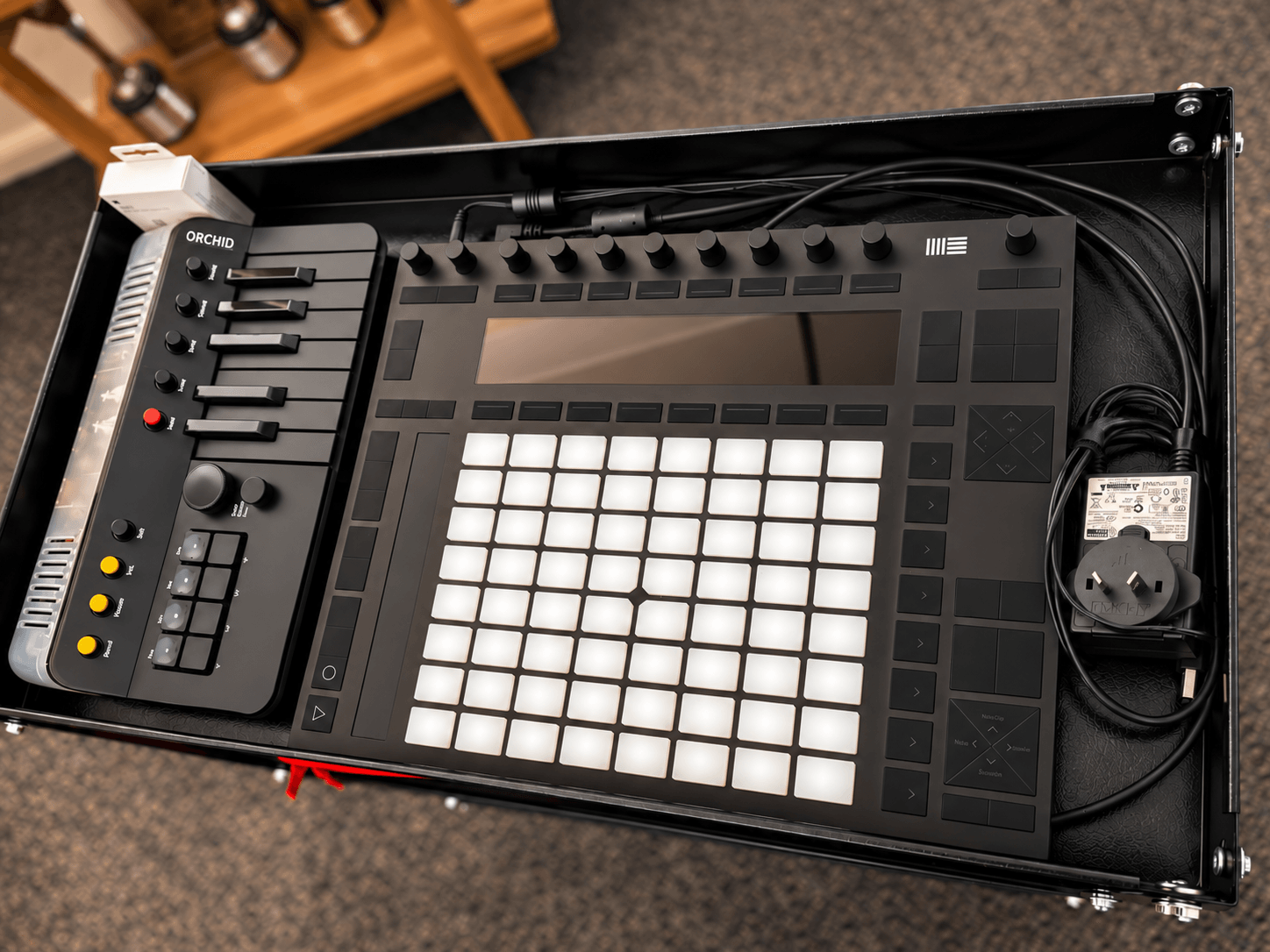
I also try not to put too many creative boundaries around myself. I love discovering new music technology, instruments and hardware that might send me somewhere unexpected. I recently bought a Telepathic Instruments Orchid — the chord-generating synthesizer co-created by Tame Impala’s Kevin Parker — and I’m really looking forward to seeing what kinds of songs and ideas it inspires.
For me, keeping that sense of experimentation alive is a big part of what keeps the work exciting.
We love surprises, fun facts and unexpected stories. Is there something you can share that might surprise us?
I’d like to share a couple of things.
Something that might surprise people is that I didn’t actually study music at school. I even tried to join the school band and was turned away!
After school, I took singing lessons for about a year, but for the most part I’m self-taught. I spent years learning through Computer Music Magazine, experimenting with music software, teaching myself guitar and learning “on the job” through regular live gigs.
Looking back, it’s quite funny that someone who couldn’t get into the school band eventually built a career composing, producing and creating music for film, television and other media.
And I’m still very much a student. I’m now in my second year of the Music Production for Women course, where I’m loving the opportunity to keep learning from some incredible producers and other women working in music. I think never feeling like you’ve completely “arrived” has been an important part of my journey.
Another fun and surprising part of the story is how I landed my very first film-scoring gig: on the LA Craigslist “Gigs” board.
The job was to write a song for the opening of a short film starring Lacey Chabert from Mean Girls and Wendie Malick from Just Shoot Me!. In the scene, Lacey’s character was getting ready for a night out, doing her hair and makeup in front of the bathroom mirror and happily bopping along to “Mama Said” by The Shirelles. My job was to replace that song with something original that captured a similar energy and feel.
So I wrote “The Doo-Wop Song,” sent it in, and they accepted it.
At that point, I didn’t even know if I wanted to become a film composer, but that experience completely hooked me. It was my first proper screen-music gig, and honestly, it felt like a dream way to begin.
There was something wonderfully surreal about finding a small Craigslist ad in Los Angeles and suddenly hearing my music in a film scene with actors I already knew from television and movies. It definitely made me think, “Maybe this is something I want to do.”
Contact Info:
- Website: https://www.jacquiejoy.com
- Instagram: https://www.instagram.com/jacquiejoycomposer/
- Facebook: https://www.facebook.com/jacquiejoy.composer.7/
- LinkedIn: https://www.linkedin.com/in/jacquie-joy-128148170
- Twitter: https://x.com/ComposerJoy
- Youtube: https://www.youtube.com/@jacquiejoycomposer
- Soundcloud: https://soundcloud.com/jacquiejoycomposer
- Other: https://imdb.me/jacquiejoy
Popular
-

Portraits of the Valley
-

LA’s Most Inspiring Stories
-

Greg Hex Is Turning the Everyday Kitchen Knife Into a Modern Design Object
-

Rick Norris Learned That Building a Successful Business Means Building a Life You Actually Want to Live
-

How Olivia Rush Turned Survival Into a Mission to Help Others Keep Going
-

How Bibi Goldstein Is Helping Entrepreneurs Reclaim Their Time by Embracing the Power of Delegation


