




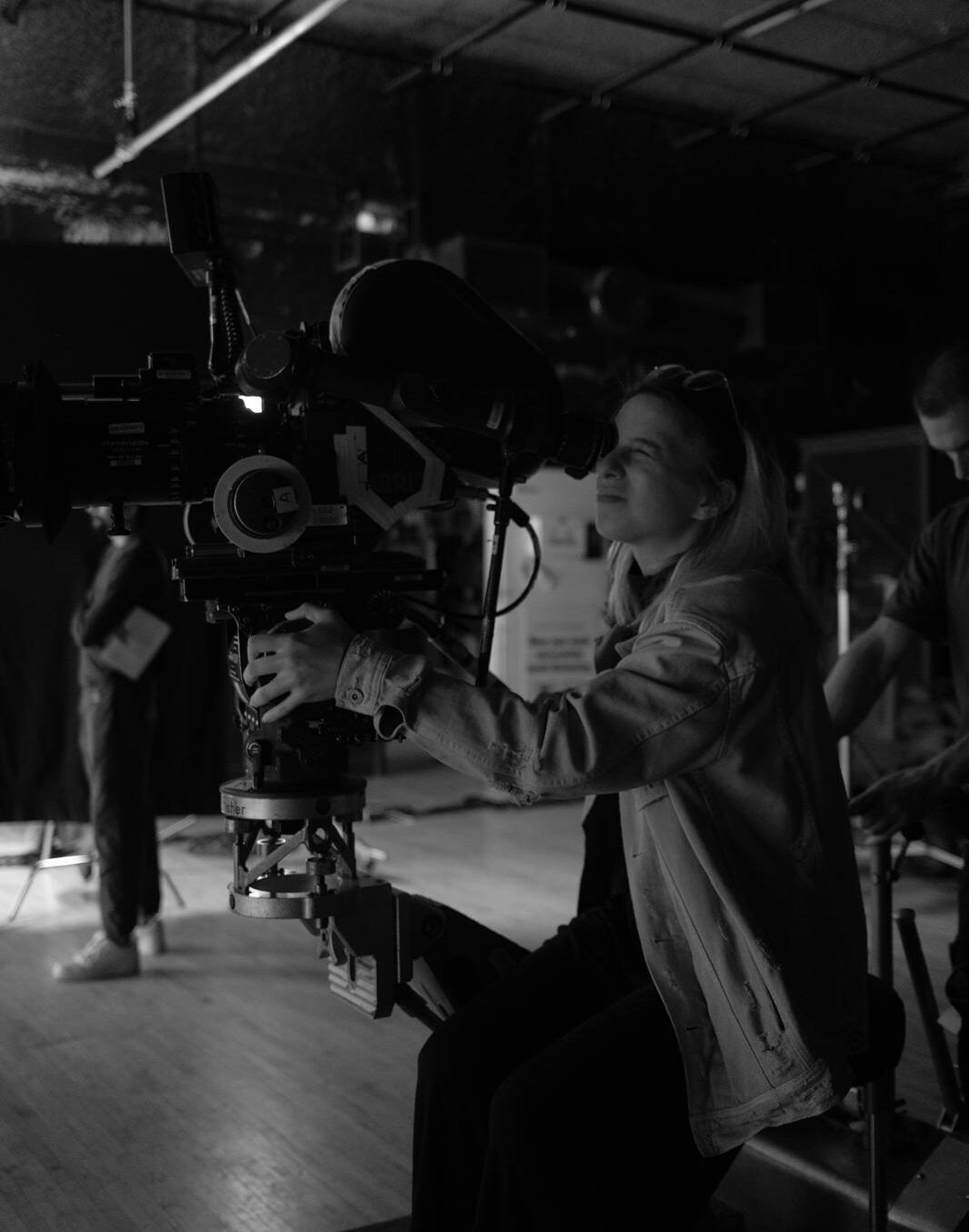
Today we’d like to introduce you to Giuliana Tambellini.
Hi Giuliana, we’re thrilled to have a chance to learn your story today. So, before we get into specifics, maybe you can briefly walk us through how you got to where you are today?
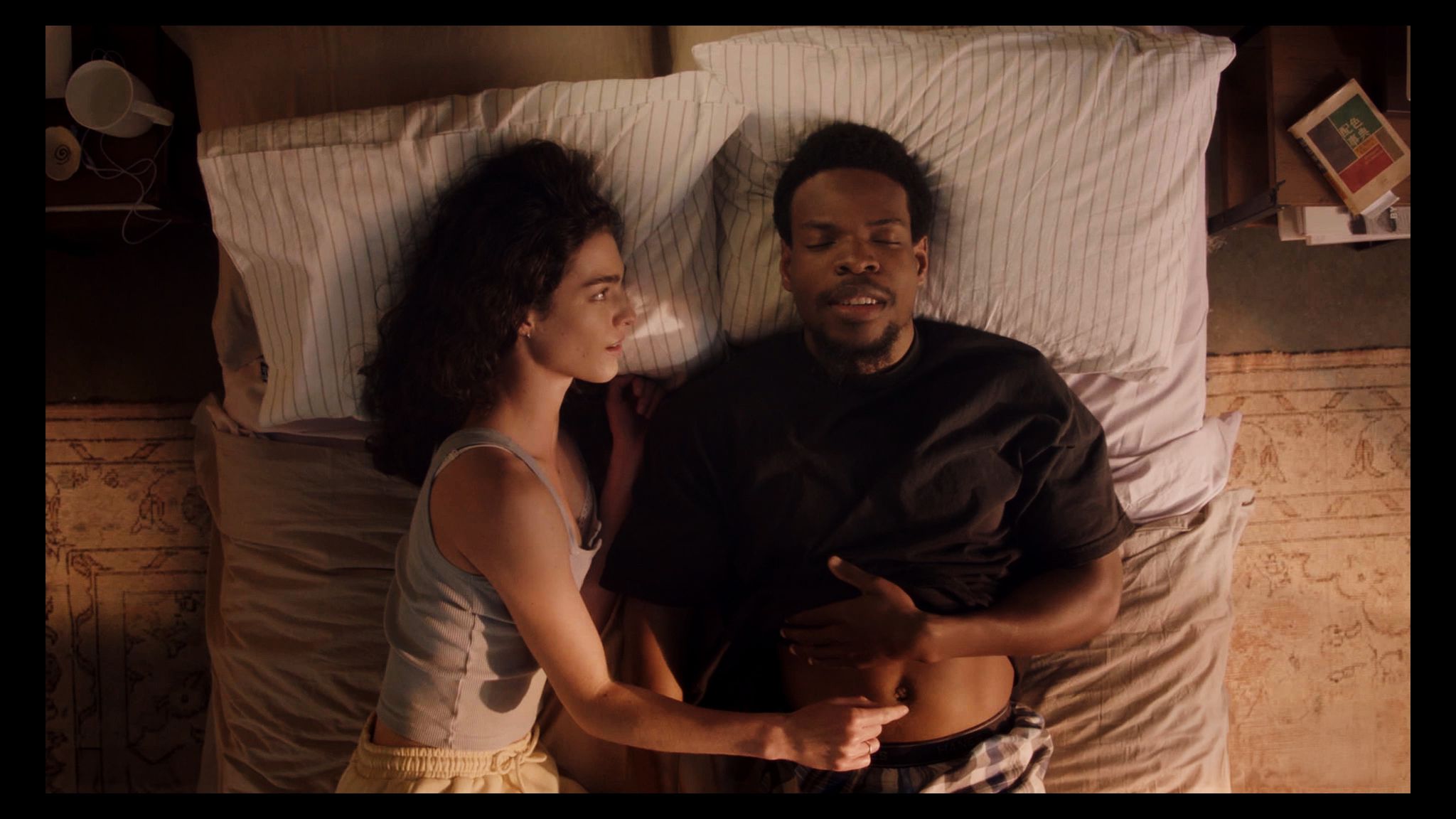
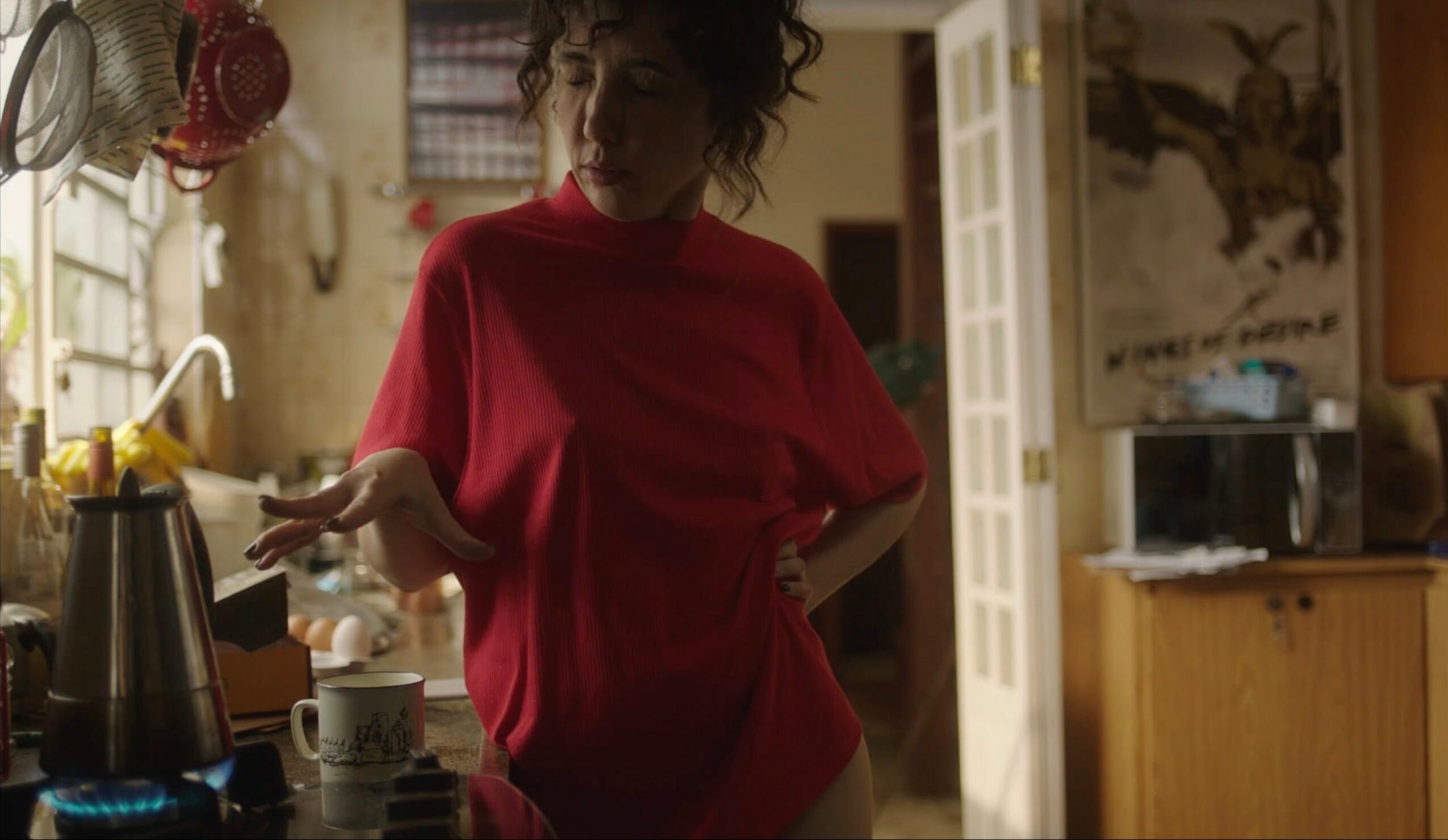
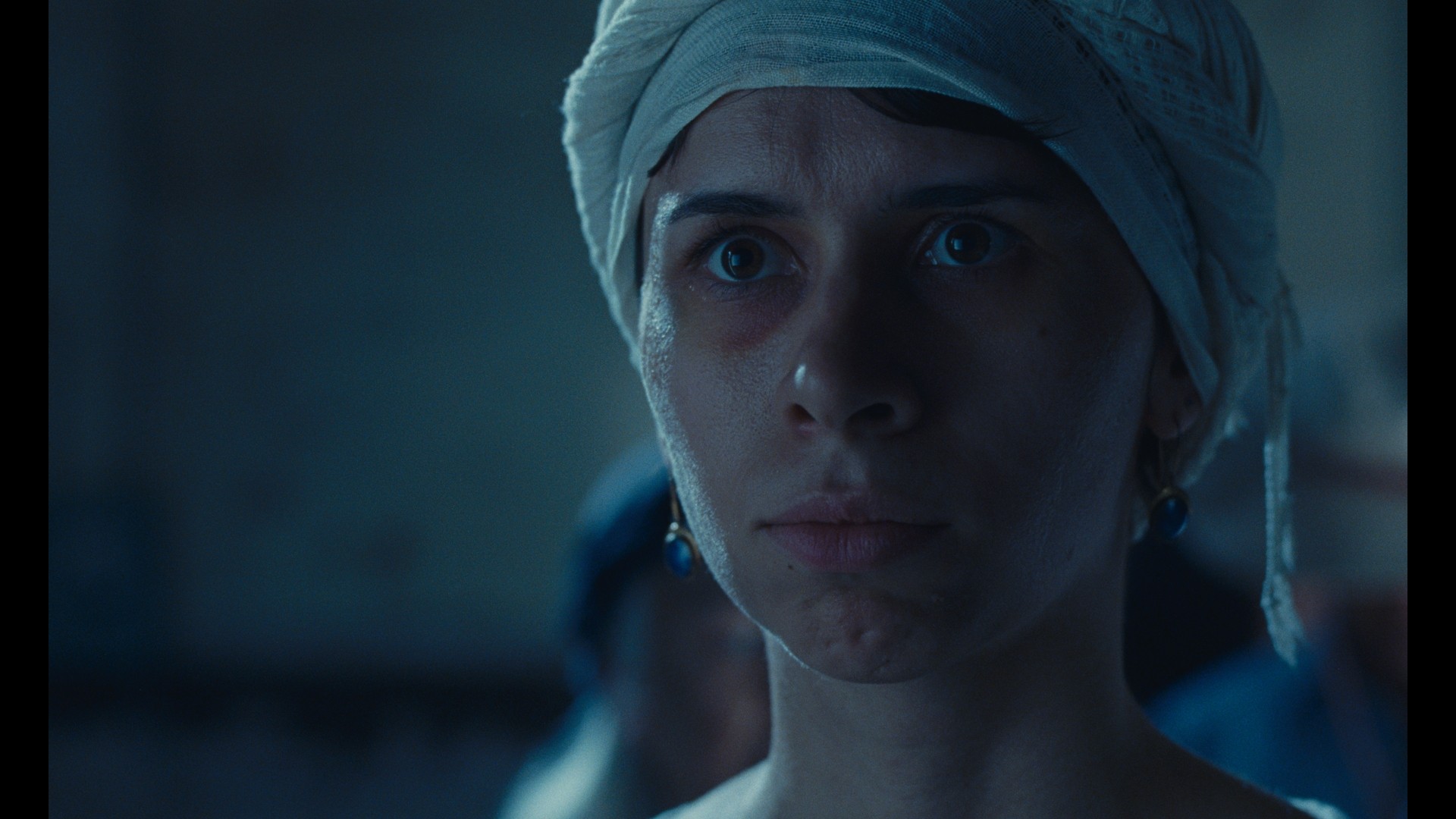
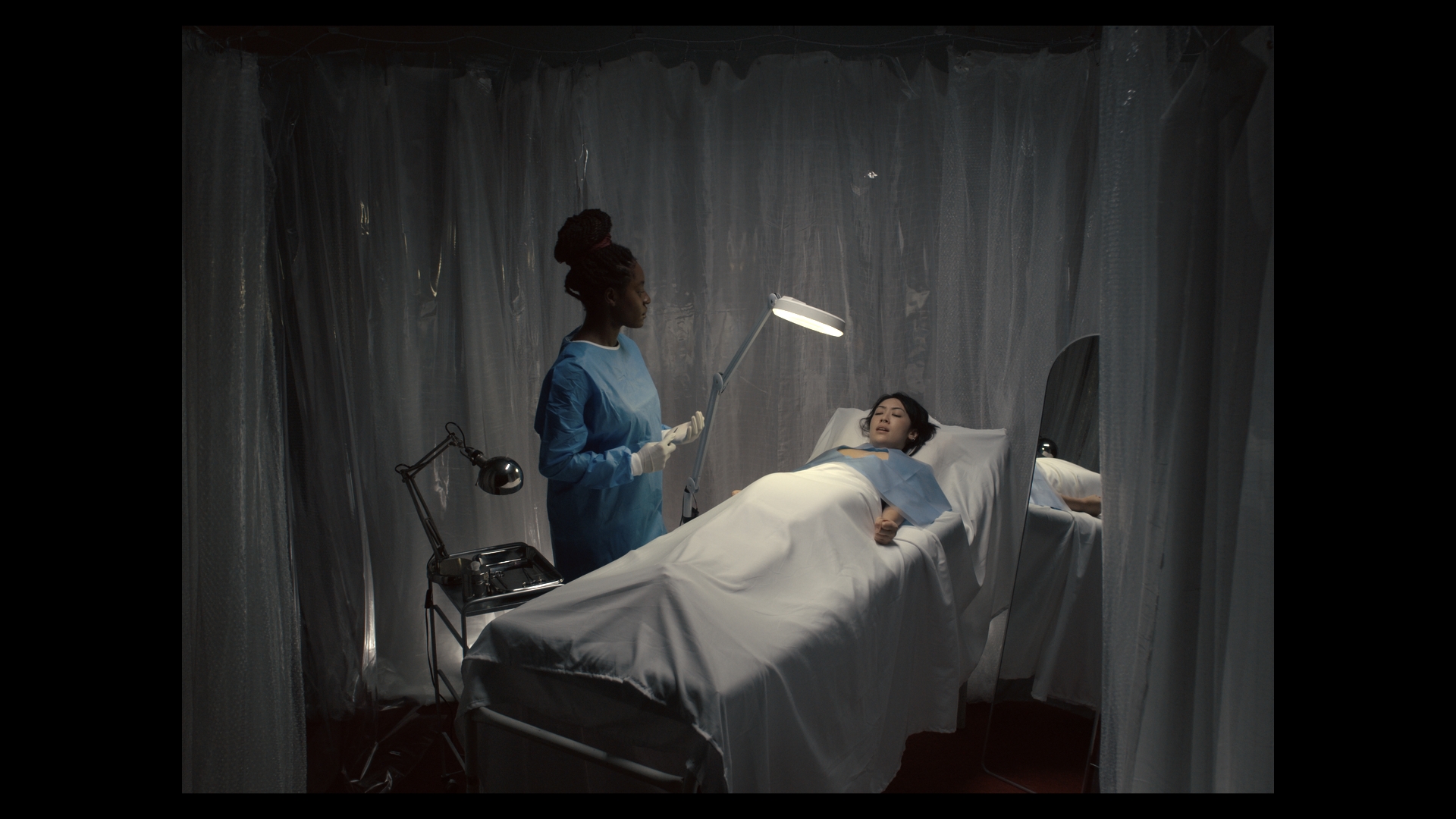
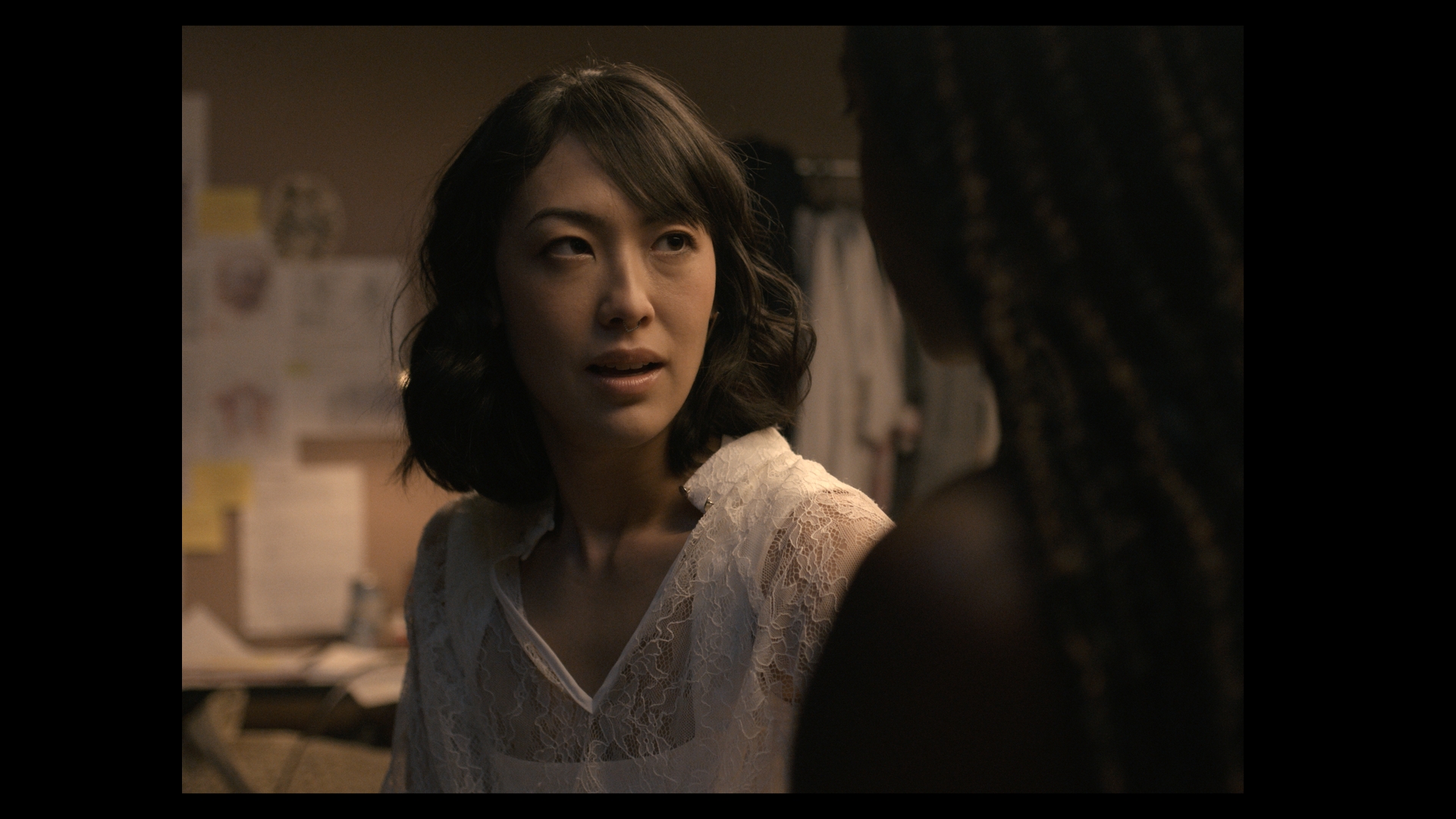
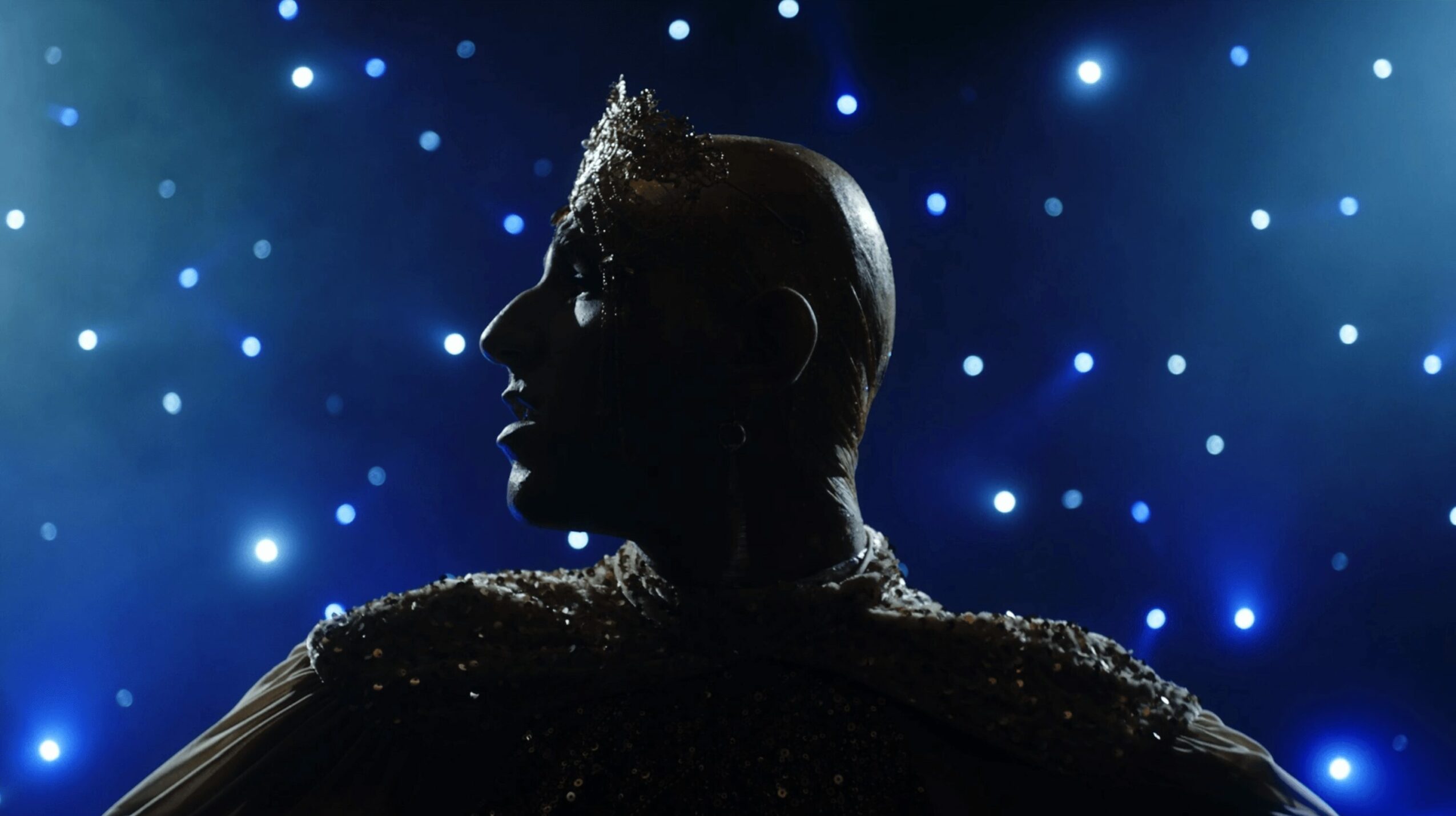
I’m a Brazilian cinematographer currently based in Los Angeles! Like many others, leaving my beloved home country required courage, but it was made possible by the support I received, combined with determination and a deep passion for cinema. Here’s a short glimpse into how it all began.
I think my journey into cinematography, what I love and have committed myself to, is deeply shaped by my education and upbringing. I was fortunate to grow up in a family that embraced the arts, even though neither of my parents worked professionally in the creative industry. My father, a lawyer and devoted cinephile, also had a deep passion for music and politics, while my mother, an architect, was also highly skilled and talented artistically, from sewing to pottery, and always made sure we had paper, pencils, and paints to explore our creativity at home.
I still remember, at around seven years old, renting DVDs to watch over the weekend. We would alternate between Rudolph the Red-Nosed Reindeer and Akira Kurosawa’s The Seven Samurai. I, of course, would nap, dreaming of battling warriors while resting on my father’s lap.
On top of that, I had the privilege of studying at high-level educational institutions that introduced me to the arts not just as a form of personal expression, but as a complex, politically engaged field, rich in craft and meaning.
From my early education at a small school in the vast city of São Paulo, Brazil, to undergraduate studies at one of the country’s most prestigious and competitive universities, the University of São Paulo, and later to my master’s at the renowned American Film Institute, each of these environments opened new paths, challenged preconceived notions, and transformed me in distinct and meaningful ways, a trajectory that many in the industry do not necessarily view as the most valuable or effective route to professionalization.
I see filmmaking as a mystery that I gradually uncover through life itself. With time, new questions continue to emerge, yet this process keeps me alive, nurturing both my most adventurous and liberating self and my commitment to disciplined, highly specialized craft. It also connects me to different parts of the world and diverse ways of imagining, while at the same time grounding me in reality.
Alright, so let’s dig a little deeper into the story – has it been an easy path overall and if not, what were the challenges you’ve had to overcome?
Trying to make art a primary, or sole, source of income is an immense challenge by itself. I think that anywhere in the world, this is not a field of work valued enough for the amount of money and labor it generates. Its importance goes beyond being a form of expression or a record of culture (which is already no small thing). It’s also a structured, organized, and profitable industry.
In Brazil, cinema is at the mercy of public funding and becomes destabilized whenever officials in the current administration change their agenda .Similar issues exist elsewhere in the world, so carving out and keeping a career in film is always challenging.
Beyond structural concerns, creating art is also a process of self-exploration. It involves vulnerability, exposure, and ego. I’ve realized that the most authentic and honest works have the power to emotionally connect with anyone. What is most vulnerable is often also the most universal.
The nature of our work can easily fuel a perfectionist, even obsessive, mindset, where self-criticism becomes unhealthy. I often fixate on flaws, and confronting the gap between what my imagination envisions and the final, tangible result can be hard to live with. Learning to channel that self-reflection constructively and to use moments of doubt as motivation helps me grow and discover new ideas. I see DPs as navigating a delicate balance between artistry and technical skill, walking a fine line between discipline and overcontrol. Often, we must let go for our subjects to thrive and for us to be able to capture a truthful and dignified portrait.
There is also, of course, the added layer of gender, which brings its own set of challenges and expectations, shaping how our work is perceived and how we are allowed to occupy space within the industry. Self-confidence becomes fragile in spaces where trust is difficult to build and must be constantly renegotiated, assuming we are even granted the opportunity to prove our value. My hope is that future generations will face different obstacles, ones rooted less in inequality and more in creative exploration. Being accepted into the Women in Film (WIF) program this year was a true honor and an incredible opportunity to grow, connect, and push creative boundaries in the company of talented and gifted artists.
Still, the reward is real. Making films puts you in a constant process of personal growth, where developing as a filmmaker is inseparable from growing as a person.
Can you tell our readers more about what you do and what you think sets you apart from others?
I truly believe that being passionate about cinema is my driving force. Filmmaking feels like a language I fell in love with and set out to truly understand and speak. From piecing together syllables into words, to forming sentences and learning new vocabulary, I love the process in a deeply rooted way. I like to think that this love for the craft somehow comes through in the projects I contribute to.
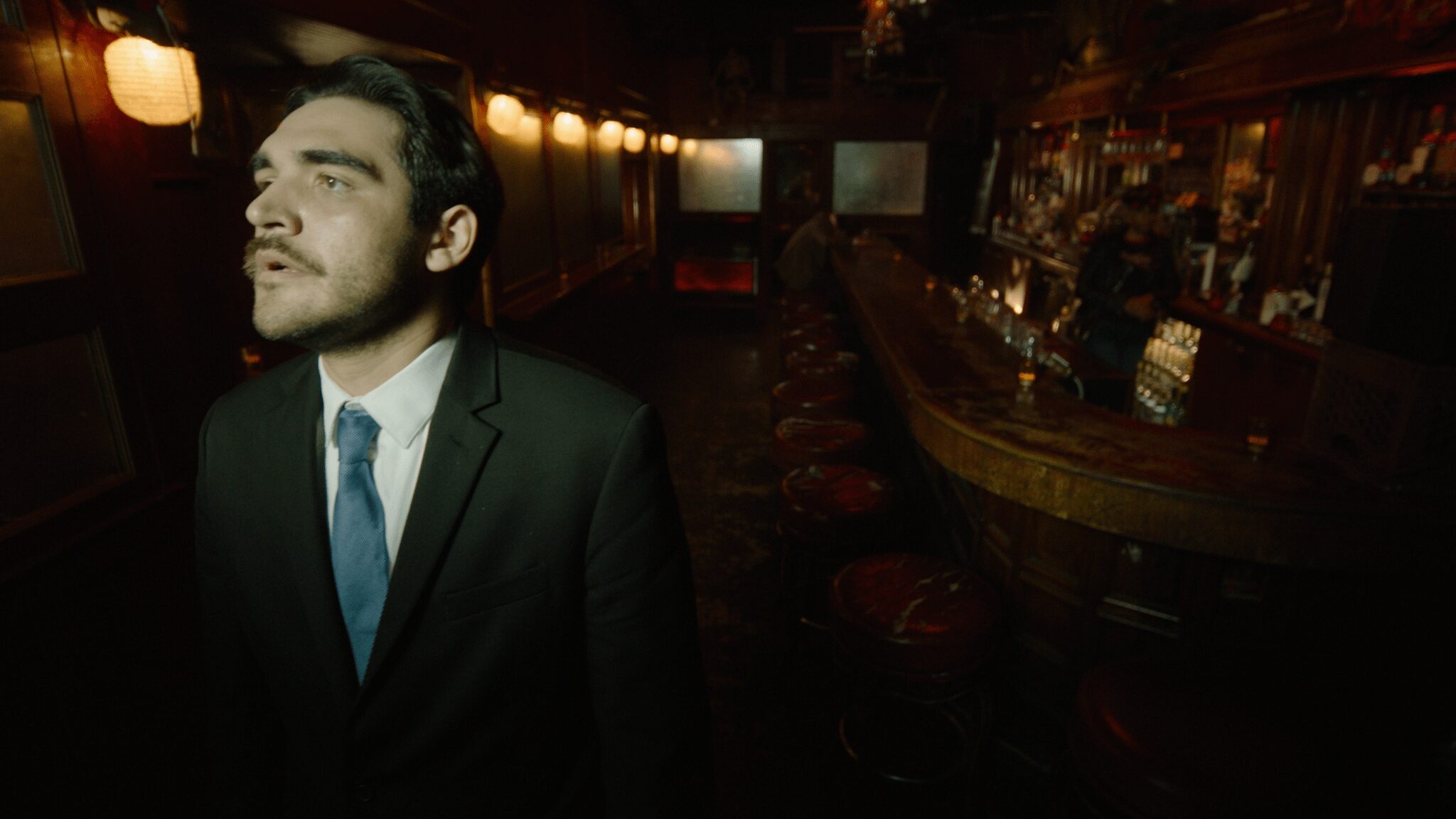
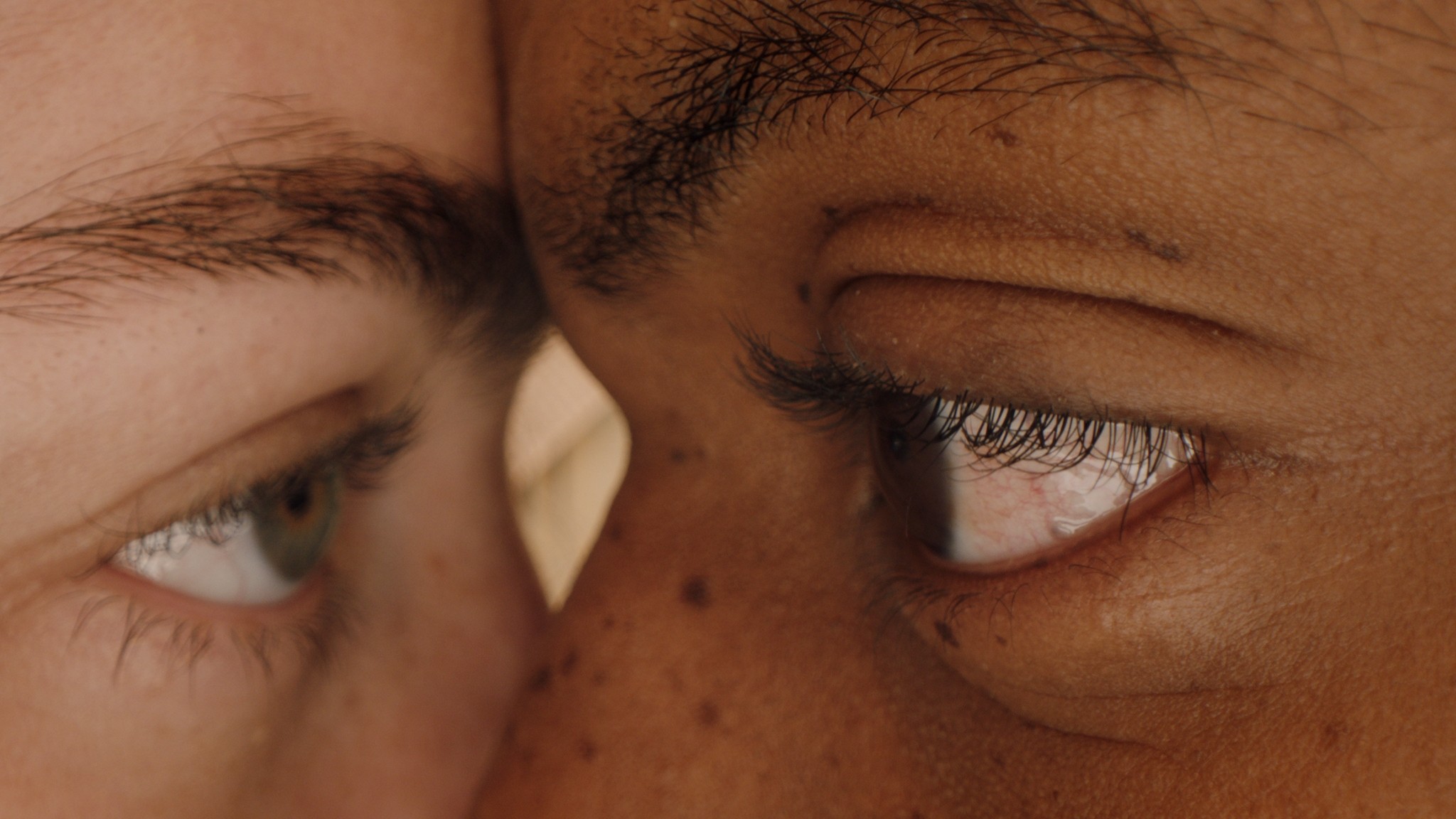
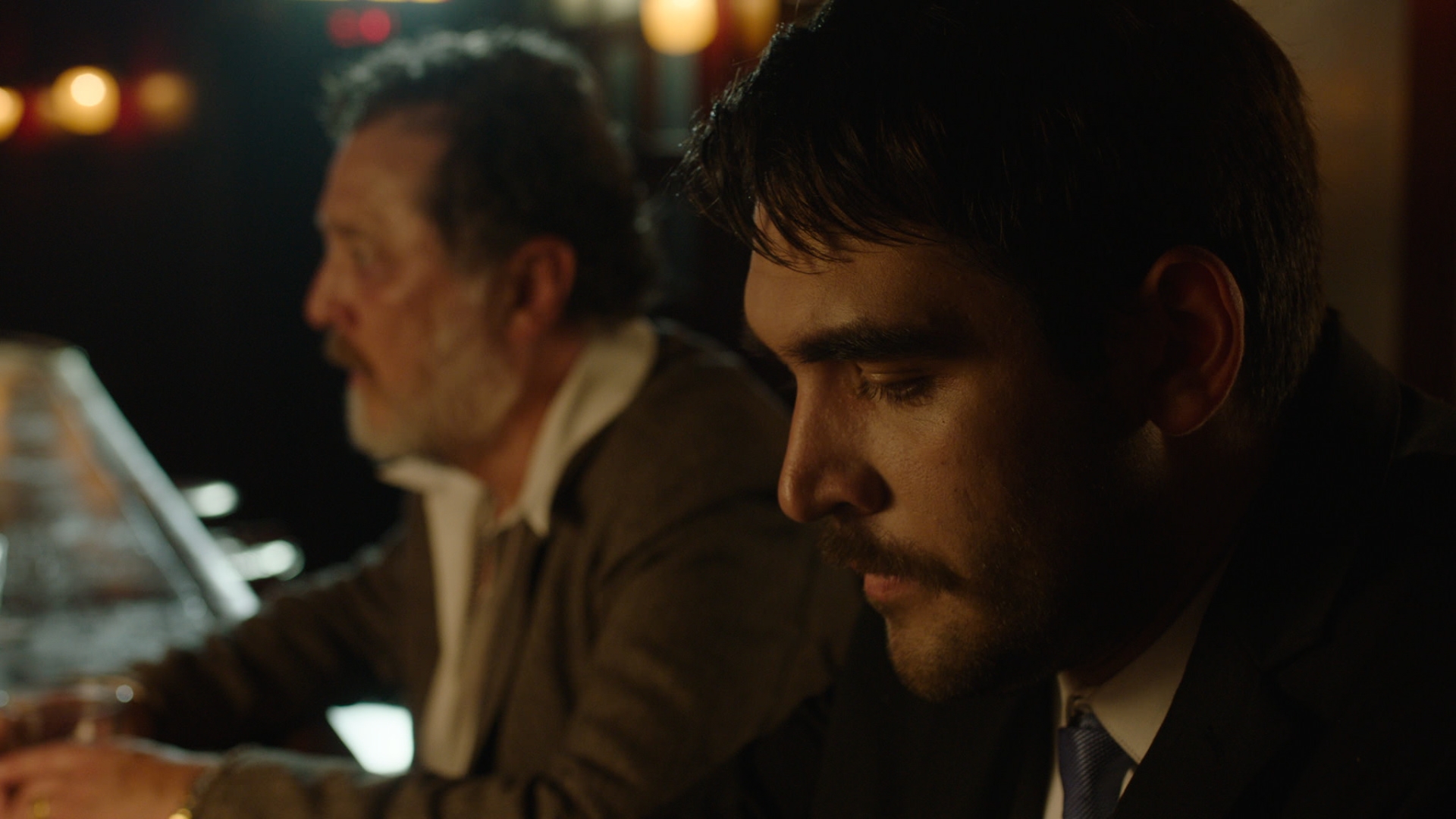
My work as a cinematographer centers on narrative, but what excites me most is the diversity of paths this work can take. I approach every project, whether narrative, documentary, commercial, or institutional with enthusiasm, knowing that each one offers something unique and a chance to learn something new.
Curiosity has always been a core part of who I am. I’ve always been a bit of a nerd, and that translates into dedication, discipline, and drive. Cinema constantly demands the motivation to push, research, and find the right tools to bring a director’s vision to life. I’d say that the combination of curiosity, adaptability, and genuine enjoyment of collaboration is what shapes my approach. Being able to do what we do is a complete privilege, and I’m deeply aware and grateful for it, so the bare minimum is to dedicate myself fully and honor the trust I’ve been given.
Collaboration is something I naturally gravitate toward, and I really enjoy the process. I love finding the essence of the story, seeing it through the director’s eyes, and letting that perspective guide my choices. I enjoy the challenge of translating someone else’s vision into images that feel alive and truthful, while finding my own creative rhythm within the project.
So far, I feel my strongest work comes from balancing intentional design with room for discovery, both in pre-production and on set. Together, the team can explore, experiment, and refine, always pursuing the images that tell the story most effectively. I’ve been fortunate to work alongside generous and talented collaborators, and combining forces often feels like the most natural way to elevate the work and support one another along the way.
Can you share something surprising about yourself?
That’s a hard one, and this might sound a bit silly, but when I think about my past and how it connects to where I am now, my mind goes back to the first time I was encouraged to take cinema seriously, during my English classes in high school. It was there that I was first encouraged to think about film as a craft. Our main focus was Hitchcock, and I remember reading excerpts from the interviews between Hitchcock and Truffaut. Even though I struggled to fully grasp them at the time, that was the moment I first became aware of intention in filmmaking.
As part of the coursework, we had to analyze a few minutes of a film, and I very ambitiously chose the opening sequence of Bergman’s Persona. Understanding it was, and still is, an intriguing challenge. It felt like a maddening dead end in many ways, but something clicked in my brain and I guess there was no turning back.
Contact Info:
- Instagram: https://www.instagram.com/giuliana.lanzoni/
Popular
-

Que Johnson on Building Brands That Last: From Visibility to True Market Authority
-

Christina Wren Steps Into the Director’s Chair to Tell Stories That Feel Like Home
-

Portraits of the Valley
-

LA’s Most Inspiring Stories
-
JordanL on ‘Breathe,’ Belief, and Building a Movement Beyond the Music
-

Megan Birney Rudert on How Access to Light Is Powering a More Sustainable and Equitable Future


