




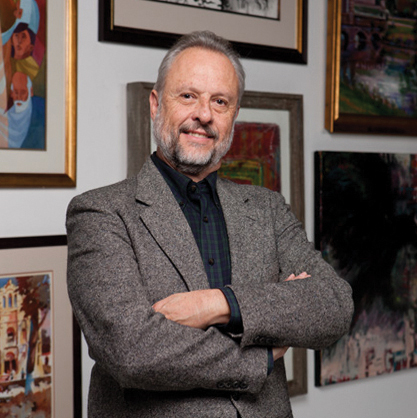
Today we’d like to introduce you to Gene Sasse.
Gene, we appreciate you taking the time to share your story with us today. Where does your story begin?
I picked up a camera in 1968 and never put it down. In college I studied biology, headed toward field work, botany, maybe mycology. I’ve always been a naturalist at heart, and that habit of looking closely followed me into photography. In 1973 I started my own photography business. I also teach photography at Riverside Community College.
I came to the museum the way I come to a photograph. I saw something that wasn’t there yet and went after it. In 2013 I began building what was then the Inland Empire Museum of Art in Upland, and we opened our first exhibition in 2015. In 2021 we moved to Pomona, into space donated by the Tessier family, and became the Sasse Museum of Art.
Today The Sasse is a volunteer-run nonprofit with free admission. We present about 24 exhibitions a year, hold a permanent collection of more than 2,000 works, and publish catalogs that reach readers in over 50 countries.
We aren’t educators. We’re enablers. Our job is to set the table and step back. I can’t tell you what a work should mean to you. I can only make sure you get the chance to meet it. That’s what we mean by where love stories develop between art and viewer.
We all face challenges, but looking back would you describe it as a relatively smooth road?
No, and I wouldn’t trust a story that said it was.
The hardest part has always been doing it with so few hands. For most of its life The Sasse has been a one-man band. I curate the shows, write the copy, design the catalogs, hang the work, and answer the email. Volunteers make it possible, but there is never enough time for all the things the museum could be.
Money is the other constant. We keep admission free because art shouldn’t have a ticket price between it and the people who need it. That choice means every exhibition, every catalog, and every light bulb has to be paid for some other way. Grants, donations, and sponsors keep us going, but none of it is ever guaranteed.
Then there’s the word museum. Most people don’t know the difference between a museum and a gallery. A gallery shows and sells. A museum holds. Building a collection of more than 2,000 works is what earned us the name, but explaining that, again and again, is part of the work.
We also had to start over once. In 2021 we left Upland, moved to Pomona, and changed our name. A move like that tests whether an audience followed the art or just the address.
What I’ve learned is that the struggles and the work are the same thing. Every show that opens on time, every artist who sees their work hung with care, is a small answer to the question of whether it’s worth it.
Can you tell our readers more about what you do and what you think sets you apart from others?
The Sasse is a museum built around the artist and the viewer. We present about 24 exhibitions a year, most of them featuring independent artists whose work deserves walls and attention it doesn’t always get. Alongside those shows we hold a permanent collection of more than 2,000 works, drawn on for special exhibitions and opened up through our catalogs. On the first Sunday of each month artists talk about their work, and on the third Sunday we hold receptions. Both are free.
The catalogs are what we’re best known for beyond Pomona. We’ve published more than 70, some built around art and the ideas it raises, others devoted to the collection. We add about five a year, and they now reach readers in over 50 countries. A show comes down after a few weeks. A catalog stays. It gives the artist a lasting record and gives the work a life far beyond our doors.
We also write. Our newsletter, SasseNews, and our Sunday essays are an invitation to slow down and look.
What sets us apart is a philosophy. We aren’t educators. We’re enablers. Most institutions tell you what a work means before you’ve had the chance to meet it. We’d rather step back and let the viewer find their own way in. That’s where love stories between art and viewer begin, and you can’t schedule them. You can only make room.
What I’m most proud of is the artists. Many have told me a Sasse exhibition was the first time they saw their work presented with real care. Some had their first catalog with us. That matters more to me than any number.
As for me, I’m a photographer first. I’ve been making images since 1968, and that way of seeing shapes everything the museum does.
Do you have any advice for those just starting out?
Start before you’re ready. I didn’t know how to build a museum when I began. I knew how to solve problems, and that turned out to be enough. Creativity is problem solving. So is running a business, raising a family, or hanging a show. Every problem you solve teaches you how to solve the next one.
Learn to see the whole before the parts. In a photograph, in a career, in an institution, it’s easy to get lost in the details and lose the shape of what you’re making. Step back often. Ask whether it’s balanced. Ask what doesn’t belong.
Be honest about your work. The hardest question I ask my students, and myself, is whether something is better or just different. Change feels like progress. It isn’t always.
Let the work speak for itself. As a curator I often see a gap between what an artist says about a piece and what the piece actually does. Trust the viewer. If you have to explain it, keep working.
What do I wish I’d known? That it would take longer than I thought, and that it wouldn’t matter. Growth is slow. Audiences build one person at a time. Some years feel like nothing is moving. Keep showing up anyway.
And don’t do it alone if you can help it. I’ve carried a lot of this myself, and I’m proud of what that built. But the right people around you will see things you can’t. Find them early.
Pricing:
- We are not in the buesiness of selling art
Contact Info:
- Website: https://sasseartmuseum.org/
- Instagram: https://www.instagram.com/sasseartmuseum/
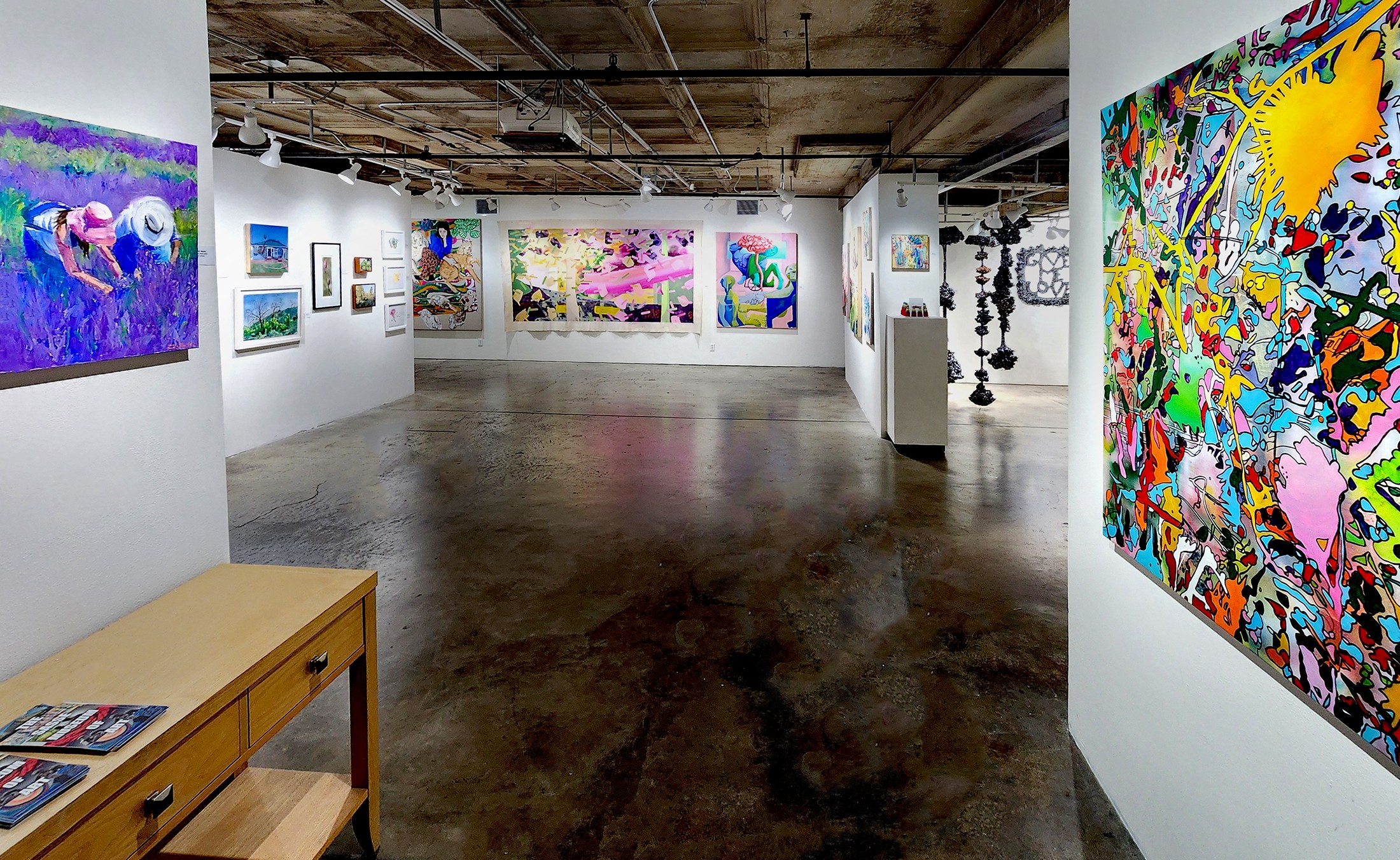
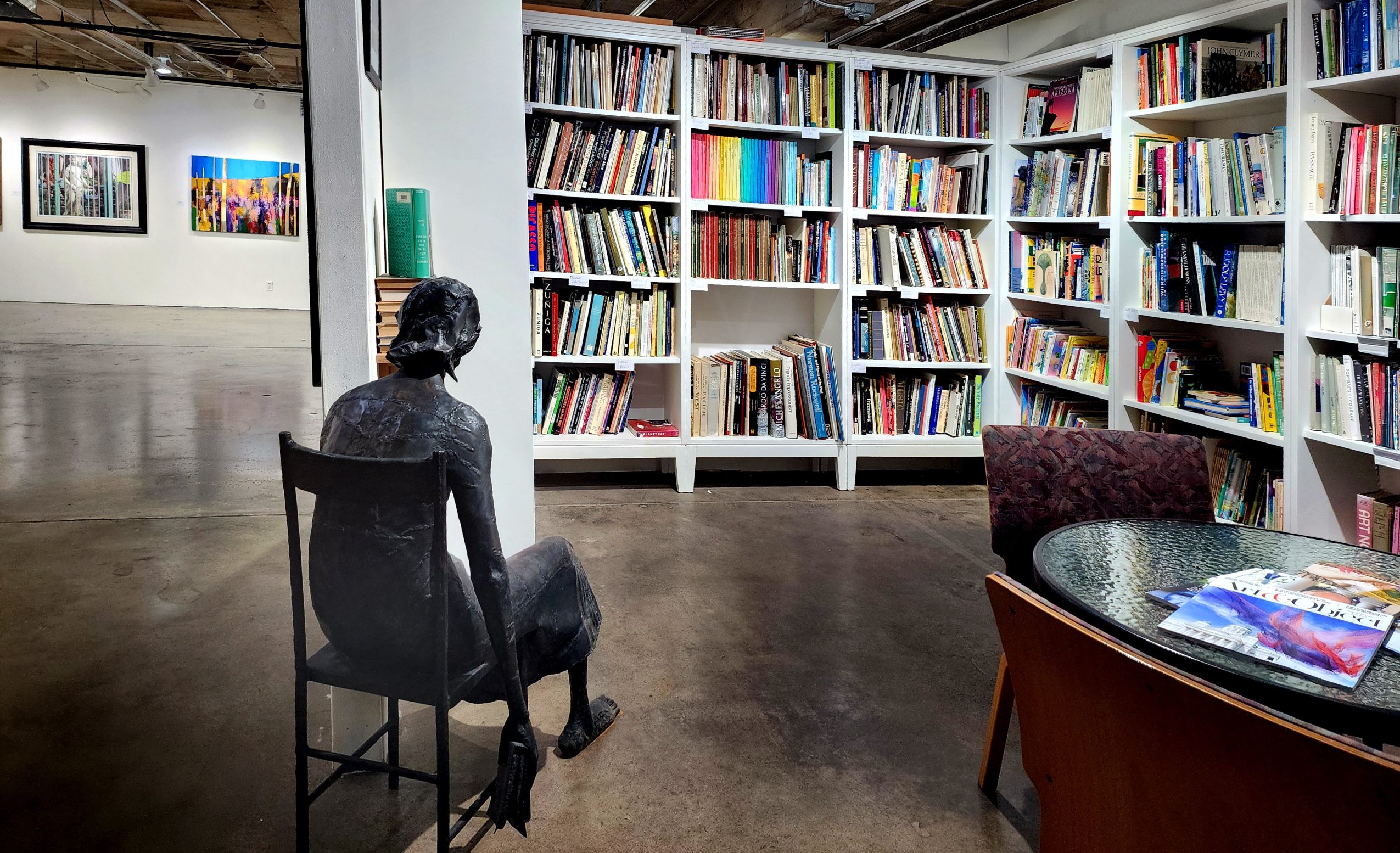
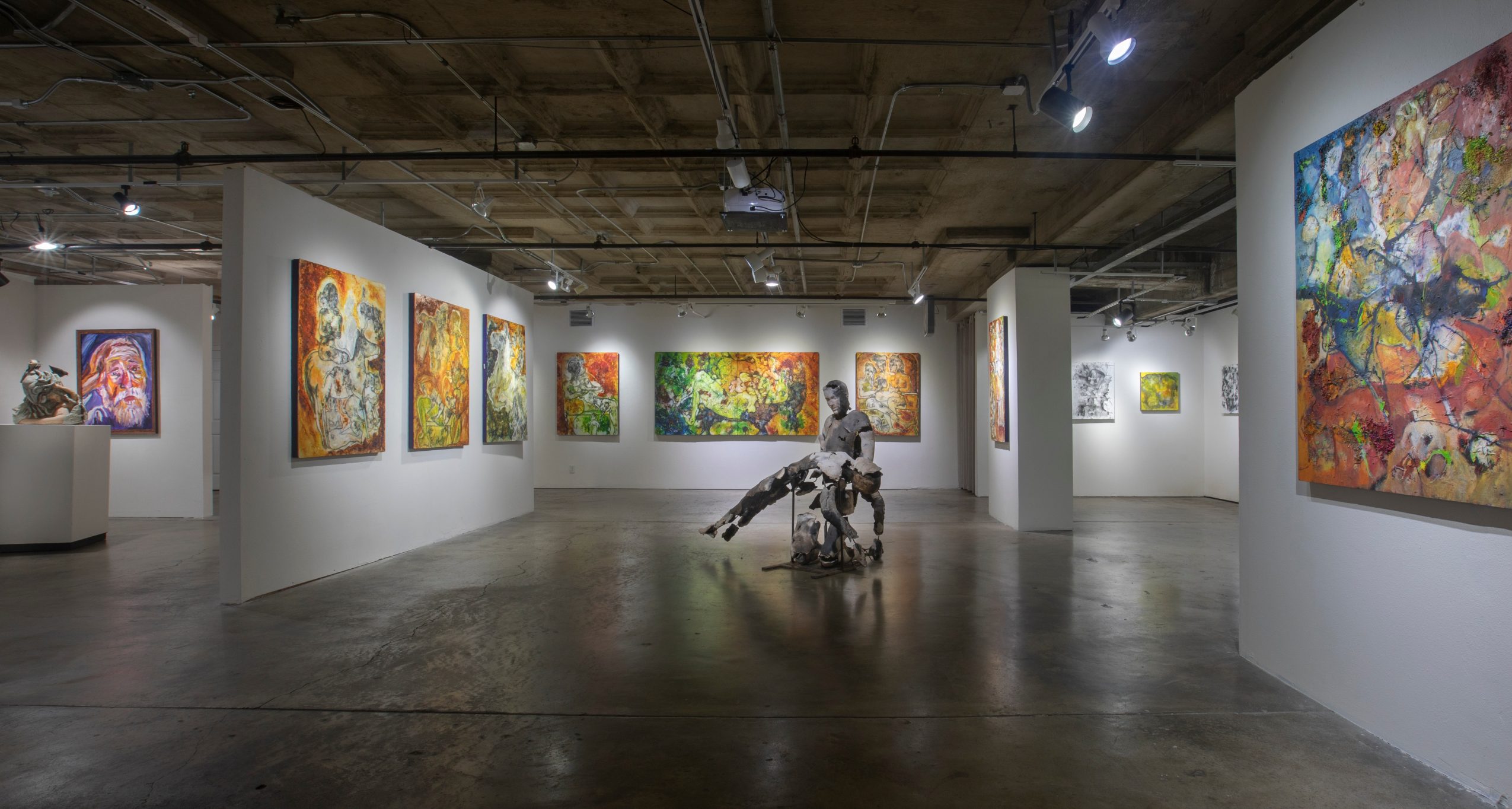
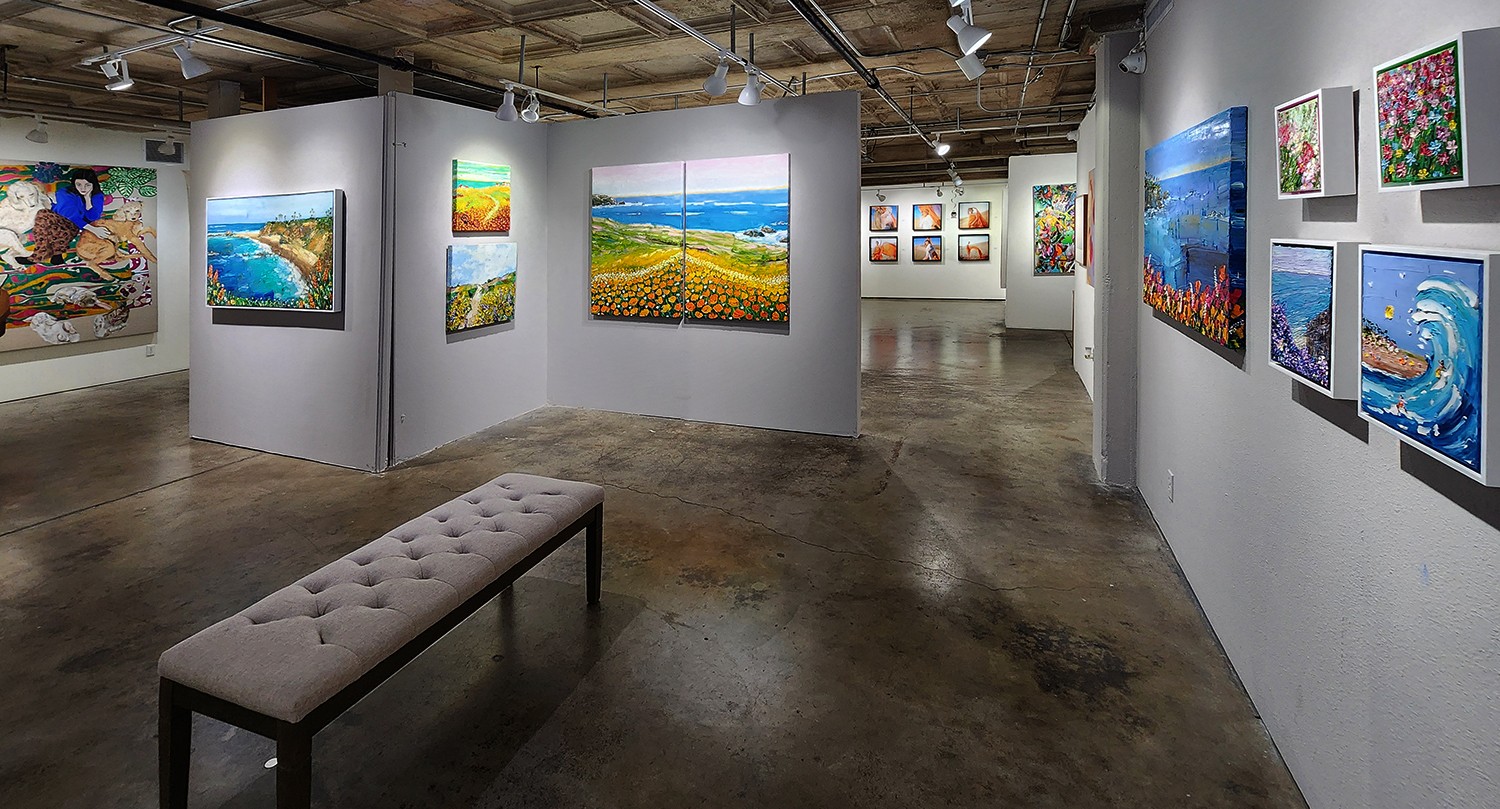
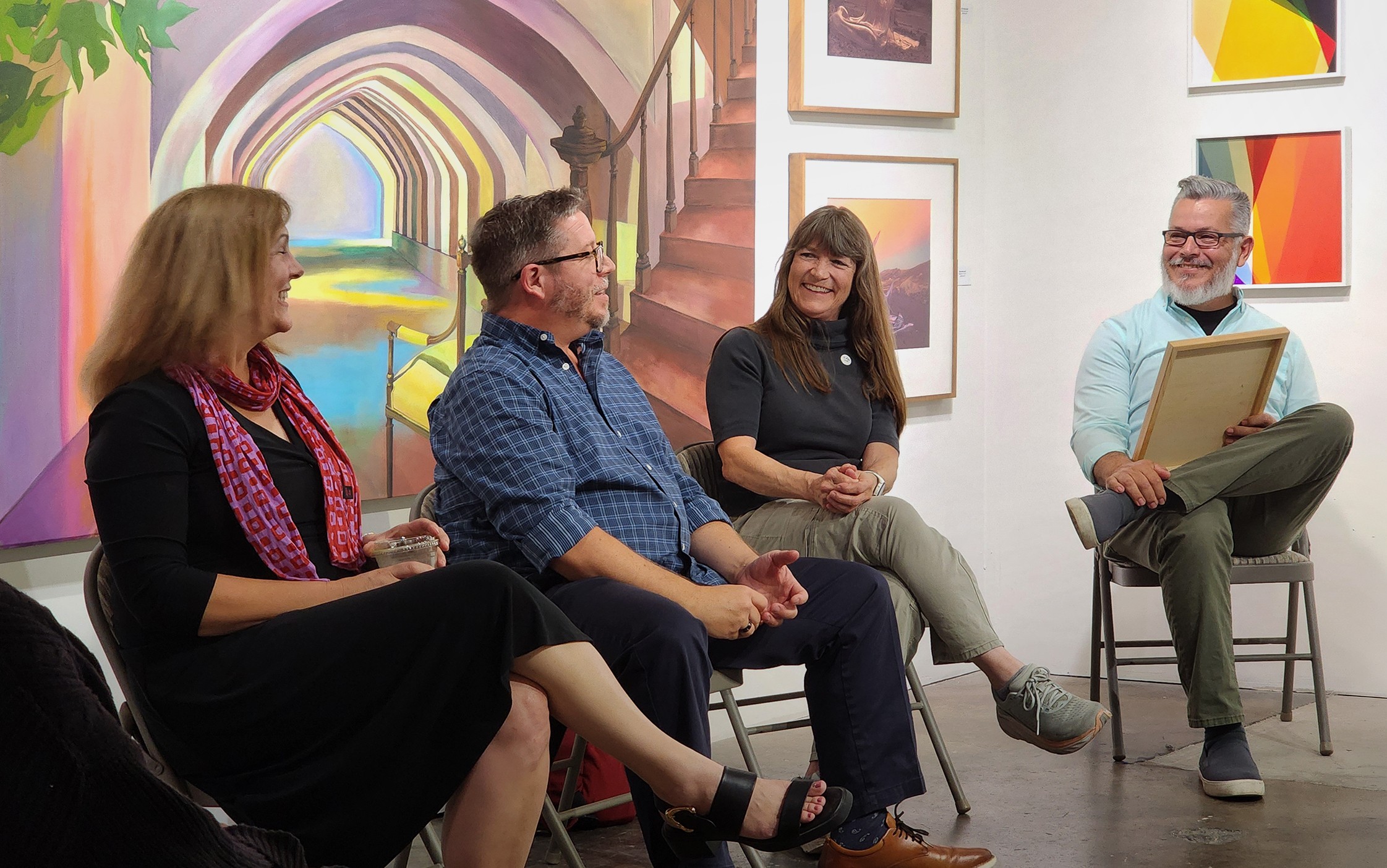
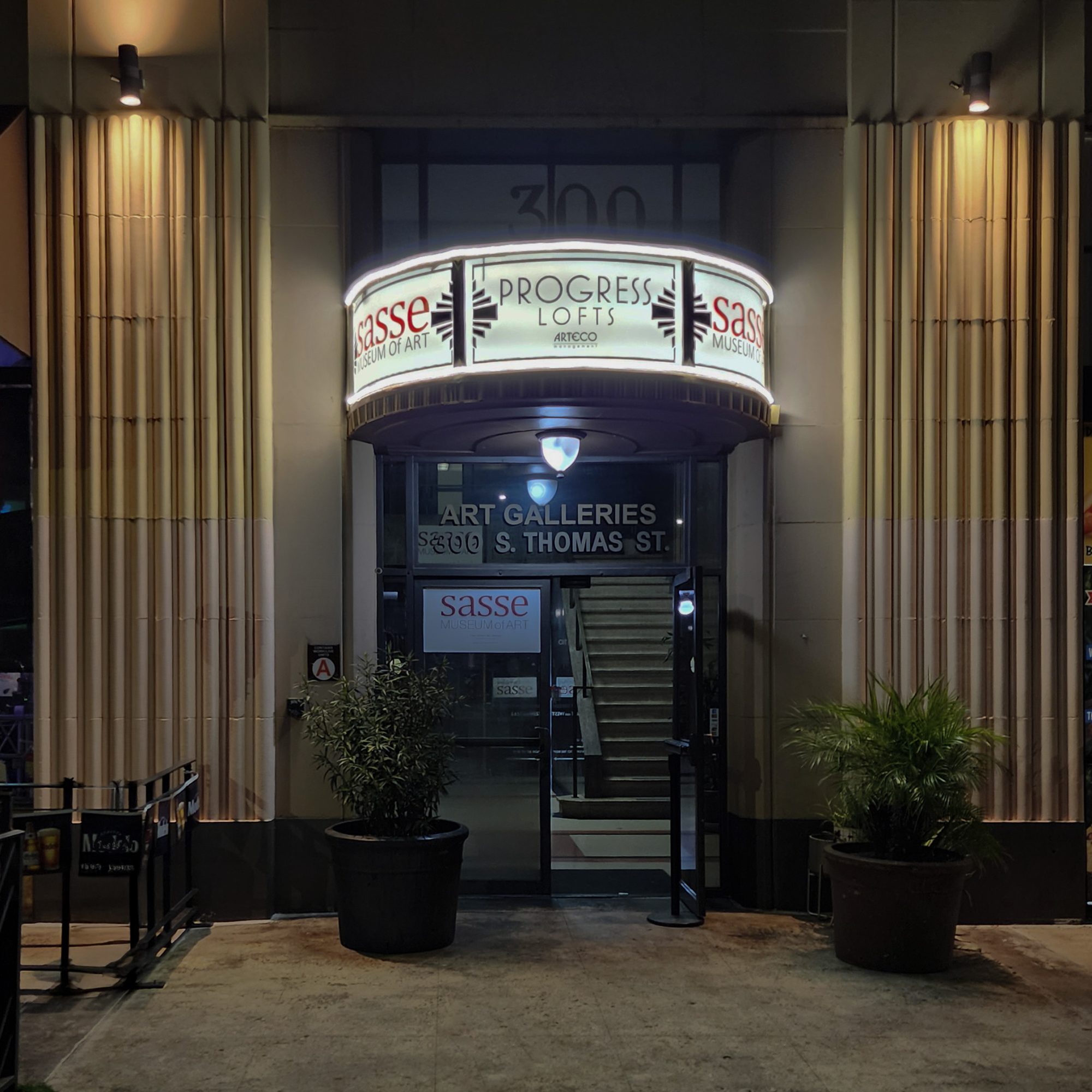
Image Credits
Gene Sasse
Popular
-

Portraits of the Valley
-

LA’s Most Inspiring Stories
-

Greg Hex Is Turning the Everyday Kitchen Knife Into a Modern Design Object
-

Rick Norris Learned That Building a Successful Business Means Building a Life You Actually Want to Live
-
How Olivia Rush Turned Survival Into a Mission to Help Others Keep Going
-

How Bibi Goldstein Is Helping Entrepreneurs Reclaim Their Time by Embracing the Power of Delegation


