




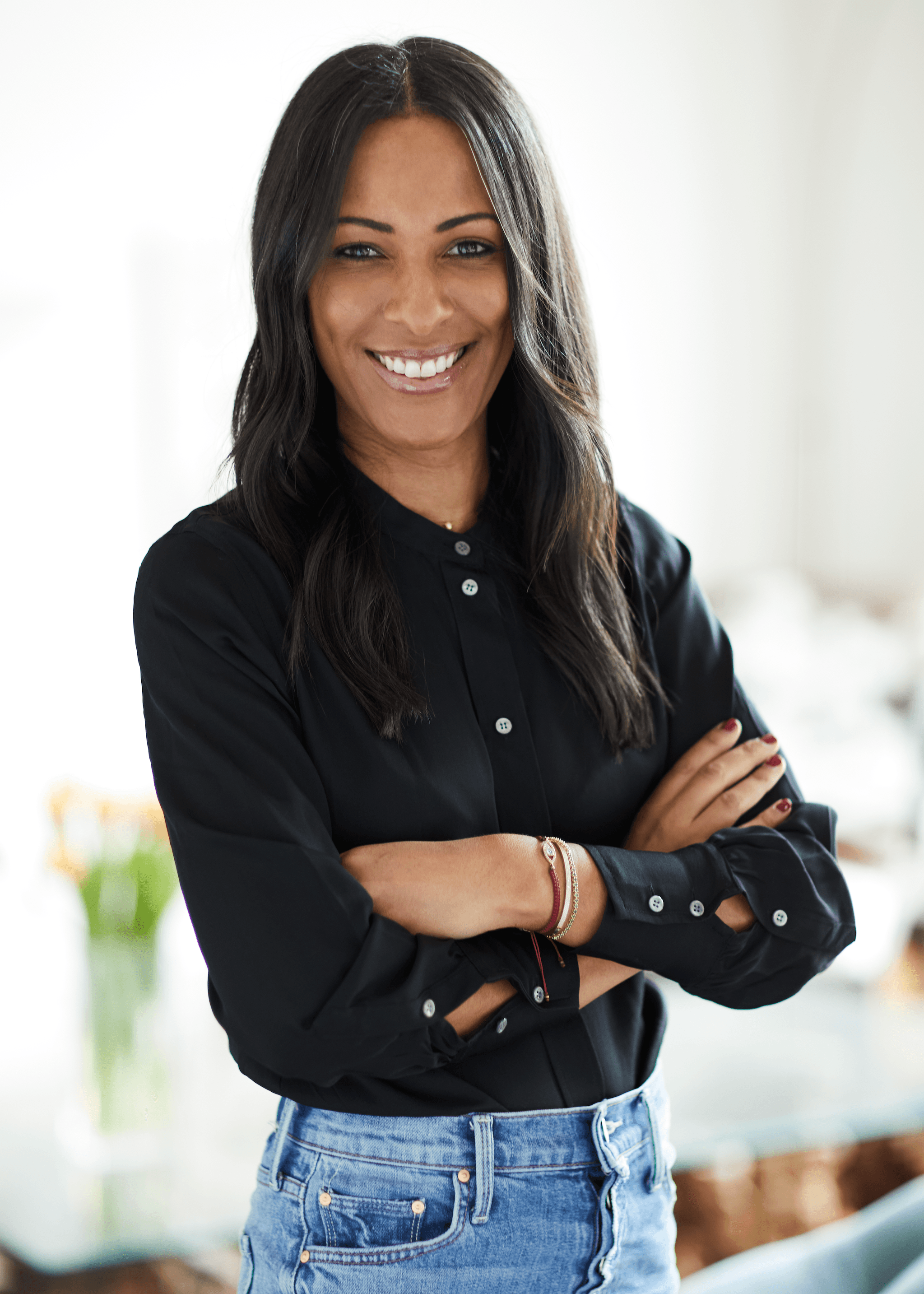
Today we’d like to introduce you to Erika Brulé.
Hi Erika, thanks for joining us today. We’d love for you to start by introducing yourself.
For 20+ years, I worked in experiential marketing, creating live experiences for brands including Apple and Airbnb. I eventually became Vice President of Events + Talent Relations at Hulu. I built that career as a Black woman without a college degree, and I was proud of it. My work was about creating experiences that made people feel something. You started with what you wanted people to experience, then built the environment around getting them there.
Eventually, I stopped being happy doing it. I live with bipolar disorder, and my mental health deteriorated to the point that I was thinking about suicide. I knew I could not keep living the way I was living. At 43, I quit. I had no next job, no business plan, and no idea what came next. I knew I wanted the second half of my life to be grounded in service. I had volunteered since I was a kid, and I wanted helping people to become central to my life.
So I stayed home. I took classes. I volunteered. I gave myself permission to figure it out.
On January 31, 2023, I signed up for a youth game night at The Midnight Mission’s HomeLight Family Living program, a transitional housing program for families in Los Angeles. I had never heard of transitional housing before, so I Googled it before I went. I learned that families could live there for a defined period while working toward permanent housing, with access to services that could include case management, therapy, employment support, financial literacy, education, and healthcare.
The night started outside. Kids were playing soccer, jumping rope, shooting baskets. I got pulled into a game with a group of boys who spent most of it clowning me because I cannot shoot a basketball to save my life. We were laughing, talking trash, having fun.
After a while, we went inside one of the apartments and broke into smaller groups. My group ended up around the dining table playing Uno. I was still laughing and completely convinced I was winning when the room around me started to register.
Harsh, cold lighting. Stained carpet. Mismatched furniture. Bare walls. Fluorescent light in the kitchen. Dark bedrooms.
And I felt depressed sitting there.
The contrast was jarring. Minutes earlier, I had been outside, surrounded by all that energy and connection. Now I was sitting inside the place a family was supposed to call home, and the environment was making me feel profoundly different.
I kept wondering what the space might be communicating to the people who actually lived there. Did they think this was what they deserved? Was this what they thought they were worth?
I knew nothing about architecture or interior design as professions. But I knew how to create experiences that made people feel something. I had spent my entire career doing exactly that.
I left that night feeling heavy, and the apartment stayed in my head.
Two weeks later, I was sitting at my desk at home when the idea for Flip4Good came to me. I was going to redesign transitional housing environments.
That was basically the whole idea.
I did not have a model. I did not know how I was going to do it. I did not even know enough yet to understand how much I did not know.
Then the questions started.
I knew very little about homelessness, transitional housing, or the systems surrounding either one. I started with the questions I carried out of that apartment, and every answer exposed another subject I had never considered. One question led to another rabbit hole. I found myself learning about homelessness classifications, housing programs, funding, policy, public health, childhood development, behavioral psychology, architecture, and the relationship between the built environment and the human body.
I poured every question, search, article, research paper, database, and finding into one Google Doc until it maxed out at 254 pages.
Somewhere in that research, the story became personal in another way.
When I was about seven, my mother lost all of her money and could no longer afford housing, so my sister, my mother, and I moved into my grandfather’s house. I never thought of myself as homeless. I had a bedroom. My grandparents had a pool. My grandmother stocked the pantry with Pop-Tarts, which felt like a major win to seven-year-old me.
At the same time, my mother regularly took my sister and me to Skid Row to distribute brown-bag lunches.
Decades later, I understood that my family had experienced homelessness too. As a child, I had no idea that the families on both sides of those brown paper bags could fall under the same word.
Eventually, one of those research rabbit holes led me to trauma-informed interior design. For the first time, I had language and evidence for something I had first experienced in my body that night at HomeLight: the built environment is always doing something to the human being inside it.
That idea became the foundation for Flip4Good.
Today, I’m the Founder + CEO of a Los Angeles nonprofit using trauma-informed interior design as a behavioral health intervention. We transform built environments around the people who depend on them, study what happens after the intervention, and use what we learn to keep improving the model.
I did not set out to change careers. I was trying to change my life. I did not set out to enter the design industry. I was trying to be of service.
Flip4Good is what happened next.
Can you talk to us a bit about the challenges and lessons you’ve learned along the way. Looking back would you say it’s been easy or smooth in retrospect?
No. Not even a little.
I started Flip4Good with a lot of conviction and very little knowledge of the industries I was stepping into. I was learning housing, homelessness, nonprofit infrastructure, architecture, interior design, construction, fundraising, research, and behavioral health at the same time.
I knew from the beginning that I was not an architect or interior designer, and I never wanted to pretend otherwise. Part of my job became getting very clear about what I knew, what I did not know, and who needed to be around the table.
That meant building my own knowledge while also building a multidisciplinary bench around Flip4Good.
I graduated from Santa Monica College’s Homeless Service Work program, completed fieldwork with Dr. Heidi Behforouz at LA County’s Department of Homeless Services and Housing, and David Prentice, President + CEO of The Midnight Mission, became my mentor. I was also accepted into and graduated from Grid110’s 2025 Launchpad, an LA-based accelerator for founders. Flip4Good was the only nonprofit in my cohort, and the experience pushed me to think differently about strategy, operations, growth, and what it takes to build an organization that can last. I’m back at SMC now, continuing that education through coursework focused on affordable housing and real estate.
At the same time, I began surrounding Flip4Good with people and organizations that could bring expertise I did not have. Today, that bench includes BCCI, HOK, Cumming Group, McKinsey & Company, and Autex Acoustics, alongside housing providers, designers, builders, researchers, manufacturers, educators, volunteers, and residents who continue to shape the work.
I also made mistakes because I was moving faster than my knowledge.
I built a brand before I fully understood trauma-informed interior design, which meant some of our earliest visual decisions did not reflect the principles that would eventually guide the work. I recruited people too quickly because I was eager to surround the idea with people who believed in it. I had to learn that enthusiasm and alignment are different things, and that the organization needed very specific skills, judgment, experience, and accountability around it.
I was also investing a lot of my own money into figuring out whether this idea could become a real organization. There were classes, research, legal and nonprofit infrastructure, our first board, and a lot of learning by doing.
There was plenty of skepticism too.
Some of it came disguised as advice. Some of it was much louder.
At one point, someone close to me literally yelled, “This is the stupidest idea in the world. You’re not a philanthropist. You’re not rich.”
I carried that with me for a long time.
So when The Midnight Mission became the first housing provider to say yes, it was huge. Someone outside of me was willing to put the idea into practice and build it with me.
Then came the reality of actually delivering the work.
Our first residential Flip had an eight-day installation window because the apartment could not stay offline. Every day we occupied it was another day The Midnight Mission had one less unit available to house a family. There was no room for a schedule slip.
During that project, I decided I could regrout the tile on the kitchen countertops and in the shower after watching some YouTube videos.
I could not.
The building dated to the 1960s, the tile was porous, and the grout did not cure properly. What was supposed to be a DIY fix turned into a couple-thousand-dollar professional repair that was very much not in the budget.
Then, two days before our refrigerator and range were supposed to arrive, the retailer canceled the order because the models were out of stock.
No backup plan. Just an email.
We solved it, but those experiences taught me very quickly that the idea could be great and the project could still fail if the execution behind it was not strong.
One of the biggest challenges has been learning how to hold vision and humility at the same time. I have to believe deeply enough in what we are building to protect the core idea, while staying open enough to let research, residents, housing providers, designers, builders, partners, and our own mistakes shape how we deliver it.
Flip4Good looks very different today than the organization I first imagined at my desk, and I am glad it does. The model has become stronger because people have challenged it, tested it, brought expertise I did not have, and helped me see where the idea needed to evolve.
Alright, so let’s switch gears a bit and talk business. What should we know?
Flip4Good is a Los Angeles nonprofit that uses trauma-informed interior design as a behavioral health intervention. We focus on a question most people rarely think about: what is the built environment doing to the person inside it?
Trauma-informed interior design looks at how light, color, sound, texture, acoustics, layout, materials, privacy, choice, and control can affect the way people experience a space. Every nervous system is responding to environmental input, whether we consciously notice it or not. When someone is navigating trauma, instability, or major transition, the environment can add stress, reduce stress, reinforce a sense of safety, create friction, or make everyday life easier to navigate.
That shows up in very practical ways. Harsh overhead lighting can create glare and visual fatigue, so we may layer warmer light sources throughout a space. Highly saturated or high-contrast color can increase stimulation, so our palettes are selected with nervous-system regulation in mind. Acoustics influence how much sensory input someone is processing. Natural light, wood tones, organic shapes, and other biophilic elements can help create a calmer environment. Furniture placement, storage, circulation, privacy, and sightlines can influence how easily someone moves through a space, finds what they need, rests, or maintains a sense of order.
Every decision has a reason behind it.
Our model has three connected parts: we transform spaces, we study what happens after the intervention, and we teach what we are learning.
The design itself is always context-specific. A residential apartment where a family is living for a year has different needs from a therapy room, business center, workspace, or shared community environment. Who uses the space, what they need to do there, how long they stay, how many people occupy it, how staff operate, and what the provider is trying to accomplish all shape the design response. The principles stay consistent. The application changes.
Research is a core part of how we work because I do not want us assuming a space is effective because it looks good. We collect resident-reported data and, separately, optional biometric data through Garmin wearables to understand what changes after the environmental intervention and what holds over time.
Within the first 90 days of the intervention, resident-reported data showed a 350% increase in perceived safety, a 300% increase in happiness, a 167% increase in hopefulness, and a 56% decrease in stress. Those are early findings, and we treat them that way. Our current model follows residents longitudinally for 12 months and includes comparison data from people living in the same facility in spaces Flip4Good has not redesigned. The goal is to test the hypothesis, understand where the environment is contributing to change, identify where it is not, and keep improving the work.
Our partnership with The Midnight Mission shows how the model can move across different kinds of environments. We began with residential housing. Their needs later expanded to include private therapy suites and a business center where residents could meet with clinicians, work, learn, and build toward economic mobility. We transformed a former two-bedroom apartment into two trauma-informed therapy suites and a business center designed around those functions. That project is now a 2026 REmmy Awards finalist in the Innovative Workplace category through the Southern California Chapter of CoreNet Global.
We are also building workforce development into the model. Expanding access to trauma-informed environments requires people across design and the skilled trades who understand why these decisions exist and how to execute them well. In 2026, we partnered with California State University, Long Beach on a Design Challenge with 42 third-year interior design students working from a real housing brief and real trauma-informed design constraints. We are now building on that work to connect design education and skilled trades to real project delivery.
What I am proudest of is that Flip4Good has stayed anchored to the original idea while the way we deliver the work has become stronger, smarter, and more informed by research, residents, and the people helping us build it. We started in transitional housing because that is where I first encountered the problem. The same trauma-informed principles can be applied across permanent housing, healthcare, therapy environments, workplaces, schools, shelters, and other spaces where people spend meaningful parts of their lives.
Our position is simple: the built environment is foundational to housing and human wellbeing. It belongs at the beginning of the conversation, the planning, and the investment.
Housing provides access. The environment is the intervention.
Can you share something surprising about yourself?
People usually assume that because I spent 20+ years in experiential marketing and now run a design nonprofit, I must be this wildly creative, mood-board-first person.
I am not.
My brain is operational.
Give me a big idea, and I immediately start turning it into a workback plan, a tracker, a budget, a timeline, and a list of everything that could go wrong. I love the vision part, but my instinct is always to figure out how we are actually going to make it happen.
When The Midnight Mission gave Flip4Good its first real yes, I did not call anyone or post about it. I sat at my desk for a second, did a very brief silent celebration, and then opened the spreadsheet I had already started months earlier and got to work.
That is probably the clearest description of how I operate. I can see the big picture, and then my brain immediately starts building the road to get there.
Contact Info:
- Website: https://www.flip4good.org/
- Instagram: https://www.instagram.com/flip4goodorg/
- LinkedIn: https://www.linkedin.com/company/flip4good/
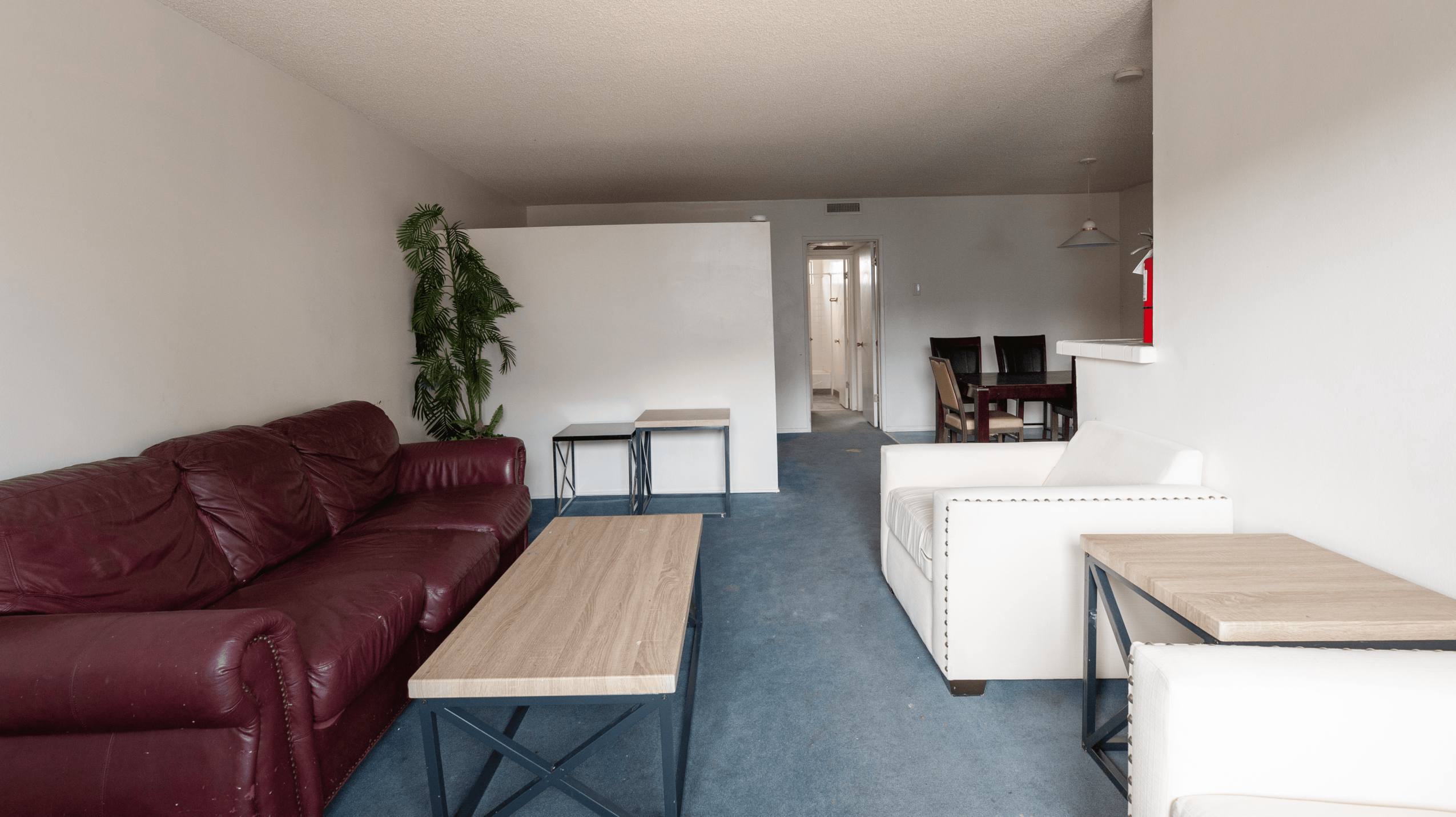
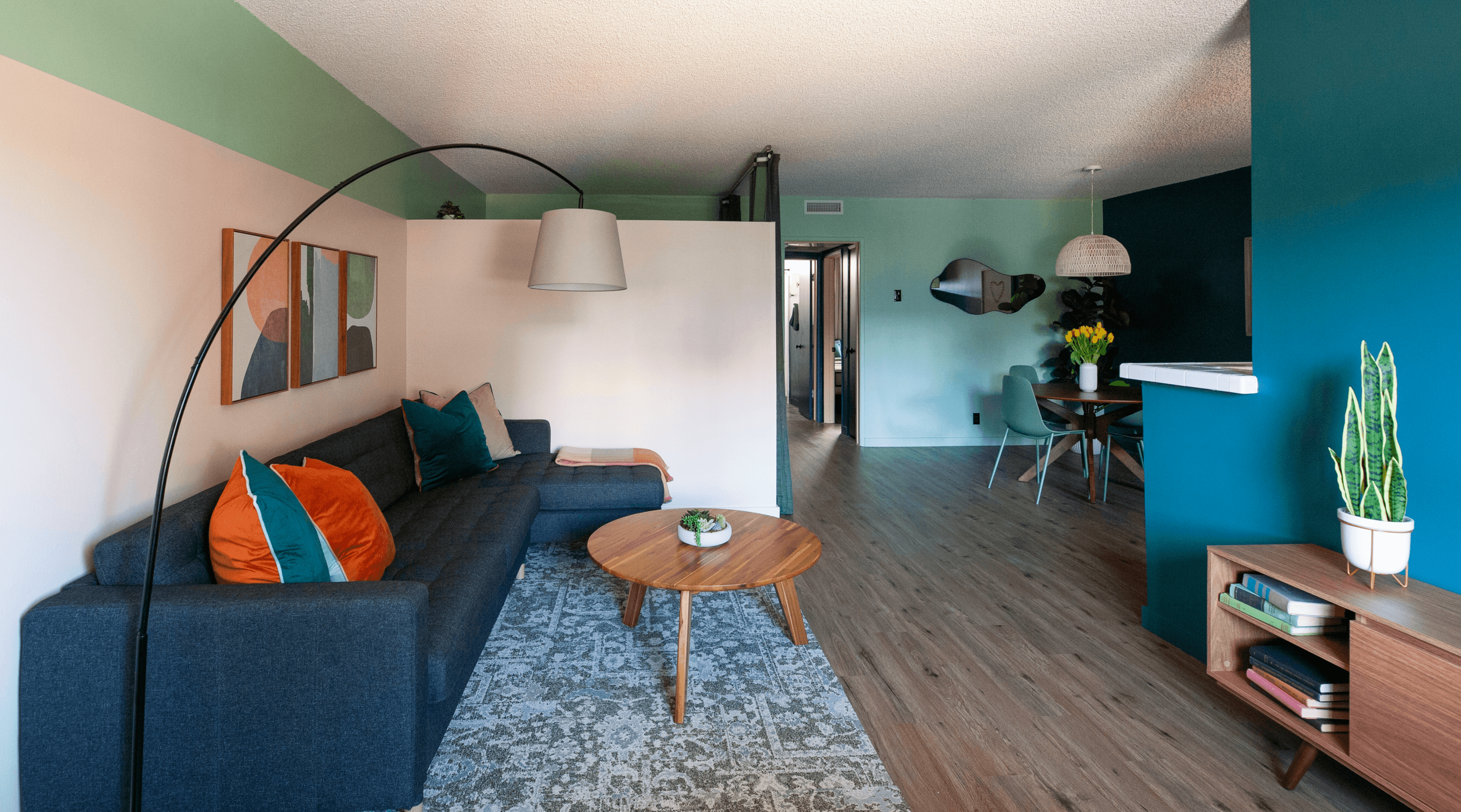
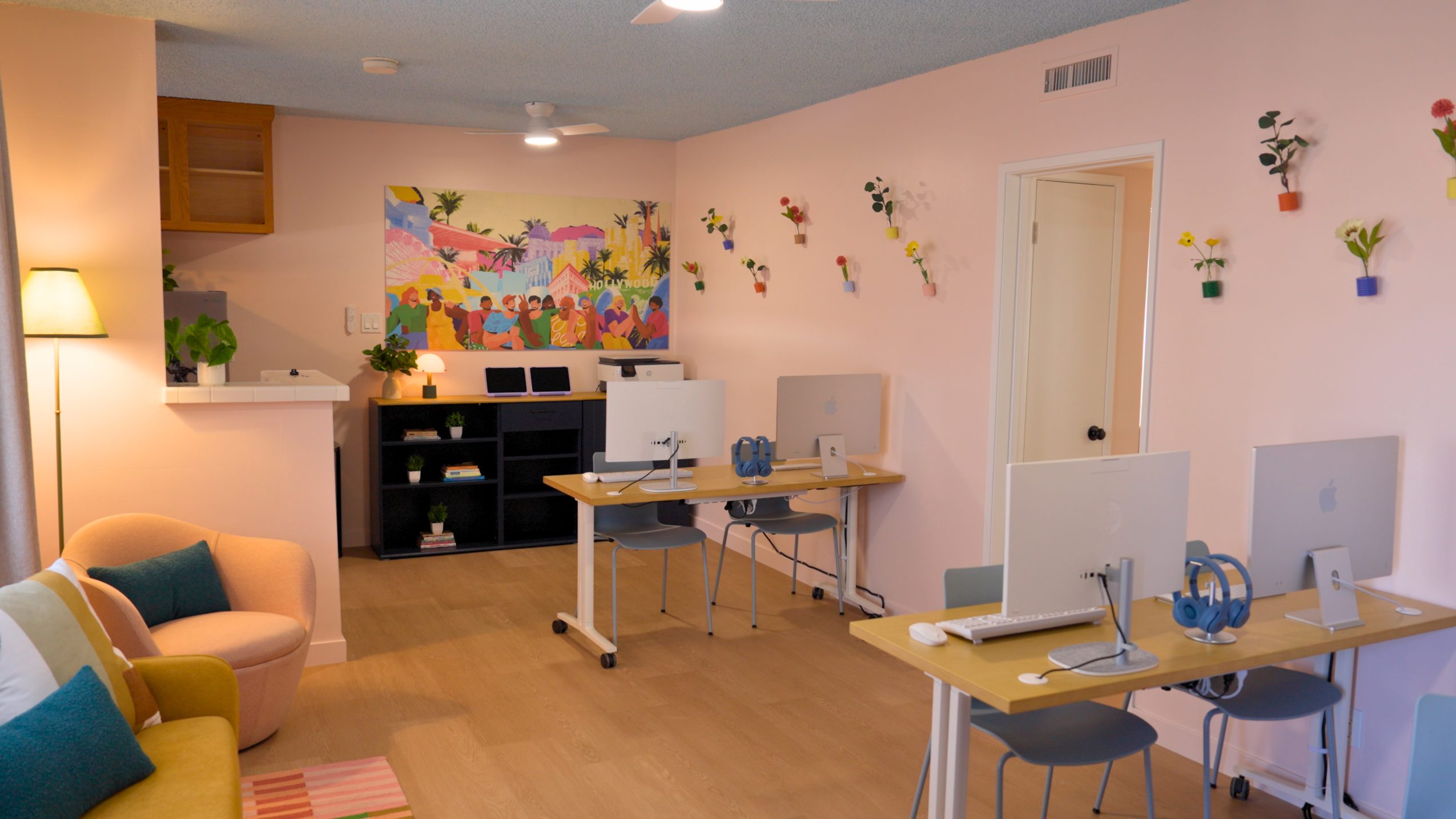
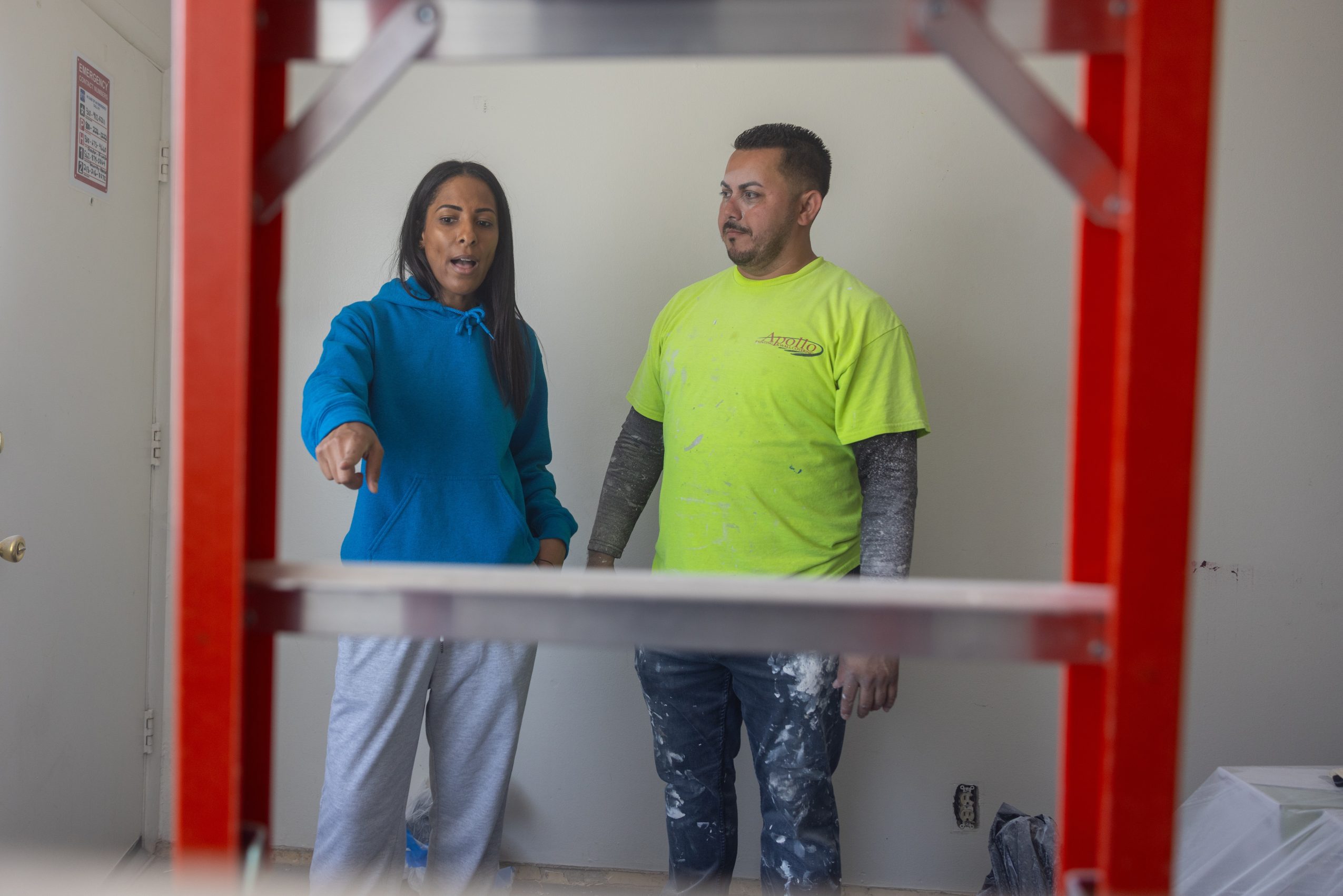
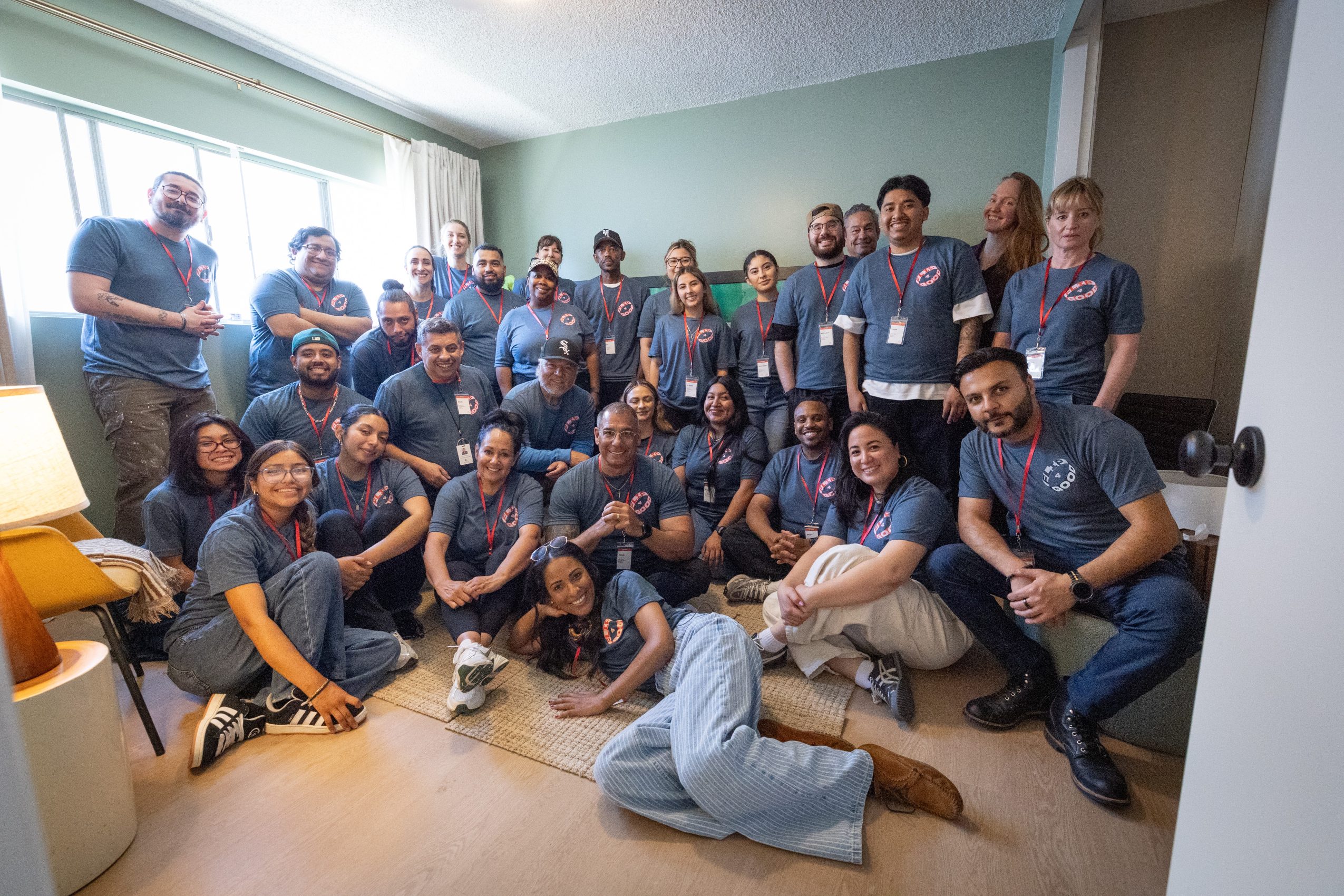
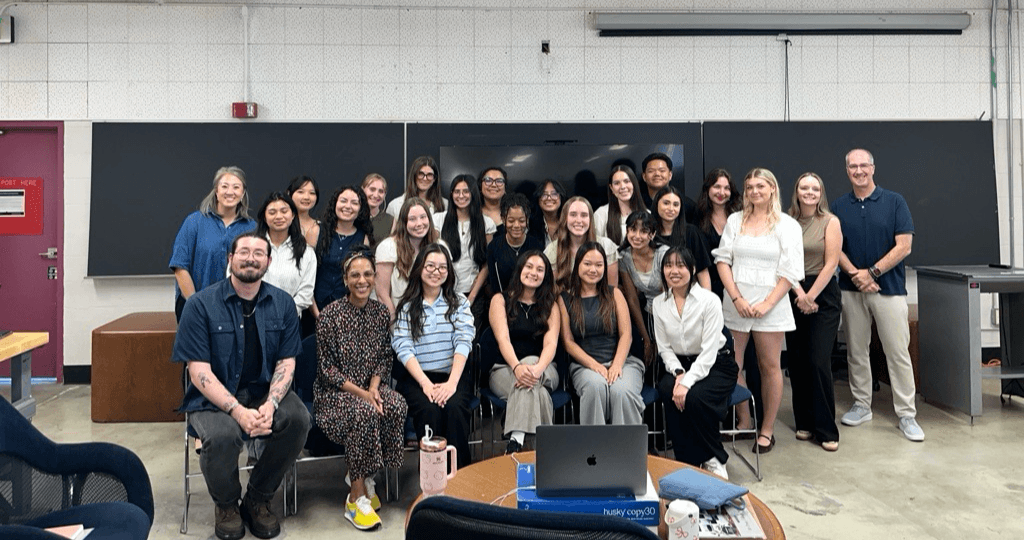
Image Credits
James Cant
Jason Armond
Petra Ford
Popular
-

Portraits of the Valley
-

LA’s Most Inspiring Stories
-

Greg Hex Is Turning the Everyday Kitchen Knife Into a Modern Design Object
-

Rick Norris Learned That Building a Successful Business Means Building a Life You Actually Want to Live
-
How Olivia Rush Turned Survival Into a Mission to Help Others Keep Going
-

How Bibi Goldstein Is Helping Entrepreneurs Reclaim Their Time by Embracing the Power of Delegation


