




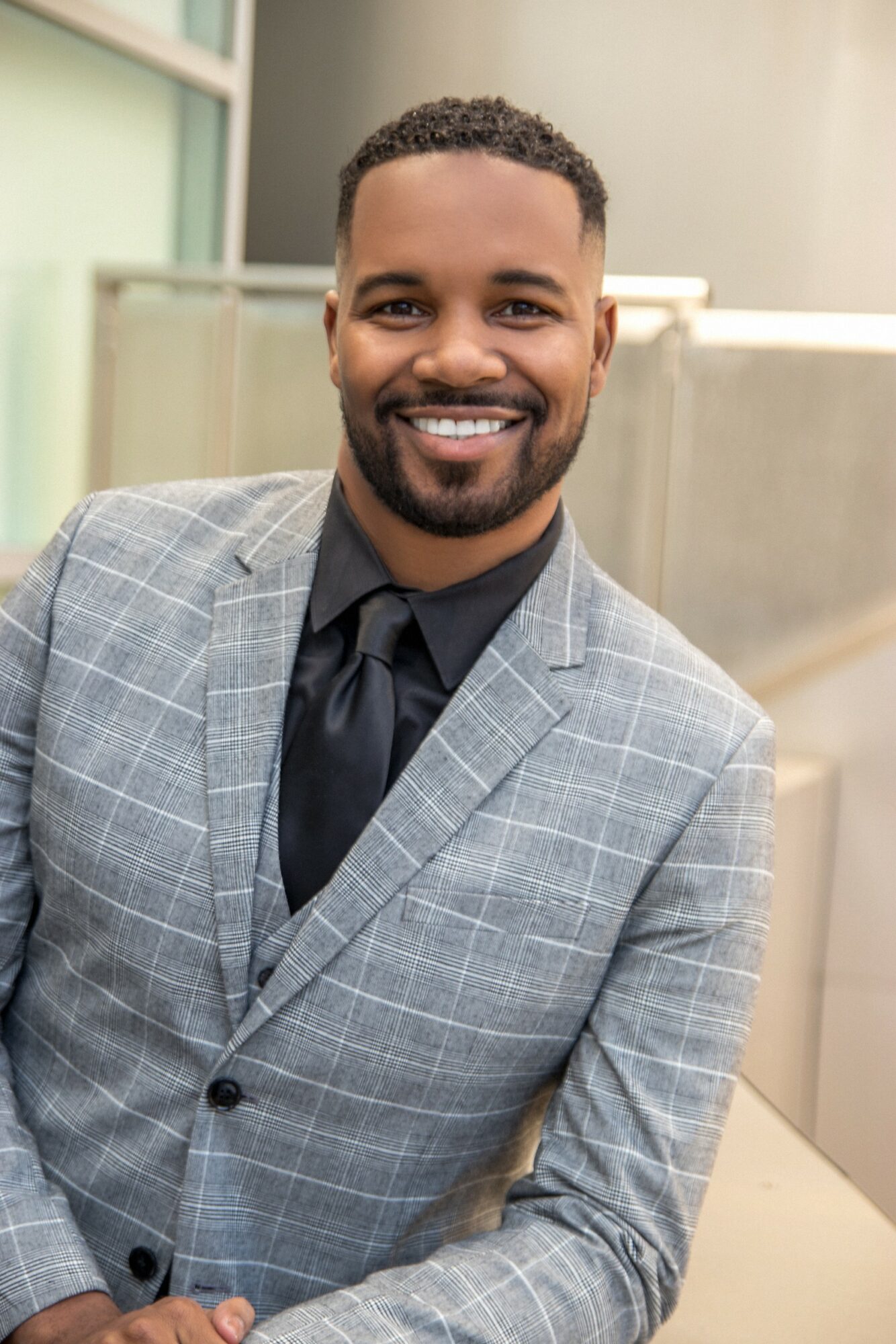
Today we’d like to introduce you to Dr. Allen Lipscomb.
Hi Dr. Allen, please kick things off for us with an introduction to yourself and your story.
My professional journey is deeply rooted in my lived experience as a Black man growing up in Southern California. I was born in Pasadena and lived there until I was five, before moving to the San Fernando Valley in the late 1980s. Raised by a single mother alongside my older brother, we moved often and navigated ongoing financial and housing instability. Amid that uncertainty, school became the one consistent and grounding force in my life. My mother’s unwavering faith in God and belief in education made a way forward, even when resources were limited.
I was the first in my family to pursue higher education. I attended Santa Monica college while working two part-time jobs, completing my general education requirements in two years and earning an associate of arts degree in Liberal Studies. I then transferred to UC Santa Barbara, where I double majored in Psychology and Black Studies. I went on to earn my Master of Social Work from the University of Southern California and later my doctorate in clinical psychology from Ryokan College. Mentorship was pivotal in my journey—having role models who believed in me and helped me envision myself in spaces where Black men were often absent. Those experiences solidified my commitment to increasing visible representation of men of color in higher education and advancing psychological and emotional justice for men, youth, and families of color.
I’m sure it wasn’t obstacle-free, but would you say the journey has been fairly smooth so far?
I would not describe my journey as a smooth road—but I would describe it as an intentional and purpose-driven one. I faced significant challenges, including financial strain, frequent moves, and navigating academic and professional spaces where I was often one of the few Black men present. Being the first in my family to pursue higher education came with pressure, uncertainty, and moments of self-doubt.
At the same time, those challenges shaped my resilience and clarity of purpose. They taught me how critical support systems, mentorship, and culturally affirming spaces are to success and healing. Rather than deterring me, these experiences became the very foundation of my work. They continue to inform how I show up as a clinician, educator, mentor, and leader—deeply aware that the barriers people face is often systemic, not personal.
Thanks for sharing that. So, maybe next you can tell us a bit more about your business?
I currently serve as a Full Professor, Associate Chairperson, and Director of the Online and Offsite MSW Programs at California State University, Northridge, where I also direct the Minority Male Mentoring (M3) and Student Success Allies (SSA) programs in the College of Social and Behavioral Sciences. In addition to my academic leadership, I am a licensed psychotherapist, and I maintain a private clinical practice in Los Angeles and San Bernadino County.
In my practice, I provide psychotherapy, counseling, and coaching services to individuals, couples, families, and youth navigating anxiety, trauma, grief and loss, and depression. I integrate honoring-based and culturally responsive modalities, including Bonding Recognition, Understanding, and Healing (BRuH) Approach Therapy, Internal Family Systems (IFS), Eye-Movement Desensitization and Reprocessing (EMDR), Narrative Therapy, Mindfulness-Based Cognitive Therapy, Somatic Therapy, Gottman’s Couples Therapy, and Cognitive Behavioral Therapy. My clinical work is grounded in anti-oppressive, healing-centered care that honors the lived experiences of clients, particularly those from historically marginalized communities.
What sets me apart is the integration of lived experience, clinical practice, research, teaching, and clinical advocacy. My scholarship focuses on psychiatric epidemiology and the impact of complex trauma, traumatic grief, and race-based trauma among Black men and communities of color across the African diaspora. I have published multiple peer-reviewed articles and authored five books centered on Black male grief, resilience, and healing, including the BRuH Approach and GRACE framework. I believe deeply in bridging theory and practice—ensuring that research is not only rigorous, but accessible, affirming, and actionable for real people and real communities.
How do you think about luck?
I don’t believe in luck. What I believe in is GOD and having a calling—calling on your life—and how you show up in service onto others. For me, nothing about my journey feels accidental. Every step has been shaped by purpose, preparation, anointment, appointment, faith, and a deep commitment to serving my community.
I believe doors open when your work is aligned with your values and when you consistently show up with integrity, humility, and care for others. Mentors didn’t enter my life by chance; they appeared when I was doing the work, asking questions, and remaining open to growth. Opportunities came not because of luck, but because I was willing to do the hard, often unseen labor and remain grounded in my purpose.
Service has always been my compass. When your life is oriented toward uplifting others—especially those who have been historically marginalized—you create meaning, not randomness. I believe we are each called to something greater than ourselves, and when we honor that calling, the path unfolds with intention, not luck.
Pricing:
- Therapy sessions are $275-$300 depending on modality
- Consultation and coaching sessions vary
- Trainings, Presentations, and Keynotes vary
Contact Info:
- Website: https://drallenlipscomb.my.canva.site/
- Instagram: dralipscomb
- LinkedIn: Allen Lipscomb, PsyD, LCSW
- Twitter: alcombs101
- Youtube: https://www.youtube.com/watch?v=KzhV7Spwnl8
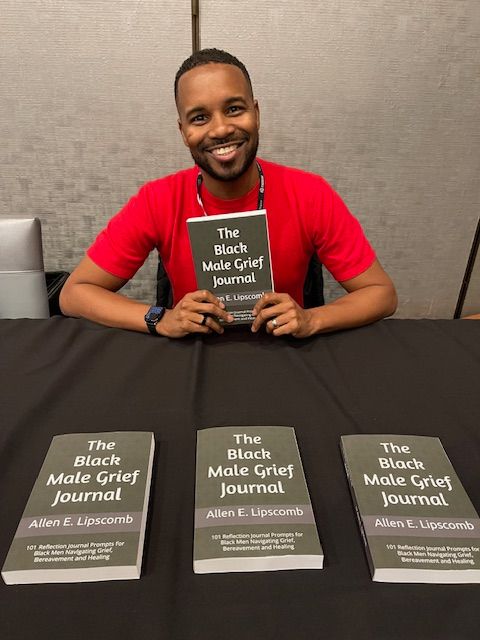
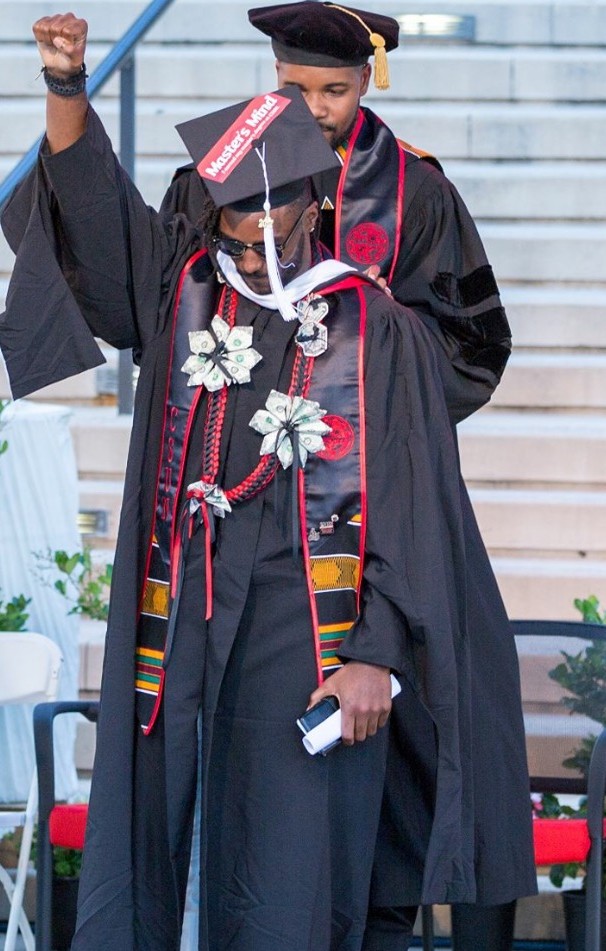
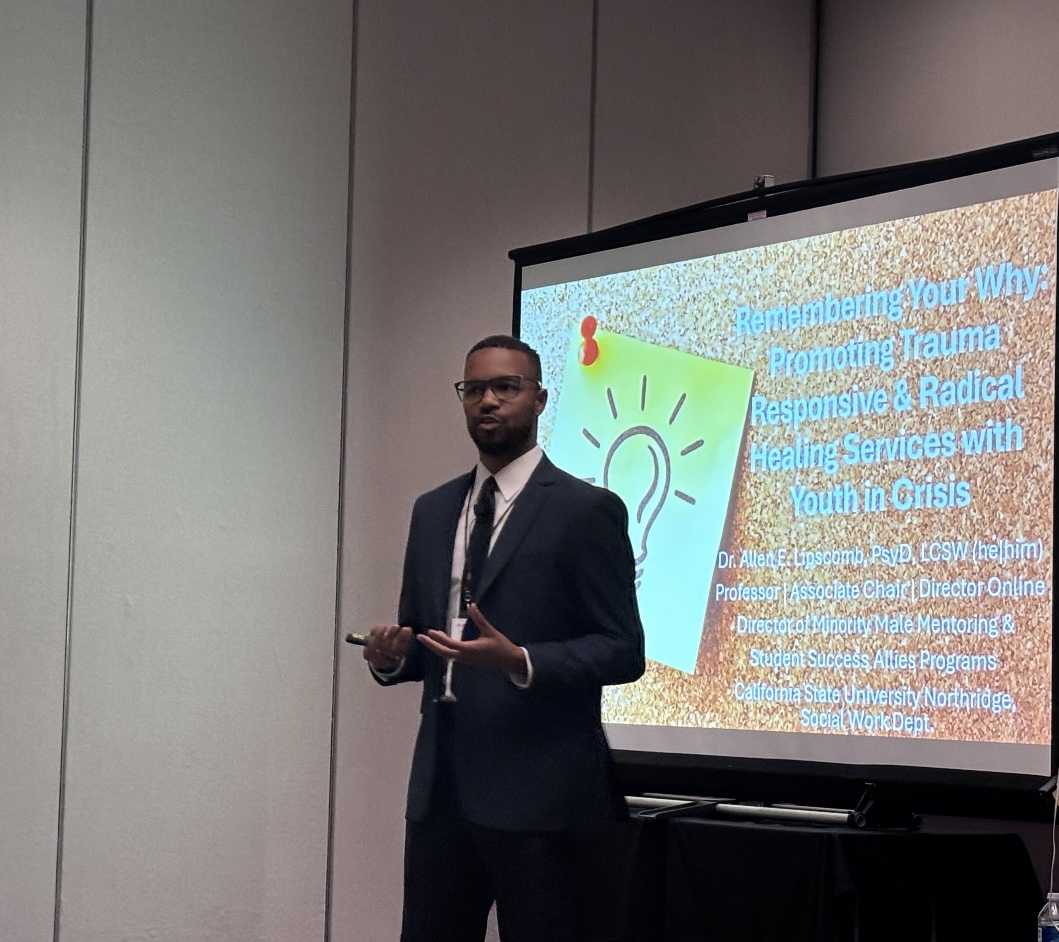
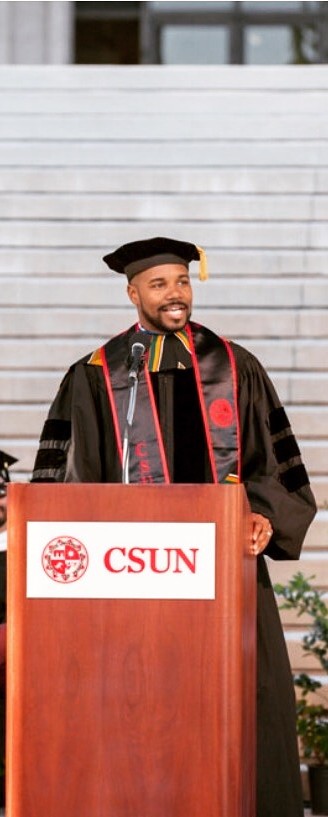
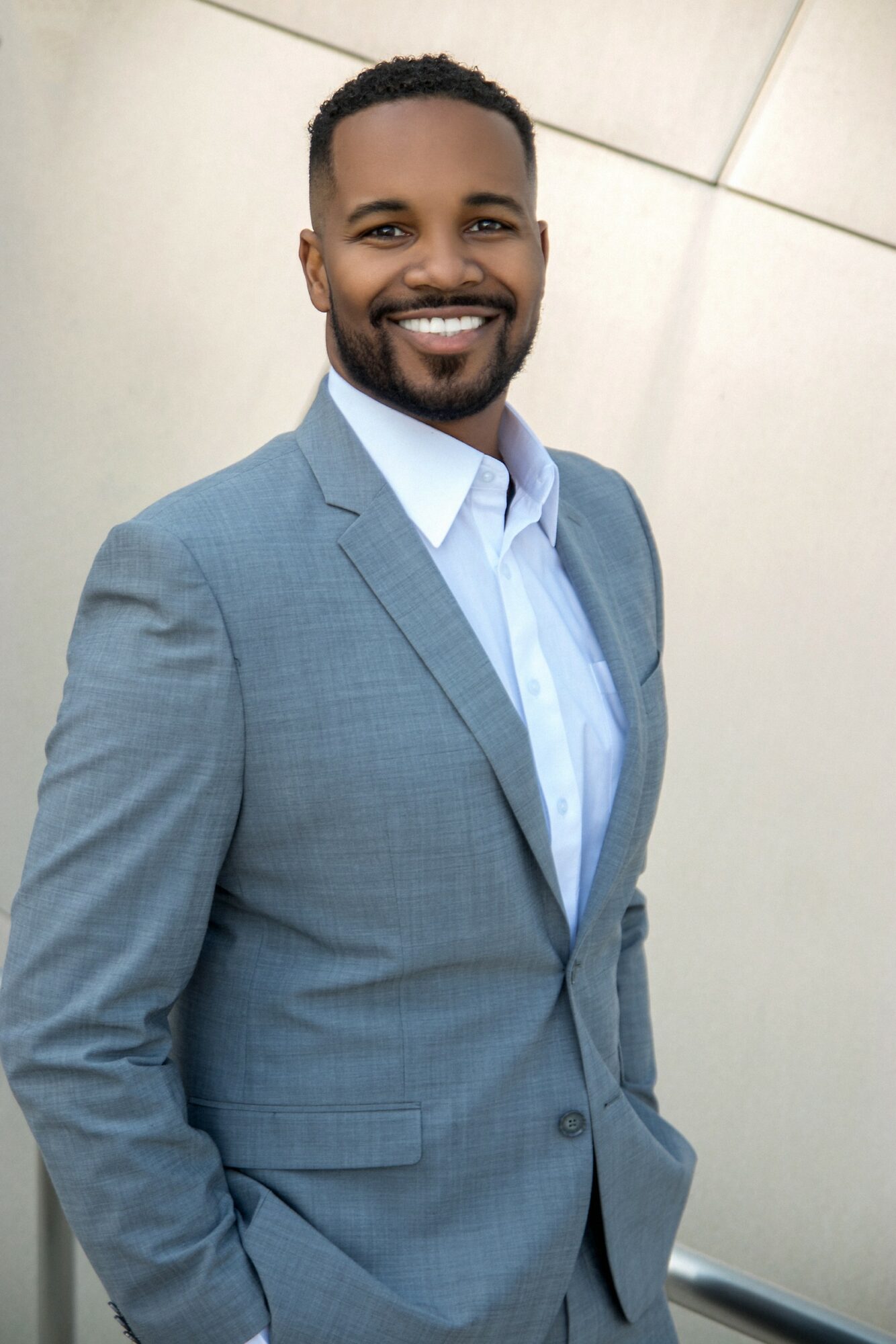
Image Credits
Kem West Photo
Popular
-
JordanL on ‘Breathe,’ Belief, and Building a Movement Beyond the Music
-
Megan Birney Rudert on How Access to Light Is Powering a More Sustainable and Equitable Future
-

Linda Kneidinger on Building Lasting Change Through Small Steps and Self-Compassion
-

Jolana Nika on Redefining Modern Connection Through Intentional, Real-Life Experiences
-

What did suffering teach you that success never could?
-

Who saw you clearly before you could see yourself?


