




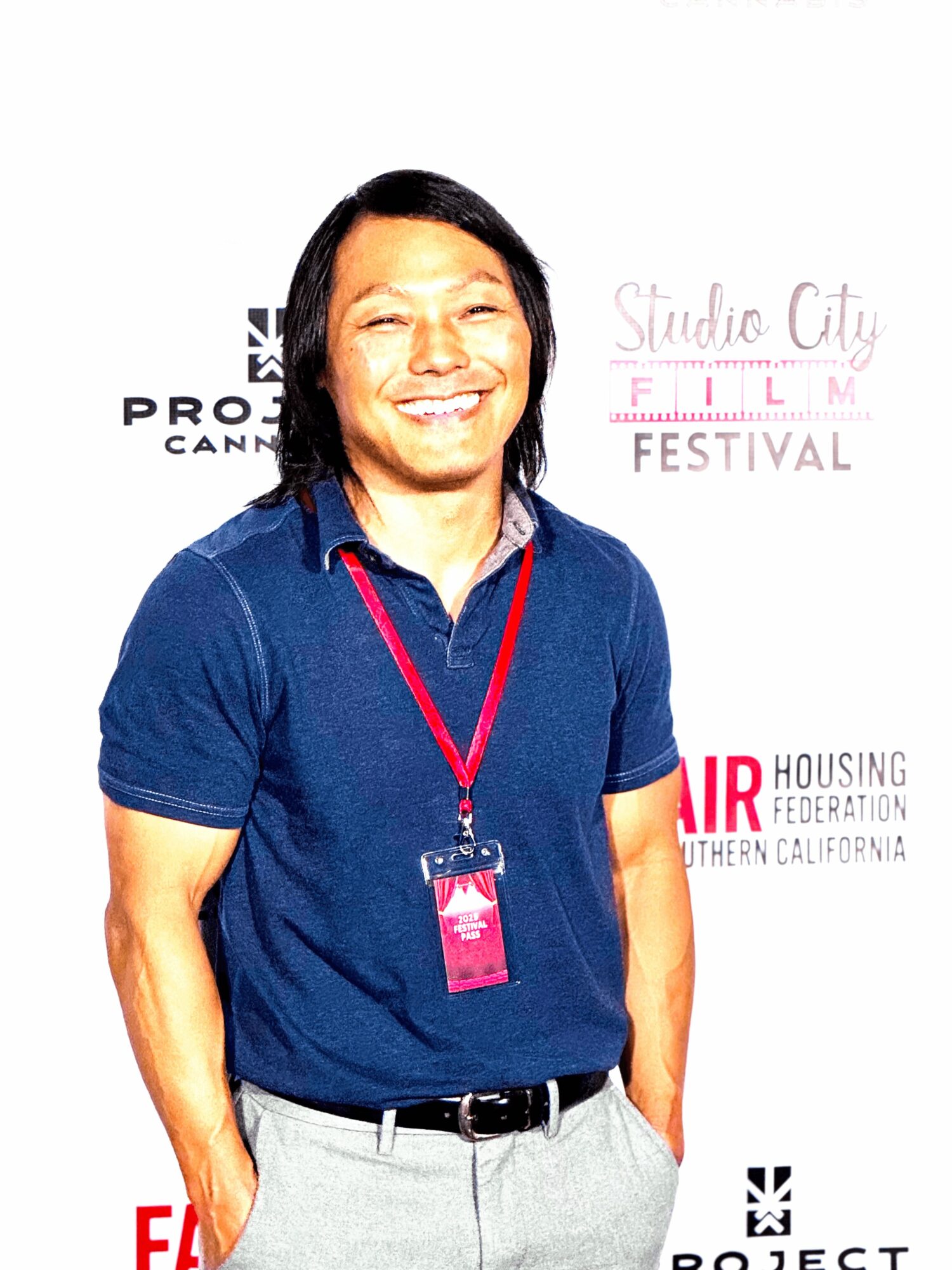
Today we’d like to introduce you to Derek Mori.
Hi Derek, thanks for joining us today. We’d love for you to start by introducing yourself.
I’ve always believed every filmmaker has one defining moment when they realize stories aren’t just entertainment — they’re oxygen. Mine came rather appropriately at the famed Cinerama Dome in Hollywood. Despite the R rating, my father, a noted technophile and self-proclaimed film buff, brought his “way-too-young” son to a late-night sold-out showing of Apocalypse Now. Needless to say, I don’t remember much about that night, having fallen asleep minutes into the opening sequence, but what I do remember were the larger-than-life images flashing before my eyes as the hypnotic song “The End” by The Doors washed over me like a warm blanket in Dolby Stereo sound. Somehow, amongst all the sights, sounds, and strangers, I felt safe and at peace, like I was finally home.
Today, I make films, but my story really began in a place where filmmaking felt impossibly far away, the Santa Clarita Valley, back when it was a small enclave, far from the influences of Hollywood. I grew up in the quiet, “three-stoplight” town of Newhall where dreams were supposed to be practical, not cinematic. My father, a hard-working business owner, who believed stability was the highest virtue, imagined a future for me in science long before I knew what I wanted for myself. I spent my childhood making short videos with my father’s VHS camcorder, but those dreams were always treated as hobbies — things to outgrow.
So, I followed the path laid out for me. I majored in Biological Sciences at the University of California at Irvine, got a Master’s Degree in Medical Sciences from Boston University School of Medicine, and eventually built a thriving career in a Fortune 500 Biotechnology company. This made my father proud. He even professed to me that I had exceeded his expectations. From the outside, it looked ideal — promotions, a comfortable life, the sense that I had done everything “right.” But inside, I felt like I was living someone else’s life, performing success rather than experiencing it. The quiet ache of dissatisfaction grew louder each year.
The turning point came one day at work. The sound of a commotion just outside my office. I found a distraught co-worker waiting by the elevator. But before I could ask her what was wrong the elevator doors sprung open and two paramedics rushed a man on a gurney out the glass double doors to a waiting ambulance. All we could do was stand in silence and watch the ambulance speed away into the distance. I found out shortly afterwards that the man had died at the hospital from a massive heart attack.
This incident shook me to the core and planted a grave thought in my mind. Would this be me someday, found slumped over my desk, working hard for a paycheck and my father’s approval to make someone else’s dreams come true? I realized at that moment I couldn’t remember the last time I’d felt proud or creatively alive. That realization scared me more than the thought of disappointing my father. I asked myself a question I had avoided for decades: If I stripped away everyone else’s expectations, what would I actually choose?
Leaving my biotech career was the hardest decision I’ve ever made. It meant walking away from security and confronting my father’s disappointment head-on. But it also meant honoring the younger version of myself who once saw stories everywhere and dreamed of telling them to the world. Today, as I chase the uncertain, impossibly difficult, yet exhilarating path of filmmaking, I finally feel aligned with the person I’ve always wanted to become.
I’m sure it wasn’t obstacle-free, but would you say the journey has been fairly smooth so far?
The road definitely hasn’t been smooth. Early on, I faced the same thing most artists do: resources were thin, opportunities were scarce, and every project felt like pushing a giant boulder up a mountain. There were times when I wasn’t sure if the sacrifices — financial, emotional, and personal — made any sense.
Coming from a career in which I experienced tremendous success and was highly respected, the constant stream of rejections and dismissive responses was a hard pill to swallow. In the beginning, nothing seemed to be working, and I couldn’t gain much traction. There’s a specific kind of loneliness that comes from feeling like no one will ever get to see the wondrous movie playing in your head. For a while, those moments made me question whether I could make this new career path work. In the back of my mind, I knew that success in one industry did not guarantee success in another.
But those challenges and early failures taught me what schools rarely can: how to listen, how to pivot, how to refine instinct into craft. I learned to be resourceful — how to stretch a budget, build creative partnerships, and find solutions to difficult problems. I learned to embrace uncertainty instead of fearing it. And above all, I learned that my passion for filmmaking could carry me through any obstacle, challenge, or setback that I would experience.
Those obstacles sharpened my vision and strengthened my resolve. They forced me to be intentional and resilient, to focus on what actually matters to me as an artist and to realize I can overcome anything. And in hindsight, I realized that the struggles weren’t detours — they were the training ground for me to become the multi-faceted filmmaker I am today.
Appreciate you sharing that. What should we know about Bad Skye Entertainment?
I am a writer/director/producer who focuses on character-driven, emotionally resonant narratives. I create films grounded in realism that tackle the troubled inner lives of their characters. Whether I’m writing, directing, or shaping a story from the ground up as a producer, my goal is always the same: to capture the emotional truth of the characters and their story.
Collaborators often describe my style as intimate, patient, and layered. I’m drawn to stories about identity, resilience, memory, and the tough choices people make when put into difficult situations. I love using light, sound, camera movement, and actor performance to express what my characters cannot say out loud.
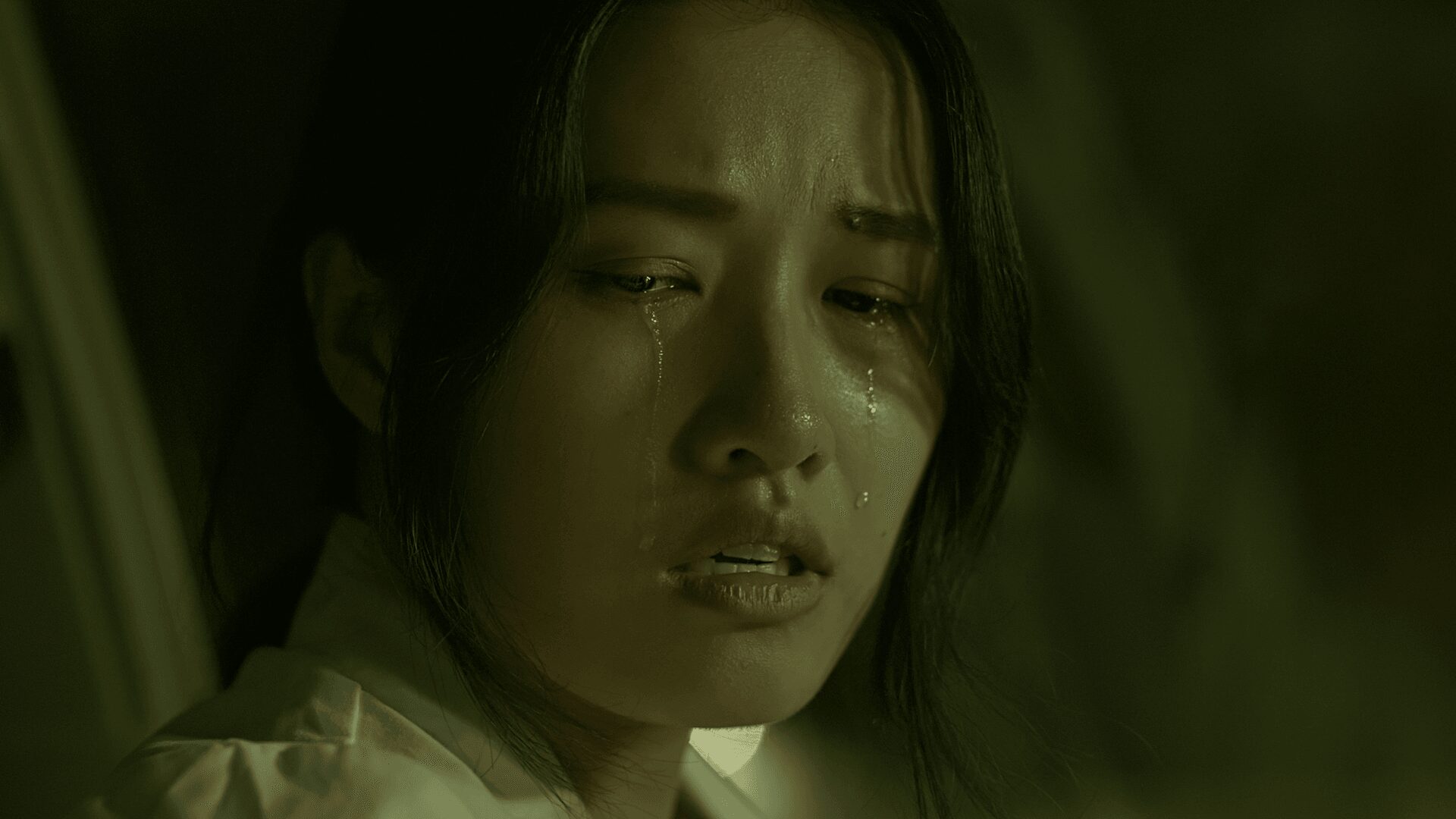
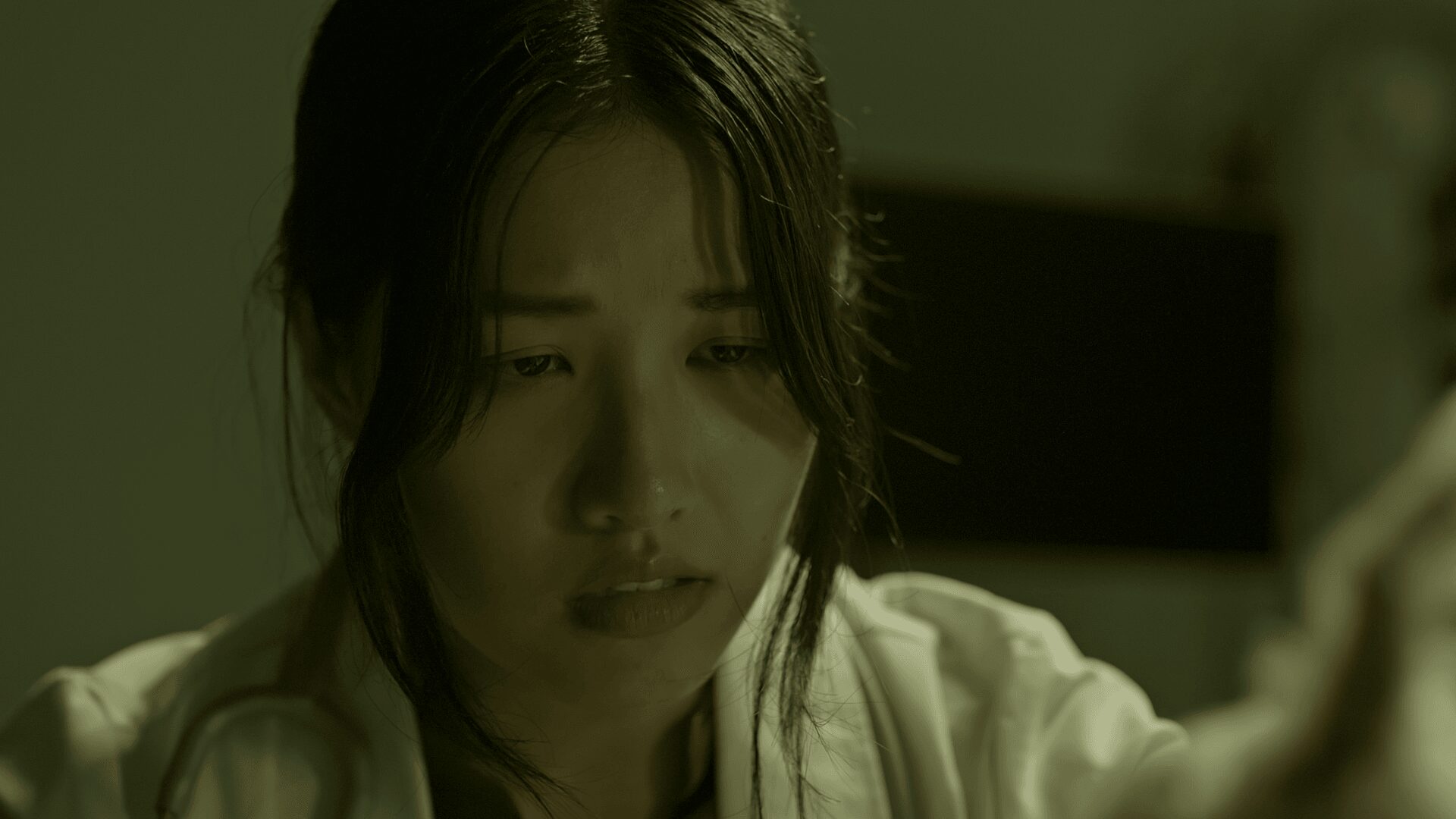
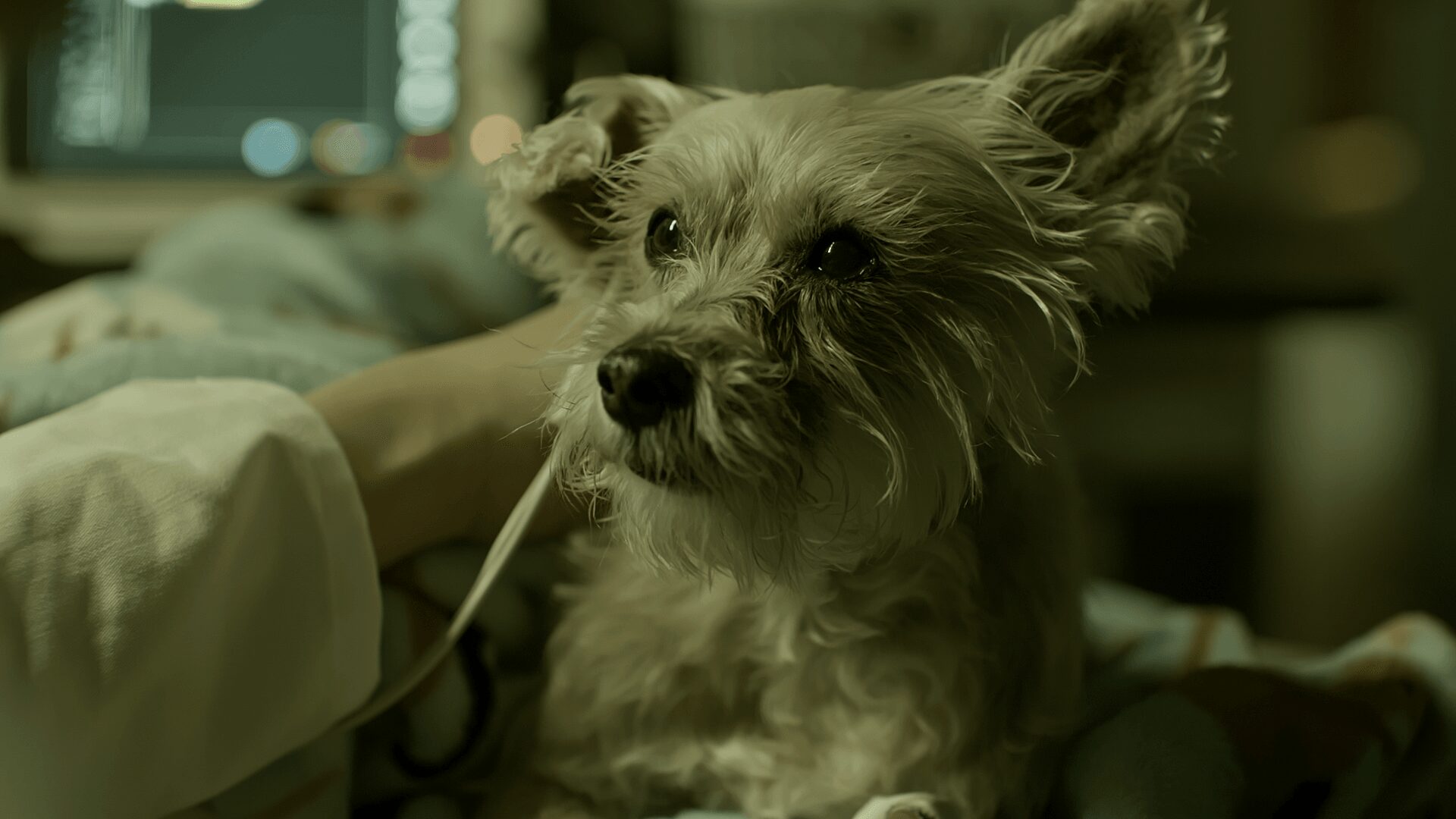
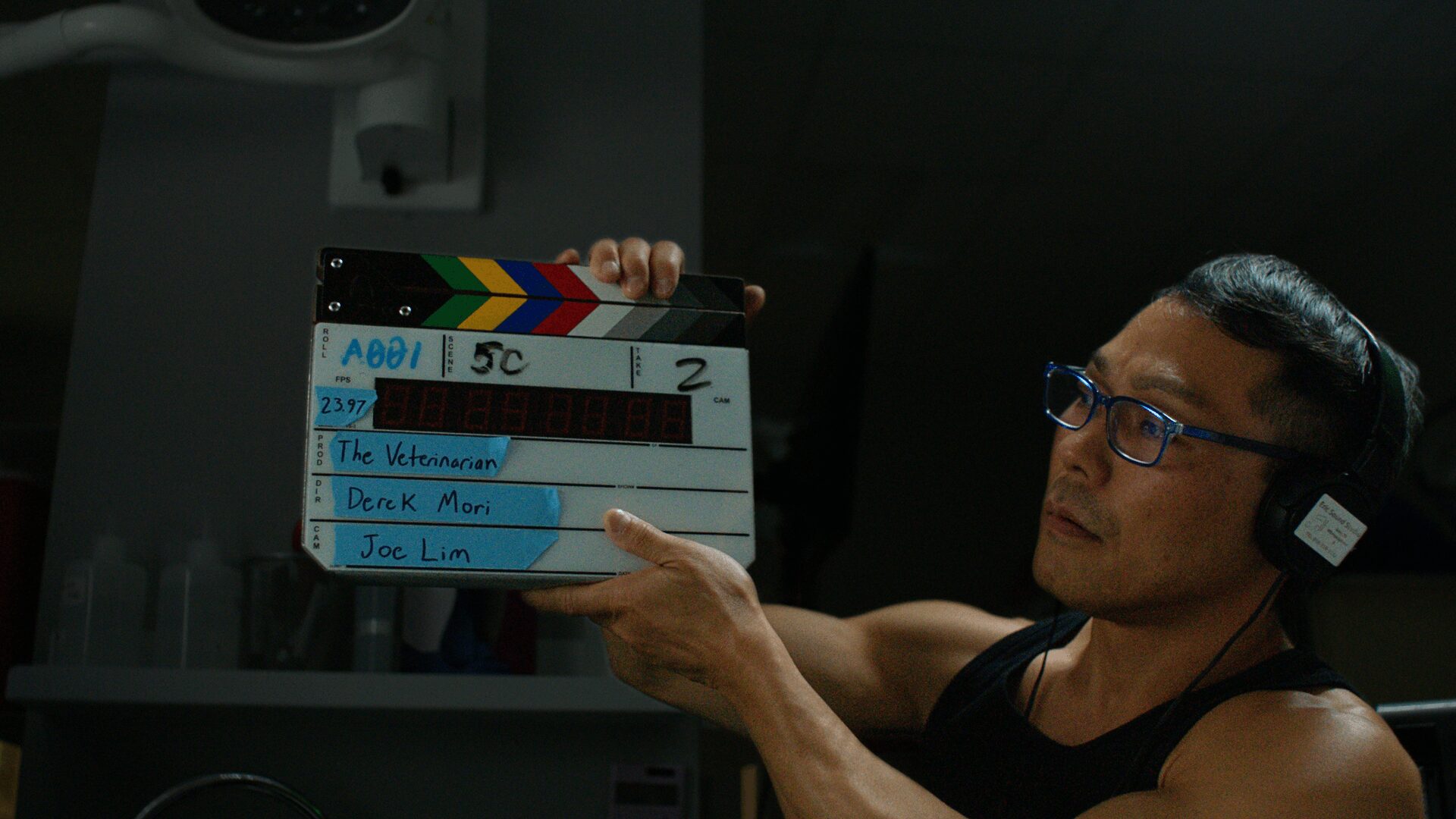
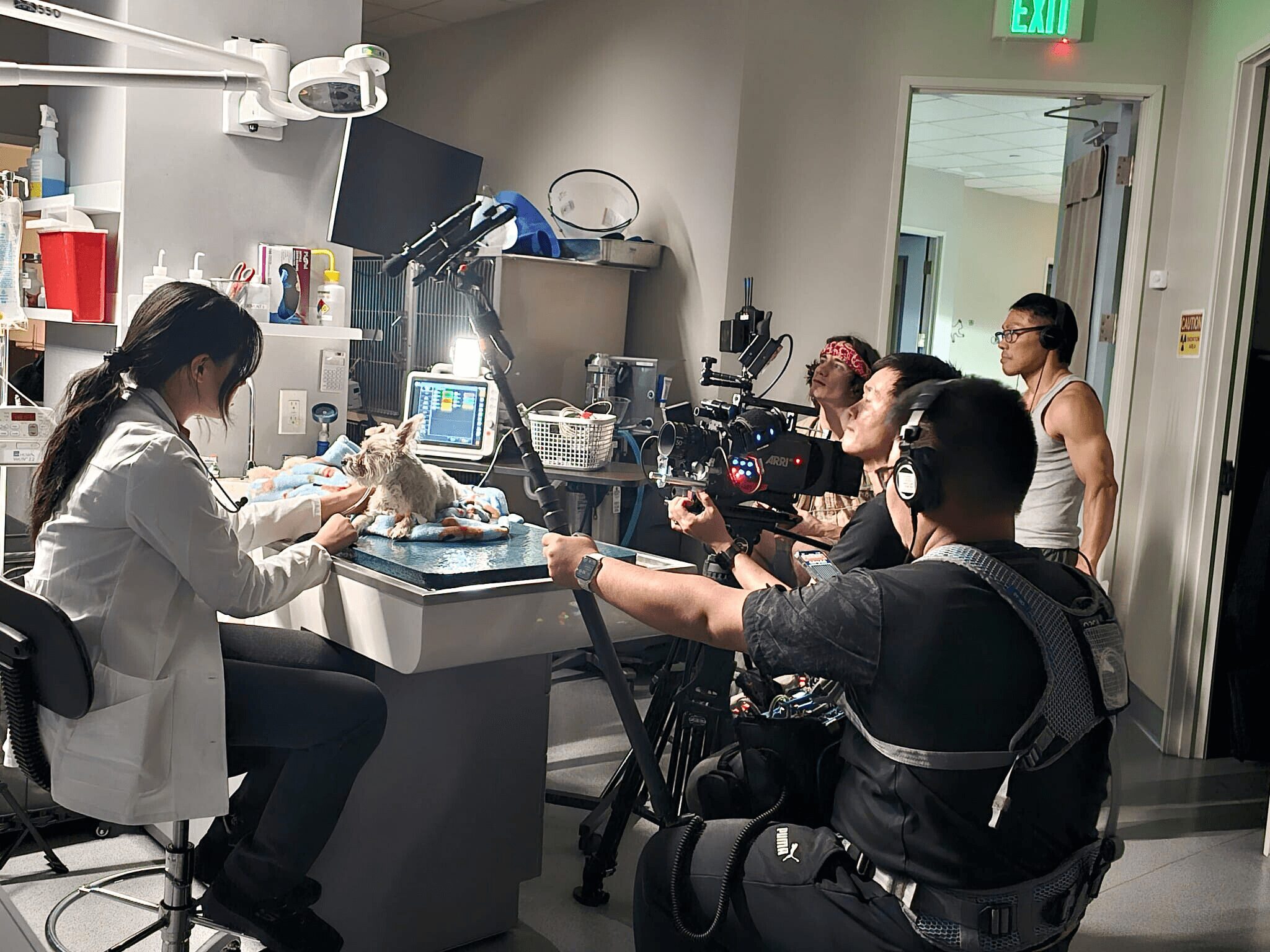
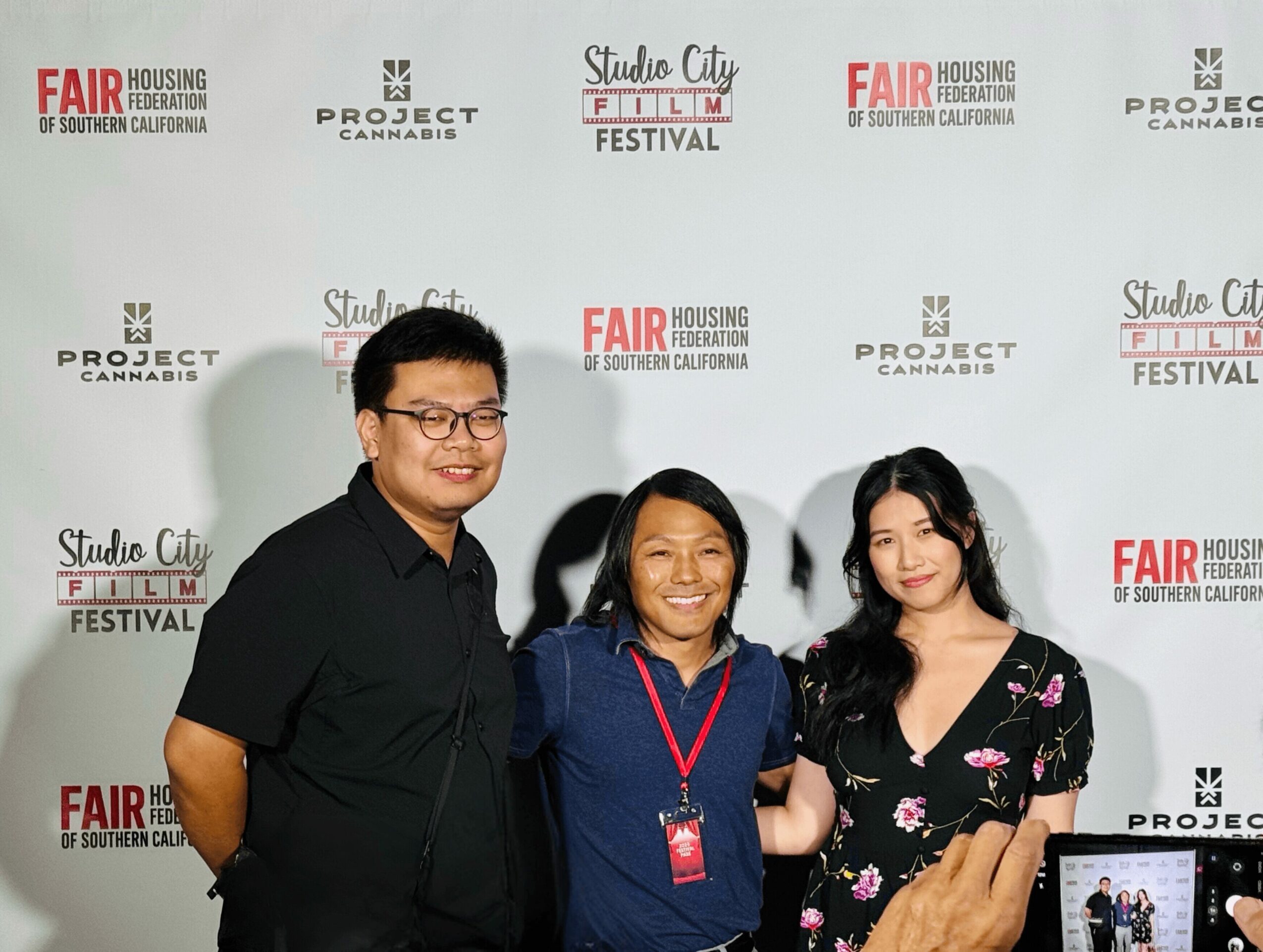
The first breakthrough in my film career came when my short film, The Veterinarian, was accepted to the Studio City International Film Festival and premiered in front of a packed audience. It was the first time people I didn’t know connected deeply with something that I created. It is hard to describe the feeling of seeing something that only lived in your head, come alive on screen, and touch so many people’s hearts. The Veterinarian was nominated for two film awards (Best Narrative Short, Social Justice Award) and ended up bringing home the prestigious Social Justice Award. It was a full circle moment for me — a recognition that my stories have value and meaning and that they can connect with an audience. One of my proudest moments was to see and hear the audience react to my film in real time, and to engage with them afterwards. To hear them talk with enthusiasm about my film and how it made them feel was profoundly nourishing. These interactions reminded me why personal stories matter and of the power of film to connect us to the human experience and, most importantly, to each other.
What I think sets my films apart is my focus on emotional architecture: the belief that every cut, movement, frame, and intention should serve the inner world of the characters and their story. I’m still driven by that childhood feeling of wanting to understand the world through the lens and I try to make films that don’t just show something — they make you feel it.
What were you like growing up?
Growing up, I was the kind of kid who noticed everything — silences, small gestures, moments other people walked past. I had a heightened sensitivity to the world around me and at times it could be a little too much. I often retreated to the comfort and safety of my bedroom where I could create worlds and stories that I could understand and felt safe in. Looking back, I can see how that early need to understand the world became the foundation of my filmmaking.
My mother was a big influence in my imagination. She had a child-like enthusiasm for storytelling and encouraged it in me at an early age. When I was young, she helped me create rich backstories and elaborate dramatic situations for my stuffed animals. As I grew up, I gravitated towards anything that let me create worlds: writing short stories, playing board games, Dungeons & Dragons, and video games, making short videos, and even building elaborate setups with toys just to see how a scene might unfold. But most of all I watched movies…a lot of movies. Movies weren’t just entertainment for me; they were a tool to understand the world around me. I’d sit through the credits every time, wondering how all these people came together to tell a story.
My home life was shaped by contrasts — quiet, uneventful days punctuated by intense moments of chaos and uncertainty. That mix made me pay close attention to emotional shifts and taught me to find meaning in the details, something that deeply influenced my filmmaking.
One of my fondest memories growing up was making a “movie” with my friends using my father’s clunky VHS camcorder. There was no script and no plan — just pure creativity and passion. It was the story of a Christmas tree that leaves its proverbial “lot” in life to search for his place in the world, replete with a dance competition, a conversation with a Tiki god, and temporary employment in a local video store. Let’s just say that my early filmmaking had a lot to be desired, but it did allow a deeply shy and introverted kid to find a sense of community and a reason to leave his room to explore the world. I didn’t know it then, but that moment was the genesis of my filmmaking career.
Even as a kid, I was trying to make sense of the world through stories. Filmmaking just gave that instinct a frame.
Contact Info:
- Instagram: https://www.instagram.com/dereklmori/
Popular
-

Que Johnson on Building Brands That Last: From Visibility to True Market Authority
-

Christina Wren Steps Into the Director’s Chair to Tell Stories That Feel Like Home
-

Portraits of the Valley
-

LA’s Most Inspiring Stories
-
JordanL on ‘Breathe,’ Belief, and Building a Movement Beyond the Music
-
Megan Birney Rudert on How Access to Light Is Powering a More Sustainable and Equitable Future


