




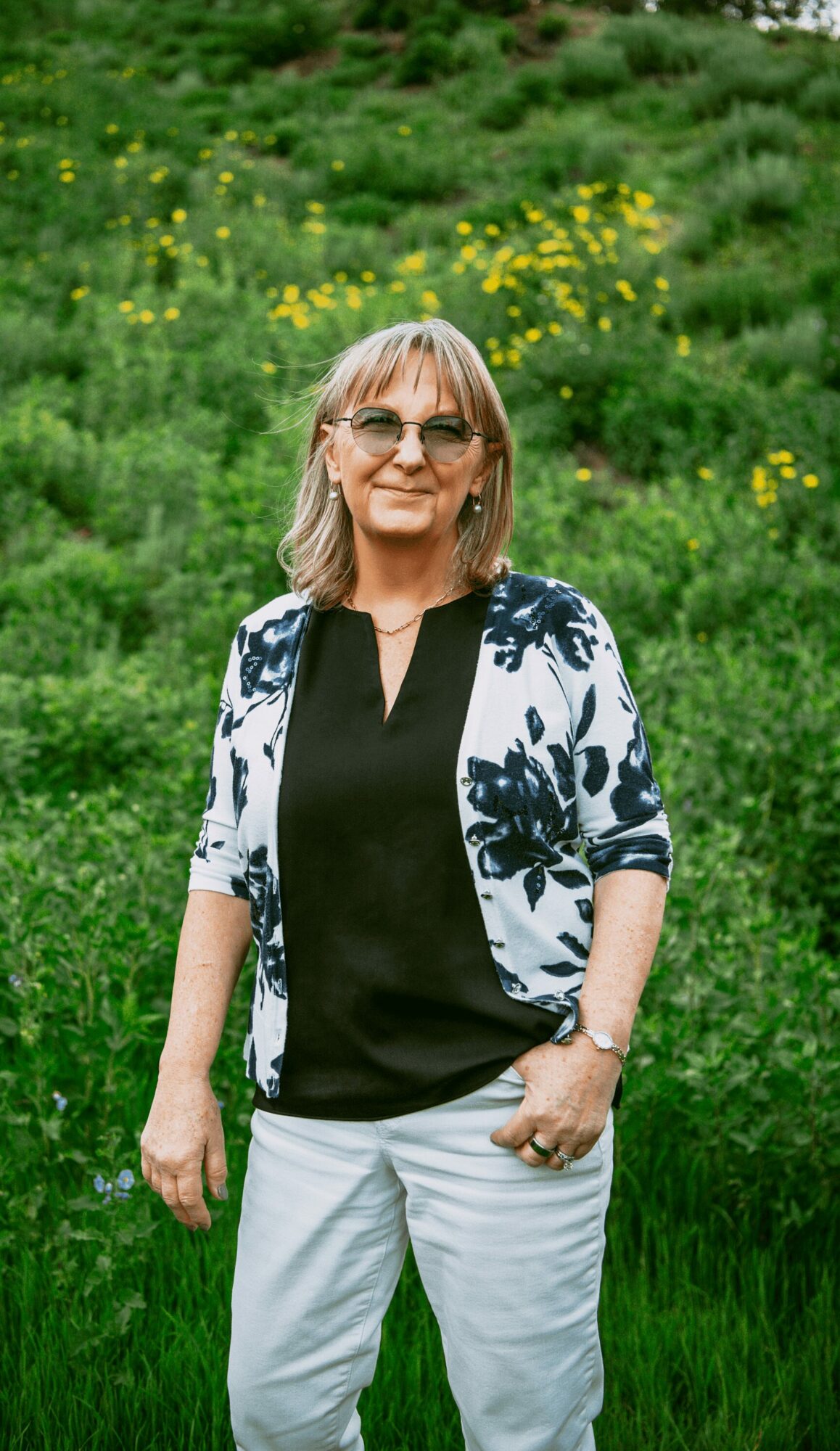
Today we’d like to introduce you to Debi Jenkins Frankle.
Hi Debi Jenkins , we’d love for you to start by introducing yourself.
My path into grief work began both personally and professionally. When I was seven years old, my newborn sister died, a loss that shaped my family and me in ways I didn’t fully understand until many decades later. Years after that, while I was in my final semester of graduate school, my mother died. That experience profoundly changed how I saw my clients and the world, and it solidified my commitment to grief-informed care.
As a therapist, I began to notice that what often shows up as anxiety, trauma, or relationship struggles is frequently rooted in unrecognized grief. Loss doesn’t only come from death, it also lives in estrangement, illness, identity shifts, and life transitions. Traditional models didn’t fully capture what I was seeing, which ultimately led my husband and me to co-found a counseling center dedicated specifically to grief and trauma.
That philosophy is the foundation of our grief counseling center. Our work is grounded in compassion, clinical depth, and the belief that grief doesn’t need to be fixed or rushed. We focus on helping individuals and families feel seen, supported, and understood, especially when their losses don’t fit neatly into society’s expectations.
I’m sure it wasn’t obstacle-free, but would you say the journey has been fairly smooth so far?
It hasn’t been a smooth road. Building a grief-focused counseling center has meant swimming against a lot of prevailing assumptions including the idea that grief follows a predictable path, that people should “move on,” or that loss can be neatly resolved. Those misconceptions don’t just affect clients; they shape systems, training models, and even access to appropriate care.
Another challenge has been advocating for grief to be taken seriously within broader mental-health conversations. Grief is often misdiagnosed or overlooked, especially when it shows up as anxiety, trauma responses, or relational distress. Part of our work has involved educating both the public and professionals about what grief actually looks like and why it needs space, time, and clinical skills.
But those challenges have clarified our purpose. Every obstacle reinforced why this center matters: to provide grief-informed care that honors loss without rushing, minimizing, or trying to fix it.
We’ve been impressed with Calabasas Counseling and Grief Center, but for folks who might not be as familiar, what can you share with them about what you do and what sets you apart from others?
Our counseling center specializes in grief- and trauma-informed care for individuals, couples, families, and children, addressing loss in all its forms, not only death, but estrangement, illness, trauma, identity shifts, and life transitions, especially when it shows up as anxiety, panic, or relationship distress. What sets us apart is our depth and nuance: we don’t use stage-based models, promise closure, or rush healing, but instead honor ongoing bonds, address unfinished business, and support people in integrating loss in meaningful, sustainable ways. Our clinicians are highly trained in trauma modalities, receive ongoing grief-specific education and supervision, and include bilingual therapists offering services in Spanish and American Sign Language (ASL). I’m most proud of the compassionate, collaborative culture we’ve built — a place where grief is taken seriously, treated with respect, and where people whose losses don’t fit neatly into a box truly belong. And for those who are comforted by animals, our golden retriever, Dottie, is often here as a cheerful companion.
Any big plans?
Looking ahead, our focus is on deepening our roots in the community we’ve served for more than 30 years while continuing to share our grief-informed approach more broadly. Alongside expanding local workshops, support groups, and educational programs, we offer intensive therapy sessions ranging from 90-minute appointments to half-day and full-day formats for individuals and families who need deeper, focused support. Beyond the center, I lead trainings nationwide and internationally, helping clinicians develop practical, compassionate skills to support grievers in getting their feet back on the ground, serve as an adjunct professor at Pepperdine University Graduate School of Education and Psychology, and am the author of two chapters in the upcoming book Superhero Grief: The Multiverse of Loss. Our goal isn’t rapid expansion, but to remain a trusted local resource while contributing to a broader culture of thoughtful, skilled grief care.
Contact Info:
- Website: https://www.calabasascounseling.com/
- Instagram: https://www.instagram.com/calabasas_counseling/
- Facebook: https://www.facebook.com/Calabasascounseling
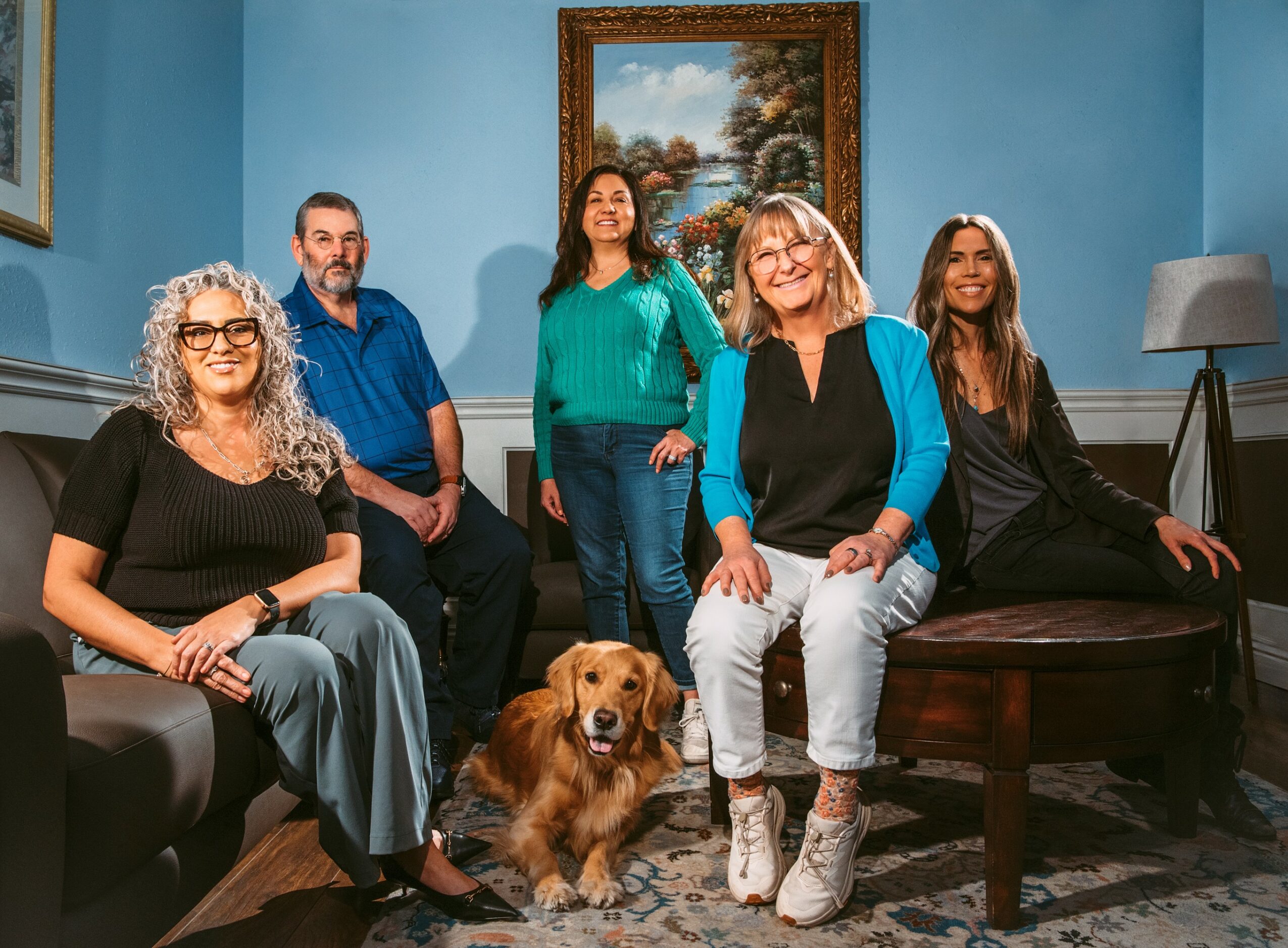

Image Credits
Kendra Frankle
Popular
-

Portraits of the Valley
-

LA’s Most Inspiring Stories
-

Rick Norris Learned That Building a Successful Business Means Building a Life You Actually Want to Live
-

How Olivia Rush Turned Survival Into a Mission to Help Others Keep Going
-

How Bibi Goldstein Is Helping Entrepreneurs Reclaim Their Time by Embracing the Power of Delegation
-

Victoria Hasson is Redefining Voice Coaching Through Community and Collaboration


