




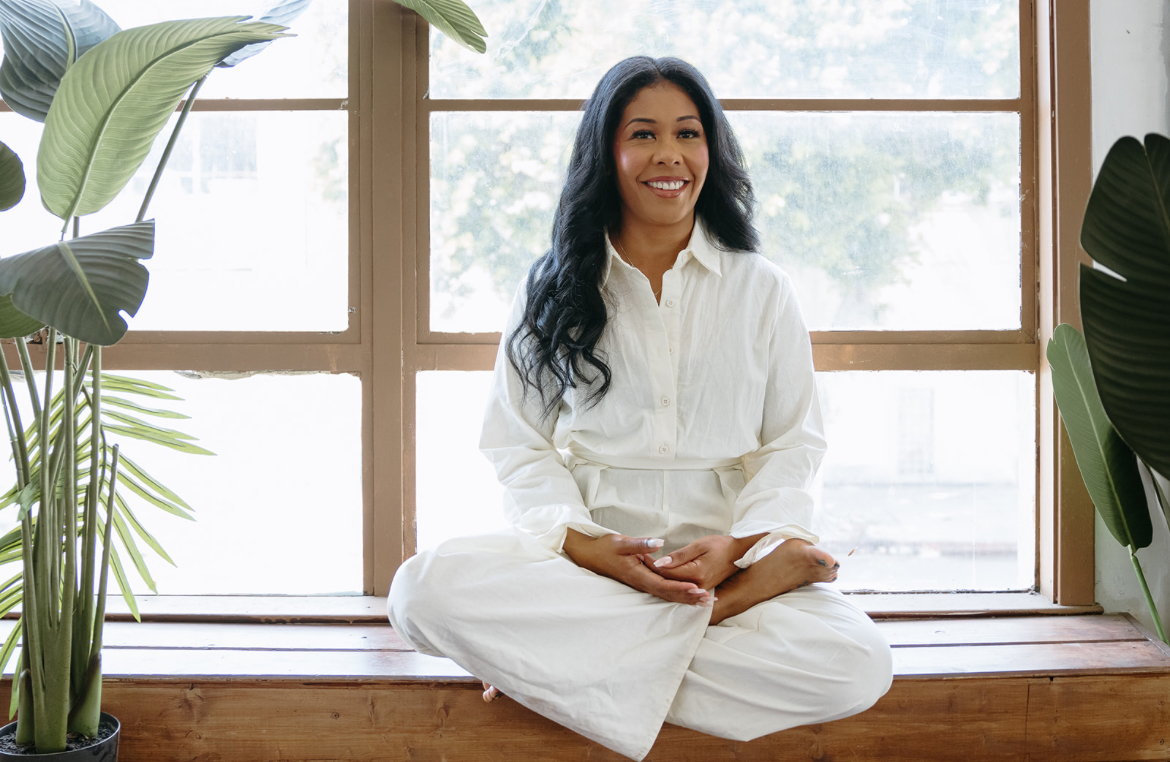
Today we’d like to introduce you to Aiko Smith.
Hi Aiko, thanks for joining us today. We’d love for you to start by introducing yourself.
My story begins on a naval base in Okinawa, Japan, where I was born, and continued in Los Angeles, where I was raised by a single immigrant mother alongside my two sisters. As a Black and Japanese American girl growing up in poverty, I became deeply aware of how much women—especially mothers and women of color—struggle to care for their mental and emotional health within systems that were never designed to support us. That awareness shaped my life’s work.
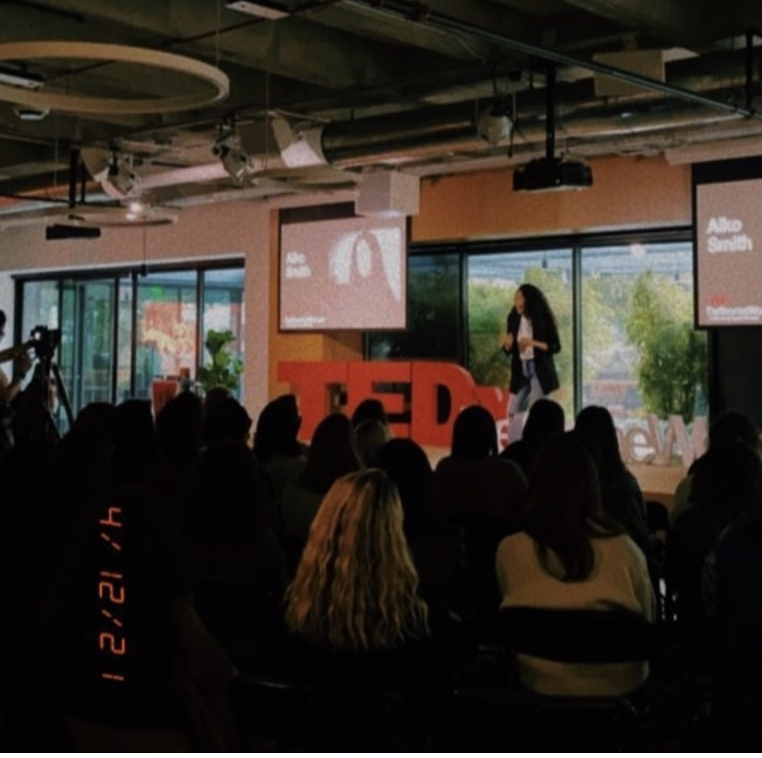
Over time, that lived experience grew into a commitment to create a kinder, more compassionate country by helping people learn to confront their suffering with mindfulness, self-care, and emotional awareness. I later trained at UCLA’s Semel Institute for Neuroscience and Human Behavior’s Mindfulness Awareness Research Center, and today I’m a mindfulness writer, coach, teacher, mother of three, and 2x TEDx speaker.
My work now spans several mindfulness ventures: I teach trauma-informed mindfulness in prisons through the Humane Prison Hospice Project; I facilitate workshops and yearlong programs for nonprofits and mission-driven organizations; and I lead the Inner Anchor program, a mindfulness-based coaching and wellness curriculum designed specifically for caretakers, helping professionals, nonprofit staff, and people who give and advocate for others. I also create accessible digital tools and resources to support emotional wellness in daily life.
Across all of these offerings, the heart of my mission remains the same: to help people develop consistent, ritualistic practices of self-care that genuinely improve their wellbeing and support them in the meaningful work they do. My hope is to contribute to a society that recognizes every human being as sacred—and equips people with the inner tools to live from that truth.
I’m sure it wasn’t obstacle-free, but would you say the journey has been fairly smooth so far?
The road has definitely not been smooth. My journey into teaching mindfulness has been shaped by a lot of uncertainty, introspection, and trial and error. As mindfulness teachers in training, we take vows to serve both the people in our lives and our broader communities. But because I grew up in a very non-traditional way, it took me a long time to understand who I was meant to serve and where my work would have the most impact.
For years, I questioned my place in this field. It wasn’t until about five years into teaching that I finally felt my footing. I realized how deeply I love working with writers and creatives—people who use their inner world to shape the outer one. I truly believe artists hold many of the answers we’re all searching for, and it’s an honor to create spaces where their creativity can come alive.
I also discovered that supporting caretakers, helping professionals, educators, nonprofit staff, and anyone who consistently shows up for others strengthens my own connection to the practice. These individuals are the glue that holds our communities together. They give endlessly, often without being given the tools to replenish themselves.
Being able to guide these humans—people who are called to serve—feels like the most aligned work I could do. I often say: I help the helpers. And that clarity has been the greatest gift on a road that has not always been easy.
Alright, so let’s switch gears a bit and talk business. What should we know about your work?
I specialize in teaching mindfulness and emotional wellness to caretakers, helping professionals, nonprofit staff, and anyone whose work involves serving others. My focus is on making mindfulness practical, accessible, and ritualistic, so people can consistently care for themselves while showing up fully for the communities they serve.
I’m known for creating trauma-informed, evidence-based programs that help individuals manage stress, prevent burnout, and cultivate emotional resilience. That includes my Inner Anchor program, workshops and yearlong programs for nonprofits, and teaching mindfulness in prisons through the Humane Prison Hospice Project. I also create digital tools and guides to make mindfulness and self-care practices part of everyday life.
What I’m most proud of is supporting the people who support others—the caretakers, educators, and nonprofit professionals who are often overlooked in our systems. Helping them find balance, presence, and emotional clarity feels deeply meaningful.
What sets me apart is a mix of lived experience, formal training, and a pretty healthy sense of humor. I’ve navigated poverty, systemic inequities, caregiving, and some genuinely insane life experiences, which allows me to connect with people with compassion, humor, and zero judgment. Coupled with formal training at UCLA’s Mindfulness Awareness Research Center, training in behavioral therapy, and experience as a 2x TEDx speaker, I help people not just learn mindfulness, but embody it in ways that transform how they live, work, and show up for others.
Any big plans?
Looking ahead, my main goal is to continue supporting as many helpers as possible. I run a free monthly workshop called Sustaining the Work: Mindfulness to Prevent Burnout, and I’m committed to expanding its reach to help more caretakers, nonprofit staff, and helping professionals manage stress and maintain emotional wellbeing.
I’m also really excited to bring longer, more immersive programs, like the Inner Anchor curriculum, to organizations that serve vulnerable populations. These programs give teams the tools to prevent burnout, sustain their work, and show up fully for the people they serve.
Additionally, I’m thrilled to be part of an exciting pilot program with the Humane Prison Hospice Project. This initiative is launching a compassionate release program in California in partnership with Francisco Homes, a transitional living community, and Guaranteed Hospice, a community hospice group. The program will train justice-involved individuals living at Francisco Homes to provide end-of-life care for terminally ill patients released on compassionate grounds, working alongside a multidisciplinary team of physicians, nurses, and social workers. The goal is to provide meaningful housing, work experience, a salary, and healing opportunities for these caregivers, while expanding compassionate care to people who have been incarcerated.
Overall, I’m looking forward to growing these programs, deepening my impact, and continuing to support the incredible humans who show up every day to care for others. My work is about giving back to the helpers—and helping them sustain themselves while they do it.
Contact Info:
- Website: https://themindfulnessmindset.com
- Instagram: https://www.instagram.com/aiko.means.love/
- LinkedIn: https://www.linkedin.com/in/aiko-mindfulsmith/


Popular
-

Christina Wren Steps Into the Director’s Chair to Tell Stories That Feel Like Home
-

Portraits of the Valley
-

LA’s Most Inspiring Stories
-

JordanL on ‘Breathe,’ Belief, and Building a Movement Beyond the Music
-

Megan Birney Rudert on How Access to Light Is Powering a More Sustainable and Equitable Future
-

Linda Kneidinger on Building Lasting Change Through Small Steps and Self-Compassion


