




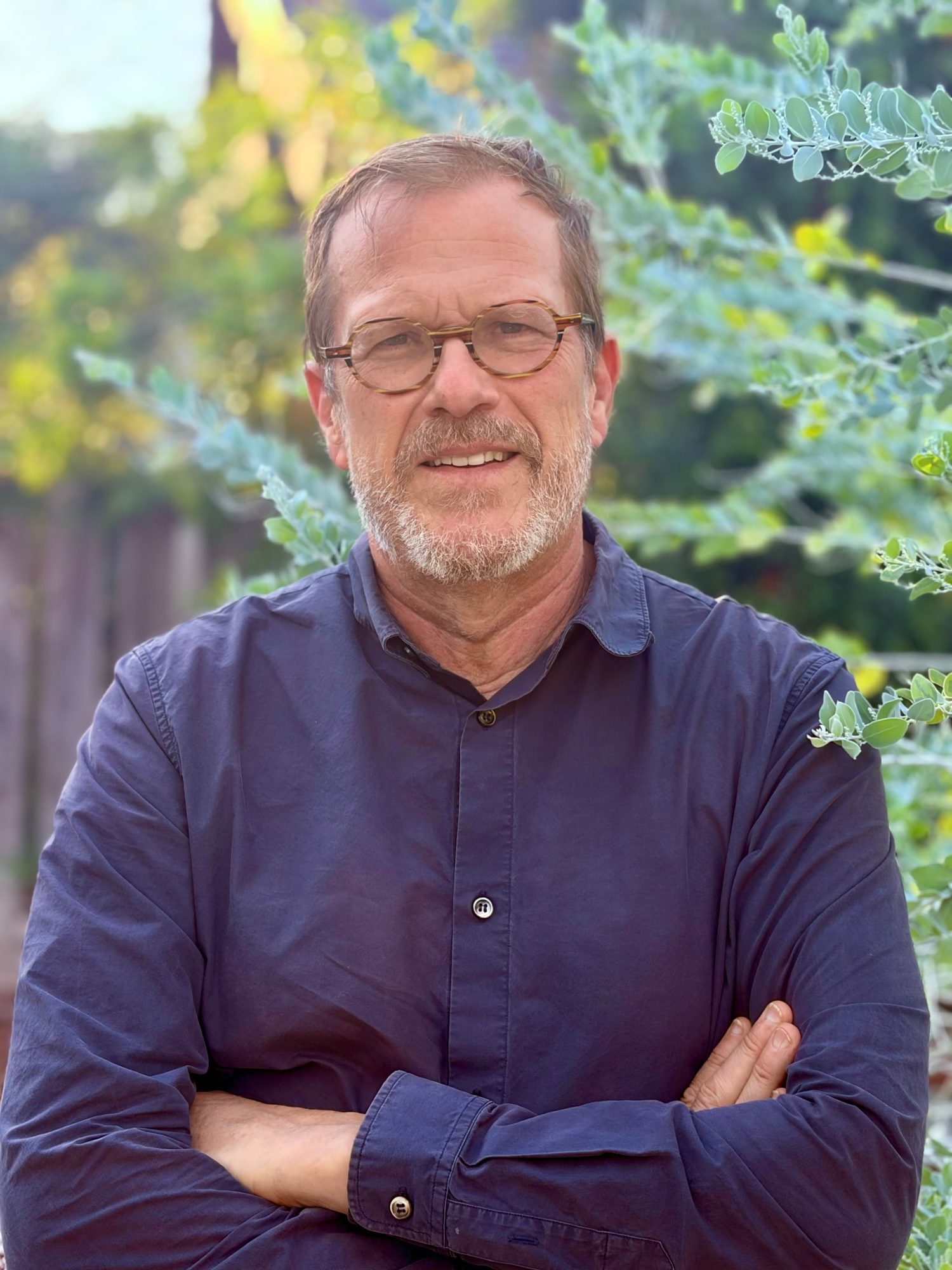
Today we’d like to introduce you to Adrian Colesberry.
Hi Adrian, please kick things off for us with an introduction to yourself and your story.
The three co-founders of Buoy are myself, Adrian Colesberry, the angel investor and operations lead, Pascal Schaller, Buoy’s designer and Anouk Zisa, who leads marketing and strategy. The story: Buoy was founded in 2019 by a photographer, a designer, an entrepreneur and a marketer. These were the days where Ocean pollution was in the news all the time and also in the news were loud laments about the mass of plastic waste going into landfills, with a focus on restaurant takeout and water bottles.
With all this in our consciousness, we decided to take a tilt at doing something to solve these problems. There was a lot of noise at the time from a European teenager about cleaning up the ocean gyre plastic patches. This seemed a bit quixotic to us, and besides, there is an elite-coded error to these efforts. You can only fund ocean cleanup with donations from billionaires, so these effective altruist-style projects locate the problem and solution at an elite level, which has a high probability of irrelevance for the following reason: The problem has to be attractive to elites and the solution has to be flattering to their largesse. If you were given a bag of problems and told that you could only solve only the ones where elites were titillated by the problem and flattered by their efforts to fund a solution, most of the problems would stay in the bag. This is what we see happening in the world today. No thank you. So we dug further to find a more practical approach. Enter OceanBound plastic.
OceanBound Plastic and the Buoy Supply Chain
Around 2015, a company called Envision, a large plastic recycler, came up with this idea of OceanBound plastic, defined as plastic found within 50 miles of a coastline in a region that has poor waste collection, with the idea that such plastic had a percentage chance of reaching the ocean so collecting it would reduce the amount of plastic finding its way to the ocean. When we started the company, Envision was getting most of their plastic from Haiti. Imagine that you are the political leader of Haiti and you have the problems of health, housing, jobs, and violence on your plate. At what point, does collecting the plastic litter on your island become a priority? The answer is never. But if an outsider contracts with a local company to collect the waste and then buys it from them, we can underwrite a local entrepreneur to start or expand a business, stimulate the hiring of local people and push a little outside money into an economy that needs it. The best kind of money is not money coming over the top, which is ripe for corruption, graft, and self-dealing but money going in through small businesses and the wages to the working people that they pay.
This plastic is brought back to Chino, CA, separated, processed and cleaned with a patented method that makes it usable as food-grade plastic. So now we had our source of plastic. From there, we needed to find an injection molder. The industrial collapse in America is real and multiply that by 10 in California, which has been actively banishing industry from the state for 40 years now. But we persisted and found an injection molder who would mold 100% recycled plastic for us. Many molders would do 30% or 50% recycled, but for our products, we wanted to make it 100% recycled.
Now that we had the supply chain in place, the question became what to make. Because of the concern about single-use plastic waste, we decided to make substitutes for single-use plastic items, namely, water bottles, to-go food containers and coffee cups.
Buoy Design
Sustainability was always the top priority, but the bottles also had to be functional and emotionally appealing. This is achieved with a three-part design, which also makes the bottle easy to clean. A convenient finger loop makes it possible to remove the cap with just a few twists. The middle part can also be easily unscrewed to add ice, for example. And the main body can be used as a drinking cup. Considering its 900 ml capacity, this bottle is surprisingly lightweight. The brightly coloured Buoy is designed for consumers with an active lifestyle who like to have their water bottle with them wherever they go. The slightly roughened surface provides excellent grip and makes the bottle ideal for sporting activities. Another practical feature is the finger loop on the cap, which can be used as a carrying ring or attached to a bag. And people who own several Buoys can mix and match different coloured parts to personalise the bottle. The success of the Buoy design was confirmed in 2024, when Pascal Schaller, Buoy’s designer, won the 2024 Red Dot Design award in the category Best of the Best. We were also a runner up in the GIA awards in the sustainability category, given at the Inspired Home Show in Chicago and won a silver in the French Design Awards, both in 2025.
Recycling and Sustainability
The main problem addressed by the Buoy bottle is offering a reusable water bottle that is less resource/carbon/pollution intensive than steel thermos bottles. Stainless steel is highly carbon intensive and polluting. Steel melts at around 2300°F compared to HDPE at 300°F, so less heat, and the steel bottles in stores are from virgin not recycled materials, meaning that they are accountable for the carbon and pollution load of the intense mining, ore refining and smelting operations needed to make stainless steel. According to our life-cycle assessment (LCA), you would have to keep a SS thermos bottle for 112 years to equal the carbon footprint of using a new Buoy bottle every three years and burning the old one in a fire, releasing all the carbon. In other words, a thermos bottle weighing one pound is the carbon equivalent to 37 Buoy bottles. (This math considers the active carbon footprint of the Buoy bottle without crediting us for the recycling.)
Reuse
Buoy has made the first NSF certified food containers made from 100% recycled plastic. In 2023, Buoy received grants from Alameda Stop Waste to run reuse projects in the University of California, Berkeley and Ohlone College. At the same time, we tilted up an ambitious open-reuse project in the California ski resort of Mammoth Lakes. For two years, we were promoting and boot-strapping reuse operations in these three California locations. Despite heroic efforts, the world was not yet ready for reuse. The Mammoth Lakes pilot was brought to a break even, due to some dedicated customers, then wrapped up at the year and a half mark. The Berkeley grant ended in December of 2025, with Buoy containers and cups remaining in place for catering events. The Ohlone grant ended and reuse continues in the cafeteria. In all, Buoy arrived a bit early to restaurant reuse. We have a fully operational proprietary app for container check-out and check-in and can provide containers and cups at any quantity for reuse operations. Prop 54, California’s ERP law, has earmarked funds for reuse and we are keeping our eyes on opportunities coming from there.
I’m sure it wasn’t obstacle-free, but would you say the journey has been fairly smooth so far?
The Headwinds against Plastic Recycling and Buoy’s Position
Everybody says that we should recycle or reuse the things we currently consume and discard, but the doing of it in practical space has many challenges:
The manufacturing process is difficult as recycled plastic flows slowly. Molds are expensive and need to be designed for low flowrates, which adds time and expense both to the design process and to production.
A parcel of the poorest scientific studies ever done claimed that plastic was being retained in the body and proposed that toxins from plastics were leaching into our bodies. These studies were demonstrated to be deeply flawed. They used testing methods that found lipids, the fat molecules that our body is made from, and counted them as plastics. The studies were almost immediately debunked, but we live in an age where panicked mis- and dis-information spreads so easily that the absolute bankruptcy of the science simply didn’t matter.
The endocrine-disruptor panic from the 1990s was brought back from the well deserved death that should have put it down for good in the early 2000s.
Much of the anti-plastic propaganda is supported by billionaires through misguided philanthropic efforts. Beyond Plastics isn’t a grass roots movement. It’s a Bloomberg funded astroturf organization that isn’t even a 501c3, so you can’t even see where exactly their money is coming from. The Minnaroo Foundation, which funds many anti-plastic NGOs, isn’t a neutral party making efforts for the environment. It’s a charity founded by a mining billionaire who directly profits from consumers and industries substituting metal for plastics. The copper industry has recently started a campaign raising panic against PVC. They want copper to replace all of America’s old metal pipes with copper.
No one who just reads headlines, which I’m as guilty of as anyone, digs in enough to see the hands of the billionaires making the puppets dance. They see another chemical being called toxic and they believe.
So we had to patiently wait out the anti-plastic panic. We think people are returning to common sense on this topic. There will always be some people who get caught up into thinking that everything is toxic and that they are a victim of everything. That is not Buoy’s segment of the available market.
As you know, we’re big fans of you and your work. For our readers who might not be as familiar what can you tell them about what you do?
Adrian Colesberry is a Biomedical Engineer by education, out of the University of Texas at Austin. I spent my career working in pharmaceutical manufacturing, all in Los Angeles. I started out as a compounder at International Medication Systems in South El Monte, then I moved into Biotech at Alpha Therapeutics, now Grifols, in Alhambra. I took a seven year break to pursue stand-up comedy and writing. I landed a TV gig on Late Friday and published a post-divorce memoir with Gotham Press, an imprint of Penguin titled, How to Make Love to Adrian Colesberry, by Adrian Colesberry. In 2010, my wife and I had our first child, so when I got a call from a former colleague to return to pharmaceutics, I jumped at the opportunity. I consulted at Neutrogena, a subsidiary of J&J, then transferred to a white-label pharmaceutical factory in Lynwood, California. Aaron Industries was purchased by PL Developments, a white-label pharma company in Long Island. I became the head of quality on purchase and was soon promoted to be the GM of the plant. After getting an MBA, I jumped off to consult freelance. I consulted for cannabis companies for a time and then Covid hit. I formed a company that provided testing and compliance for commercial production companies during the pandemic. I took the profits from this business and used them to fund Buoy.
Let’s talk about our city – what do you love? What do you not love?
I like the weather, the natural beauty, the great art museums and the people. I especially love the creative milieu. The stand-up scene here is amazing. The creatives here are always doing something and it’s wonderful to be a part of that, even in the small way that I was a part of it. I also love that LA has a fully working-class industrial part to it. I have loved equally being a part of that. On the other side, Los Angeles and California are constantly at war against industry and business, but it’s not only our business that persists here, maybe illogically, many others persist as well in this hostile environment. It is shocking to me that the city has all but driven film production out of Hollywood. The homelessness is a terrible problem. I honestly wonder if LA will look like Paris in a few years, a totally mismanaged, once-great city where people have no opportunity and just decide to burn it down. I hope it doesn’t happen.
Pricing:
- Solid Bottles for $28.99
- Mixes for $29.99
- Coffee Cups for $11.99
- 32-oz container from $12.25
- 64-oz from $13.75
Contact Info:
- Website: HTTP://www.buoy.eco
- Instagram: https://www.instagram.com/buoyecodesign/
- Facebook: https://www.facebook.com/profile.php?id=61573844459368
- LinkedIn: https://www.linkedin.com/company/buoyecodesign
- Youtube: https://www.youtube.com/@BuoyEcoDesign
- Other: https://adriancolesberry.substack.com
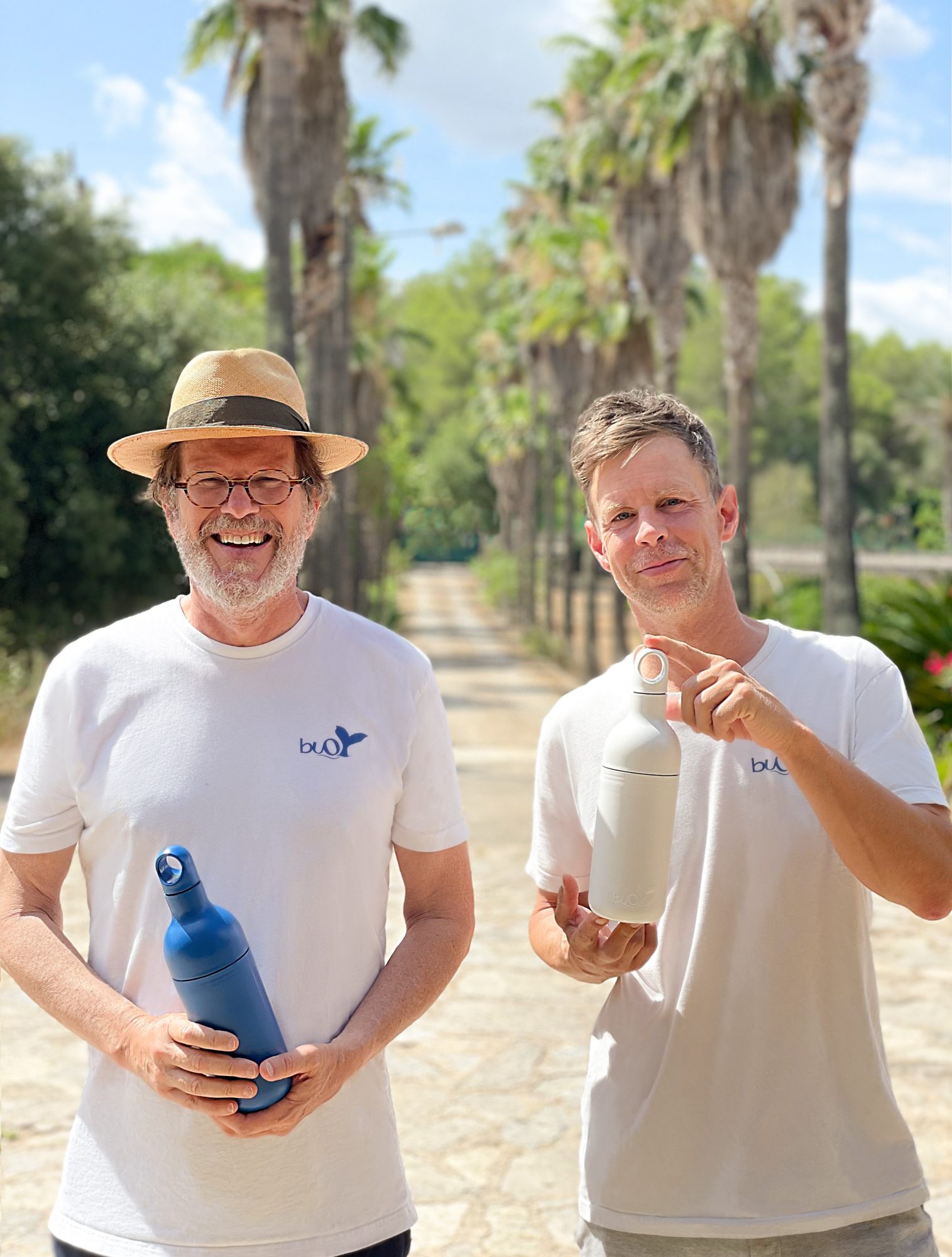
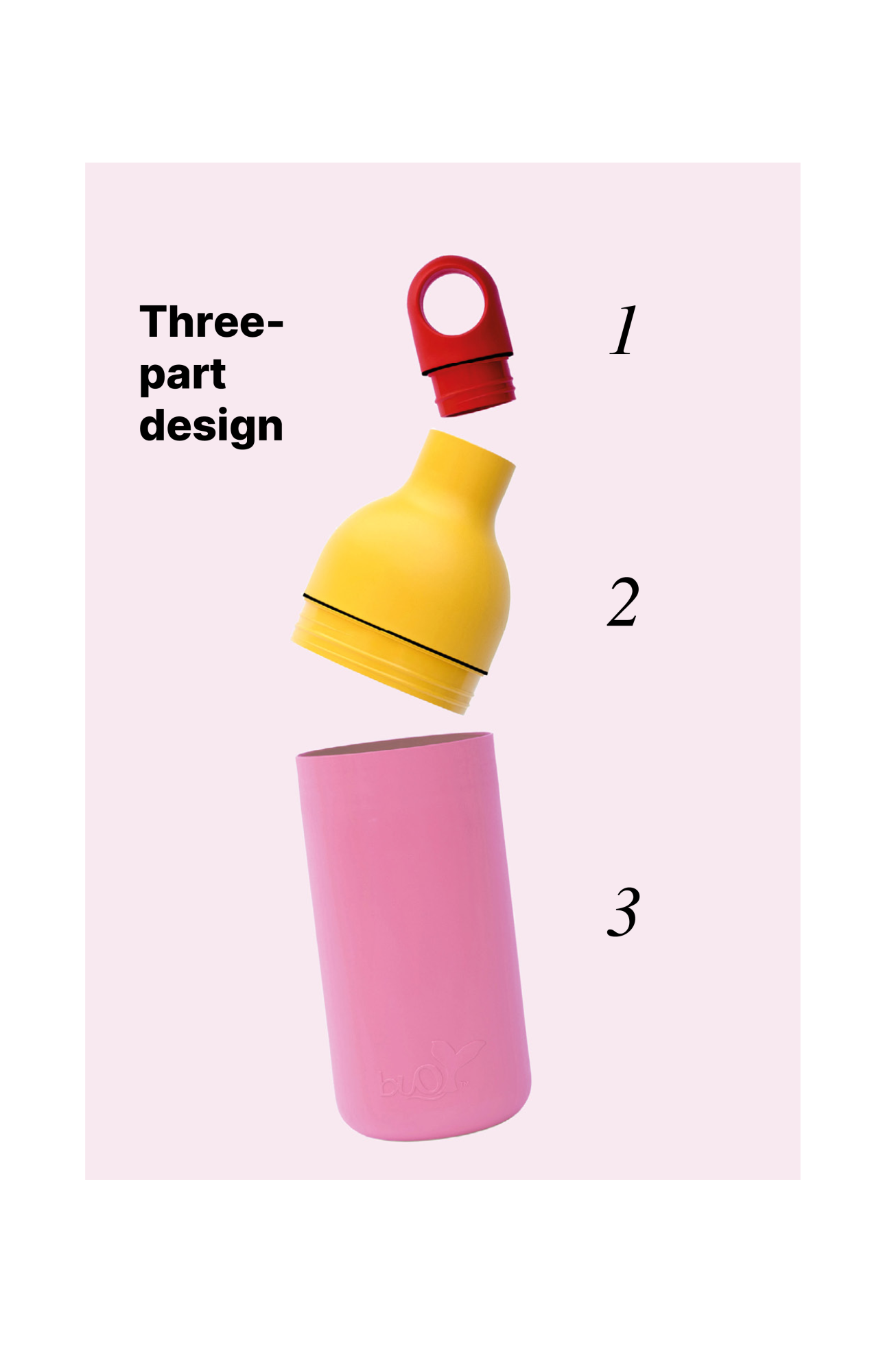
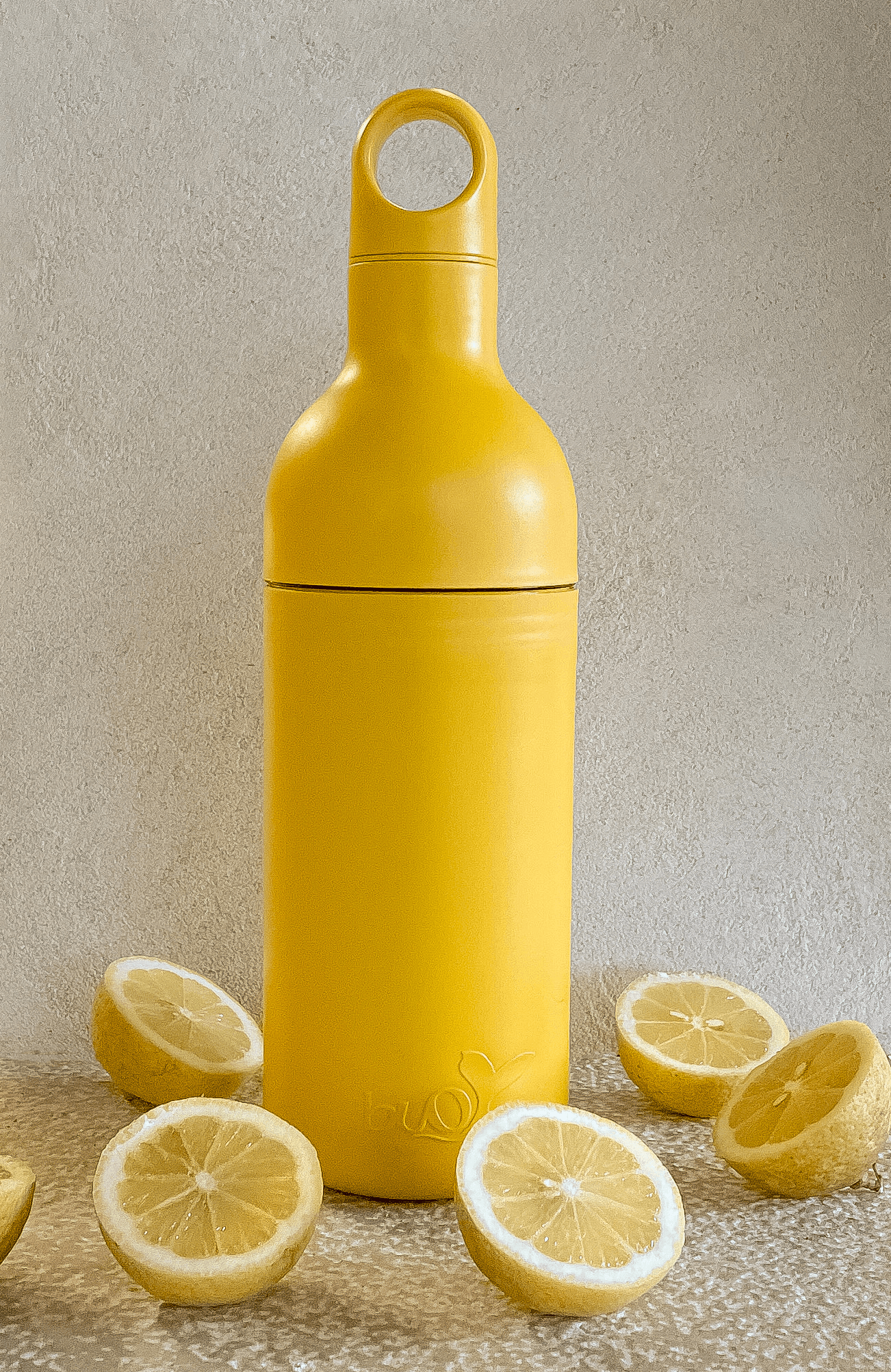
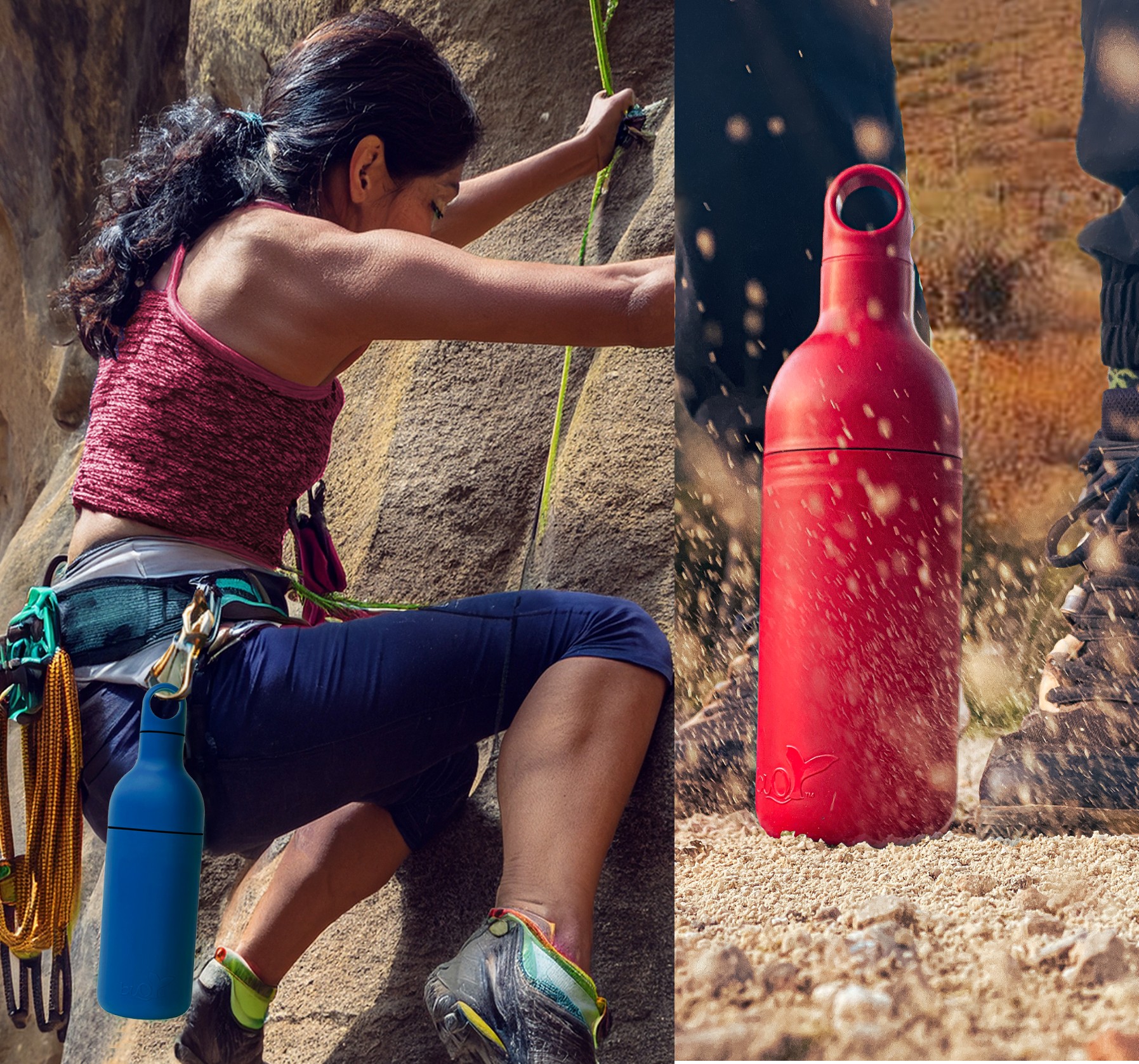
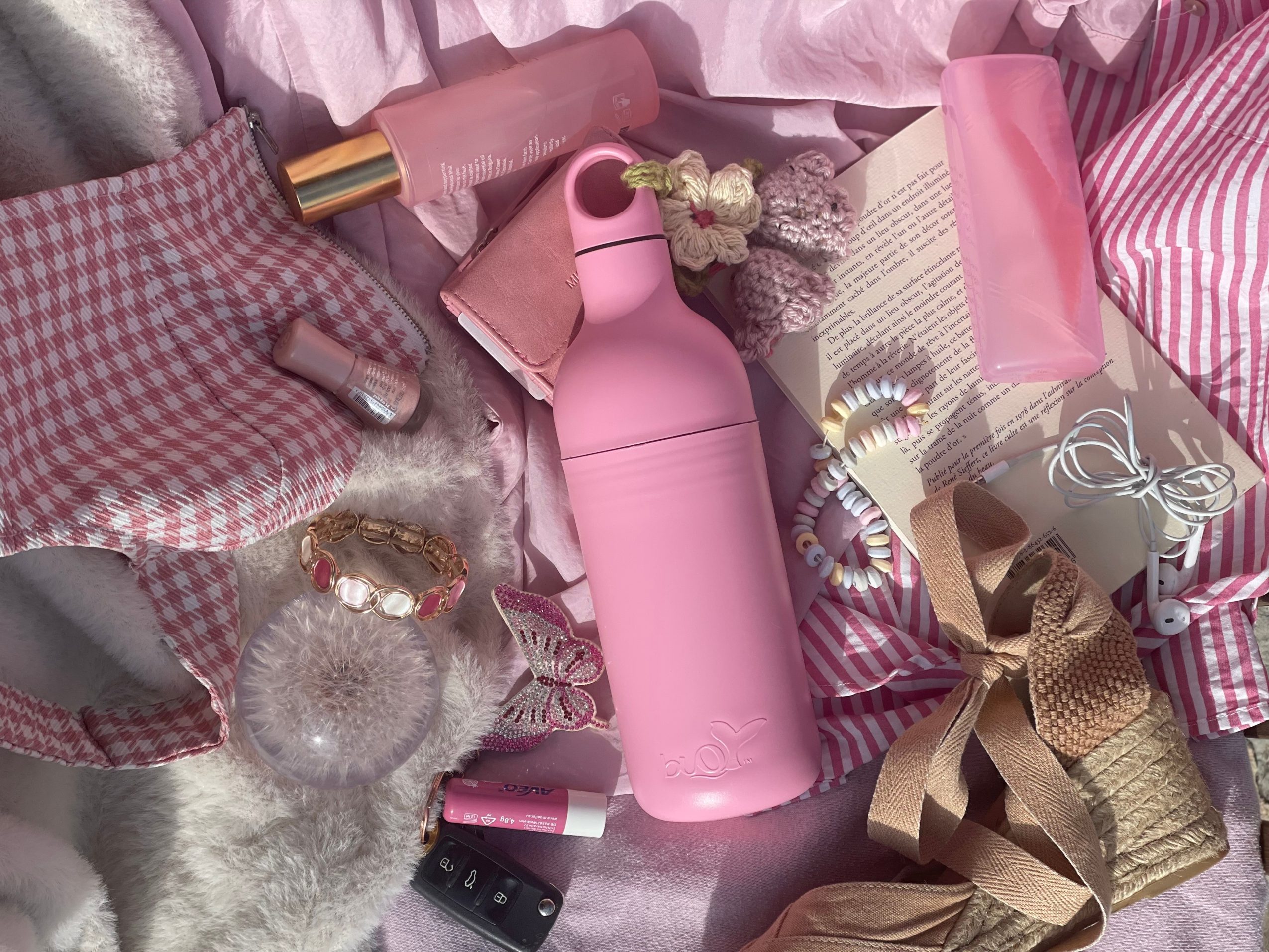
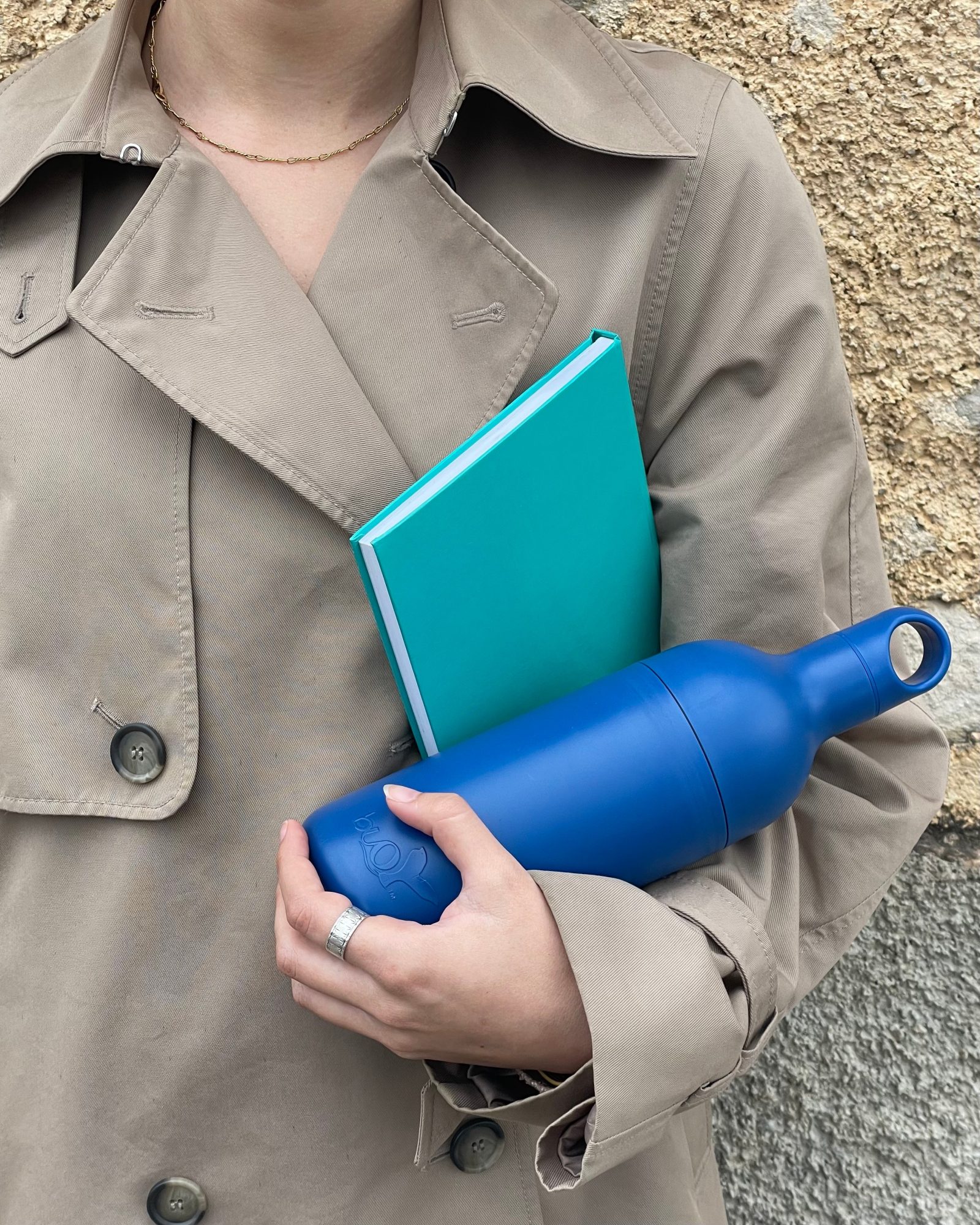
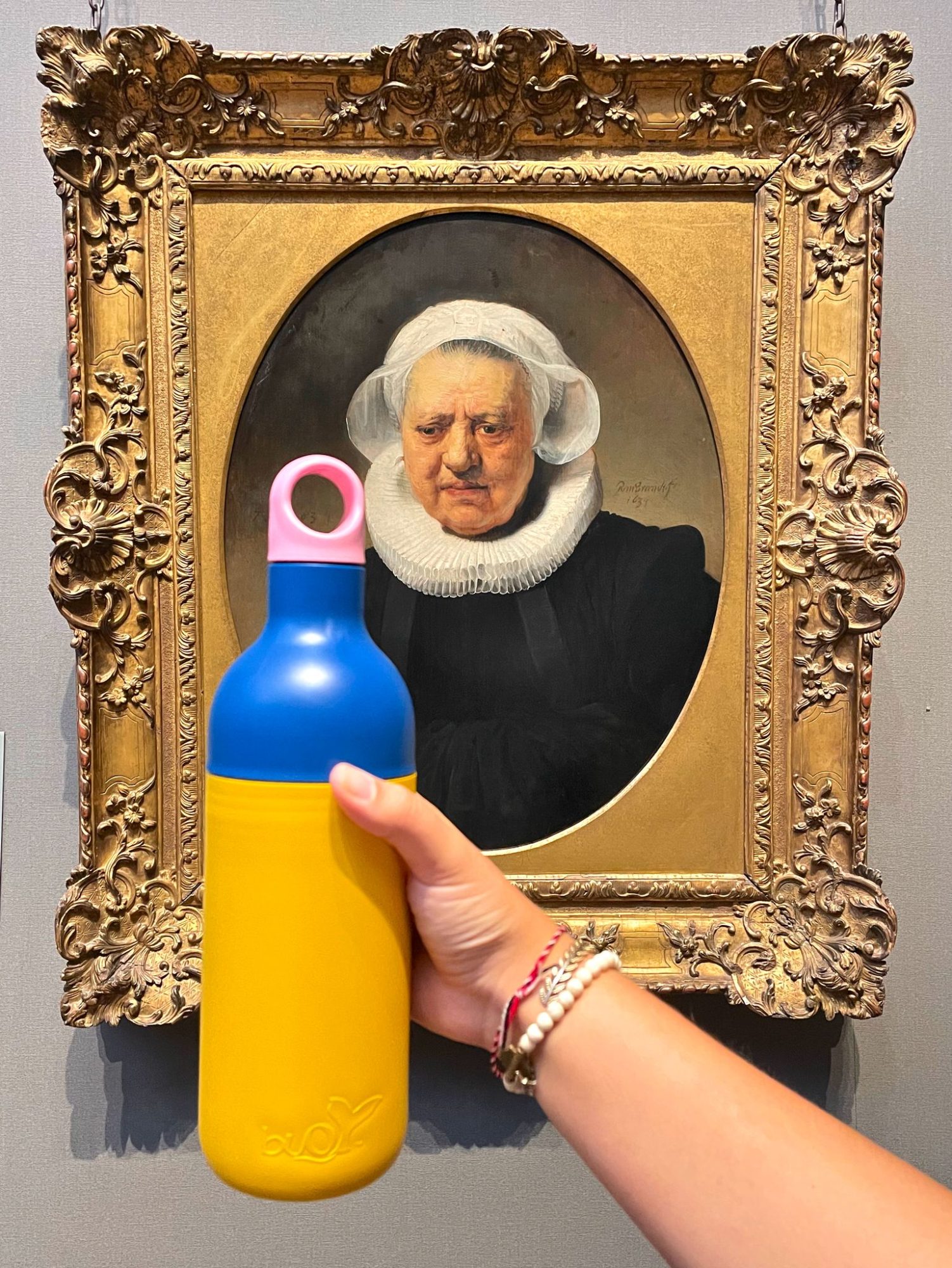
Image Credits
Pascal Schaller, Sybile Schaller, Electra Schaller
Popular
-

Portraits of the Valley
-

LA’s Most Inspiring Stories
-

Greg Hex Is Turning the Everyday Kitchen Knife Into a Modern Design Object
-

Rick Norris Learned That Building a Successful Business Means Building a Life You Actually Want to Live
-

How Olivia Rush Turned Survival Into a Mission to Help Others Keep Going
-

How Bibi Goldstein Is Helping Entrepreneurs Reclaim Their Time by Embracing the Power of Delegation


