





Today we’d like to introduce you to Yafei Zhang
Hi Yafei, can you start by introducing yourself? We’d love to learn more about how you got to where you are today?
I began my architecture journey at the UCLA Graduate School of Architecture and Urban Design, where I immersed myself in the core principles of design while cultivating a strong interest in how emerging technologies could reshape the building process. It was during my time at UCLA that I first encountered Building Information Modeling (BIM), and I quickly realized how this tool could bridge design creativity with real-world construction efficiency.
As I progressed in my career, I was promoted to BIM Lead at KPF, one of the world’s leading architectural firms. In this role, I lead the integration of advanced technologies into our architectural processes and work closely with various stakeholders to ensure that BIM contributes to both design excellence and construction efficiency. My responsibilities expanded when I was named Associate Principal, allowing me to shape the strategic direction of technology implementation across KPF’s global portfolio.
One of my early significant roles was leading the BIM efforts on high-profile projects like the Meta Office Renovation, which took place in Manhattan. The complexity of integrating modern technology into a landmark structure with plumbing and electrical systems pushed me to explore BIM automation. I successfully implemented a system that streamlined the renovation process, making it easier to manage the building’s complex systems while preserving its integrity.
I then continued my professional growth by working on the University of Michigan Center for Innovation Project, another opportunity where BIM played a crucial role in managing the intricate requirements of a large-scale development. These projects were instrumental in solidifying my expertise in BIM, not only as a tool but as a methodology that enhances collaboration, problem-solving, and project efficiency across various disciplines.
In addition to my professional roles, I am an Adjunct Professor at Kean University, where I have the privilege of teaching and mentoring students in architecture. I bring my industry experience directly into the classroom, helping students bridge the gap between academic theory and real-world application. My courses focus on professional and practice, including architecture and technology with a special emphasis on Building Information Modeling (BIM) and its practical applications in contemporary architectural practices.
I design my curriculum to not only cover the fundamentals of architectural design but also to introduce students to the latest technological advancements that are transforming the industry. This includes hands-on training with BIM software, teaching students how to leverage it for better collaboration, design accuracy, and project management. I also incorporate case studies from my own professional experiences, such as the Fosun Bund Center, giving students insights into the complexities and challenges of managing large-scale projects with cutting-edge technology.
One of the aspects I find most rewarding is mentoring students, especially those who show an interest in the intersection of architecture, technology, and leadership. I encourage them to think beyond traditional design processes and consider how digital tools like BIM can solve real-world challenges in construction, sustainability, and even historical preservation.
Through my teaching, I aim to inspire students to approach architecture with the same curiosity and passion for technology that I have carried throughout my career. It’s incredibly fulfilling to watch them grow and develop their own unique perspectives on how design and technology can coexist to create better, more sustainable buildings and cities.
As the Regional Lead of Women in BIM (WIB), I take on a vital role in advocating for greater diversity and inclusion in the architecture, engineering, and construction (AEC) industries, particularly in the technology-driven fields like BIM. My work focuses on creating opportunities for women to advance in leadership positions, equipping them with the skills and confidence to navigate traditionally male-dominated spaces.
In this position, I actively organize events, workshops, and networking opportunities that connect women in the industry, allowing them to share knowledge, experiences, and strategies for success. I am deeply committed to fostering an environment where women can grow professionally and develop their technical skills, whether they are new to BIM or experienced practitioners. These events often include thought leadership panels, technical training sessions, and mentoring programs that support both personal and career development.
I also collaborate with industry leaders, academic institutions, and professional organizations to ensure that Women in BIM is at the forefront of advocating for gender equity within the broader context of digital transformation in construction. Through these partnerships, I work to influence policy changes, encourage companies to adopt more inclusive practices, and raise awareness about the importance of diversity in driving innovation.
One of the initiatives I’m particularly proud of is mentoring younger professionals and students who are entering the field. By providing them with guidance and support, I help them navigate their early careers, understand the impact of BIM on architecture, and develop the leadership skills they need to succeed.
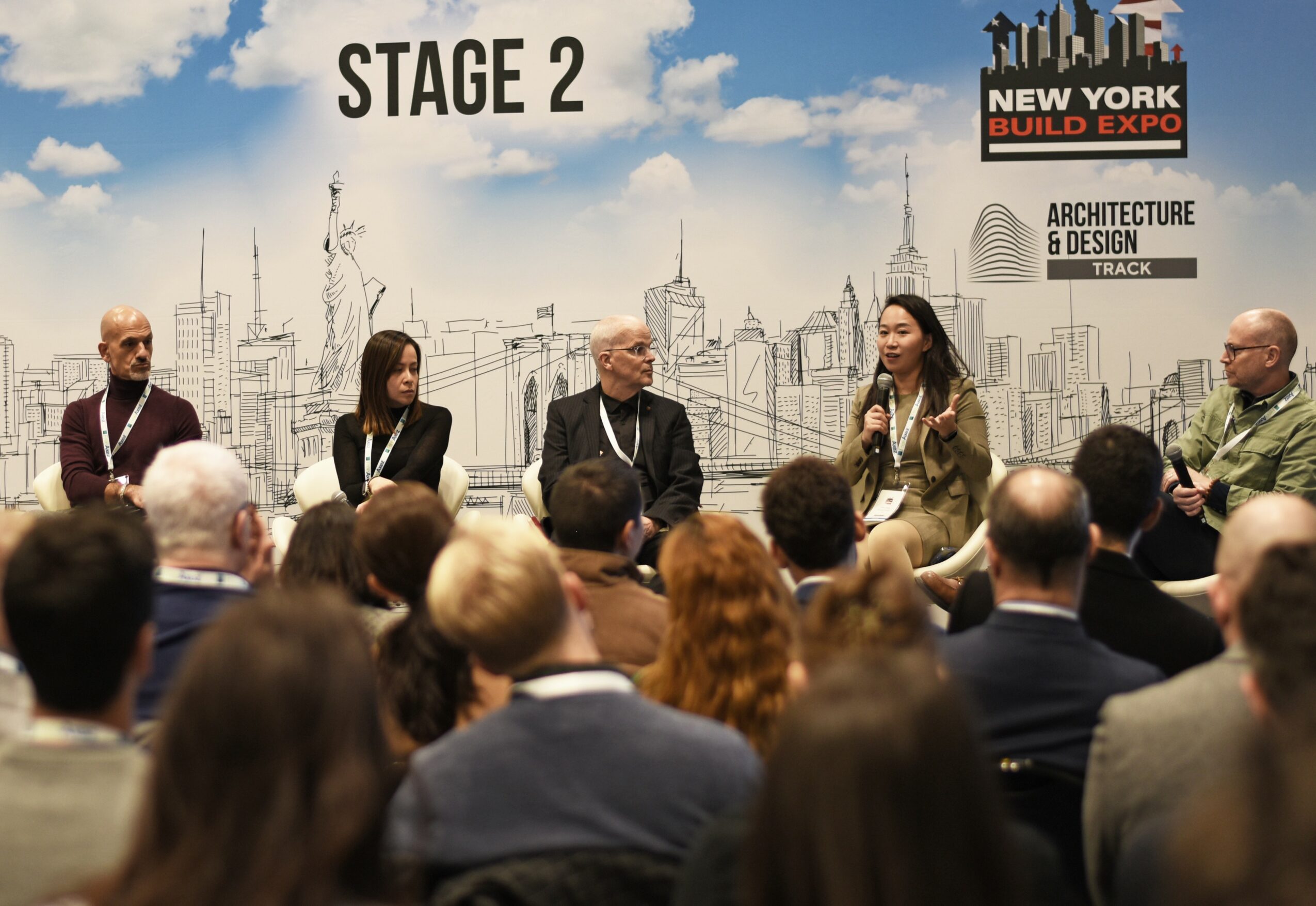
Additionally, as a Regional Lead, I represent WIB at conferences and industry events, giving talks and presentations about the importance of diverse perspectives in shaping the future of architecture and technology. These platforms allow me to advocate for more inclusive project teams, ensuring that BIM and other technologies are leveraged in ways that benefit from a broad range of viewpoints.
My role at WIB is not just about increasing representation but also about creating lasting change in the industry by building a community where women can thrive, innovate, and lead in the transformation of the AEC sector.
Through a combination of project work, leadership, and education, I’ve built a career that not only focuses on technological innovation but also fosters a collaborative and inclusive environment within the architecture and construction industries.
We all face challenges, but looking back would you describe it as a relatively smooth road?
It definitely hasn’t been a smooth road, and I’ve encountered several challenges along the way. One of the key obstacles I faced early in my career was navigating a traditionally male-dominated industry, especially in roles focused on technology, like BIM. It was challenging to establish my credibility in a space where women are often underrepresented, particularly in leadership and technical roles. There were times when I had to work twice as hard to be heard or to prove my expertise.
One significant challenge has been staying ahead of rapidly evolving technology. BIM is constantly changing, and new tools, software updates, and methodologies are introduced at a relentless pace. Keeping up with these advancements, while also managing day-to-day responsibilities, has required a continuous commitment to learning. Early in my career, I often found myself juggling project deadlines with the need to learn new BIM systems, and it wasn’t always easy to find the time to master the latest innovations while delivering results.
Another challenge has been leading organizational change. Implementing BIM across teams and projects often requires shifting deeply ingrained ways of working. This cultural shift can sometimes be met with resistance, especially from those who are used to traditional methods. Convincing colleagues and clients to embrace new technologies and workflows has been a recurring struggle. It involves not just technical training but also changing mindsets, which can be a slow and sometimes frustrating process.
In my role as an adjunct professor, one of the hurdles has been balancing my professional career with my teaching responsibilities. Juggling both worlds—working on high-pressure architectural projects while also preparing courses, mentoring students, and staying active in academia—has been demanding. Ensuring that I give my full attention to both roles has required a lot of careful time management and boundary setting.
Last but not the least, as a leader in Women in BIM, advocating for diversity is not just about organizing events or mentorship programs—it’s about addressing systemic issues within the industry. Some of these issues, like the gender pay gap or lack of representation in decision-making roles, are deeply entrenched and require long-term strategies to overcome. While I’ve made progress, there have been moments of frustration, knowing that real change takes time and persistence.
However, overcoming these challenges has been incredibly rewarding. Each obstacle has pushed me to refine my approach, build resilience, and find creative solutions. It has also deepened my commitment to mentorship, both through my teaching at Kean University and in my work with Women in BIM, where I can share these experiences and help others navigate similar challenges.
Alright, so let’s switch gears a bit and talk business. What should we know about your work?
My work sits at the intersection of architecture, technology, and leadership. BIM allows me to integrate design with advanced digital tools, streamlining project management, improving collaboration, and enhancing accuracy throughout the design and construction process.
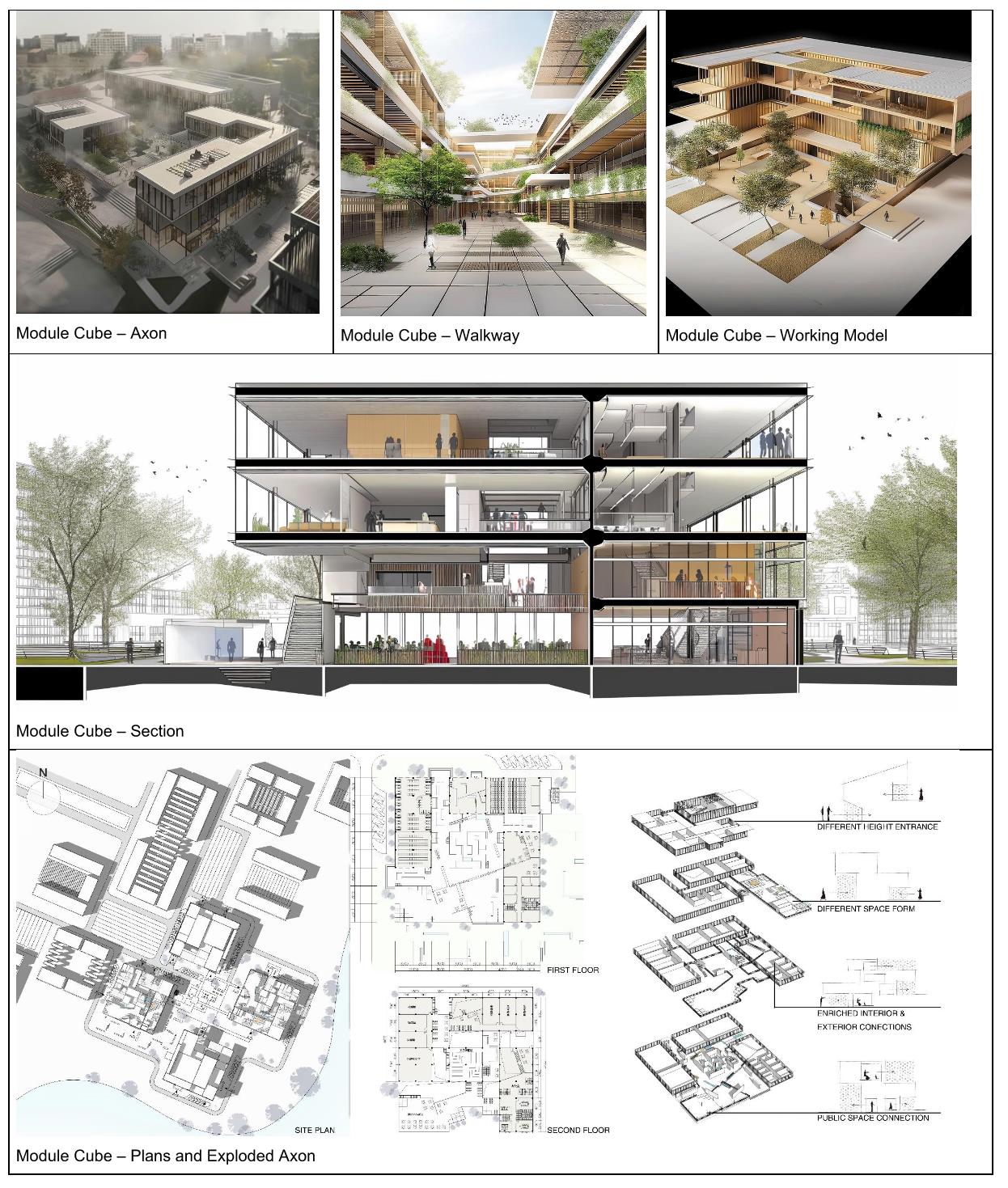
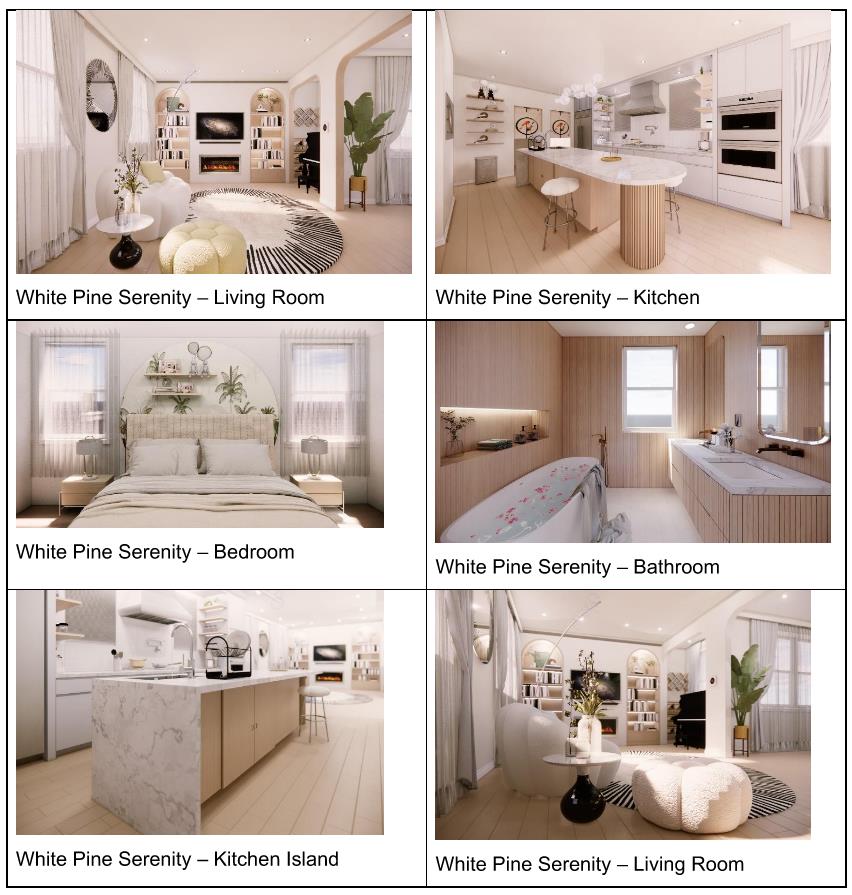
One of my proudest achievements has been leading the design and development of award-winning projects such as “White Pine Serenity” and “Module Cube”. “White Pine Serenity” is a project that harmonizes nature and architecture, focusing on sustainable building techniques and materials that blend seamlessly into their natural surroundings. Its design promotes tranquility and environmental harmony, and the use of advanced BIM processes allowed us to achieve high levels of sustainability and energy efficiency without compromising on aesthetic quality. By applying my innovative all-in-one tool that automatically calculates plumbing fixture & egress occupant load in building design that significantly reducing time while increasing accuracy, which solved long-standing issues related to outdated infrastructure. This not only improved project efficiency but also set a new standard for how digital tools can transform architecture. It’s incredibly rewarding to see how these technological advancements can reduce errors, cut costs, and deliver better outcomes for clients and communities.
“Module Cube,” on the other hand, showcases modular architecture at its best, focusing on adaptability and scalability, which utilizing data-driven design to enhance sustainability. It’s designed for flexibility, where prefabricated modules can be reconfigured to suit different needs and spaces, making it ideal for various urban environments. This project is a testament to how technology can drive innovative, cost-effective, and sustainable solutions.
What sets me apart is my ability to leverage BIM as a tool not just for technical accuracy but for creativity and problem-solving. Whether working on large-scale urban projects or more intimate, sustainable designs like “White Pine Serenity,” I focus on using technology to create meaningful connections between people, spaces, and the environment. My role in these projects isn’t just to oversee the technical aspects but to ensure that the designs meet a higher standard of sustainability, functionality, and beauty.
Beyond my technical expertise, I’m also deeply committed to education and advocacy. As an Adjunct Professor at Kean University, I share my knowledge and experience with future architects, ensuring they’re prepared to integrate technology into their work. My role as the Regional Lead of Women in BIM allows me to focus on another passion—promoting diversity and inclusion in the AEC industry. I’m proud to lead initiatives that support and mentor women in tech and construction, creating pathways for more gender-balanced leadership.
In sum, what sets me apart is my ability to combine cutting-edge technology with a human-centered approach to design, ensuring that each project—whether a landmark renovation or an award-winning sustainable design—meets the highest standards of innovation, collaboration, and environmental responsibility.
In terms of your work and the industry, what are some of the changes you are expecting to see over the next five to ten years?
Over the next 5-10 years, I see several significant shifts and trends shaping the architecture, engineering, and construction (AEC) industry, particularly in the realm of BIM technology and sustainability.
1. AI and Automation
Artificial intelligence (AI) and automation are likely to have a profound impact on the design and construction processes. AI-driven tools can already assist in generating design options, analyzing building performance, and streamlining repetitive tasks like cost estimation and clash detection. Over time, I expect AI to play a larger role in optimizing designs for sustainability and energy efficiency, as well as automating more aspects of the construction process. Automation in construction, through robotics and machine learning, will also reduce human error and improve safety on job sites.
2. Sustainability and Net-Zero Design
Sustainability will continue to be a driving force in the AEC industry, with net-zero and carbon-neutral buildings becoming the norm rather than the exception. There’s growing pressure for the industry to adopt environmentally responsible practices, from the use of sustainable materials to more energy-efficient designs. In the future, I expect to see stricter building codes and regulations focused on reducing the carbon footprint of new construction, as well as more innovative solutions like modular construction and circular economy approaches that minimize waste.
3. Immersive Technologies – AR and VR
The rise of Augmented Reality (AR) and Virtual Reality (VR) will transform how we design and communicate ideas. Architects will use these tools not only for visualization but also to engage clients and stakeholders in the design process more interactively. These immersive technologies will also play a bigger role in construction, where AR can be used to overlay digital models onto real-world construction sites, allowing teams to spot potential issues before they arise.
4. Workforce Evolution and Inclusion
As the industry becomes more technology-driven, there will be a demand for a new skill set among professionals. Architects, engineers, and construction workers will need to embrace digital literacy, data analysis, and tech integration. At the same time, there will be a continued push for greater diversity and inclusion, with initiatives like Women in BIM leading the way to create more inclusive workplaces and leadership roles for underrepresented groups.
In summary, the next decade will see a more tech-driven, sustainable, and collaborative AEC industry. Architects and engineers will need to continuously adapt to these changes, with BIM, AI, sustainability, and digital collaboration at the heart of the transformation.




Popular
-

Que Johnson on Building Brands That Last: From Visibility to True Market Authority
-

Christina Wren Steps Into the Director’s Chair to Tell Stories That Feel Like Home
-

Portraits of the Valley
-

LA’s Most Inspiring Stories
-

JordanL on ‘Breathe,’ Belief, and Building a Movement Beyond the Music
-

Megan Birney Rudert on How Access to Light Is Powering a More Sustainable and Equitable Future


