




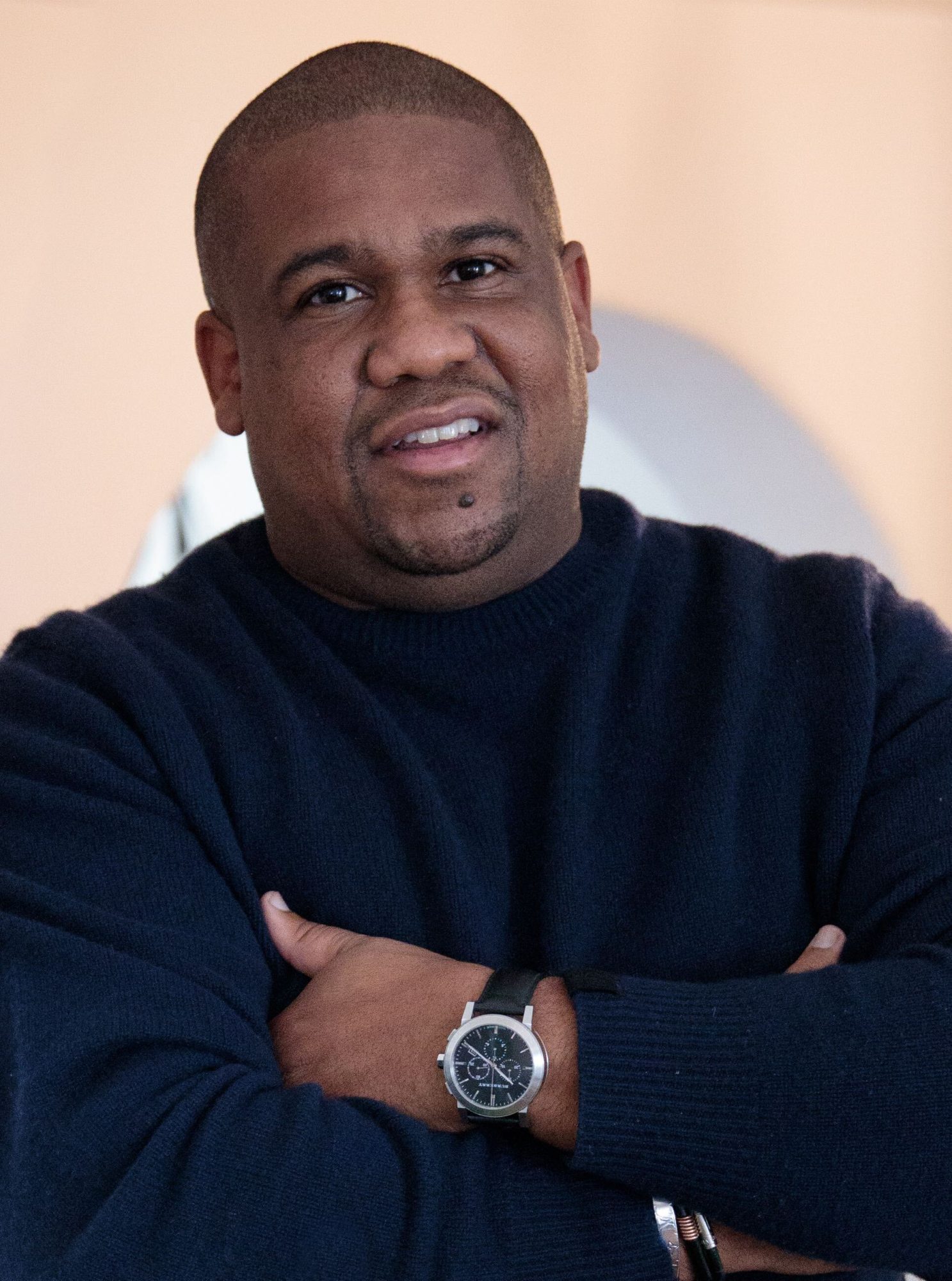
Today we’d like to introduce you to Will Campbell.
Alright, so thank you so much for sharing your story and insight with our readers. To kick things off, can you tell us a bit about how you got started?
I grew up in Pasadena, California, and began my career in the entertainment business. Early on, I saw an opportunity to help companies rethink how they connected with audiences.
In the early 2000s, music marketing was largely driven by radio and promotions. Communication was mostly one way, and there wasn’t much emphasis on using digital platforms and technology to build relationships with fans. I started helping companies like Disney and Interscope Records develop digital media strategies to create those connections and open up new revenue opportunities. Music sales were declining, and streaming hadn’t yet matured into the business it is today, so there was a real need to explore what came next.
At the same time, I saw an opportunity on the advertising side. Brands weren’t fully tapping into the power of culture to connect with consumers. My experience in and proximity to both sports and entertainment, along with my own cultural upbringing, gave me a perspective I could bring to that world. I understood how the things people love, including music, sports, stories, and the communities they identify with, could help brands build more meaningful relationships.
That became the foundation for Quantasy: bringing together advertising, entertainment, technology, and culture. You hear those worlds discussed together all the time today, but in 2001, they were much more separate. I saw opportunity in the places where they intersected.
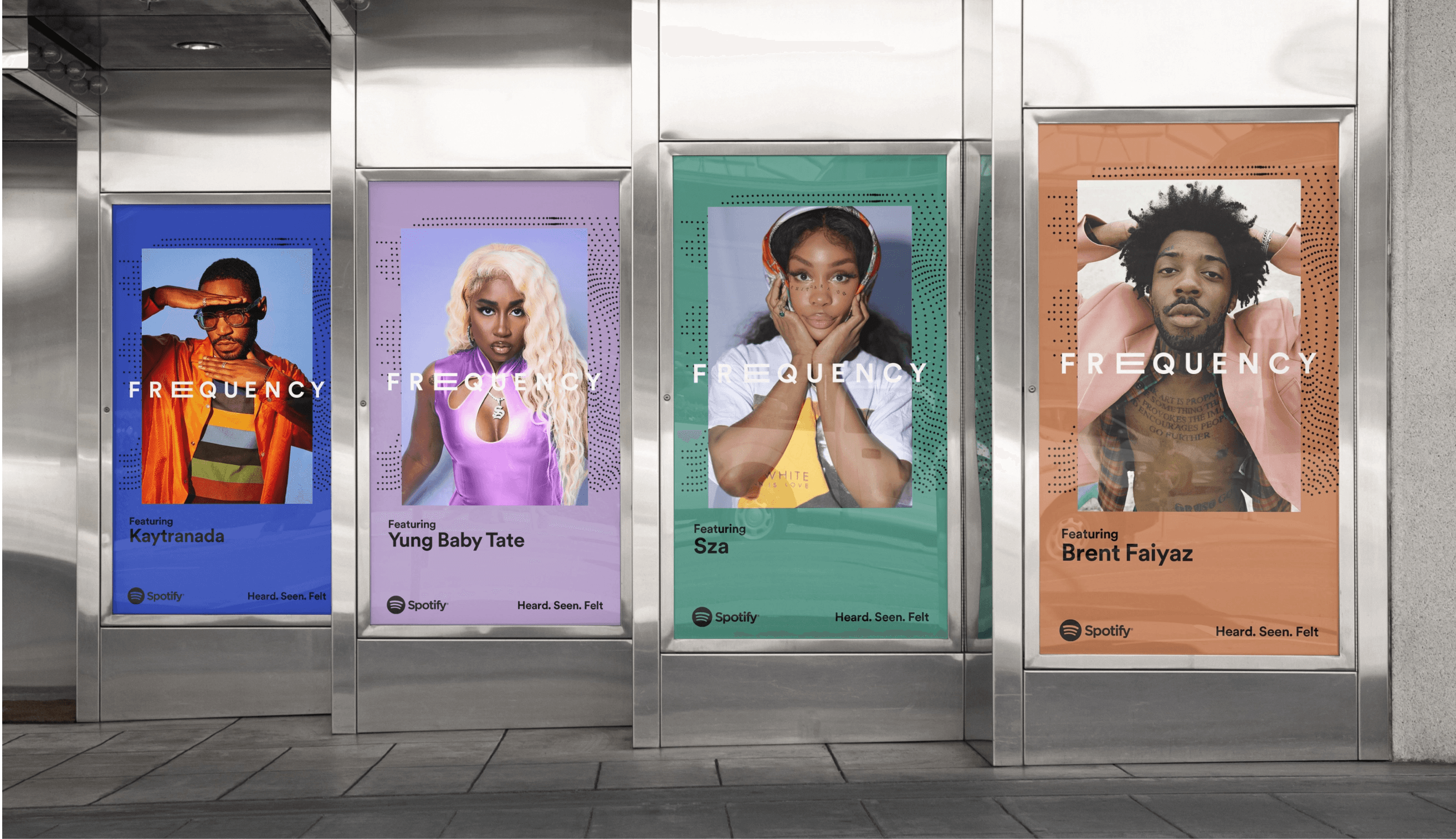
As we built the agency, that approach created demand across categories. Our client list grew to include entertainment companies like Spotify and HBO, public figures like Kevin Hart and Magic Johnson, and corporate brands including Target, Wells Fargo, Under Armour and Google. Each brought different challenges, but the opportunity was consistent: understand what matters to people and help our clients connect with them in a meaningful way.
What started as a journey in entertainment grew into an agency able to apply that perspective across businesses and industries. Today, that thinking continues to guide my work and the agency. We bring worlds together, building bridges that build businesses.
Can you talk to us a bit about the challenges and lessons you’ve learned along the way. Looking back would you say it’s been easy or smooth in retrospect?
It hasn’t been a smooth road. Early on, one challenge was helping people understand an approach that didn’t fit neatly into an existing category. Bringing together advertising, entertainment, technology, and culture made sense to me, but it wasn’t necessarily how companies organized their teams or budgets. Part of the work was helping clients see the opportunity.
As the agency grew, the challenges changed. Having a strong creative vision and building a business that can consistently deliver on it are different responsibilities. You have to develop the right team, create structure, manage resources, and keep earning your clients’ trust. I’ve had to grow as a leader alongside the company, and a lot of that growth has come from the people I’ve worked with.
Current and former team members have helped shape Quantasy through their talent, ideas, and commitment. They’ve helped solve difficult problems, challenged my thinking, and brought ideas to life in ways I couldn’t have on my own. Whatever we’ve accomplished has been a shared effort, and I’m grateful for their contributions.
Amidst our successes, there have also been difficult stretches, failures and complex situations that required hard decisions and a willingness to examine where I needed to do better. Those decisions carry weight because they affect people who have invested their time and belief in what we’re building. That responsibility has been one of the hardest and most formative parts of being a founder.
I’m still learning. One of the biggest lessons has been to listen closely, be willing to change how we operate, and remain clear about why we exist. The belief that brought Quantasy into being is still there, but my understanding of what it takes to sustain it, and my appreciation for the people who make it possible, has grown considerably.
Can you tell our readers more about what you do and what you think sets you apart from others?
I’m the founder and CEO of Quantasy, a creative agency that helps brands connect with people through culture. My work brings together business strategy and creative thinking, from identifying an opportunity to shaping the idea and helping our team bring it to life.
We specialize in connecting advertising, entertainment, technology, and culture. That can take the form of a brand strategy, an advertising campaign, a film, a digital experience, or a live event. The starting point is understanding the client’s business and the people they’re trying to reach. What matters to those people? What earns their attention and trust? Where does the brand have a meaningful role to play?
Our ability to move between those worlds is what sets us apart. As a creative agency working with entertainment companies, public figures, and corporate brands gives us different perspectives on how audiences connect, participate, and build loyalty. We bring those perspectives into our work, finding opportunities that might be less obvious when you approach a challenge through a single discipline.
It has been an amazing experience to work with some of the most well-known and influential brands in culture, including Spotify, the GRAMMYs, and Google. I’m also especially proud of bringing our creativity to nonprofits and organizations advancing equity, where the work serves a purpose people can feel in their lives. Our work with LA84 Foundation and the Play Equity Fund, for example, helps tell the story of why access to sports and play matters for every child. We also helped build and launch True Voice, a wellness app that expands access to wellness resources for people who have been underserved. Bringing our capabilities to these missions is meaningful to me.
I’m proud of the talent that has helped build Quantasy. Seeing people bring their own perspectives to an idea, make it better, and turn it into something none of us could have created individually is one of the most rewarding parts of this work.
Ultimately, I want us to be known for how we bring different, sometimes seemingly unrelated worlds together to create new possibilities. Understanding culture gives us a way to help our clients earn a place in people’s lives and turn that connection into lasting value.
Where do you see things going in the next 5-10 years?
Five to ten years will come and go quickly, but in terms of how much will change, it’s an eternity. In that time, I see two shifts happening together. AI and technology will expand what’s possible, while people will place greater value on human connection, community, and experiences they can physically participate in, whether that means painting or space travel.
On the technology side, I’m excited about how AI could open up creative possibilities. More people will be able to bring ambitious ideas to life, and smaller teams will have capabilities that once required significant resources. There are great ideas that never get made because the tools, time, or budget aren’t available. Lowering those barriers will unlock a tremendous amount of creativity.
At the same time, I believe people will crave more opportunities to connect in person, make things with their hands, and experience something tangible. That could mean live music, sports, travel, community gatherings, hands-on experiences with products, or learning a craft. As more of life happens through a screen or an automated interaction, the value of being present with other people will grow considerably. I also believe people will take a more active role in shaping the future they want for themselves, their communities, and the planet. Brands will have an opportunity to support that through the products and experiences they create, the communities they strengthen, and the choices they make.
That will also require judgment. As technology gives brands more things they could do, I think the more important question will become: What should they do? Just because we can automate an interaction, generate a piece of content, or personalize an experience doesn’t mean it serves the people we’re trying to reach. Brands will need to be clear about where technology adds value and where human involvement matters most.
I also expect significant conversations about regulation and how these changes affect different industries. Questions about ownership, consent, compensation, and the impact on jobs will help shape how this technology develops. For creative businesses, that includes thinking seriously about how we develop talent and preserve opportunities for people to learn their craft.
For me, the opportunity is to preserve cultural value while creating new cultural value. That means respecting the people, communities, and traditions that shape culture while opening up possibilities for new voices, ideas, and forms of expression. Technology can help us do that, but it takes intention. This will become the new role for agencies. Helping to guide intention. How we take on what’s possible to enrich culture and support the people who create it will be one of the defining responsibilities of our industry.
Contact Info:
- Website: https://quantasy.com
- Instagram: https://www.instagram.com/quantasy
- Facebook: https://www.facebook.com/quantasy
- LinkedIn: https://www.linkedin.com/company/quantasy


Popular
-

Portraits of the Valley
-

LA’s Most Inspiring Stories
-

Greg Hex Is Turning the Everyday Kitchen Knife Into a Modern Design Object
-

Rick Norris Learned That Building a Successful Business Means Building a Life You Actually Want to Live
-

How Olivia Rush Turned Survival Into a Mission to Help Others Keep Going
-

How Bibi Goldstein Is Helping Entrepreneurs Reclaim Their Time by Embracing the Power of Delegation


