



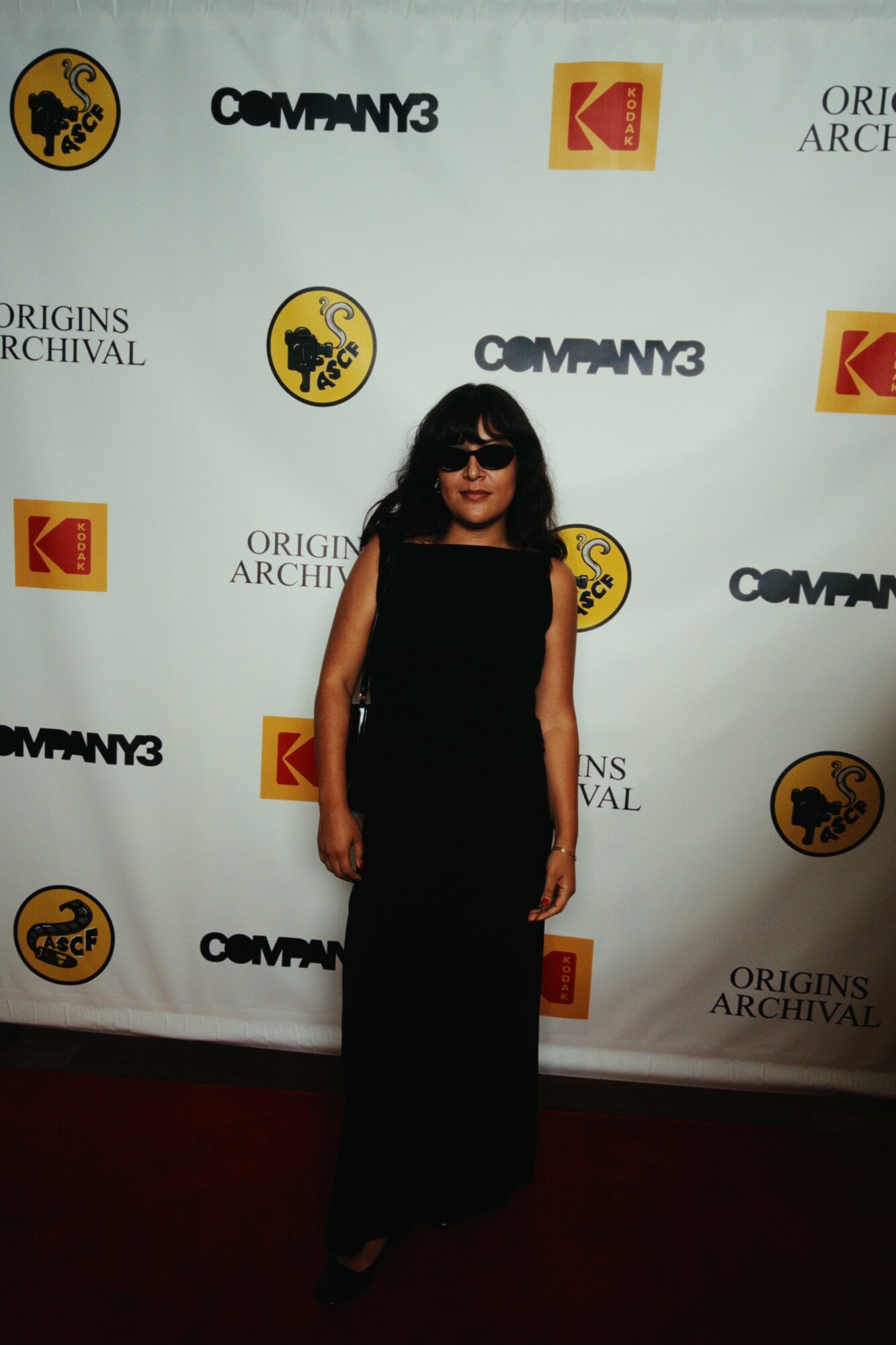
Today we’d like to introduce you to Stephanie Romero.
Stephanie, we appreciate you taking the time to share your story with us today. Where does your story begin?
You know how some families go to church every Sunday? My family went to the movies. I’m an only child and have always been really close to my parents, so Sundays were our day together. We’d get brunch and then see a movie in the theater, every week without fail. I remember seeing Titanic, The Matrix, Armageddon, and The Truman Show in a dark theater. Some people might say I was too young for those films, but I felt like I was exactly where I needed to be. My parents loved movies and wanted to share that with me. It became something we bonded over, and it planted a seed early.
During the week, we’d go to Blockbuster. My parents would choose their movies, sometimes we’d pick one to watch together, and eventually I started finding my own. In high school, I’d watch films in my bedroom and then put on the director’s commentary because I wanted to know how they were made. I fell in love with the work of Sofia Coppola, Paul Thomas Anderson, Wes Anderson, Mike Mills, Jean-Luc Godard, and Jean-Marc Vallée. I was studying filmmaking without realizing it was something I could pursue myself.
My path through college was a little all over the place. I studied everything from anthropology to graphic design before landing at FIDM to study digital media. That’s where I fell in love with art history, almost by accident. Because the school was built for fashion, it offered these incredible courses in color theory, film history, editing, sound design, and web design. I still use so many of those skills today. That love followed me to LA Valley College, where I earned my art history degree, and then to UC Santa Cruz, where I transferred intending to study it further. But on the day of the department orientation, I had this sudden feeling I was in the wrong room. I ran over to the Film Department and asked if it was too late to change my major. It wasn’t.
At UCSC, I got into the production program and made all kinds of fun experimental and narrative films. That’s where I really fell in love with making movies and began to find my voice as a filmmaker. I was drawn to directing as a career, but I was scared of it, too. For a long time, it felt like something I loved but couldn’t quite imagine myself doing.
So I became an editor. I worked my way up to post supervisor at a media company, then moved into fashion media, where I led video across Who What Wear and Marie Claire. That work pushed me to develop ideas, build teams, produce, creative direct, and direct. It was fast paced, and I learned how to carry a project from its first spark through the final cut.
Eventually, I decided to bet on myself and pursue freelance directing. Since then, I’ve directed work in fashion, beauty, and lifestyle, as well as a narrative short called The Places We’ll Go, which has some pretty crazy lore behind it, and an experimental short called Peaches, inspired by my childhood memories. Now I’m directing Neon Dreams, a feature documentary about my family and their craft as Mexican neon sign makers in Los Angeles. It feels like a culmination of so much of what I’ve learned, both as a filmmaker and as their daughter.
I can still see the influence of those films I discovered in my bedroom. Sofia Coppola was one of the few women directors I knew to look up to, and her films showed me a female gaze I hadn’t realized I was missing. Jean-Marc Vallée’s editing has really stayed with me, especially the way he blends memory and reality. I was also deeply influenced by the way he used music to build the world of a film and reveal who his characters were. Music never felt like something simply placed over a scene. It came from the characters, carried their memories, and became part of the emotional language of the story. I carry all of those influences into my own work. I think 15-year-old me, the one discovering all those directors alone in her bedroom, would be pretty excited to see where we ended up.
I’m sure it wasn’t obstacle-free, but would you say the journey has been fairly smooth so far?
I don’t think my road has been full of dramatic obstacles, and if I’m honest, I hesitate to even call them struggles. The biggest challenge was not being able to imagine myself as a director. No one in my family had pursued a creative career like this before, and I didn’t see many women of color behind the camera whom I could look to and think, “That could be me.”
I grew up in a Mexican immigrant household where my dad worked in neon. On weekends, I would go to the movies and sometimes recognize one of his signs glowing in the background of a scene. His work was right there in the frame, inside the films I loved, but those films were almost always directed by white men. I was so proud to see a piece of my dad’s artistry on screen, but I never imagined myself standing where the director stood. People like my family helped build those worlds, yet I rarely saw us being given the opportunity to shape them. I think I carried that contradiction for a long time before I knew how to name it.
My parents never put a ceiling on what I could become. They encouraged me to go to college and pursue whatever made me happy. But there is a difference between being told something is possible and actually seeing someone who looks like you do it. It took me a long time to develop the confidence to call myself a director and believe I belonged on a set in that role.
In some ways, taking the long road worked in my favor. Along the way, I studied anthropology, art history, web design, editing, and sound design. I learned how to produce, manage a team, and lead people through a creative process. Every one of those experiences shaped the director I am today. It took me a while to get here, but I don’t think I could have arrived any faster than I did.
Now, part of what makes directing meaningful to me is knowing that my presence on set can offer someone else the image I didn’t have growing up. I hope a little girl who looks like me might see me behind the camera and understand sooner than I did that this is an option for her. I want her to be able to picture herself there before anyone has to tell her she belongs.
Appreciate you sharing that. What else should we know about what you do?
I’m a director mainly, but I also creative direct and edit. I’d say I’m known for my directing work with celebrities, specifically social-first content. I understand how to translate video in a way that actually resonates with social audiences, not just how to make something look good, but how to make it work where people are actually watching it. That comes from all my years as a producer, creative director, editor, and director for those media companies and publications, everything I learned along the way still serves me in my career today.
What I’m most proud of right now is Neon Dreams, the documentary I’m working on. It’s so much work, but I love making it so much that it feels like the real culmination of everything I’ve learned over the years. It’s about me and my family and their craft. I get to create, capture, and be with my family all at once while I make it. I’ve had full creative control on my personal work before, but it’s rare, most of what I make is for someone else. This one is entirely mine.
I think what sets me apart is that I understand content from both sides, as a consumer and as a creator. On social, I’m a genuine consumer of it myself, scrolling, watching, paying attention to what actually stops someone versus what just looks nice in a deck, so when I direct for social, I know what I’m making because I know what I actually respond to. It’s the same with film. I’ve been a lifelong lover of movies long before I ever stood behind a camera, so I bring that audience perspective into everything I create, I’m not just applying craft, I’m making things I’d genuinely want to watch myself.
How do you think about happiness?
Sunshine. I love finding a warm patch of it, closing my eyes, and letting it reset something in me. Hot yoga and meditation do that too. They bring me back into my body.
Quality time with my friends and family makes me happiest, especially when we’re doing nothing more than being present, laughing, and catching up. Coffee also brings me an unreasonable amount of joy. It’s my favorite daily ritual and possibly an addiction.
I love traveling because it pulls me out of my routine and gives me a new perspective. And, of course, movies. I watch them for pleasure, but part of my brain is always searching for inspiration and asking, “Why did that work?” I’ve even started taking notes in a little notebook, or on my phone if the theater is empty enough. I’ll always prefer seeing a film in a theater. It feels like the right way to watch one, just like I did as a kid.
Contact Info:
- Website: https://www.Stephanie-Romero.com
- Instagram: https://www.instagram.com/stephrmro/
- LinkedIn: https://www.linkedin.com/in/stephrmro/
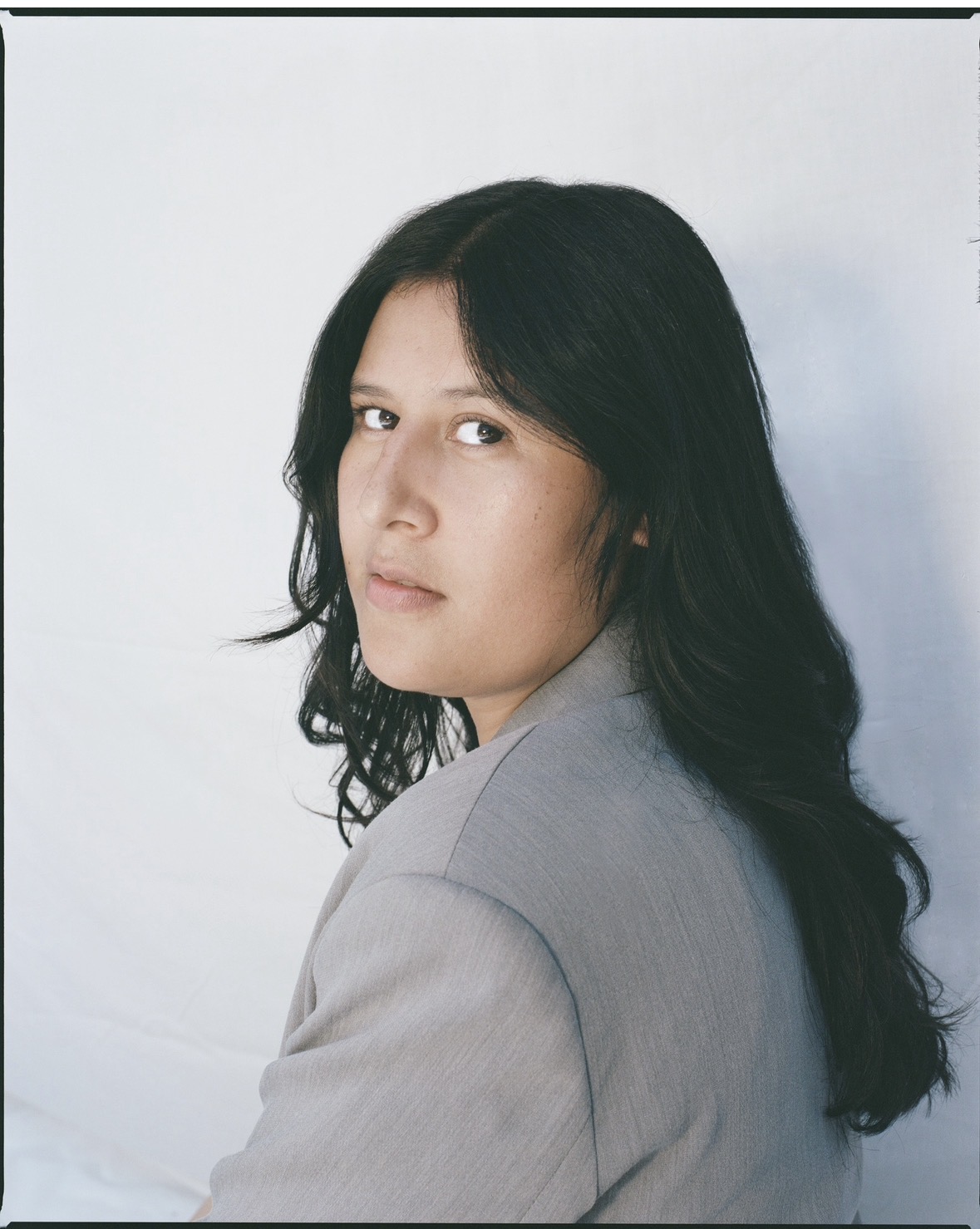
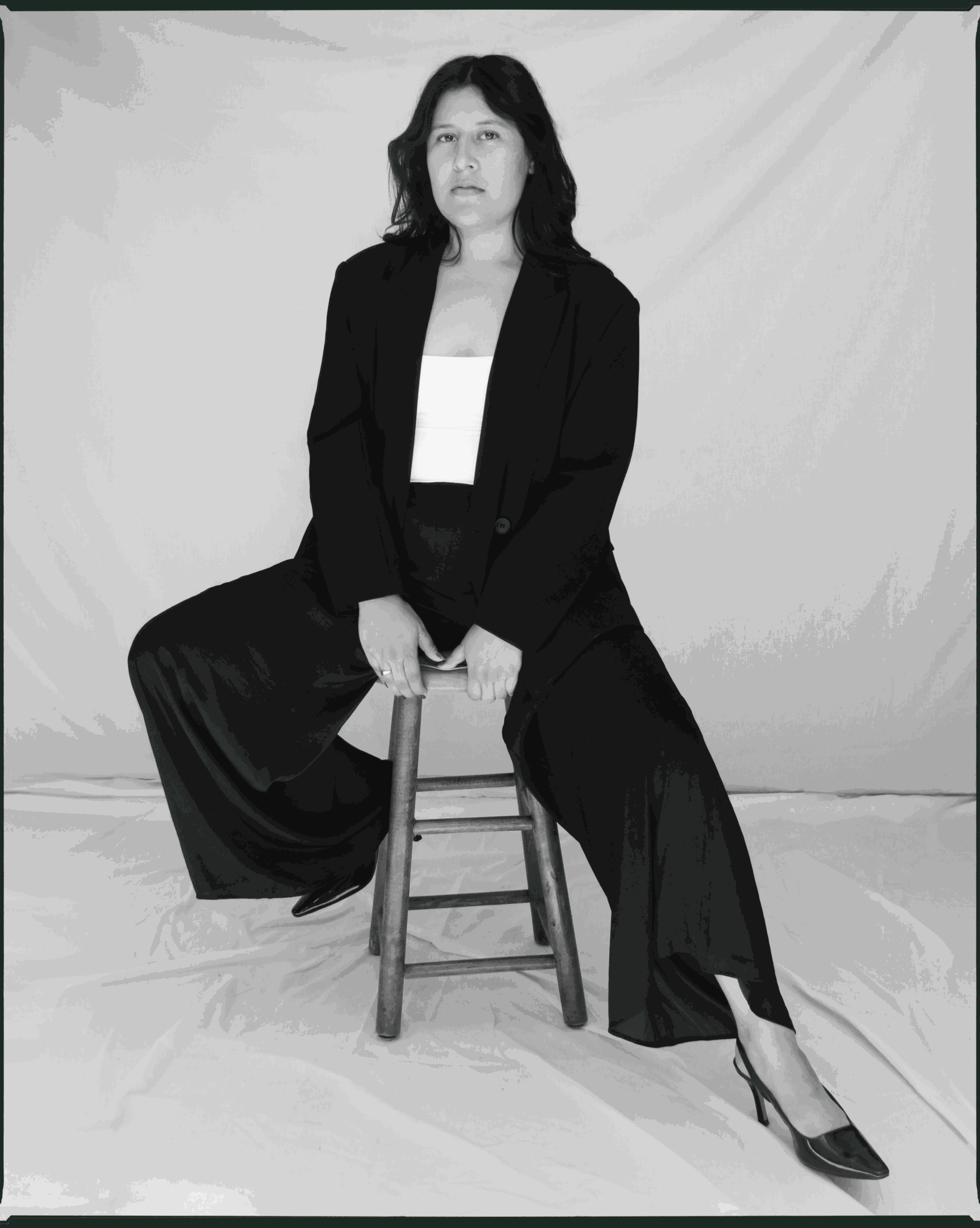
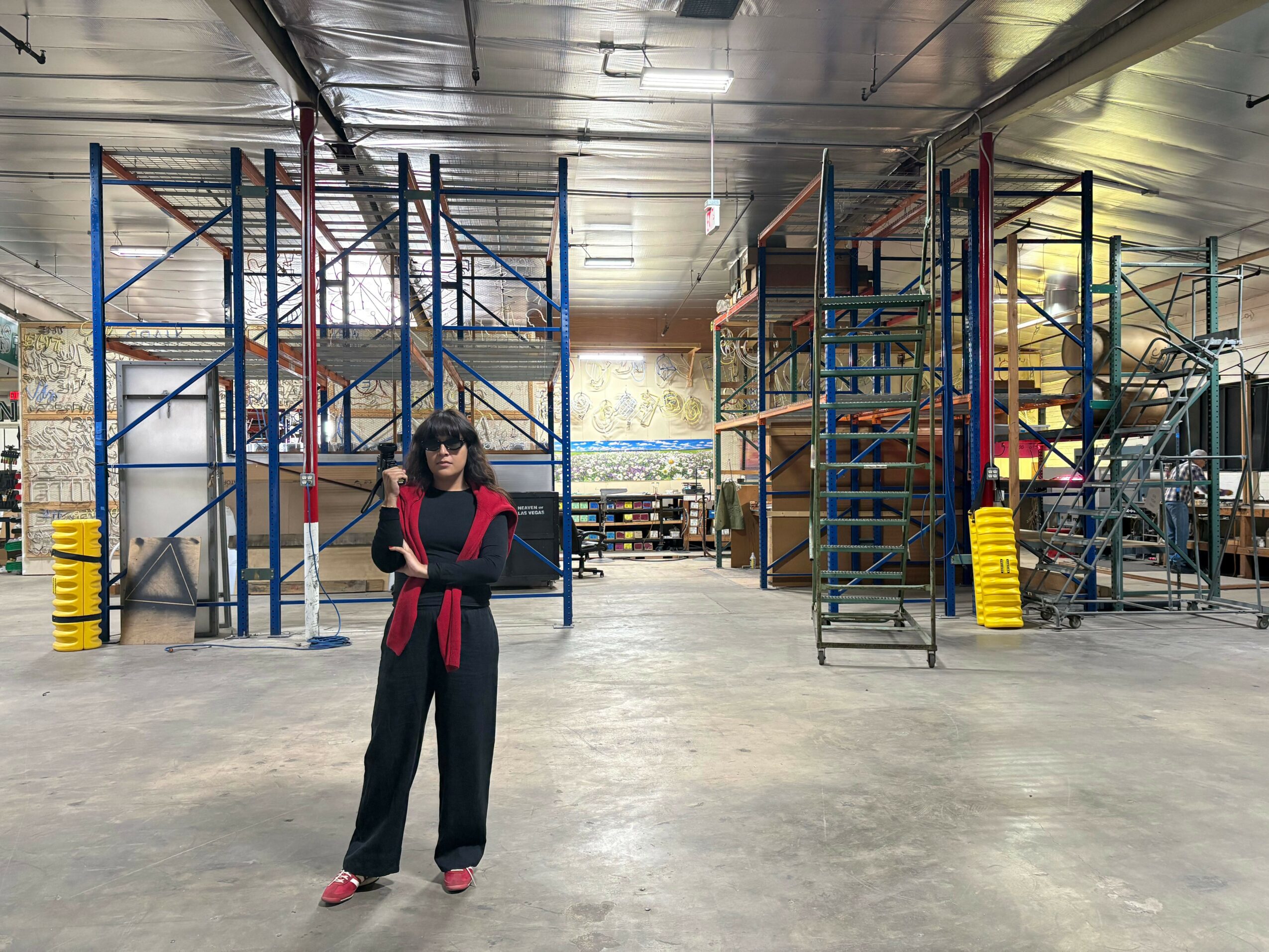
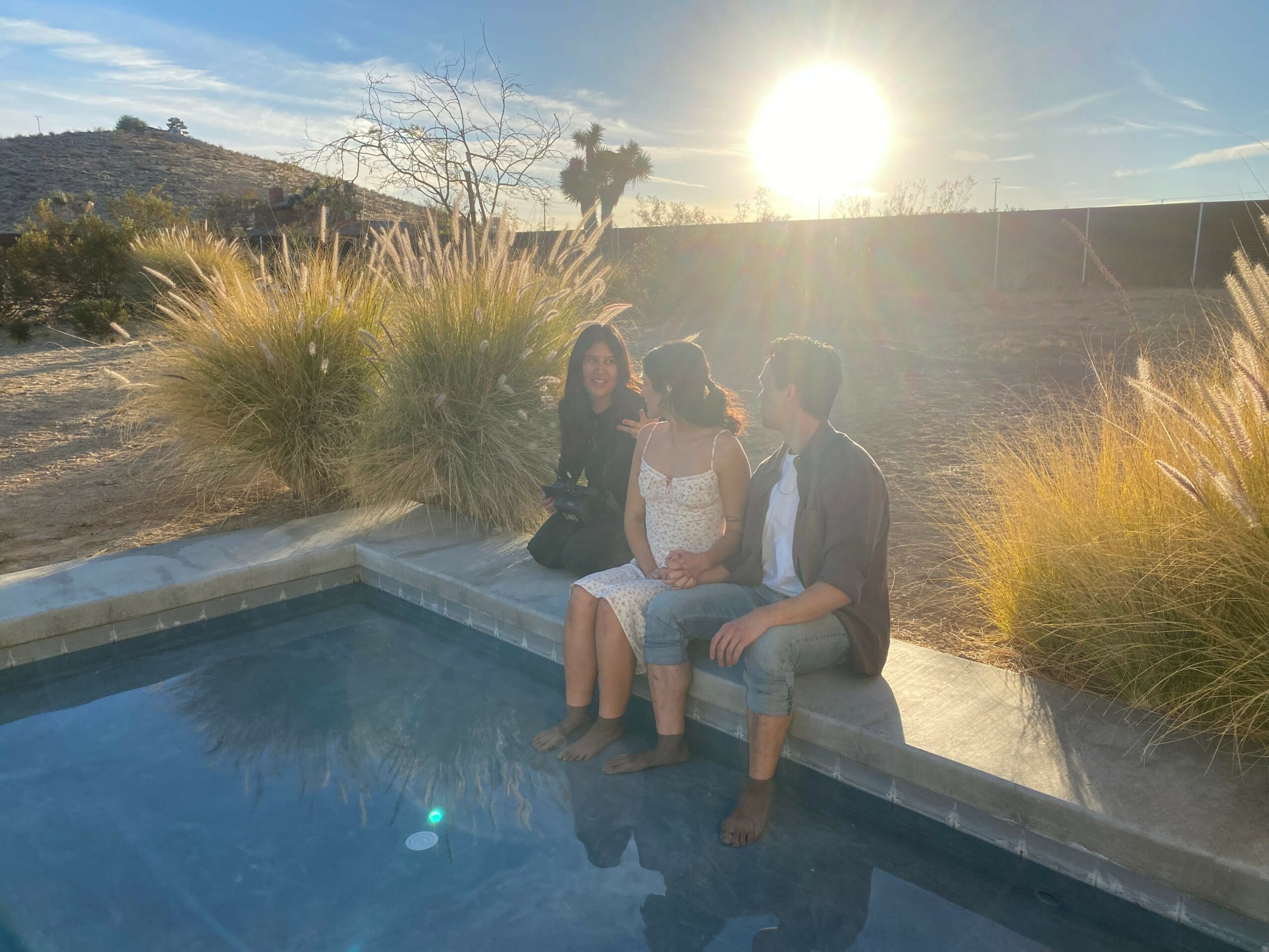
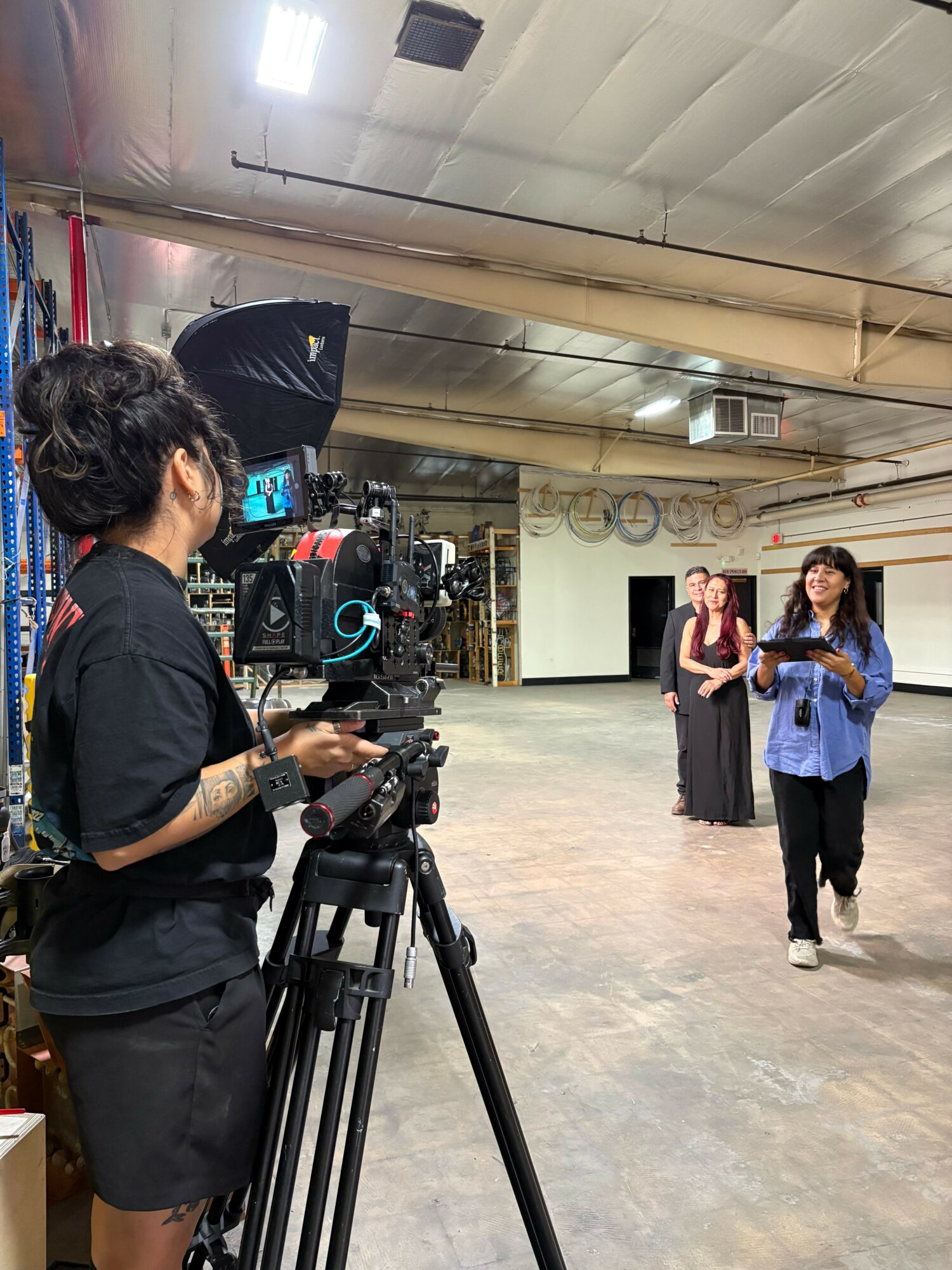
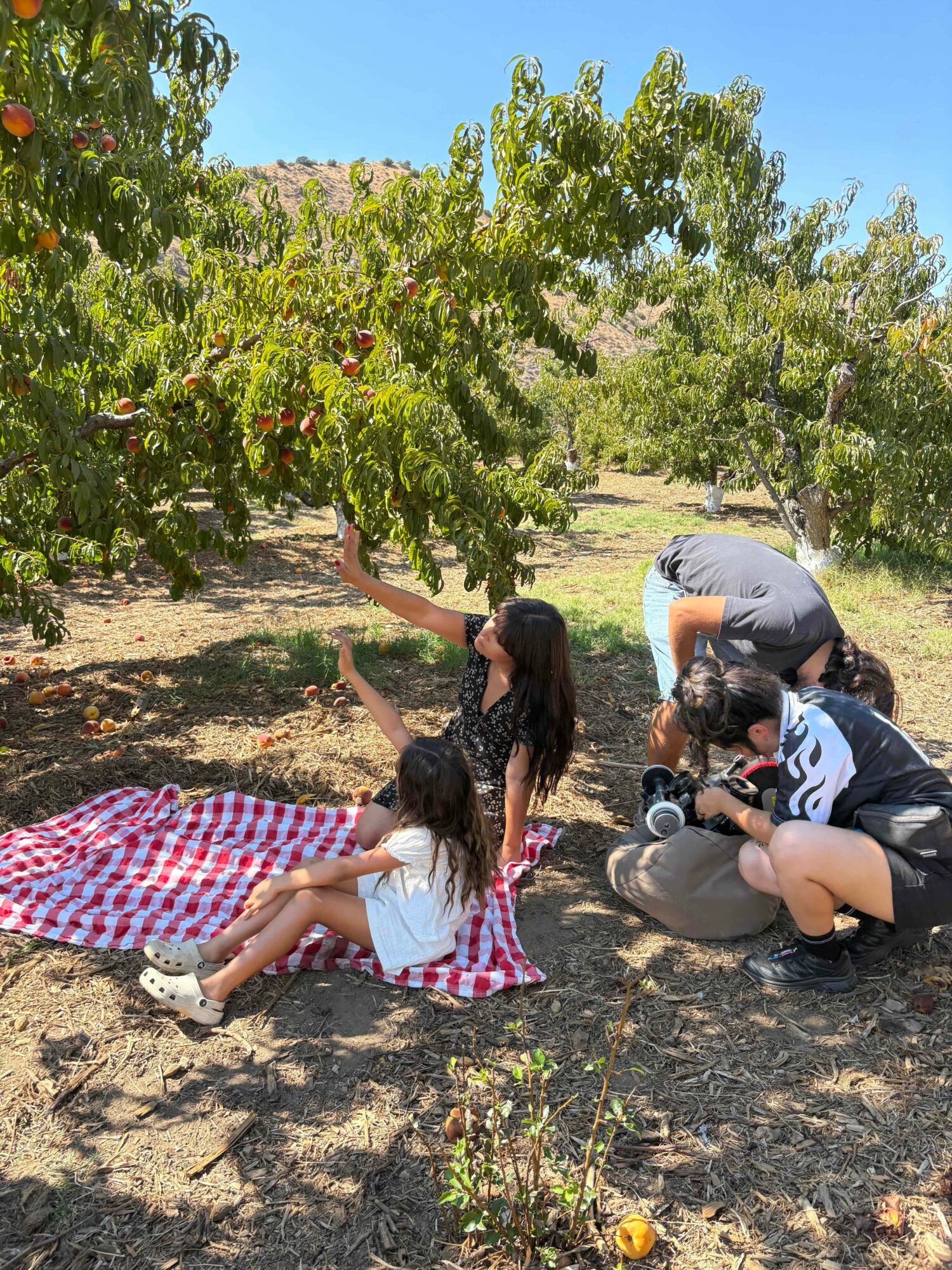
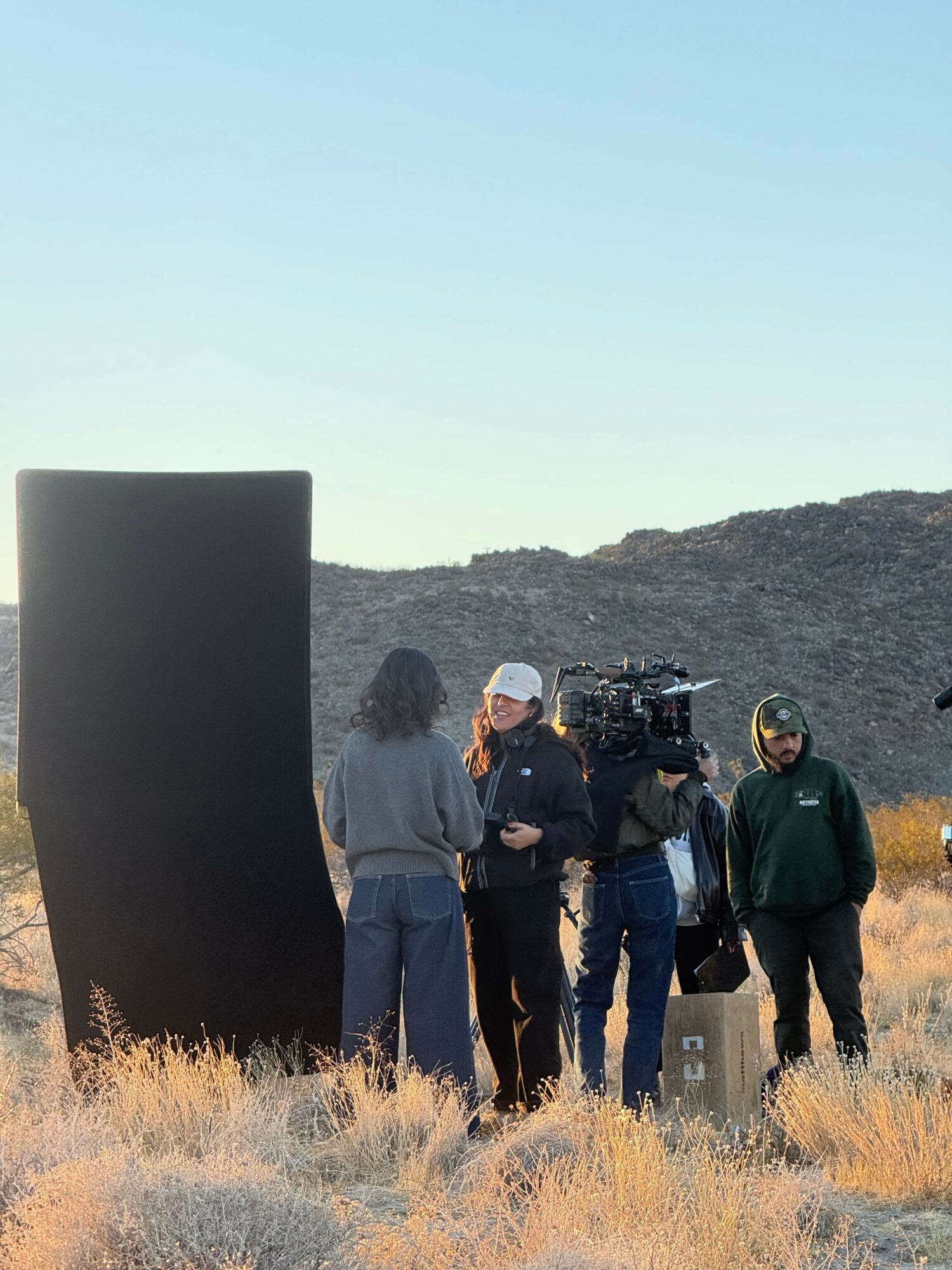
Image Credits
Brittney Najar (for two head shots)
Popular
-

Greg Hex Is Turning the Everyday Kitchen Knife Into a Modern Design Object
-

Portraits of the Valley
-

LA’s Most Inspiring Stories
-

Rick Norris Learned That Building a Successful Business Means Building a Life You Actually Want to Live
-
How Olivia Rush Turned Survival Into a Mission to Help Others Keep Going
-

How Bibi Goldstein Is Helping Entrepreneurs Reclaim Their Time by Embracing the Power of Delegation


