




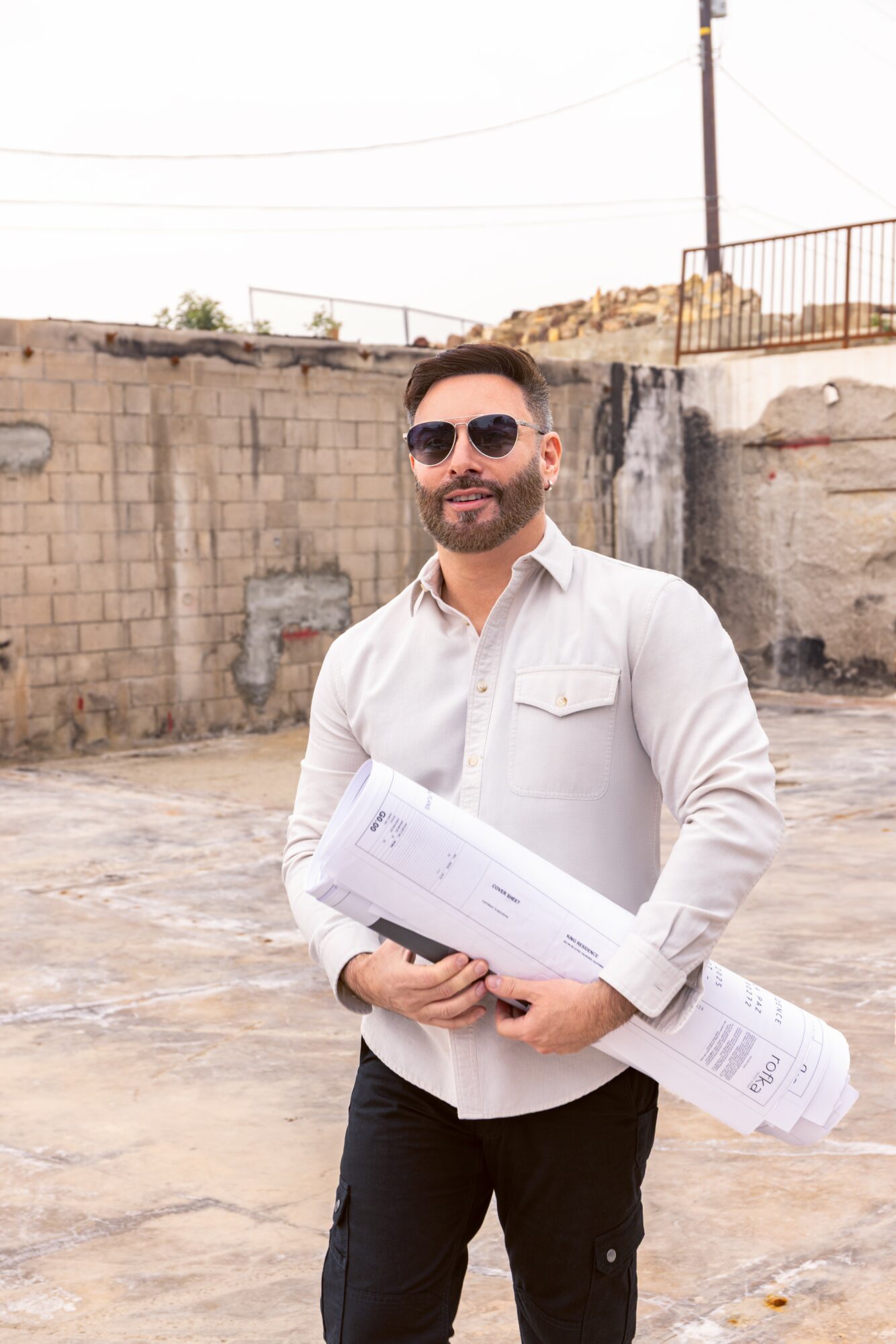
Today we’d like to introduce you to Roddy Monroy.
Hi Roddy, it’s an honor to have you on the platform. Thanks for taking the time to share your story with us – to start maybe you can share some of your backstory with our readers?
My path began early. I left home at sixteen — not only to strike out on my own, but to help pay the bills and take responsibility for myself. Growing up with limited resources taught me the value of hard work, resilience, and independence. While still in high school, I attended adult school at night, taking additional art, design, and architectural drafting classes and earning credits that allowed me to graduate a year and a half early. That time wasn’t about freedom — I was working, learning, and living independently, fully immersing myself in the world I wanted to build my life around. Architecture wasn’t something I simply wanted to study — it was something I needed to understand from the inside out. Those early years shaped my empathy, perspective, and sense of responsibility, which remain central to how I approach design and client collaboration today.
Right after graduating from high school, hospitality became an unexpected but formative chapter in that story. Working at the Ojai Valley Inn as a poolside server and later in spa management, I saw firsthand how space, service, and planning shape how people feel. Everything was intentional — arrival sequences, circulation, privacy, and flow. I became deeply aware of how hidden systems quietly supported the experience, while the people behind the scenes were often overlooked. That realization stayed with me and planted the seeds for how I would later think about architecture — as something that should elevate both experience and the people who make it possible.
We all face challenges, but looking back would you describe it as a relatively smooth road?
Early in my career in Los Angeles, I began working with hospitality-driven development firms on projects for brands such as Viceroy Hotels and Aman Resorts, helping shape lifestyle-focused hotels and residential developments. As a junior project manager, I quickly learned how design translates into construction — coordinating consultants, managing budgets, and understanding schedules. Just as my career began to gain momentum, the 2008 recession hit, and I experienced firsthand the instability of the industry through widespread layoffs.
Determined to continue growing, I kept looking ahead and landed a design position with Philippe Starck’s studio for SLS Hotels, working on projects around the world. It was there that I truly began to understand the difference between decorative elements and architectural design. While decoration focuses on surface and aesthetics, architectural design is rooted in structure, proportion, circulation, fabrication, construction, and longevity. I learned how careful attention to detail, materials, and systems elevates both the space and the people who inhabit it — a philosophy that continues to guide my work today.
As the recession deepened, I had not yet completed my architectural degree, which forced me to reassess my path. I returned to school to study architecture, landscape, interiors, and sustainability, balancing coursework, scholarship requirements, and multiple jobs just to afford rent. I also worked in a design-related role for an airline, which allowed me to travel internationally during breaks and visit buildings I had previously only studied in books. Experiencing scale, proportion, materials, and details firsthand expanded my understanding in ways no classroom ever could.
Living simultaneously as a student, traveler, and working designer — often exhausted and overextended — sharpened my instincts and problem-solving skills. After graduating from college, I joined large design firms, gaining experience on substantial projects while also seeing the limitations of bureaucracy and creative compromise. Later, at Google Headquarters (yes, robots!), I managed more than three million square feet of campus building design, coordinating massive teams, integrating high-tech systems with spatial design, and maintaining rigor at an extraordinary scale.
All of these challenges — economic uncertainty, high-stakes projects, and balancing work and study — strengthened me both as a designer and as a person. They taught me resilience, patience, and the importance of never giving up on a dream.
Thanks – so what else should our readers know about your work and what you’re currently focused on?
Today, I’m the founder and Principal of Rofka Design Studio, which I started during the pandemic in 2020, continuing to follow my dream of creating innovative custom homes. I specialize in custom residential design with an inside-out approach, integrating architecture, interiors, landscape, and building systems from the very beginning. Much of my current work focuses on designing homes in Pacific Palisades and Malibu, California.
I’m known for creating highly original plans inspired by hotels and resorts, translating that sensibility into homes that feel effortless, intentional, and deeply personal. I’m most proud of producing nuanced, simple, and elegant concepts that are well organized and quietly sophisticated.
What sets me apart is my ability to listen carefully to my clients’ needs and aspirations, translating their vision into refined, personalized designs while guiding them confidently through every step of the process. I bring over two decades of hospitality, commercial, and residential design experience, blurring the line between interior, exterior, and landscape spaces while always designing to fit the homeowner’s character. My goal is to create timeless, high-return, no-fuss homes driven by purposeful space planning and simplicity — places where the owner truly feels like they’re on vacation, right at home.
What makes you happy?
For me, happiness comes from doing work that matters and seeing the difference it can make. One project that brings me particular joy is helping a mother and daughter rebuild their home after it was lost in a fire. This cross-generational project has been incredibly meaningful. Walking alongside them through the process, learning from their experiences, and helping bring their vision to life is deeply fulfilling. Ultimately, happiness comes from knowing that what I create has a real, positive impact on others.
Pricing:
- Available upon request
- Use contact form on website
Contact Info:
- Website: https://www.rofka.com
- Instagram: @rofka_designstudio
- LinkedIn: https://www.linkedin.com/in/rofka/
- Youtube: https://www.youtube.com/watch?v=5eJ_nXxJk6s
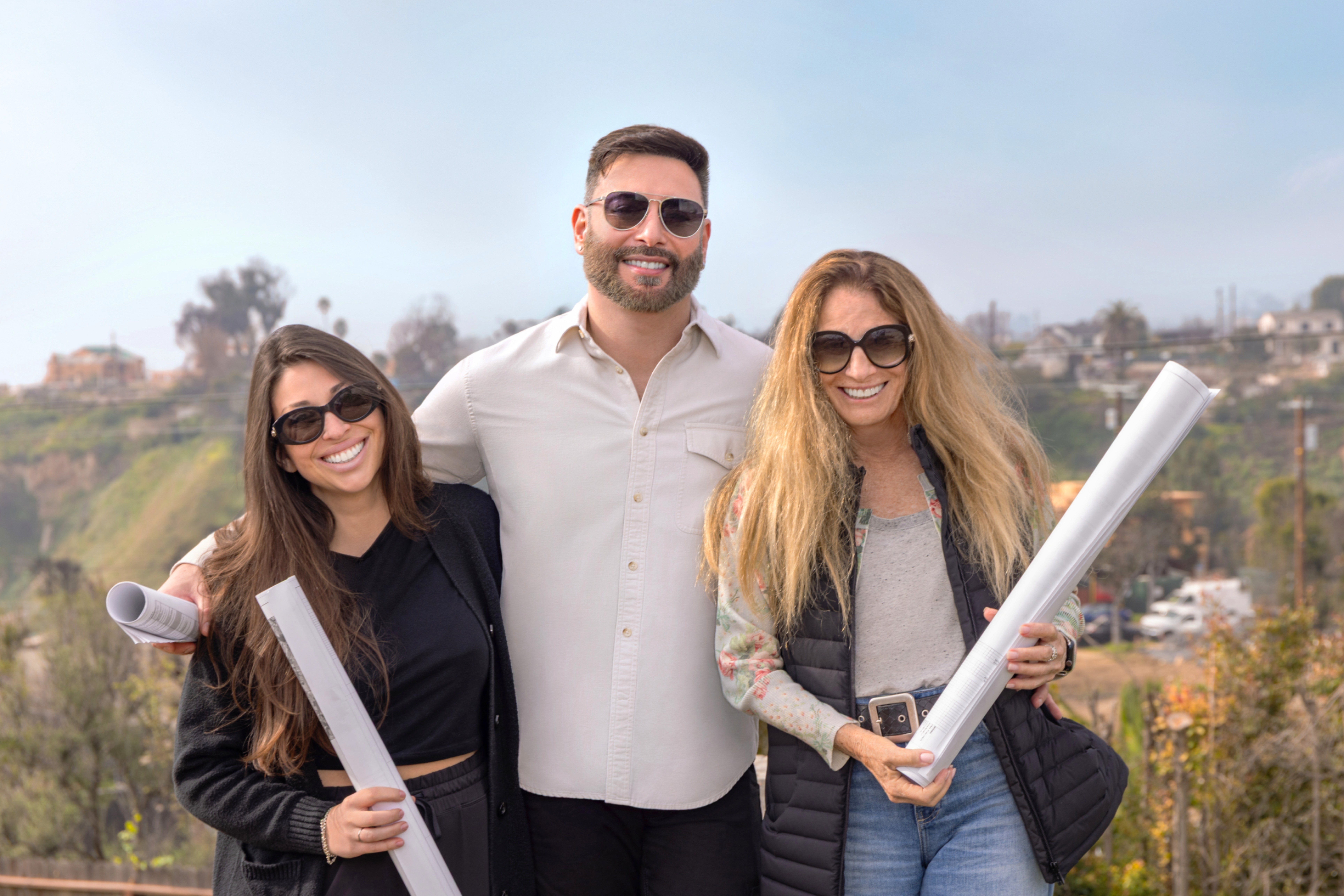
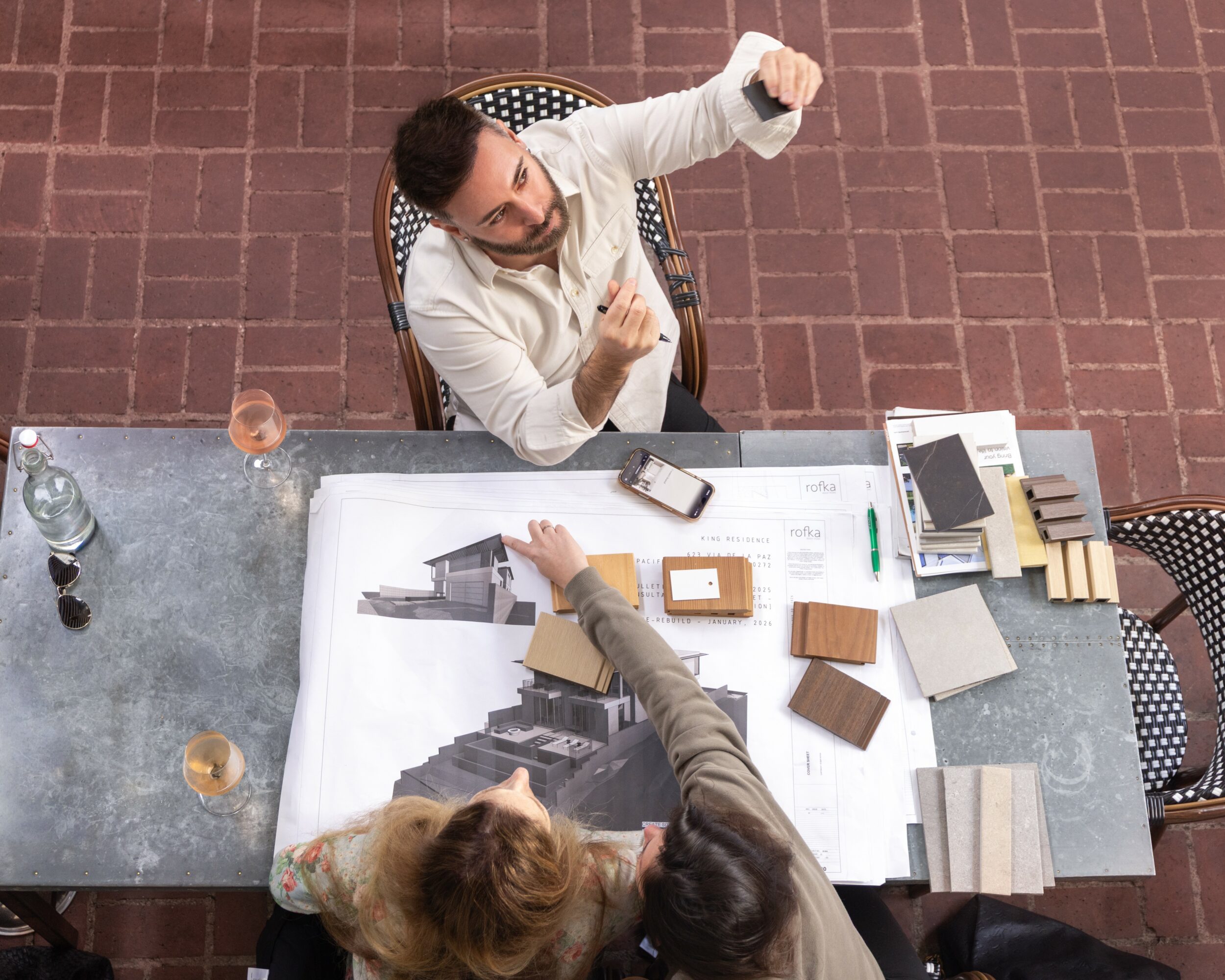
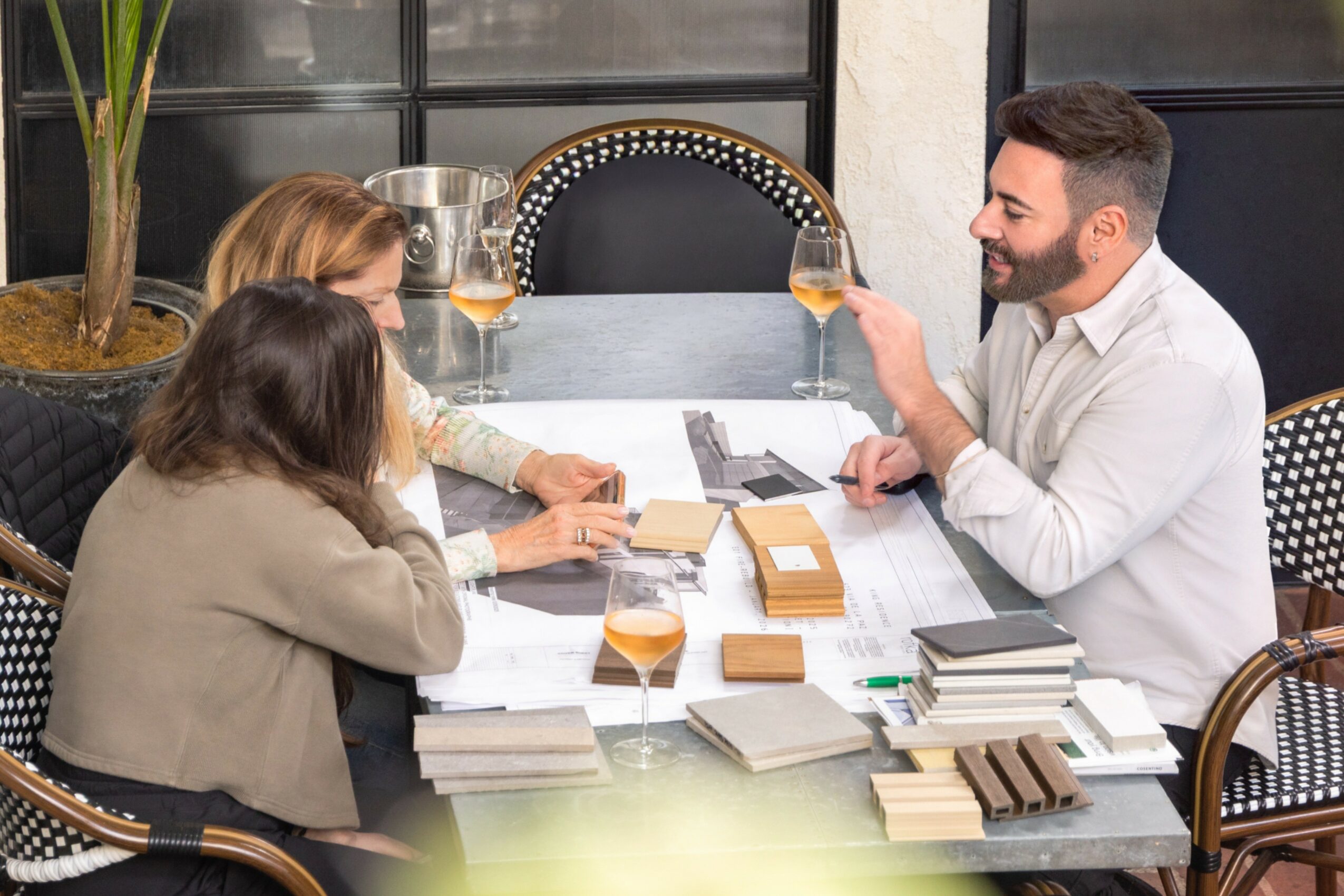
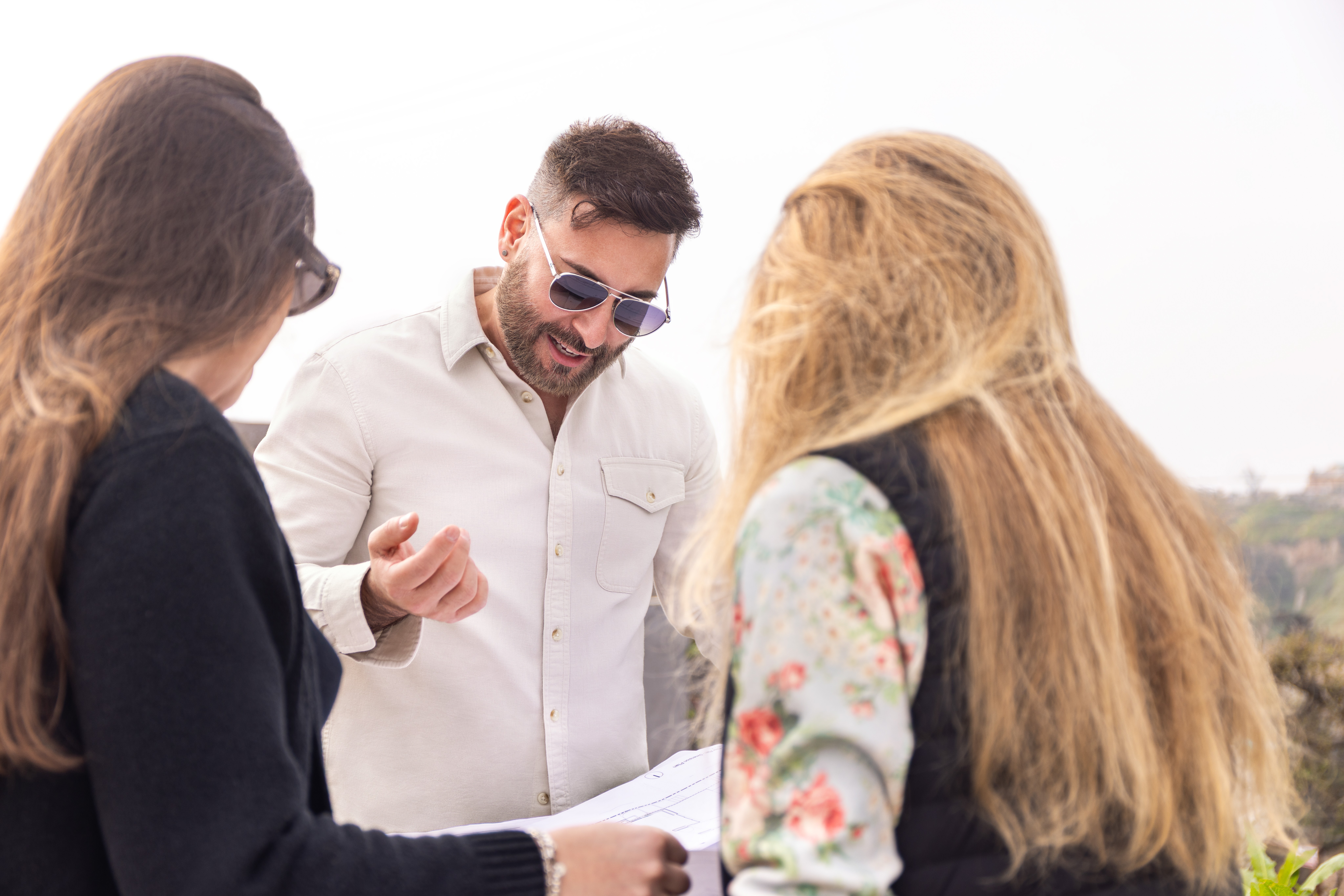
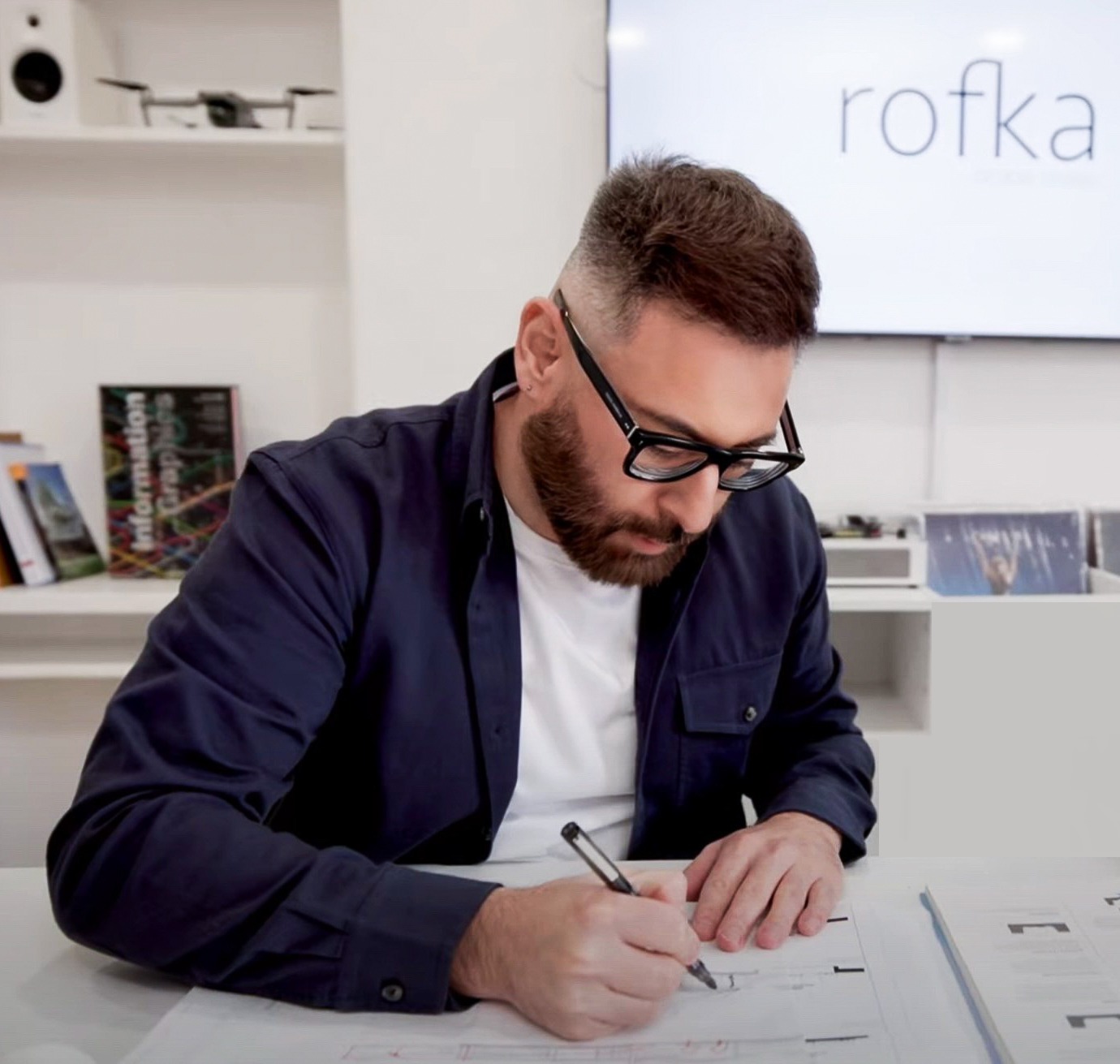
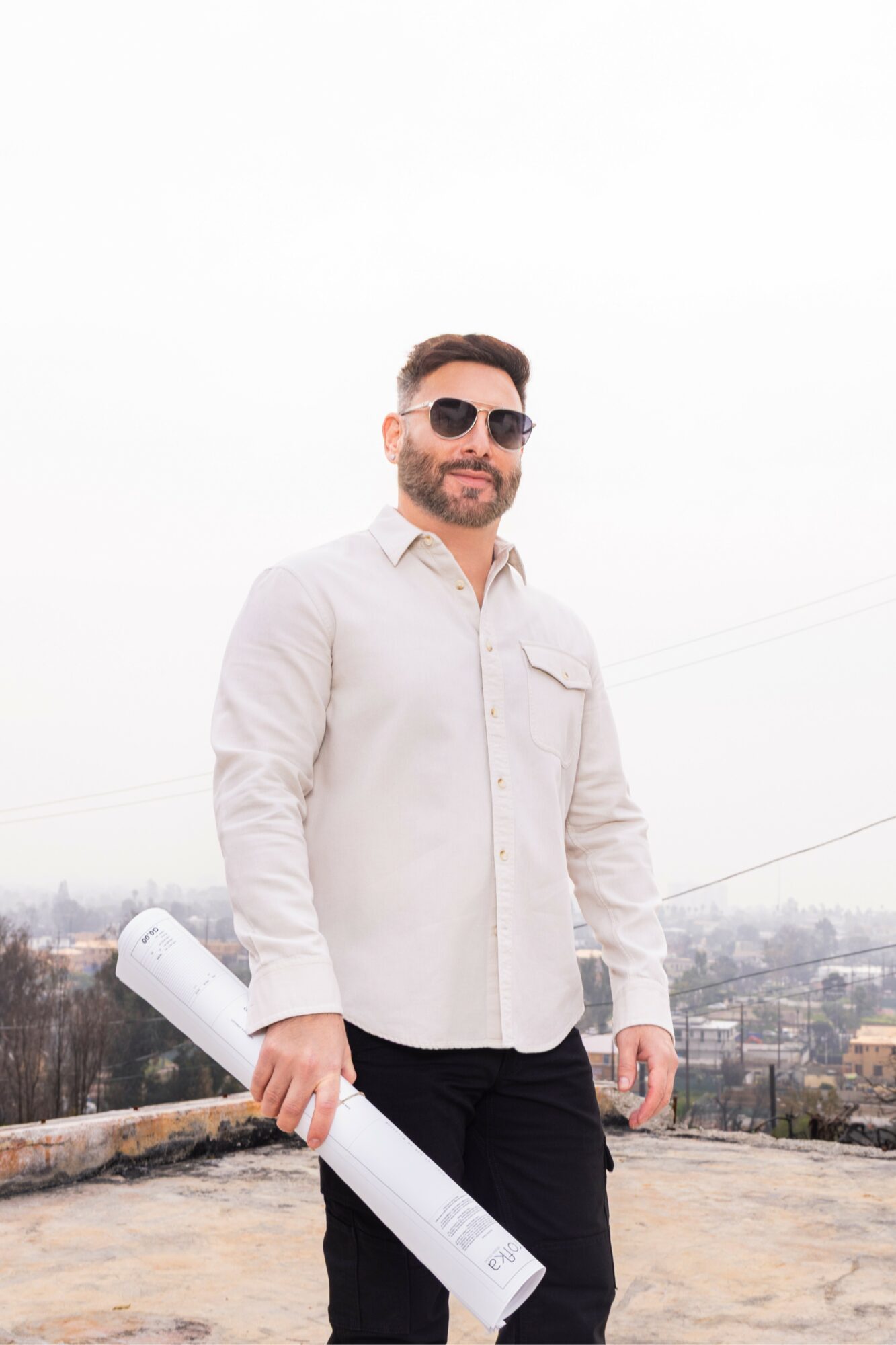
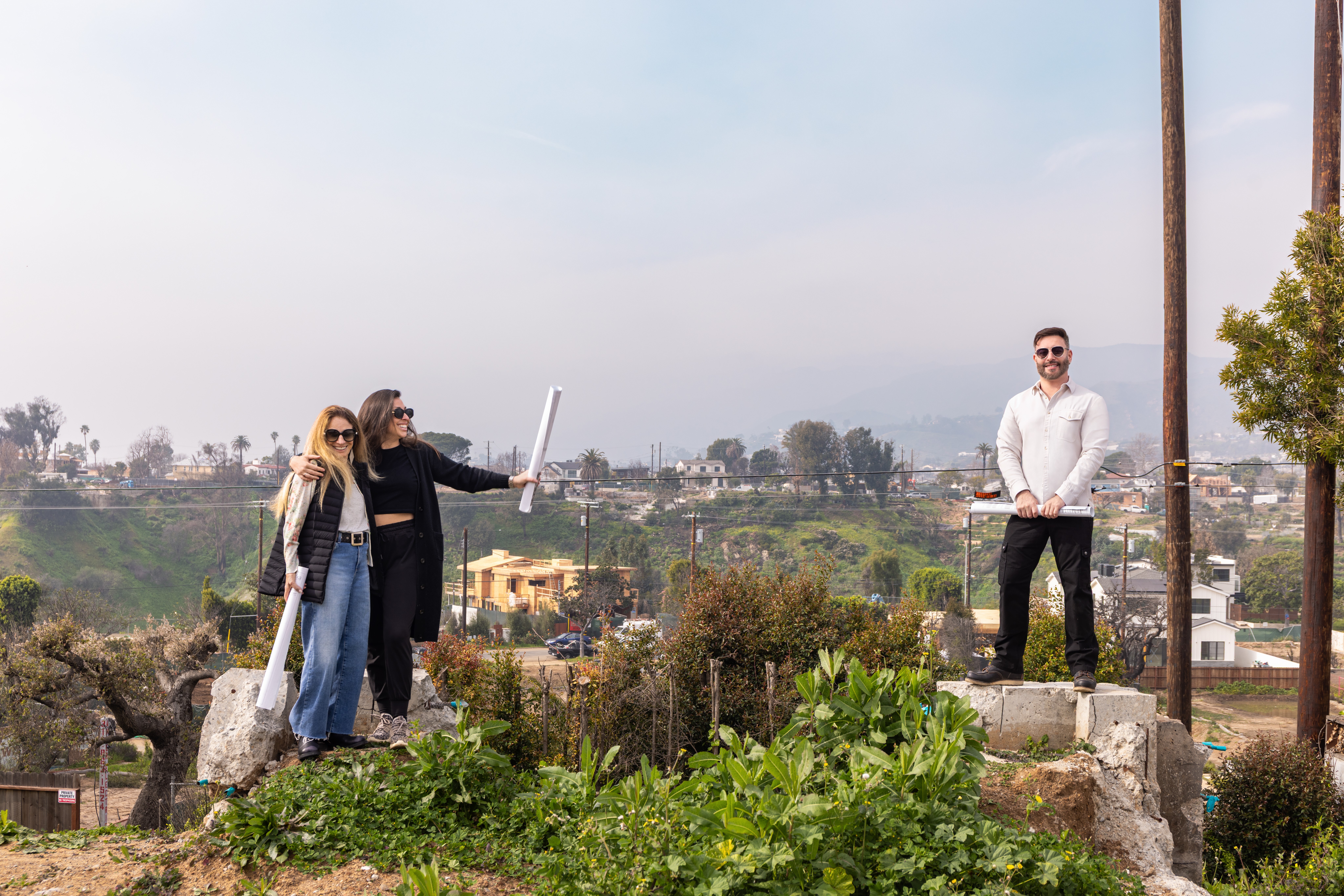
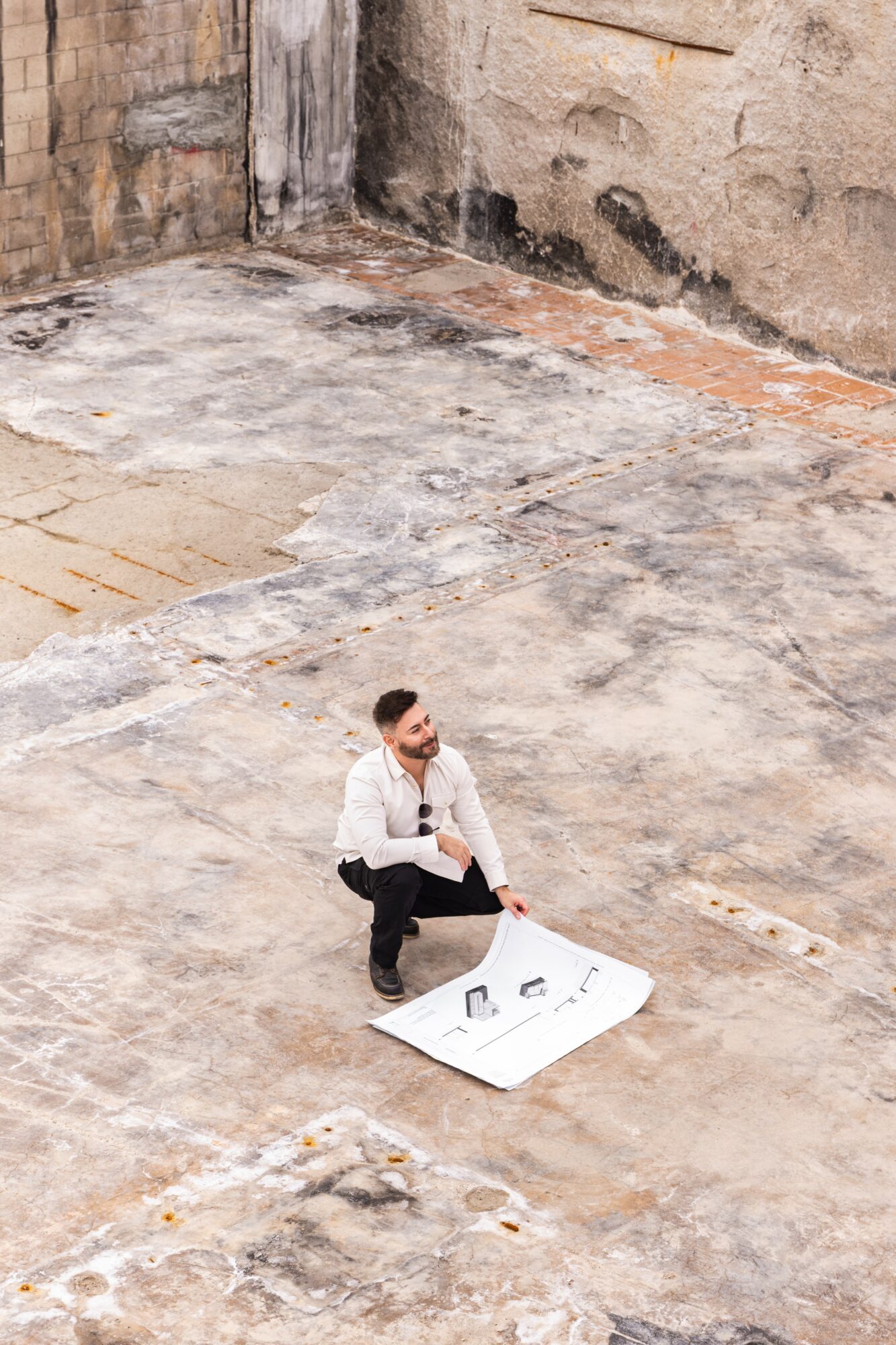
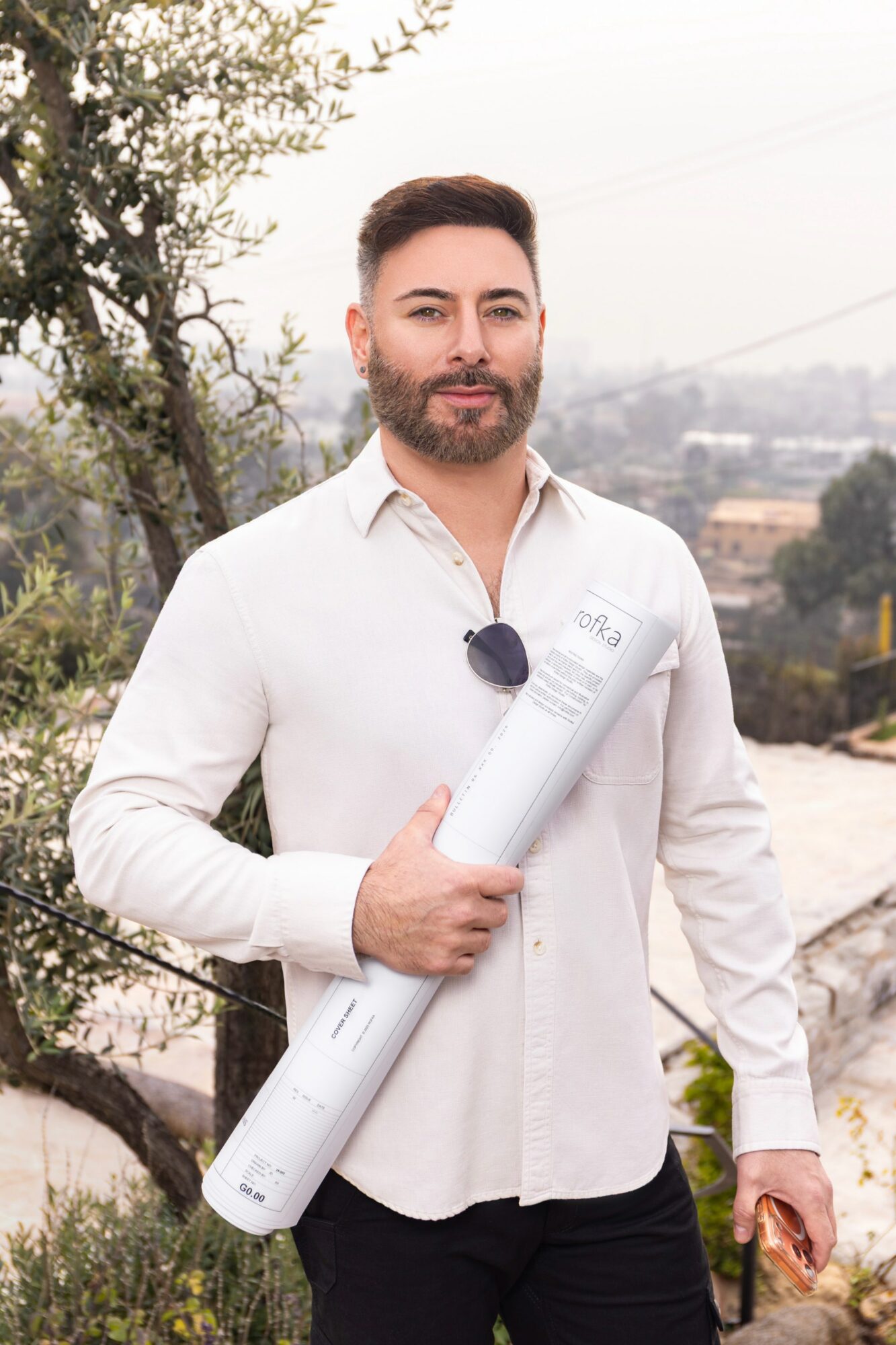
Image Credits
Chase Hirt
Popular
-

JordanL on ‘Breathe,’ Belief, and Building a Movement Beyond the Music
-

Megan Birney Rudert on How Access to Light Is Powering a More Sustainable and Equitable Future
-

Linda Kneidinger on Building Lasting Change Through Small Steps and Self-Compassion
-

Jolana Nika on Redefining Modern Connection Through Intentional, Real-Life Experiences
-

What did suffering teach you that success never could?
-

Who saw you clearly before you could see yourself?


