





Today we’d like to introduce you to Rick Farmiloe
Hi Rick, so excited to have you on the platform. So before we get into questions about your work-life, maybe you can bring our readers up to speed on your story and how you got to where you are today?
Since I was about 9 years old I knew I wanted to be a cartoonist. I saw Pinocchio and that changed everything for me. I remember thinking that I wasn’t exactly sure what ‘that’ was up on the big screen, but I wanted to do it! So….from when was very young that was the path that I wanted to take. Silly things like normal school subjects iike math and science got in the way, but I continued to draw cartoons as often as I could. Eventually, as I grew up I realized those other school subjects were also important to my growth, so I began to try harder in those classes. But my dream was to make my living as a cartoonist or animator. I would check out as many books from the library that detailed what a cartoonist did to be successful. Since some of the books were written in the 1940s and 50s, I learned from the old photos that I needed to wear a bowtie and have an inkwell! Eventually, I realized those were VERY old photos!! But I eventually honed myi dream to become specifically an animator for Disney. That was my big goal, and everything was geared to that.
Would you say it’s been a smooth road, and if not what are some of the biggest challenges you’ve faced along the way?
It has not been a particulary smooth road, especially when I was younger and my parents, although acknowledging my talent, didn’t feel it was an attainable goal for me. They wanted me to have a Plan B in case animation didn’t work out. After several weeks i came to them and admitted I didn’t want to do ANYTHING else. They then told me that I’d have to be really dedicated and work very hard to achieve that goal. Getting my start in the animation business is another chapter. But trying to stay gainfully employed all these years later can be challenging with the ever shifting tides of the business.
As you know, we’re big fans of you and your work. For our readers who might not be as familiar what can you tell them about what you do?
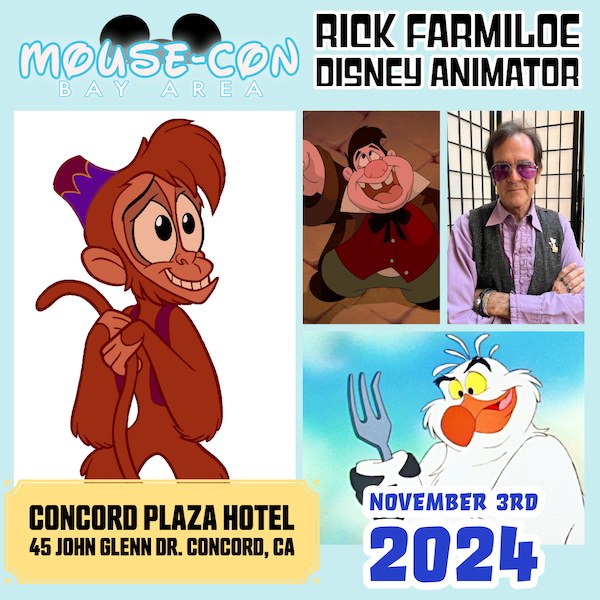
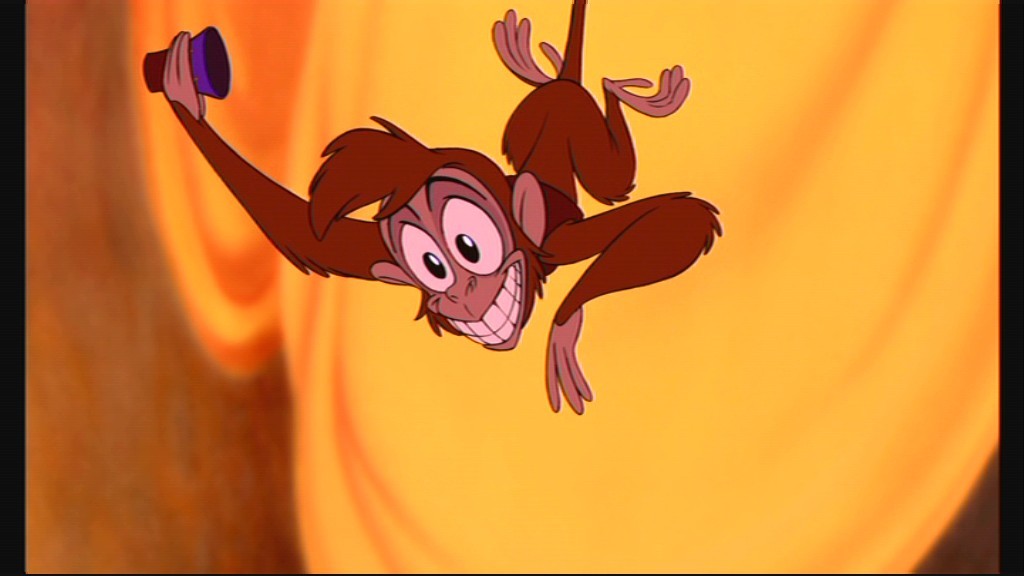
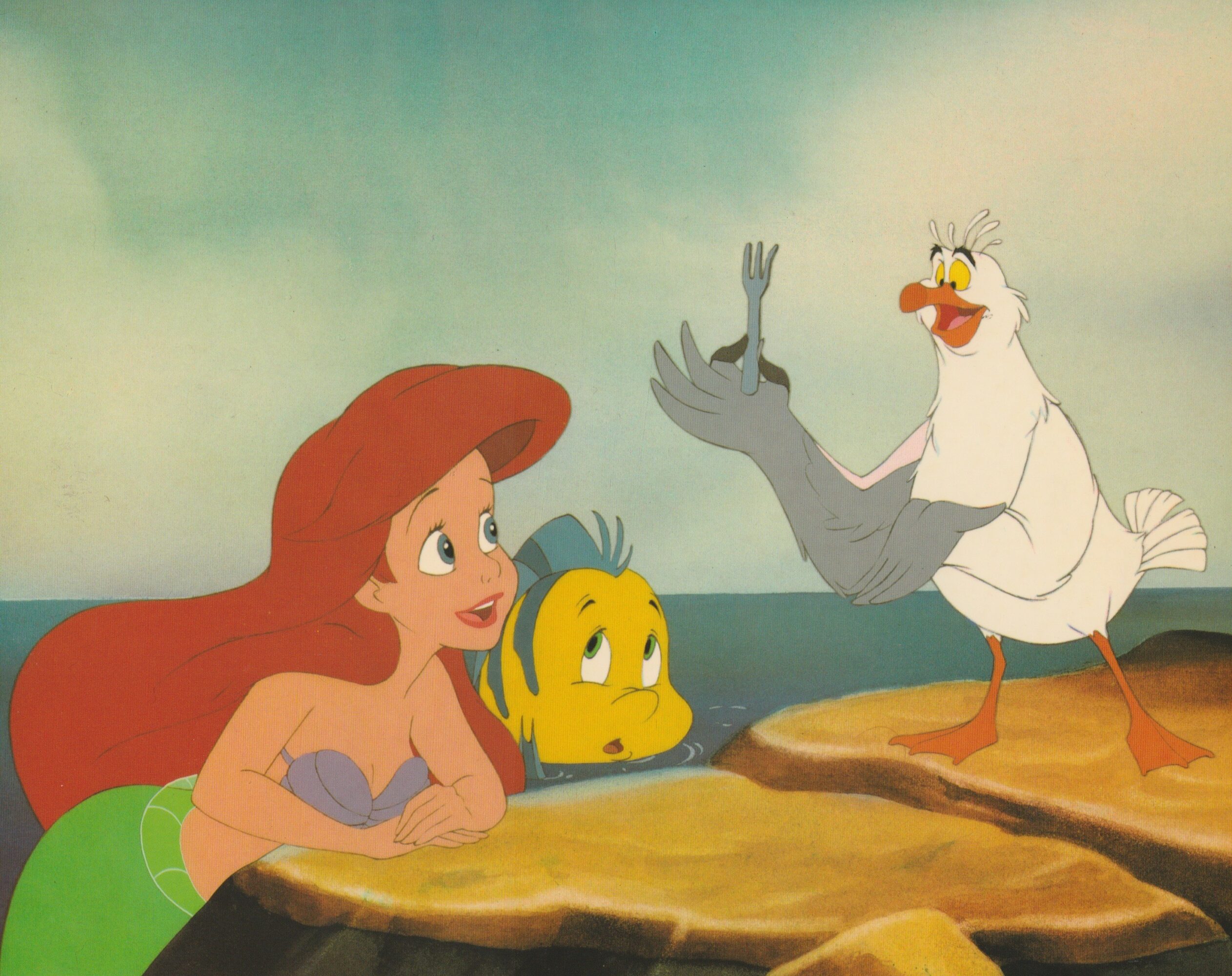
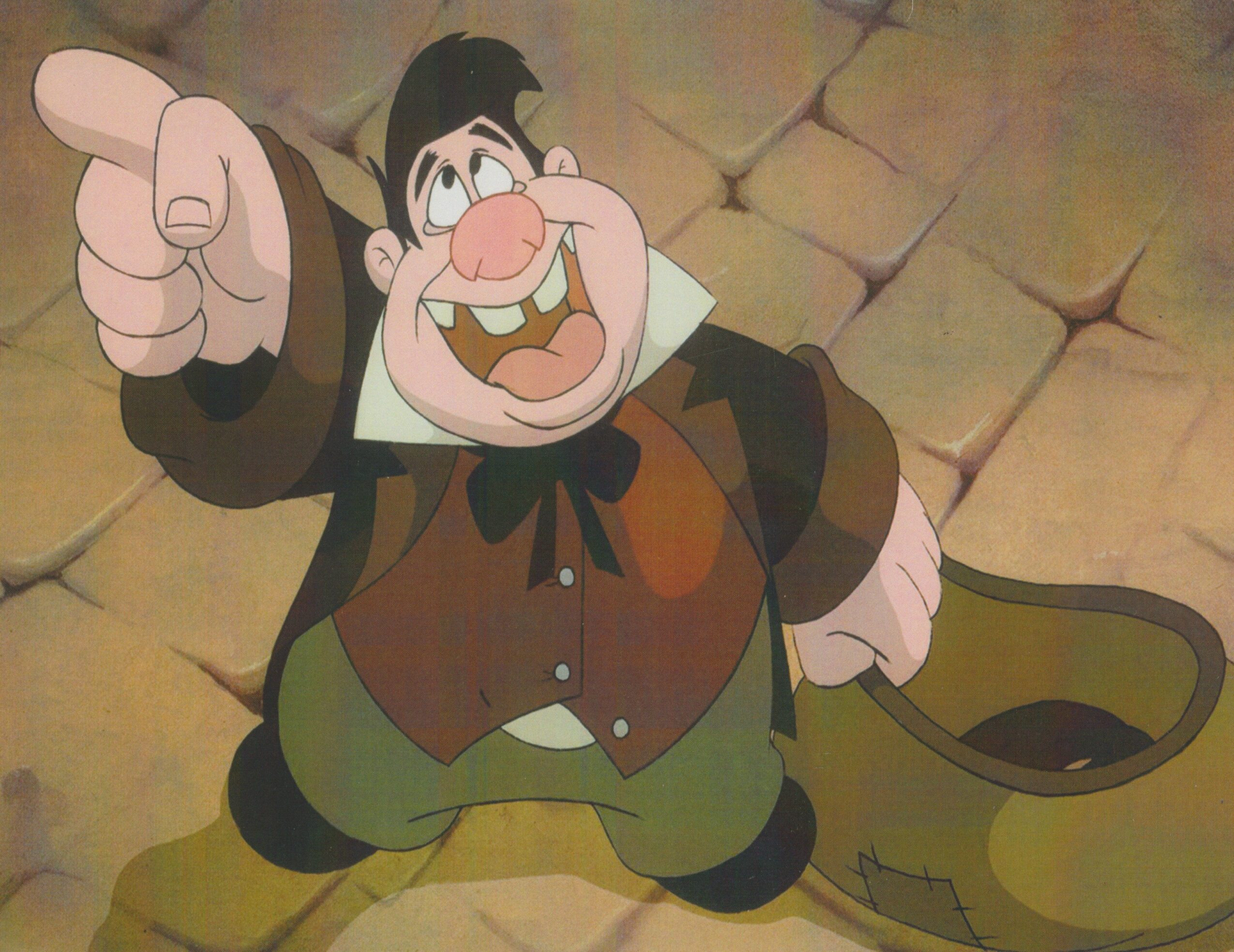
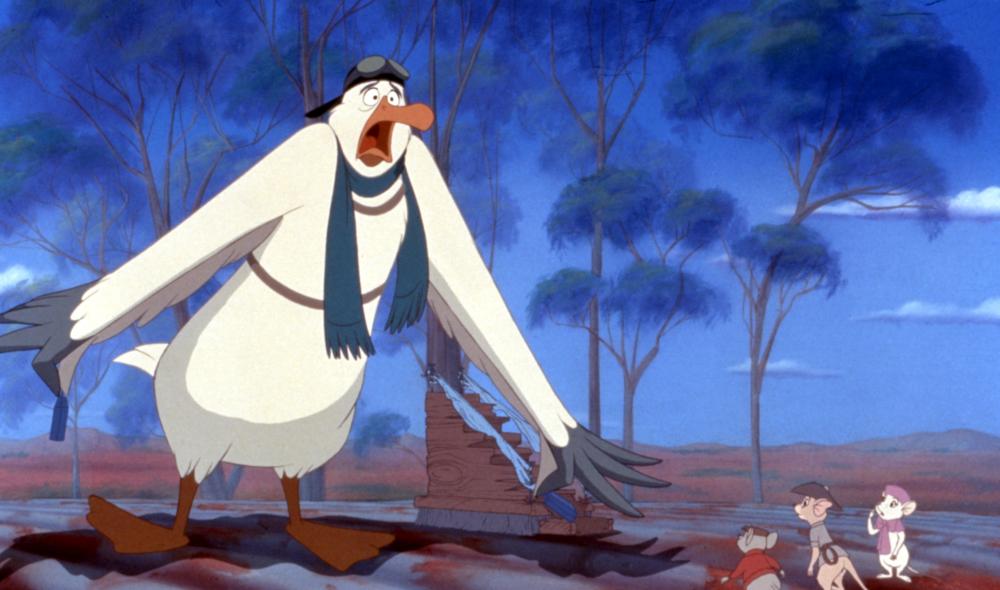
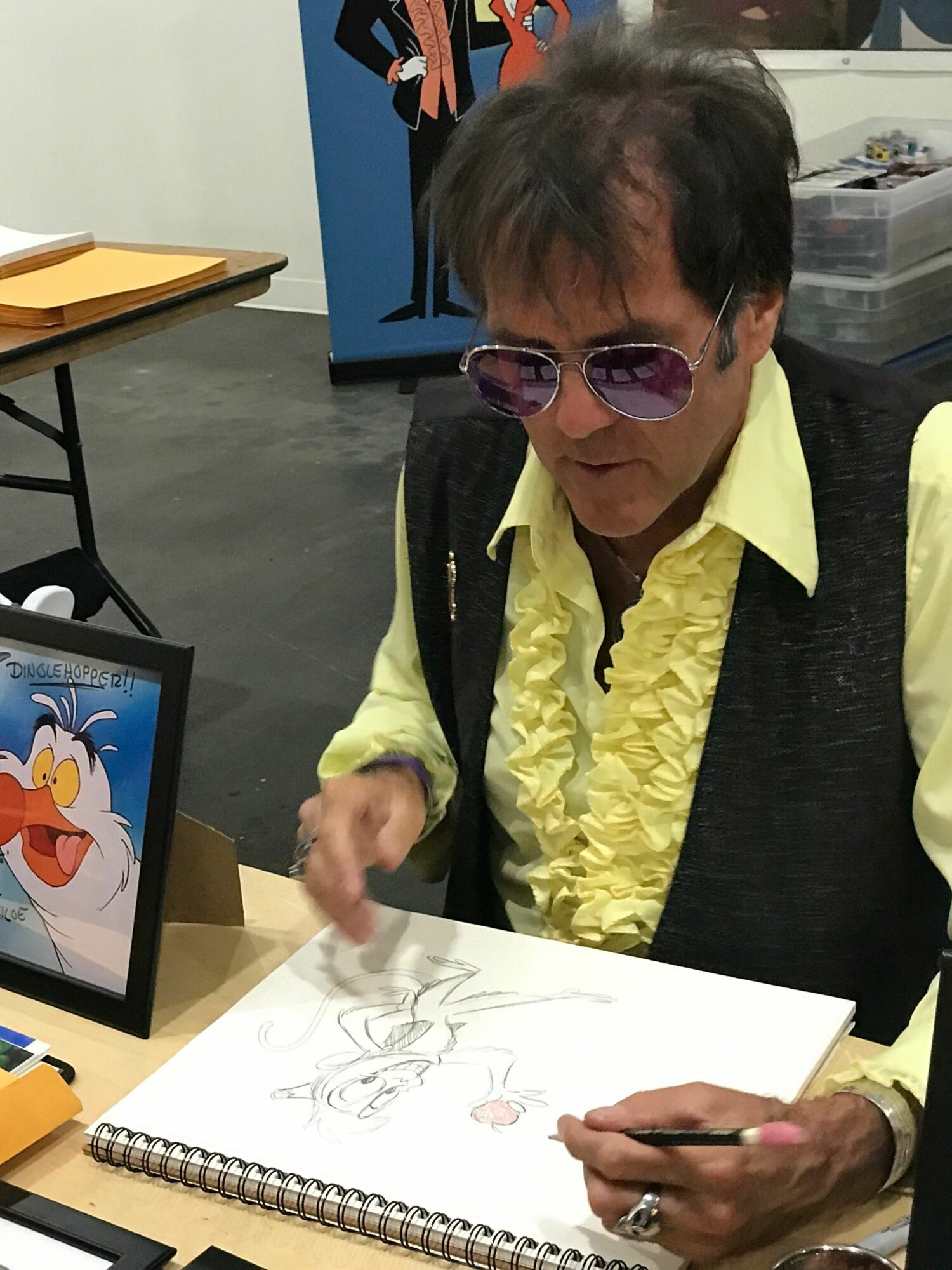
By profession I am an animator and storyboard artist. I do hand drawn animation, which is different from the more common CGI style of animation done by studios like Pixar. Most of my work has been done for Disney. I was there about 11 years initially, and have worked for them off and on for the past few years. I tried learning Maya (CGI animation) but I didn’t really enjoy the process of moving the characters around using a mouse instead of a pencil. I now animate mostly on a Cintiq screen using a stylus instead of a pencil. BUT…..i’m still drawing and that is what I enjoy the most. I’m most proud of my work on several iconic Disney animated classics, like The Little Mermaid, Beauty and the Beast, and Aladdin. I think what might set me apart from other animators is that I specialize in the funny sidekick characters. I had a knack for doing ‘funny’ animation, so I was naturally drawn (pun intended) to the funny characters. I would get the script of the next film we were going to work on and find a character that I’d love to animate, then go to the directors to put in myi request to animate a particular character (Einstein, Scuttle, Lefou, Wilbur, Abu) and I would always to animate on my requested character. I was NOT one of the best animators at the studio but I felt I was known for doing ‘funny animation.’ I was, and am very proud of that.
Is there any advice you’d like to share with our readers who might just be starting out?
I think initially students should just learn as much as they can about all aspects of animation and art in general. When I was much younger I only wanted to draw funny cartoons. But I was told by professionsals that have a well rounded education in ALL aspects of art was essential to be a successful animator. Disney in particular wasn’t interested in ‘cartoony’ drawings, but rather an understanding of anatomy and general life drawing. So, I started to persue those aspects of getting a good, solid art education. This still holds true. Even if an artist wants to become a computer animator, a good background in DRAWING is very important so you understand how everything works. These days I think a knowledge of as many software programs really helps. You want to be as versitile as possible. My last two bit word of adivce is to not get discouraged by early failure. The animation business can be frustrating, but it is very large and there is always room for excellence. Making dreams come true is never easy, but it is always worth the hard work that you need to put into it.
Contact Info:
- Website: https://rickfarmiloe.com
Popular
-

Linda Villines on Releasing Stored Struggle and Reclaiming Ease Through the Body
-

Candice Swanson on Honoring the Sacred Early Days of Motherhood Through Intentional Photography
-

Michael Johnson on Telling Untold Stories of Identity and Leadership Through SQUAD
-

Owning the Narrative: Drew Dusterhoff Steps Into Power with Lincoln Must Die
-

Portraits of the Valley
-

LA’s Most Inspiring Stories


