



Today we’d like to introduce you to Pascale R. Williams.
Hi Pascale R., please kick things off for us with an introduction to yourself and your story.
I was born in London and grew up between there and Los Angeles. From early on I was navigating two very different worlds. Both my maternal and paternal grandparents are from different parts of the Caribbean, and that heritage has in many ways shaped how I see the world. The rhythm, resilience, and vibrancy of Black Britain, Los Angeles, and the Caribbean are, in many ways, the backbone of my perspective. Its vast, deep, and there’s always something to uncover. I was constantly observing light, movement, and how images could hold emotion. That curiosity eventually led me to film, where I discovered that the camera isn’t just a tool — it’s a voice.
As a child, I was fortunate enough to travel quite a bit and those experiences opened my eyes to the intersectionality of cultures. I began to see how people can express themselves so differently, yet still connect through universal emotions. I was never sure how to speak to this understanding verbally but I was always fascinated by images and picked up a camera. It wasn’t just the images themselves but also the technology behind it. Whether it was film or digital, I loved the process and the ritual of being part of a moment. The only other place I felt the same kind of freedom of expression and connection was on a football pitch. If there wasn’t a ball at my feet there was a camera in my hand because both unify and connect us. Powerful images speak to everyone.
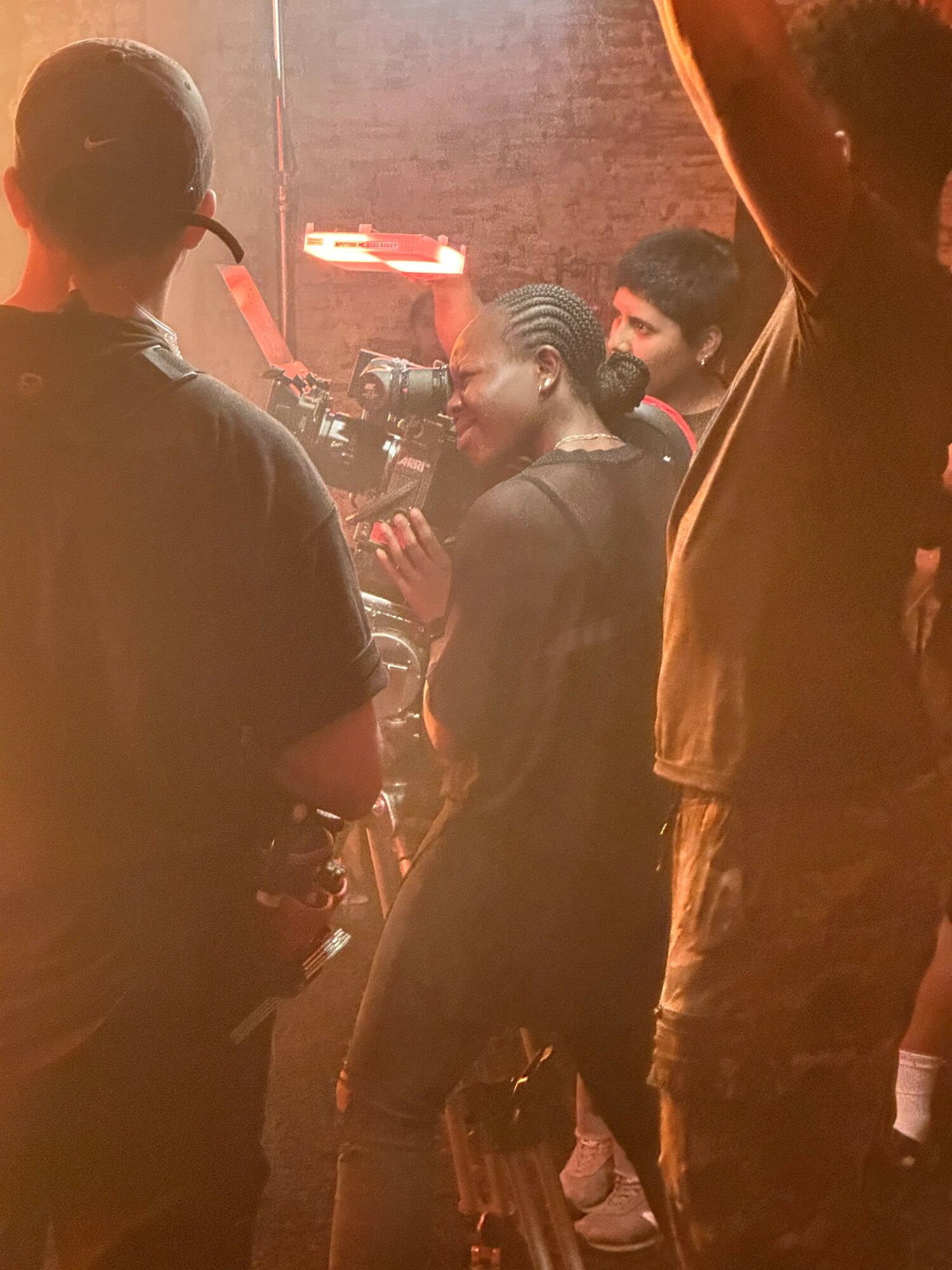
I received my undergraduate degree from a school called Queens University of Charlotte in Charlotte, North Carolina. I was undecided on a major and had a professor named Shawn Bowers Buxton. She taught an identities of the new south course where we were ultimately exploring our own identities in conjunction with new southern ideals and writings. At the end of the term we were told to write a paper. I asked if I could make a short film instead. I was encouraged to do so but was also told that if the project wasn’t sufficient I would have to write the paper. After turning the film in she promptly encouraged me to take a production class in the Communication & Media Studies department. Also, I never had to write the paper. The first day I stepped into that production class was the day I realized I was meant to be a cinematographer. Soon after I started working for a company called Loyd Visuals while finishing up school. I’ve always been drawn to storytelling, even before I knew cinematography would be the language I’d use. My path really solidified when I pursued formal training at the American Film Institute in Los Angeles. I immersed myself in the craft, learning not just the technical side but also the collaborative nature of cinematography.
I love the nature of film not just being about what you see on screen, but about giving voice to identity, history, and shared experiences. The process and discovery with collaborators is by far my favorite part.
We all face challenges, but looking back would you describe it as a relatively smooth road?
I really try to embrace challenges as part of the craft and my own personal journey both as a cinematographer and just as a human being. The road is never smooth, the nature of film is ups and downs but I’m honestly just as grateful for the hard days as I am the good ones. I really enjoy the challenges because I’ve found that this is where I learn my limits and it gives me an opportunity to push past them. My parents taught me that it’s a gift to not know something because you’ve then been given the gift of learning something new. I think cinematography can be quite a daunting profession but I’ve been lucky enough to have a really wonderful support system. I think I’m learning work life balance and ultimately understanding that things take time to grow. I’m learning to understand that patience is super necessary and that the things that stay usually take the longest to build or grow. If you put the work in, then growth is inevitable and the goals will be met. I think my approach to challenges is to see them as opportunities and I believe that opportunities are uniquely made for us… I here my mum’s voice in my head “Good or Bad the opportunity was made for you.”
Thanks for sharing that. So, maybe next you can tell us a bit more about your work?
I am really grateful for how much I’ve been able to explore with collaborators. My foundation continues to guide me as a cinematographer. For me, images are never just visuals — they’re a way to represent culture, preserve memory, and create bridges between people. I see my journey as a balance of discipline and discovery. Every project teaches me something new, and I’m just excited to continue to explore how images can move people. I love working with directors that challenge me to explore and try new things. I’ve had the gift of working with really brilliant minds that push me out of my comfort zone. I’m really proud of my growth. I think sometimes we often forget is that there was once a version of ourselves that dreamed of being where we are currently. I honestly just plan on continuing to try to make my future self proud. Every project I take on is rooted in that same foundation — discipline, discovery, and connection. I think my experiences, curiosity, and desire to exceed expectations sets me apart as a collaborator. I’m always excited at the prospect of challenging myself and those around me. I love empowering others to be themselves and to do their best work.
Is there something surprising that you feel even people who know you might not know about?
I think people are always surprised by my love and slight obsession for sports, specifically soccer (football), and cooking. In many ways, my love for soccer parallels my love for cinematography. Both require rhythm, timing, vision, and intuition. Football has taught me patience, creativity, and the power of flow, all of which influence how I approach my work visually. As for cooking, I love the communal aspect of sharing a meal with others. Food is also it’s own language. In most cultures food can say so many things from I love you to expressing condolences. Its something I’m also really passionate about. It forces us to connect with others and try new things.
Contact Info:
- Website: https://www.arty-miss.com
- Instagram: @arty_miss98
- LinkedIn: https://www.linkedin.com/in/pascale-williams/
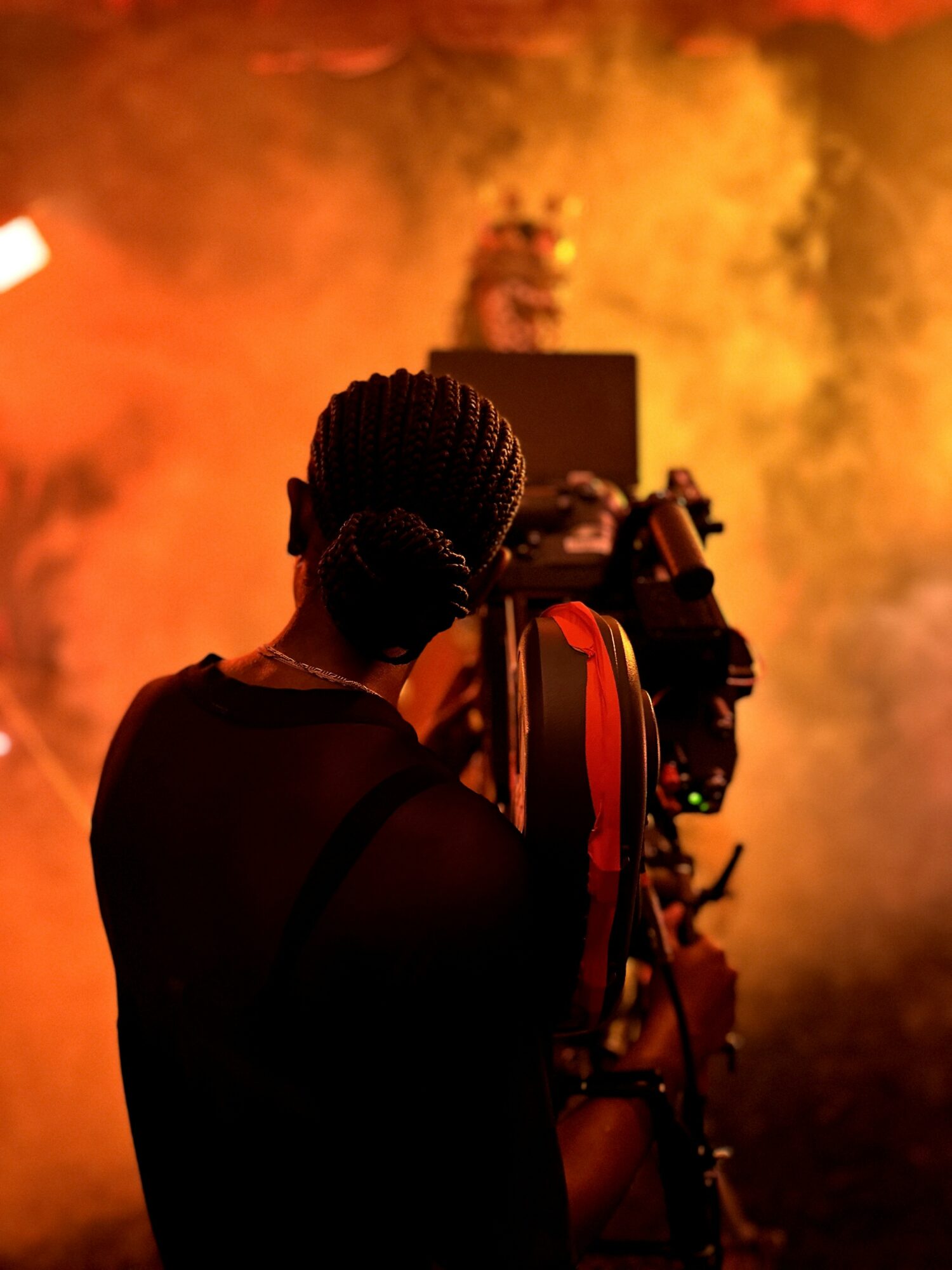


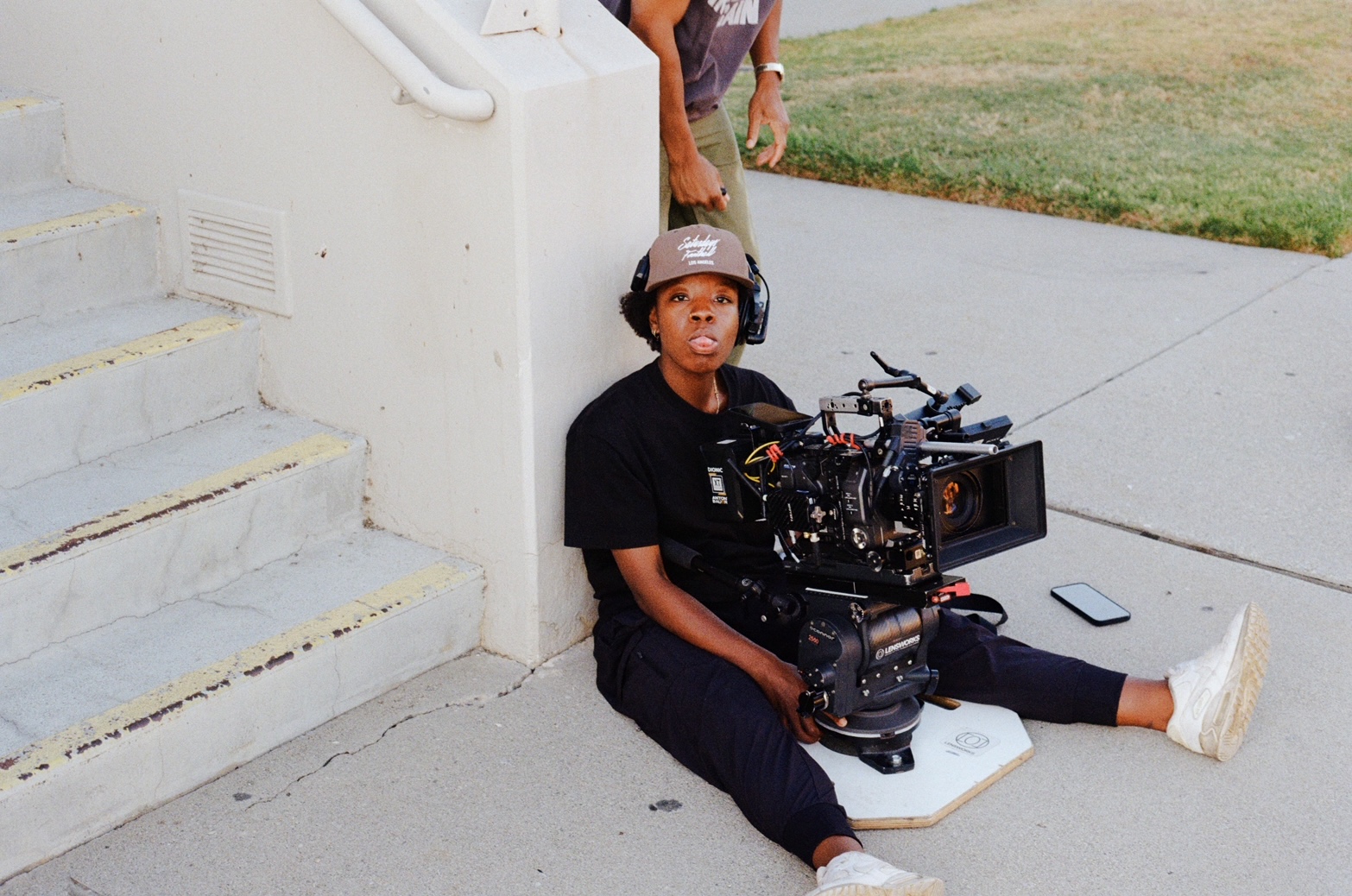
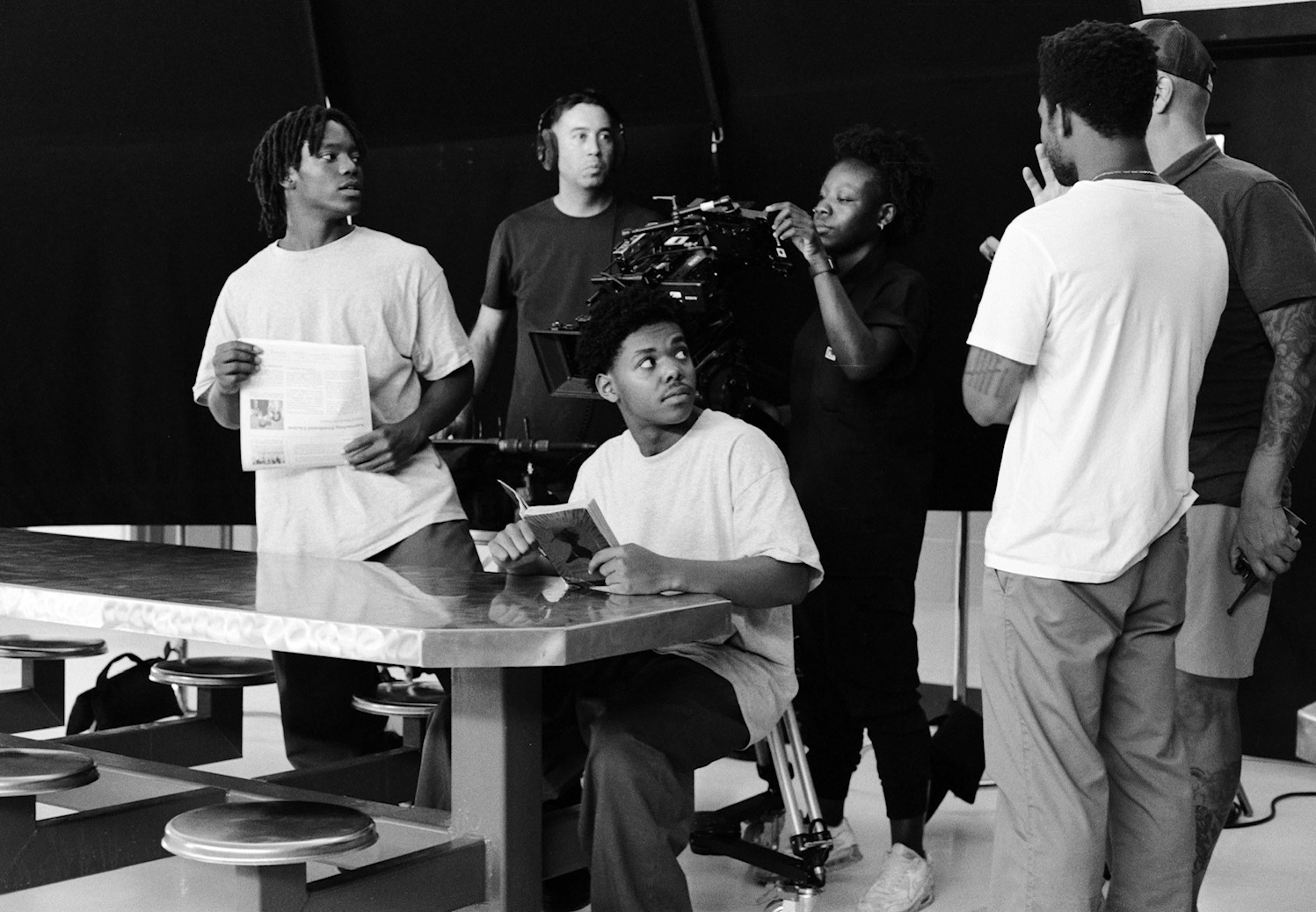

Image Credits
Toungue poking out photo – Justin Sintic
B&W Photo – Justin Sintic
Popular
-

Christina Wren Steps Into the Director’s Chair to Tell Stories That Feel Like Home
-

Portraits of the Valley
-

LA’s Most Inspiring Stories
-
JordanL on ‘Breathe,’ Belief, and Building a Movement Beyond the Music
-
Megan Birney Rudert on How Access to Light Is Powering a More Sustainable and Equitable Future
-

Linda Kneidinger on Building Lasting Change Through Small Steps and Self-Compassion


