




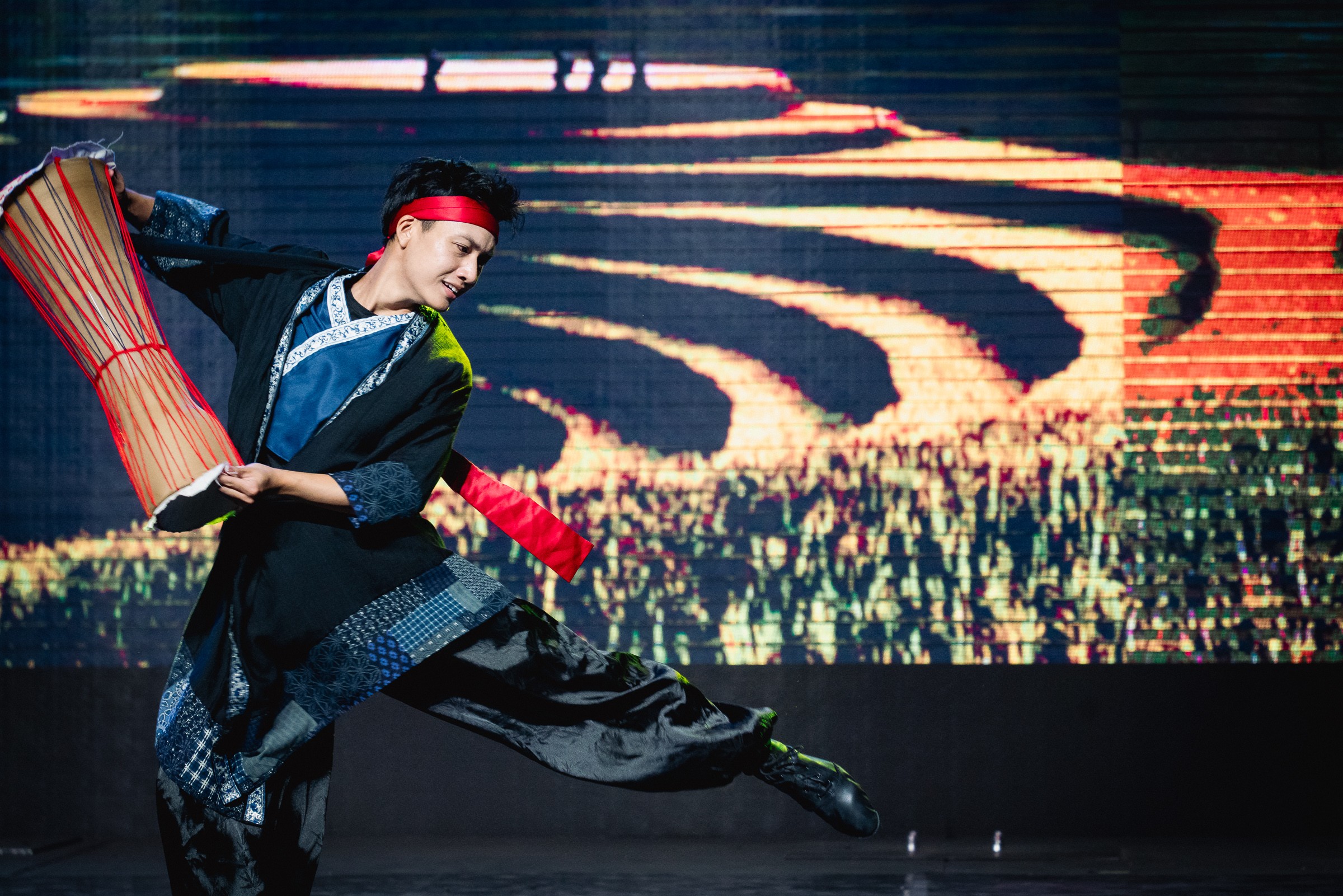
Today we’d like to introduce you to Nathan Pham.
Hi Nathan, so excited to have you with us today. What can you tell us about your story?
As we like to say, Thủy Vân Dance is a group of friends who simply love traditional Vietnamese dance. That shared love is what first brought us together and ultimately shaped the path of how we started and where we are today.
I started as the choreographer for my university’s Vietnamese traditional dance group, later working alongside Nhina Phan, our current Internal Director. The following year, Joseph Võ joined us and would later become our External Director. After two years of choreographing and teaching traditional Vietnamese dance in a university setting, we realized we wanted to continue sharing and passing on Vietnamese culture beyond campus. In the summer of 2023, we officially formed Thủy Vân Dance Company, opening membership to our former university team as well as others who shared a genuine passion for this art form.
We began as a medium-sized group with around 20 active dancers, a closet of hand-me-down costumes, a small repertoire of songs, and a limited understanding of the many facets of traditional Vietnamese dance. When we first began in the summer of 2023, we sought out any opportunity to perform. We danced at senior centers, city events, temples, churches, and cultural festivals. Over time, that growth accelerated beyond what we imagined. With more dancers came more performances and an expanding repertoire, now totaling over 80 dance pieces. We are incredibly grateful for the opportunities we’ve received—from the 2025 Rose Parade to Disney’s Lunar New Year Celebration and various renowned festivals. We are still amazed by the pace of our growth and deeply thankful to our colleagues who have supported, referred, and trusted us with these opportunities.
Alongside our growth as a company, we’ve grown as individuals. We’ve grown into students, stewards, and teachers of Vietnamese traditional dance. To be frank, I openly acknowledge that I am still learning—perhaps knowing only a fraction of Vietnamese dance. Because of that, I continue to look toward dance academies and practitioners in Vietnam, especially those specializing in Kinh, dân gian, and ethnic dance styles, to guide our collective learning.
In spring 2025, we also began offering traditional dance lessons for children. Children are the generation after us, and it is vital for us to bring culture and heritage into their line of sight and allow them to stay connected to their roots. Through these classes, we introduce students to the four general regions of Vietnam, including its ethnic regions, all in an effort to foster cultural awareness, appreciation, and pride from a young age.
This past summer marked one of the most significant milestones in our journey as a company: our first live production, Tình Hoài Hương: Echoes from Home. The show featured 36 dance pieces representing the Northwestern, Northern, Central, and Southern regions of Vietnam, with the goal of highlighting the country’s cultural and regional diversity. It allowed us to share the many aspects of Vietnamese culture with our community and marked a triumphant moment as our team brought together our collective effort, skill, and dedication to bring the production to life.
No matter how far we grow, we remain committed to honoring and passing on Vietnamese culture. Whether performing on a large stage or at a small community event, we strive to present our art with sincerity and respect. We hold tightly to our humble beginnings, because humility is what keeps us grounded, learning, and true to who we are.
Would you say it’s been a smooth road, and if not what are some of the biggest challenges you’ve faced along the way?
In our almost three-year run, Thủy Vân Dance has had a fairly smooth journey—something I am ever so grateful for. That is not to say we haven’t faced any challenges.
Our struggles mirror those of many second-generation Vietnamese Americans: identity. Since our founding, we have pushed and emphasized traditional dance. Yet, time and time again, we find ourselves at a crossroads, questioning whether to choose tradition or modernity.
Last Lunar New Year 2025 marked a personal low for us. We were coming off back-to-back performances and feeling spread thin. The physical tiredness was something we could recover from, but not the lingering feeling of inadequacy. At many shows, we presented traditional pieces—slower, more graceful works. For audiences filled with younger people, our numbers often juxtaposed the atmosphere. It felt as though an upbeat, modern song might have better captured the crowd. I found myself asking, “Is our choreography enough? Is it too boring? Should we go the modern route?”
Following Lunar New Year, we began working on four differently styled pieces to prepare for our inaugural live show: (1) a classical Kinh–styled dance, “Sắc Gốm”; (2) a traditional Northern song with modern dance breaks, “Đào Liễu”, (3) an ethnic Dao–styled dance, “Điện Biên Đón Người”; and (4) a modern, Southern-inspired piece, “Gòy Cưới Luông.” Through this process, our dancers were able to deliver each style to its fullest potential. We soon realized that perhaps there is no issue in having variety—when it is done with intention and care.
The answer lies in learning to distinguish between these styles and seeing them as coexisting. On one hand, there is true traditional Vietnamese dance; on the other, modern-styled dance. In between sits the fusion style so commonly seen today. When we understand the technique and essence of traditional dance, we are better able to properly disseminate and share authentic culture. This ties directly into purpose: Different events carry different missions. When our goal is to represent and preserve traditional Vietnamese culture, we prioritize ethnic or Kinh dances. For events centered on entertainment, we do not mind exploring other styles—as long as we can tie them back culturally and acknowledge their contemporary or non-Vietnamese influences.
At the end of the day, our mission is to disseminate Vietnamese culture through dance. Because of that, it is important to accurately and intentionally present Vietnamese dance.
Can you tell our readers more about what you do and what you think sets you apart from others?
At Thủy Vân Dance, our work revolves around providing Vietnamese dance performances for a wide range of events, including community gatherings, cultural preservation events, private celebrations, weddings, and festivals. Our offerings are tailored to each client’s needs: ethnic or Kinh dances for heritage-focused events, upbeat musical numbers for entertainment-driven settings, specific songs for background dancing.
We joke that we’re “semi-professional” dancers—semi because we don’t come from formal institutions, but professional in the sense that once we commit, we lock in and deliver polished, reliable performances. What sets us apart is that everything we do is driven by intention, cultural respect, and a genuine love for the art rather than obligation or formality.
Bookings aside, all this is made possible by our team. Thủy Vân Dance is an organization run purely on passion for the arts. We’re a community of young adults living dual lives. By day, we work our paying jobs; by night, we clock in for our passion project.
Personally, when I look at our dance team, I do not see dancers. I see engineers, nurses, EMTs, pharmacists, students, accountants, teachers, and office workers—people who have gracefully put their free time aside to dance with us. That is something I am forever grateful for [sic]. Yes, we specialize in traditional Vietnamese dance, but beyond that, we’re individuals who could be living separate lives and instead choose to walk this journey together to pass on Vietnamese culture through dance.
We somehow managed to build the company from the ground up and keep it running for nearly three years. One of the things I’m most proud of is that we’ve been entirely self-sufficient and have run smoothly on our own without institutional backing or external assistance. Dance isn’t our career, and neither are the many roles required to keep the company going: event planning, bookkeeping, accounting, editing, costume design, sewing, and more. Yet as a community, we’ve pooled our skills and worked collectively toward a shared goal of keeping this company alive.
I often say, “We only exist because of you.” Thủy Vân Dance exists solely because of the dancers who choose to be here. We all have other priorities and responsibilities. Dance just happens to be what drives me—but I understand that for others, it’s one part of a larger life. The day people move on is the day Thủy Vân may cease to exist, and I’m okay with that. At the end of the day, we’re a group of friends who share a love for traditional dance. With or without the company, the community will remain and that passion may be stored away but never truly gone.
Are there any apps, books, podcasts, blogs or other resources you think our readers should check out?
For me personally, the most useful resources I rely on are the dance academies and theaters in Vietnam. Unlike in the diaspora, Vietnam has formal curricula for classical and ethnic Vietnamese dance.
I actively look to these academies to study technique, and it feels like there is always more to learn. Nhà Hát Ca Múa Quốc Gia Việt Nam has an incredible repertoire of well-known classical and ethnic works that I often watch for reference and inspiration. Trường Múa TP. Hồ Chí Minh and Cao Đẳng Múa Việt Nam (Hà Nội) both have structured curricula, recitals, and technique classes for Kinh and various ethnic styles. Cao Đẳng Văn Hóa Nghệ Thuật Tây Bắc also provides strong resources and references for Northwestern ethnic dances.
These institutions are the reason Thủy Vân has been able to stay rooted in traditional practice. We don’t have professors or alumni formally trained in this art form. What we do have is a phone, a laptop, and a real willingness to learn.
Art is shaped by the individual creator, but it is also built through learning. Once a foundation of knowledge and technique is formed, it creates space for creativity. That creativity is what eventually becomes what you see on stage with Thủy Vân Dance.
Contact Info:
- Website: https://thuyvandance.com
- Instagram: https://www.instagram.com/thuyvandance
- Facebook: https://www.facebook.com/people/Th%E1%BB%A7y-V%C3%A2n-Dance/61557775062556/#
- LinkedIn: https://www.linkedin.com/company/th%E1%BB%A7y-v%C3%A2n-dance-company
- Youtube: https://www.youtube.com/@thuyvandance
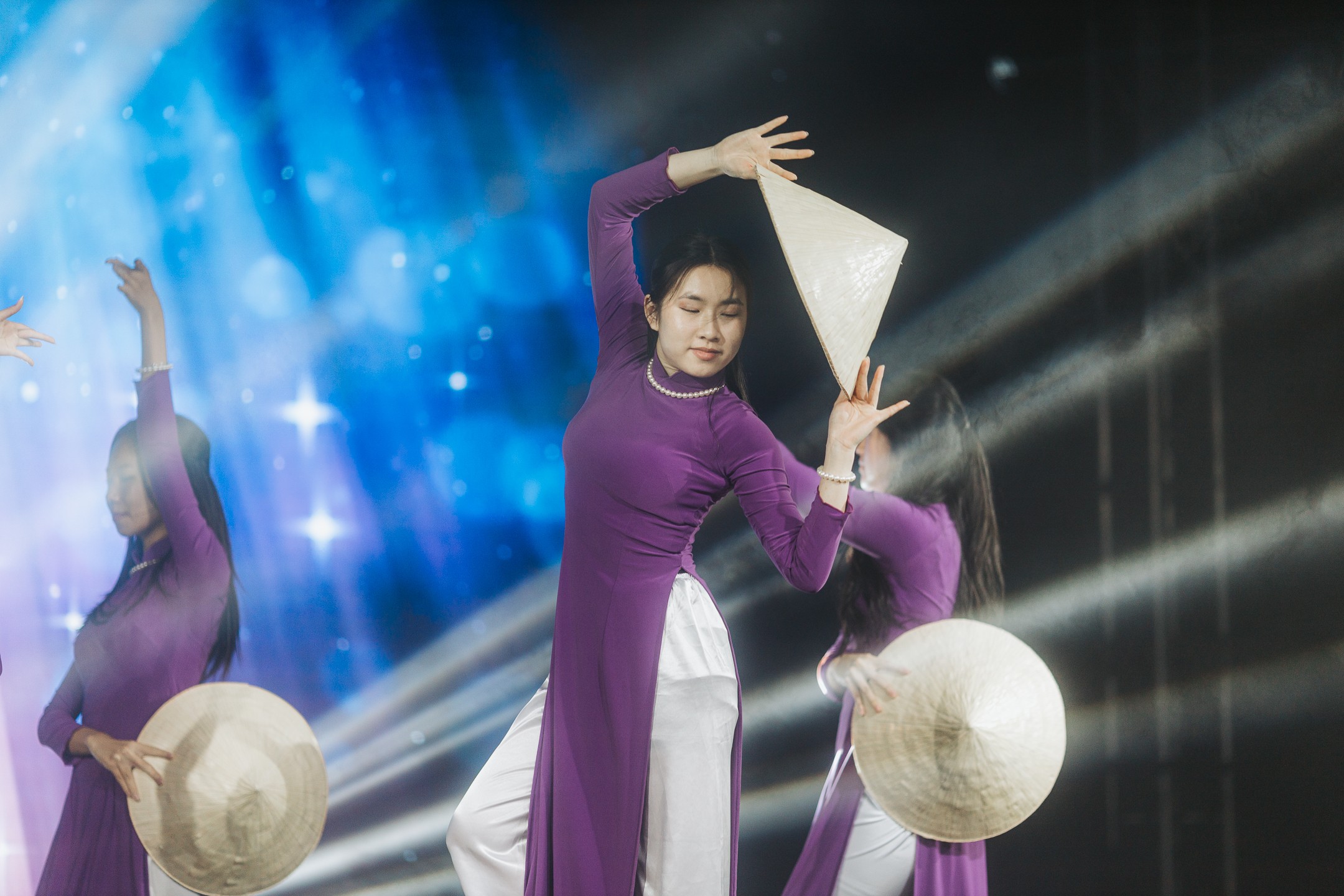
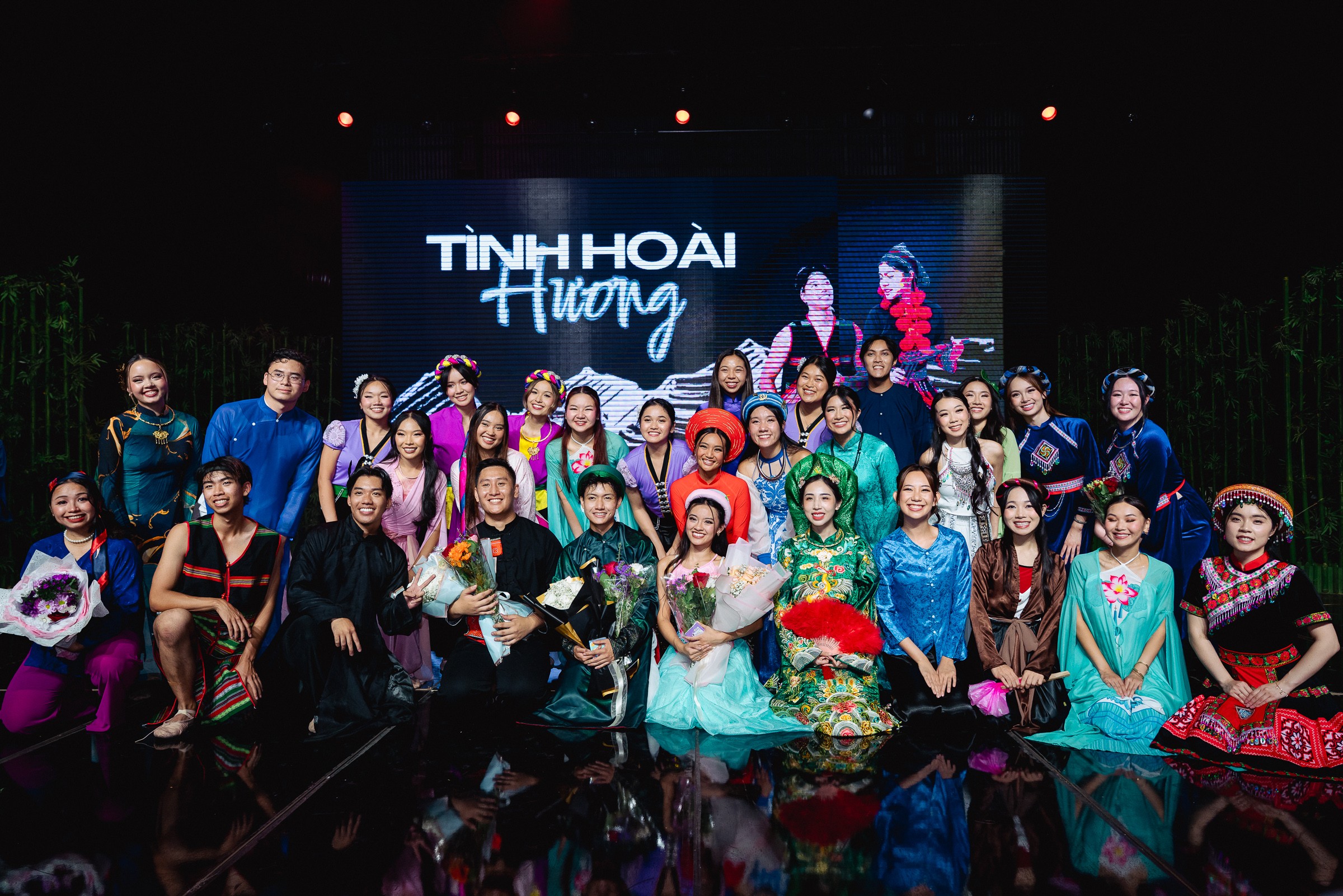
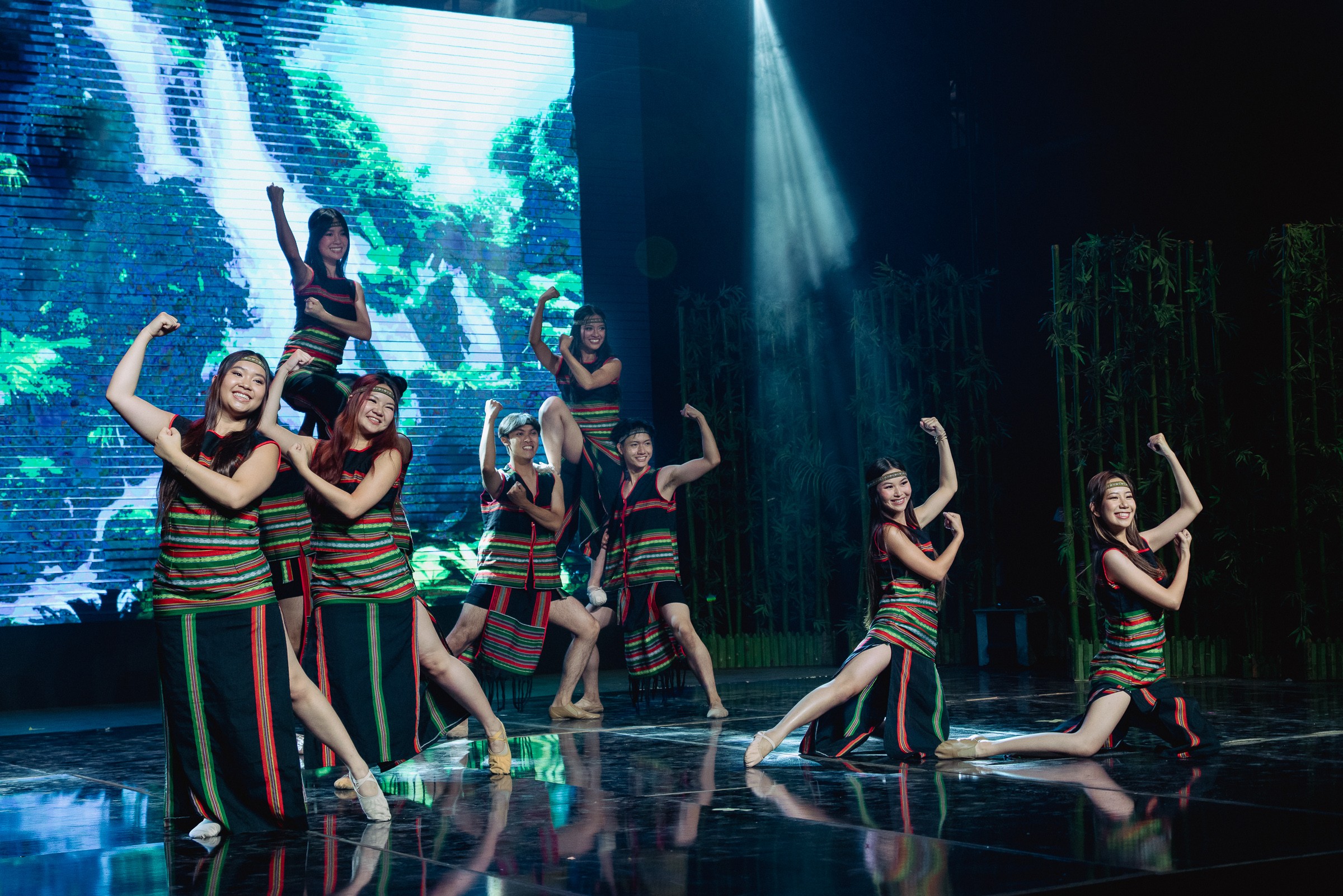
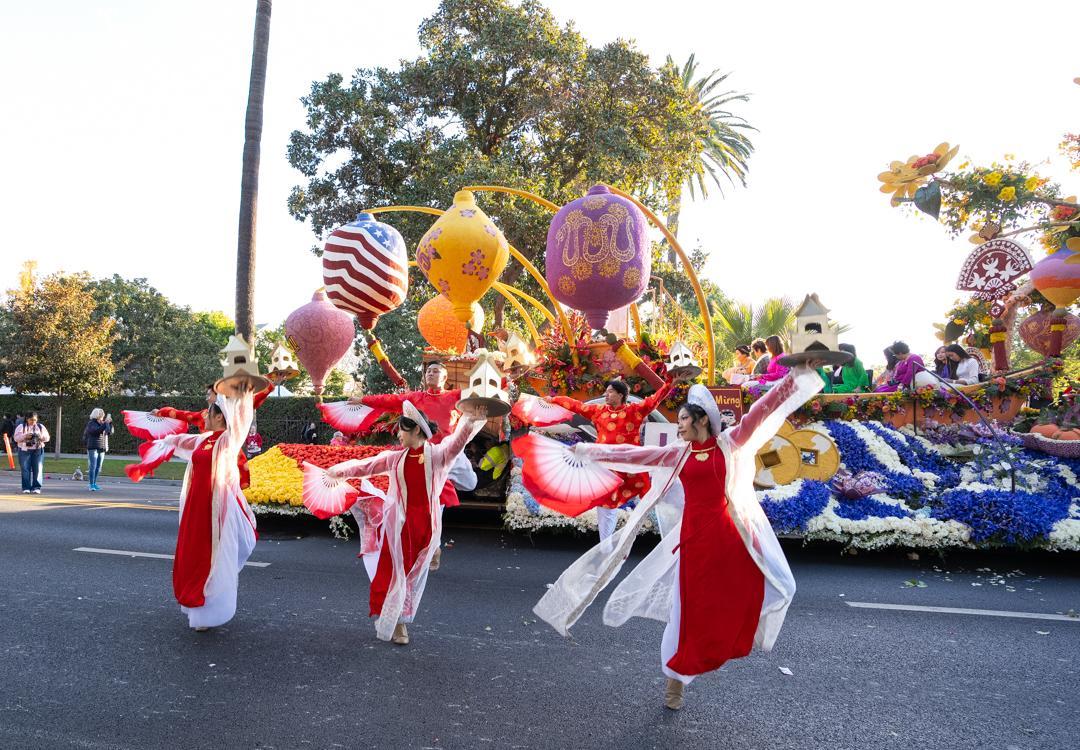
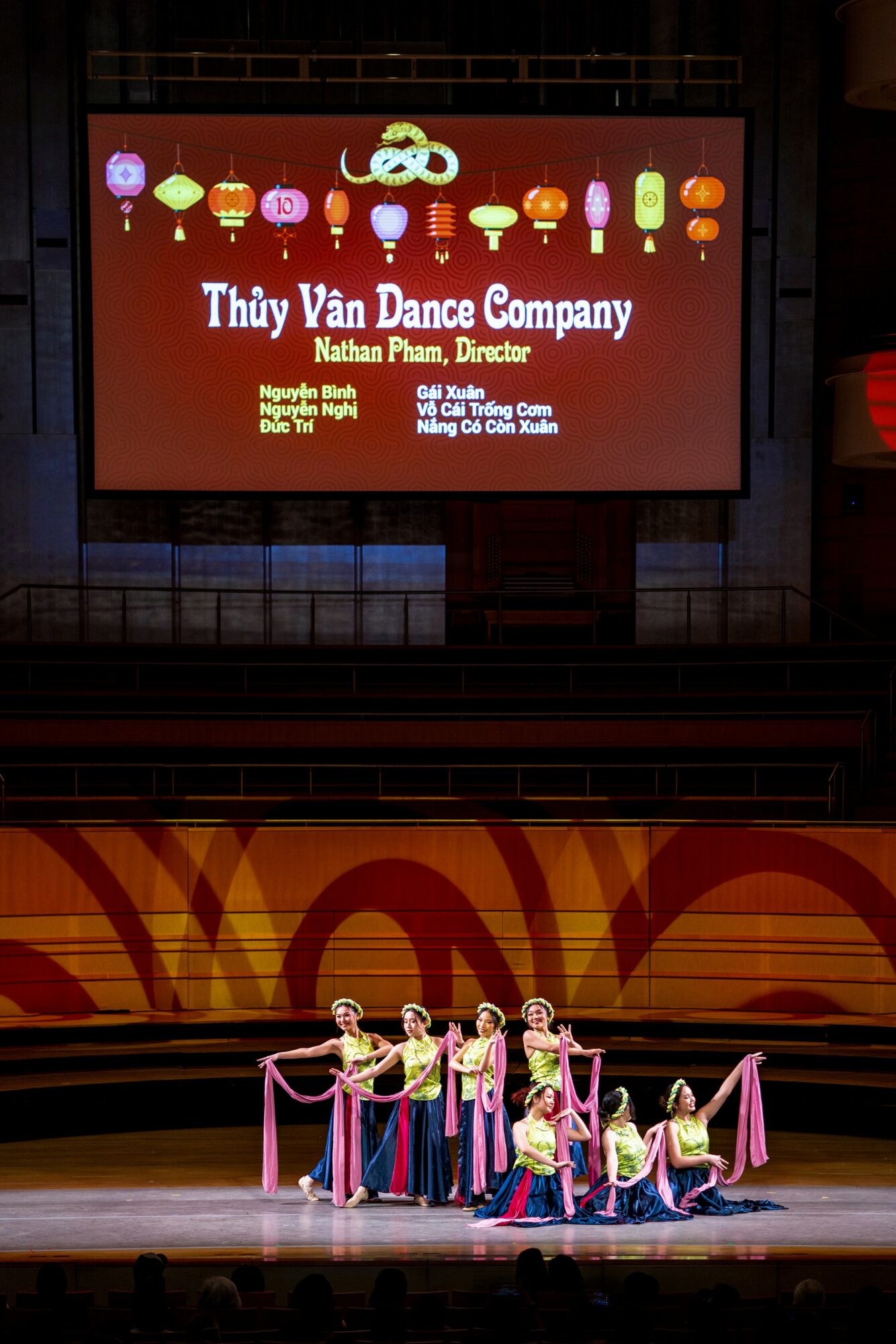
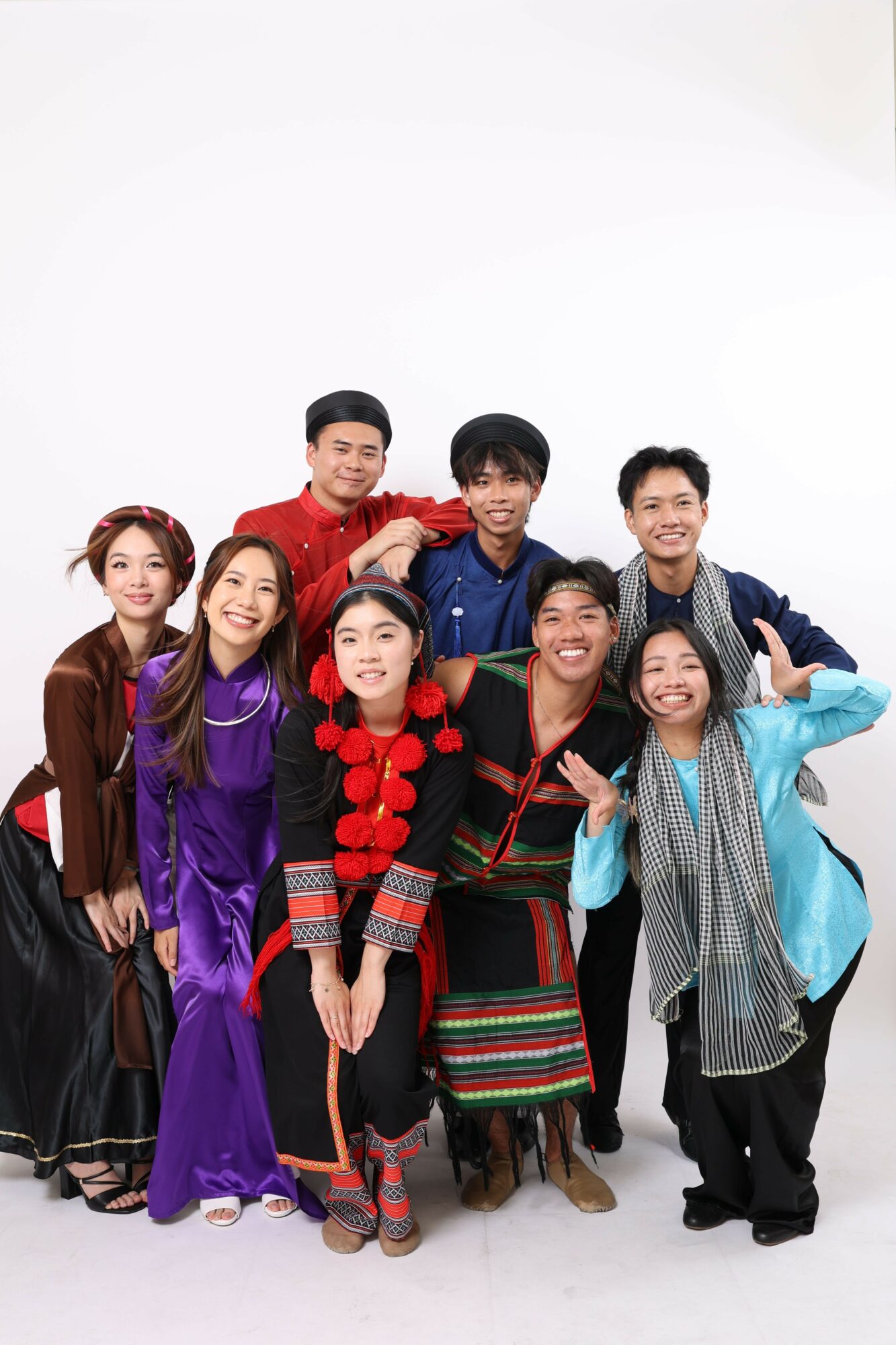
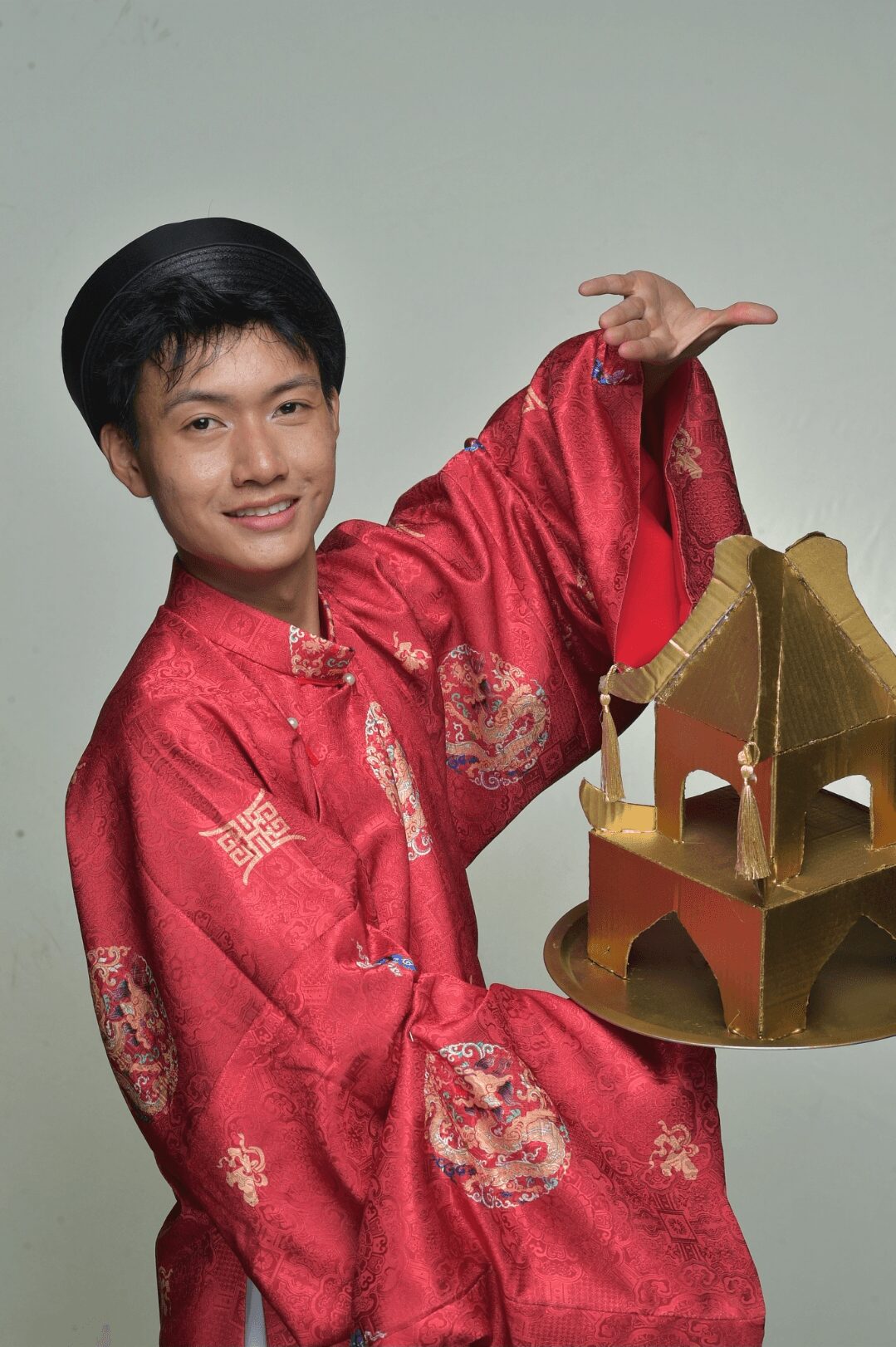
Image Credits
Daniel Pham
James Giovanni Pan
Vincent Tran
Tom Phan
Bao Vo
Popular
-

Que Johnson on Building Brands That Last: From Visibility to True Market Authority
-

Christina Wren Steps Into the Director’s Chair to Tell Stories That Feel Like Home
-

Portraits of the Valley
-

LA’s Most Inspiring Stories
-

JordanL on ‘Breathe,’ Belief, and Building a Movement Beyond the Music
-

Megan Birney Rudert on How Access to Light Is Powering a More Sustainable and Equitable Future


