



Today we’d like to introduce you to Monica Ferrall.
Hi Monica, can you start by introducing yourself? We’d love to learn more about how you got to where you are today?
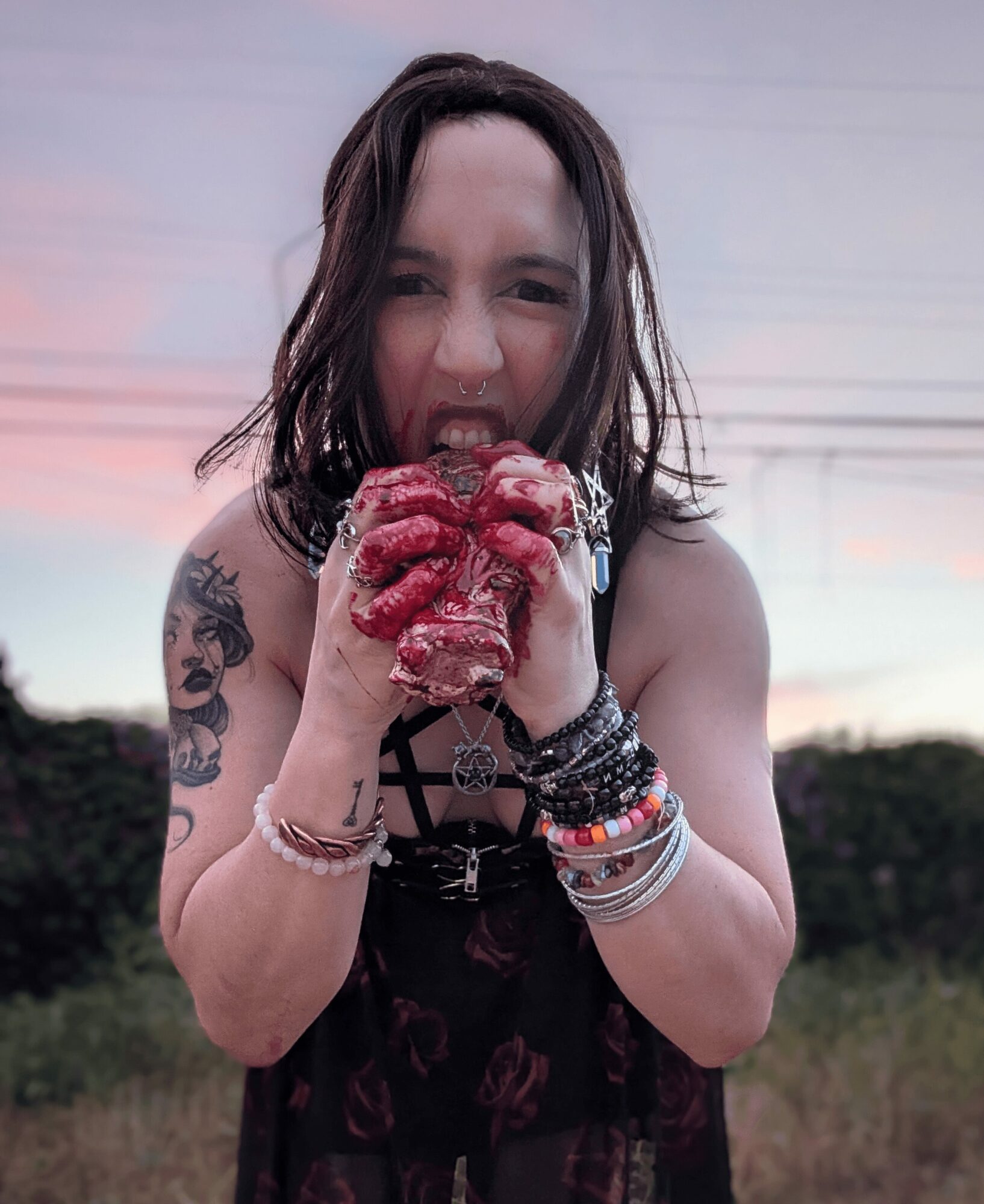
I’m a filmmaker and I run the Los Angeles chapter of Women in Horror Movement, a grassroots initiative dedicated to supporting women in subversive genres while combating the experience gap and gender inequality in horror. We do this by promoting each other’s art, building community, sharing resources and, most recently, connecting up-and-coming filmmakers with alternative financing options.
My story takes the shape that so many in this city do. I moved from Eastern Washington to Los Angeles to study screenwriting at Loyola Marymount University. I thought my drive and work ethic would be my ticket, but I struggled in those first years after graduation. I was ready to work any job, play any role on set no matter how small, but I was told girls couldn’t grip and was only considered for production design and costuming — which is not my forte, nor my focus of study. I trusted people I shouldn’t have and wound up taken advantage of, burnt out and feeling like I wasn’t tough enough for the film industry.
I ended up working several other jobs, including curriculum development, then directing a summer camp for several years. I would wake up at the crack of dawn to write for two hours –or more– before work. I would spend my weekends doing the same. I thought that was my era of making things happen for myself. Then the year I had the gumption to drop my day job for a writing career…the writer’s strike hit.
It was a series of endings that led me to the most productive era of my life. But it took sacrifice, pain and years of honing my craft. Sometimes losing a sense of security forces you to face your fears and that’s what happened with me. I had deferred the dream of writing and directing horror because I was afraid. I had shrunk my dreams, flinched away from directing because it felt like asking the universe for too much.
So I got brave and I wrote, directed and produced an anthology of horror shorts, using the money I had squirreled away from my day jobs. I had the opportunity to bet on myself and I felt I had to take it.
As a child, horror was one of the first places I found strength. First, in the ability to face my fears while safe on my sofa. Second, because the women faced down their horrors and stood triumphant at the story’s end. In so many other genres, women “win” love — even in action films they’ll end up in someone else’s arms. In horror, women “win” themselves. They walk away completely alone, but with newfound strength.
That’s what horror directing is for me. It’s all the weight I carry — but I walk away with a sense of strength, identity and purpose. Horror has the power to confront uncomfortable ideas, voice the unspeakable and bridge people together over vulnerable truths. Years of fighting my way through a male-dominated, and at times, unsafe industry left me feeling belittled, underestimated and silenced. By sharing these experiences through directing my horror anthology, I found my voice.
Presently, I run the Los Angeles chapter of Women in Horror Movement, which has recently started fundraising opportunities for independent filmmakers. Most aspiring filmmakers don’t realize how many grants and opportunities are available because they don’t have the network or the resources yet. I’m working to make these more accessible, particularly to those underrepresented in the current film industry.
I’m excited for this next step because it speaks to finding our own power outside of the traditional industry structure. Since most power structures aren’t built to support us and other gender minorities, it’s important to know that we can find financing, promotion and all of that elsewhere. I’m basically creating the group that would have helped me when I felt unsafe and unsupported in the film industry.
To me, it’s all about promoting the work of the voices we want present in both film and horror. On the social media blog, I write up profiles of local artists as well as feature directors-to-watch for Trans Visibility Day, AAPI heritage month, Indigenous People’s Day etc.
I saw this group as a way of uniting women who had similar experiences and building a community where we could support each other. I’ve found that so many women love horror for the exact reasons I do: because they find strength in it, because it’s a forceful tool to confront oppression and because it speaks on a deep level about the violence we experience in society. And that violence isn’t always literal. Sometimes it’s a gut feeling that we need to protect ourselves walking alone, and sometimes it’s a dissection of a woman to her body parts to sell us jeans.
Horror is also often about the experience of the body, which is something that women can end up disconnected to. Horror invites us into the thick of corporal experiences and even if those experiences are painful, that invitation can be cathartic. So much of culture separates women from their bodies — our bodies are policed and legislated in ways our male-bodied counterparts aren’t, our experiences of pain aren’t validated, and we are often encouraged to sacrifice our body for beauty standards – such as not feeding it, surgically manipulating it or even contorting it in uncomfortable shapewear. This is partially why women find freedom in the monstrous feminine — it’s the act of contorting our bodies towards power rather than surrendering it.
Horror is meaningful to me as a way of reclaiming my identity — horror originates from both the female and queer experience with Mary Shelley and Bram Stoker –, reclaiming my ambition — it has provided a path forward in my creative autonomy—, and reclaiming my inner strength — it’s been so empowering to find my community through expressing myself through horror and running my Women in Horror group.
We all face challenges, but looking back would you describe it as a relatively smooth road?
This is a tough industry and it’d be easy to explain my struggles away on that.
One of the reasons I’m so impassioned by working with Women in Horror Movement, is that I see how my struggles have been exacerbated by the way I’ve been socialized as a female. Like I said, it’s been a long road to get to where I am and that’s primarily because advocating for myself is something I had to learn as an adult. When I think back on it, it was something that adults in my life attempted to teach me, but the positive reinforcement of being an unobtrusive, mild-mannered, quiet female in the world we live in was too strong. For me, the role of a woman has always come at my own expense. I’ve been socialized to value other’s comfort over my own, to take up less space and never ask for too much.
As Reshma Saujani said in a Smith College Commencement Speech that went viral “Imposter syndrome is a lie. It is a trick to make women doubt their abilities and undermine their progress. It’s never really been about whether we’re qualified enough, or smart enough, or prepared enough. Instead, it’s always been about the political, the financial, the cultural barriers that are designed to keep us out of those rooms in the first place.” While people of all backgrounds can experience imposter syndrome, the feeling of not belonging in a space compounds, making this sense far more lethal for women in male-dominated fields. When the self-doubt we all feel as artists compounds with systemic underestimation, it makes it that much harder to value yourself and your art.
And I think that resonates strongly with the way women are socialized versus most men. Generally speaking, as women are taught not to make other people uncomfortable, that goes hand-in-hand with expressing self-worth and superiority. As women are taught to suffer quietly, we’re taught to succeed quietly, too. We’re to downplay compliments, shrug off hard work as ‘no trouble’ and chalk up any wins to luck.
On the contrary, boys are taught to claim their superiority by taking up space, asserting their value and flashing their skills. Men are encouraged to boast about their accomplishments, and by contrast women naturally feel like an imposter, simultaneously feeling shame for wanting to boast and inferior for their achievements. Furthermore, this shame we feel for wanting to boast, wanting to succeed is validated by the fact that there are specific labels for women when they behave like that. After all, we’re taught to not speak up unless something really matters. So when men speak up, it sends the message that they matter and we don’t.
For me, this is the exact allure of the Women in Horror Movement. It’s carving out a space for women to have a supportive community to collaborate, create art and share resources. For many women like myself, we struggle to take up space unless it is specifically created for us. So I set out to create that space. Where women’s perspectives are prioritized, where women are supported instead of underestimated, where women can safely re-center narratives on the experiences of themselves and their bodies and not the ones destroying it.
Within our own support system, we can start to redefine the role of a woman as well. There’s so much strength to tap into, especially in overcoming obstacles. Since women aren’t always allowed to take up space, we are fantastic at sharing it. Being in a female-dominant environment has instantly been more collaborative than competitive. We’re a community that understands that a win for one of us is a win for all of us. It’s such a contrast!
Appreciate you sharing that. What else should we know about what you do?
As a writer and director, I use horror as a tool to address uncomfortable ideas and ugly truths through a more palatable metaphor and give a voice to the voiceless. Horror is a way of acknowledging the brutality of an issue without overwhelming the audience, telling stories of ghosts rather than tragedies, while at the same time expressing how these tragedies ripple and affect us today.
My work often addresses the horrors of womanhood and examines the complexities of our identities. I’m influenced by what I’ve felt unable to talk about out loud – in my early days navigating film internships, I was told time and time again that people didn’t want to read or watch sexual assault stories, when what they meant was they didn’t want to experience the trauma of centering those stories on the women. And no one wants to experience that, but the aversion to my perspective on it eventually fueled me.
Though dominated by men, horror has always been built on women – on our abject terror, screams, bodies – specifically the destruction of them. Women are the stars, yet they are objectified, mutilated and discarded. Their bodies are chopped apart not only by killers, but the camera. My work aspires to flip the script, centering women’s experiences and valuing their bodies. When my female characters die, they do so with dignity. Death is inevitable in horror, though I take care to write deaths that honor the characters or deliver poetic justice. Where I have found strength in horror, I hope to validate other’s identities and give strength to all women. I want to empower women through my work and the process of creating it.
I could list accomplishments, but I’m most proud of how far I’ve come. It would have been easy to decide I wasn’t good enough for this and give up, but I haven’t. Instead, I’ve pushed myself through challenges. I’ve poured my own blood, sweat and tears into my art and I’m so happy I was able to invest that in myself. And I’m happy I’m able to pay it forward.
To transition to directing, I set about independently producing, writing and directing The High Road Series: a series of female-focused horror microshorts, all from the perspectives of maligned women, shot with an entirely female (or queer) crew. I had experienced the discrepancies of opportunity for men vs. women upon graduating film school. At the time, I didn’t have the support of female mentors to stave off discouragement. Upon deciding to pursue directing, I knew if I wanted opportunities, I would have to create them myself. And as a commitment to leveling the playing field and transforming the culture of our industry, I would prioritize hiring women. I filled my crew with women and queer folks looking to resume-build. Collaboration with women who truly connected with telling the female experience through horror created an authentic bond and elevated my project.
Do you any memories from childhood that you can share with us?
My favorite childhood memories are riding my bike to the library or riding my bike to Blockbuster. I’ve been a voracious reader since the moment I graduated Hooked on Phonics. I would browse the books in the library for hours, excited by all the potential worlds to explore, then carefully choose which ones I would vicariously inhabit for the week. One summer, I got really into reading about supernatural and psychic phenomena. I borrowed a book on how to develop your own psychic abilities and hid it from my mother under my bed. Maybe I thought she’d flip and think I was crazy, but mostly, I wanted a secret – and I was hoping that secret would be telekinesis. In my head, anything was possible and books gave me a chance to experience a world all of my own. Then as a teenager, it was the same for Blockbuster. I remember being so intrigued by all the covers and entranced by titles.
Media opened so many doors for me as far as discovering my identity and quenching my undying curiosity. I have a strong place in my heart for pop culture and how it reflects culture, anxieties and mores of the time. Without it, I think we’d fail to understand ourselves and express vulnerability.
Contact Info:
- Website: https://wihmla.my.canva.site/
- Instagram: https://www.instagram.com/ferrall_films/
- Other: https://www.instagram.com/womeninhorrorla/
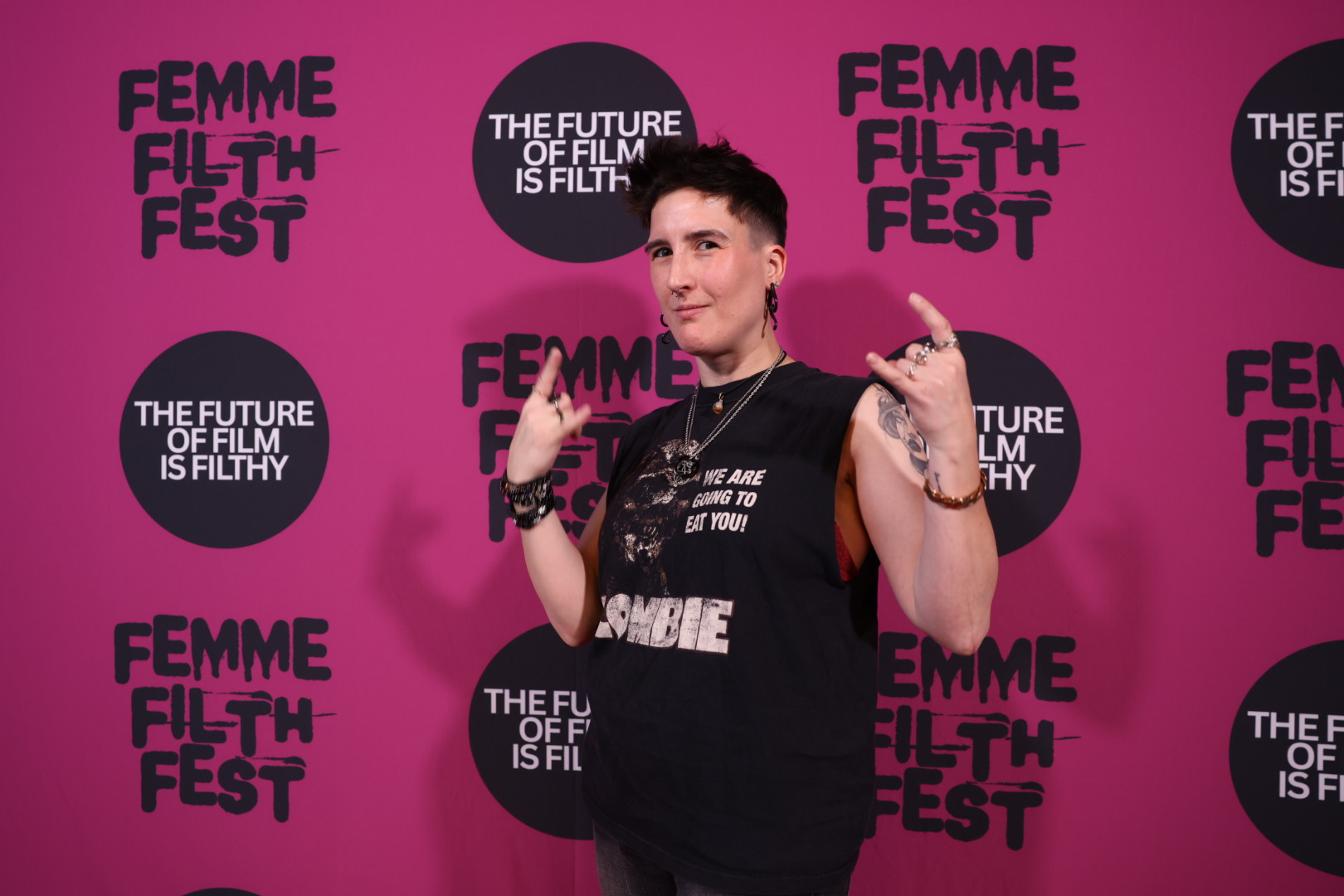
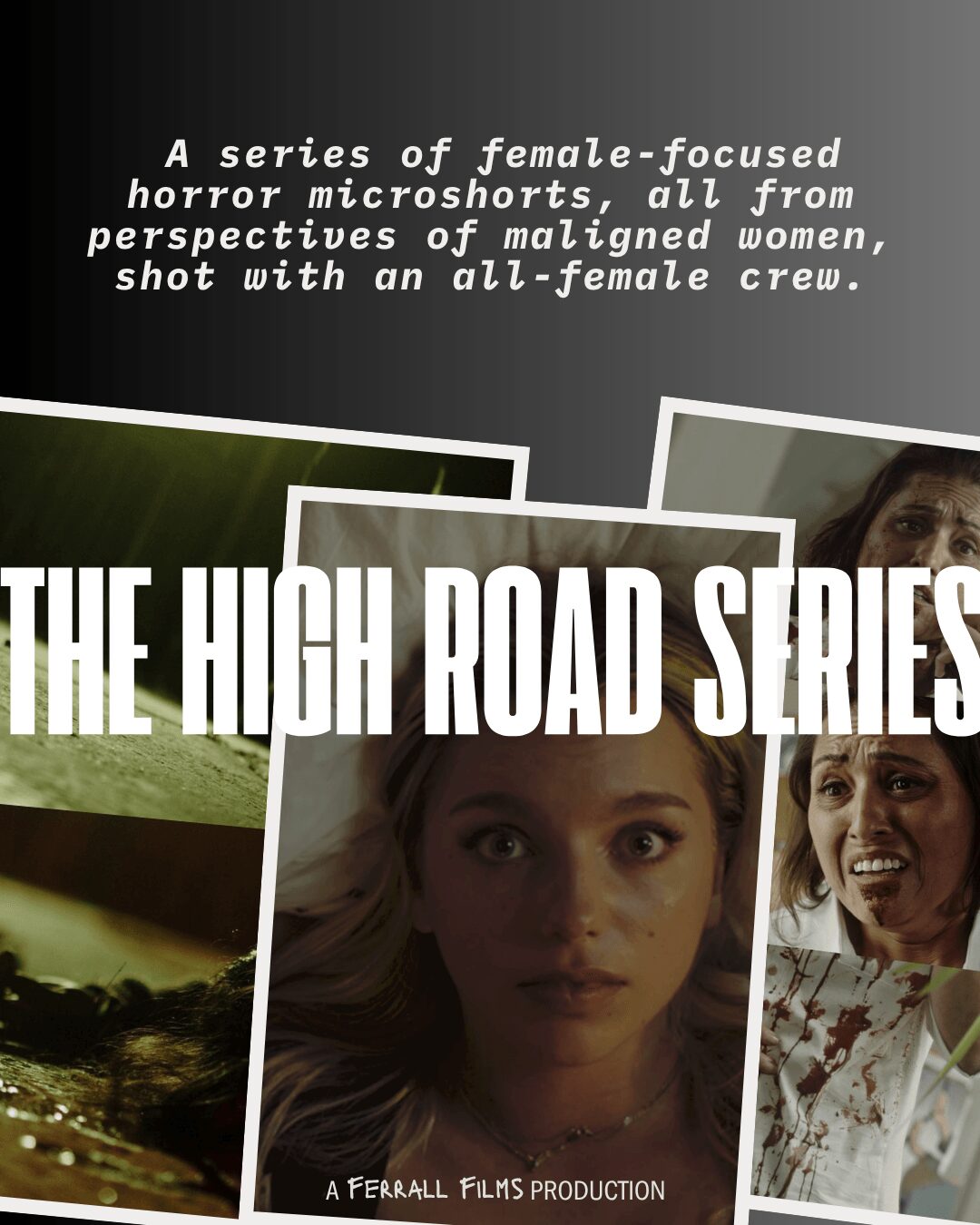
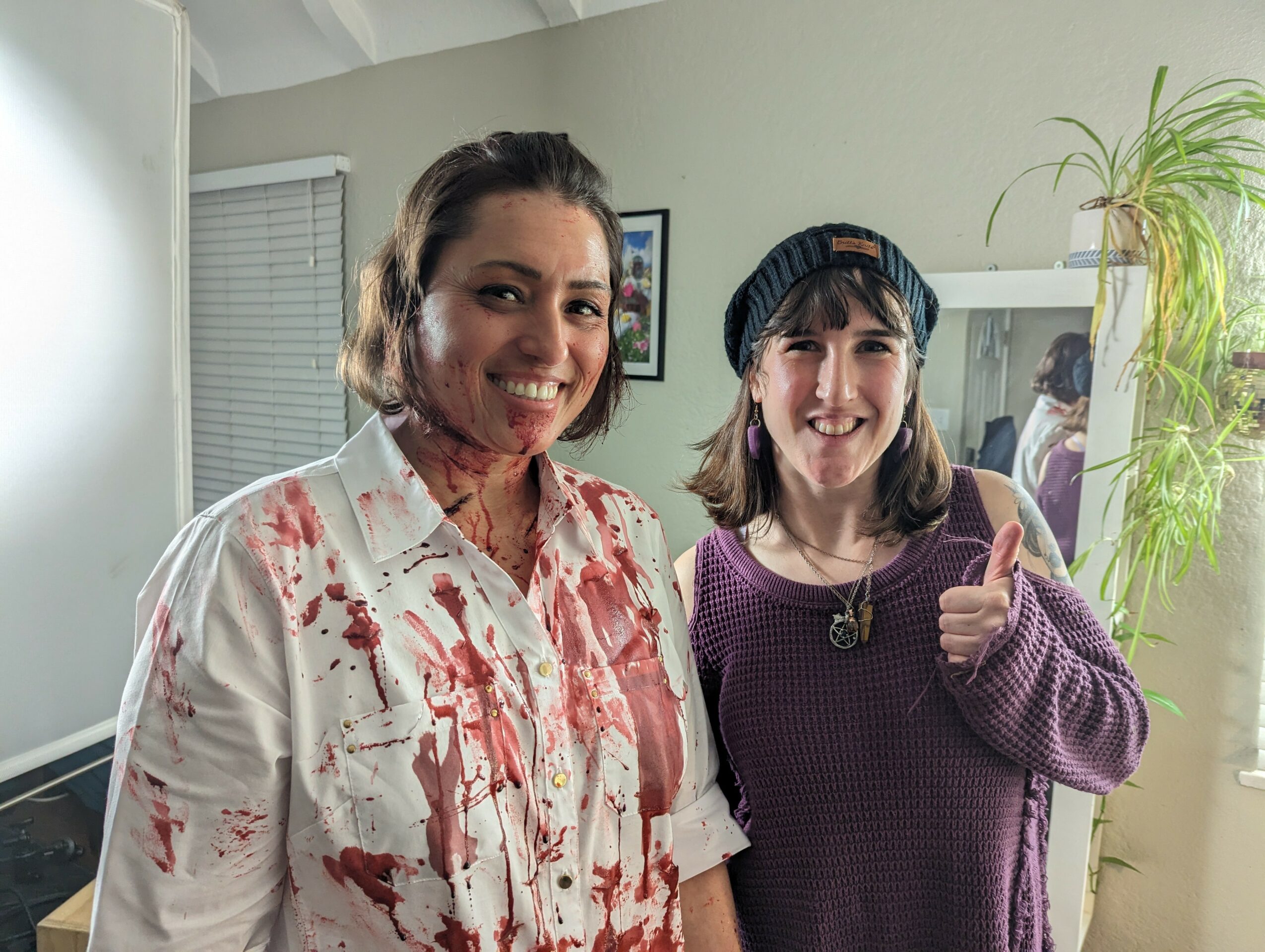
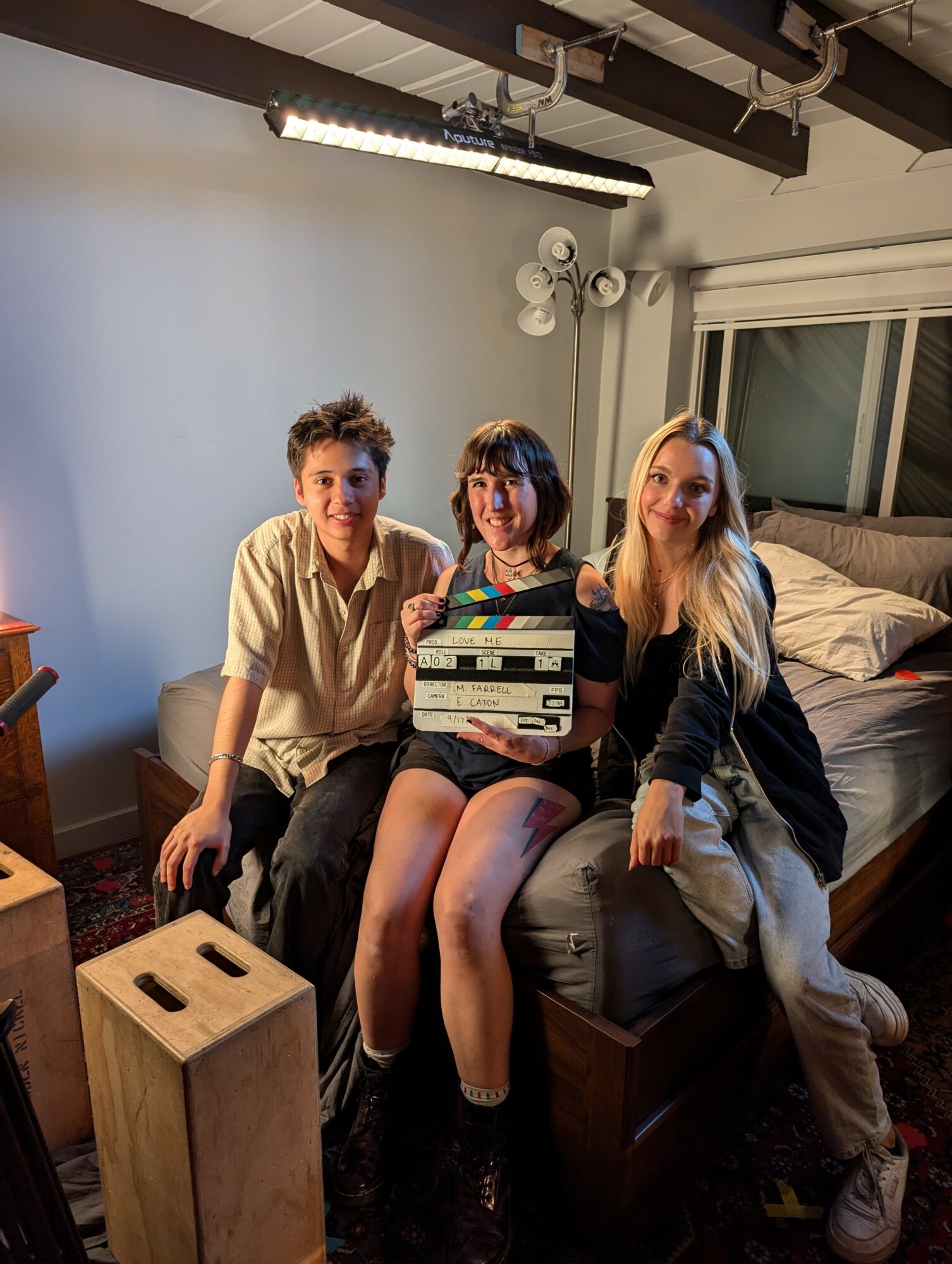
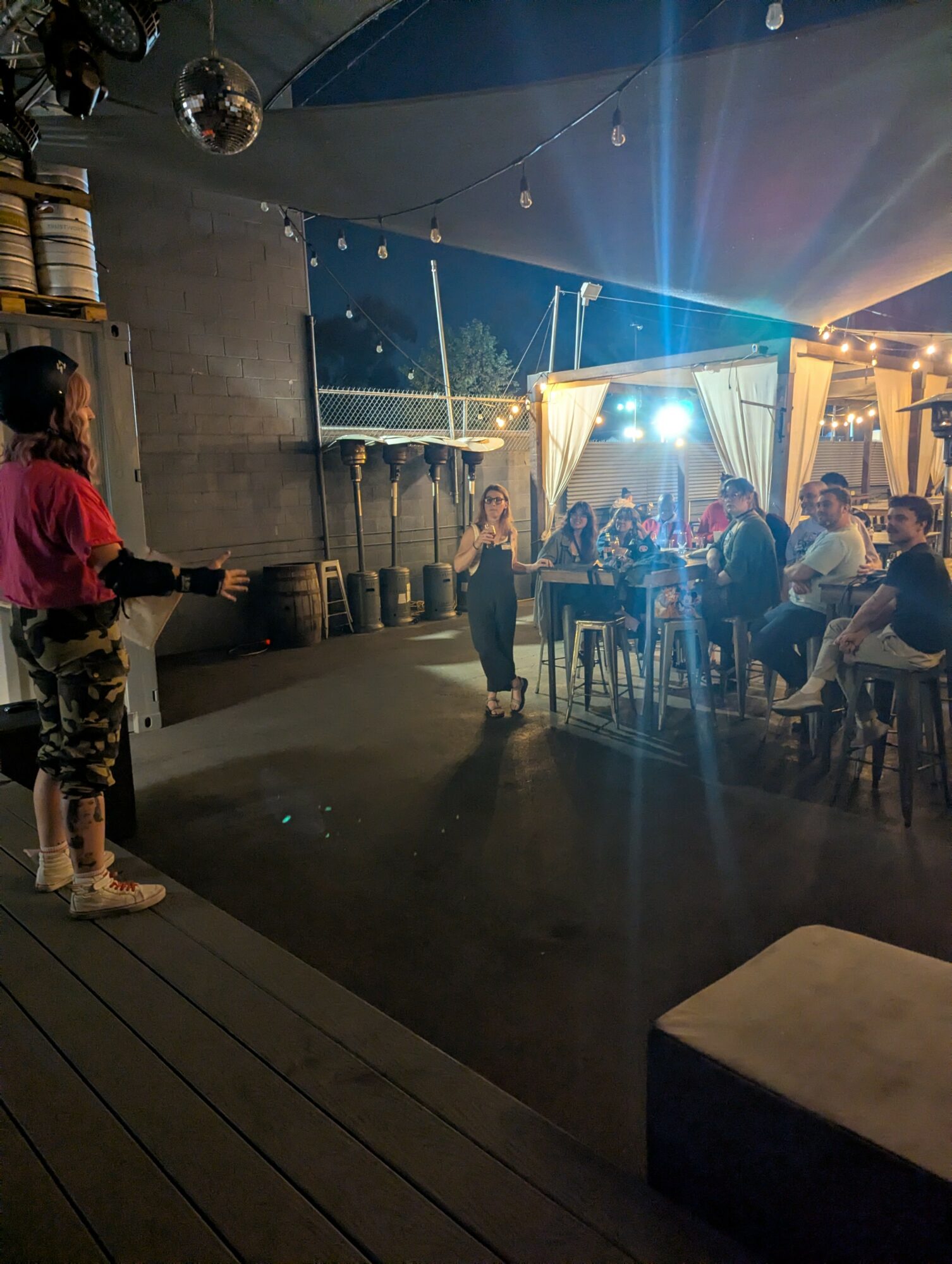
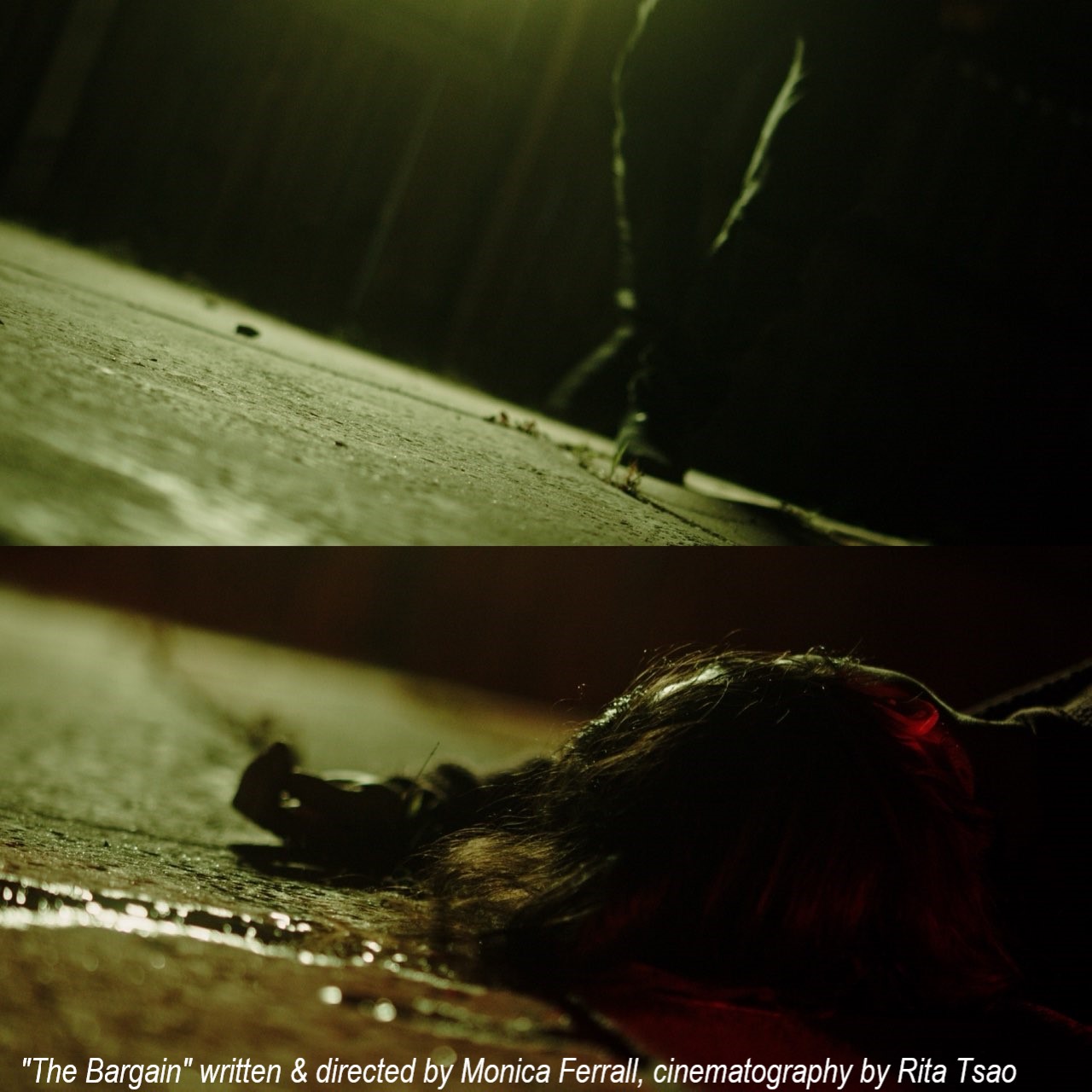
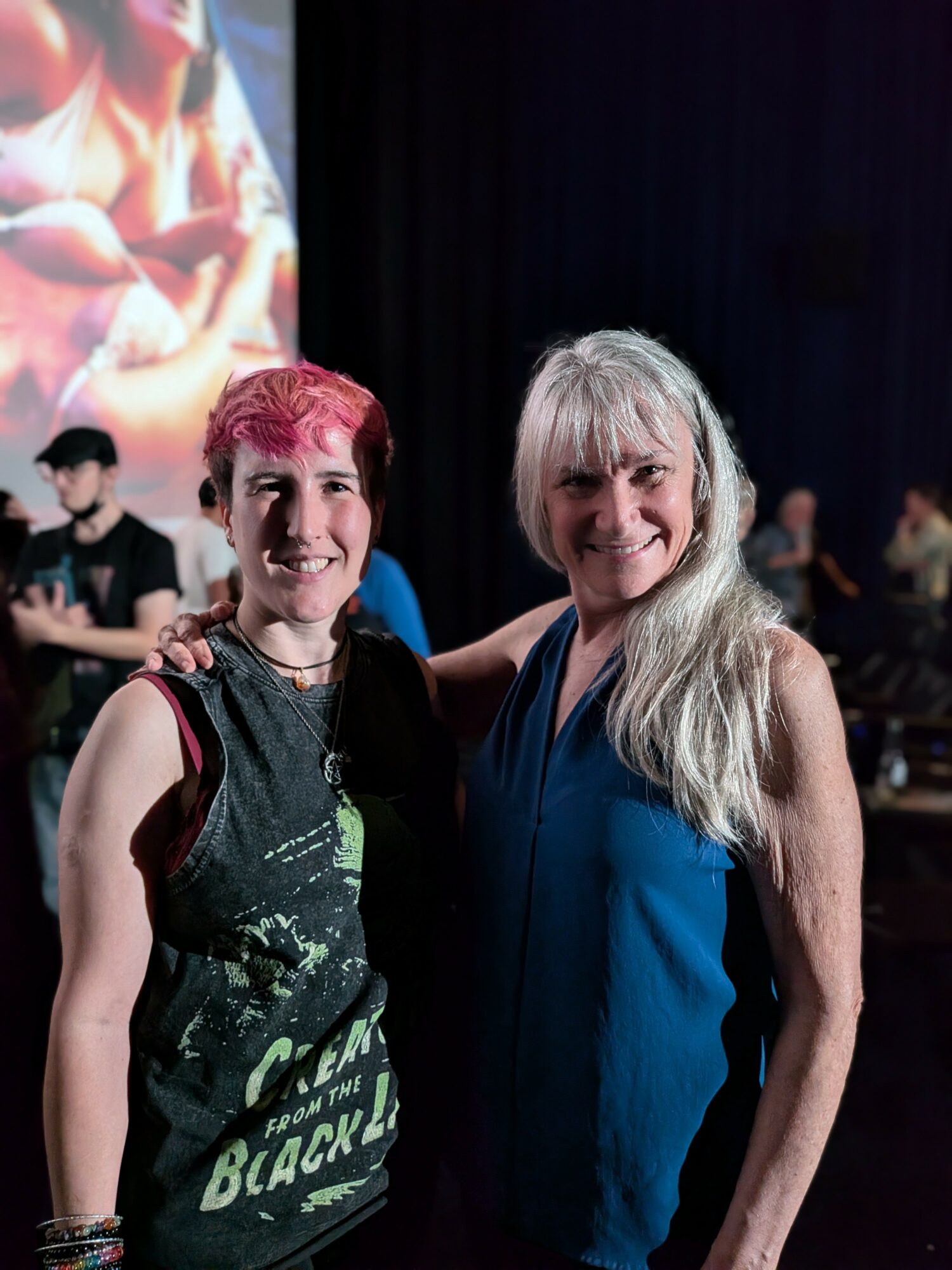
Image Credits
Femme Filth Fest images credit: Brittany Young
Popular
-
Que Johnson on Building Brands That Last: From Visibility to True Market Authority
-

Christina Wren Steps Into the Director’s Chair to Tell Stories That Feel Like Home
-

Portraits of the Valley
-

LA’s Most Inspiring Stories
-
JordanL on ‘Breathe,’ Belief, and Building a Movement Beyond the Music
-
Megan Birney Rudert on How Access to Light Is Powering a More Sustainable and Equitable Future


