




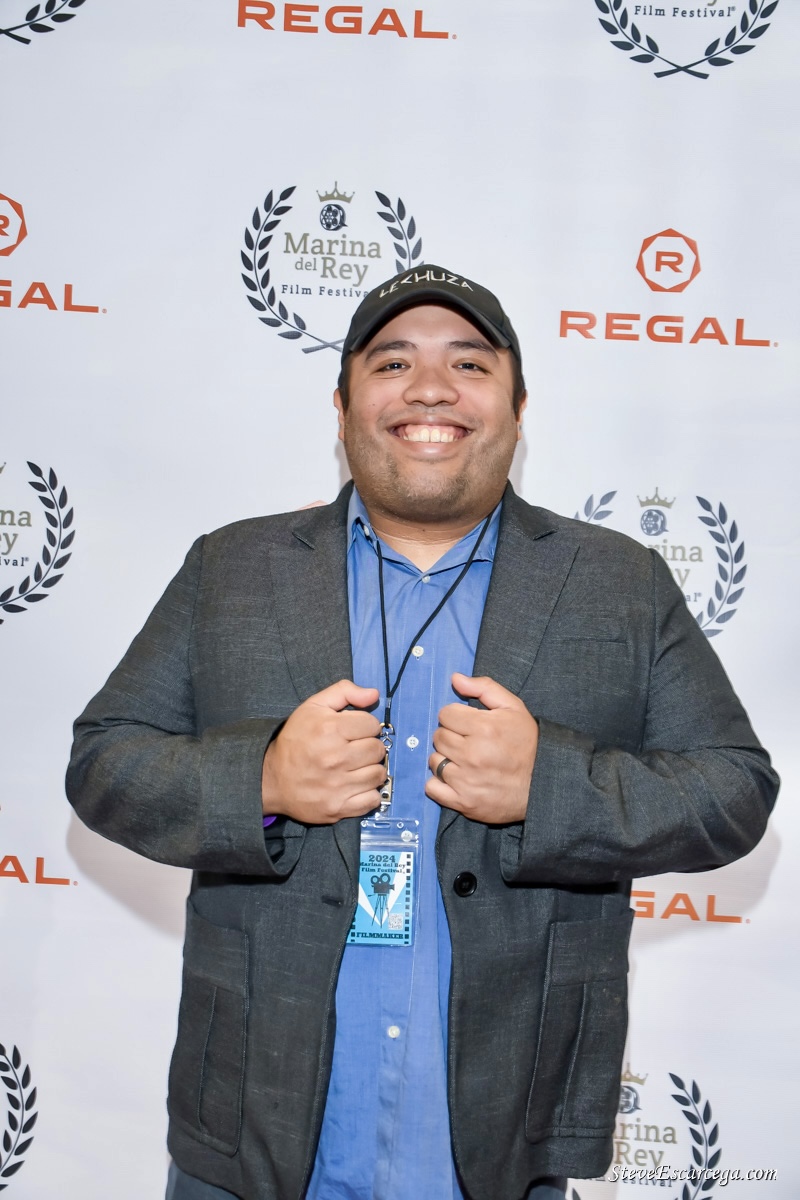
Today we’d like to introduce you to Miguel Martinez
Miguel, we appreciate you taking the time to share your story with us today. Where does your story begin?
My journey into the industry began in my senior year of high school with an unforgettable opportunity—capturing b-roll of Texas baseball games for Ken Burns’ documentary Baseball. Thought high school I made short films, did some YouTube channels and just improved my craft. Right after graduation, I jumped into television production on the set of From Dusk Till Dawn. Yet, just as I was finding my footing, I faced an unexpected setback. I had my first seizure due to epilepsy, followed by several others, which forced me to pause and recalibrate. Since then, I’ve learned to manage my condition, though the road hasn’t been easy—most challenges now come from the side effects of medication.
When I moved to Los Angeles, I hit the ground running, landing an editing role with the media company Frederator and taking on an assistant position at Cinema Libre Studio, a distribution company. These roles sparked an entrepreneurial spirit, and soon after, I launched my own distribution company, Freakish Films. With Freakish Films, I dedicated myself to uplifting minority filmmakers, guiding them through post-production and distribution for their low-budget films—a mission close to my heart.
Last year, I took a bold step forward as writer and director for LECHUZA, a proof-of-concept short film that was both personal and professional. Since my epilepsy diagnosis, I’d had doubts about working on set again. Though I continued writing and producing, I avoided the set, uncertain if the physical and mental demands might trigger an episode. The making of LECHUZA proved transformative—it reassured me that my career on set is not only possible but deeply fulfilling. It reignited my confidence and reminded me that I can thrive creatively, even with the complexities of my health. Directly Following Lechuza I made another Proof-of-Concept short called WITH MY LIFE which is a slash film about generational trauma by way of domestic abuse, following the journey of a battered wife as she fights to escape her abusive husband, determined to prevent her and their daughter from finding freedom. I am hoping to turn this into a feature film.
We all face challenges, but looking back would you describe it as a relatively smooth road?
My epilepsy journey began unexpectedly, just as I was stepping into the world of professional production. Right after college, I experienced my first seizure, a disorienting shock that soon became a part of my reality with multiple episodes following. Adjusting to the diagnosis wasn’t easy—it required a complete rethinking of how I approached my career. What had once felt straightforward now came with uncertainty. Every job opportunity or set experience brought new questions: Would the high-stress environment trigger another episode? Could I manage the demands without compromising my health? These were the challenges that shadowed me as I navigated a young career in a competitive industry.
While I eventually found ways to manage the seizures, it wasn’t a quick fix. Medications became a lifeline but also introduced a host of side effects that continue to impact my daily life. Fatigue, dizziness, and moments of mental fog are the hidden costs of controlling my condition, yet I’ve come to see these as hurdles to work with, rather than barriers. In time, I’ve learned to adjust my expectations and rhythms to align with my health, finding ways to keep my creative drive alive. Each project I take on is a reminder of how far I’ve come—not only in managing epilepsy but in redefining my path in the industry with resilience and adaptability.
Thanks – so what else should our readers know about your work and what you’re currently focused on?
I’m a storyteller at heart, specializing in film and media production with a focus on powerful, inclusive narratives. My work spans producing, directing, and writing, where I bring stories to life with a sharp eye for detail and a deep commitment to character-driven storytelling. I’ve built a diverse portfolio, from editing projects for well-known media companies like Frederator to founding my own distribution company, Freakish Films, which champions underrepresented voices. Through Freakish Films, I’ve had the privilege of working with minority filmmakers to complete and distribute low-budget films, offering guidance from post-production through distribution—a mission I’m incredibly proud of.
Any advice for finding a mentor or networking in general?
Finding a mentor and networking can be incredibly rewarding, and a few key strategies have helped me make genuine connections along the way.
– Seek Out Like-Minded People in Spaces You Enjoy: Start by getting involved in communities, both online and in person, that align with your interests and values. For example, if you’re into film or media, attending screenings, film festivals, and industry workshops can lead to organic networking. Engaging in conversations around shared passions often leads to deeper connections. LinkedIn groups, social media communities, or specific platforms for creatives can be great resources too.
– Lead with Curiosity and Give Before You Ask: Approach potential mentors or contacts with genuine curiosity and a desire to learn about them first. People can sense when you’re genuinely interested in their work and perspectives, so ask questions and seek their advice before you ask for favors. Volunteering or offering your help—whether it’s on a project, at an event, or even providing feedback—shows that you’re invested in the relationship rather than just what you can gain from it.
– Stay in Touch and Share Your Journey: Once you’ve established a connection, keep them updated on your progress. This could be as simple as sending a message on LinkedIn every few months, sharing a personal project you’re working on, or asking for advice on a new step you’re considering. People appreciate when you follow up and stay engaged; it shows them that you value their input and that their mentorship is making a difference.
Contact Info:
- Website: https://www.lechuzafilm.com
- Instagram: https://www.instagram.com/macabremartinez/
- Youtube: https://www.youtube.com/user/EventuallyCool
- Other: https://www.quetzalcoatlcomic.com
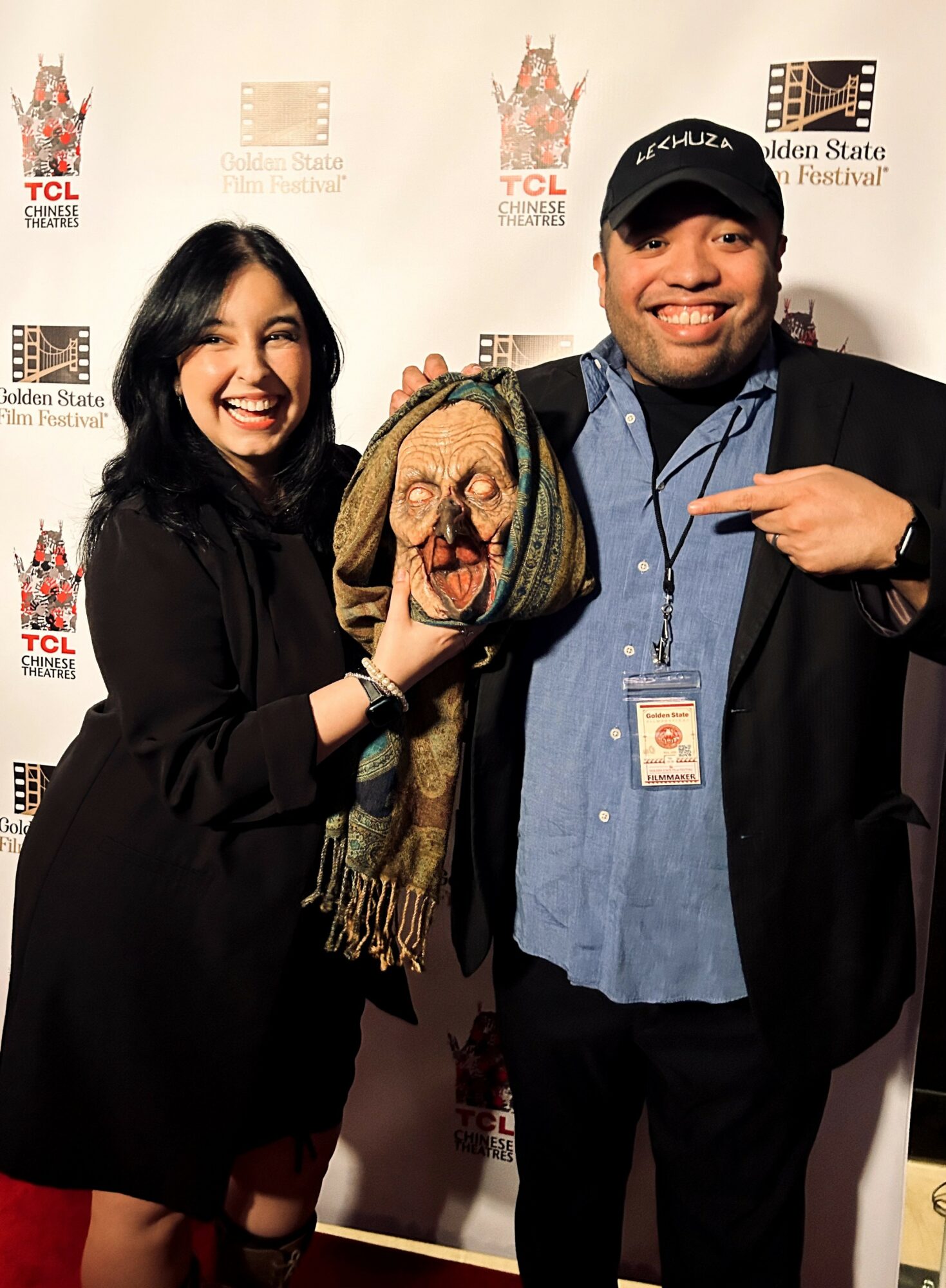
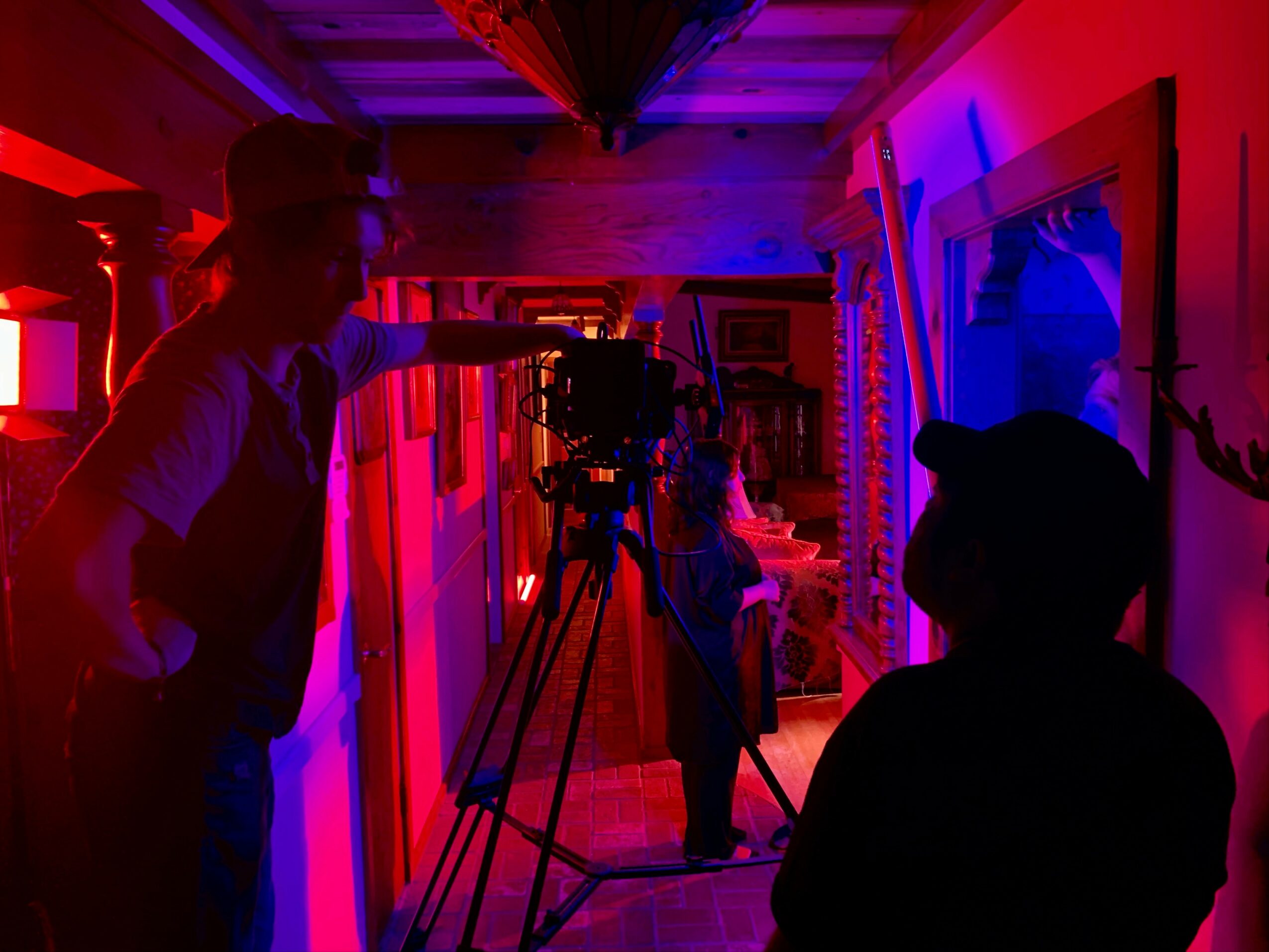
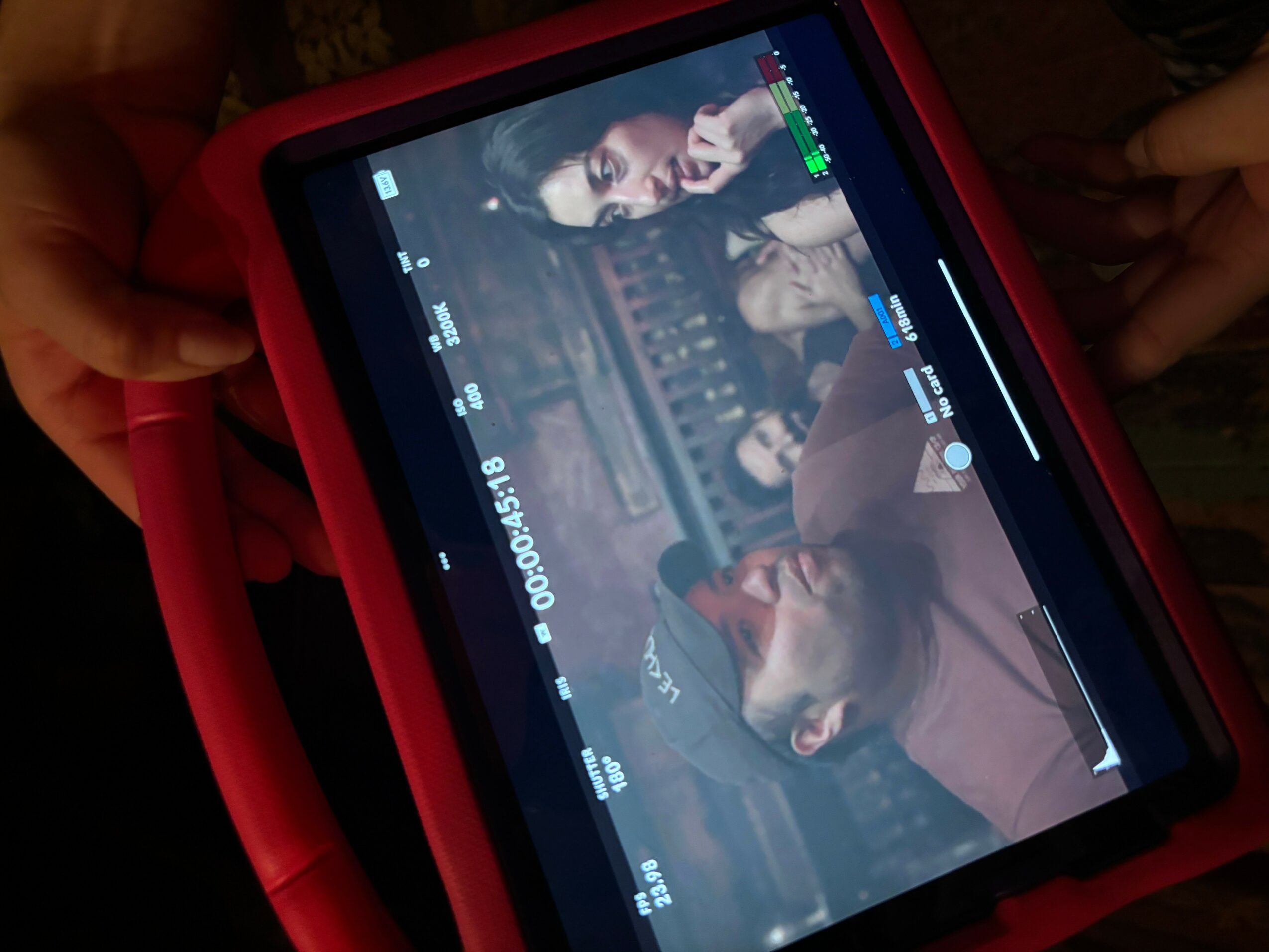
Image Credits
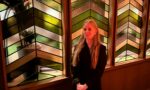
The main image is by Steve Escarcega
Popular
-
JordanL on ‘Breathe,’ Belief, and Building a Movement Beyond the Music
-
Megan Birney Rudert on How Access to Light Is Powering a More Sustainable and Equitable Future
-

Linda Kneidinger on Building Lasting Change Through Small Steps and Self-Compassion
-

Jolana Nika on Redefining Modern Connection Through Intentional, Real-Life Experiences
-
What did suffering teach you that success never could?
-
Who saw you clearly before you could see yourself?


