




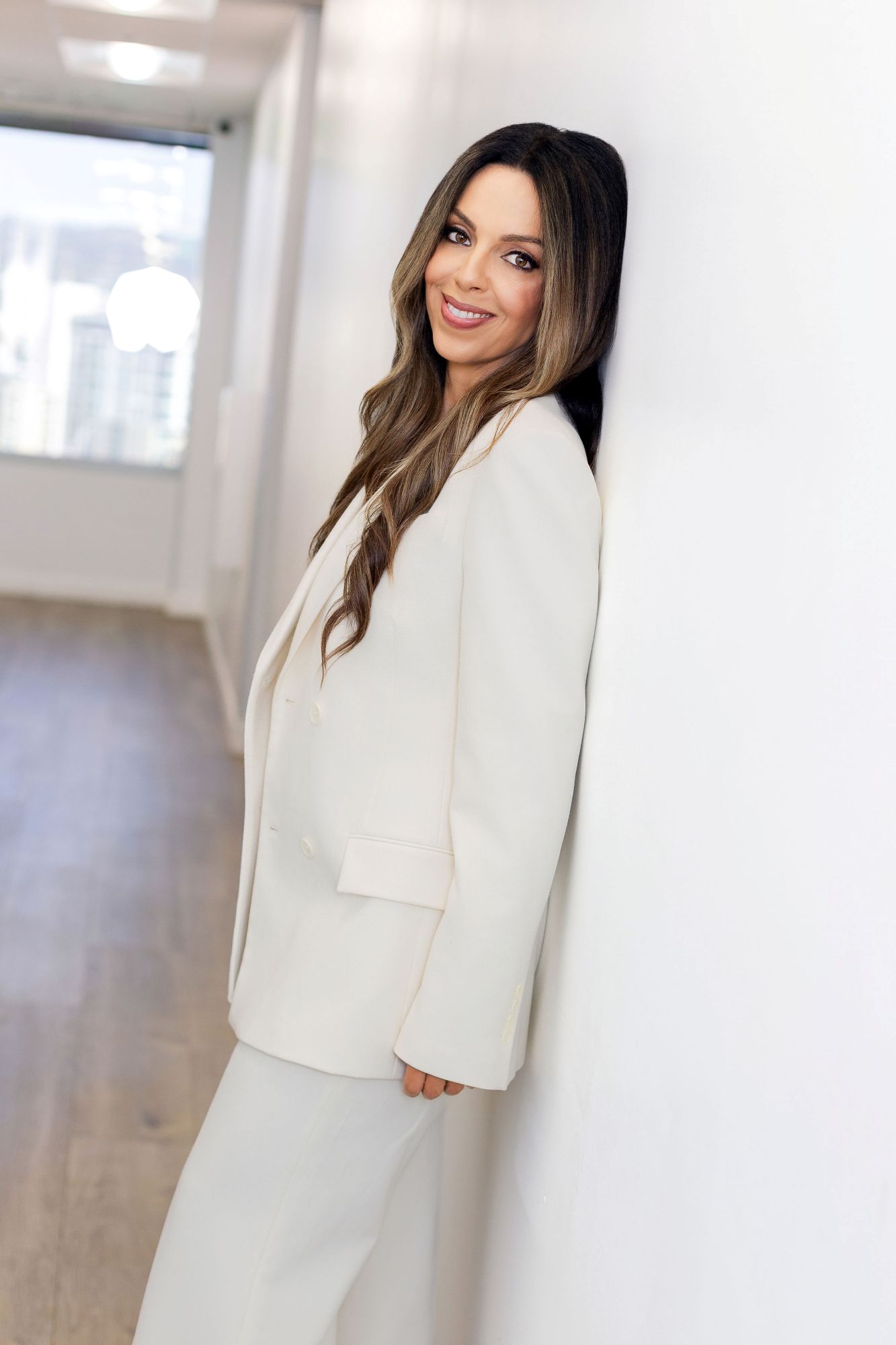
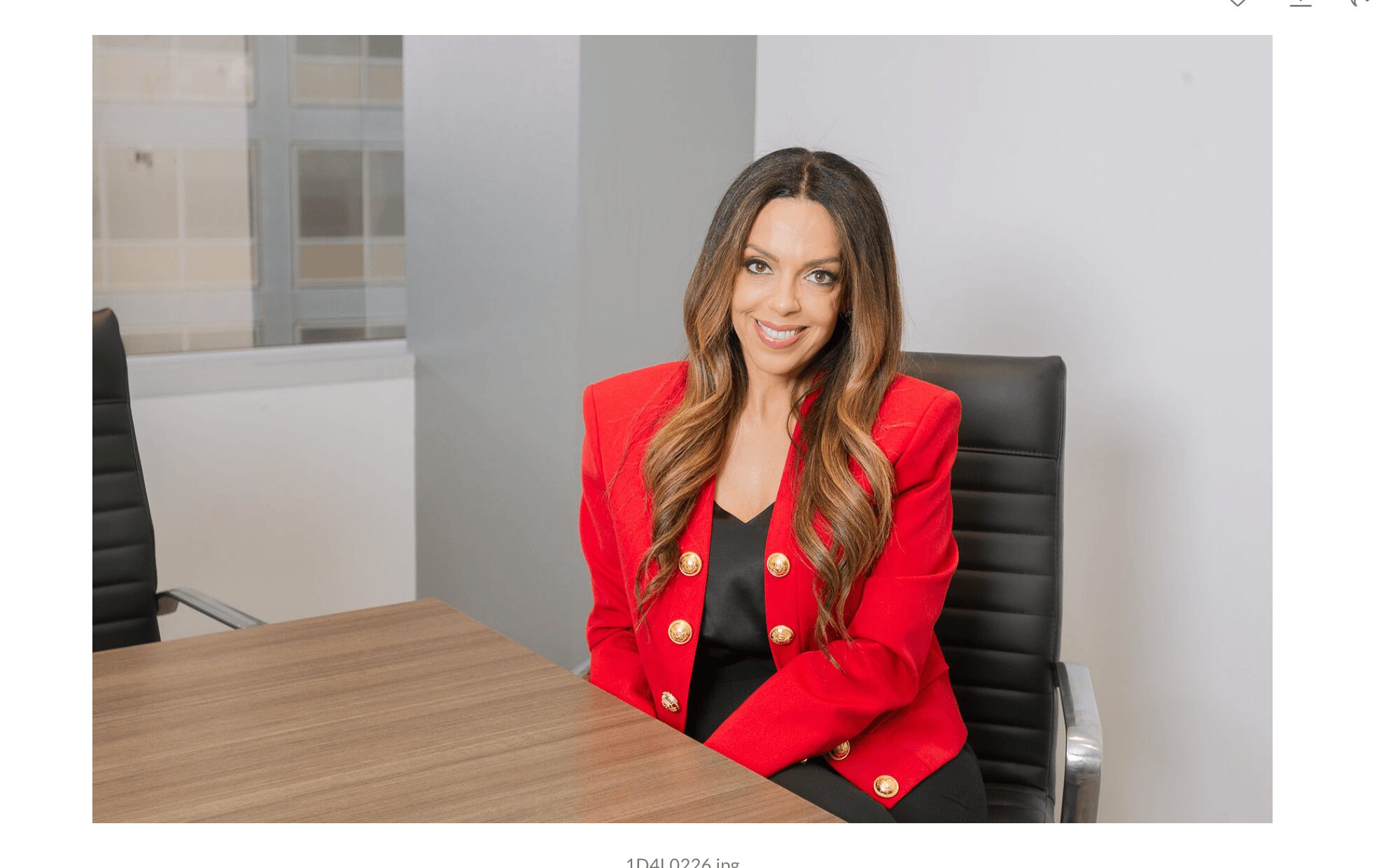
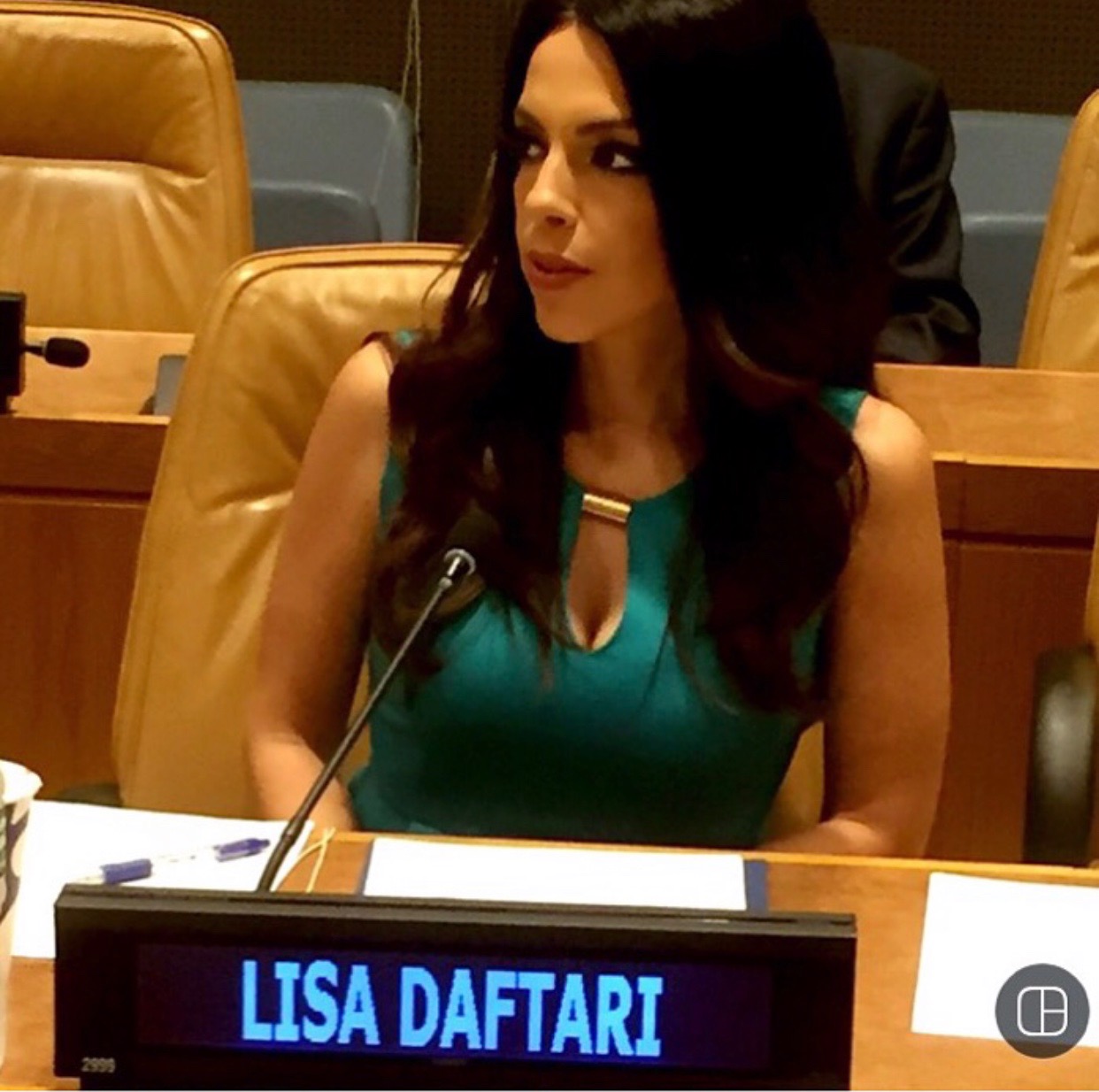
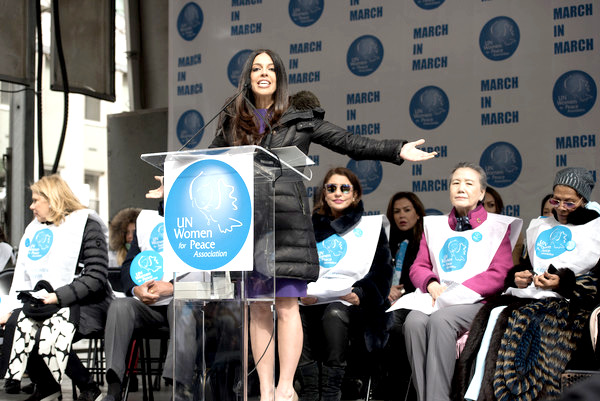
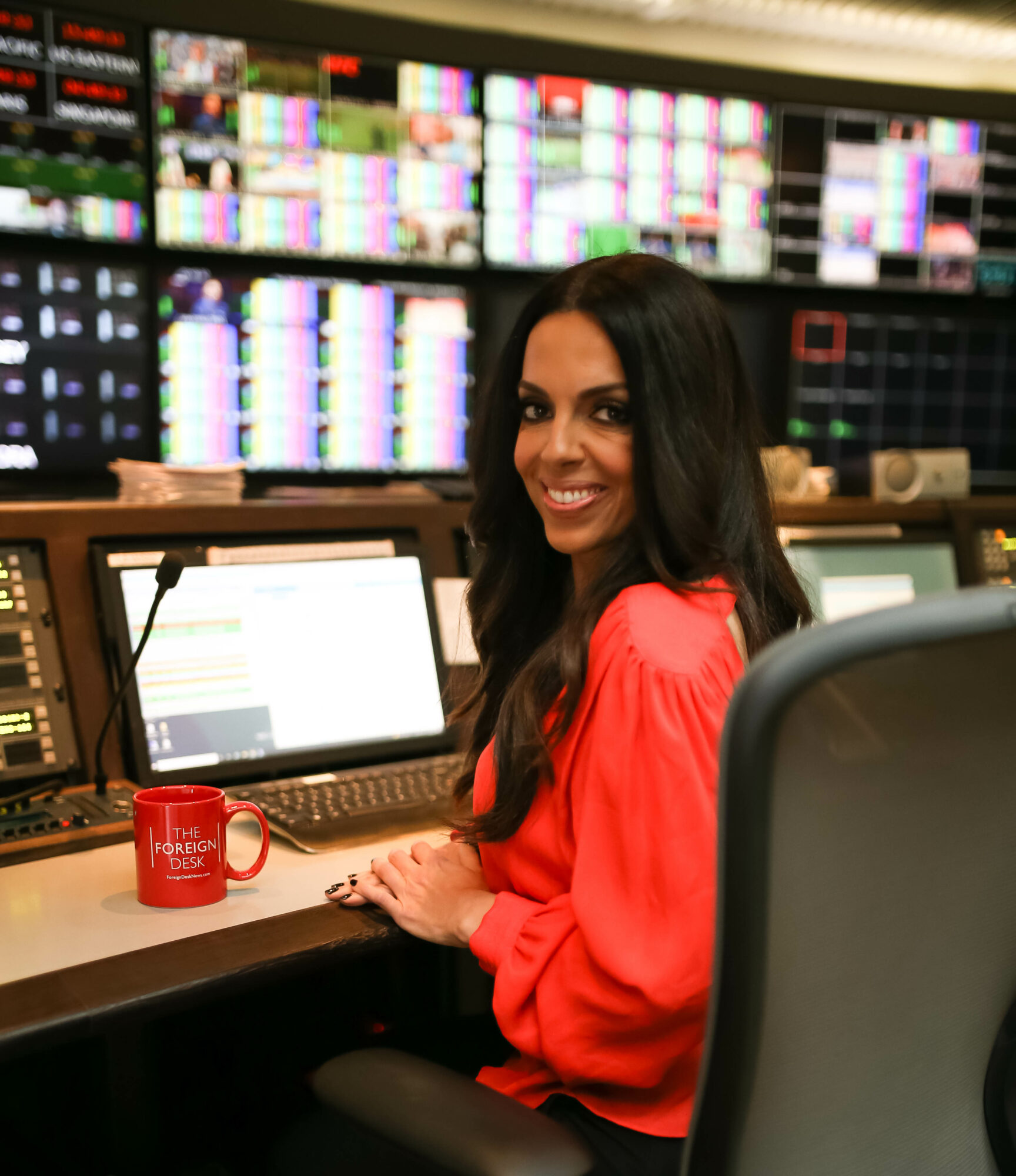
Today we’d like to introduce you to Lisa Daftari.
Hi Lisa, so excited to have you with us today. What can you tell us about your story?
I was born and raised in Paramus, New Jersey, to Iranian parents who had left Iran but never stopped talking about the country they once called home. Around the dinner table, my parents painted such vivid pictures of pre-revolutionary Iran that I often say I inherited a “nostalgia for something I had never seen,” a feeling that would later fuel my desire to tell Iran’s human story to the world.
My father, a physician and medical scholar, and my mother, with a background in language and accounting, placed a strong emphasis on education, culture, and language, encouraging us to speak Persian and even go on to learn multiple languages. Growing up in the shadow of New York City and almost within sight of the Twin Towers, I absorbed both the promise and vulnerabilities of America, an experience that would become central to my later focus on national security and terrorism.
A winding path to journalism
At Rutgers University, I pursued an unusually broad triple major in Middle Eastern studies, Spanish literature, and vocal performance, while also becoming fluent in Persian literacy, Spanish, and English. During those years I explored everything: I became an EMT, worked in a law office, sang at Lincoln Center, taught ESL and LSAT prep, and even held jobs in the fashion industry, testing out possible futures without yet settling on one.
For a long time, I assumed I would follow a traditional professional track—perhaps law or medicine—mirroring the paths many immigrant families encourage.
The 9/11 turning point
The September 11 attacks were a defining moment that crystallized my sense of purpose. Having grown up near New York with deep roots in Iran and a strong grounding in Middle Eastern history and counterterrorism, I felt I had a unique vantage point at a time when many Americans were struggling to understand the forces reshaping the world.
That realization pushed me toward graduate study in broadcast journalism at the University of Southern California’s Annenberg School, where I earned a master’s degree on a Presidential Merit Scholarship. At USC I discovered that what energized me most was not just breaking news, but the research, study, and presentation of complex issues—especially when they could be told through individual lives caught in the crosscurrents of history.
Breakthrough investigations and first big stories
Graduate school quickly became more than an academic exercise; it was where I produced reporting that reached Congress and national television. With a university grant, I delivered an exclusive piece on PBS for a 9/11 anniversary program and signaling my arrival as an investigative voice on Iran.
Around the same time, I worked on a thesis documentary about Iran’s underground opposition movement, a film so compelling that I was invited to screen it in Congress—a rare platform for a young journalist and a clear indication that my work resonated with policymakers as well as audiences.
From NBC’s investigative unit to national analyst
After USC, I moved into the heart of investigative journalism as an associate producer in the investigative unit at NBC in Los Angeles. There, drawing on my network of sources and my understanding of extremist networks, I helped break the story of a Los Angeles bomb plot tied to Jamiyyat Ul-Islam Is-Saheeh, a prison-born Islamist group that planned to attack military bases, synagogues, and the Federal Building.
The work at NBC cemented my reputation as someone who could connect local threats to global movements, bridging law enforcement, intelligence, and public understanding. By 2007, I transitioned to Washington-focused think tanks, producing in-depth reports on Iran and youth movements, including a 100-page report on Iranian youth activism that I delivered to the Pentagon, further solidifying my role at the intersection of journalism and policy.
Becoming a voice on Iran and global affairs
My on-air career accelerated in 2009 when I was hired as an on-air Fox News foreign policy analyst. After almost a decade with Fox, my ability to move fluently between geopolitics, terrorism trends, and the lived experience of ordinary people made me a sought-after analyst across outlets including Fox News, CNN, CBS, NBC, PBS, and NPR, as well as in publications such as The Washington Post and Newsweek.
Governments and private institutions increasingly called on me for briefings and expert testimony, relying on me to explain how developments from Tehran to Tahrir Square could reshape U.S. foreign policy and global security.
The Foreign Desk and an independent platform
In 2015, I took a decisive entrepreneurial step by launching The Foreign Desk, a non-profit news platform dedicated to foreign affairs coverage with a sharp focus on how global events affect human rights and U.S. foreign policy. As the site’s founder and editor-in-chief, I built a newsroom and newsletter that curates and explains the day’s most pressing international stories for a large, loyal readership receiving my daily foreign affairs briefing.
The Foreign Desk reflects my belief that international news must be both deeply informed and accessible, bringing together investigative reporting, analysis, and a strong commitment to human stories that might otherwise be overlooked. In an era of quick reels and shorter attention spans, I have tried to carve out a space where global events are treated not as distant abstractions, but as forces shaping the lives and freedoms of real people.
What inspires my work
At the heart of my career is an enduring inspiration drawn from my family and heritage. I often cite my father—who left his own family at a young age to come to the United States alone with the dream of becoming a doctor—as a model of perseverance, discipline, and devotion to education and service. This has been even more of a driving force since my father passed last year.
My mother inspires me to live up to values of kindness, hard work, and respect for every person I encounter, a philosophy that shapes the way I interview sources and tell often painful stories with empathy. The stories my parents shared of a freer Iran, combined with my own experiences as an Iranian American in post‑9/11 America, motivate my ongoing commitment to spotlighting human rights abuses, giving voice to dissidents, and insisting that foreign policy conversations always center the lives of those most affected.
Where I am today
Today, I am known as an investigative journalist, foreign policy analyst, and commentator who bridges the worlds of media, policy, and advocacy. I continue to appear on major television and radio outlets while running The Foreign Desk, speaking at conferences, and briefing institutions on everything from terrorism trends to the women’s movement in Iran. I am also completing a PhD in foreign policy to further my intellectual and research depth in this arena.
Fluent in multiple languages and grounded in both American and Iranian cultures, I use that hybrid identity to translate complex global events for audiences who might otherwise see them only as headlines. For me, journalism is not merely a profession; it is the natural extension of a childhood spent between worlds, a determination forged in the wake of 9/11 and beyond, and a promise to keep telling the stories that connect policy to people.
Would you say it’s been a smooth road, and if not what are some of the biggest challenges you’ve faced along the way?
Many of the obstacles I’ve faced have come from choosing an unconventional path, speaking about controversial issues, and insisting on working with integrity. Being a first‑generation Iranian woman in American media has meant constantly proving my credibility while also managing serious security threats and risks.
Pushing against expectations
Early in my career, I had to explain to family, friends, and mentors why I was choosing a field with no guaranteed salary, no clear ladder, and a lot of rejection, instead of the safer, more prestigious professions they understood. I was accepted to many prestigious law schools and could have attended any medical school of my choosing. Instead, I had to carve my own path. That meant working multiple jobs, saying yes to every opportunity, and accepting that for a long stretch, my resume would look more like a patchwork than a straight line.
Breaking into a tough industry
Journalism—especially foreign affairs and investigative work—is not an easy world to break into, and I didn’t arrive with a famous last name or a built‑in network. I had to hustle for internships, fellowships, and tiny freelance assignments, often working behind the scenes, late nights/early mornings, weekends and holidays.
There were years when I was overqualified on paper and still under‑noticed in practice, pitching stories on Iran, human rights, and terrorism when most outlets were chasing lighter or more familiar topics.
Convincing editors to invest more in foreign policy, reminding them that these were the important stories that DID affect Americans here at home was a daunting and tireless act that I have had to maintain for years…still do!
Backlash, threats, and security risks
Covering Iran, terrorism, and human rights comes with real‑world risks. I receive hate, harassment, and even death threats because of the topics I cover and the positions I take, and there is a constant awareness that my work can make me—and sometimes those around me—into targets.
Online abuse is almost a daily reality: smear campaigns, coordinated trolling, and attempts to discredit my reporting or shut down my platforms. Instead of letting that silence me, I’ve had to build emotional resilience, practical security habits, and a clear internal compass so that the threats don’t dictate the stories I choose to tell.
Building something of my own
Founding The Foreign Desk was both a dream and a challenge, because it meant taking on not just the editorial work but also the responsibility of building and sustaining an independent platform. There were financial risks, operational headaches, and the ever‑present question of whether audiences would follow a site dedicated to deep, serious foreign affairs coverage in an age of quick takes and short attention spans.
Running my own outlet also means that when crises erupt—from uprisings in Iran to terrorist attacks elsewhere—the workload and pressure spike dramatically, and there is no big institution to absorb the impact. I’ve had to learn, often the hard way, how to lead a team, maintain standards, and still protect my own energy so that I can keep doing this work for the long haul.
Integrity….Always Integrity
Another challenge has been choosing to work with integrity while watching a culture of shortcuts, clout‑chasing, and manufactured personas rise around me. In a media landscape where “influencers” can game algorithms, buy followers, or sensationalize sensitive topics to get ahead, it can be tempting for some to equate visibility with value—but I have never been willing to compromise my standards or my sources for attention.
Staying grounded in facts, vetting information carefully, and refusing to engage in sneaky or manipulative tactics has sometimes meant a slower climb, fewer viral moments, and turning down opportunities that didn’t align with my values. Yet that discipline has become a source of strength: over time, it has built trust with audiences, policymakers, and dissidents who know I will protect their stories and not exploit them for clicks, and that long‑earned credibility is a kind of power that no algorithm can manufacture.
Alright, so let’s switch gears a bit and talk business. What should we know about your work?
The short version is: I’m an investigative journalist and foreign policy analyst who focuses on the places and people that are often reduced to headlines—especially Iran, the broader Middle East, terrorism, national security, and human rights. I’m best known for connecting those big global stories to their human impact and for building an independent platform, The Foreign Desk, where that kind of coverage can live every day.
What I do
I wear a few hats: on‑air analyst, founder, editor‑in‑chief, and podcast host. I appear regularly on television and radio to break down foreign policy and national security stories, and I host “The Foreign Desk” podcast, where I sit down with high‑level guests—from diplomats and military experts to dissidents and activists—to go deeper than a three‑minute cable news segment ever could.
Day to day, I lead The Foreign Desk, a global news platform and daily email briefing that curates and explains the most important foreign affairs stories, with an emphasis on how they affect U.S. policy and ordinary people on the ground. I also brief government and private institutions, write reports, and speak at events about issues ranging from Iran and Islamist terrorism to global Christian persecution, antisemitism, and cybersecurity.
What I specialize in
While I cover most foreign policy stories, my specialty is at the intersection of the Middle East, terrorism, national security, and human rights. Over the years I’ve covered Iran’s opposition movements, the Arab Spring, ISIS and jihadist recruitment online, persecution of religious minorities, and the spread of extremism from the Middle East to Europe and the Americas.
I’m also deeply focused on Iran’s internal dynamics—the youth movements, women’s resistance, underground political networks—and how those currents shape both the country’s future and global security. Because I work in English, Persian, and Spanish, I’m able to move between audiences and sources in different parts of the world, which adds nuance to my reporting and analysis.
What I’m most proud of
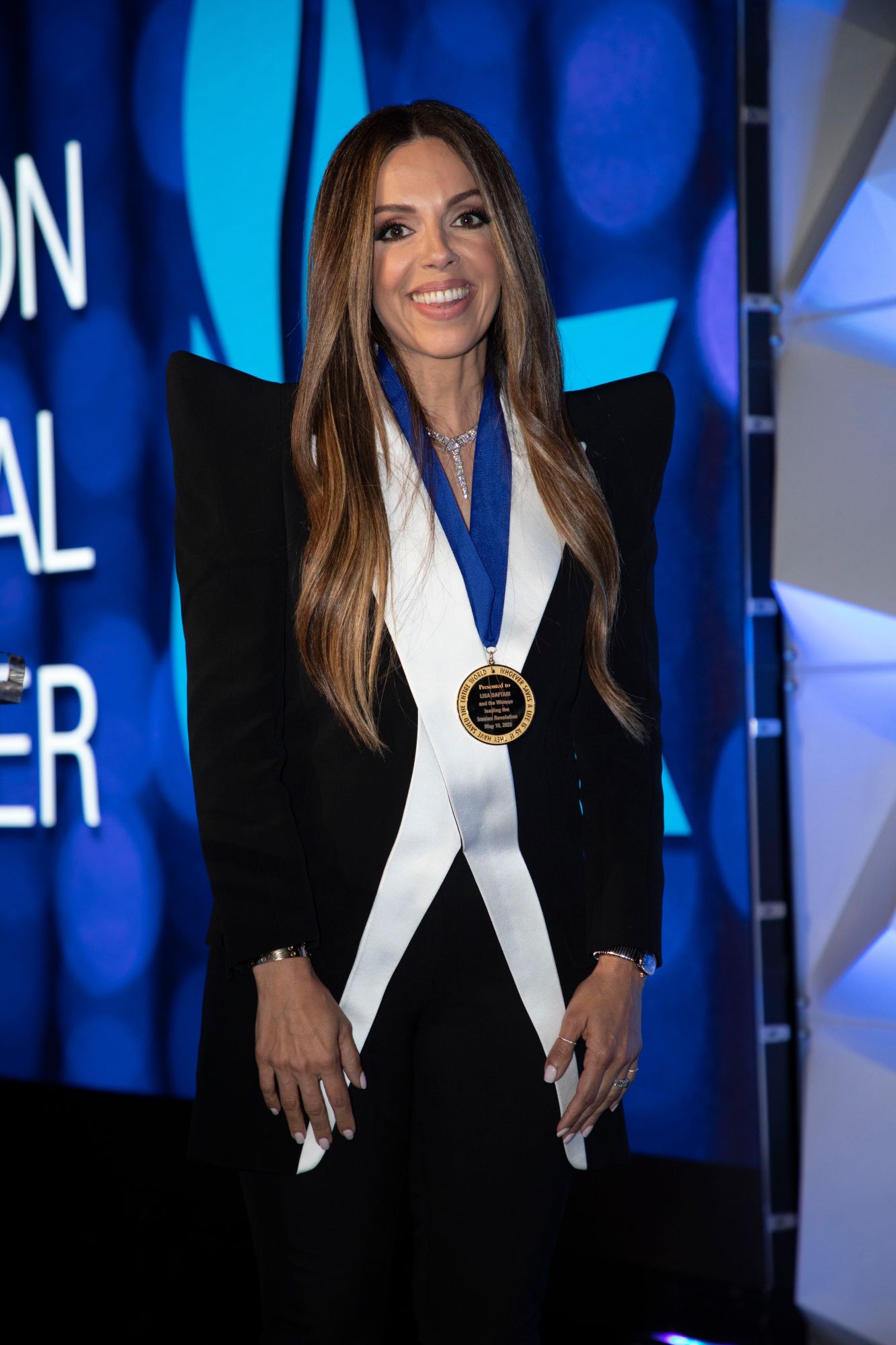
I’m proudest of the trust that dissidents, victims, and ordinary civilians have placed in me to tell their stories. From my early documentary on an Iranian underground movement that was screened in Congress to the ongoing coverage of protests and crackdowns in Iran, those stories are the heart of my work. This work also led to my prestigious awards such as the Carnegie-Knight Fellowship, the Medal of Valor Award from the Simon Weisenthal Center, the Champion of Freedom Award from the Jewish Journal and others.
I’m also very proud of building The Foreign Desk from the ground up into a respected source of foreign affairs news and analysis, with a newsletter that reaches hundreds of thousands of readers each month. It matters to me that people who never thought they “understood foreign policy” now feel informed and empowered because the coverage is clear, substantive, and human.
Fun fact- I did a Ted Talk on ‘Fake News’ in 2019!
What sets me apart
A few things set me apart:
* Lived perspective: I’m a first‑generation Iranian American so questions about authoritarianism, antisemitism, and Middle Eastern politics are not abstract to me—they’re woven into my family’s story. That background, combined with academic training in Middle Eastern studies and years in the field, gives me both emotional proximity and analytical distance.
* Independence and consistency: I built my own platform rather than relying solely on existing newsrooms, which means I can pursue under‑covered stories and maintain a consistent voice even as media cycles and trends shift. Viewers and readers know exactly where I stand: grounded in facts, focused on people, and unapologetically committed to calling out regimes and movements that abuse their power.
* Depth over drama: In an age dominated by hot takes and viral clips, I’m intentionally doing the opposite—long‑form conversations, detailed briefings, and careful sourcing. The goal is not just to react to the news, but to equip people with context so they can understand why it matters and what might come next.
What would you say have been one of the most important lessons you’ve learned?
Over the years, the work has taught me that the most important measures of success are impact, integrity, and endurance, not noise or speed. Each season of my career—student, producer, on‑air analyst, founder—has sharpened a few core lessons that guide how I live and work.
The lesson has been that ownership matters: ownership of your work, your voice, your platform, and your name. When you are not beholden to one institution, you can say “no” more often, protect your standards, and shift quickly when history demands it.
But consistently doing honest work—verifying sources, protecting confidences, refusing to bend facts for a headline—builds a quiet reservoir of trust that eventually becomes your greatest asset. That trust is why dissidents call, why policymakers listen, and why audiences stay with you through changing news cycles.
I have also learned that backlash is often a sign you are touching a nerve that needed to be touched. Being misquoted, attacked, or “canceled” for telling uncomfortable truths is painful, but it clarified who I am doing this work for—and who I am not.
Finally, working on Iran, terrorism, and human rights has taught me to be both realistic and hopeful at the same time. Speaking regularly with young, educated, tech‑savvy Iranians and others on the front lines of change has shown me how powerful an awakened, connected population can be.
Hope, in this context, is not naïveté; it is a discipline. The lesson is to study the threats, prepare for the worst, but keep speaking, writing, and building as if a better future is possible—because people living under oppression are counting on us to do exactly that.
Contact Info:
- Website: lisadaftari.com and foreigndesknews.com
- Instagram: @LisaDaftari
- Facebook: https://www.facebook.com/lisa.daftari
- Linkedin: https://www.linkedin.com/in/lisadaftari/
- Twitter: https://x.com/LisaDaftari
- Youtube: https://www.youtube.com/@LisaDaftari
Popular
-

Portraits of the Valley
-

LA’s Most Inspiring Stories
-
JordanL on ‘Breathe,’ Belief, and Building a Movement Beyond the Music
-
Megan Birney Rudert on How Access to Light Is Powering a More Sustainable and Equitable Future
-

Linda Kneidinger on Building Lasting Change Through Small Steps and Self-Compassion
-

Jolana Nika on Redefining Modern Connection Through Intentional, Real-Life Experiences


