



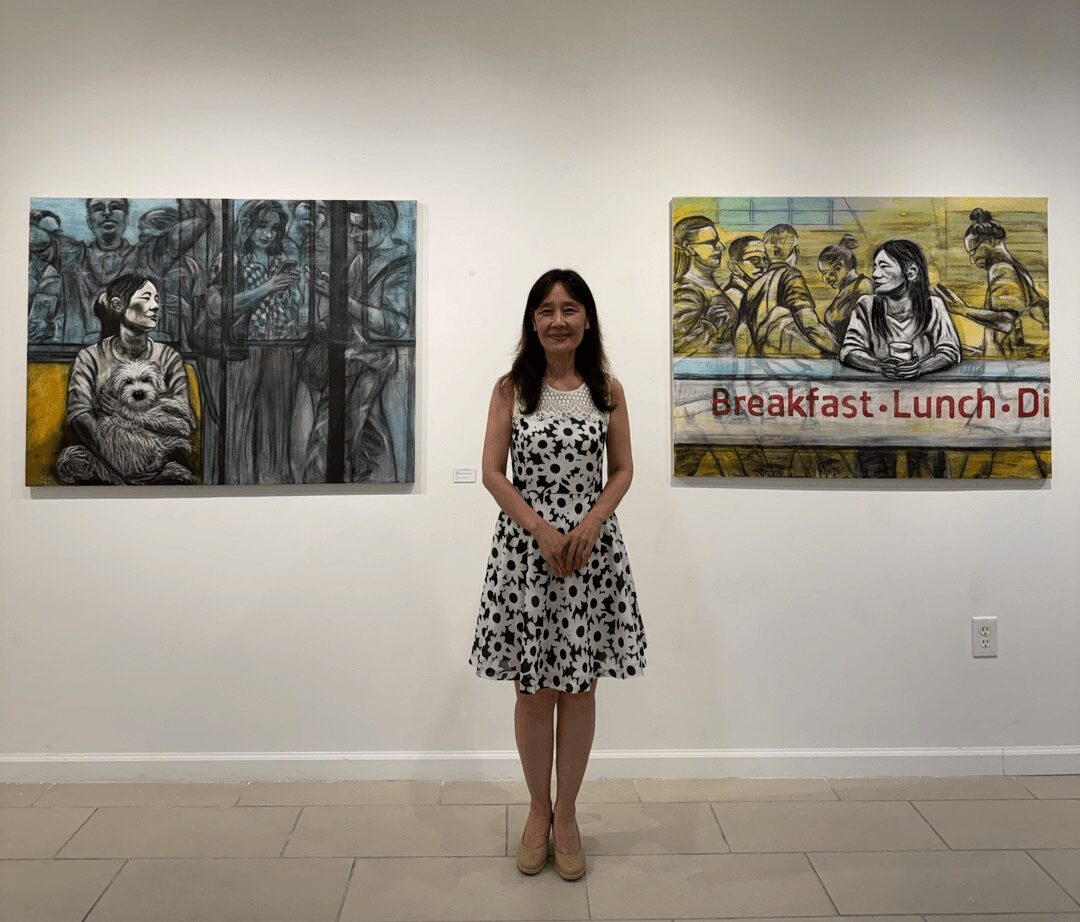
Today we’d like to introduce you to Kun Kyung Sok.
Hi Kun Kyung, it’s an honor to have you on the platform. Thanks for taking the time to share your story with us – to start maybe you can share some of your backstory with our readers?
My journey has been far from conventional, but it has been consistently guided by a single belief: that it is possible to build a world where human suffering can be transcended and happiness pursued—not only through systems and structures, but through the profound language of art.
I began my academic career studying Political Science, driven by a deep desire to contribute to a society where everyone could live harmoniously and with dignity. Later, I specialized in African Studies in the United Kingdom, which led me to spend several years working in community development across Africa, particularly in Kenya and Cameroon. During those years, I worked closely with local communities, striving to create sustainable and inclusive pathways toward better lives.
Yet, over time, I realized that while policy and development work can transform societies, there are also intangible dimensions of human experience that require a different kind of attention—something beyond measurable outcomes or institutional change. It was through this realization that I turned to art.
Believing that creativity could offer a powerful means to heal, connect, and envision new futures, I made the courageous decision to radically shift my path. I moved to New York, enrolled at the School of Visual Arts, and immersed myself fully in a new language—one made not of politics, but of colors, textures, gestures, and collaborations. I completed both my BFA and MFA in Fine Arts, and since then, have continued my work as a full-time artist.
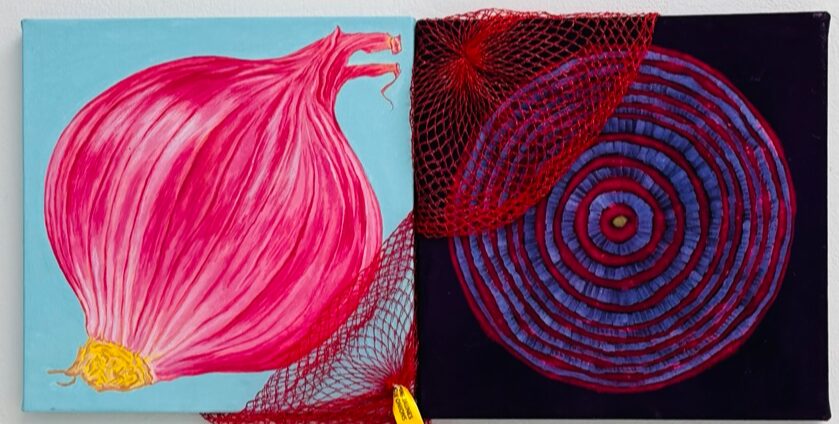
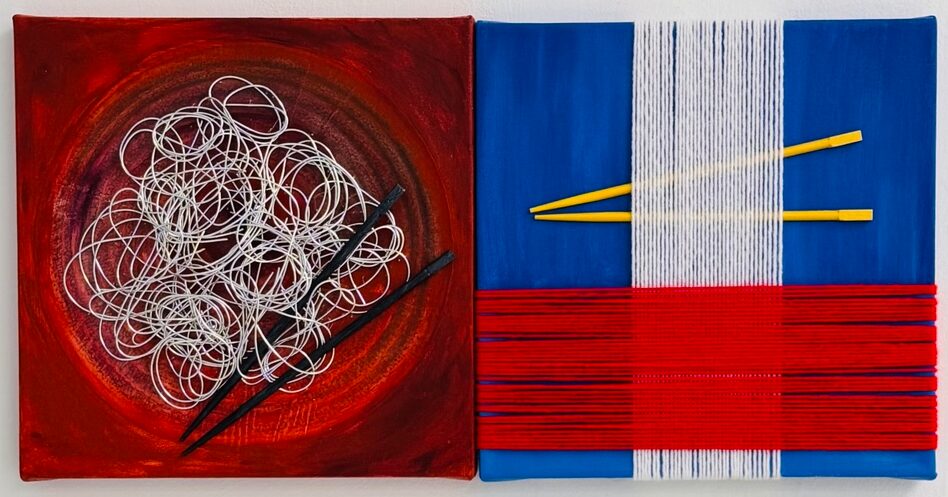
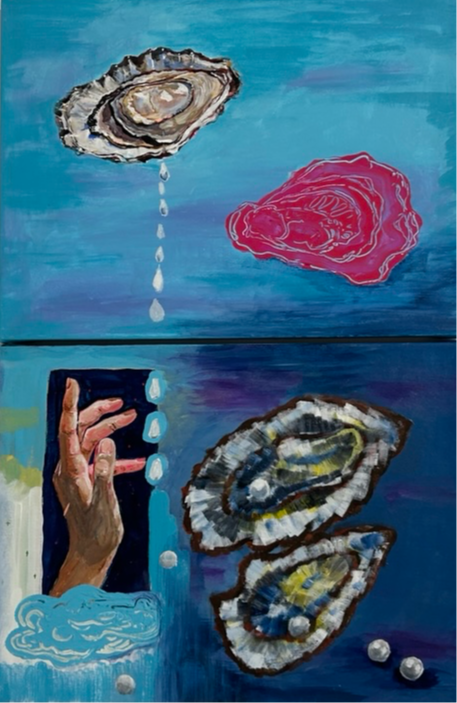
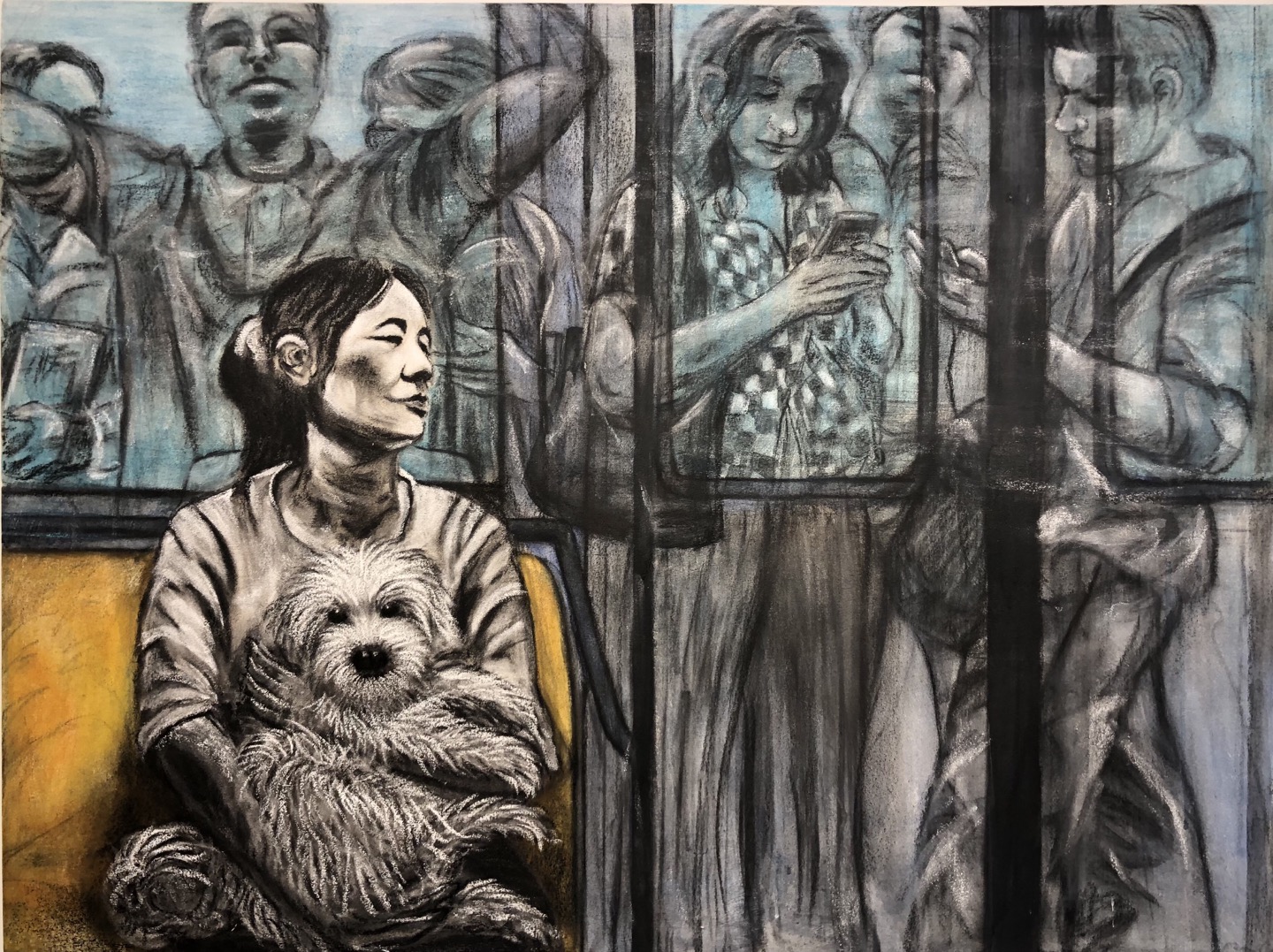
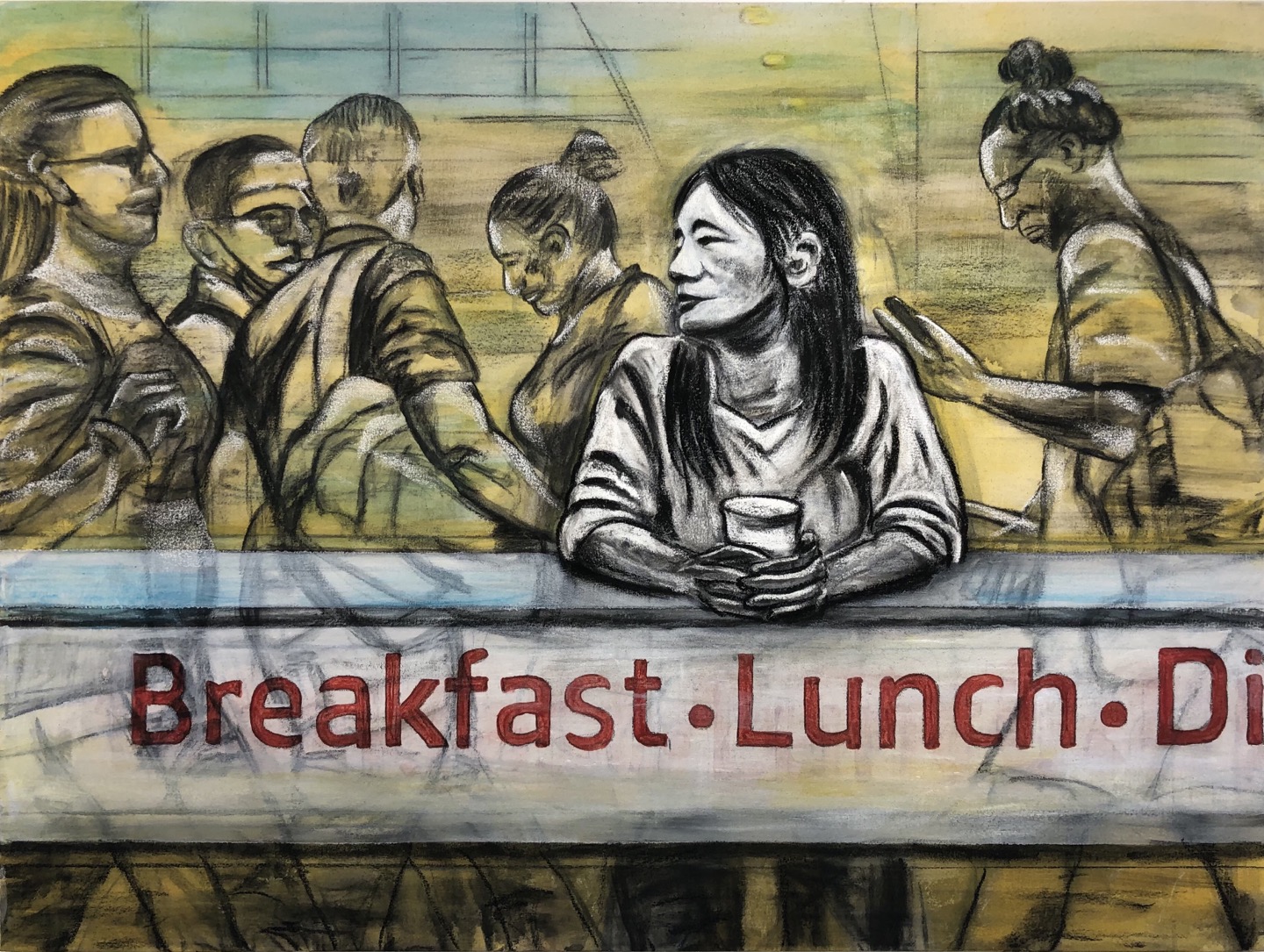
Today, my artistic practice weaves together the themes of belonging, place, and loss—deeply informed by my experiences living across continents and cultures. I draw from Korean traditions, global histories, and contemporary realities, often combining traditional materials with experimental forms. I am continually seeking ways to open new fields of possibility, whether through participatory painting projects that invite communal creation or through performances that reimagine ancient rituals for today’s world.
Throughout my journey, what has remained constant is a spirit of courage and curiosity. I have never hesitated to venture into unknown territories—whether geographical, intellectual, or artistic—and I am committed to exploring how art can serve as both a mirror and a bridge for the human experience.
In many ways, the dream that first inspired me still endures: to contribute, in whatever way I can, to a world where people live more fully, more joyfully, and more deeply connected to one another. Art, for me, is not merely a form of self-expression; it is a living, evolving force for healing and hope.
Can you talk to us a bit about the challenges and lessons you’ve learned along the way. Looking back would you say it’s been easy or smooth in retrospect?
The road has been anything but smooth, yet it is precisely those challenges that have shaped who I am as an artist and a human being.
Transitioning from a career in international development to the world of contemporary art was not simply a change of profession; it was a profound reinvention of identity. When I arrived in New York to study art, I found myself starting over in an unfamiliar landscape, surrounded by different languages, cultures, and expectations. Every step required me to confront doubt, both from others and from within myself.
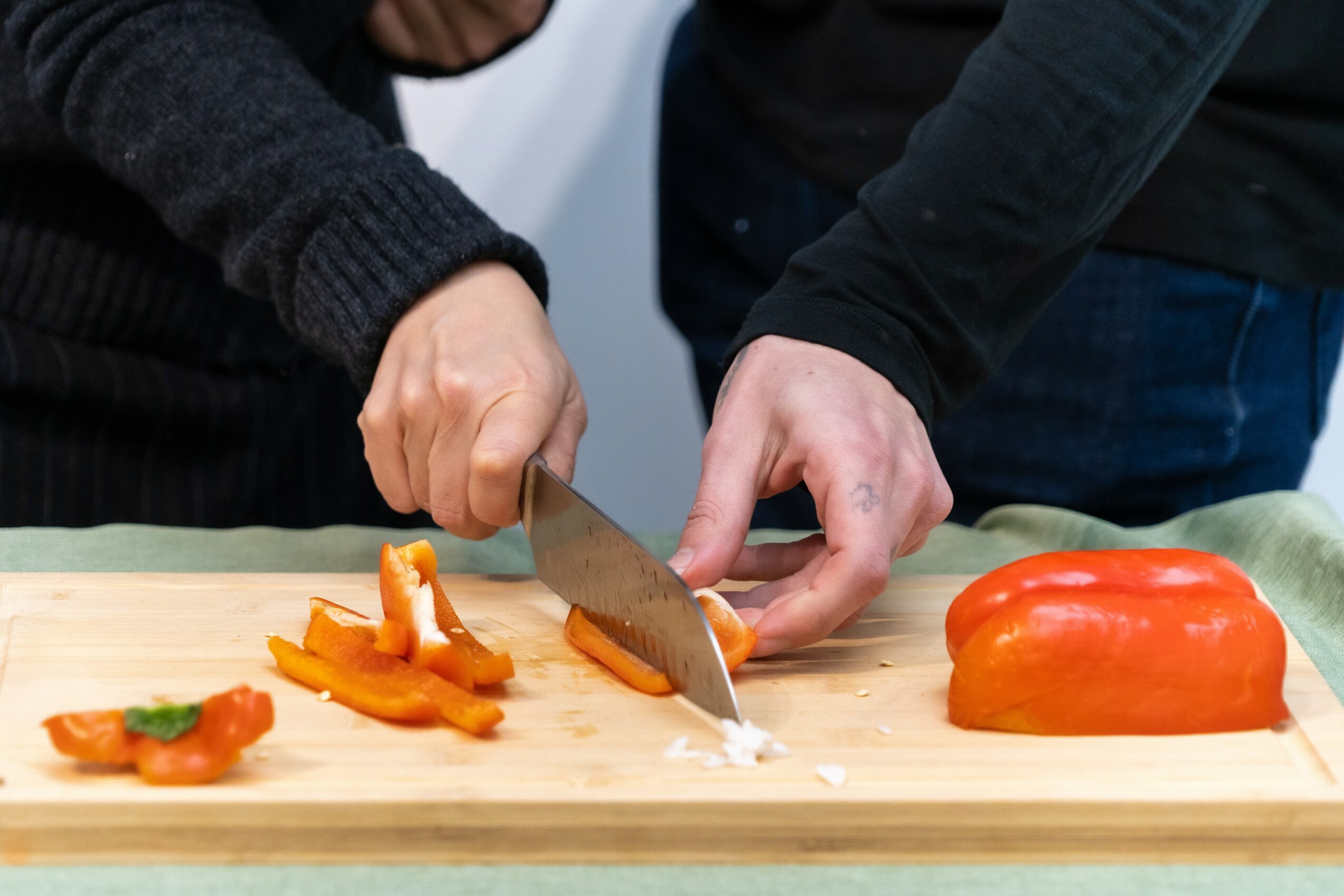
One of the most difficult periods came during my time in graduate school, when I suffered a serious injury to my left arm. At one point, it seemed as though I might have to abandon my studies altogether. Yet ironically, that moment of physical limitation became a catalyst for new creative exploration. I developed a series of collaborative works that involved using my right hand together with another person’s left hand, transforming personal vulnerability into a metaphor for connection, support, and resilience. That experience became the foundation for major projects like My Right Hand & Your Left Hand and the ongoing Paint-Pal series.
Beyond physical challenges, there have also been emotional trials—particularly the loss of my father in 2024, and the responsibility of caring for my mother during a time of great personal grief. Balancing my artistic practice with familial duties taught me a deeper patience and expanded my understanding of what it means to nurture both art and life at once.
Each of these struggles, though difficult, ultimately reinforced my belief that the artist’s path is not about ease or perfection. It is about the courage to continue moving forward, to transform pain into creation, and to hold onto wonder even in the midst of uncertainty.
Looking back, I would not trade the hardships for an easier journey. They have given my work its emotional depth and taught me that art, at its heart, is an act of resilience and hope.
My work centers on the exploration of belonging, connection, and resilience—rooted deeply in both personal experience and collective memory.
Unlike many artists who have been trained in art since an early age, I came to art after a long journey through other worlds: political science, African development studies, and years of working directly with communities in Kenya and Cameroon. I consider this diverse background to be one of my greatest assets. It taught me to see art not merely as self-expression, but as a form of dialogue, empathy, and social practice.
Thanks – so what else should our readers know about your work and what you’re currently focused on?
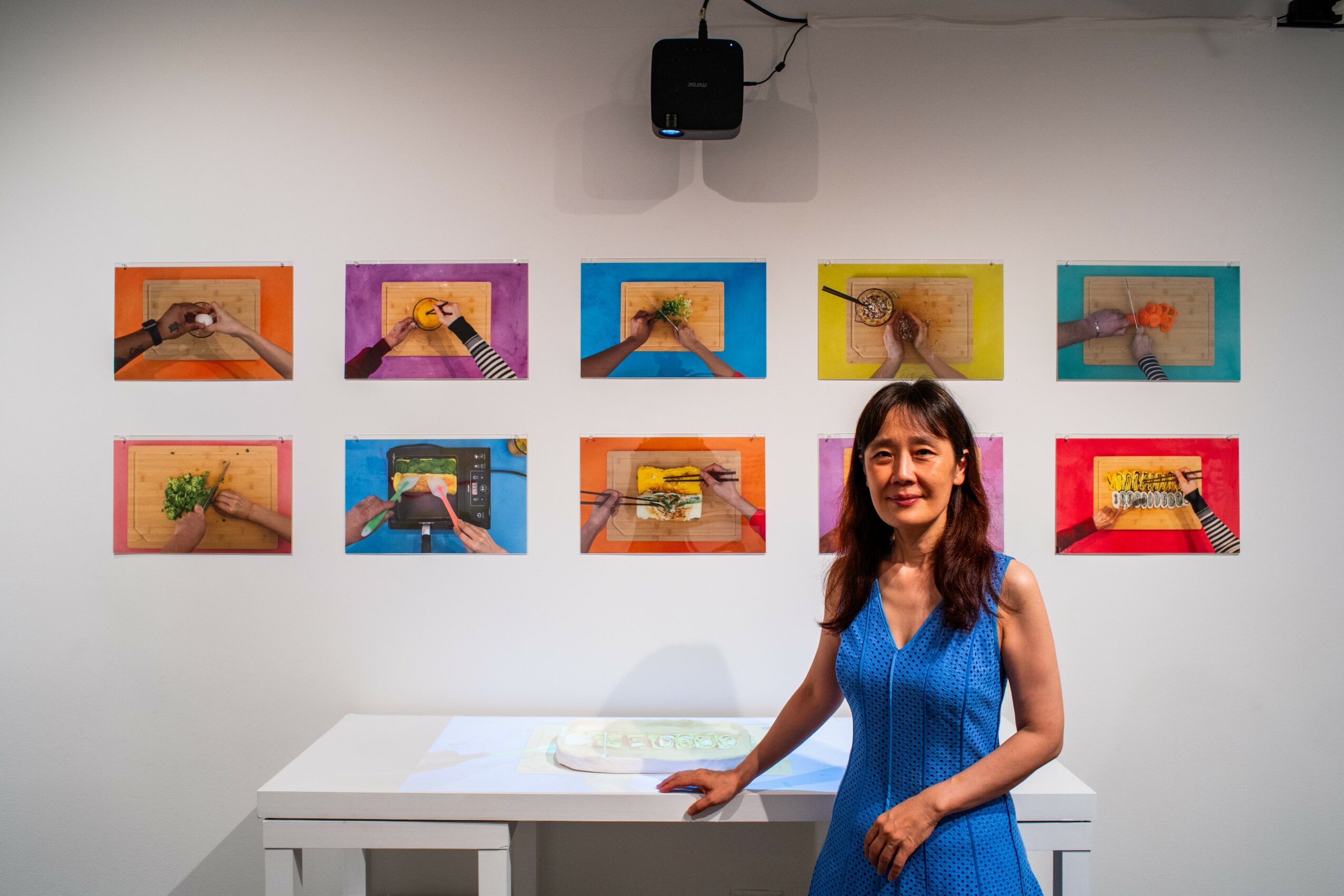
In my artistic practice, collaboration and relationship-building are fundamental. Whether through participatory painting projects like Paint-Pal, where unfinished canvases are exchanged and completed by two different hands across distance, or through performances that reinterpret traditional Korean rituals in a contemporary context, I am continually exploring ways to weave individual experiences into a larger, communal fabric. My recent works often invite the audience to become co-creators, blurring the line between artist and participant, and emphasizing the importance of shared authorship.
I specialize in mixed-media installations, painting, performance, and fabric-based works, often drawing from traditional Korean techniques while integrating global influences gathered from my life across different continents. I am particularly known for reimagining ancient cultural practices to address present-day issues of loss, migration, healing, and renewal.
What I am most proud of is not just the finished works themselves, but the spaces for connection and dialogue that my projects create. I believe that art is at its most powerful when it brings people together—across barriers of language, culture, and experience—and when it allows us to see one another, and ourselves, more clearly.
What sets me apart is the way my work is deeply intertwined with a life philosophy rooted in the idea of “living well together.” I see every project not only as an aesthetic endeavor but also as an act of community-building, an invitation to empathy, and a quiet resistance against isolation and despair.
Ultimately, my work aspires to be a bridge—between people, between traditions, and between the past and the future.
Alright so before we go can you talk to us a bit about how people can work with you, collaborate with you or support you?
Collaboration is at the very heart of my artistic practice, and I am always open to working with others across disciplines, cultures, and experiences.
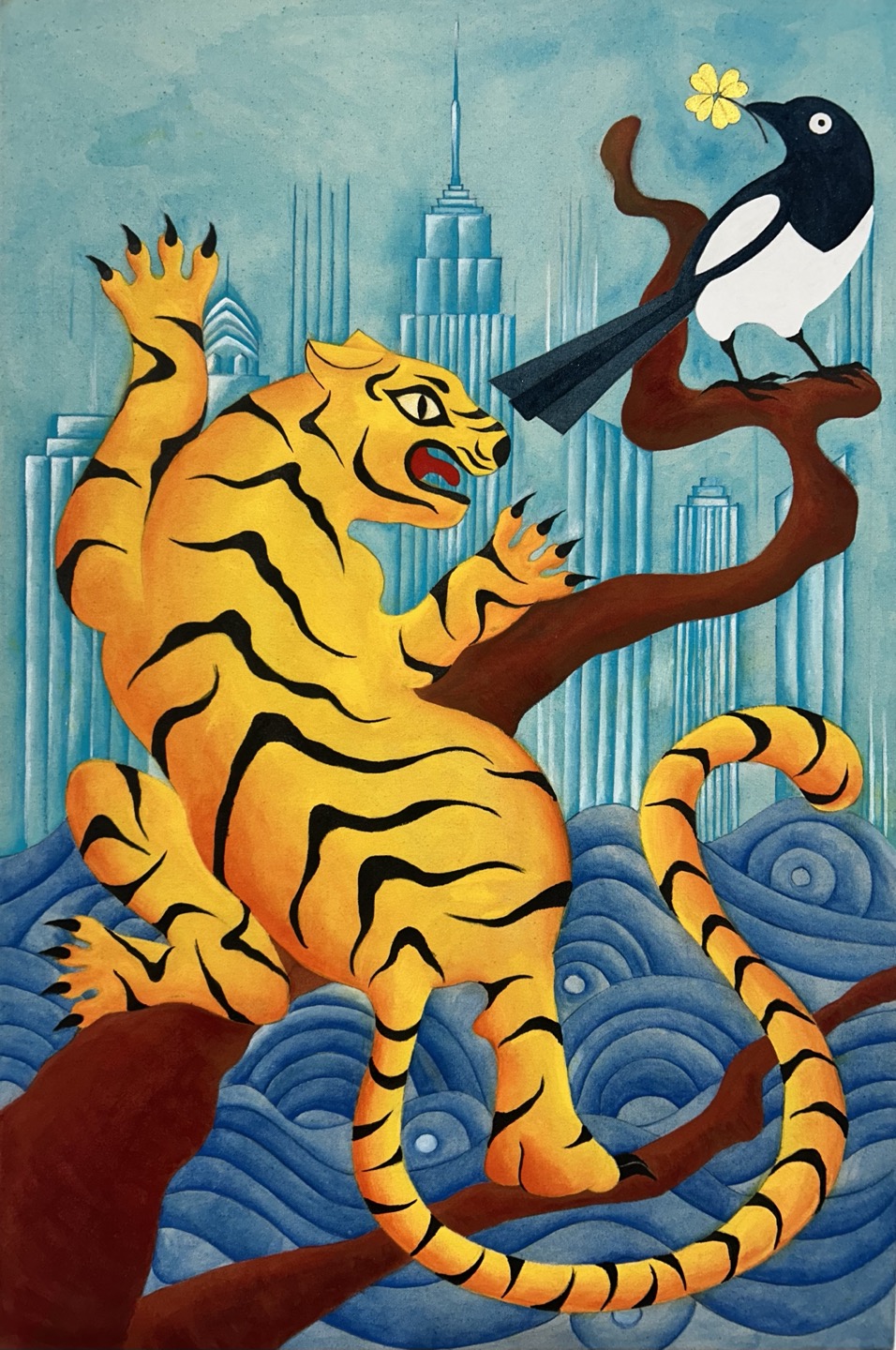
One of my ongoing projects, Paint-Pal, invites participants to engage in a creative dialogue through painting. Inspired by the spirit of pen-pals, two artists—often from different cities, countries, or backgrounds—each begin a painting based on a shared theme. They leave it intentionally unfinished and then exchange their canvases through the mail, allowing the other to complete it. It is a process rooted in trust, surprise, and the joy of creative conversation across distance. This project continues to grow, connecting artists, friends, and strangers around the world through a shared visual language.
In addition to Paint-Pal, I frequently design collaborative installations and performances where participants are invited to contribute their voices, stories, or gestures to the final work. I believe that art is richer and more transformative when it embraces multiple perspectives and lived experiences.
There are many ways to collaborate or support my work. Artists, creatives, and even those who do not traditionally see themselves as “artists” are welcome to participate in Paint-Pal exchanges or join upcoming interactive projects and performances. Institutions, galleries, and community organizations interested in fostering participatory art are also invited to collaborate on exhibitions, workshops, and public programs.
Ultimately, I view every collaboration as a living conversation—an opportunity not only to create something beautiful together, but also to build bridges between people, across cultures, and between the past and the future. If you believe in the power of connection, if you are curious about exploring new forms of creativity, or if you simply want to share a journey of making and meaning, I would be thrilled to work together.
Contact Info:
- Website: https://www.kunkyungsok.com
- Instagram: https://www.instagram.com/kunsokart/?hl=ko
Popular
-

Christina Wren Steps Into the Director’s Chair to Tell Stories That Feel Like Home
-

Portraits of the Valley
-

LA’s Most Inspiring Stories
-
JordanL on ‘Breathe,’ Belief, and Building a Movement Beyond the Music
-
Megan Birney Rudert on How Access to Light Is Powering a More Sustainable and Equitable Future
-
Linda Kneidinger on Building Lasting Change Through Small Steps and Self-Compassion


