




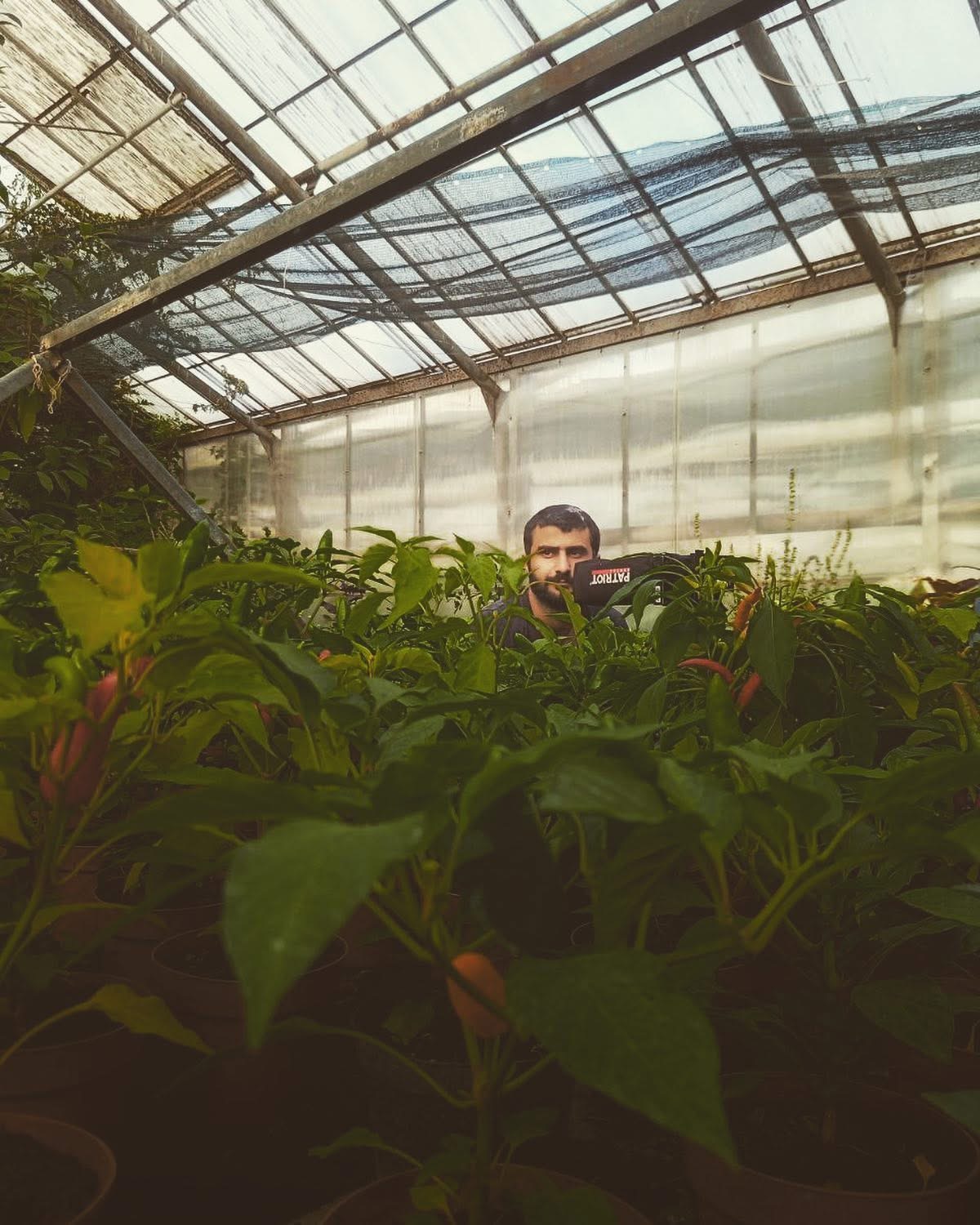
Today we’d like to introduce you to Khachatur Vasilian.
Hi Khachatur, we’d love for you to start by introducing yourself.
I was born in Armenia and grew up in Mariupol, Ukraine. For as long as I can remember, I’ve been obsessed with cinema. I come from a large family, and we didn’t have the money to go to the movies, so I would buy the only local film magazine and read it from cover to cover. That magazine became my first film school long before I ever held a camera.
After graduating high school, I had no idea where to study. In Ukraine, there was essentially only one serious film school in Kyiv, but Kyiv felt too expensive and unreachable at the time. So I decided to apply to an academy in Kharkiv. Ironically, Kharkiv wasn’t a filmmaking city at all, no one was shooting films there, at least not that I knew of. But the academy had just opened a directing department, and that gave me a chance.
During my studies, I found my first like-minded collaborators, and we began making our own films simply because we couldn’t imagine living any other way. Soon came the festivals, the first trips, the first wins, and with them, confidence. Every small project pushed me forward.
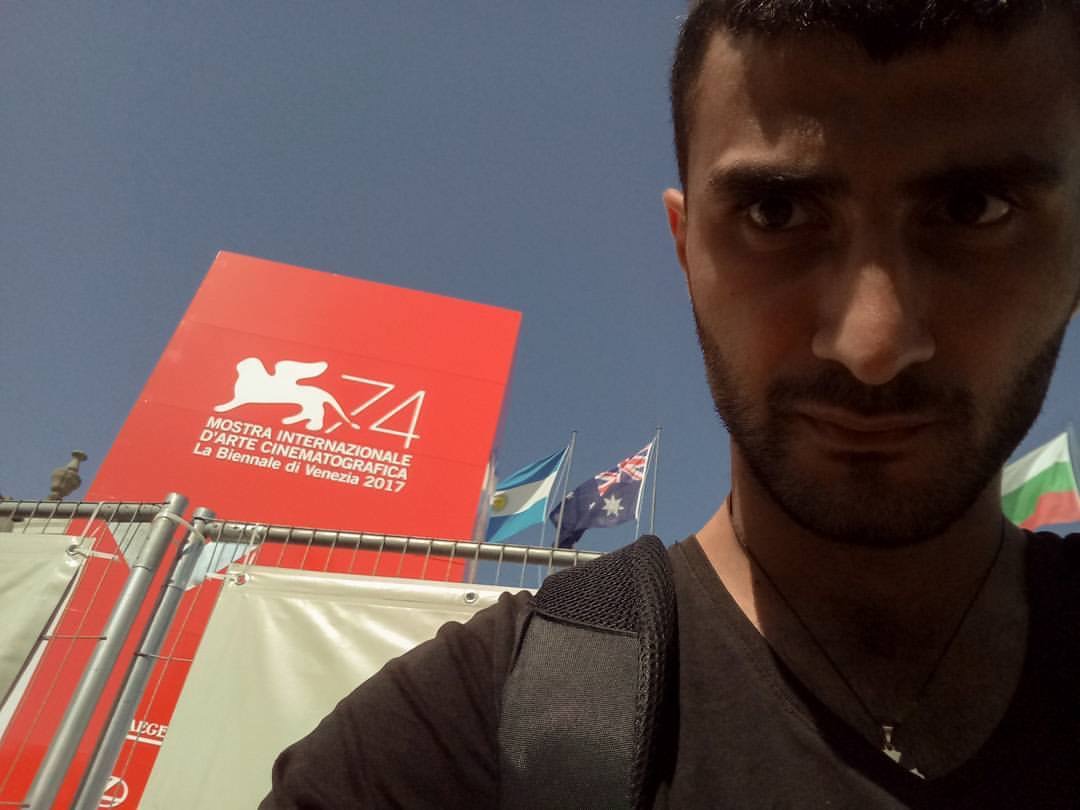
After graduating, I moved to Kyiv and spent a long time trying to break into the industry. It took years, until one Kyiv film festival changed everything: I won, and the prize was a trip to the Venice Biennale, along with two job offers at a TV channel. That was 2018, the year my professional career truly began, when I started directing TV series.
Later, I met the producer of My Young Prince. We wrote the script together and won the Ukrainian State Film Agency competition. That project opened doors, expanded my world, and proved that original storytelling can shake society. Around the same time, I met Iryna Romaniv, we made the short film Human together, and recently we created our own production company and shot our first short film under its banner.
When the war began, my life changed in a single day. My mother and brother were in Mariupol when everything started, and there were moments when I believed I had lost them forever. You know what happened to that city.
Today I live and work in Los Angeles. I’m finishing new films as a director and as a co-producer.
The journey from a boy reading film magazines in Mariupol to making films in Hollywood has been long, exhausting, and always at the edge of possibility. But this is only the beginning. My goal remains the same: to create powerful, original cinema and to raise the bar every time.
I’m sure it wasn’t obstacle-free, but would you say the journey has been fairly smooth so far?
Not at all. The road has been anything but smooth. My path has always been marked by constant rejection and a lack of financial resources. In Ukraine, the film market is very small, and real funding for cinema can only be obtained from the government. But that process is long and unpredictable.
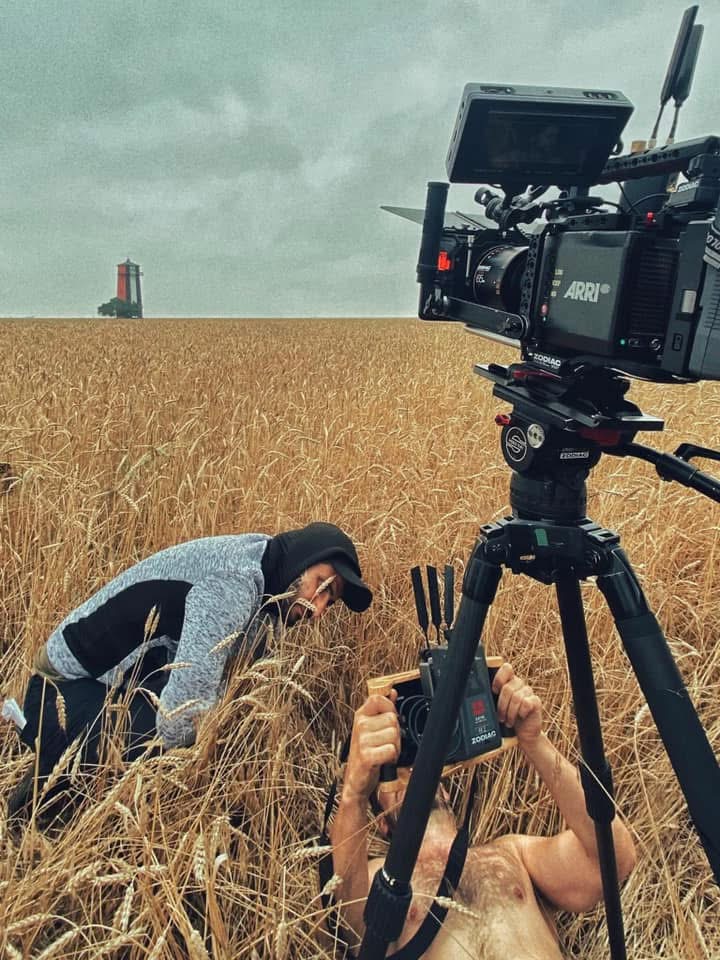
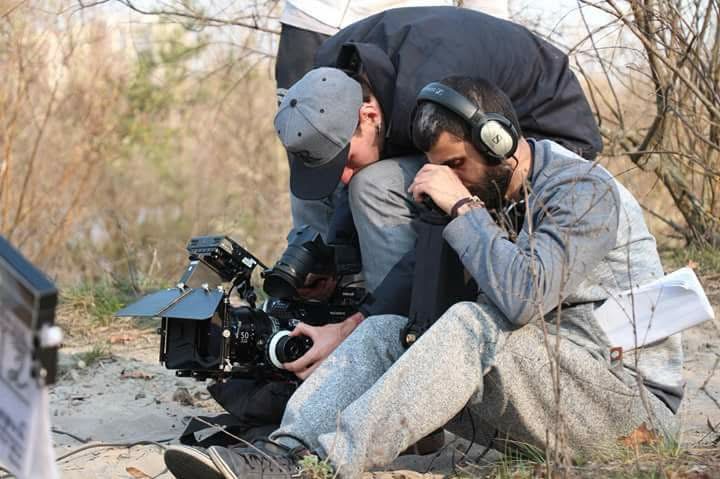
I was never the type to wait for permission to create, so I gathered friends, negotiated for equipment, and shot my films with whatever we had. Sometimes there was no budget at all, and we simply had to figure things out. What really helped was that I also wrote my own scripts. I can literally write a story to fit any conditions.
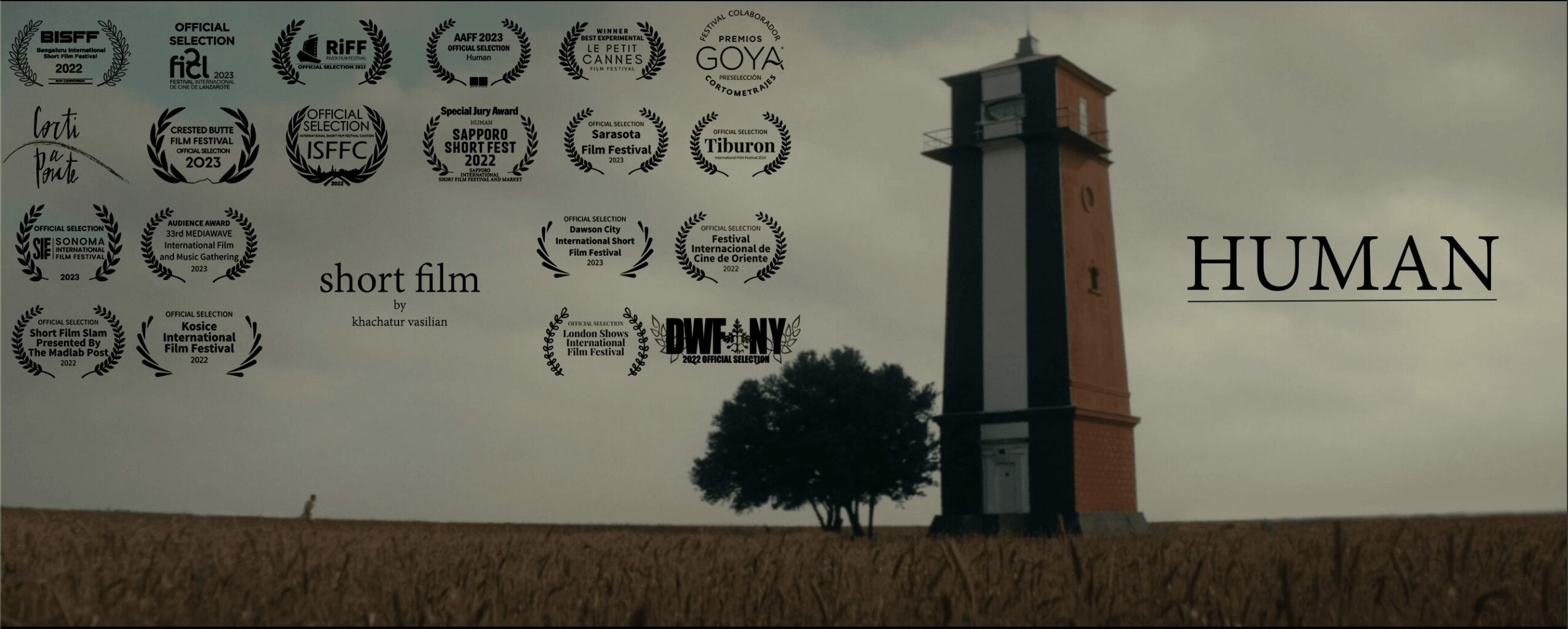
For example, my film Human was born from a photograph shown to me by a cinematographer friend. He asked if I could write something around that location. I wrote the first draft. Later, during prep, we learned we had no access to the interior and could only shoot outside. So I rewrote the script and adapted the story to the circumstances.
That scripting skill, I believe, is one of the most important in the film industry.
These years taught me a lot: how to work under pressure, how to improvise, how to shoot when you’re pushed against the wall. And that made every little victory feel earned. In a way, the struggle became part of my artistic identity, I learned how to create opportunities instead of waiting for them.
Thanks – so what else should our readers know about your work and what you’re currently focused on?
My favorite part of the filmmaking process is the writing stage. I love building worlds. What defines me most is the way I generate ideas: I see stories everywhere. Show me an object, a location, a photograph, and I will build a whole universe around it. Thinking in narrative form has always felt natural to me.
I write quickly and I love creating structure from scratch, whether it’s a historical horror trilogy (Regime), a sci-fi thriller (Mimicrants), a satirical nuclear horror (Let There Be Boom), or a social drama (Things). If an idea grips me and feels relevant, I’ll take it on.
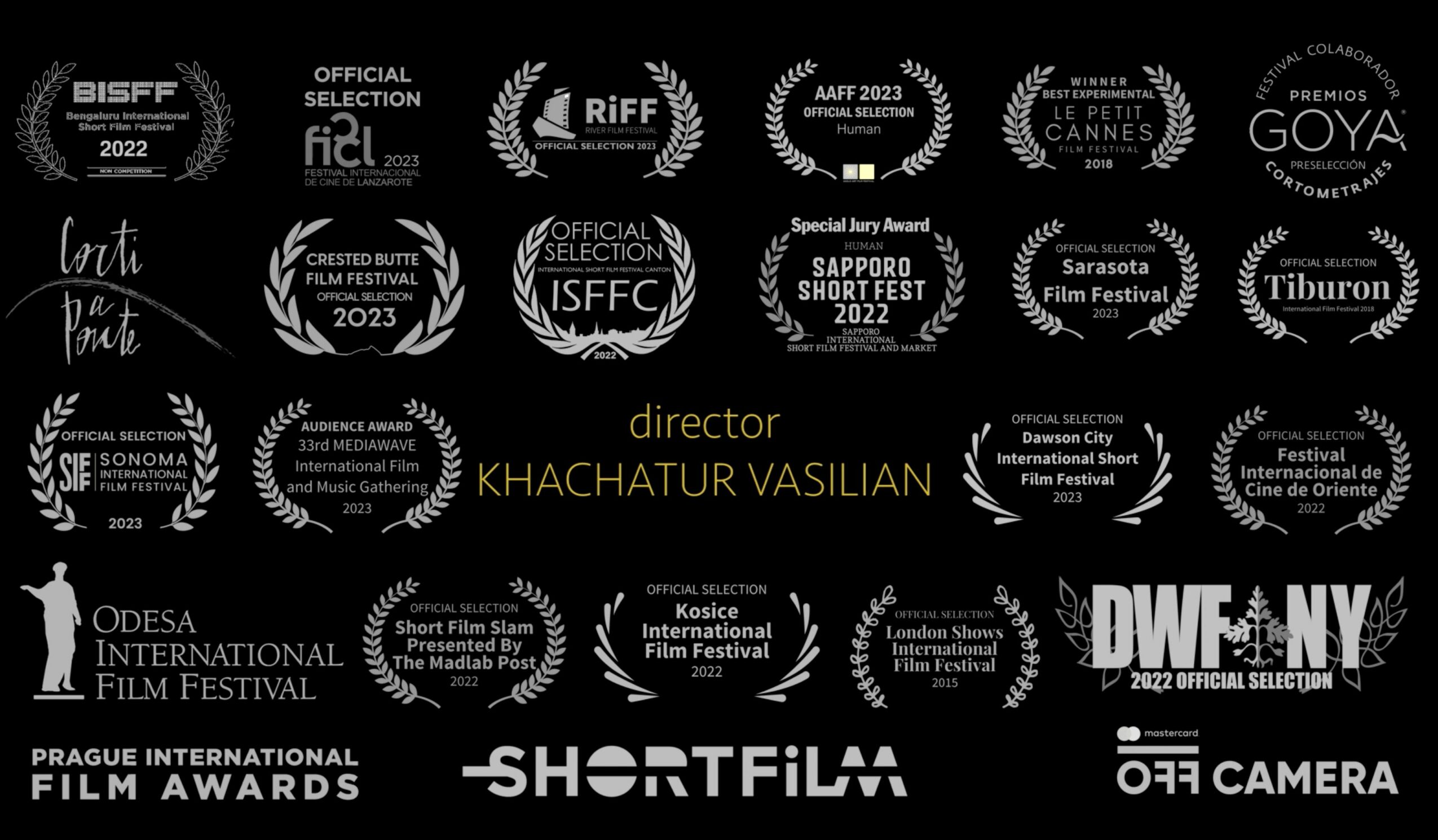
I think what sets me apart is originality and flexibility. I can write a story under any conditions, a location, a limitation, a budget. For example, my film Human, which went on to screen at more than 25 festivals worldwide, including Oscar and Goya qualifiers, was born from a single photograph shown to me by a cinematographer friend. The ability to adapt and still preserve artistic originality is a skill I value deeply.
I’m also proud of the scale of my projects. My feature film My Young Prince won $1M in state financing and became one of the most discussed Ukrainian film projects in recent years, not only because of controversy, but because of its ambition and artistic courage. And my sci-fi mini-series project Strings won the prestigious Netflix/House of Europe development grant, through which I wrote all eight episodes.
Right now, I’m finishing a historical horror film, Regime – a dark piece in the spirit of Orwell and early Guillermo del Toro, serving as a proof-of-concept for a feature trilogy. I’m also attached as director to a historical film about the Bosnian War and the Siege of Sarajevo (1992–1996), based on the true story of cellist Vedran Smailović. This project carries deep personal meaning for me after what happened to my hometown, Mariupol.
Above all, I’m proud of consistency: almost every project I worked on became an event – artistically, culturally, or professionally. And I never stepped away from the path I chose: creating original cinema.
What sets me apart? I’m not sure. I just love what I do.
Any big plans?
The next year is going to be very intense and exciting. I have two films entering their festival run at the same time: one that I directed and one that I produced together with my colleague, co-writer and producer Iryna Romaniv. We recently launched our own production company — NomadFrame — and this is our very first film under its banner. One of our main focuses for the coming year is the development of our production company. We are concentrating on storytelling and screenwriting, and we aim to attract more clients. We also have two feature films in development, and I’m finishing several scripts that are extremely important to me both artistically and personally. I’m also writing a feature screenplay on commission, and next year I plan to dedicate around 50% of my time to commissioned scripts and project work. The rest will go toward developing and packaging my own original films. Big changes are ahead, but all of them are in service of the same goal: to make original, powerful cinema.
Contact Info:
- Instagram: https://www.instagram.com/khacholis
- Other: https://www.instagram.com/nomadframe_production
Popular
-

JordanL on ‘Breathe,’ Belief, and Building a Movement Beyond the Music
-

Megan Birney Rudert on How Access to Light Is Powering a More Sustainable and Equitable Future
-

Linda Kneidinger on Building Lasting Change Through Small Steps and Self-Compassion
-

Jolana Nika on Redefining Modern Connection Through Intentional, Real-Life Experiences
-
What did suffering teach you that success never could?
-
Who saw you clearly before you could see yourself?


