




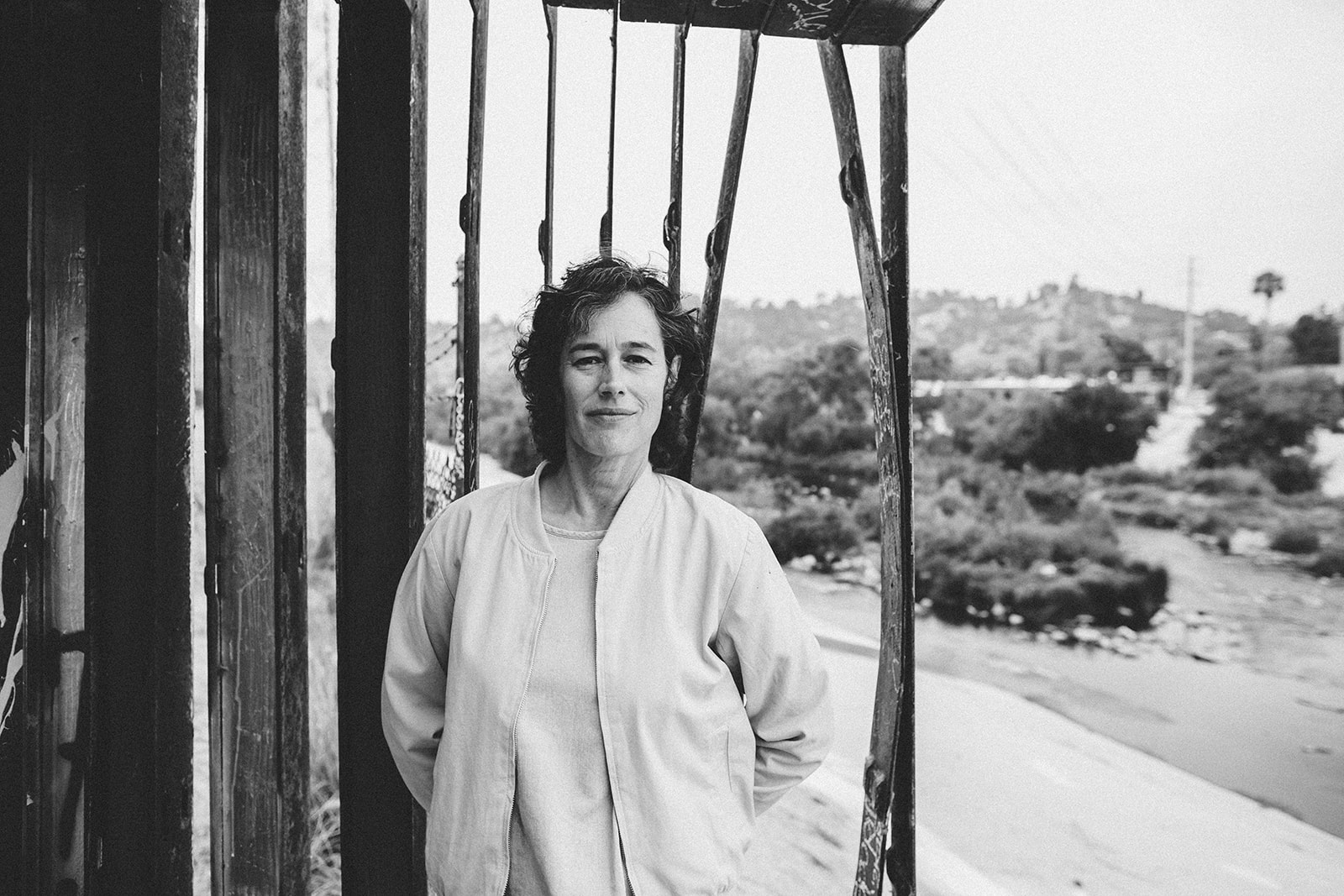
Today we’d like to introduce you to Julia Meltzer.
Hi Julia, so excited to have you with us today. What can you tell us about your story?
I founded Clockshop in 2004 and chose the name to honor the history of the business our family built in Los Angeles.
My great-grandfather came to Los Angeles via Eastern Europe in 1898 to escape persecution and pursue opportunity. The family business was watch-making and selling clocks. He brought this trade to Los Angeles by selling clocks door to door. Eventually, with the partnership of his cousins who also immigrated, they opened a store called the Eastern Clock Company, at 556 South Broadway in Downtown Los Angeles. This business became the Eastern Columbia Outfitting Company, which later found a home in the beautiful new turquoise art deco building at the corner of Broadway and Ninth. Designed and built by Claud Beelman with my grandfather Julian, the store was built in nine months and opened in 1930. It is now a treasured landmark in Downtown LA.
I looked to my past to guide the vision and mission of the organization and to bring beauty and purpose to the city I was born in. As a Los Angeles-based arts and culture nonprofit, Clockshop produces free public programming and commissions contemporary artist projects on public land to better connect Angelenos to the land we live on. Clockshop works with artists to deepen the connection between communities and public land, in order to build a shared vision of a future based in belonging and care. Over Clockshop’s 21 years, I have come to see deeper significance in our chosen name; Clockshop takes time; we invest in going slowly, building relationships, and going deep with people and place.
Would you say it’s been a smooth road, and if not what are some of the biggest challenges you’ve faced along the way?
While things have not always been smooth or easy in founding an organization, I am lucky to have a supportive family who always has my back. The biggest challenge has been figuring out how to run a business and support culture workers within a society that does not deeply care about art. There is no road map for how to make a nonprofit successful. You need to believe deeply, find board members who believe in your mission and then forge that vision out of nothing. That’s a struggle, but if the vision is strong it is doable.
Can you tell our readers more about what you do and what you think sets you apart from others?
I’m proud of the team we have built at Clockshop, most especially our core values:
Trust Art
We believe that art provokes new ways of thinking and nurtures possibility.
Root in Place
We believe that cultural programs connect people to the places where they live and engender welcome, belonging, and care.
Reimagine Expertise
We believe that we learn best through non-hierarchical dialogue that honors the expertise of lived experience.
Take Time
We believe that meaningful change takes time, and is actualized through long-term commitments and partnerships.
Protect Public Land
We believe that bringing people together on public land inspires stewardship, democracy, and interconnection.
Envision Liberation
We believe that dismantling injustice, inequality, and racism demands a radical commitment to structural change.
Support Climate Resilience
We believe that connecting people in natural environments on public land through artistic and cultural events can provide a pathway for communities to directly address the growing impacts of climate change.
Do you have any advice for those just starting out?
Advice: talk to many people whom you respect who have done something similar to what you are trying to do. Take them out to lunch, get their advice, ask them what they wished they would have known when they were just starting out.
Contact Info:
- Website: https://www.clockshop.org
- Instagram: @clockshopla
- LinkedIn: https://www.linkedin.com/in/julia-meltzer-3b04891b0/
- Youtube: https://www.youtube.com/@ClockshopinLA
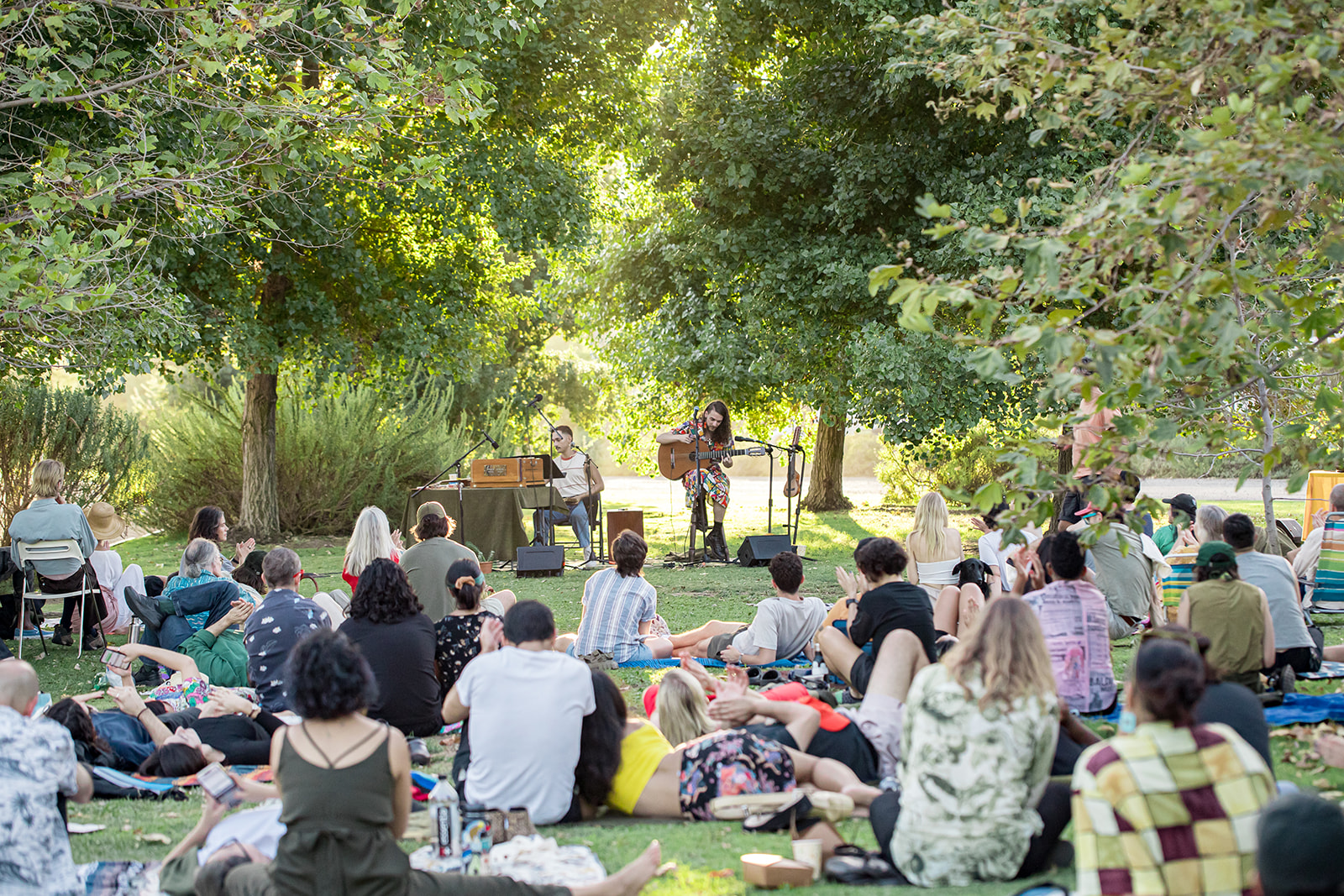



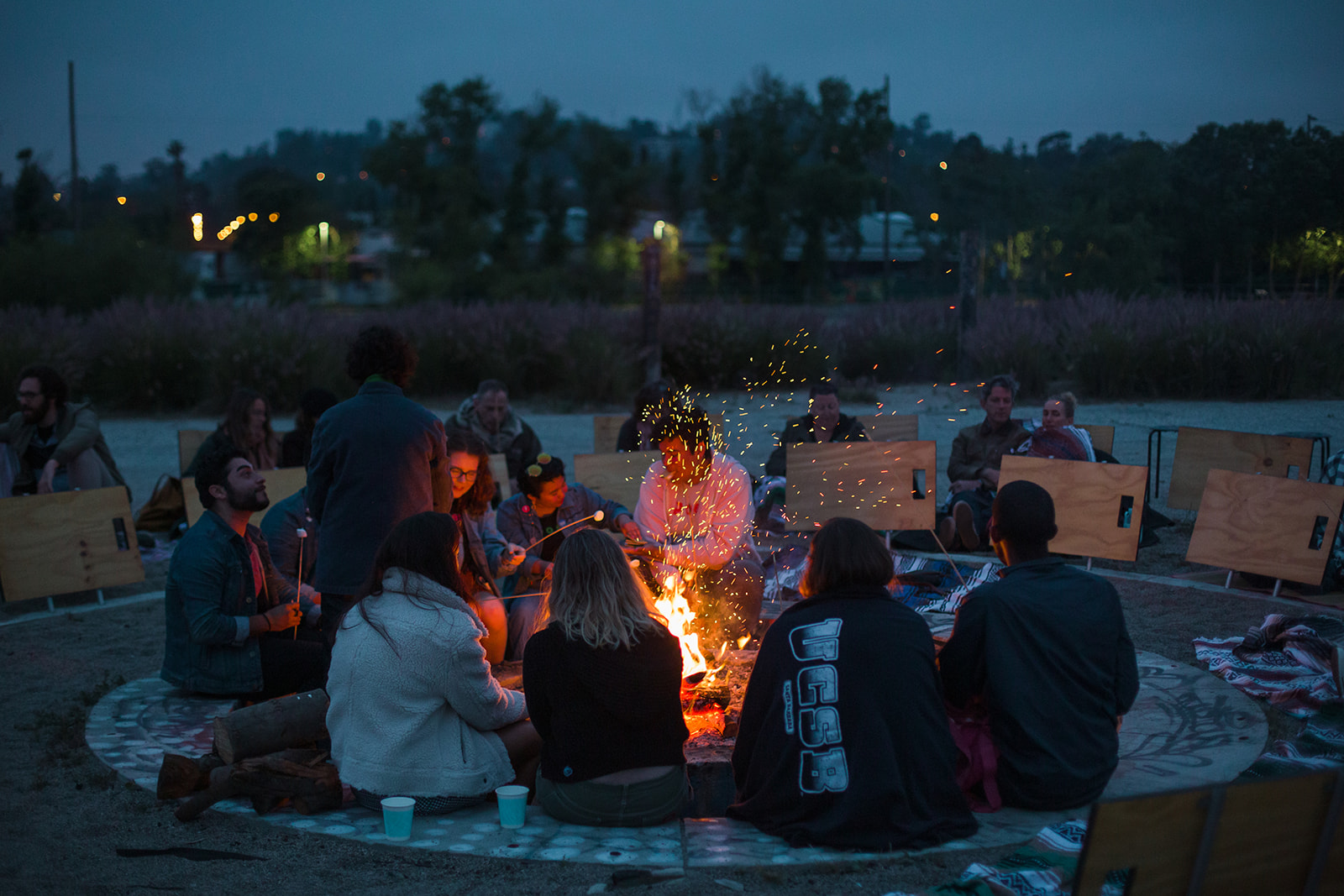


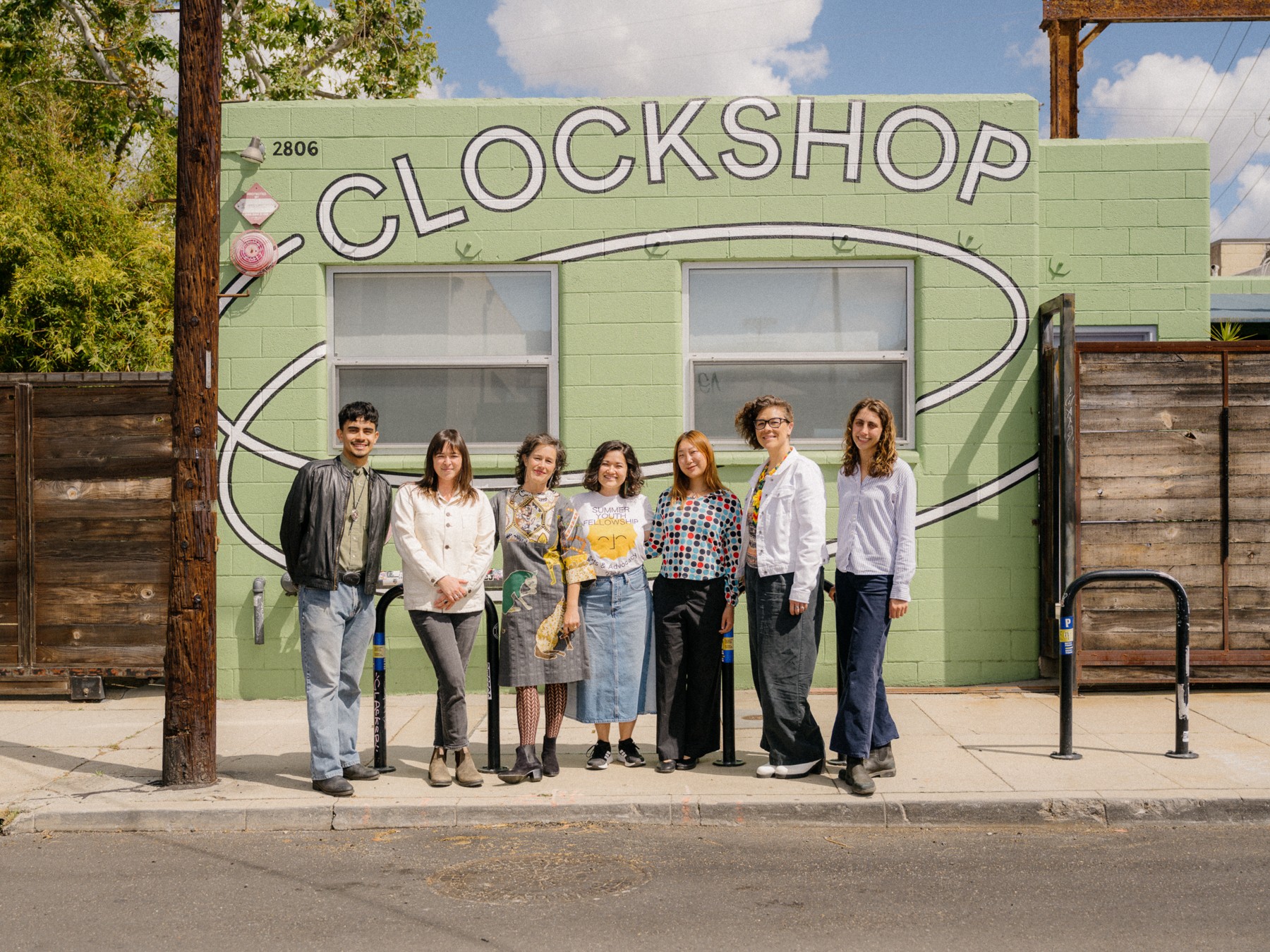
Image Credits
photographs by Gina Clyne for Clockshop
Popular
-

Matthew Hill on Turning Holiday Rituals into Haunting, Habit-Forming Storytelling with Long Winter Nights
-

Linda Villines on Releasing Stored Struggle and Reclaiming Ease Through the Body
-

Candice Swanson on Honoring the Sacred Early Days of Motherhood Through Intentional Photography
-

Michael Johnson on Telling Untold Stories of Identity and Leadership Through SQUAD
-

Owning the Narrative: Drew Dusterhoff Steps Into Power with Lincoln Must Die
-

Portraits of the Valley


