




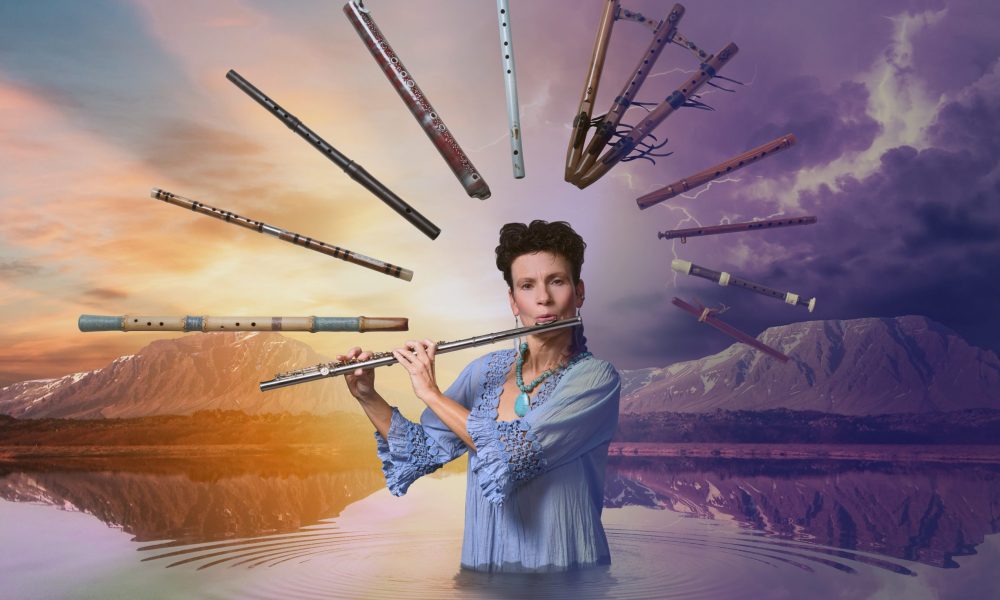
Today we’d like to introduce you to Joanne Lazzaro.
Hi Joanne, thanks for joining us today. We’d love for you to start by introducing yourself.
My Flute Journey Or, what happens when the babysitter sends you to the attic of a haunted house, with her old band flute….
Preamble:
After my mom dropped me off at the restaurant where she was working, I have no idea what inspired Rosalou Novi (wife of famous chef John Novi) to take me to the attic and show me her old flute. To be honest, I was only 9 years old and didn’t really notice that the 17th-century inn was haunted – I think the 4th-floor attic was just the best place to let me make some noise, without disturbing the diners below. She assembled the flute and showed me how to play three notes – “B” “A” and “G”. I had no musical background, and absolutely no idea why I should be spelling ‘bag” with this heavy silver thingy. But I was good at following directions, so I held it the way she showed me, blew into it the way she did, and out came b….a….g. Bag bag bag bag. Gab gab gab gab. Gab, bag, bag, gab, bag, gab…..I went on like that for what seemed like hours until my mom was ready to take me home. I’m pretty sure the attic rats were completely scared away by my first attempt to be a “Pied Piper” and the attic ghosts made no attempt to challenge my eery hooting.
Fast forward a few months, when our elementary school sent each classroom down to the cafeteria for “music ability screening tests”. I thought the tests were weird- some recorded voice with instructions notes played on a piano and a paper worksheet for writing answers. I was never told the results (though likely my parents were) until the day I got called down to the principal’s office and escorted to the band room, where a nice man showed me a table covered with posters of band instruments. I walked around the table a few times, pausing briefly at the shiny gold spiral-ish conch-shell shaped thingy until I saw the only instrument I recognized – a flute! Excitedly I pointed to it- “the flute! That’s what I want!” The band director looked at me and suggested a long black thingy with silver keys (maybe an oboe, or a clarinet) but I was persistent: “No, the FLUTE!” and so, flute it was. Once in group “band lessons” my ability to play “BAG, GAB, BAG, GAB” put me weeks ahead of the others, and so the journey started. After starting flute lessons in elementary school, I became fascinated with any kind of flute. My relatives would seek out souvenir flutes when they traveled and give them to me to add to my collection. Bamboo flutes, carved wooden flutes, ceramic flutes, even a wooden whistle that was painted black and decorated with what looked like Christmas ribbon and hardware store wire. Most of them were just tourist trinkets, but a few were actually playable, and so I was hooked early on.
My early training in school was all ‘classical music” – I learned music theory, how to sight-read classical music, memorized scales and exercises, and was introduced to the standard European repertoire – Mozart, Handel, Bach, Beethoven, then the “French Conservatory” competition showpieces – Fauré, Chaminade, Gaubert, and later more contemporary composers for flute – Bloch, Hoover, Shocker, and many others. My first teacher was my Band Director – Lee Harrington. Originally an oboist, he’d learned all the tricks for teaching flutists, and he really encouraged me to pursue music. And so like any classically-trained flutist, I spent hours, daily, practicing my craft. Scales and arpeggios and exercises with a metronome, and long tones with a tuner. Always solo, and acoustic, no amplification, no effects, no backing tracks. I was required to get deep inside the sound of the flute and control it with both power and nuance. I played with chamber music groups, solos with piano, flute quartets, full wind ensembles and small orchestras. My high-school private flute instructor Melissa Sweet was very influential and really got me focused on being “present in the moment”, breath control, focus, and starting each note clearly and cleanly.
All the way through middle and high school, I entered graded competitions and worked diligently to earn “A+” ratings, blue ribbons and medals (I still have all of them in a box somewhere). There was always a lot of emphasis on performing well, under pressure, because flutists were assigned their positions in performing groups based on “seating auditions’, where your score determined your placement for an entire semester – a low score would get you assigned to marching band, and the highest ranked flutists would get assigned to the orchestra.
I entered college as a Music Education major, with an emphasis in Flute. My biggest question at the time, was “what if, all those years ago, I was wrong? Maybe, as I worked my way through learning all the other band and orchestra instruments, I would discover I was more suited to some other instrument? Have no fear, gentle reader! As it turned out, I had zero innate inclination for any other instrument, except the upright string bass. Trumpet, trombone, French horn, tuba; clarinet, oboe, bassoon, saxophone; violin, viola, cello; snare drum, marimba, tympani, and even piano – it was soon obvious that I was equally unimpressive on all of them. Except string bass, and there was < 0% chance I was going to switch to an instrument that was taller than I was. In fact, I picked up piccolo in college and made that my specialty, because I enjoyed the sensation of floating on the top of a wind ensemble or orchestra. On the plus side, I learned a lot about how different instruments work, their sound qualities, ranges and transpositions, which has turned out to be incredibly useful in my performing and teaching.
I went on to get a Master’s degree in Flute, at the University of Southern California Thornton School of Music, where most of the incoming flutists (myself included) were required to clean up any basic techniques that were lacking ( I spent an entire month playing nothing but G major scales at my lessons) and really digging into things like tuning and vibrato. We had an entire series of classes dedicated just to refining vibrato (using a chart that I helped the professor re-design, and we both use to this day).
My first encounter with the Native American style flute was after I was finished with graduate school, while on a cross-country camping road trip. We had stopped at a native art store in Boulder, Colorado, and up on the wall, something flute-like caught my eye. ‘Is that a flute?” I asked, pointing at the wall-hung display. ‘Yes it is” the cashier answered. ‘Can I play it?” ‘Sure!” she said, taking it down and handing it to me. After looking at the tiny fingering diagram on the tag, I blew a few notes and I was completely entranced. It was a Chris Ti Coom (Larry Spieler) 5-hole Lakota style, in cherry wood; made in traditional style and blessed, according to card that came with it. I learned to play that flute on that trip, by improvising some pretty basic tunes, and I was tremendously self-conscious. At first, I would leave the campground and go sit on a hill to play, out of earshot (or so I thought). After a few minutes, I would hear footsteps coming up the trail, and small groups of people would appear, looking for the flute player whose music was drifting across the entire campground. At that point, I figured I must sound tolerable, and spent the rest of my time playing by the campfire. Every evening, I would play a song at sunset, when Venus appeared in the sky – it was the first song that the flute taught me, and I called it “Evening Star Song”. Many years later, when I recorded that song on my first album, it was played on a radio station out of Kansas City, Missouri. A listener (who was streaming the show) messaged the program host to say that it sounded just like a song her Lakota grandma used to sing.
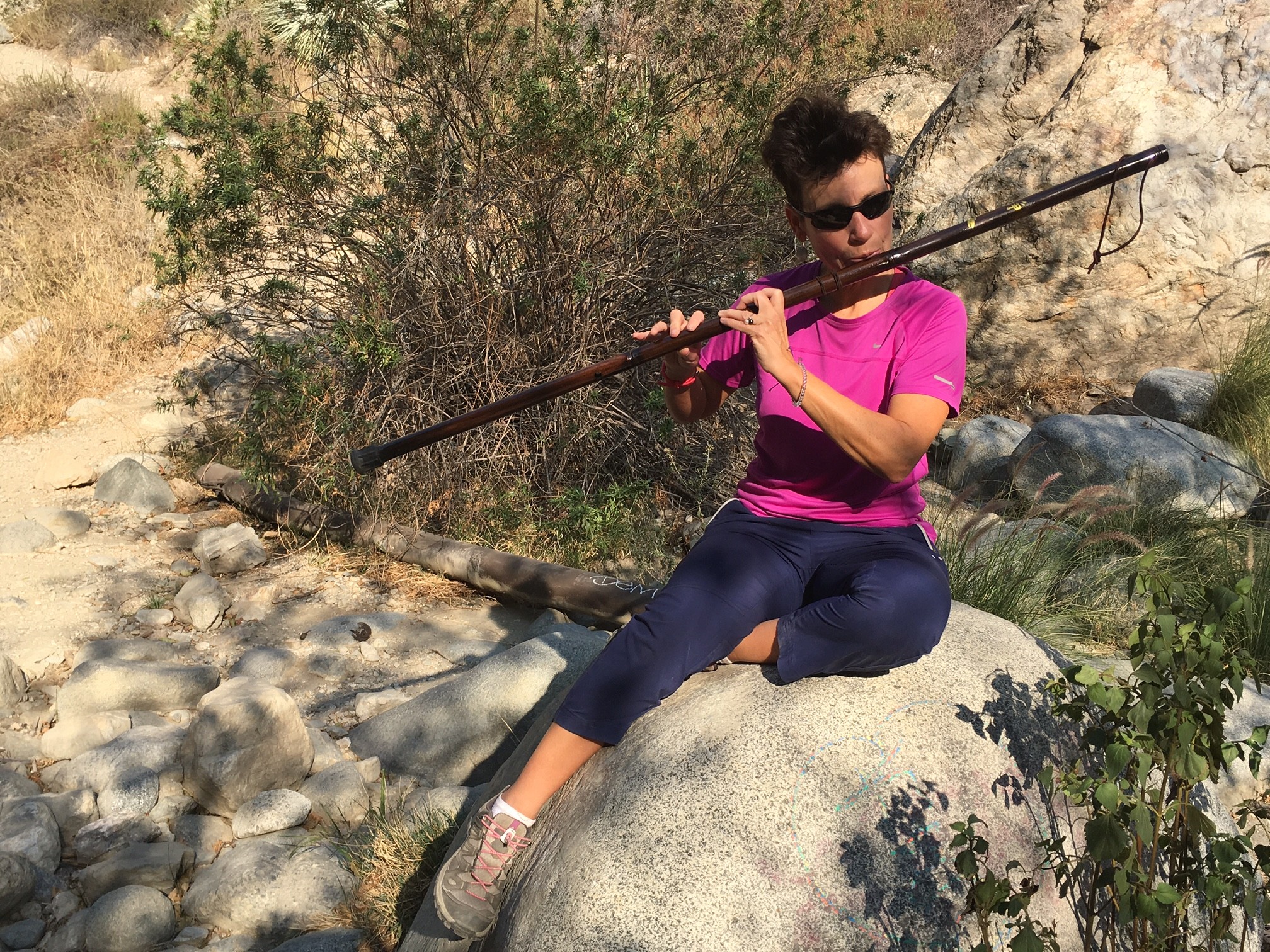
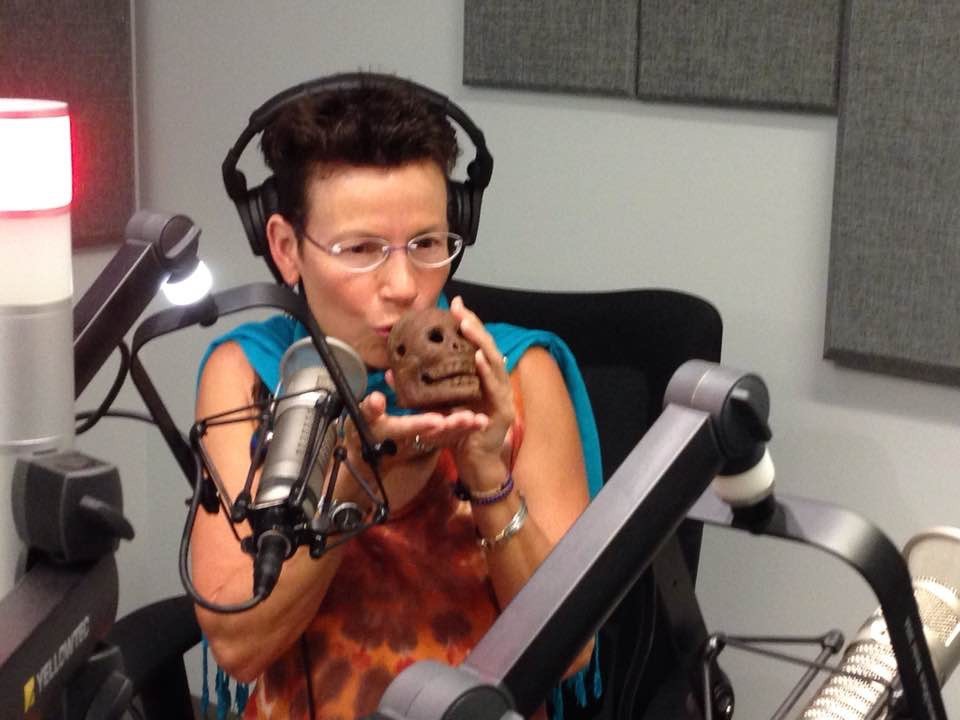
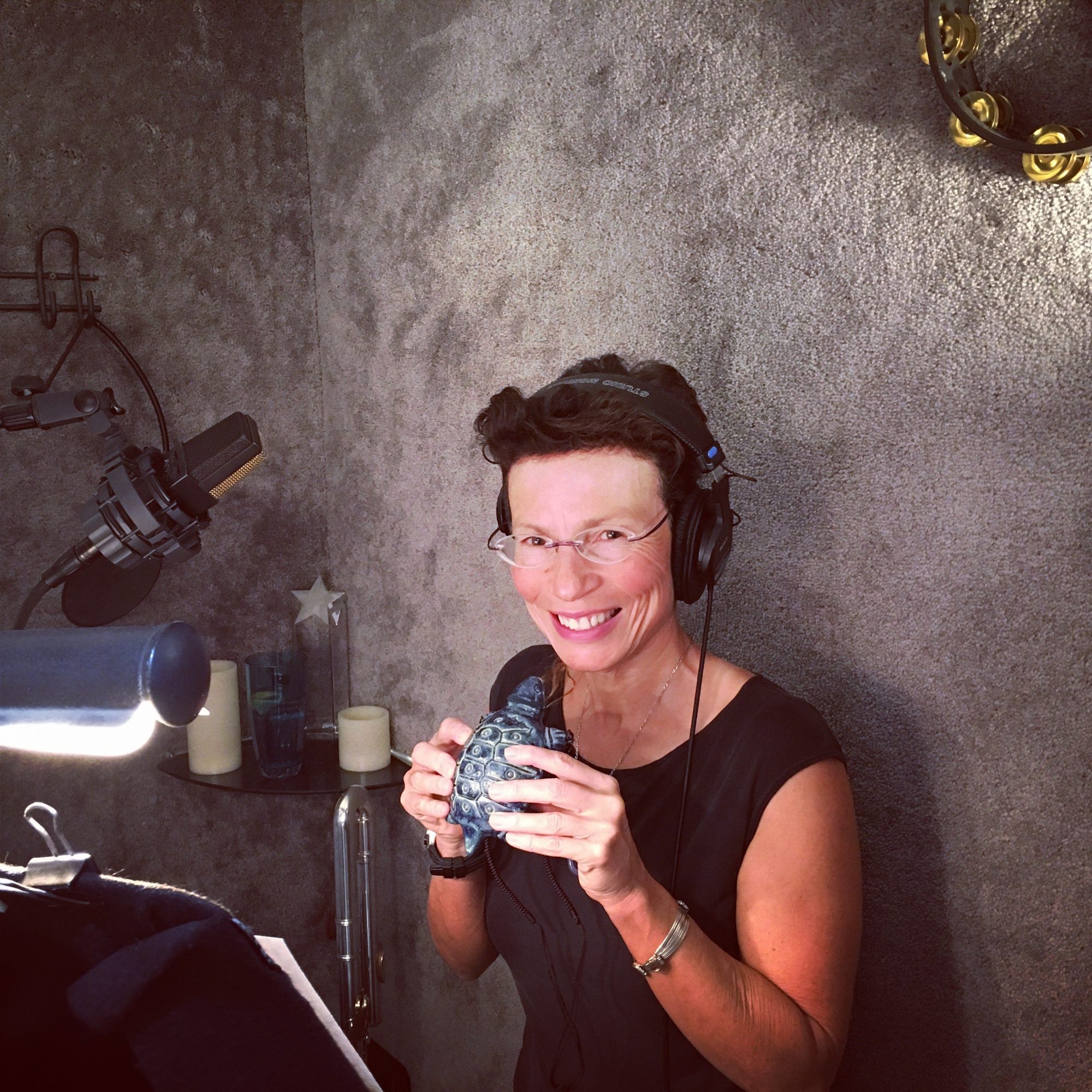
That was the point where I really started to appreciate how a “simple” indigenous-style flute can be imbued with spirit and intention, and how it can reveal its song to the player. Since then, I’ve played quite a few flutes that seem to carry a strong spirit, and always choose their own song. Learning to read Nakai tab, transposing, tuning, and improving my comfort level in exotic keys was a gradual process that took a few years, and of course, I started acquiring more flutes – Coyote Oldman, Woodsounds, Odell Borg Signature, and many other makers, different keys and types of wood. Dove into whistles, ocarinas, rim-blown flutes, pan-pipes, suling, recorders, and just kept going. It’s been a long, winding path, with many side trips. I have flutes that are stunning examples of craftsmanship, and others that are hardly more than hollow reeds with holes. I value their voices and try to be attentive to the stories they have to tell, and who they want to hear them.
Can you talk to us a bit about the challenges and lessons you’ve learned along the way. Looking back would you say it’s been easy or smooth in retrospect?
Wow, the path of a musician is never a smooth road – I learned everything about the recording business, being my own producer, and starting a record label, by trial and error. I’ve worked in a variety of non-music fields as a full-time or part-time “day job” for my entire life. I’ve made pretty much every music business mistake an independent artist can make. I’ve had recording sessions that I thought were nearly unsalvageable, hired musicians who were not up to the task; been taken advantage of (underpaid) for live performances, owed money, and worked with people who I will not choose to work with again. Eventually, I learned to get advice from trusted colleagues and friends before jumping into a new endeavor, rather than after I’ve gotten into trouble – it’s all part of the experience,
Alright, so let’s switch gears a bit and talk business. What should we know about your work?
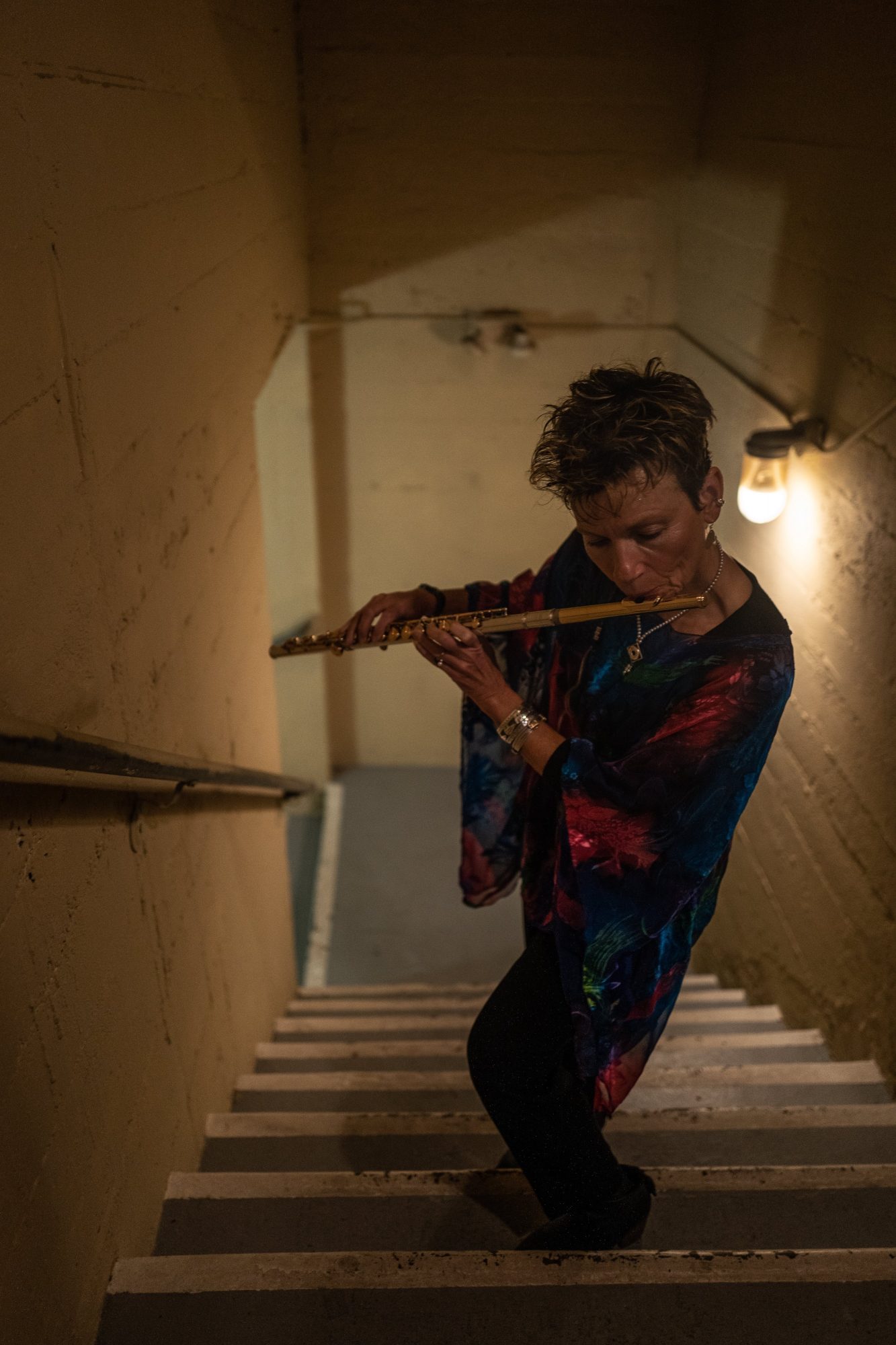
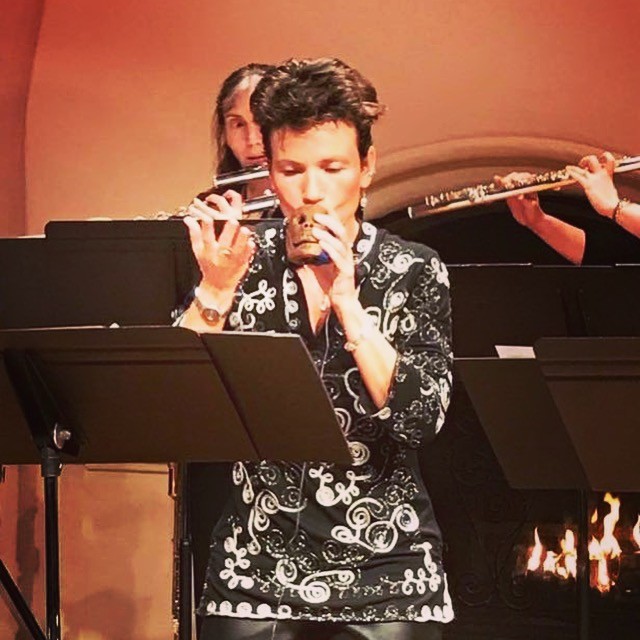
Being a classically-trained and globally-oriented flutist, I’m known for playing “anything that looks like a flute, and a few things that don’t”.
I accidentally released a New Age debut album in 2015 – I was tremendously inspired by Paul Horn’s “Inside the Taj Mahal” the first time I heard it, and the idea for making a similar live, improvised recording, using a telescope dome and astronomy-based themes, became a reality during a chance conversation with an audio engineer at a party. The resulting one-hour CD “Under the Stars” won several awards and launched my recording career.
In 2018 I started my own record label – JoRazzal Music, to produce and release my first classical album: “Canyon Shadows for flute, native flute and percussion” – an unpublished work by New York composer Katherine Hoover (who passed away shortly after the album was released). Based on the successful release of that album, I worked with the composer’s estate to edit and publish the sheet music, which went on the win the National Flute Association’s Newly Published Music Award in 2019. My first foray into global recording was the 2019 release of the orchestral classical single “A Dark Goddess for flute and strings” by David W. Solomons, where I was both the Producer and the solo flutist, performing with the St. Petersburg Orchestra (remotely recorded in Russia). My first vinyl album (and another world premiere, unpublished recording) was my “pandemic project” – Suite Esmerelda for flute & piano by Eric V. Baum – is a classical/smooth jazz crossover album, and was released in 2021. I’m currently working on my first Dolby-Atmos recordings of new original songs, which will be released later in 2023.
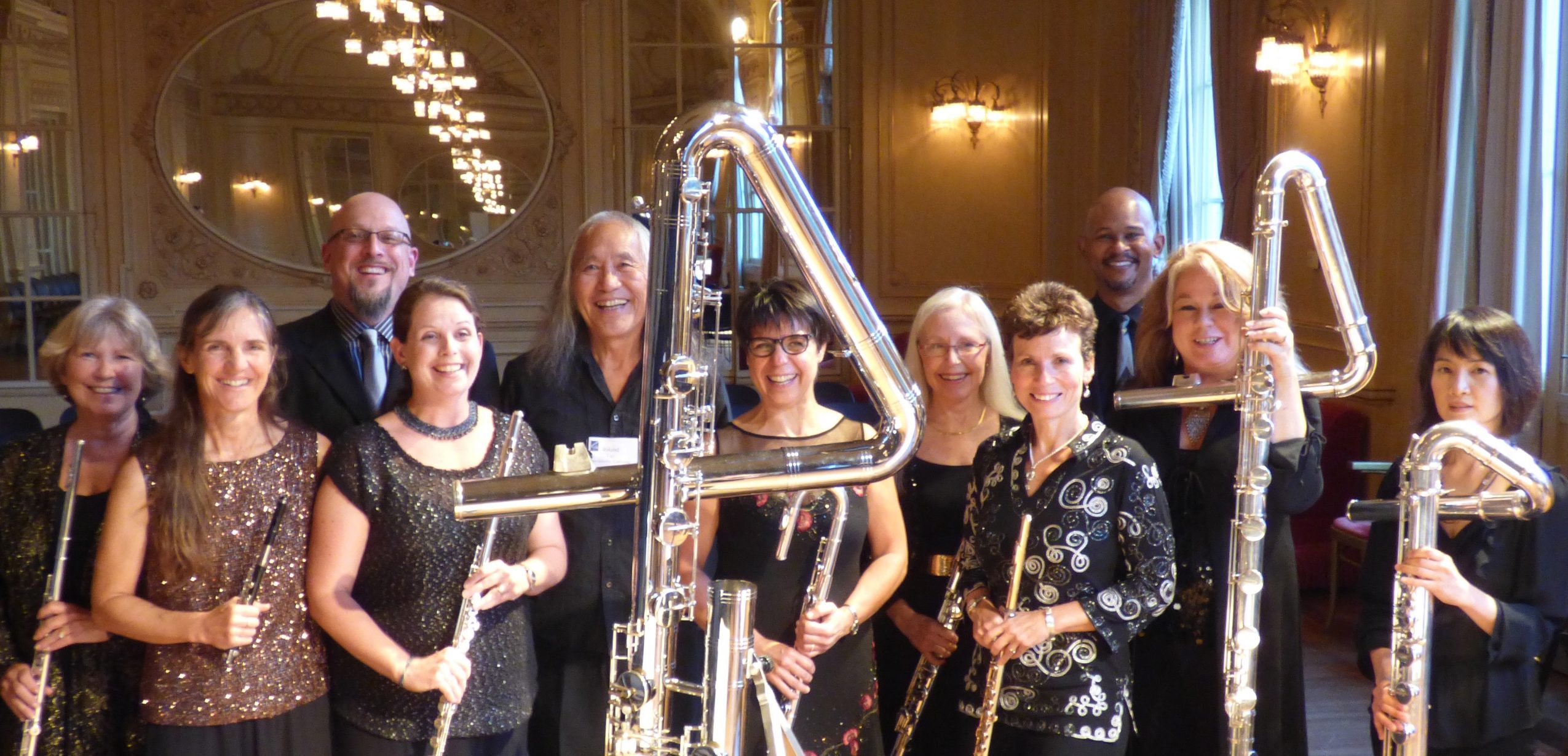
As an orchestral flutist, I’ve played all over the USA including Los Angeles (Disney Hall), New York City (both Lincoln Center & Carnegie Hall), Chicago (Symphony Center) and around the world; Australia, Belgium, Chile, France, Germany, Italy, Monaco, & the Netherlands. Currently, I’m the Principal Flute for the Beach Cities Symphony Orchestra; and one of the founding members of the innovative Los Angeles Flute Orchestra. I enjoy studio recording sessions where I get to bring “a trunk-load of flutes”, and collaborating on demos for film composers. I’m known for being the local “on-call” world flutist for live indie artist showcases here in Los Angeles, where I “stand in” for the other more famous flutists who actually played on the album, and play everything from Indian bansuri, Irish penny whistle, Japanese shakuhachi, to Native American flute.
I’m the founder & host of the Los Angeles World Flute Circle, which is my way of inspiring new world flutists and giving back to the community. I also present workshops for both the National Flute Association and the World Flute Society, and maintain a private teaching studio for students interested in classical flute, Native American flutes, recorder, Irish flute, shakuhachi and other world flutes.
You can hear my music on Amazon, Apple Music, Spotify, Pandora, Tidal, TikTok and on virtually every other streaming platform around the world.
Alright, so to wrap up, is there anything else you’d like to share with us?
I like to tell people that they are never too old to learn something new. I received by first belt in Krav Maga last year, and am working on the next level. The classes remind me how it feels to be a “beginner” learning a new skill.
Contact Info:
- Website: www.kokopelli.la
- Instagram: instagram.com/kokojo_lazzaro
- Facebook: facebook.com/JoanneLazzaroWorldFlutist
- Twitter: twitter.com/@JoLazzaro
- Youtube: youtube.com/@joannelazzaro
- SoundCloud: soundcloud.com/user779060191
- Other: bandcamp.com/JoanneLazzaro

Popular
-

Portraits of the Valley
-

LA’s Most Inspiring Stories
-

JordanL on ‘Breathe,’ Belief, and Building a Movement Beyond the Music
-

Megan Birney Rudert on How Access to Light Is Powering a More Sustainable and Equitable Future
-

Linda Kneidinger on Building Lasting Change Through Small Steps and Self-Compassion
-

Jolana Nika on Redefining Modern Connection Through Intentional, Real-Life Experiences


