



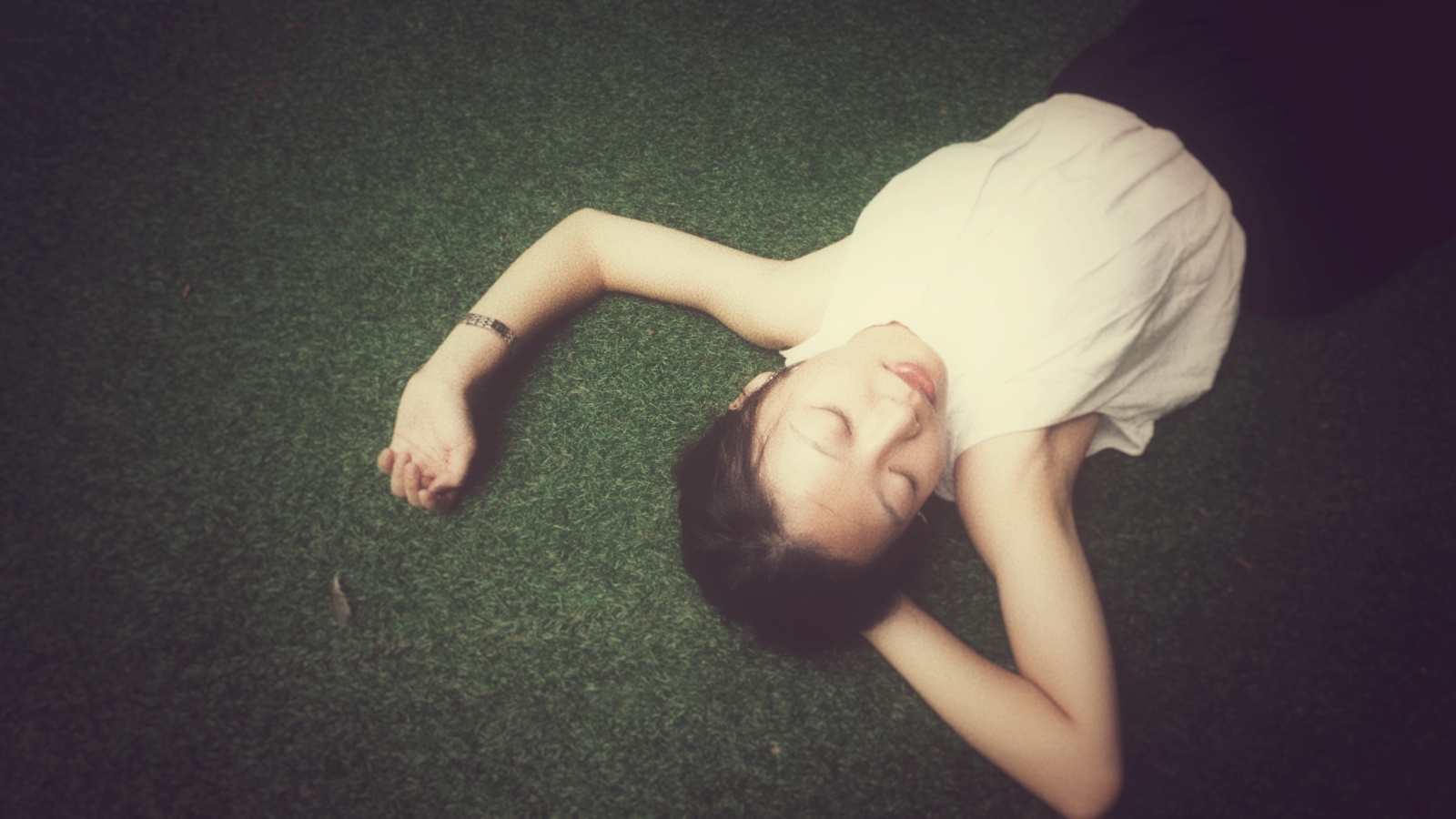
Today we’d like to introduce you to Hsiao-Ching Chu.
Hi Hsiao-Ching, thanks for sharing your story with us. To start, maybe you can tell our readers some of your backstory.
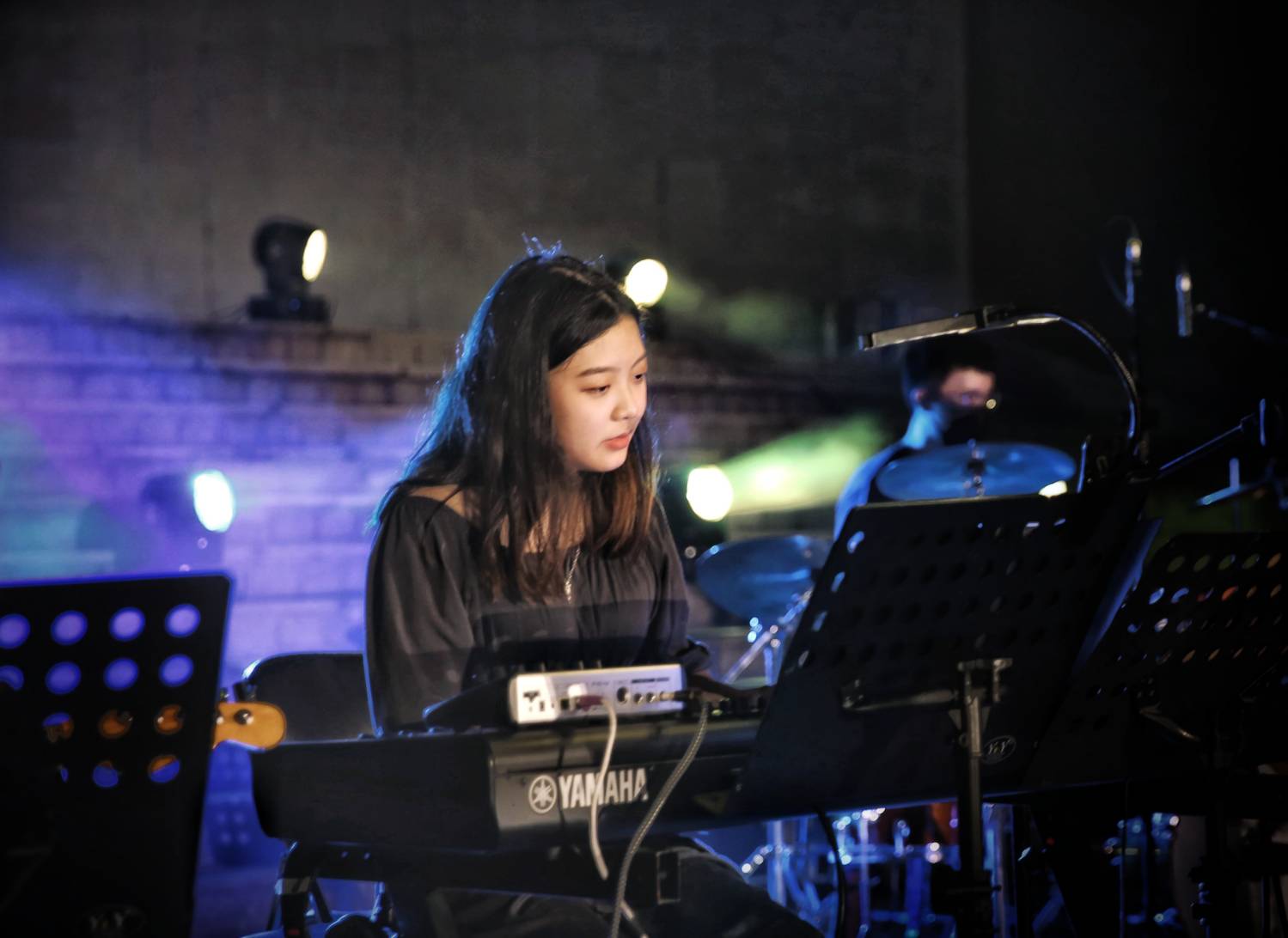
My name is Hsiao-Ching Chu, and my artist name is Awding. I’m a creator from Taiwan. I’m currently a graduate student in ethnomusicology. I do research, write and produce my own music, and create music for other people as well.
For a long time, I think I was always trying to be something — a good kid, a good student, someone who followed the rules, did things well, and earned praise. But if I go further back, I was actually a very lively kid who just loved making things.
I grew up in an Asian family where emotions could sometimes run high. There was a lot of love, but also conflict, and the adults had their own emotions to deal with. A lot of the time, I didn’t know how to talk about what I was feeling, so I put those feelings into creating things.
At first, I never really thought I would become a musician. I was just a kid who got distracted in class and drew all over my textbooks. Actually, visual art was the first thing I thought I would do for the rest of my life. But when drawing became more about competitions, entrance exams, and comparison, I started losing the simple joy of making art. Before graduating from high school, I decided not to pursue visual art in college as I had originally planned.
But music was always there.
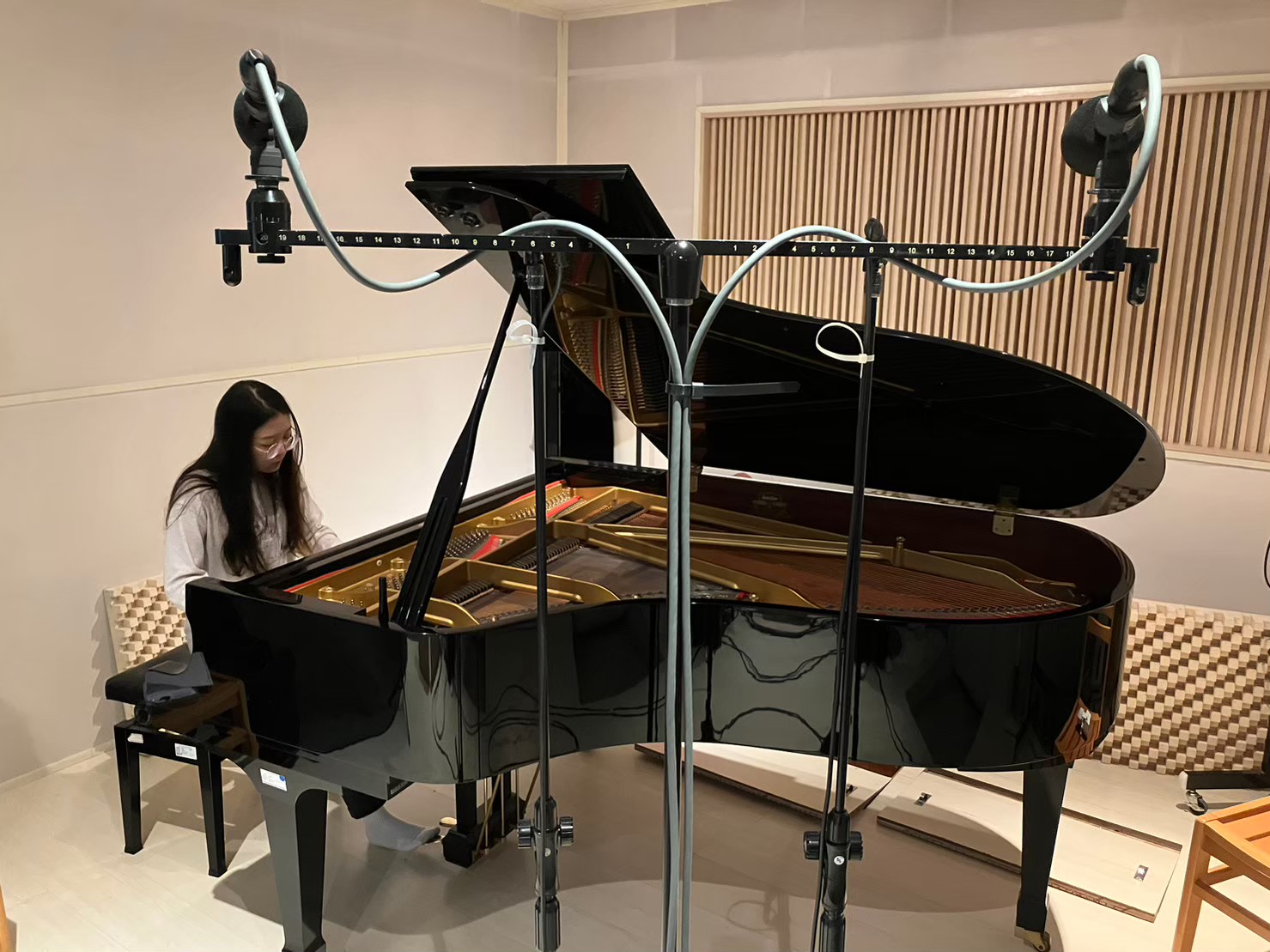
When I couldn’t say what I was feeling, I played the piano. When I was upset, I would play especially hard. I still remember sometimes playing and realizing that tears were running down my face. Looking back, maybe that was my own instinctive form of art therapy as a teenager.
Music was also part of my family background. My great-grandfather once ran a Taiwanese opera troupe, and relatives on my mother’s Hakka side would sing traditional Hakka mountain songs at family gatherings. My own training was mostly in piano and Western music, but those sounds were always somewhere in the background.
By the time I graduated from high school, I had never formally studied songwriting or composition. Then I happened to find a school where I could study music creation and production. I wanted to learn, so I applied — and somehow, I got in. I honestly didn’t think that far ahead. I just thought studying art while I was young would probably become a beautiful memory.
Studying music at an arts university was a strange experience. One moment I thought I was really good, and the next I thought I was terrible. Sometimes I felt incredibly happy, and sometimes extremely anxious. I mainly studied pop music production, scoring, and a little jazz. That gave me a good foundation for the different kinds of work I would later do. Being surrounded by talented musicians and artists opened up my world, but it also made me pay more attention to comparison and all the ways I thought I wasn’t “good enough.”
At one point, I stopped making music completely. Whenever I tried to write, the voice judging my work just wouldn’t stop. Eventually I realized that I couldn’t solve this by simply learning more about music.
So I decided to take a break.
I still loved music, and I had always been interested in people, so after college I went on to study ethnomusicology. It showed me how different groups of people experience, understand, and use music in their lives. Looking beyond the mostly Western musical framework I had been trained in widened my perspective and slowly loosened some of the standards I had taken for granted.
When I stopped looking at everything through one fixed set of standards and returned to something closer to why I loved creating in the first place, I started to feel freer.
It was when I stopped only learning how to create, and started learning from life, that I really felt my work begin to grow.
I still have a lot of work I haven’t shared publicly, and I’m still learning not to wait until I feel completely “ready” before moving forward.
Actually, when I received this invitation from VoyageLA, that same thought came back: “Should I organize my social media and website first, and then answer the interview?” Then I realized I was waiting for a more prepared version of myself again.
So I thought, why not start with this interview? What I have right now is enough to begin.
We all face challenges, but looking back would you describe it as a relatively smooth road?
For me, the biggest challenges haven’t really been music skills, finding work, or even outside circumstances. They’ve been learning to recognize my own fear, comparison, procrastination, and self-criticism.
There was a time when I lost confidence in creating because the whole process started to feel painful. But eventually I realized something: it wasn’t creating that was making me unhappy. It was the expectations and criticism I put on my work and myself.
Creating itself is actually very simple. You make something, and then you have a piece of work. But somehow, in something that simple, all the rough and contradictory parts of yourself — even the parts you don’t fully understand yet — can show up like a mirror.
I think some of this probably comes from the family and cultural environment I grew up in — very Asian, maybe (laughs). I tend to feel like I have to accomplish something first before I can put my work out there. I need to improve a little more, become a little more professional, wait for a better time, and then maybe I’ll be qualified to let people see me.
The funny thing is, when I’m actually creating, I enjoy it. It’s when I step back and start judging what I made that all the questions appear: “Could this be better? Is it good enough? What will people think?”
Maybe a certain kind of obsession is what draws us into art and makes us want to pursue something as far as we can. But sometimes that same obsession is also what gets in our way.
For me, that sometimes turns into procrastination. For a long time, I could share my work privately with people, and I could perform live, but I didn’t really want to put my work online where anyone could search for it later. I was afraid someone would find it and think, “That’s it? You’re actually not that good.”
Eventually, I started to realize that the person constantly judging me was mostly myself. A lot of the things I was afraid other people would say to me had never actually been said.
I’ve also learned that creating always involves uncertainty. Before I make something, I don’t really know what it’s going to become. So now, creating is also a way for me to practice courage and trust. I don’t think these struggles are really about competing with other people anymore. They’re more about learning how to live with myself.
Sometimes I still get scared. Performing can still make me nervous, and I can still doubt myself when I try something new. But I’m learning not to let those voices affect me as much. I still choose to get on stage. I still share my work. And I still do it.
To me, growth isn’t about achieving something impressive or finally becoming fearless. Maybe it’s simply being able to feel the fear and still choose to act.
Appreciate you sharing that. What else should we know about what you do?
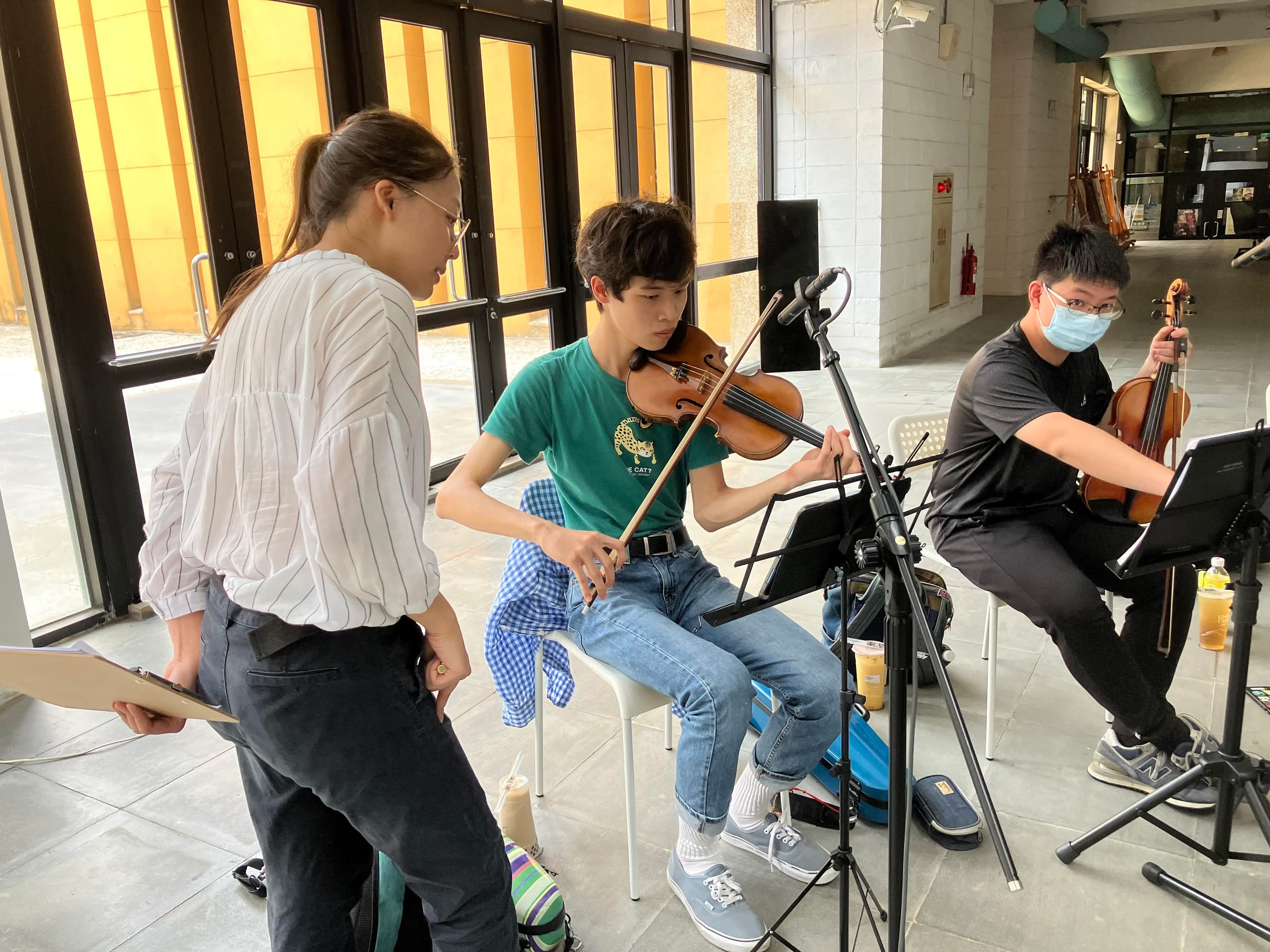
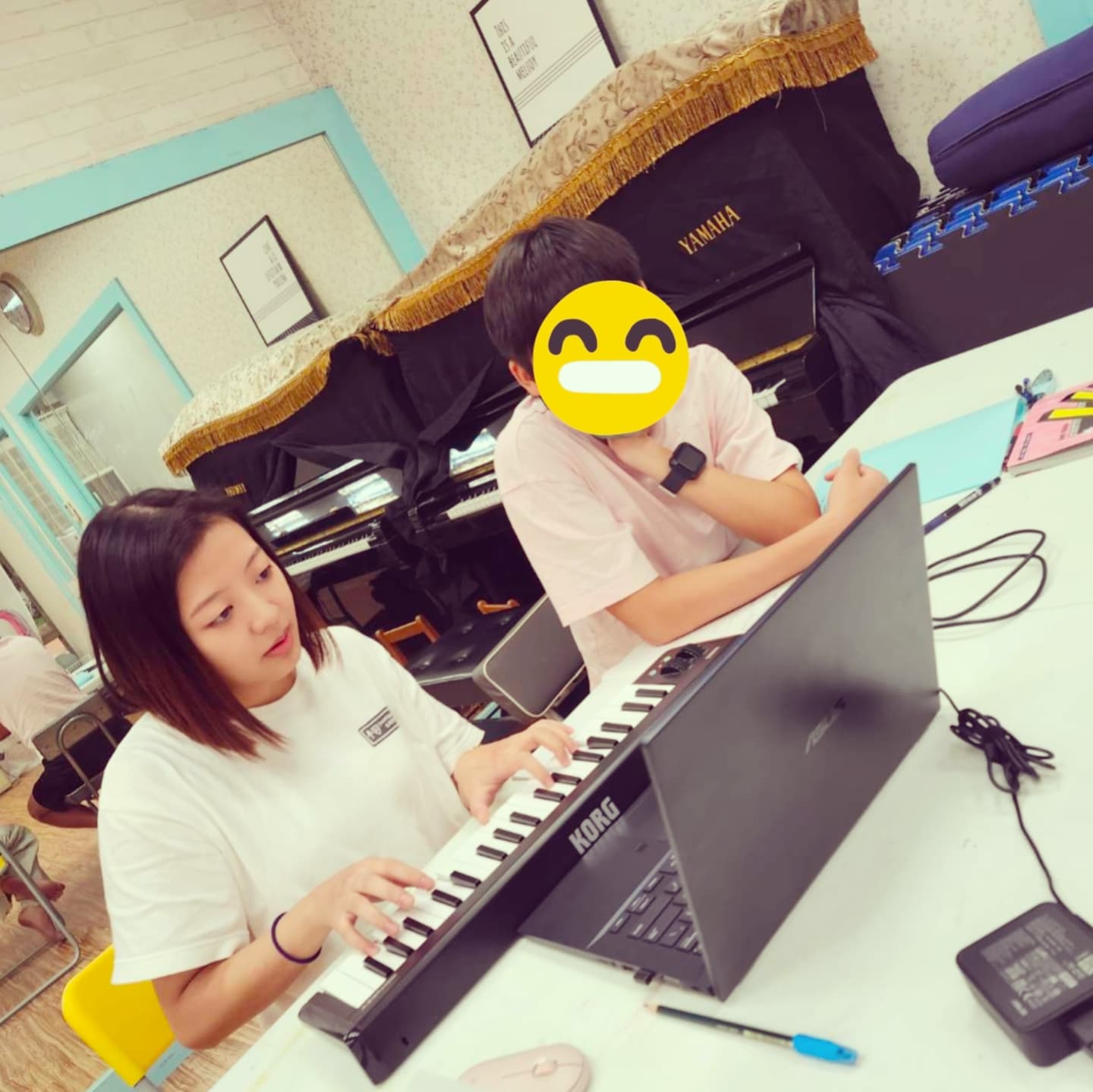
My work is a little hard to describe with just one title. I write songs, compose and arrange music, work on scoring and music production, and sometimes perform as a musician or teach music. One part I especially enjoy is when someone comes to me with an idea or a story and asks me to help turn the music they can only imagine into something they can actually hear.
Because of that, the projects I’ve worked on can be very different from one another.
I’ve scored an animated short film, written a graduation song for elementary school students to remember their time together, turned an engaged couple’s love story into a song of their own, written a theme song for a short film, and composed music for a game that was created in memory of a friend who passed away.
I’ve also worked with people who really love music and have lots of ideas in their heads, but don’t have a background in music theory or production, so they aren’t sure how to turn those ideas into something real. I really enjoy working with them — listening to how they describe the sound they imagine, and then using what I know to slowly bring it to life.
A lot of the time, I have no idea what kind of project will come to me next. If it’s something I’ve never done before, I figure out how to do it. In the process of understanding what each person or project needs, I’ve learned new skills, explored different styles of music, and gradually become comfortable working across different kinds of projects. I actually enjoy that uncertainty. Every collaboration can take me somewhere I didn’t expect.
I enjoy creating alone, but I also really like collaborating. I’m not someone who loves being in big social groups. I prefer having deeper conversations with a smaller number of people. Sometimes, through those conversations, I discover that someone has been carrying an idea or a wish for a long time, and they trust me enough to let me try to turn it into music. After some of these projects, people have introduced me to friends with their own ideas, and that has led to another completely different story.
What I’m most proud of is that so many different people have trusted me with their stories, ideas, and important memories.
A lot of my work wasn’t created for a public release, and some of it may never be heard by a large audience. It might belong only to a group of graduating children, a couple, a friend, or a memory that someone wanted to preserve. But when music becomes part of someone’s life story, that feels very meaningful to me.
As for my own music, I actually listen to a pretty wide range of things. I love jazz/fusion, R&B, pop, and music with a lot of energy. Interestingly, the music I write often comes out much gentler. Maybe that reflects my personality a little too — I can have very strong and even stubborn thoughts inside, but I usually express them in a softer way.
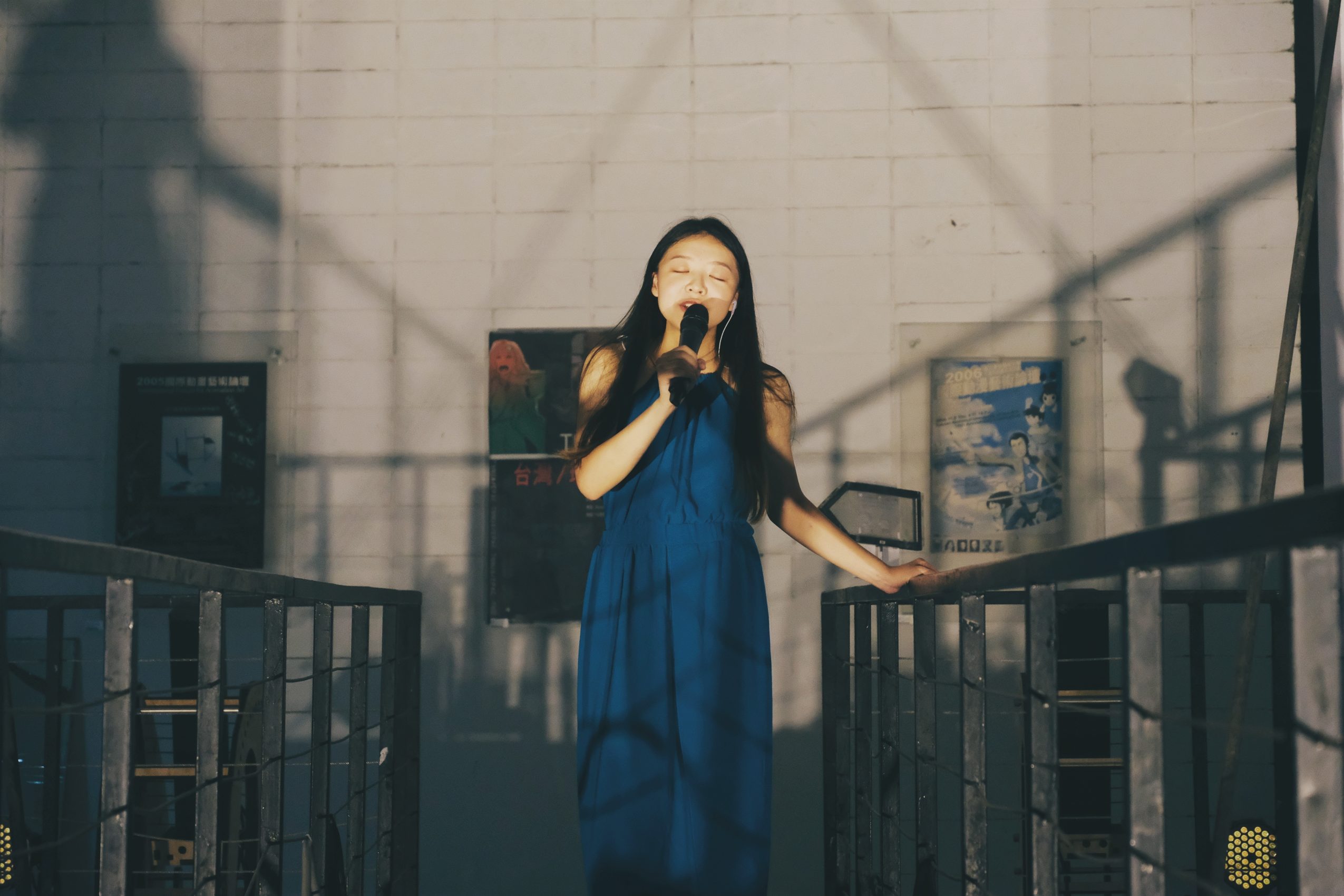
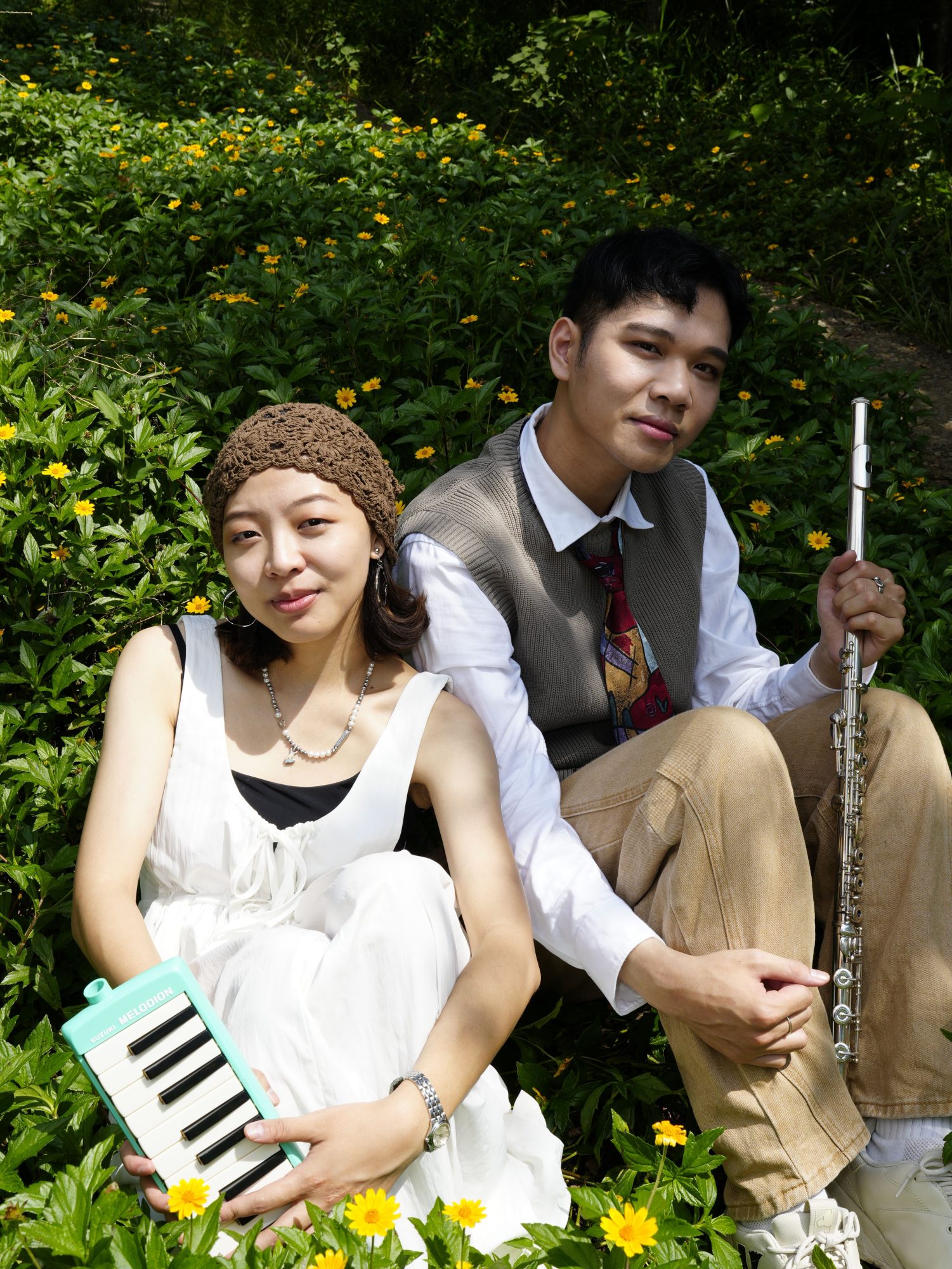
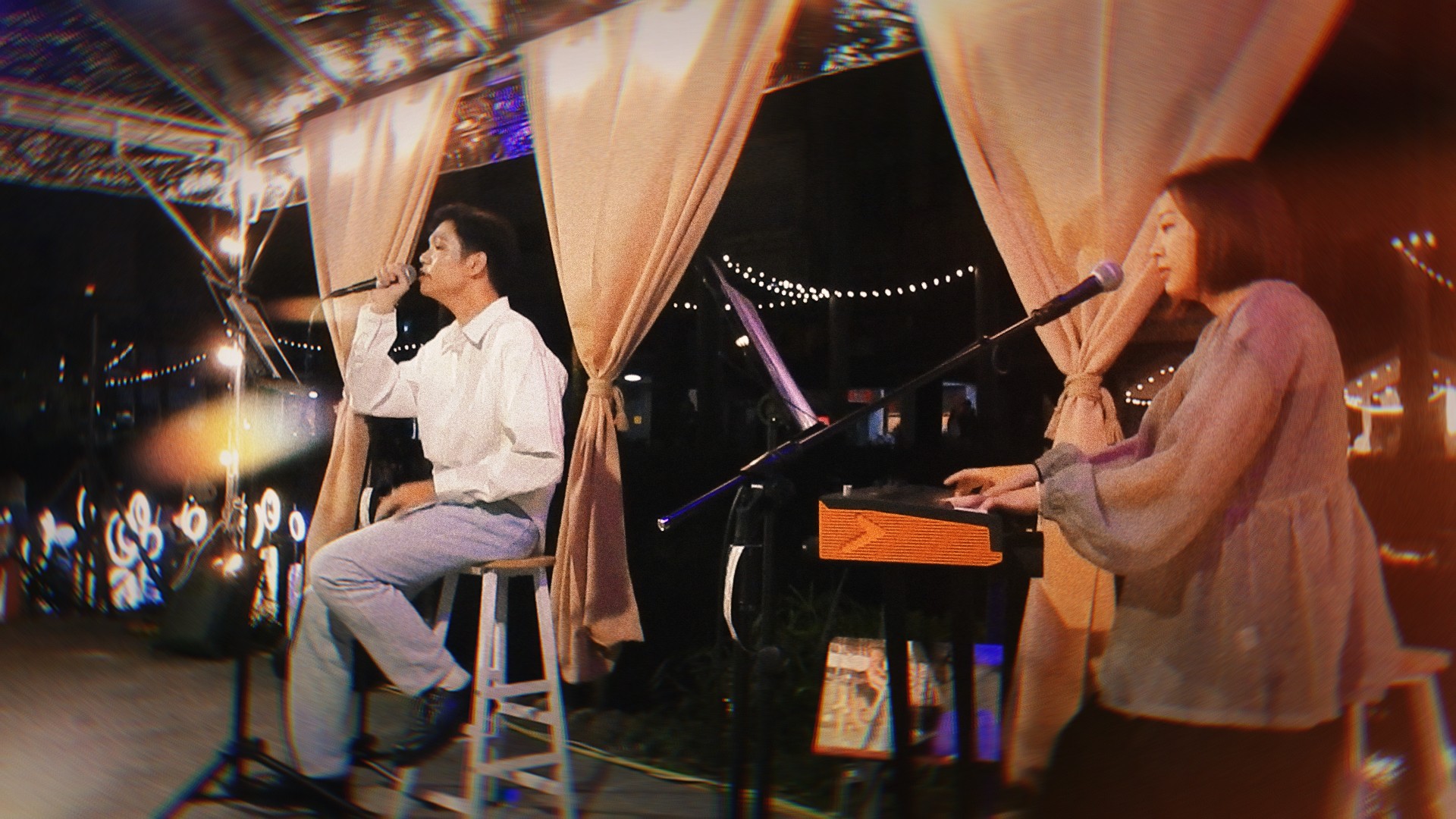
My own work has included pop songs, ballads, and instrumental music. In 2021, I contributed lyrics to Yooqin’s song “練愛日記 About Us.” In 2022, I produced “思念的批,” the theme song for the short film “Before I Forget,” performed by Taiwanese actor Aaron Don Don. In 2023, I released my own instrumental EP, “Still on the Road,” as an experiment in putting my own music out into the world. In 2025, I also arranged songs for Hakka singer Hank Chiang’s album, including “We Speak, We Are” and “When the Dragon Dance.”
During these years, I’ve also continued writing songs with friends and submitting some of our work to songwriting competitions. I still have a collection of demos that I haven’t finished or released yet, and I hope to gradually bring more of them to completion and share more fully realized work in the future.
Can you talk to us a bit about the role of luck?
I think luck and chance have played a big part in my journey. A lot of things weren’t planned in advance. They just happened gradually through meeting people, having conversations, and working together.
For me, good luck often comes in the form of people.
Sometimes an ordinary conversation turns into a new idea or inspiration for a song. Sometimes one person introduces me to someone else, and that leads to a project I never expected. These things are often completely outside my plans. Sometimes it really feels like something just falls into my lap out of nowhere.
I don’t think luck is simply about one person getting one big opportunity. To me, it’s more like someone entering your life at a particular moment — a conversation, a story, or an unexpected invitation that suddenly opens a path that wasn’t there before.
Of course, not everything happens as quickly as I hope. Some things take much longer than expected, and an artist’s life isn’t always easy to predict. So I’m also learning that when the timing isn’t right yet, I can just keep living, learning, and doing other things.
Who knows what the future holds? I trust that God has a plan.
Looking back, many things I never planned for have become experiences I really treasure. Sometimes those moments feel like a kind of grace to me. Even unexpectedly receiving this invitation from VoyageLA feels, in some small way, like one of them.
Contact Info:
- Website: https://awding.com
- Instagram: https://www.instagram.com/awding0706/
- Youtube: https://www.youtube.com/@awding0706
- Soundcloud: https://soundcloud.com/awding0706
- Other: https://open.spotify.com/artist/3ZbOtTgzCq3xXIX5yTd3V8?si=c1eQcGEWSsavhWPVLZVO8A
Popular
-

Portraits of the Valley
-

LA’s Most Inspiring Stories
-

Greg Hex Is Turning the Everyday Kitchen Knife Into a Modern Design Object
-

Rick Norris Learned That Building a Successful Business Means Building a Life You Actually Want to Live
-

How Olivia Rush Turned Survival Into a Mission to Help Others Keep Going
-

How Bibi Goldstein Is Helping Entrepreneurs Reclaim Their Time by Embracing the Power of Delegation


