




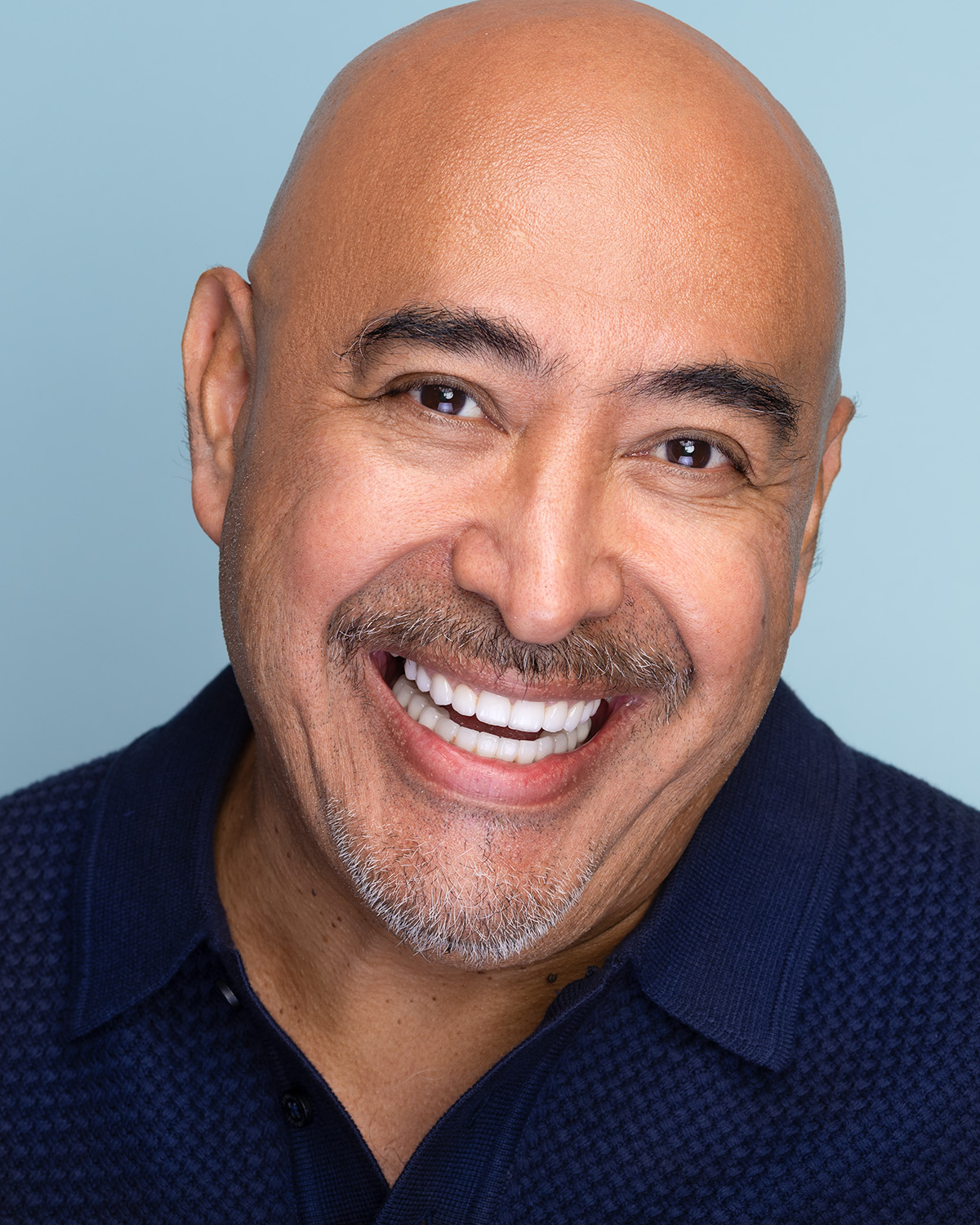
Today we’d like to introduce you to Carlos Alberto Flores.
Hi Carlos Alberto, it’s an honor to have you on the platform. Thanks for taking the time to share your story with us – to start maybe you can share some of your backstory with our readers?
Carlos Alberto Flores — Building a Life From Zero
Carlos Alberto Flores was born in Cuernavaca, Mexico. At 19 years old, he came to the United States during a summer break from university, where he had been studying computer science. The plan was simple — visit his father, who was living in Santa Ana, California, and then return home to continue his studies.
But life shifted quickly.
About a month after his arrival, his father returned to Mexico. Before leaving, he showed him only the basics — how to take the bus, how to move around, how to get by. And just like that, Flores was left alone in a new country. No English. No money. No family. No roadmap.
What was supposed to be a temporary visit became a permanent turning point.
Starting From Nothing
In those early years, survival was the only focus. Flores settled in Santa Ana and began working as a day laborer, taking whatever jobs he could find. Construction. Landscaping. Painting. Kitchen work. Cleaning. Anything that paid.
Some mornings, he would stand in the canyons of Laguna Beach alongside other workers, waiting to be picked up for the day. There were no guarantees — just hope. If someone stopped, you worked. If not, you went home with nothing.
He lived like that for nearly four years.
Eventually, his consistency paid off. A company kept him on as a painter, and over time, he worked his way up to become the assistant to the foreman. It was the first sense of stability he had experienced since arriving in the country — and it gave him something new: space to think beyond survival.
Learning How to Move in the World
With that stability came new opportunities. Flores began meeting people, expanding his circle, and learning how the system worked — something no one had taught him when he first arrived.
Through those connections, he found an opportunity in mall retail, working in cosmetics marketing. He applied, got the job, and eventually became an area manager. It was a completely different environment — fast-paced, social, and driven by performance.
For the first time, he wasn’t just working to survive — he was building skills, confidence, and vision.
The Entrepreneurial Leap
After a few years, he made a bold decision: he left his job to start his own business.
He launched a retail cosmetics company, operating kiosks in shopping malls across the Los Angeles area. Within a year, he had built a network of five locations, including one in Fullerton. Selling products like lotions, nail polish, and beauty items, the business became both profitable and empowering.
It was proof of something deeper — that he could create his own opportunities.
Sabor Magazine — Creating Culture
At the same time, another passion was growing. Flores had become deeply involved in the salsa community. He danced constantly, immersed in the culture, the music, and the people.
Wanting to contribute something meaningful, he created Sabor Magazine in the late 1990s — a publication dedicated to salsa culture.
He wasn’t just the founder. He was everything.
Publisher. Salesperson. Organizer. Photographer.
He built the magazine from the ground up, hiring an editor and a graphic designer, while coordinating writers, contributors, and photographers. Over time, he stepped fully behind the camera himself — shooting covers, events, and editorial features.
Without realizing it, photography was becoming part of his identity.
Loss, Transition, and Reinvention
During that period, Flores experienced major personal changes, including marriage and later divorce. After the separation, he sold his cosmetics business and focused fully on the magazine.
But sustaining a print publication without strong resources became increasingly difficult. Eventually, he made another transition — one that would define nearly two decades of his life.
The Salsa Years
Flores became a salsa promoter, producing events across Los Angeles. He organized dance nights, classes, and live music experiences, bringing together communities through movement and culture.
For nearly 20 years, he built a vibrant presence in the nightlife scene — working with DJs, orchestras, dancers, and venues. It was energetic, alive, and deeply connected to people.
But it came at a cost. Late nights. Constant motion. A lifestyle that, over time, became exhausting.
By 2017, he made another decision: he stepped away.
Photography — Seeing People
Although photography had been part of his life since childhood, it was during the pandemic in 2020 that he returned to it with intention.
He studied. He trained. He enrolled at Glendale Community College, committing himself to learning the craft — one class at a time, over five years.
He graduated in 2025 as a professional photographer.
And then, he found his voice.
Portrait photography.
“I look at the eyes,” he says. “I look at what someone is feeling underneath. And when I see that moment… I capture it.”
Today, he runs a portrait and headshot studio in Burbank — a space where his artistic eye and his understanding of human emotion come together.
The Bridge — From Life to Acting
But long before photography became a profession… another transformation had already begun.
One that would ultimately redefine everything.
Acting — Facing Fear, Finding Truth
While working as a salsa promoter, Flores lived a dual life. His nights were filled with music, movement, and crowds — but his days were quiet. And in those quiet hours, he searched.
He used that time to grow. He studied English. He read. He designed his own marketing. He built himself — piece by piece.
Through friends who were actors, he discovered something new: the possibility of stepping into that world.
At first, it was simple curiosity — the idea of working as a background actor. He found a casting call, went to an office, and walked in without knowing anything about the industry.
“Where’s your headshot? Your resume?” they asked him.
He had neither.
That first experience turned out to be a scam — a common trap for beginners. But instead of walking away discouraged, he walked away with something unexpected: his first set of headshots.
And a question.
Now what?
Choosing the Craft
Instead of quitting, he made a decision that would change his life: he enrolled in acting classes. Real ones.
That’s when he met his teacher, Don Bloomfield — the mentor who would shape his foundation as an actor.
For over a decade, Flores trained consistently, studying the Meisner technique and developing his craft. Acting became more than a skill — it became a form of expression, a release, a way to process life.
“For me, acting is therapy,” he says. “It’s where I put everything — my experiences, my emotions, my imagination.”
Over time, he developed his own approach — blending real-life experiences with imagination, creating a method that is deeply personal and instinctive.
The Fear of the First Auditions
But training was only the beginning.
The real test came in the audition room.
At the time, his English was still developing. Memorizing scripts — sometimes in minutes — and delivering them naturally felt almost impossible.
“It was terrifying,” he admits. “More than coming to this country.”
He remembers casting directors exchanging looks. The discomfort. The uncertainty. The feeling of not belonging.
“I know I did a terrible job in the beginning,” he says. “It was embarrassing.”
But he kept going.
Repetition, Confidence, Transformation
Audition after audition, something began to change.
His philosophy was simple: the more you face something, the less power it has over you.
So he kept showing up. Again and again.
Until fear turned into familiarity.
And familiarity turned into confidence.
A Working Actor
Today, Flores is a SAG-AFTRA actor with credits across film, television, commercials, and voiceover work. His performances can be seen on platforms like Netflix, Amazon, and Apple TV.
He is bilingual. Experienced. Seasoned.
But what truly sets him apart is not just his talent — it’s his life.
“I’ve lived a lot in a short time,” he says. “From having nothing… to building everything.”
The Ongoing Dream
Flores doesn’t see success as a destination. He sees it as a process.
He’s not finished. Not even close.
His next goal is clear: to become a recognizable presence in film and television — to reach the level where audiences see him consistently on screen.
And if his life so far is any indication, that goal isn’t a dream. It’s a direction.
A Message to Those Starting From Zero
From the moment his father left after that first month, Flores has lived his life in the United States alone.
No family. No safety net. No shortcuts.
Everything he built came from discipline, courage, and the decision to keep going.
“It doesn’t matter where you start,” he says. “It doesn’t matter if you don’t speak English, if you don’t have money, if you don’t have connections. What matters is your vision — and your willingness to keep going.”
His message is not about luck. It’s about possibility.
Because if his story proves anything…
It’s that starting from zero doesn’t define you.
What you build from it does.
I’m sure it wasn’t obstacle-free, but would you say the journey has been fairly smooth so far?
“My biggest obstacle has been the language barrier. As an actor, mastering English is essential, and I’m about 75% there. I still have a strong accent — one I may never lose — but that won’t stop me from reaching my goals.”
Thanks for sharing that. So, maybe next you can tell us a bit more about your work?
Carlos Alberto Flores — Building a Life From Zero
Carlos Alberto Flores was born in Cuernavaca, Mexico. At 19 years old, he came to the United States during a summer break from university, where he had been studying computer science. The plan was simple — visit his father, who was living in Santa Ana, California, and then return home to continue his studies.
But life shifted quickly.
About a month after his arrival, his father returned to Mexico. Before leaving, he showed him only the basics — how to take the bus, how to move around, how to get by. And just like that, Flores was left alone in a new country. No English. No money. No family. No roadmap.
What was supposed to be a temporary visit became a permanent turning point.
Starting From Nothing
In those early years, survival was the only focus. Flores settled in Santa Ana and began working as a day laborer, taking whatever jobs he could find. Construction. Landscaping. Painting. Kitchen work. Cleaning. Anything that paid.
Some mornings, he would stand in the canyons of Laguna Beach alongside other workers, waiting to be picked up for the day. There were no guarantees — just hope. If someone stopped, you worked. If not, you went home with nothing.
He lived like that for nearly four years.
Eventually, his consistency paid off. A company kept him on as a painter, and over time, he worked his way up to become the assistant to the foreman. It was the first sense of stability he had experienced since arriving in the country — and it gave him something new: space to think beyond survival.
Learning How to Move in the World
With that stability came new opportunities. Flores began meeting people, expanding his circle, and learning how the system worked — something no one had taught him when he first arrived.
Through those connections, he found an opportunity in mall retail, working in cosmetics marketing. He applied, got the job, and eventually became an area manager. It was a completely different environment — fast-paced, social, and driven by performance.
For the first time, he wasn’t just working to survive — he was building skills, confidence, and vision.
The Entrepreneurial Leap
After a few years, he made a bold decision: he left his job to start his own business.
He launched a retail cosmetics company, operating kiosks in shopping malls across the Los Angeles area. Within a year, he had built a network of five locations, including one in Fullerton. Selling products like lotions, nail polish, and beauty items, the business became both profitable and empowering.
It was proof of something deeper — that he could create his own opportunities.
Sabor Magazine — Creating Culture
At the same time, another passion was growing. Flores had become deeply involved in the salsa community. He danced constantly, immersed in the culture, the music, and the people.
Wanting to contribute something meaningful, he created Sabor Magazine in the late 1990s — a publication dedicated to salsa culture.
He wasn’t just the founder. He was everything.
Publisher. Salesperson. Organizer. Photographer.
He built the magazine from the ground up, hiring an editor and a graphic designer, while coordinating writers, contributors, and photographers. Over time, he stepped fully behind the camera himself — shooting covers, events, and editorial features.
Without realizing it, photography was becoming part of his identity.
Loss, Transition, and Reinvention
During that period, Flores experienced major personal changes, including marriage and later divorce. After the separation, he sold his cosmetics business and focused fully on the magazine.
But sustaining a print publication without strong resources became increasingly difficult. Eventually, he made another transition — one that would define nearly two decades of his life.
The Salsa Years
Flores became a salsa promoter, producing events across Los Angeles. He organized dance nights, classes, and live music experiences, bringing together communities through movement and culture.
For nearly 20 years, he built a vibrant presence in the nightlife scene — working with DJs, orchestras, dancers, and venues. It was energetic, alive, and deeply connected to people.
But it came at a cost. Late nights. Constant motion. A lifestyle that, over time, became exhausting.
By 2017, he made another decision: he stepped away.
Photography — Seeing People
Although photography had been part of his life since childhood, it was during the pandemic in 2020 that he returned to it with intention.
He studied. He trained. He enrolled at Glendale Community College, committing himself to learning the craft — one class at a time, over five years.
He graduated in 2025 as a professional photographer.
And then, he found his voice.
Portrait photography.
“I look at the eyes,” he says. “I look at what someone is feeling underneath. And when I see that moment… I capture it.”
Today, he runs a portrait and headshot studio in Burbank — a space where his artistic eye and his understanding of human emotion come together.
The Bridge — From Life to Acting
But long before photography became a profession… another transformation had already begun.
One that would ultimately redefine everything.
Acting — Facing Fear, Finding Truth
While working as a salsa promoter, Flores lived a dual life. His nights were filled with music, movement, and crowds — but his days were quiet. And in those quiet hours, he searched.
He used that time to grow. He studied English. He read. He designed his own marketing. He built himself — piece by piece.
Through friends who were actors, he discovered something new: the possibility of stepping into that world.
At first, it was simple curiosity — the idea of working as a background actor. He found a casting call, went to an office, and walked in without knowing anything about the industry.
“Where’s your headshot? Your resume?” they asked him.
He had neither.
That first experience turned out to be a scam — a common trap for beginners. But instead of walking away discouraged, he walked away with something unexpected: his first set of headshots.
And a question.
Now what?
Choosing the Craft
Instead of quitting, he made a decision that would change his life: he enrolled in acting classes. Real ones.
That’s when he met his teacher, Don Bloomfield — the mentor who would shape his foundation as an actor.
For over a decade, Flores trained consistently, studying the Meisner technique and developing his craft. Acting became more than a skill — it became a form of expression, a release, a way to process life.
“For me, acting is therapy,” he says. “It’s where I put everything — my experiences, my emotions, my imagination.”
Over time, he developed his own approach — blending real-life experiences with imagination, creating a method that is deeply personal and instinctive.
The Fear of the First Auditions
But training was only the beginning.
The real test came in the audition room.
At the time, his English was still developing. Memorizing scripts — sometimes in minutes — and delivering them naturally felt almost impossible.
“It was terrifying,” he admits. “More than coming to this country.”
He remembers casting directors exchanging looks. The discomfort. The uncertainty. The feeling of not belonging.
“I know I did a terrible job in the beginning,” he says. “It was embarrassing.”
But he kept going.
Repetition, Confidence, Transformation
Audition after audition, something began to change.
His philosophy was simple: the more you face something, the less power it has over you.
So he kept showing up. Again and again.
Until fear turned into familiarity.
And familiarity turned into confidence.
A Working Actor
Today, Flores is a SAG-AFTRA actor with credits across film, television, commercials, and voiceover work. His performances can be seen on platforms like Netflix, Amazon, and Apple TV.
He is bilingual. Experienced. Seasoned.
But what truly sets him apart is not just his talent — it’s his life.
“I’ve lived a lot in a short time,” he says. “From having nothing… to building everything.”
The Ongoing Dream
Flores doesn’t see success as a destination. He sees it as a process.
He’s not finished. Not even close.
His next goal is clear: to become a recognizable presence in film and television — to reach the level where audiences see him consistently on screen.
And if his life so far is any indication, that goal isn’t a dream. It’s a direction.
A Message to Those Starting From Zero
From the moment his father left after that first month, Flores has lived his life in the United States alone.
No family. No safety net. No shortcuts.
Everything he built came from discipline, courage, and the decision to keep going.
“It doesn’t matter where you start,” he says. “It doesn’t matter if you don’t speak English, if you don’t have money, if you don’t have connections. What matters is your vision — and your willingness to keep going.”
His message is not about luck. It’s about possibility.
Because if his story proves anything…
It’s that starting from zero doesn’t define you.
What you build from it does.
What was your favorite childhood memory?
I had two brothers, one passed away, and one sister, so we were a mid-sized family, and we did a lot of things together — playing sports, going on vacations, swimming, just hanging out. My parents were present most of the time, which gave us a very healthy and happy upbringing. I’m really grateful to them for that.”
Contact Info:
- Website: https://www.karloz.art
- Instagram: www.instagram.com/karloz8008
- Facebook: https://www.facebook.com/karloz8008
- Other: https://imdb.me/carlosalberto
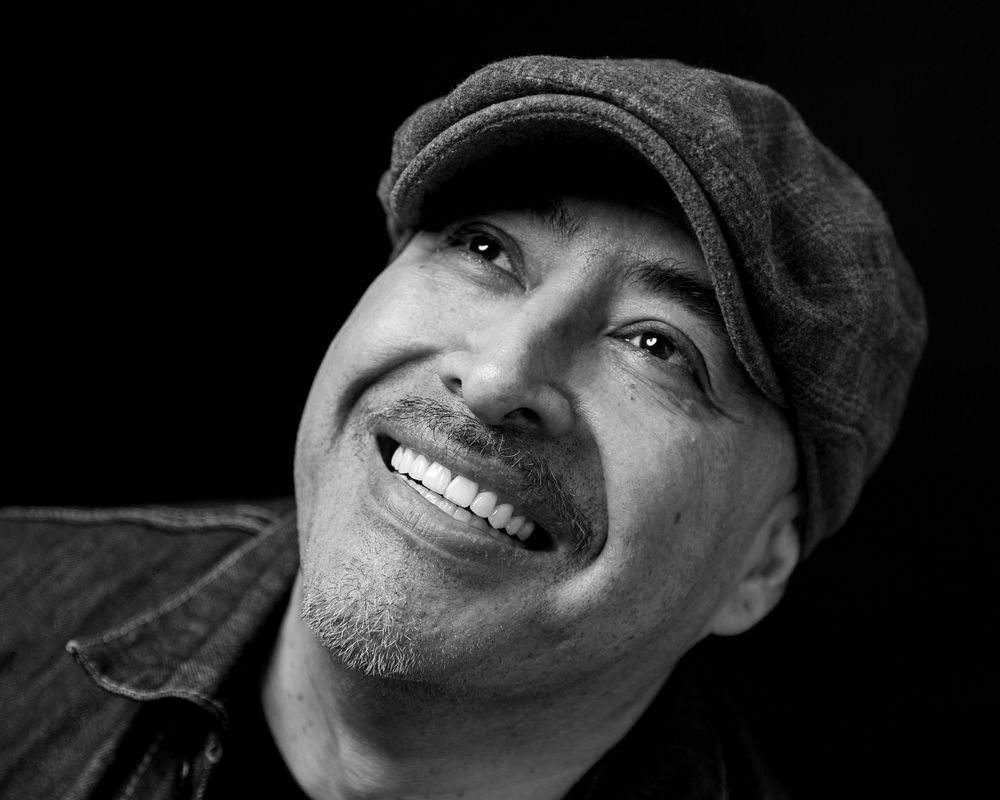
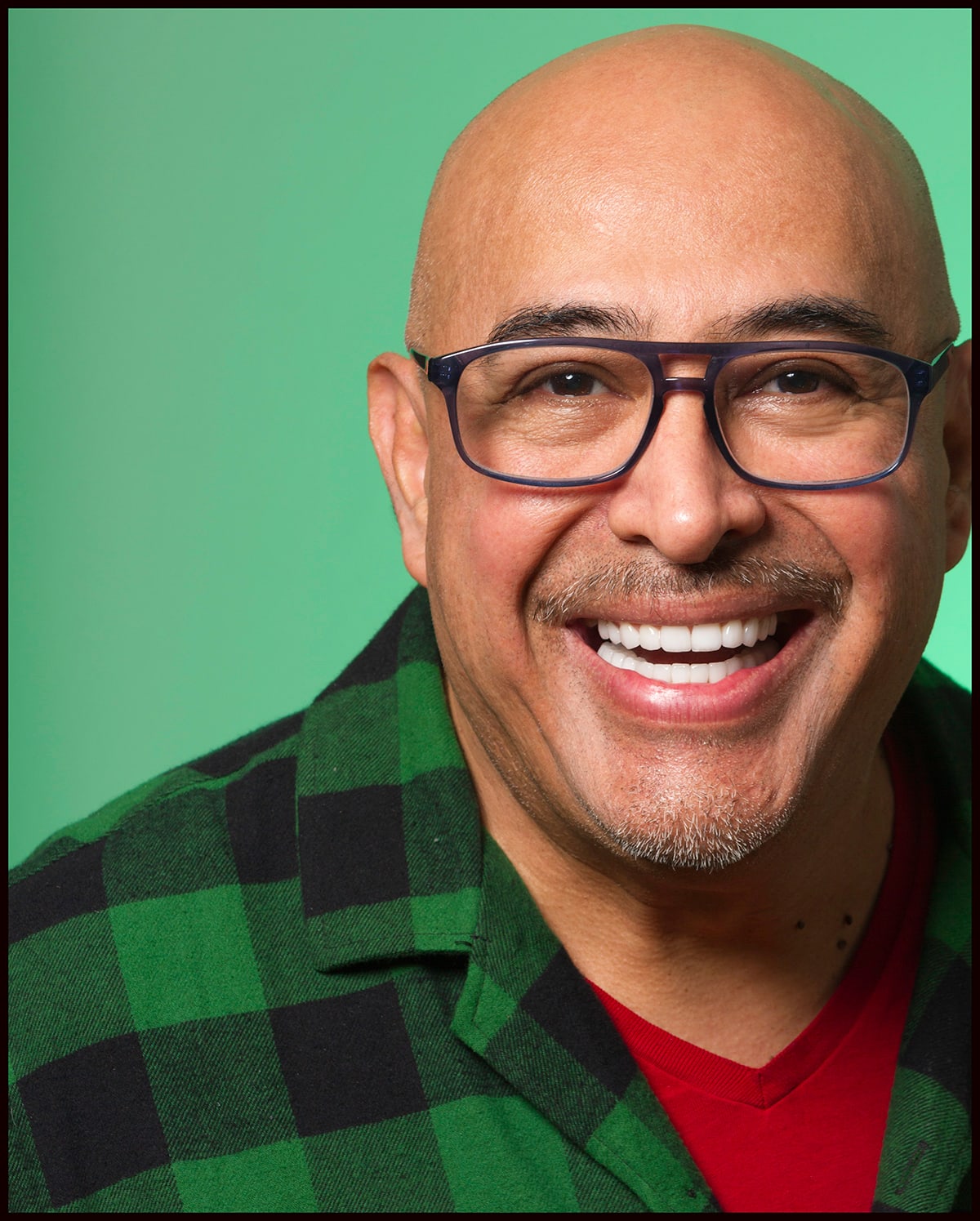



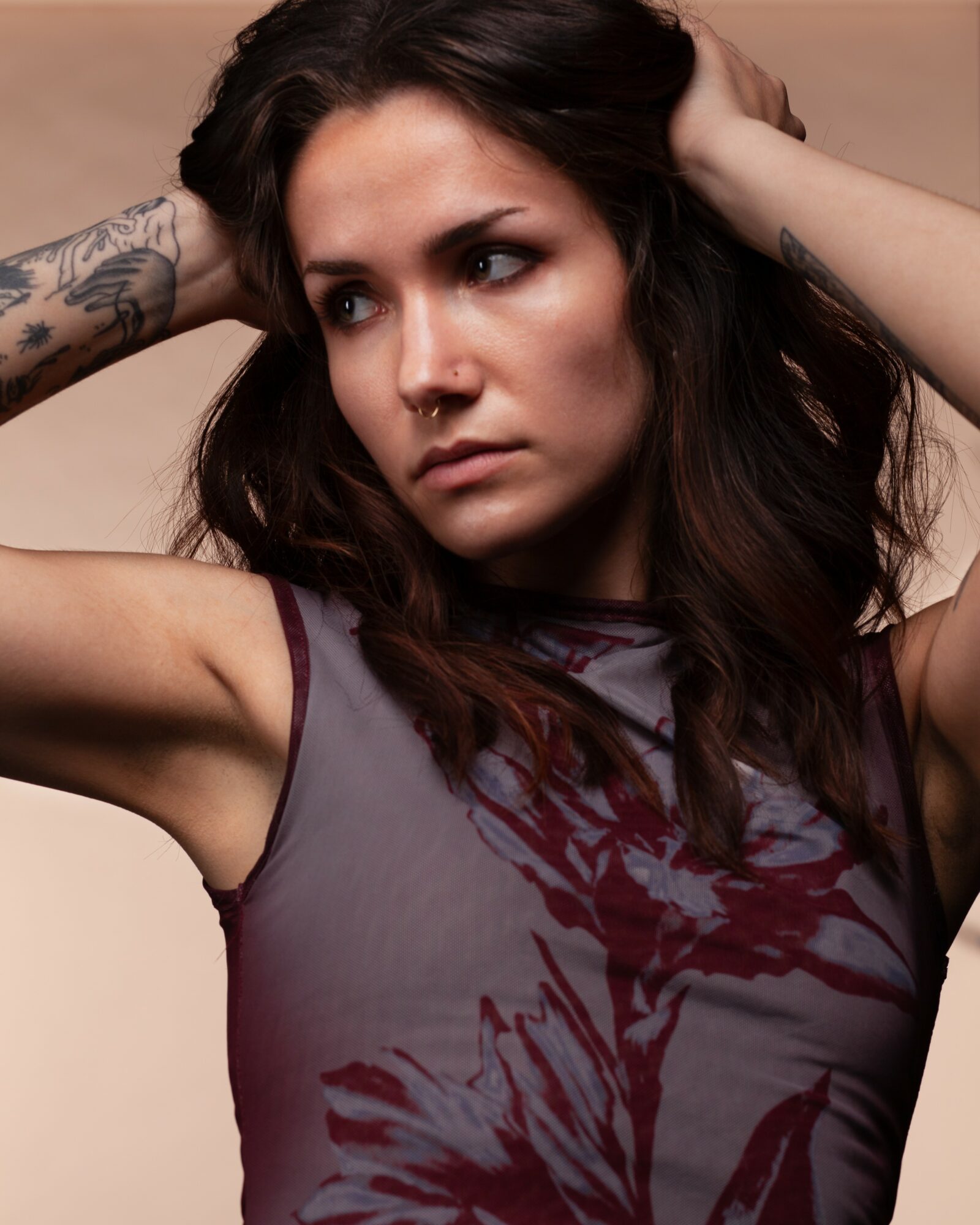
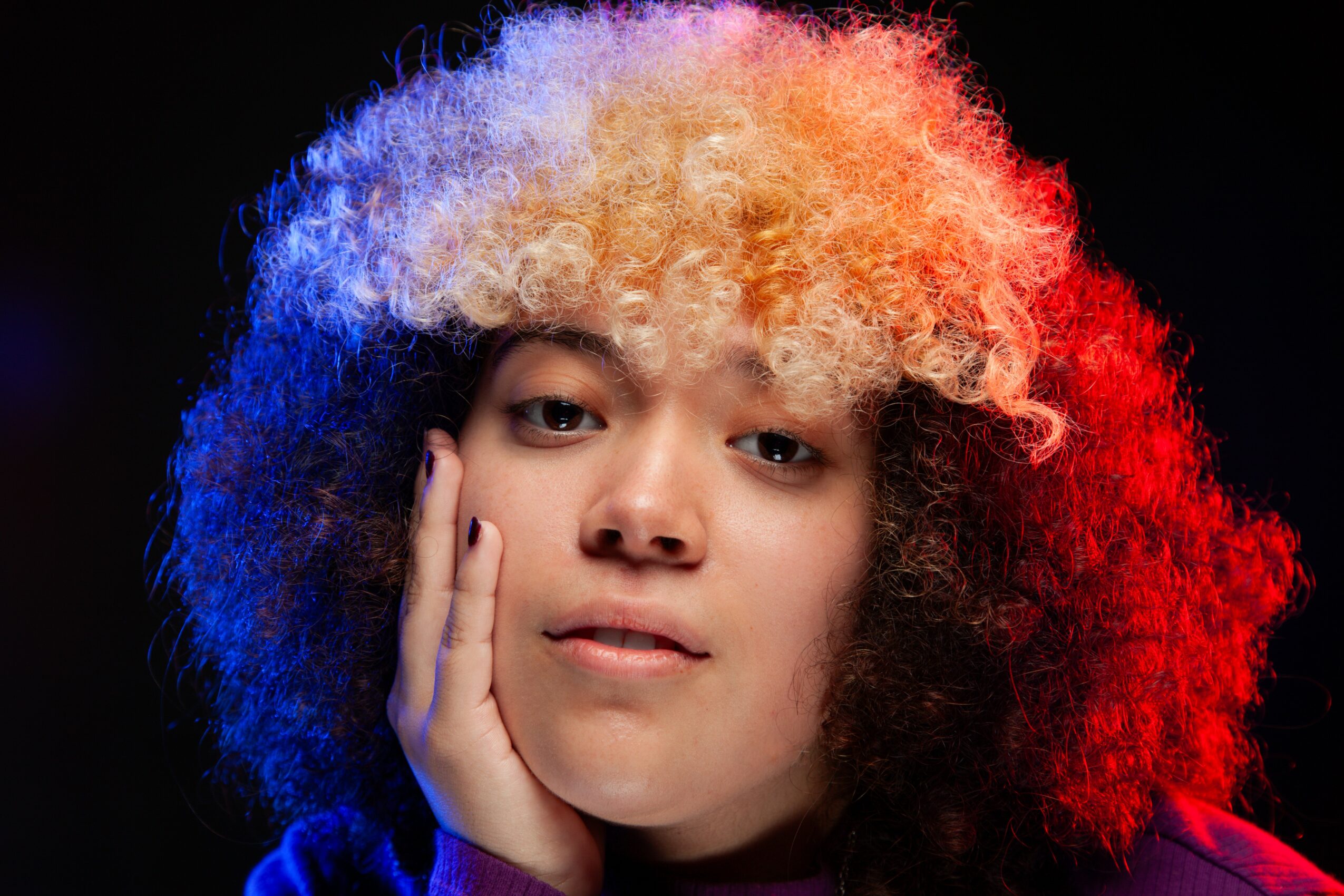
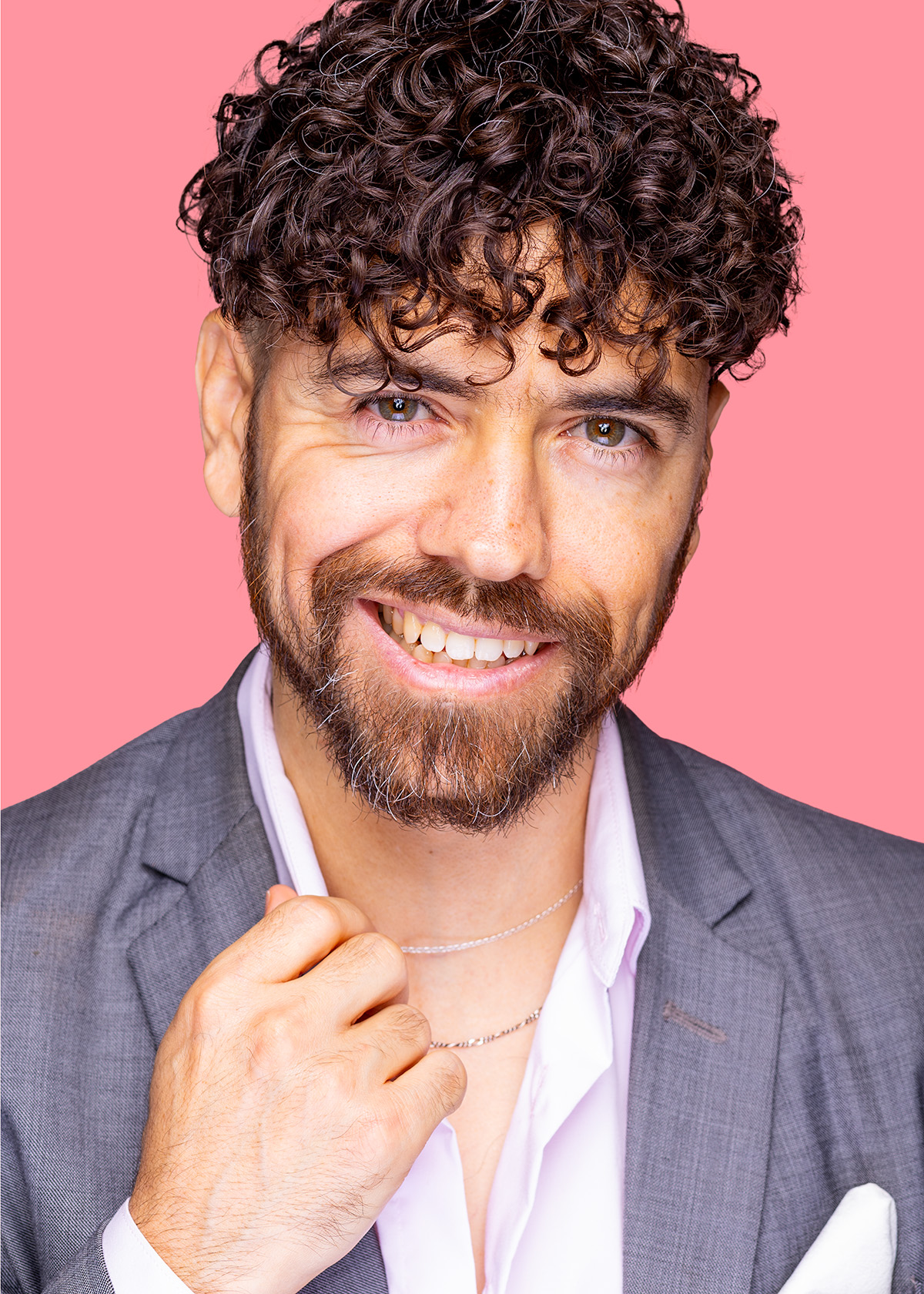
Image Credits
My work.
Popular
-

Que Johnson on Building Brands That Last: From Visibility to True Market Authority
-

Christina Wren Steps Into the Director’s Chair to Tell Stories That Feel Like Home
-

Portraits of the Valley
-

LA’s Most Inspiring Stories
-
JordanL on ‘Breathe,’ Belief, and Building a Movement Beyond the Music
-

Megan Birney Rudert on How Access to Light Is Powering a More Sustainable and Equitable Future


