




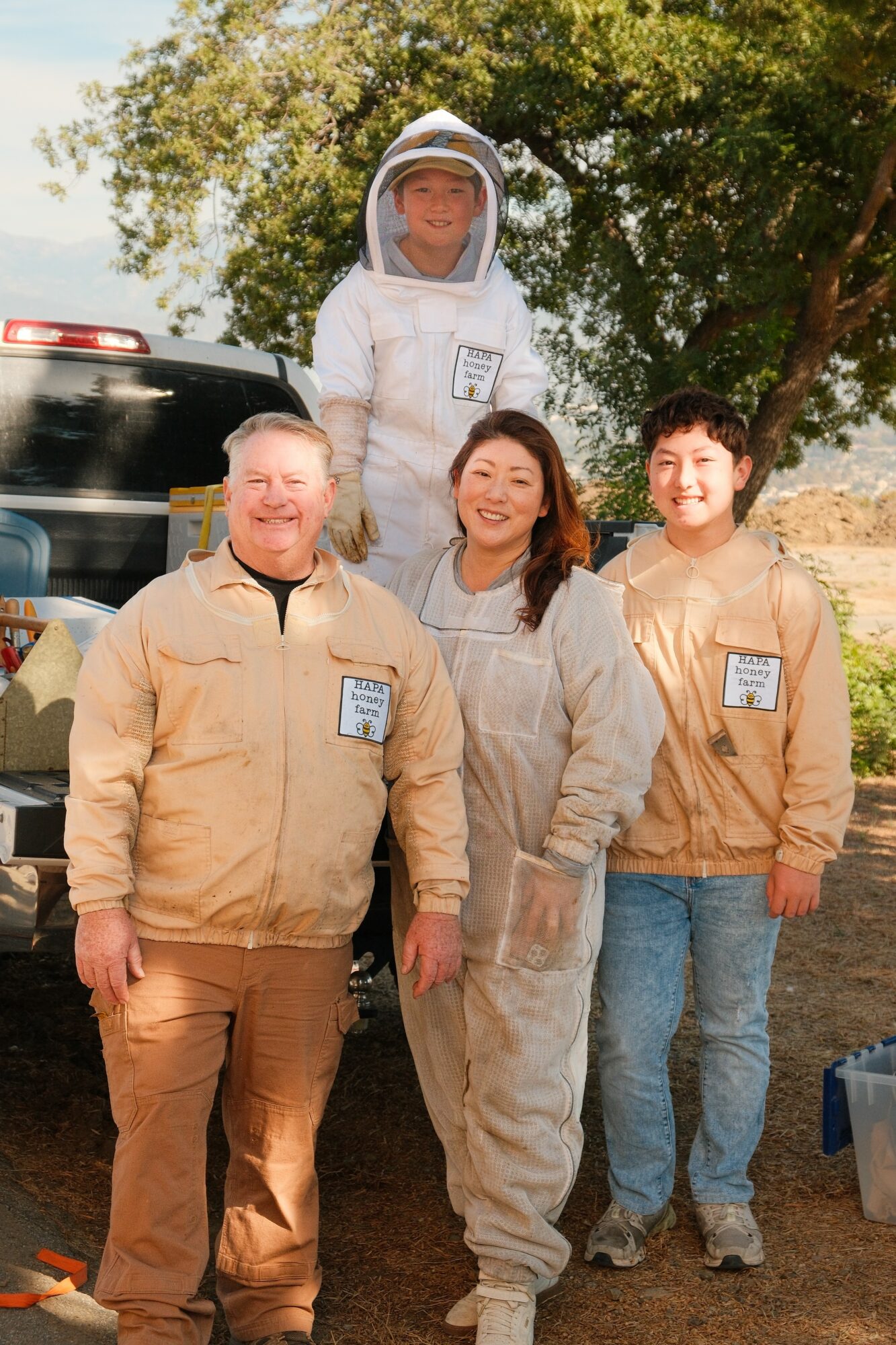
Today we’d like to introduce you to Bill Gibson.
Hi Bill, thanks for sharing your story with us. To start, maybe you can tell our readers some of your backstory.
I’m a first-generation beekeeper. My journey began when I was 10 years old, introduced to the ever-changing world of honey bees by my childhood friend’s father. He kept hives on the roof, and one day he invited me to suit up with a veil and step inside a colony. I remember that moment clearly — my fascination completely overshadowed any fear. He pulled a frame heavy with pure honey and encouraged me to dip my finger straight into the comb and taste it, just as the bees do. That realization — that this raw, golden sweetness was produced by such an extraordinary insect — instantly hooked me. From that day on, the passion never left.
As life moved forward, that early fascination grew into a calling. My wife, Laurie, was once afraid of bees. Today, she is one of their strongest advocates. Years ago, she challenged us to hold our colonies to a higher, healthier standard than what was commonly being taught. That challenge became the foundation of our sustainable, organic hive practices — practices that focus on long-term colony health, resilience, and responsible stewardship.
Our two boys, Gavin (16) and Grady (10), have been beekeepers for more than half their lives. Gavin earned an open internship at the University of California, Irvine at just 14 years old to study bees, and Grady proudly shares beekeeping with elementary school students, helping spark curiosity in the next generation. Beekeeping isn’t just something we do — it’s part of our family culture.
For the past eight years, we’ve operated OC Beekeeping Supplies, where we focus on providing products that truly work and support healthy colonies. Alongside that, we’ve built an active mentorship program where our beekeeping community grows right alongside the bees. On the honey production side, Hapa Honey Farm allows us to share honey harvested from our sustainable, organically managed hives — honey that reflects the health and care behind it.
What continues to fuel this passion is education and outreach. When people understand the vital role honey bees play as pollinators, they become powerful stewards of change. Through teaching, mentorship, and community engagement, we help people see how bees directly impact food security, neighborhood sustainability, and our shared future.
That mission has now expanded through our nonprofit, Bees Feed Us. At BeesFeedUs.org, we are committed to promoting food security and self-sufficiency through beekeeping. Through education, advocacy, and research, we are inspiring future generations to value and protect these incredible insects.
At the heart of everything we do — from our family hives to our store, our honey, and our nonprofit — is passion. We do this because we see the importance of honey bees. We see the connection between healthy colonies and healthy communities. And quite simply, we love it.
I’m sure it wasn’t obstacle-free, but would you say the journey has been fairly smooth so far?
oh boy thats a funny question and Ill tell you why-Has it been a smooth road? I’d say it’s been a Challenging road… with a few stings along the way.
Beekeeping itself teaches resilience. You get stung, you learn, you adjust — and you go right back in with respect and purpose. The bigger challenges haven’t come from the bees. They’ve come from the noise surrounding them.
There is an overwhelming amount of misinformation online. People pose as experts without practical experience. Teachings get pulled from climates like Europe or Minnesota and applied blindly to Southern California, even though beekeeping is extremely localized. Our forage, our seasons, our pest ( varroa Mites) pressure — it’s different here. Yet many hold themselves up as authorities without ever testing methods in our specific environment. For new beekeepers trying to find credible, regionally relevant guidance, that can be confusing and discouraging.
We also experienced challenges within the local beekeeping club itself. When I brought transparency to issues involving nonprofit status and financial practices within a long-standing club I had been a member of for over eight years, it led to my membership being dissolved. Shortly after, I received a serious death threat from the Vice President of Orange County Beekeeping Association Rachel Cannon — serious enough that law enforcement came to my home at 3 a.m. to inform me it was credible and being investigated.
That was the moment that could have turned me bitter. It could have pulled my focus away from the bees and into conflict. Instead, it clarified something important: this work is bigger than personalities, politics, or egos.
What happened next was powerful. Beekeepers from the community began coming through our shop — not to gossip, but because they were looking for something steady, transparent, and grounded in real data. They asked for mentorship program like no other. Something that would make them real great beekeepers if they committed. They wanted direct connection to working apiaries, teaching yards, science, and measurable results. They wanted information specific to Southern California, not theory copied from somewhere else.
So instead of getting caught up in the noise — the misinformation, the egos, the slander, the death threat — I chose to move forward. With support from our community, an intern from the local university, Jason(beekeeper) a brilliant young website builder, we built what has become one of the most informed, data-driven, science-based beekeeping mentorship programs.
The bumps in the road didn’t derail us. They refined us. They strengthened our commitment to education, and integrity. They reminded us that leadership isn’t about titles — it’s about service.
At the end of the day, the bees don’t care about drama. They respond to stewardship, consistency, and skill. That’s where we’ve chosen to keep our energy — focused on helping people succeed, building healthy colonies, and strengthening the beekeeping community through knowledge and forward momentum.
In beekeeping, as in life, you don’t avoid every sting. You just make sure you keep moving forward.
As you know, we’re big fans of you and your work. For our readers who might not be as familiar what can you tell them about what you do?
At the center of everything we do is Bees Feed Us. That organization is the heartbeat of our work. Through Bees Feed Us, we focus on education, advocacy, research, and promoting food security through responsible beekeeping. Our goal is simple but powerful: create informed, capable beekeepers who understand that healthy bees directly support healthy communities.
What I specialize in is building strong, sustainable colonies using science-based, data-driven management practices tailored specifically to Southern California. Beekeeping is highly localized, and what works in one region doesn’t automatically translate to another. We focus on practical skill, measurable results, and mentorship that connects people directly to working apiaries — not just theory, but real-world application.
Over the past eight years through OC Beekeeping Supplies and our mentorship programs, we’ve created a hands-on learning environment where backyard beekeepers gain the same foundational understanding of bee biology, seasonal management, and colony health that commercial operators rely on. On the honey side, Hapa Honey Farm allows us to showcase the direct result of healthy hive management — from raw varietals to our crafted creamed honeys, which reflect another chapter of my life.
Before dedicating myself fully to bees, I spent nearly 20 years as an executive chef — long before it was a trend on television. That career shaped me in ways I use every day. The discipline, timing, organization, and logistics required to run a kitchen translate seamlessly into hive management, honey production, and education. And yes, I still cook every day. That culinary background shows up in the care and creativity behind our honey products — especially our creamed honeys — where texture, balance, and quality matter just as much as they do in fine cuisine.
But beyond skills and experience, what truly sets us apart is our commitment to transparency and sharing knowledge openly. Good beekeeping information is often guarded — treated as something to protect rather than something to pass on. I’ve been fortunate to learn from mentors who operate at the highest levels: beekeeping biologists, college professors, and commercial pollinators managing thousands upon thousands of colonies. The common trait among the best of them? Confidence. They are so grounded in their craft that they freely share what they know.
And they have all challenged me in the same way: make better beekeepers out of hobbyists and backyard keepers. Raise the standard. Share what works. Build skill.
That philosophy is the core of Bees Feed Us.
What I’m most proud of isn’t just strong colonies or quality honey — it’s watching people grow. Seeing a new beekeeper move from uncertainty to confidence. Seeing families integrate bees into their lives. Seeing young people step into research, education, and stewardship roles. My wife Laurie often says, “You need to show them this so they can do better.” That mindset drives everything we do.
What sets us apart is that we lead with integrity, data, mentorship, and heart. We don’t chase trends. We don’t guard information. We build community around competence.
Because when people truly understand bees — not just romantically, but biologically and practically — they become stewards. And that’s how you create lasting impact.
Can you talk to us a bit about the role of luck?
Luck is an interesting word. At this point in life and business, I’d say we experience more karma than luck.
In beekeeping — and in community work — you start to notice patterns. When we show up for people, when we donate time to students who need hands-on hive experience for a project, when we open our apiaries to researchers or young people trying to understand pollinators, things have a way of aligning. Opportunities appear. The right people walk through the door. Conversations turn into collaborations.
We believe strongly in the “pass it forward” mindset. If a student needs experience inside a hive, we make it happen. If someone needs guidance to get started correctly, we give them our time. If research can benefit from field access, we support it. That investment in others tends to circle back in unexpected and positive ways.
So in a sense, we create our own luck.
Beekeeping also teaches humility. Weather changes. Nectar flows fail. Mite pressure spikes. You can do everything right and still face challenges. But when your foundation is built on education, ethics, and service, even the hard seasons become part of the long-term growth. What some might call “bad luck” often becomes refinement — forcing you to improve systems, gather better data, and become more resilient.
The “good luck” moments usually come disguised as hard work paying off — a healthy overwintered colony, a student succeeding beyond expectations, a community member finding confidence because of mentorship. Those moments don’t feel random. They feel earned.
Now, if I happen to be in Las Vegas, I’ll happily take a little traditional luck.
But in life and in bees, we’ve learned that intention, integrity, and generosity tend to stack the odds in your favor.
Pricing:
- Beekeping Experiences $100 – $150
- Deep Professional Classes $300
- BeesFeedUS-Hive Sponsorships $3500+
- Corperate Sponsorship $ 3500+
- Mentorship $200 anually
Contact Info:
- Website: https://beesfeedus.org | https://hapahoneyfarm.com | https://www.ocbeekeeping.com
- Instagram: @hapahoneyfarm, @ocbeekeepingsupply, and @beesfeedusnp
- Facebook: https://www.facebook.com/ocbeesupply and https://www.facebook.com/hapahoneyfarm/
- Youtube: https://www.youtube.com/channel/UChodnnTKVf0AlQuNNnpp59w/videos
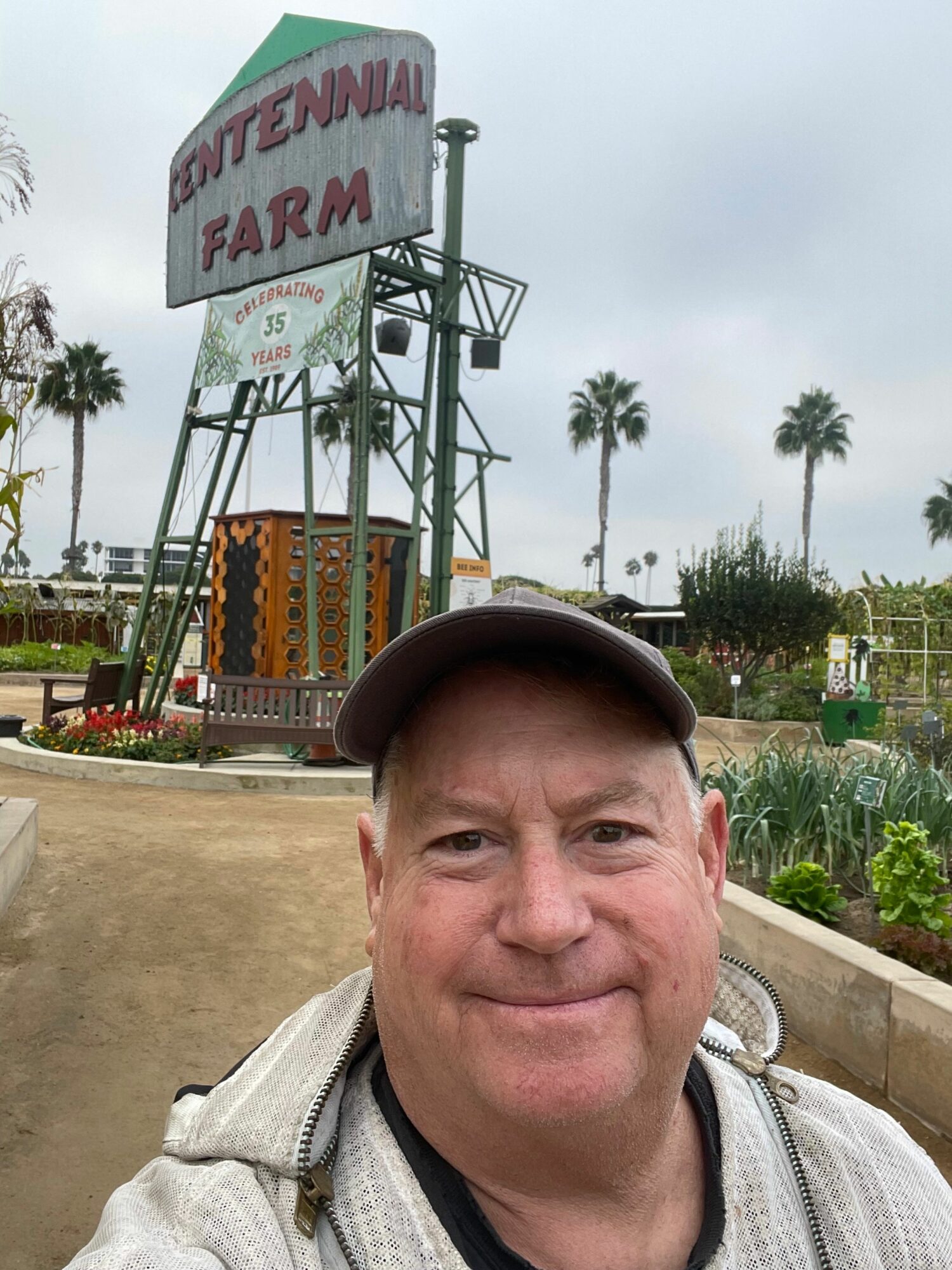
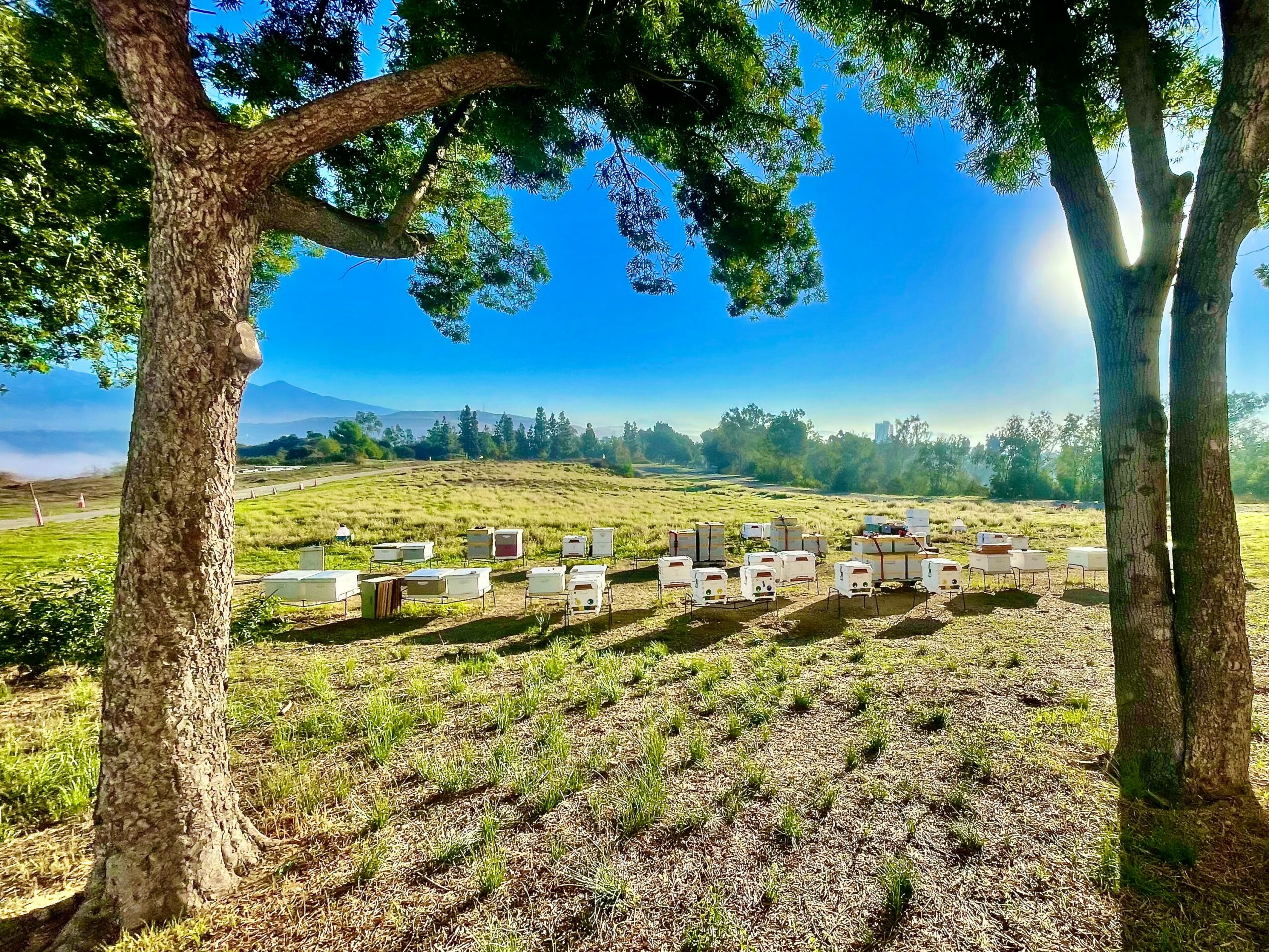
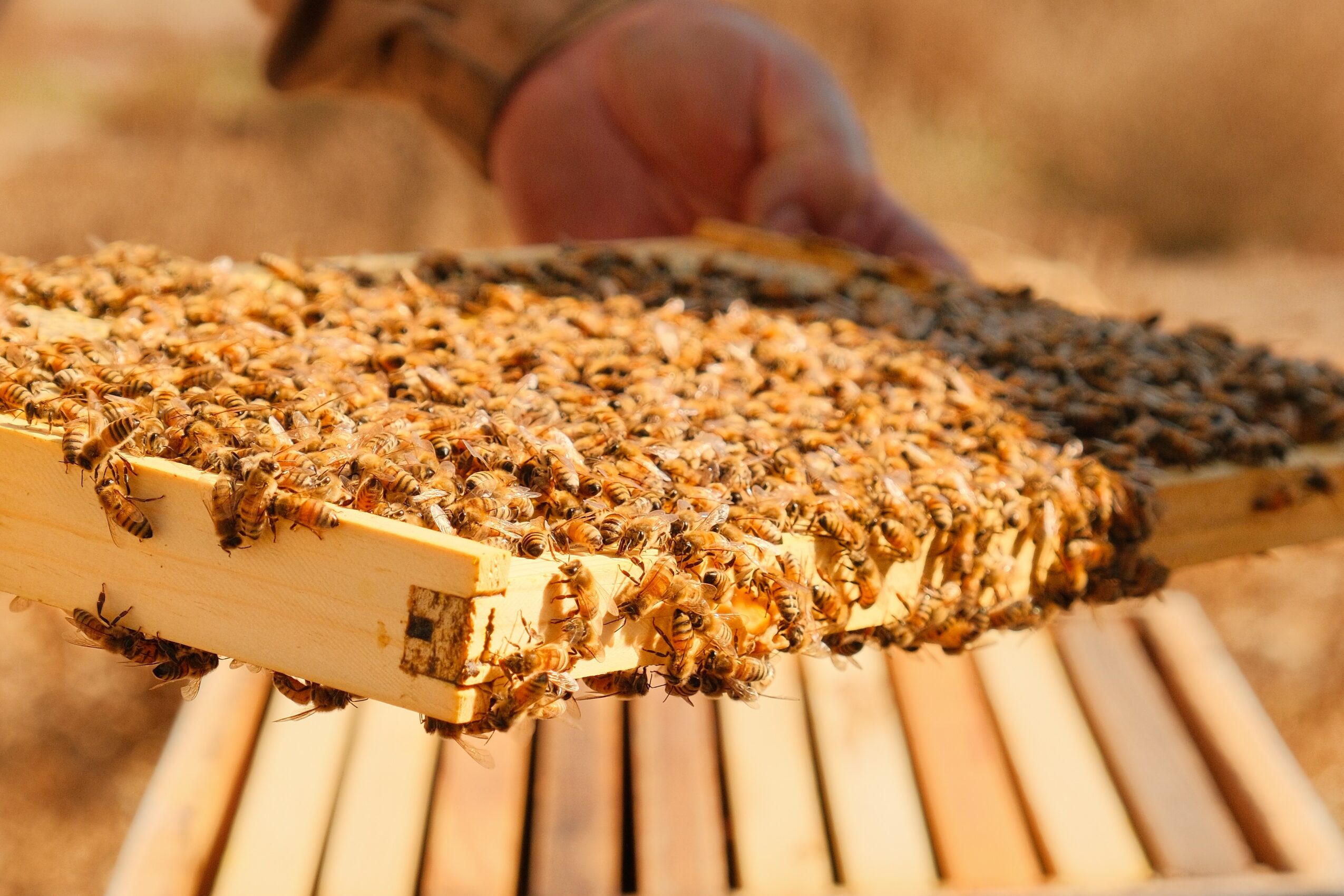
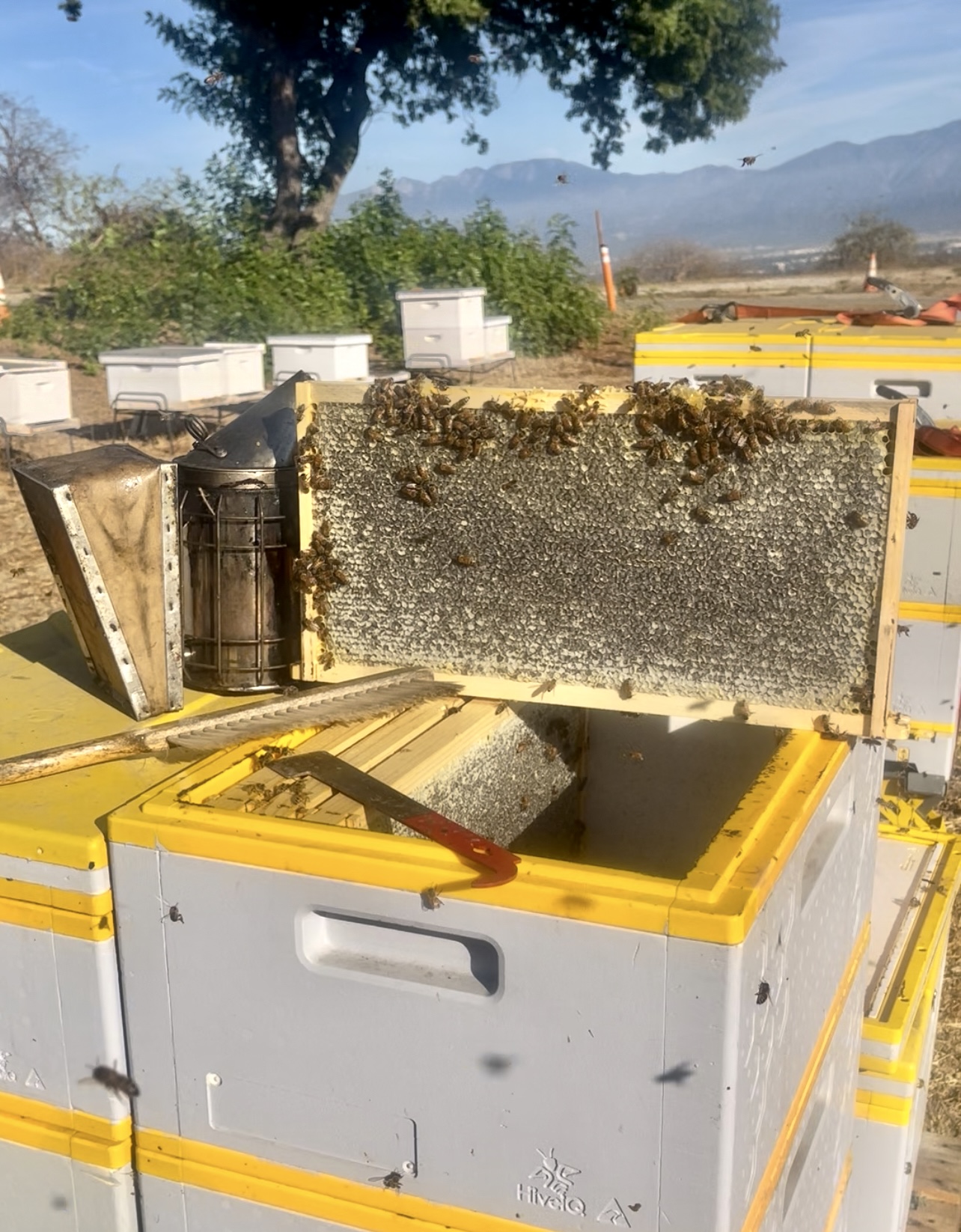
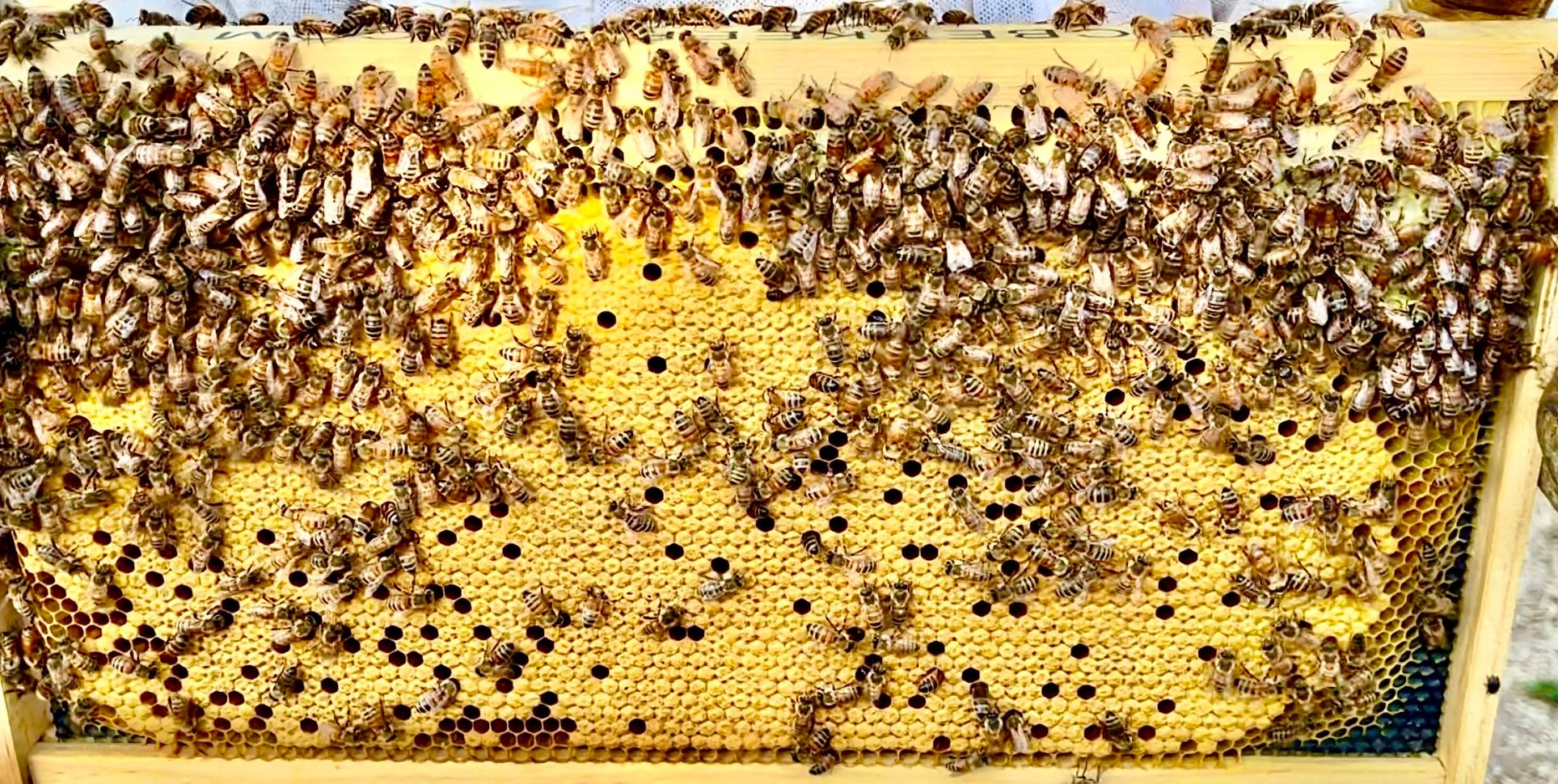
Image Credits
These are our photos. All good to use them
Popular
-

Que Johnson on Building Brands That Last: From Visibility to True Market Authority
-

Christina Wren Steps Into the Director’s Chair to Tell Stories That Feel Like Home
-

Portraits of the Valley
-

LA’s Most Inspiring Stories
-
JordanL on ‘Breathe,’ Belief, and Building a Movement Beyond the Music
-
Megan Birney Rudert on How Access to Light Is Powering a More Sustainable and Equitable Future


