




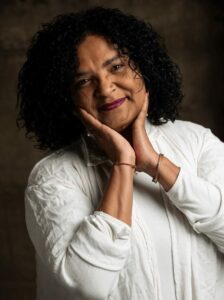
 Today we’d like to introduce you to Ana Carla Laidley
Hi Ana Carla, can you start by introducing yourself? We’d love to learn more about how you got to where you are today?
I am Ana Carla Laidley, also known as Aninha Malandro. Born and raised in Rio de Janeiro, Brazil, I grew up immersed in the rich culture of samba. My parents were deeply involved in the samba community; my father, Carlinhos do Pandeiro, is a talented musician, and my mother, Ana Gomes, was a renowned samba dancer.
My early life was filled with the rhythms, traditions, and contradictions of samba. I attended weekly rehearsals and participated in parades with various samba schools. This vibrant cultural upbringing laid the foundation for my lifelong passion for dance and music.
Thirty-two years ago, I immigrated to the United States, bringing the essence of Brazilian culture with me. My journey took me to Hawaii, Oakland, and Boston before settling in Los Angeles in 2002. Here, I founded the samba dance group Malandro N’ Motion and my non-profit organization Samba N’ Motion. I have shared my heritage, teaching samba and choreographing performances celebrating the spirit of old Rio de Janeiro.
My work in the U.S. has preserved the roots of samba and introduced it to a broader audience, breaking cultural barriers and enriching the local arts scene. As a Black Brazilian professional in America, I have faced unique challenges and opportunities. I believe that education is fundamental, and I am currently in my fourth year at the Jung Institute in Los Angeles, working towards becoming a Certified Jungian Analyst. This journey has deepened my understanding of the human psyche and enriched my approach to therapy and dance.
In addition to my professional achievements, I have been married for thirty-two years, a proud mother of two beautiful soul women and a handsome and smart son, and a proud grandmother of three beautiful children. My family is my greatest source of joy and inspiration, and they motivate me to continue my work with passion and dedication.
I have integrated my psychology background to develop Samba Dance Movement Therapy. This innovative approach combines the therapeutic aspects of dance with psychological principles to promote emotional, cognitive, social, physical, and spiritual integration. I truly believe that Samba is a healing cultural system. Using samba steps and body movements and integrating with the Jungian concept of Active Imagination, I help individuals reconnect with their bodies, minds, and spirits, facilitating healing and personal growth.
I am also the founder of the International Samba Congress, an annual event that brings together samba enthusiasts and professionals worldwide to celebrate and learn about this vibrant cultural tradition. The congress offers workshops, performances, and lectures, fostering a sense of community and cultural exchange. I am currently restructuring the International Samba Congress to merge it with the National King and Queen of Samba Contest and to create a program called Gafieira Express.
In 2024, I was honored to be named the Princess of the Court Senior for the Associação de Passistas de Samba no Pé do Brasil Ciro do Agogo, and I will proudly serve as the Queen of the Court Senior in 2025. Additionally, I am the godmother of the Bloco Cultural Pegada de Malandro, a role that allows me to further support and promote samba culture. I was also nominated the Ambassador of Samba in the USA by the Estação Primeira de Mangueira and APASB, a recognition that underscores my commitment to spreading Samba’s joy and cultural significance.
I have traveled to Australia, Canada, Japan, Mexico, and Germany to teach samba, sharing my passion and expertise with diverse audiences. I am also involved in several social programs for youth, using samba as a tool to inspire and empower the next generation.
This August, I will be presenting “Reborn in Samba” at the Fringe Project in Edmonton, a production I am working on conjointly with Cecilia Ferreyra. This performance is a testament to Samba’s resilience and transformative power, showcasing how it can be a source of healing and renewal.
Would you say it’s been a smooth road, and if not what are some of the biggest challenges you’ve faced along the way?
It certainly hasn’t been a smooth road. As an immigrant, I’ve faced numerous challenges related to language and cultural differences, as well as discrimination and racism. One particularly painful experience was when a graduate-level professor told me, “Despite being Brazilian, you are smart.” I had to assert myself and respond, “I speak with an accent, but I don’t think with an accent.” This incident highlighted the biases and stereotypes even in academic settings.
Discrimination isn’t limited to interactions with non-Brazilians; it can also come from other professionals and even within the Brazilian community. Navigating these prejudices has been a significant part of my journey. Being a Black Brazilian professional in America adds another layer of complexity. I often have to prove my worth and capabilities in environments that may not always be welcoming or inclusive.
Despite these struggles, I have remained committed to my passion for samba and my work in psychology. These challenges have only strengthened my resolve to break cultural barriers and promote understanding and acceptance through my work. My experiences have also fueled my dedication to education and my pursuit of becoming a Jungian Analyst. Understanding the human psyche is crucial in addressing and overcoming these societal issues.
Through my work with Samba N’ Motion, the International Samba Congress, and various social programs for youth, I strive to create spaces where cultural diversity is celebrated and everyone feels valued and respected. My journey has been filled with obstacles, but it has also been incredibly rewarding, allowing me to impact the Brazilian and American cultural landscapes meaningfully.
Thanks – so what else should our readers know about your work and what you’re currently focused on?
I am deeply involved in the world of samba as a performer and educator. I founded the samba dance group Malandro N’ Motion and the non-profit organization Samba N’ Motion, where I teach samba and choreograph performances that celebrate the spirit of old Rio de Janeiro. Our mission is to promote, preserve, and create opportunities for samba and non-samba dancers, expanding their possibilities for jobs, entertainment, and community building.
Samba N’ Motion plays a crucial role in the community by providing a platform for cultural exchange and artistic expression. We offer workshops, classes, and performances that teach the art of samba and foster a sense of belonging and pride in Brazilian heritage. Our programs aim to empower individuals by enhancing their skills and opening doors to new career opportunities in the arts and entertainment industries.
Our non-profit organization is dedicated to preserving samba’s rich traditions while encouraging innovation and creativity. We believe that samba is more than just a dance; it is a powerful tool for social change and personal growth. By engaging with diverse communities, we strive to build bridges and promote understanding and appreciation of Brazilian culture.
Samba N’ Motion also focuses on community building by organizing events and activities that unite people. Whether through our annual International Samba Congress, local performances, or social programs for youth, we create spaces where individuals can connect, share experiences, and support one another. Our efforts contribute to a vibrant and inclusive cultural landscape, enriching the lives of everyone involved.
My work has taken me around the world, including Australia, Canada, Japan, Mexico, and Germany, where I have had the privilege of teaching samba and sharing my culture with diverse audiences.
In addition to my work in dance, I have a private psychotherapy practice. I am in my fourth year at the Jung Institute in Los Angeles, working towards becoming a Certified Jungian analyst. I have integrated my background in psychology with my passion for samba to develop Samba Dance Movement Therapy. This innovative approach combines the therapeutic aspects of dance with psychological principles to promote emotional, cognitive, social, physical, and spiritual integration. I see Samba as a Healing Cultural System. Using samba steps and body movements, I help individuals reconnect with their bodies, minds, and spirits, facilitating healing and personal growth.
I am the proud founder of the International Samba Congress, an annual event that unites samba enthusiasts and professionals from across the globe to celebrate and embrace this vibrant cultural tradition. I am reimagining the International Samba Congress by integrating it with the National King and Queen of Samba Contest and introducing the Gafieira Express Festival (Couple Samba Dance) program.
Being named the Princess of the Court Senior adds a sense of honor and recognition to your work as both a psychotherapist and a samba dancer. It showcases your dedication, commitment, and expertise in the realm of samba, which can help you connect with your clients and community in a unique and meaningful way. This prestigious title can also serve as a source of inspiration and motivation for both your personal and professional endeavors, demonstrating your ability to excel in multiple aspects of your life.
My unique integration of samba and psychology sets me apart. It creates a holistic approach to healing and personal growth. I am also deeply committed to social programs for youth, using samba as a tool to inspire and empower the next generation. I am eager to continue learning and expanding my knowledge and sharing it with others.” I am eager to continue learning and expanding my knowledge and sharing it with others.
I am most proud of my work’s impact on individuals and communities, breaking cultural barriers and enriching the local arts scene. My dedication to my craft and community has made me a respected figure in Brazilian and American cultural landscapes.
Do you have any advice for those just starting out?
For those who are just starting, my advice is always to remember and honor those who came before you. Understanding and appreciating the legacy and contributions of your predecessors is crucial. They have paved the way and laid the foundation for building your own path.
Think of it like a tree: it cannot thrive without its roots. The roots provide stability, nourishment, and a connection to the earth. Similarly, your foundation and roots are essential for your growth and success. Solidifying your basis, whether through education, understanding your cultural heritage, or learning from mentors, is the most important step to ensure a fruitful future.
I wish I had known more about the “business” aspects of my dreams from the beginning and had a clear goal to not only make others happy but also to be certain that my business would be sustainable.
Remember to take the time to learn about your history, seek out mentors, and build a strong foundation. This will ground you and provide the support you need to grow and flourish. Encourage yourself to also learn about the bureaucratic side of your business and follow the rules. Remember, the deeper and stronger your roots, the higher and more resilient you can grow.
Pricing:
- Sessions $200-$250
- Regular Samba Encounter $20 (drop in)
- Regular Samba Encounter Card with 10 classes ($180)
- Workshops $500
- Samba Dance Movement Therapy: $75 per person (minimum 10 people)
Contact Info:
- Website: https://www.sagecsinc.net and https://www.internationalsambacongress.org
- Instagram: https://www.instagram.com/ana_malandroofficial2/
- Facebook: https://www.facebook.com/Moti.sam
- Youtube: https://www.youtube.com/channel/UCs_uJitGFstCYfOO2chzO4A
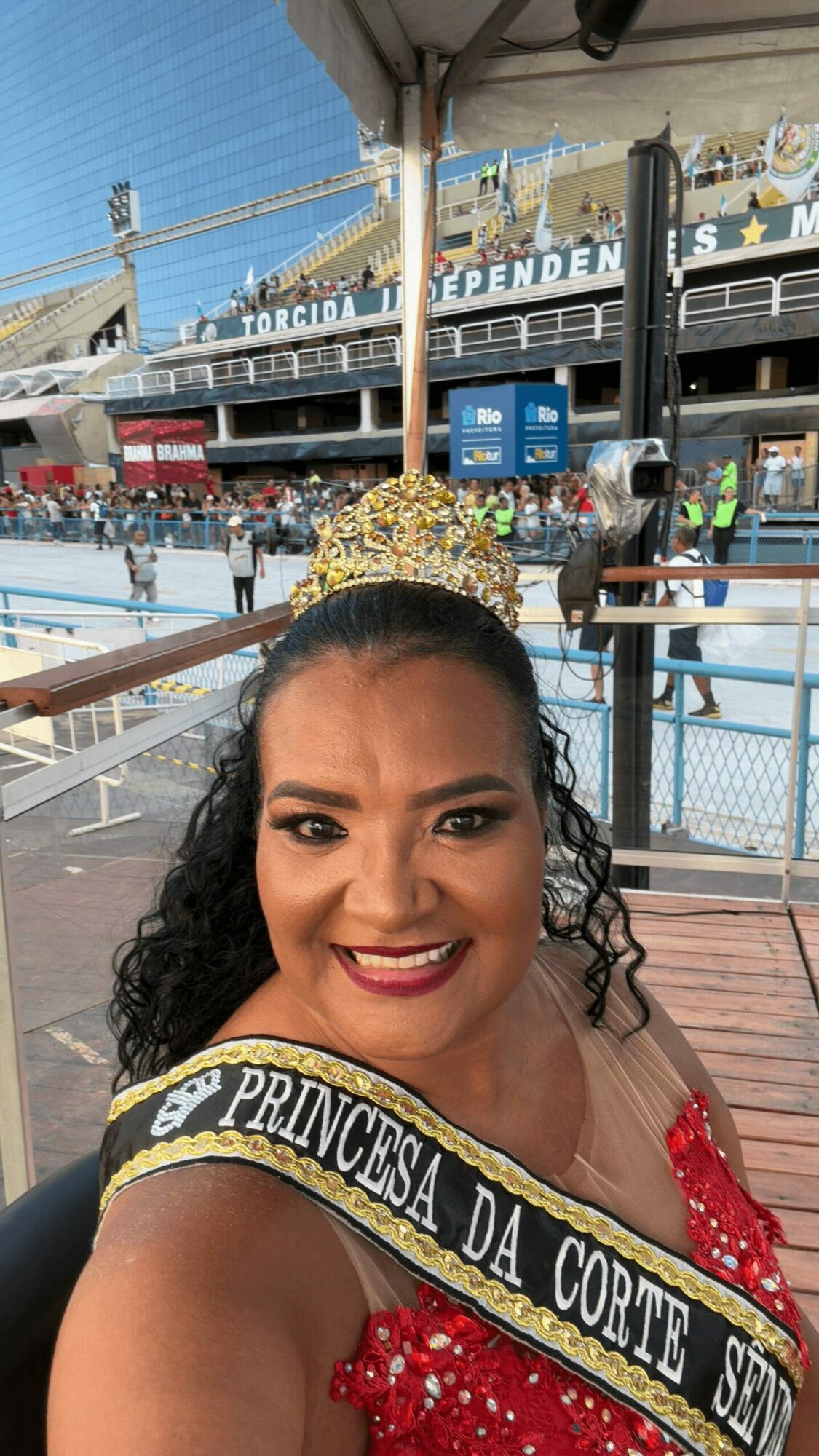
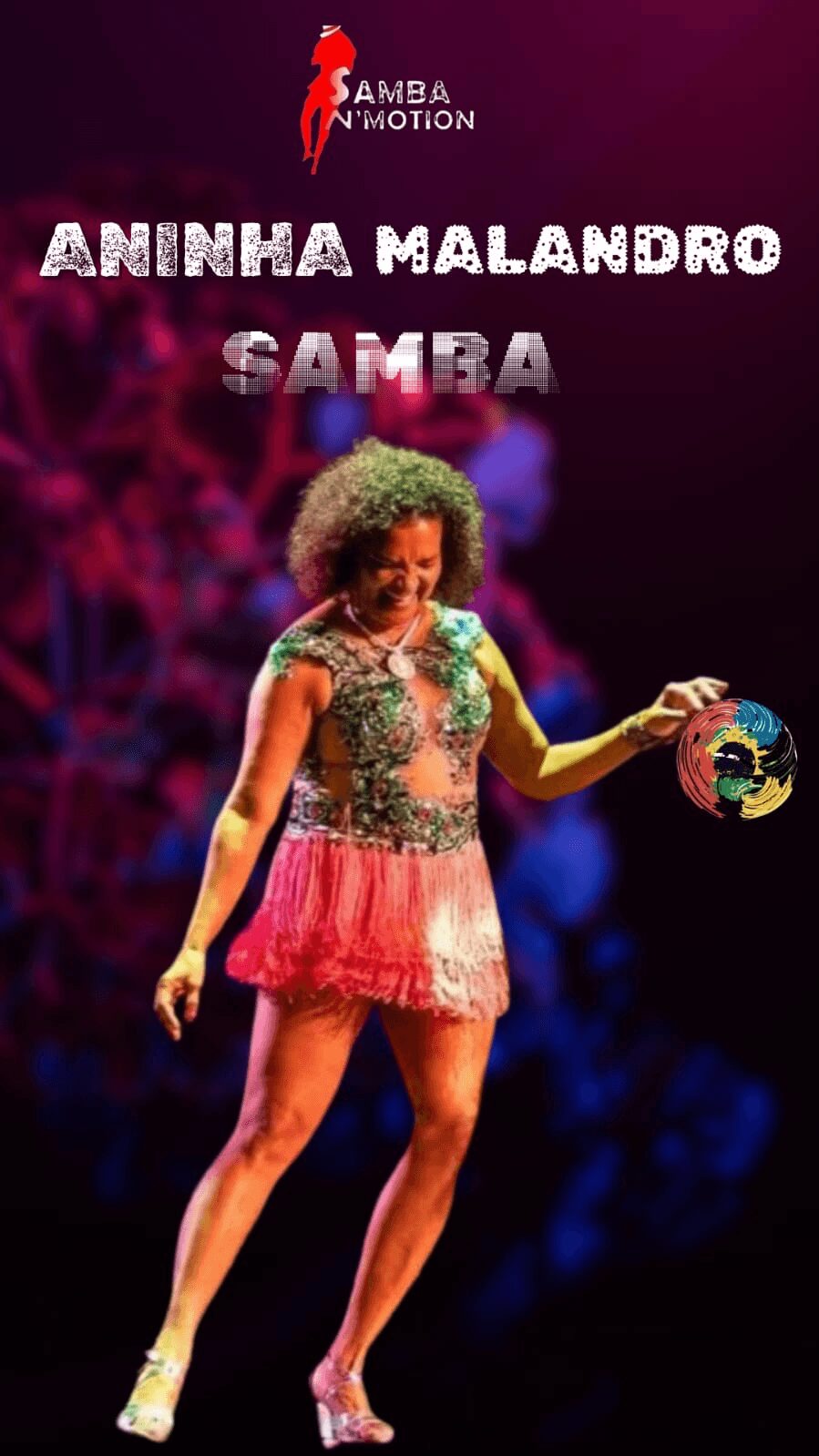
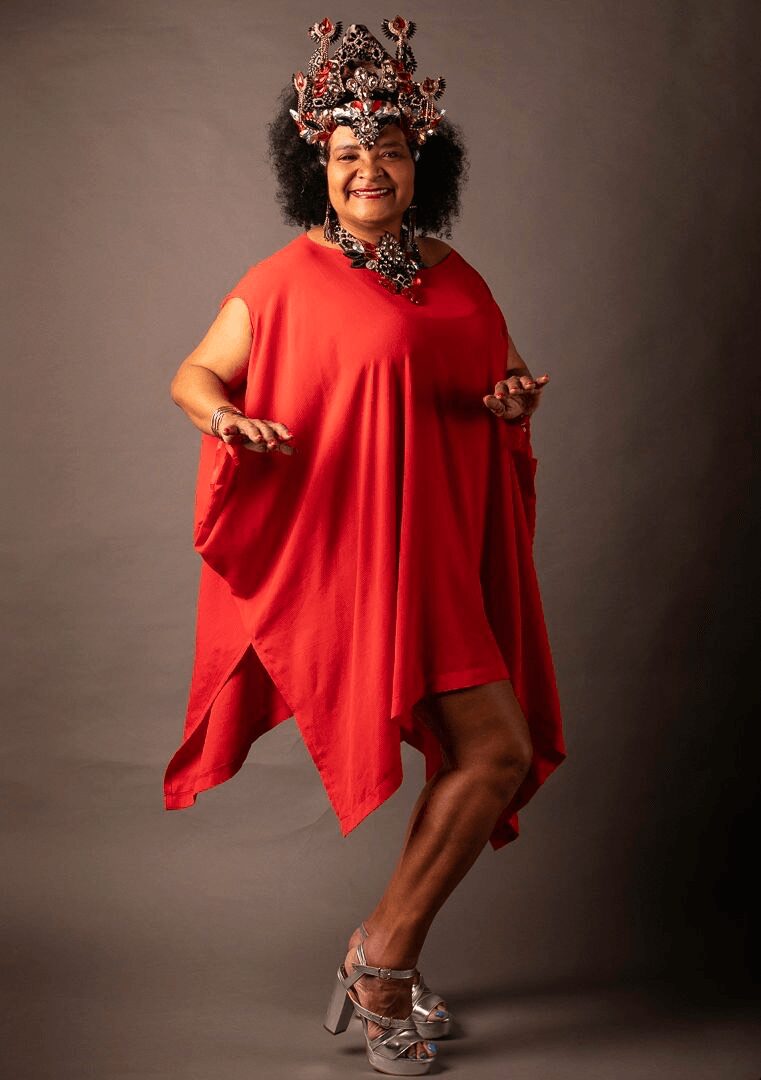
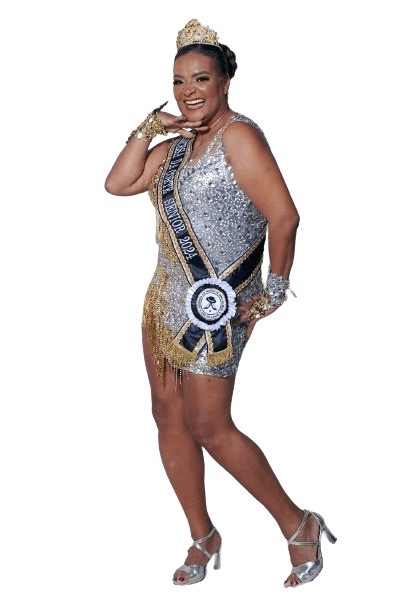
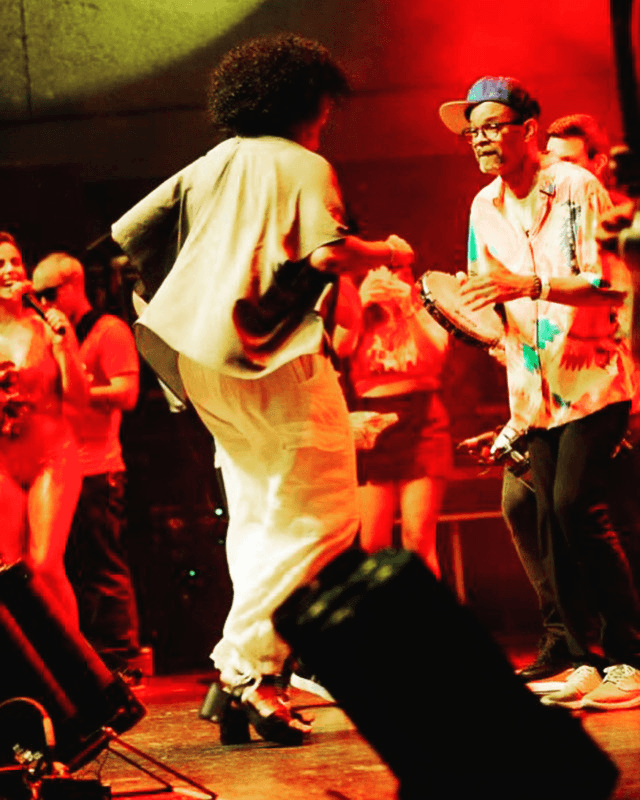
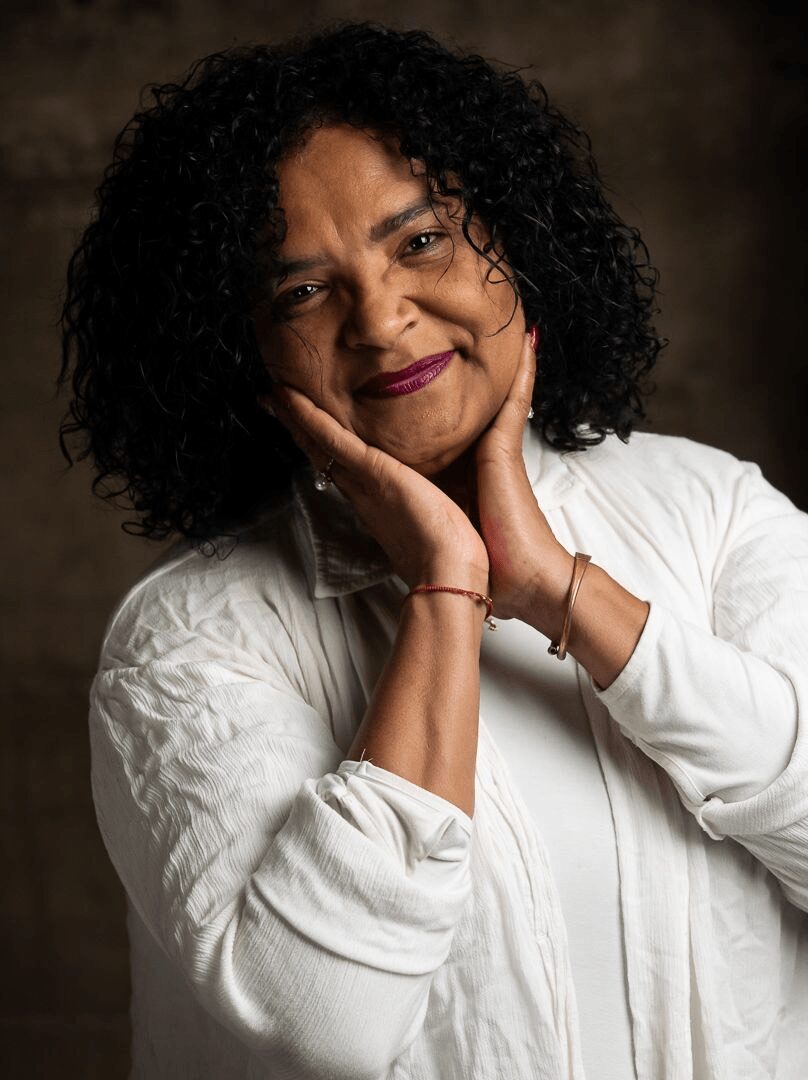
Image Credits
Tyler Baker Photography.
Popular
-

JordanL on ‘Breathe,’ Belief, and Building a Movement Beyond the Music
-
Megan Birney Rudert on How Access to Light Is Powering a More Sustainable and Equitable Future
-

Linda Kneidinger on Building Lasting Change Through Small Steps and Self-Compassion
-

Jolana Nika on Redefining Modern Connection Through Intentional, Real-Life Experiences
-
What did suffering teach you that success never could?
-
Who saw you clearly before you could see yourself?


