


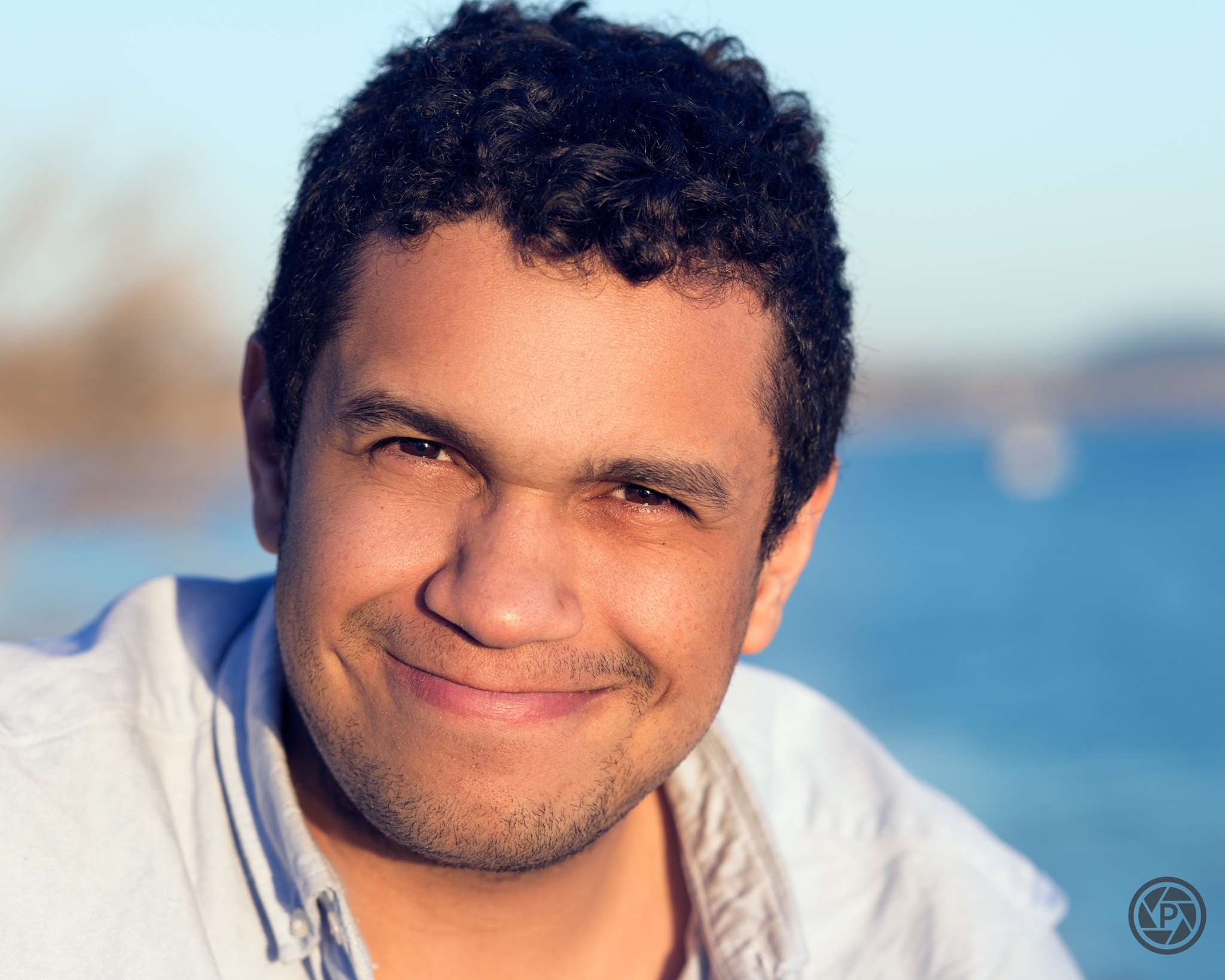
Today we’d like to introduce you to Pedro Oliveira.
Hi Pedro, so excited to have you on the platform. So before we get into questions about your work-life, maybe you can bring our readers up to speed on your story and how you got to where you are today?
I started photography as a hobby after I moved from Atlanta to Portland, in which winters are way too severe for a fresh of the boat, Brazilian. What started as a hobby grew to become a profession over the years. I was attending my Journalism college degree and photographing everything I could just for fun. At some point, I decided to photograph squirrels in a park. At any given day, the part in front of my apartment is filled with squirrels, but that day, for some reason, there were none after hours of me waiting. Frustrated, I sat on a bench next to a homeless man who was interested in my camera. After a little chit-chat, I let him having my camera for a while and he took a picture of me, which I still have. I poked him saying that it was only fair for him to let me take picture of him, which I did. That one picture, along my written narrative of our encounter, was received in such a positive way by photography communities that I decided to do it again, eventually turning my encounters into my first photo essay named “Careful Soul Inside.” The project eventually gained visibility and was published by a few magazines, including the Orange County Register. That was when I realized that visual narratives were what I wanted to do professionally.
I’m sure you wouldn’t say it’s been obstacle free, but so far would you say the journey have been a fairly smooth road?
The term “starving artist” exists for a reason (lol). Any sort of creative job is very hard, particularly because art–and I am using this word very loosely– is very subjective. It can be worth millions or nothing depending on who the viewer is. I have worked for years to build my portfolio, I cut my teeth (money wise) shooting Groupon session for $35. It is a painful and sometimes ungrateful career. Visual storytellers/photographers put their hearts and souls into their work and being told hundreds of times their work isn’t good enough can be soul crushing. I absolutely sympathize and understand why some people give up. To make in this industry one has to have resilience and becoming somewhat numb to the noise. Even though it sounds like a cliche, believing yourself is what is going to get you through one more day. It’s worth it though. Once things start working, every bit of tear you went through seems to have led you to those good moments.
As you know, we’re big fans of you and your work. For our readers who might not be as familiar what can you tell them about what you do?
I am an all-things-people image maker. I shoot editorials, advertising, and documentary these days. So I have a large range of subjects and genres. The bread and butter is advertising, and I often shoot branding campaigns for big and not-so-big names. I have shot for names such as National Geographic. Forbes, The Guardian, Hamilton, Volvo, etc. With that said, my heart, obviously, is still in narratives and real stories. Ever since the beginning of my career, I’ve been covering social issues, such as homelessness, aging as a female, immigration, Covid 19, etc. I don’t know if I would use the word “proud” but I am infinitely honored to have the chance of, among so many great people out there, having the chance of not only telling my stories and making my voice heard but also to be trusted on being the vessel to tell and visually bring to this world other people’s stories too. The thrill of seeing a project sketched on a napkin displayed on a billboard, and knowing that the final product was a fruit of my work, is, in my humble opinion, second to none.
Can you talk to us about how you think about risk?
That’s an interesting one! I don’t think of myself as a risk-taker but some people would disagree. I’ve photographed homeless people and have produced a project in the Brazilian favelas. However, I never felt endangered. Once you connect with the subject and the people living on the places you go, they understand what your purpose is. I have, however, good friends who are war zone and crisis photographers. I believe such profession is not for everybody. I just can’t see myself doing their work. However, taking risks, in this example, is justified with the magnitude and the importance of what they do. Photojournalists can act, almost literally, as the eyes of the world. Without the risk some professionals take, we, on our western comfort wouldn’t be able to know what is happening in different countries, and, lately, even here in this country. In sum, if the risk justifies the reward and the importance of the task, I commend those willing to take it.
Contact Info:
- Email: pedroholiveira@pedrontheworld.com
- Website: http://www.pedrontheworld.com
- Instagram: http://instagram.com/pedrontheworld
- Facebook: http://facebook.com/pedrontheworld1


Suggest a Story: VoyageLA is built on recommendations from the community; it’s how we uncover hidden gems, so if you or someone you know deserves recognition please let us know here.
Popular
-

Portraits of the Valley
-

LA’s Most Inspiring Stories
-
JordanL on ‘Breathe,’ Belief, and Building a Movement Beyond the Music
-
Megan Birney Rudert on How Access to Light Is Powering a More Sustainable and Equitable Future
-
Linda Kneidinger on Building Lasting Change Through Small Steps and Self-Compassion
-
Jolana Nika on Redefining Modern Connection Through Intentional, Real-Life Experiences