




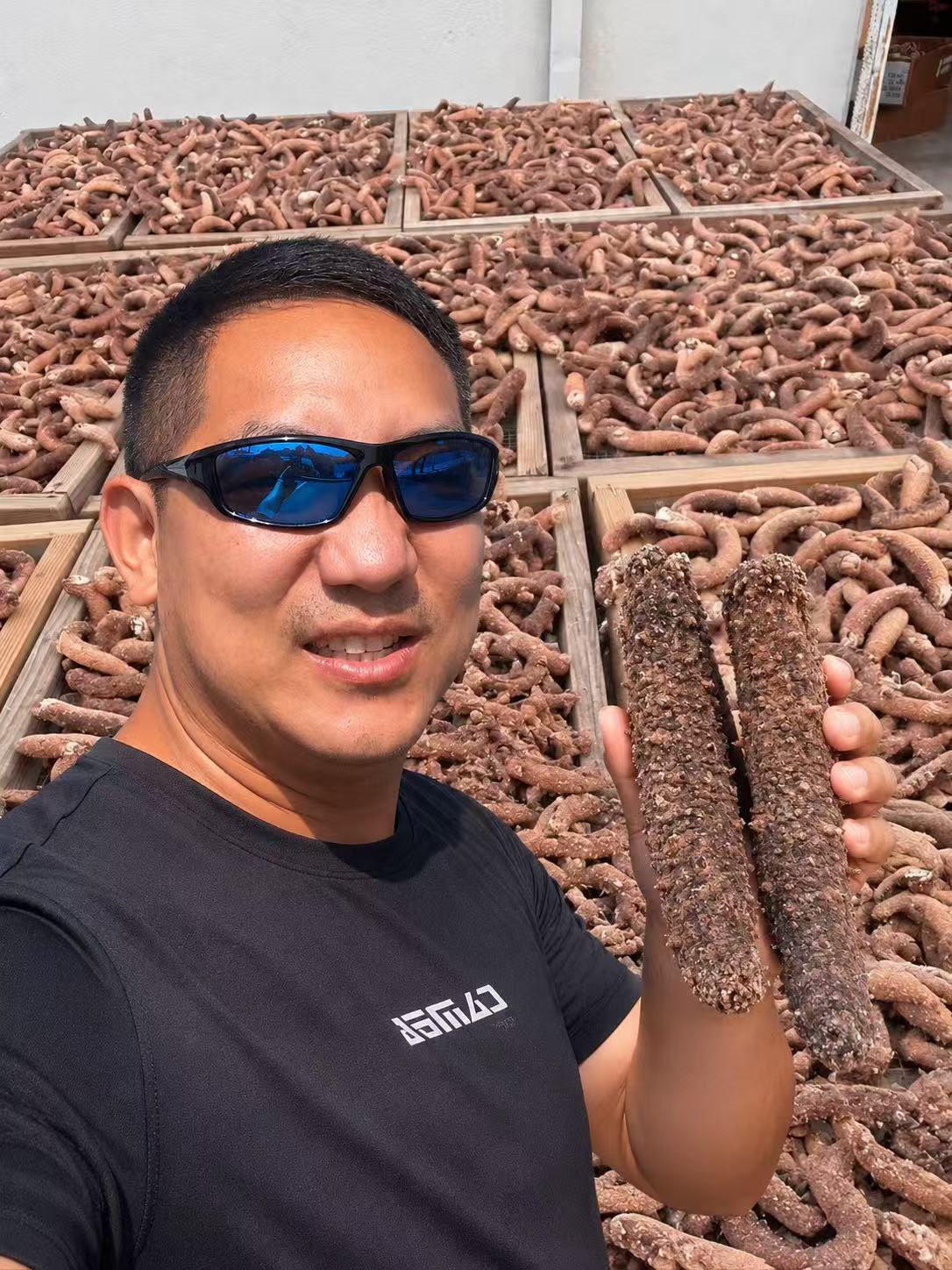
Today we’d like to introduce you to YIBO WEI.
Hi YIBO, so excited to have you on the platform. So before we get into questions about your work-life, maybe you can bring our readers up to speed on your story and how you got to where you are today?
My name is Yibo Wei, and I’m the founder of XLSEAFOOD, a Los Angeles-based e-commerce business specializing in wild-caught sea cucumbers and traditional Asian specialty foods.
I grew up in Guangzhou, China, and moved to Los Angeles in January 2012. Before becoming a full-time entrepreneur, I worked in the e-commerce industry, including at Newegg and Walmart, where I gained experience in supply chain management, purchasing, and online retail.
Interestingly, I never planned to start a sea cucumber business. It all happened by accident.
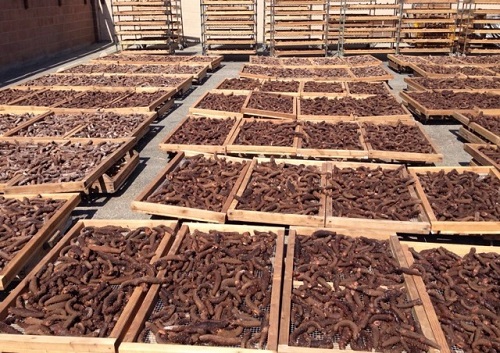
When I first arrived in Los Angeles, I rented a room from a family who operated a traditional sea cucumber drying and wholesale business. After living with them for about a year, we had built a good relationship and mutual trust.
In 2013, they ran into some cash flow difficulties and asked to borrow money from me. We agreed that the interest on the loan would cover my monthly rent.
But I was concerned about whether they could repay the loan, so I decided to take a closer look at their business.
That’s when I discovered an opportunity.
They had years of experience sourcing, drying, and wholesaling sea cucumbers, but they knew almost nothing about the internet or e-commerce. Coming from an e-commerce background, I immediately thought: Why not sell these products directly to consumers online?
To be honest, my original motivation wasn’t to become an entrepreneur. I just wanted to make sure I could get my money back!
I suggested building a website to sell their products online. They didn’t understand e-commerce, but they trusted me and gave me full responsibility for the online business.
So in 2013, I launched our first website.
The timing couldn’t have been better. Asian American e-commerce was growing rapidly, and economic and cultural exchanges between China and the United States were thriving. Our online sales took off much faster than I had expected.
What began as an attempt to recover a personal loan gradually turned into a serious business opportunity.
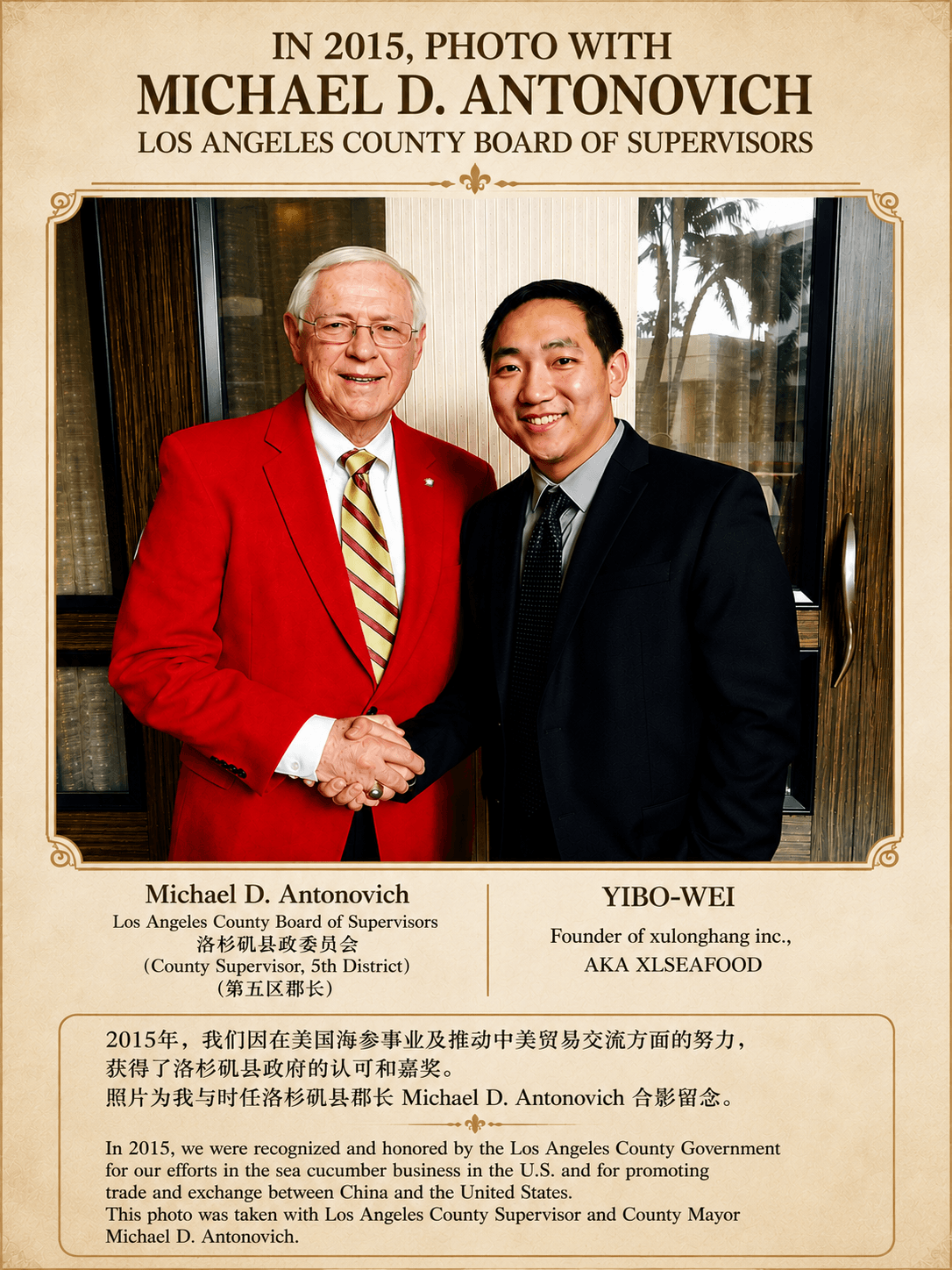
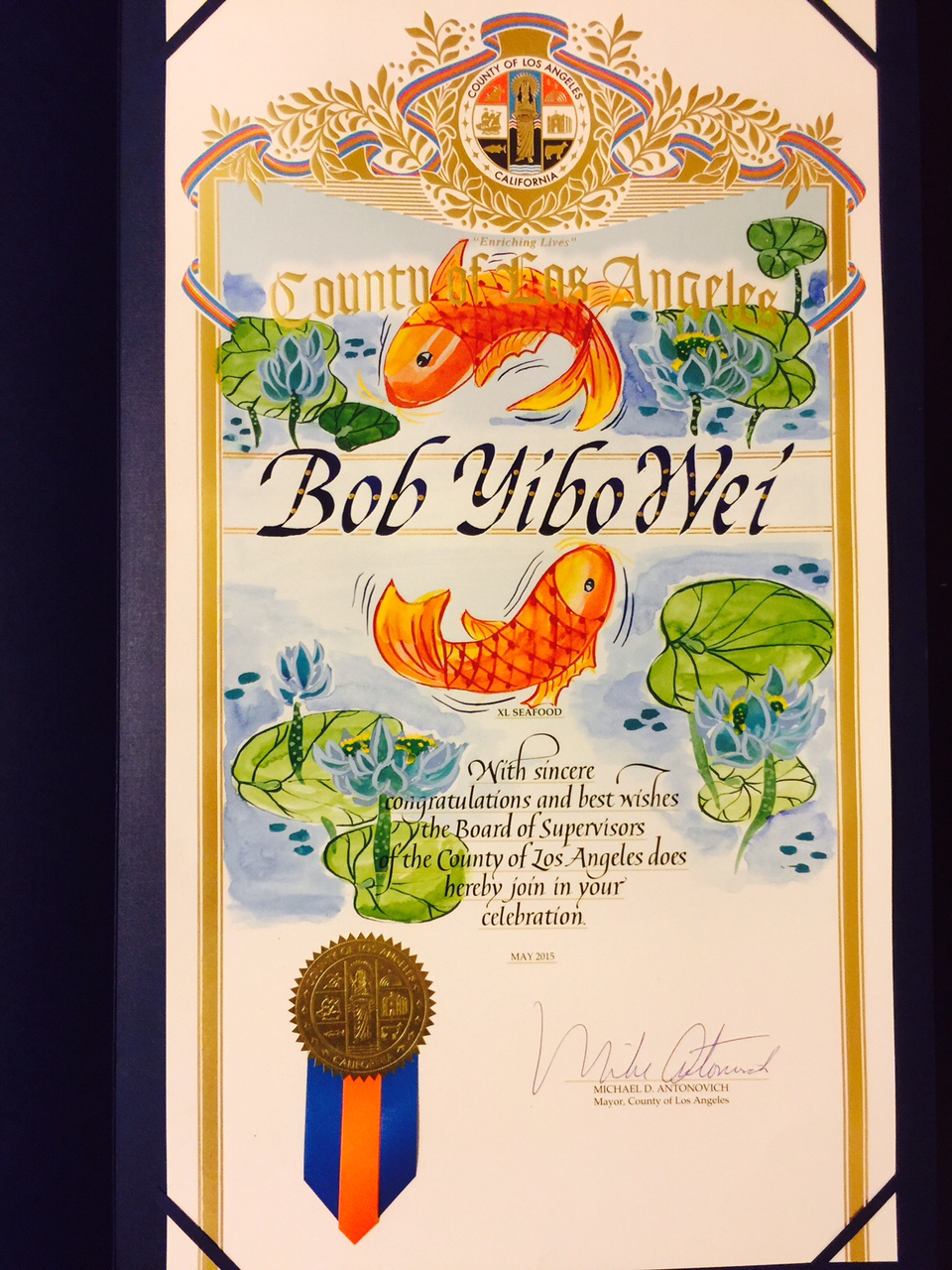
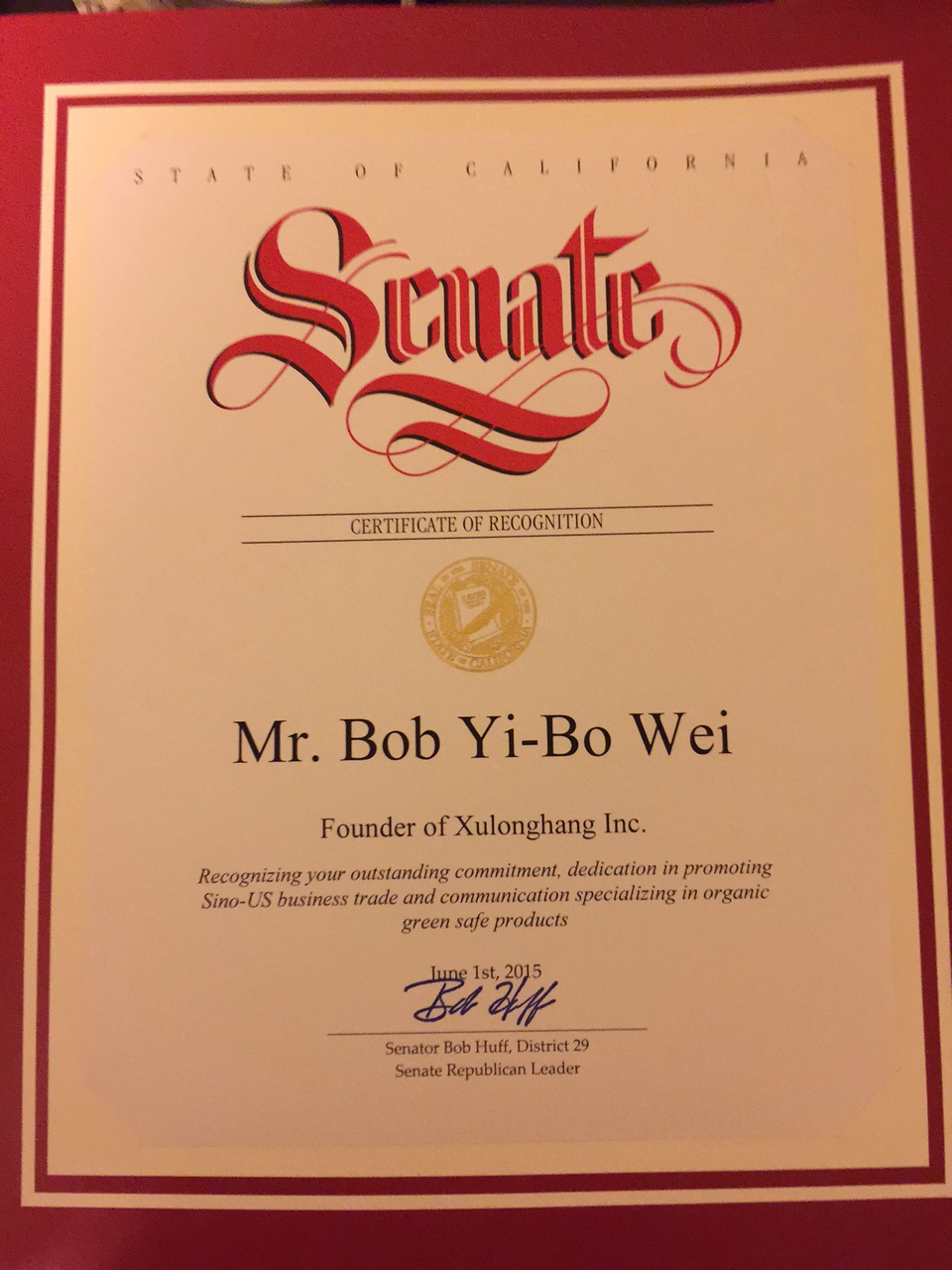
By 2015, our relationship had evolved. Instead of simply lending them money, I converted my loan into an investment and became a business partner. Around that time, I also registered the XLSEAFOOD brand.
I went from being their tenant to their lender, and eventually to their business partner.
Then came another turning point in 2015.
That year, I received my U.S. green card and got married. My wife and I wanted to travel around the world together, and honestly, having a traditional nine-to-five office job wasn’t going to make that very easy.
Fortunately, by then, the income from my e-commerce business was already enough to replace what I was earning in my corporate career.
So the decision to leave wasn’t really about taking a huge financial gamble. It was about having the freedom to live the life we wanted.
I resigned from my corporate job and became a full-time entrepreneur.
Looking back, that was one of the best decisions I’ve made. Entrepreneurship gave me something beyond financial independence — the flexibility to travel, spend time with family, and build a business on my own terms.
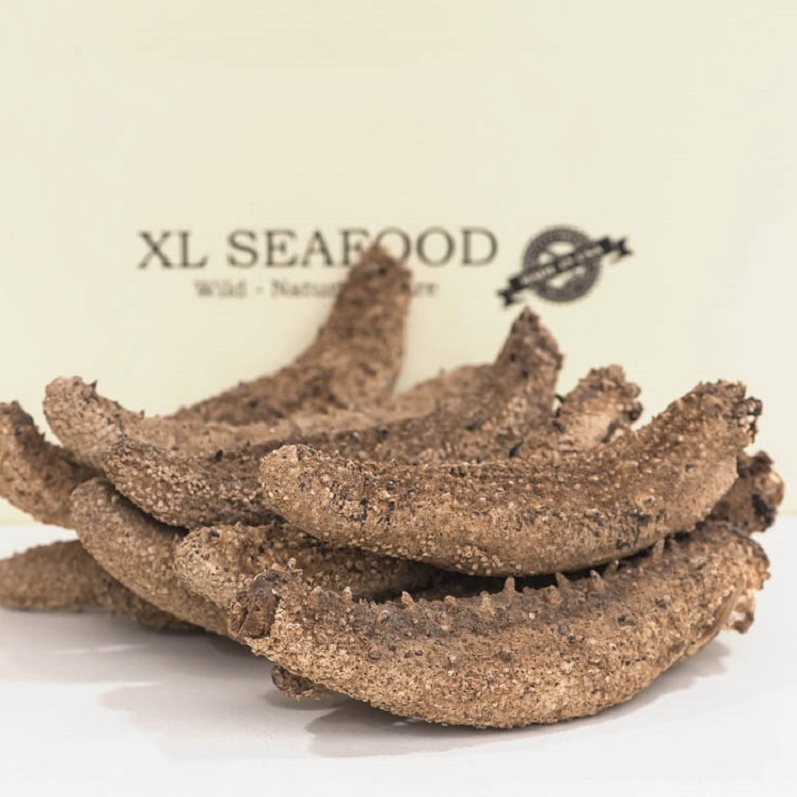
Over the years, XLSEAFOOD has grown from a small online operation into an established niche e-commerce brand. We’ve expanded our product selection to include wild-caught sea cucumbers from Alaska, California, and other regions, along with traditional Asian specialty foods such as bird’s nest and American ginseng.
Today, we sell through our own website as well as major online marketplaces, including Amazon, Walmart, and Weee!.
In 2026, XLSEAFOOD is celebrating its 13th year in business. We remain a small, hands-on team, and I’m still personally involved in sourcing, quality control, marketing, and customer relationships.
I’ve also become known online as “The Sea Cucumber Guy,” creating videos to help consumers better understand different sea cucumber species, where they come from, and how they’re processed.
Looking back, my entrepreneurial journey has been anything but conventional.
I came to America in 2012 as an immigrant starting a new chapter. A year later, I became a lender to my landlord. Then I became their e-commerce guy, their investor, and eventually a full-time entrepreneur.
I never planned to build a sea cucumber business. I was just trying to get my loan repaid!
Thirteen years later, that unexpected opportunity has become a business and a lifestyle that I truly enjoy.
For me, entrepreneurship has never been just about making money. It’s about creating the freedom to choose how I spend my time, where I go, and what kind of life I want to build.
We all face challenges, but looking back would you describe it as a relatively smooth road?
Obstacles & Challenges – Has It Been a Smooth Road?
Not at all. Our biggest challenge was that we were essentially building an e-commerce business from scratch in an industry that had never really operated online in the United States.
When we started in 2013, sea cucumbers were mainly sold through traditional Asian grocery stores, specialty shops, and wholesale channels. The industry relied heavily on information asymmetry. There were many different species, sizes, grades, and processing methods, but very little standardization or transparency for consumers.
In traditional stores, customers often had to rely entirely on the seller’s knowledge and recommendations. But e-commerce works differently. Customers need clear product descriptions, consistent quality standards, and transparent pricing before they feel comfortable buying something online.
I realized that if we wanted to sell sea cucumbers online, we first had to standardize the products.
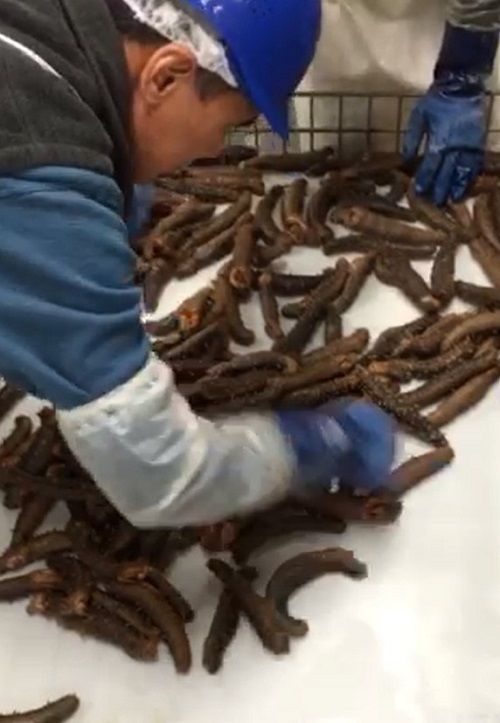
So I developed a classification system based on species, quality grade, size, and package weight. Today, that might sound like a normal part of e-commerce, but at the time, it was a completely different way of doing business in our industry.
The challenge was convincing my business partners.
They came from a traditional wholesale background, where products were typically sold in bulk. They didn’t see the value in spending so much time and labor sorting sea cucumbers into different grades and sizes. To them, it seemed like unnecessary extra work.
Instead of trying to change everything overnight, I suggested starting with just one of our main products and dividing it into three basic grades.
We launched those options online, and the results were excellent. Customers appreciated being able to understand the differences and choose products based on their needs and budgets.
That small experiment helped convince my partners that standardization wasn’t just an additional cost — it was a way to create value and build customer trust.
But product standardization was only the beginning.
We also introduced practices that were uncommon in the traditional sea cucumber business, including product samples, after-sales support, and extensive customer education.
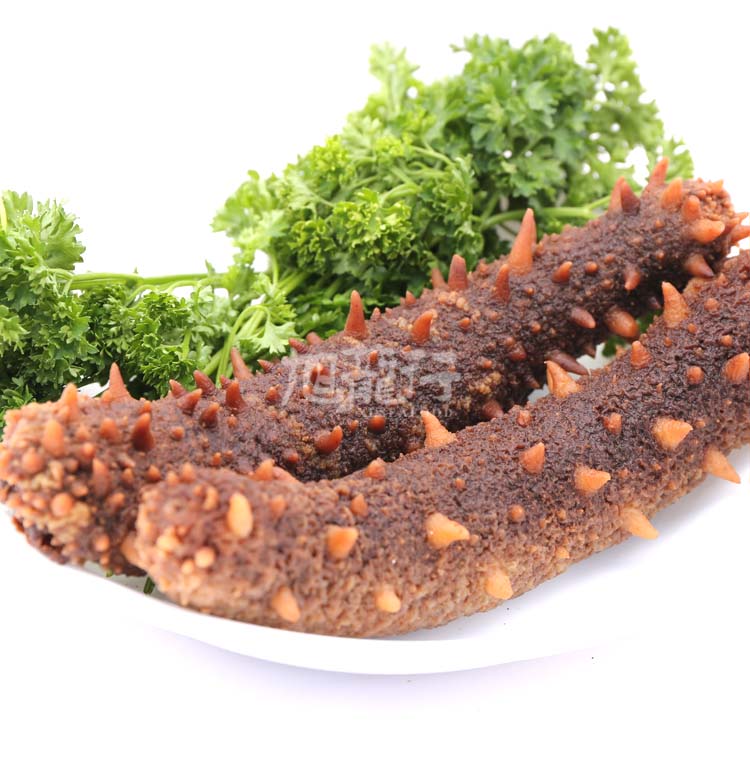
We created tutorials explaining different sea cucumber varieties, how to rehydrate dried sea cucumbers, and how to prepare and cook them. All of this required a tremendous amount of time and effort, especially for a small team.
My partners initially questioned whether all that additional work was really necessary.
But I believed that if we wanted customers to buy a traditional product online, we needed to remove as much uncertainty as possible.
Over time, these practices became fundamental to how we operated, and many of the approaches we pioneered helped establish new expectations for selling sea cucumbers online in the U.S. market.
Looking back, the hardest part wasn’t building the website or finding customers. It was changing a traditional business mindset and creating a new way of selling an old product.
We weren’t just moving sea cucumbers from offline stores to an online website. We were turning a traditionally opaque business into a more transparent, standardized, and customer-friendly shopping experience.
That’s probably one of the accomplishments I’m most proud of.
Alright, so let’s switch gears a bit and talk business. What should we know?
About XLSEAFOOD – What Makes Us Different
XLSEAFOOD, also known as Xulonghang (旭龙行), is a Los Angeles-based e-commerce brand specializing in premium wild-caught sea cucumbers and traditional Asian specialty foods.
We’ve been in business since 2013, and this year marks our 13th anniversary.
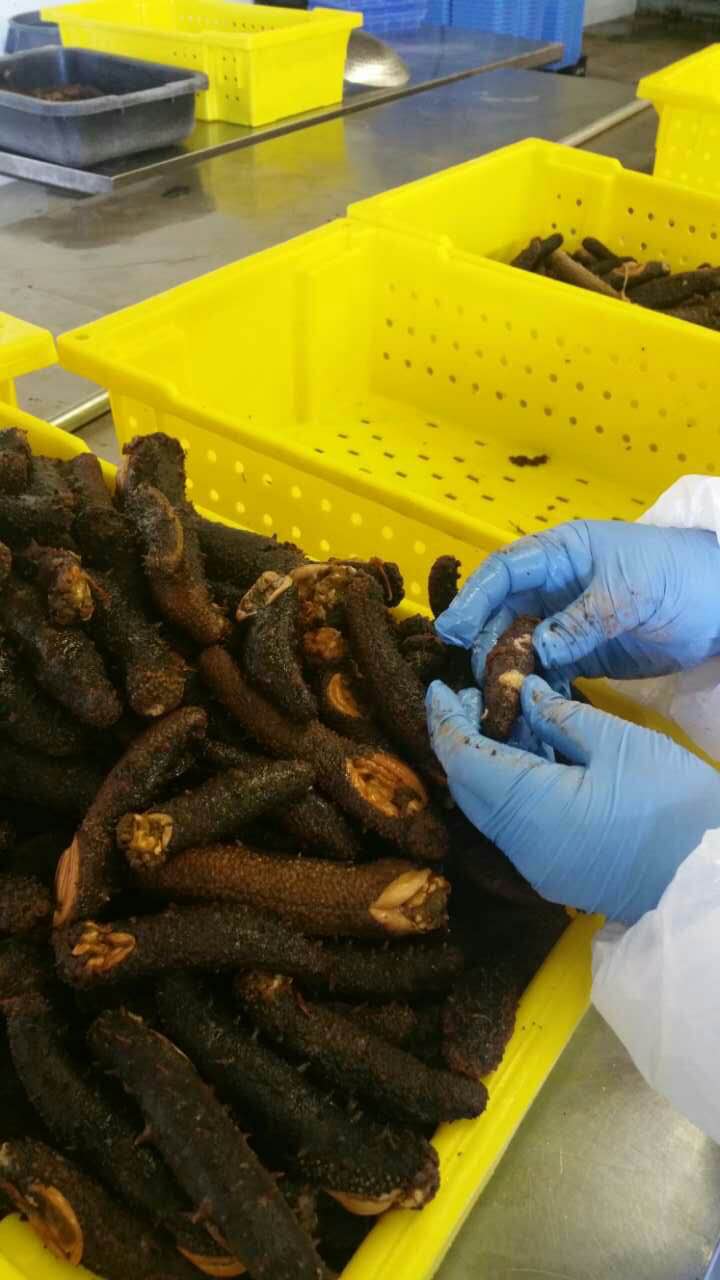
Our signature products are wild-caught sea cucumbers, particularly Alaska red sea cucumbers and California sea cucumbers. We also offer other varieties sourced from different regions, along with traditional Asian specialty products such as bird’s nest, American ginseng, dried scallops, and abalone.
What makes us different is that we’re not simply selling sea cucumbers. We’re trying to make a very traditional and often confusing product category easier to understand, more transparent, and more accessible to consumers.
When we first entered the market, sea cucumbers were primarily sold through traditional wholesale channels and specialty stores. There was very little standardization, and customers often had difficulty comparing products.
We approached the business from an e-commerce perspective.
We developed product classification systems based on species, quality grade, size, and package weight, allowing customers to compare different options and make more informed purchasing decisions.
We also put a strong emphasis on education.
Sea cucumbers are not something most American consumers are familiar with, and even many Asian consumers have questions about the different varieties, processing methods, and preparation techniques.
That’s why we create educational videos, product guides, rehydration tutorials, and cooking instructions. We want customers to understand exactly what they’re buying and feel confident preparing it at home.
I personally spend a lot of time creating content and answering questions online, which is how I became known as “The Sea Cucumber Guy.”
Another thing that sets us apart is our close connection to the products and the supply chain.
Wild sea cucumbers are seasonal products, and every harvest can be different. We pay close attention to sourcing, drying methods, grading, and quality control. We believe that understanding where a product comes from and how it’s processed is essential to earning customer trust.
Over the years, we’ve expanded from our original website to major e-commerce platforms, including Amazon, Walmart, and Weee!, allowing us to reach customers across the United States.
But despite that growth, we’re still a small, hands-on business. I remain personally involved in product selection, marketing, and customer communication.
What I’m most proud of isn’t simply how many products we’ve sold or how long we’ve been in business.
It’s that we’ve helped bring greater transparency and standardization to a traditional industry, while making these products more accessible to a new generation of consumers.
We started with a simple idea: customers should be able to understand what they’re buying, compare products fairly, and shop with confidence.
Thirteen years later, that philosophy still guides everything we do.
At XLSEAFOOD, we’re not just selling a traditional product. We’re building a bridge between traditional Asian food culture and modern e-commerce, with transparency, education, and customer trust at the center of our business.
Networking and finding a mentor can have such a positive impact on one’s life and career. Any advice?
Advice on Mentorship & Networking
My biggest advice is to focus on building genuine relationships rather than simply expanding your network.
My own entrepreneurial journey actually started with my landlord. When I moved to Los Angeles in 2012, I had no idea that the family I was renting a room from would eventually become my business partners.
We lived under the same roof for about a year and gradually built trust. That relationship eventually led to an unexpected business opportunity and, ultimately, XLSEAFOOD.
So I always tell people that you never know where your next opportunity might come from.
I also believe mentorship doesn’t always have to be a formal relationship. Sometimes the best learning comes from working with people who have completely different backgrounds and experiences.
My original business partners understood the sea cucumber industry, sourcing, and traditional wholesale business. I understood e-commerce, supply chains, and online marketing. We had very different skill sets, but that was exactly what made our partnership work.
I learned a lot from their industry knowledge, and I was able to introduce new ideas and technology to their business.
One thing I’ve learned is that trust is built through actions, not just conversations. When I first proposed grading and standardizing our products for online sales, my partners were skeptical. Instead of arguing, I suggested a small experiment and let the results speak for themselves.
That experience taught me the value of being open-minded, learning from others, and proving your ideas through action.
For anyone looking for a mentor or trying to build a professional network, my advice is simple: Be curious, be reliable, and look for ways to create value for others before expecting something in return.
Networking isn’t about collecting business cards or knowing the most people. It’s about building relationships where people trust each other, learn from each other, and grow together.
Sometimes, the person who changes your career might be someone you already know — even your landlord!
Contact Info:
- Website: https://WWW.XLSEAFOOD.COM
- Facebook: https://www.facebook.com/xlseafood/
- LinkedIn: https://www.linkedin.com/in/bob-wei-01150245/?isSelfProfile=true
- Youtube: https://www.youtube.com/@xlseafoodyoutube
- Other: tiktok: @hisengbro
Popular
-

Portraits of the Valley
-

LA’s Most Inspiring Stories
-

Greg Hex Is Turning the Everyday Kitchen Knife Into a Modern Design Object
-

Rick Norris Learned That Building a Successful Business Means Building a Life You Actually Want to Live
-

How Olivia Rush Turned Survival Into a Mission to Help Others Keep Going
-

How Bibi Goldstein Is Helping Entrepreneurs Reclaim Their Time by Embracing the Power of Delegation


