




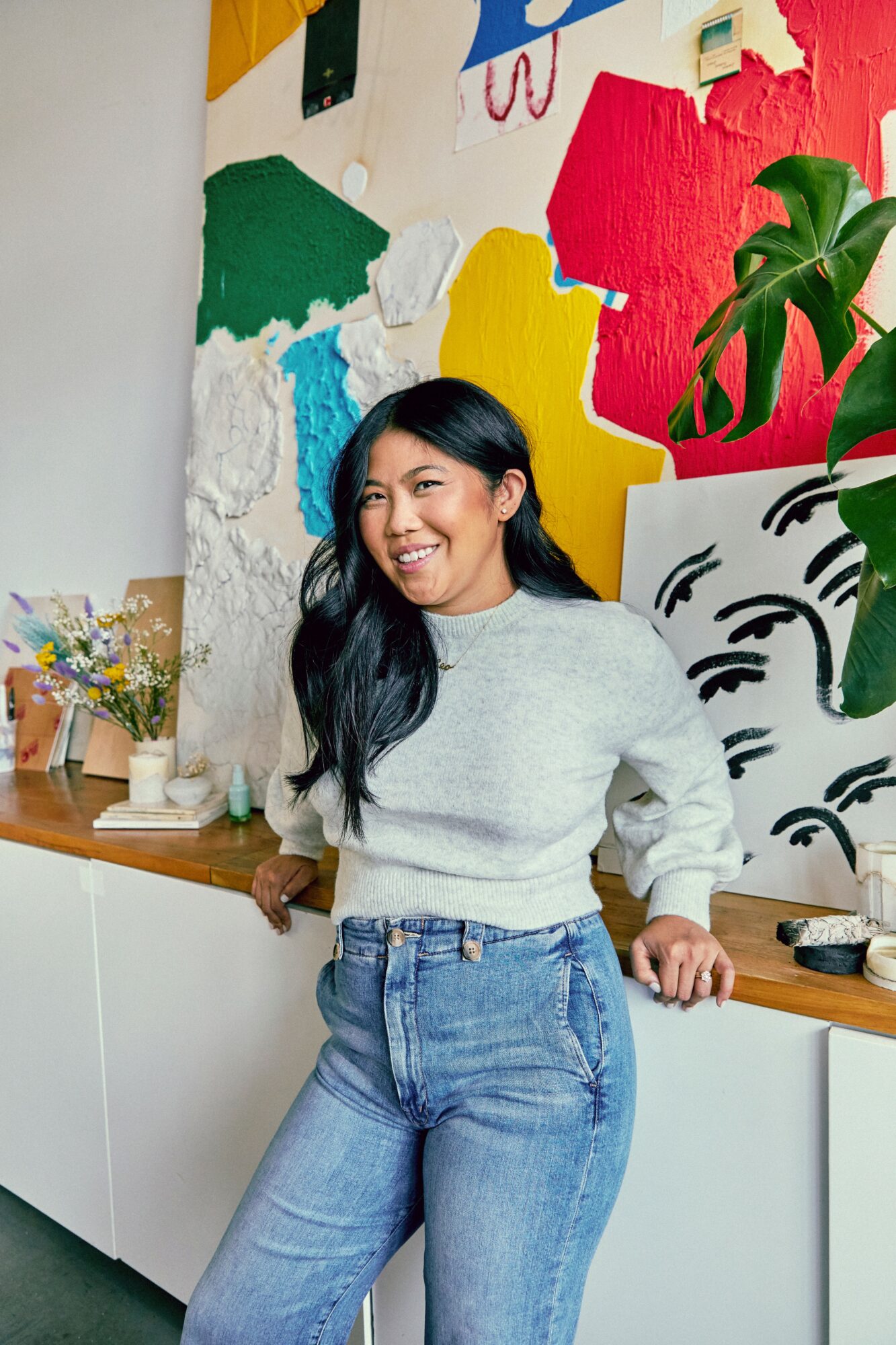
Today we’d like to introduce you to Stephanie Lee
Hi Stephanie, thanks for sharing your story with us. To start, maybe you can tell our readers some of your backstory.
I’m the daughter of Vietnamese refugees who escaped via boat during the war as teens with nothing but their resilience. Growing up in the US as first-generation, I grew up navigating two worlds: one driven by survival and trauma, where emotions weren’t really a priority, and another shaped by conformity and impossible beauty standards that told me my worth was tied to how I looked. Add in undiagnosed ADHD, high-functioning autism, and depression, and I became really good at masking and chasing perfection—while feeling totally disconnected from myself.
My earliest memories of beauty come from my mom’s hair salon. I was that kid sweeping up hair and spinning in stylist chairs while watching her transform people. Beauty felt powerful, but it also carried this weight of reinforcing standards that didn’t include people like me. That duality stayed with me as I worked my way through life—first as a makeup artist at MAC while in college in North Carolina, then into politics, where I worked on the 2008 Presidential campaign and then with First Lady Michelle Obama at the White House managing teams around the world, Secret Service and the Air Force. Those were the most formative years of my career that were mission oriented and executing on on a global scale, but I was burning out under the pressure of perfectionism and constant over performance.
Eventually, I moved to NYC to explore creative work and the beauty industry working at Estee Lauder Companies in their corporate strategy and venture arm and MAC Cosmetics in product development. On paper, I was thriving—creating cool things, traveling, going to fashion weeks, living this Sex-and-the-City-meets-immigrant-dream life. But inside, I was falling apart. My mental health hit a breaking point in 2015 with a crisis, and my body followed. My skin was breaking out, my scalp was peeling, my hair was falling out, and my shoulders were so tense it hurt to move. No product or dermatologist could fix it.
It wasn’t until I started therapy (3-4 times a week at one point!) that I connected the dots: my mental health was directly impacting my skin and body. Learning about attachment styles, resilience, vulnerability and emotional regulation tools changed my life. I was just astounded that no one taught me that those were all skills to be practiced. We don’t learn those in school, and you’re privileged if your parents can pass those down. I was 30 and learning about human behavior and maladaptive patterns for the first time that were just out of survival and protection. As my mind and nervous system calmed, so did my body. My skin started to heal, my hair grew back, and for the first time, I wasn’t chasing perfection—I was learning to just be.
In 2018, I took that work on the road. I traveled solo for a year through 11 countries and 16 states, talking to people about mental health, beauty, and self-worth. Everywhere I went, I saw the same thing: people were craving wellness and connection, but it felt inaccessible and overly complicated. At the time there was a lot of pseudospirituality and pop therapy that was and still is diluting what self-care actually is, apart from self maintenance. Where there are vulnerable people searching outside of themselves, will always exist people and systems who are happy to take advantage of that. It was clear the beauty industry was one of those and isn’t addressing the root cause any skin conditions or concerns—it was just covering up symptoms at the same time exacerbating our self-worth gap.
I came back in 2019 to the US with an idea. selfmade is the first emotional wellbeing brand that bridges mental and physical care through psychodermatology and neuroscience. Psychodermatology is a medical discipline focused on the inextricable relationship between the brain and skin as root cause of function or dysfunction. Recognizing that what happens on our skin is data for what may be happening in our minds is a powerful tool for personalizing self-care. selfmade creates products and rituals with mental health experts that nurture the connection between body, mind, and skin. We integrate emotional regulation techniques and stress resisting ingredients into actions you’re already doing like your skincare routine to eliminate the friction of traditional self-care—like costly classes, time-intensive practices, or overwhelming routines.
After surviving the pandemic and now navigating burnout, we’ve moved to LA this past year to invest in the community around us and the mission of selfmade – reimagine beauty as a relationship with themselves, and work with their skin, brain, and body—not against them.
I’m sure it wasn’t obstacle-free, but would you say the journey has been fairly smooth so far?
Smooth? Not even close. Starting selfmade has been one of the hardest things I’ve ever done, but also the most rewarding. From the outside, it might look like I’ve always been ticking boxes—working in politics, thriving in the beauty industry, launching a brand—but beneath that, it’s been a rollercoaster of self-doubt, perfectionism, and unlearning a lot of the narratives I was taught growing up.
As a first-gen kid of refugees, I was raised to believe that success looked like stability: a good job, financial security, keeping your head down. Leaving a corporate career to start a brand about emotional wellbeing felt like the opposite of that. There was no clear roadmap for what I was doing—especially since selfmade isn’t about being a skin care brand — it’s a mental health movement that challenges the way we think about beauty and self-care. Convincing others to believe in that vision wasn’t easy, especially when mental health was still so stigmatized.
Then there’s the emotional labor of being a founder. It’s a lot of rejection, projection, and self-doubt. I’ve had to confront my own fears and insecurities while navigating funding conversations where, let’s be real, I didn’t look or sound like the “typical” CEO. There were days when I questioned everything: Am I enough? Is this even possible? But I had to learn to let go of perfectionism, ask for help, and trust that progress—however messy—is still progress.
There’s also the very real challenge of building something personal and putting it out into the world. selfmade is rooted in my own mental health journey, and that means every rejection or misstep feels deeply personal. Learning to set emotional boundaries and not tie my worth or ego to the brand’s success has been its own journey and consistent practice of checking in.
As you know, we’re big fans of selfmade. For our readers who might not be as familiar what can you tell them about the brand?
After I came back from my year of travel, I started selfmade to bridges mind, body, and skin connection through psychodermatology to combat our current mental health crisis. selfmade is different because we’re not just a beauty brand—we’re an emotional wellbeing brand. Society and our environment from doomscrolling and binge watching tv, does anything it can to separate our minds from our bodies and in particular the beauty industry positions our skin as something to fight against and judge rather than work with. It’s making us sicker.
We’re known for doing what real self-care should be, rather than the mental health washing and pop therapy that the self-care industrial complex has been pushing. We specialize in creating products and rituals that address stress, emotional regulation, and self-worth—all while supporting healthy skin. Our mission is to turn our everyday routines into moments to practice emotional regulation and intentional rather than having to spend more money, time, and effort scheduling all the things that are marketed to us to feel better. This makes self-care way more accessible by combining research-backed science, mental health practices, and skincare innovation.
Instead of treating skincare as a surface-level routine, we approach it as a holistic practice that integrates emotional and physical wellbeing with neuroscience and behavior change. Every product is designed as a therapeutic tool, complete with reflective prompts and sensory experiences that encourage mindfulness and self-compassion.
What really sets us apart is our commitment to inclusivity and collaboration. Our team includes BIPOC mental health experts, a Junior Advisory Board of Gen Z activists, and diverse voices who ensure that our brand reflects the community it serves. We don’t just create products—we create space for people to reconnect with themselves and redefine beauty on their own terms.
I’m most proud of how selfmade is shifting the conversation around beauty and mental health. We’ve created a space where people feel seen, heard, and supported—not judged or pressured to be something they’re not. Hearing someone say our products helped them manage their anxiety, feel more connected to their body, or approach self-care in a new way is everything to me. It reminds me why we started this journey in the first place.
I’m also incredibly proud of how deeply intentional selfmade is. From working with BIPOC mental health experts to developing products inspired by psychological concepts like attachment and resilience, every decision is rooted in care and inclusivity. Our Junior Advisory Board of Gen Z activists ensures we stay connected to our community, and our team itself reflects the diversity we champion.
To me, selfmade isn’t just a brand—it’s a movement. It’s about unlearning harmful beauty narratives, reconnecting with your inherent worth, and creating rituals that heal both mind and body. Watching that vision come to life and seeing it resonate with people is something I’ll always be proud of.
Where we are in life is often partly because of others. Who/what else deserves credit for how your story turned out?
Who else deserves credit?
So many people. My parents for supporting me relentlessly in this vision and reminding me how much they are proud of me no matter how this turns out. To my partner who is an entrepreneur himself role modeling the unbelievable resilience required to take on a deeply personal and huge endeavor with heart. He reminds me to do the work in the way I need to approach it that is true to me, and not because it should look like how other people have done it or expect.
The 60 Junior Advisory Board Alumni helped to shape and mold the brand from product, packaging and voice with their lived experiences, stories and hopes for what they stand for and the world they want to create. These Gen Z mental health activists and beauty enthusiasts have not only kept us grounded in what matters most but have also challenged us to grow and adapt in ways I couldn’t have imagined.
I’m also endlessly grateful for our advisors, including Dr. Jeshana Johnson and Dr. Byron Young, who are both brilliant mental health practitioners of color practicing in LA. Their expertise has ensured that everything we create is trauma-informed, inclusive, and credible to our audience. Dr. Johnson has said that for some folks of color, having a selfmade product will be the only access to therapy they may ever have. We know that this work to translate their work into something that builds a whole human is incredibly important more than ever, and carry their oath of practitioners to do no harm as mission critical. I can’t forget to note Robyn Watkins, our product development advisor and friend, who was the first to believe what the transformative power of selfmade’s product philosophy and formulation process. She is the Beyonce of the beauty business.
Our members of our community who have become customers to working in the business, to becoming investors funding the future of what we know this brand can do, to leading workshops and panels on events, to bringing more folks in the fold to make this a movement. It’s been an incredible journey of meeting and knowing so many folks personally rooting us and this mission in any way they can. It’s humbling and a reminder of the power of ordinary people coming together to do extraordinary things
Contact Info:
- Website: beselfmade.co (not.com)
- Instagram: @beselfmade.co
- LinkedIn: https://www.linkedin.com/in/stephanieannlee/
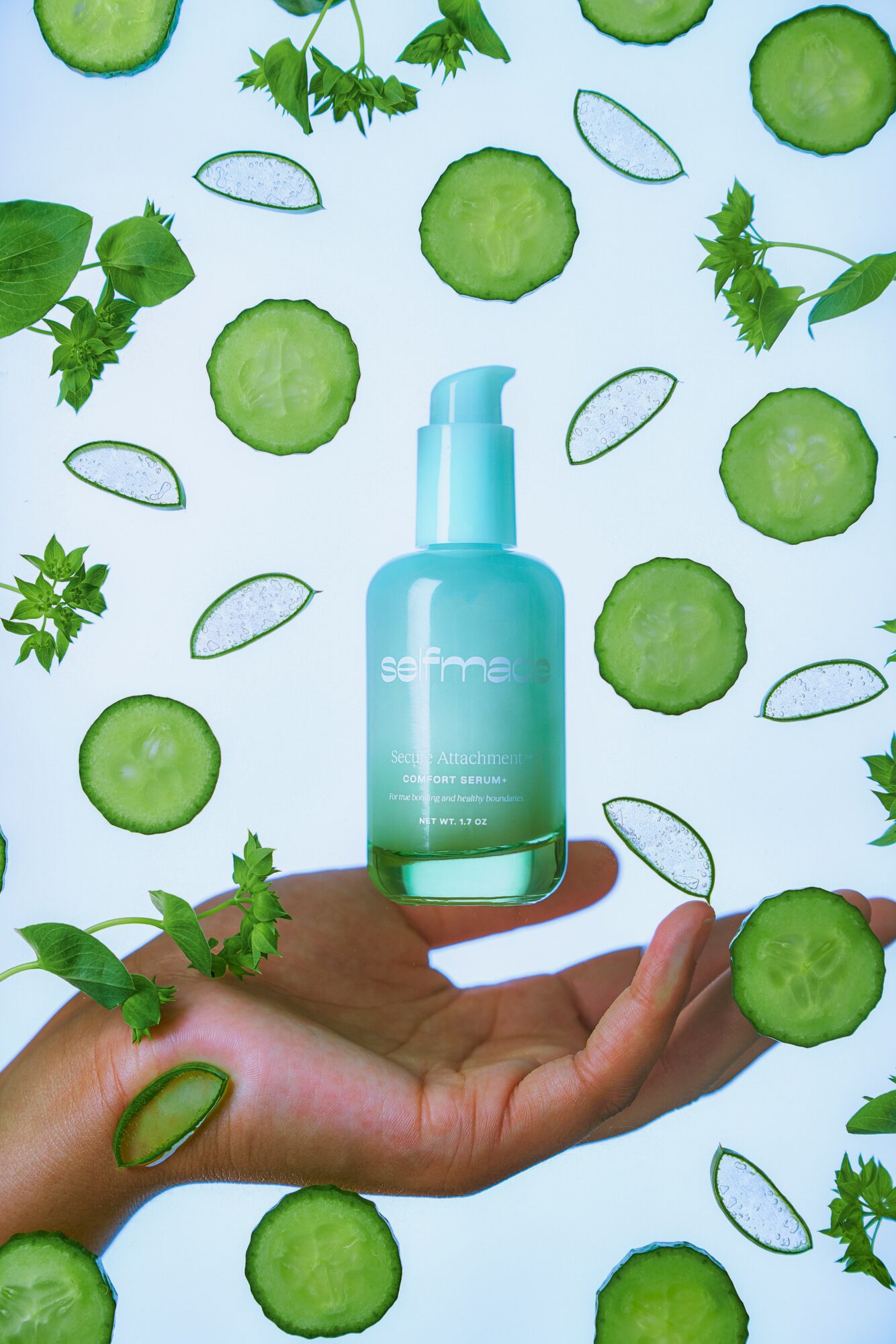
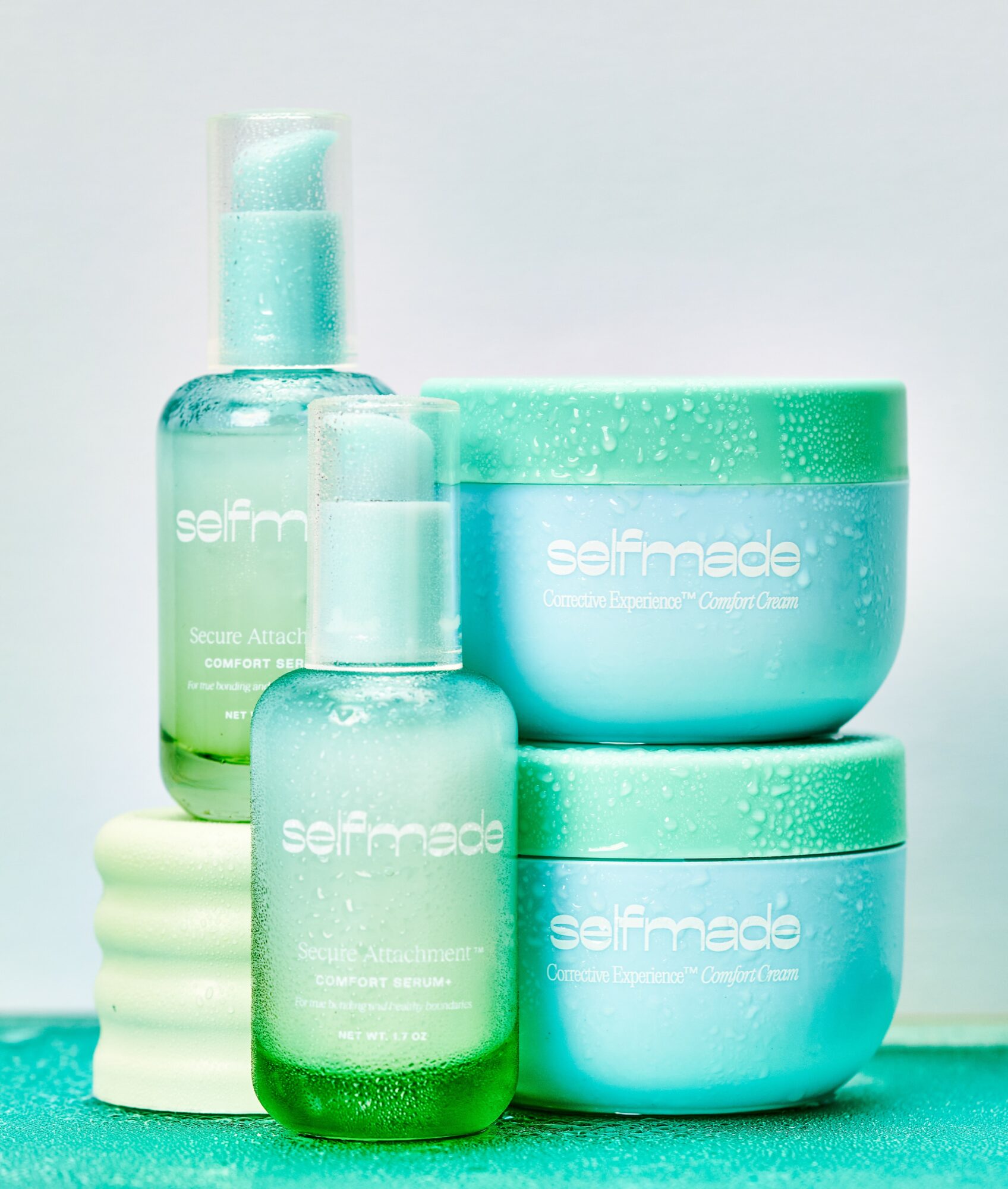
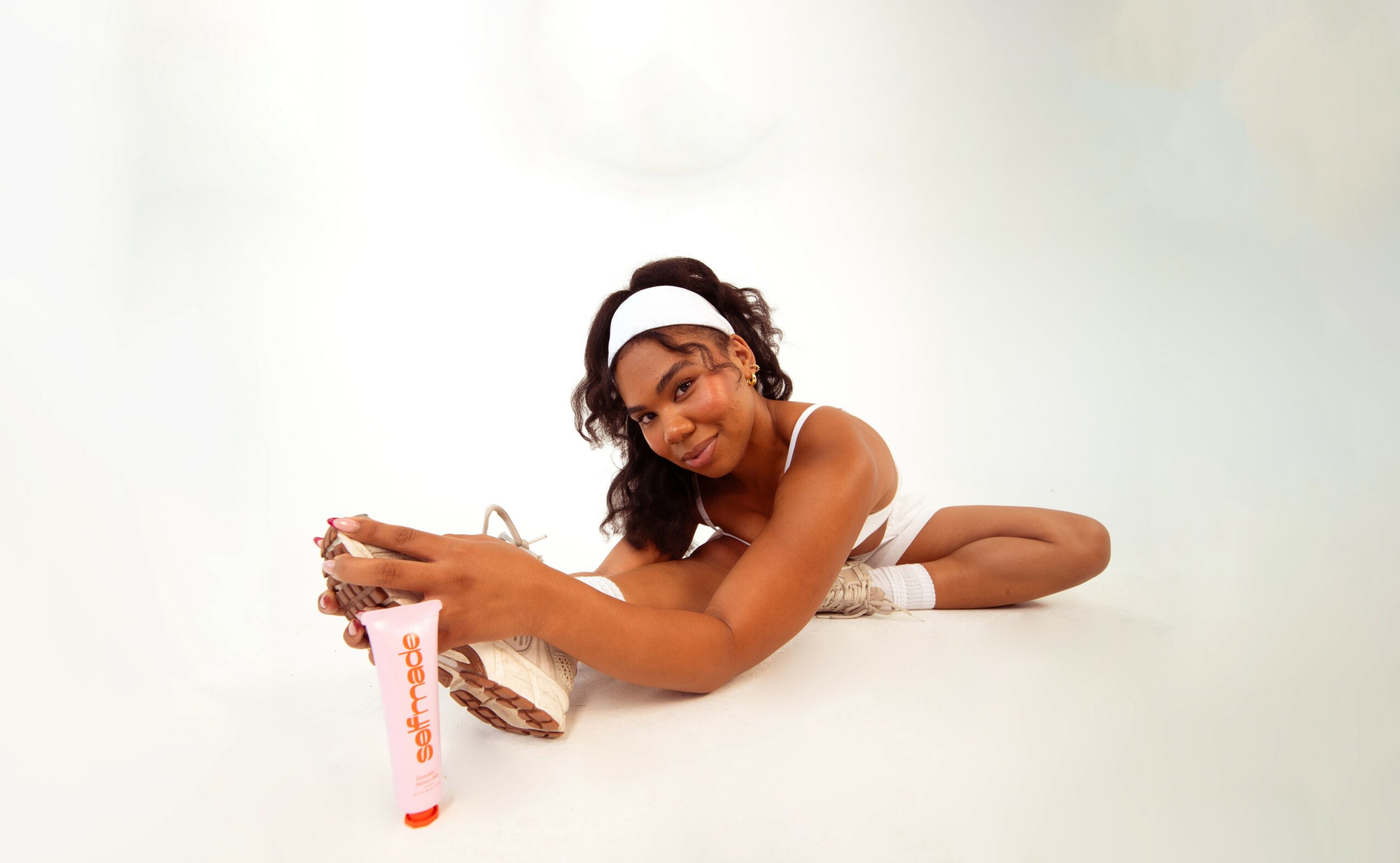
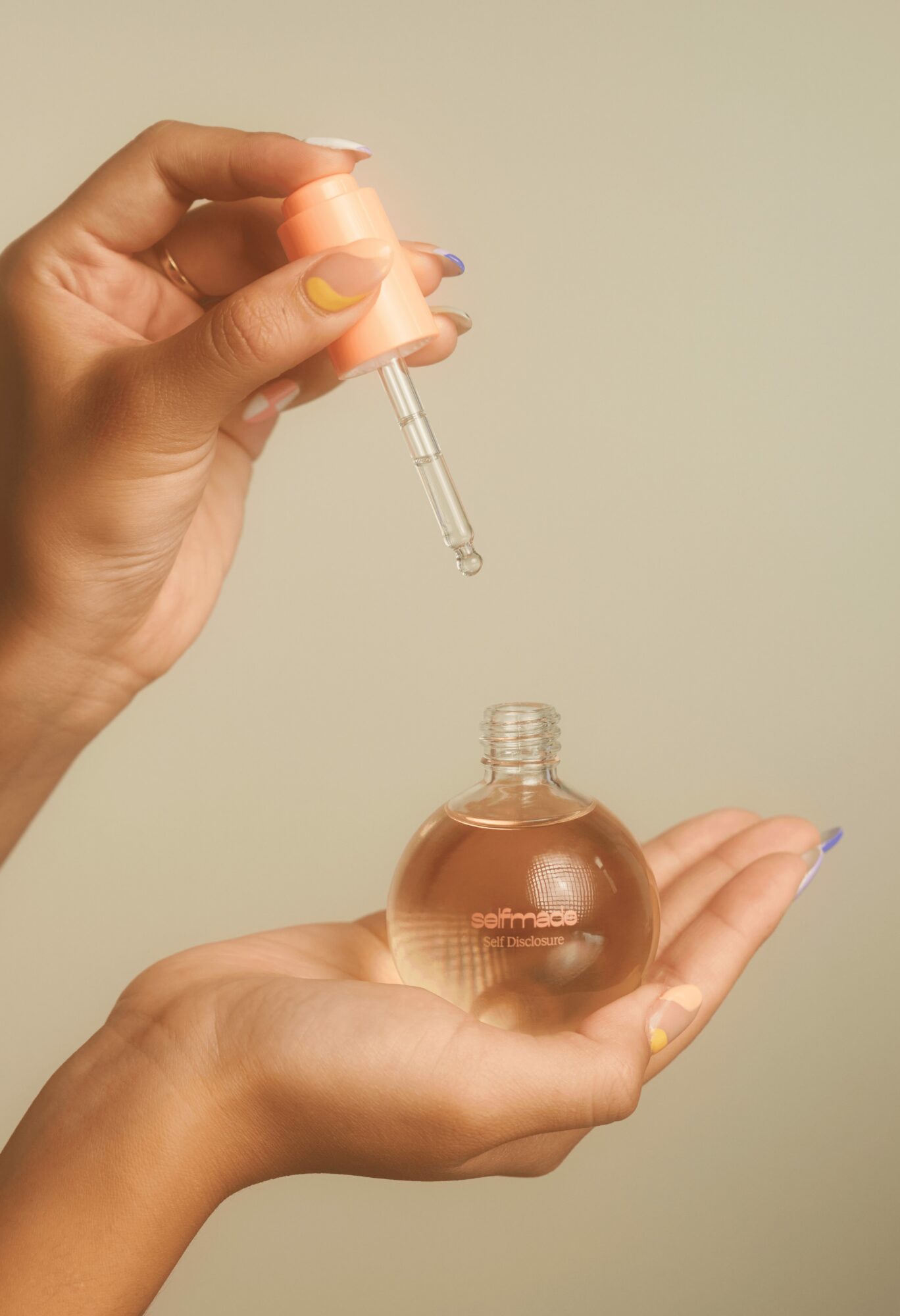
Image Credits
Thi Lam
Jada Akoto
Gregory Shark
Savannah Ruedy
Popular
-

Que Johnson on Building Brands That Last: From Visibility to True Market Authority
-

Christina Wren Steps Into the Director’s Chair to Tell Stories That Feel Like Home
-

Portraits of the Valley
-

LA’s Most Inspiring Stories
-

JordanL on ‘Breathe,’ Belief, and Building a Movement Beyond the Music
-

Megan Birney Rudert on How Access to Light Is Powering a More Sustainable and Equitable Future


